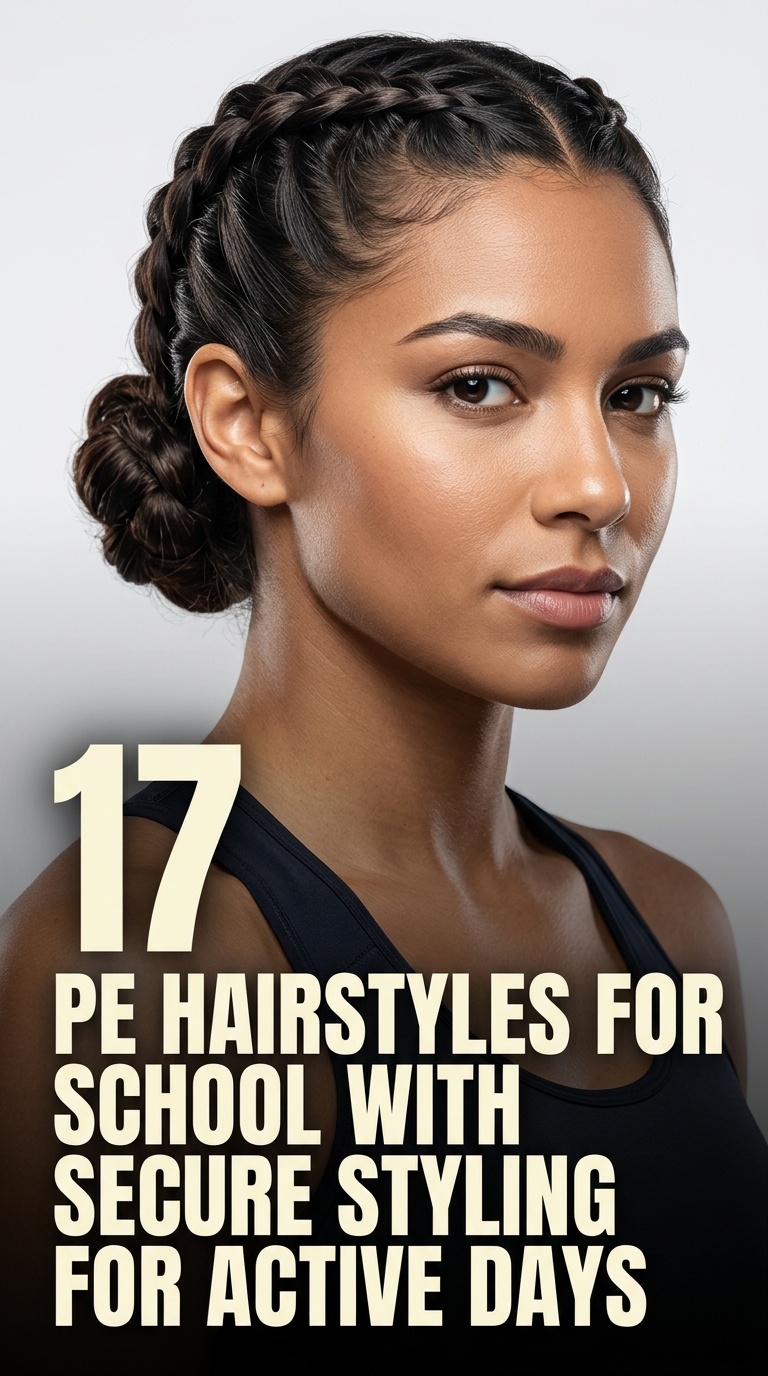
Finding the right balance between style and security is essential for any physical education class. You need a look that stays put through sprints, jumps, and team sports.
Active school days demand durability and comfort. These 17 styles focus on keeping hair out of the face while maintaining a polished look from the first bell to the final whistle.
Whether you are dealing with short layers or long locks, secure styling is the priority. These options ensure you can focus on your performance rather than fixing your hair.
1. Classic High Ponytail
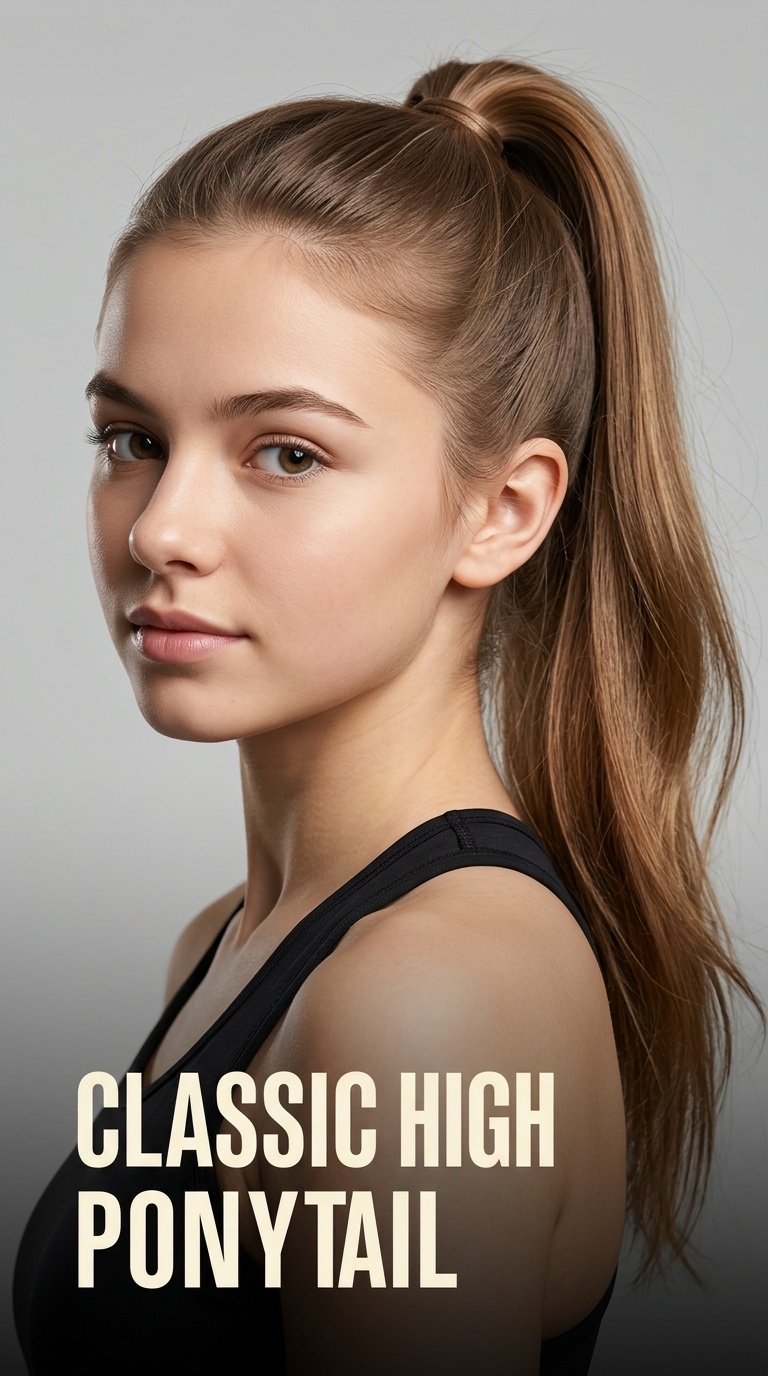
The classic high ponytail is a staple for a reason. It keeps every strand away from the neck and face, allowing for maximum airflow during high-intensity cardio sessions or team drills.
To ensure this style lasts, use a high-quality elastic and consider a “double-tie” method. Using two hair ties instead of one provides extra tension that prevents the ponytail from sagging.
Finish the look with a light mist of hairspray or a small amount of gel around the hairline. This tames flyaways and ensures the style remains sleek and professional throughout the day.
2. Double Dutch Braids
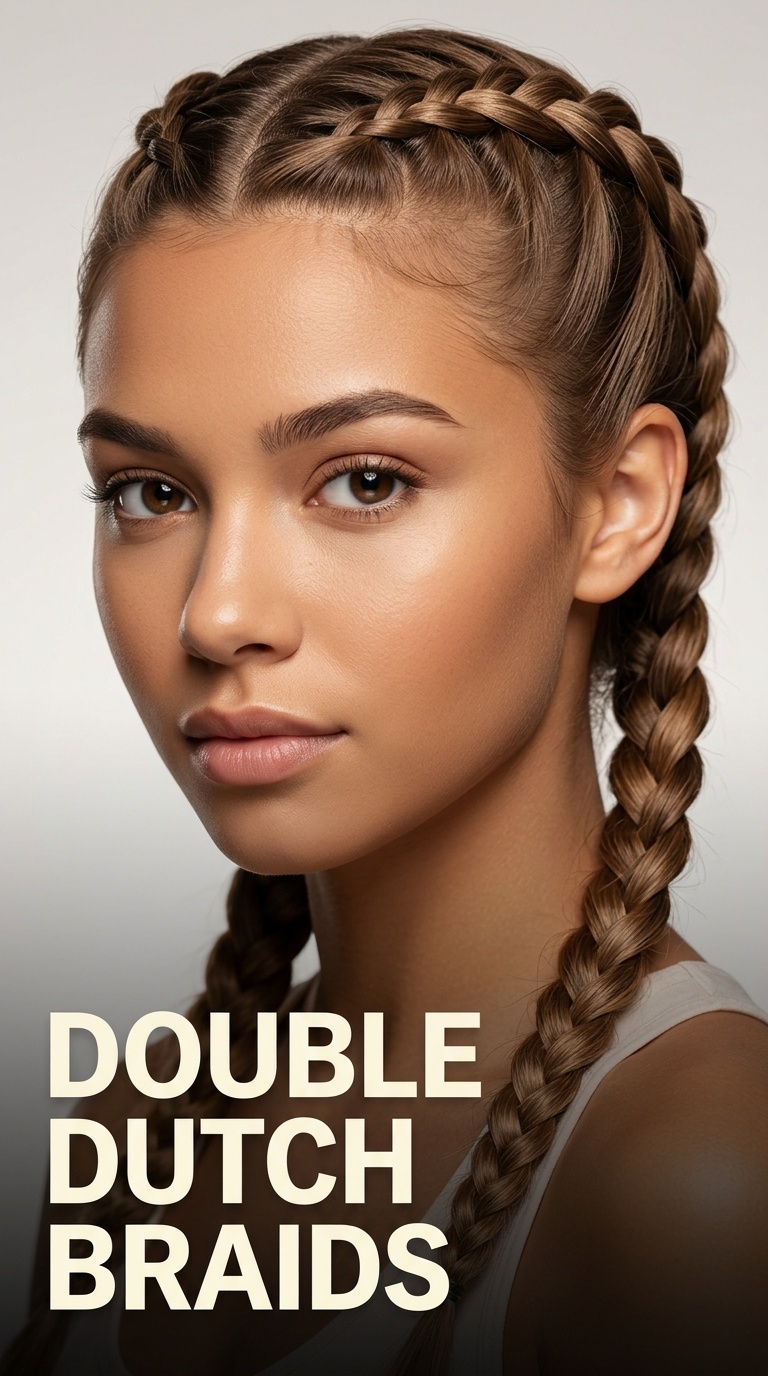
Double Dutch braids are perhaps the most secure option for any active individual. By weaving the hair under rather than over, the braids sit tight against the scalp, minimizing movement.
This style is particularly effective for those with layers that often slip out of standard ponytails. The continuous weaving locks every section in place, from the forehead down to the nape.
These braids also hold up remarkably well under helmets or sweatbands. You can transition from a morning gym session to an afternoon lecture without needing to restyle or brush through tangles.
More Amazing Ideas
 17 Hairstyles for Sports with Secure Styling for Active Days — Read more
 16 Hairstyles for Volleyball with Secure Styling for Active Play — Read more
 19 Gym Hairstyles for Long Hair with Secure, Practical Styling — Read more
 16 Dance Hairstyles with Secure Styling for Different Hair Lengths — Read more
 19 Gym Hairstyles for Medium Hair with Secure and Practical Styling — Read more
3. The Secure Bubble Braid
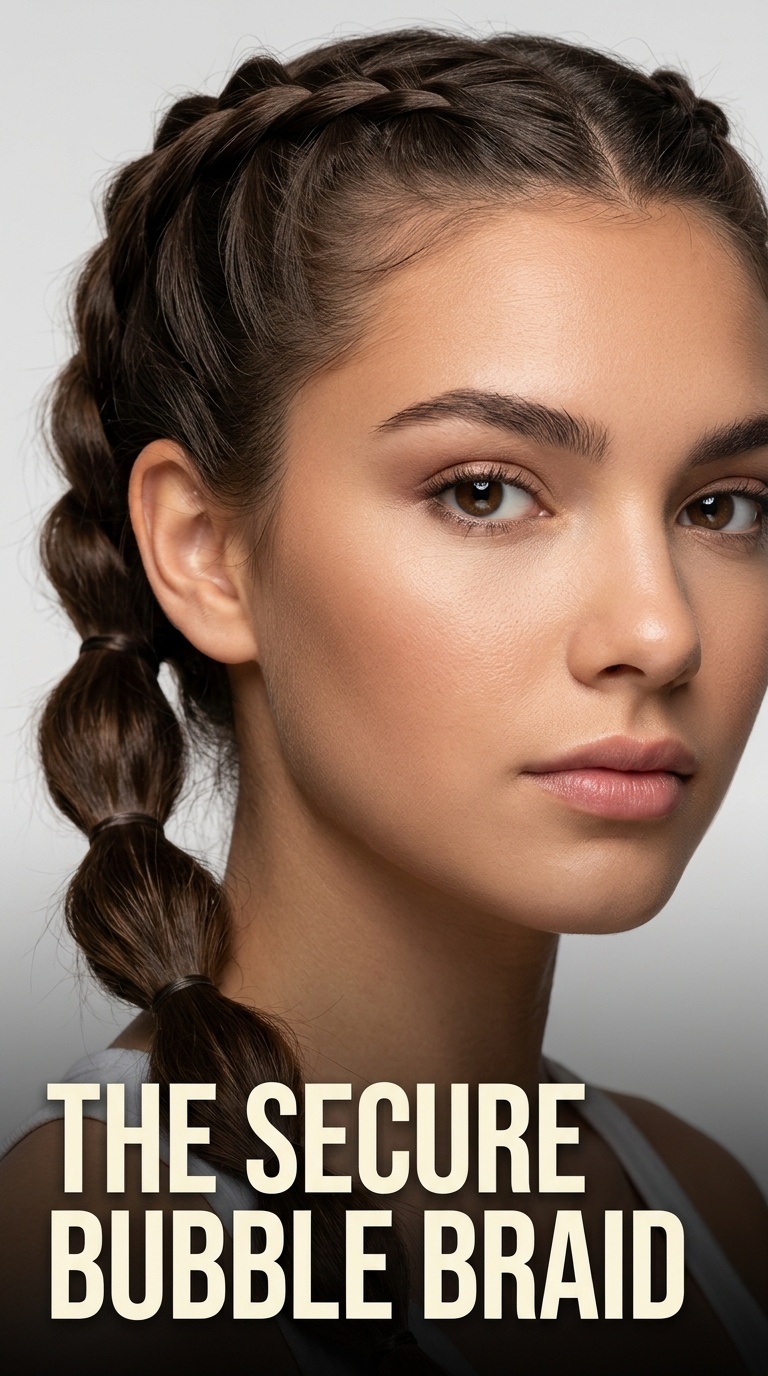
The bubble braid offers a modern aesthetic while providing the security of multiple anchor points. It starts with a standard ponytail, followed by additional elastics placed every few inches down the length.
Each section is gently fluffed out to create the “bubble” effect, but the elastics keep the hair from whipping around. This is an excellent choice for very long hair that might otherwise tangle.
Use clear or color-coordinated elastics for a seamless look. This style is highly resistant to wind and fast movement, making it ideal for outdoor track or field sports.
4. Low Sleek Chignon
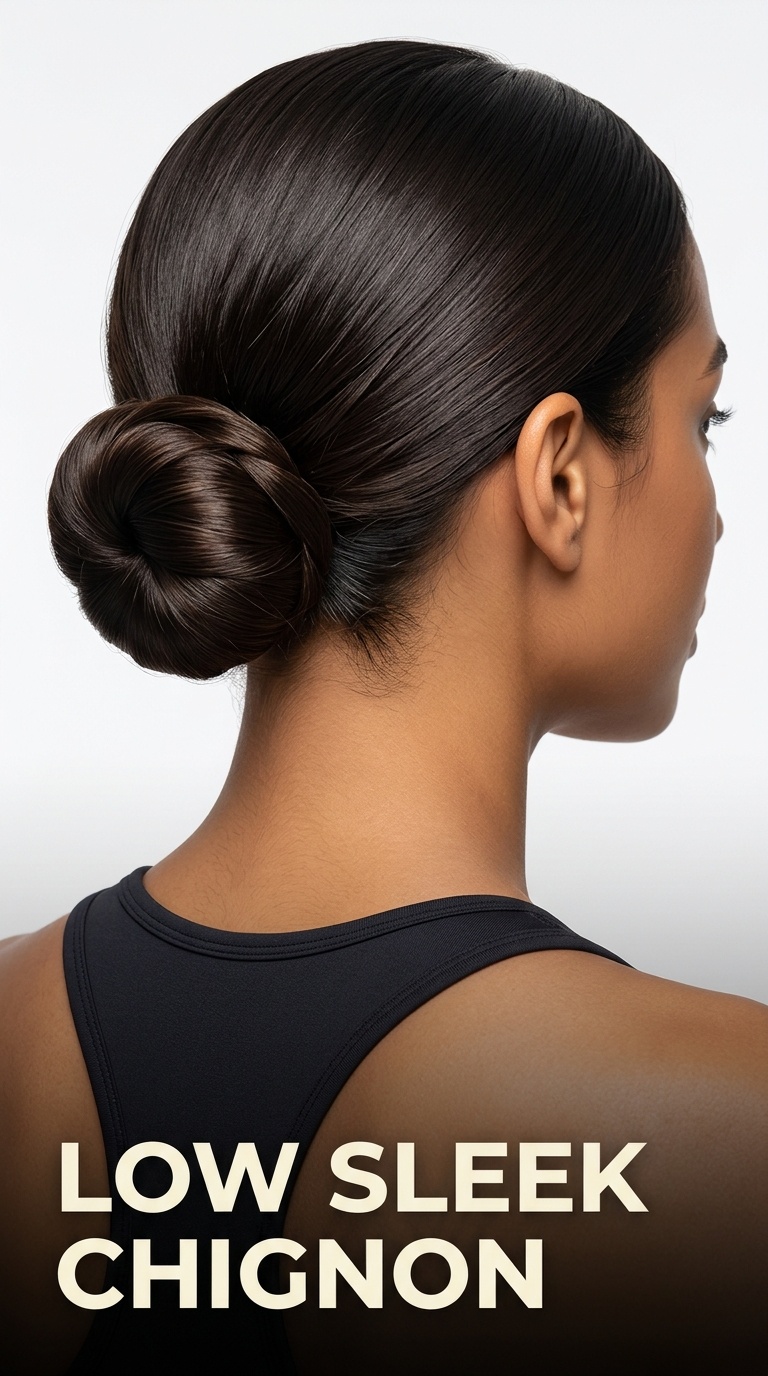
A low chignon provides a sophisticated look that is surprisingly sturdy. By pinning the hair at the nape of the neck, you eliminate the weight of a swinging ponytail during movement.
Start by securing a low ponytail and then twisting the length into a tight coil. Use heavy-duty bobby pins or a spiral pin to lock the bun against the base of the head.
This style works best for those who prefer a centered weight distribution. It avoids the “bouncing” sensation of high styles, which can be distracting during long-distance running or repetitive exercises.
5. Triple Braided Ponytail
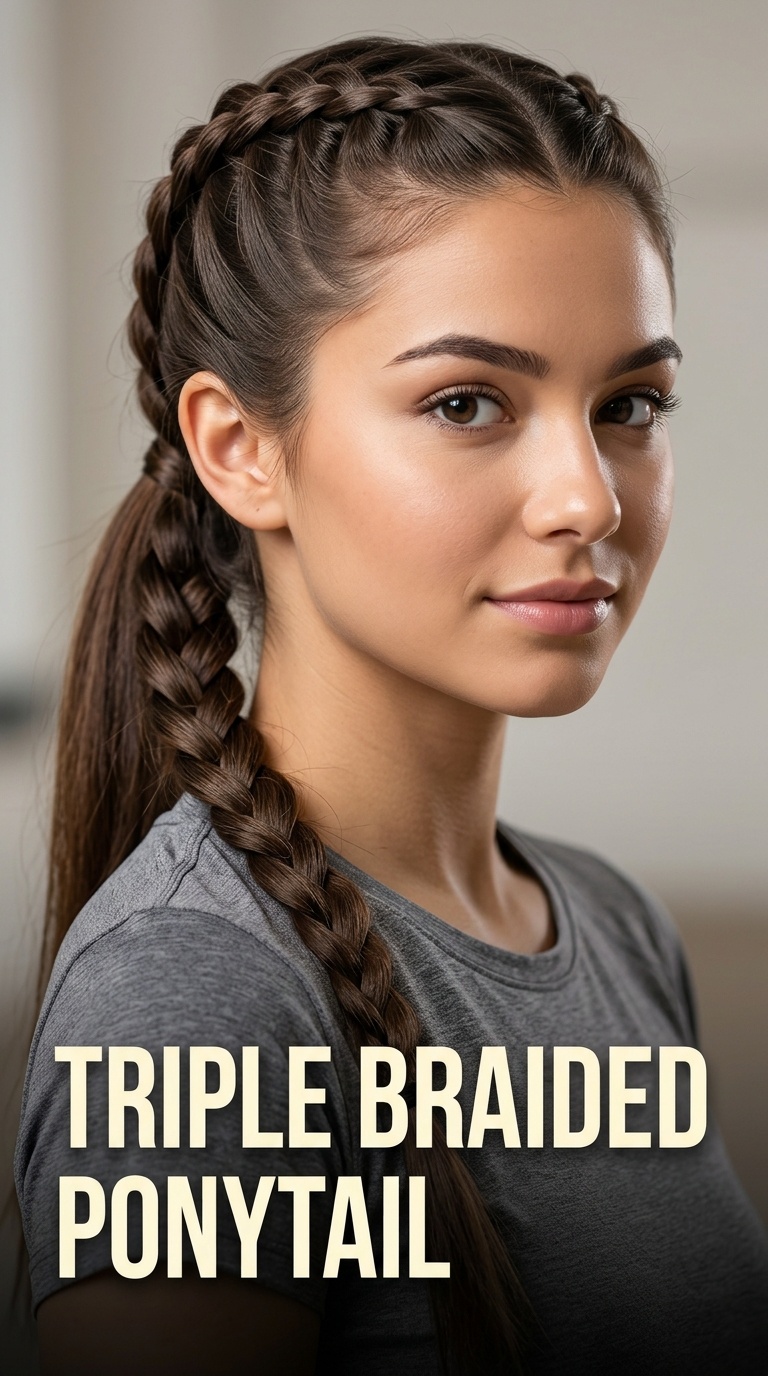
The triple braided ponytail adds an extra layer of security to a standard high pony. Divide the hair into three sections before pulling them together, or braid the ponytail itself after securing it.
Braiding the length prevents the hair from knotting during contact sports or gymnastics. It keeps the hair compact and reduces the risk of it getting caught in equipment or clothing.
For maximum durability, secure the end with a small, non-slip elastic. This ensures that even if the top tie shifts slightly, the bulk of the hair remains organized and out of the way.
6. French Braid Crown
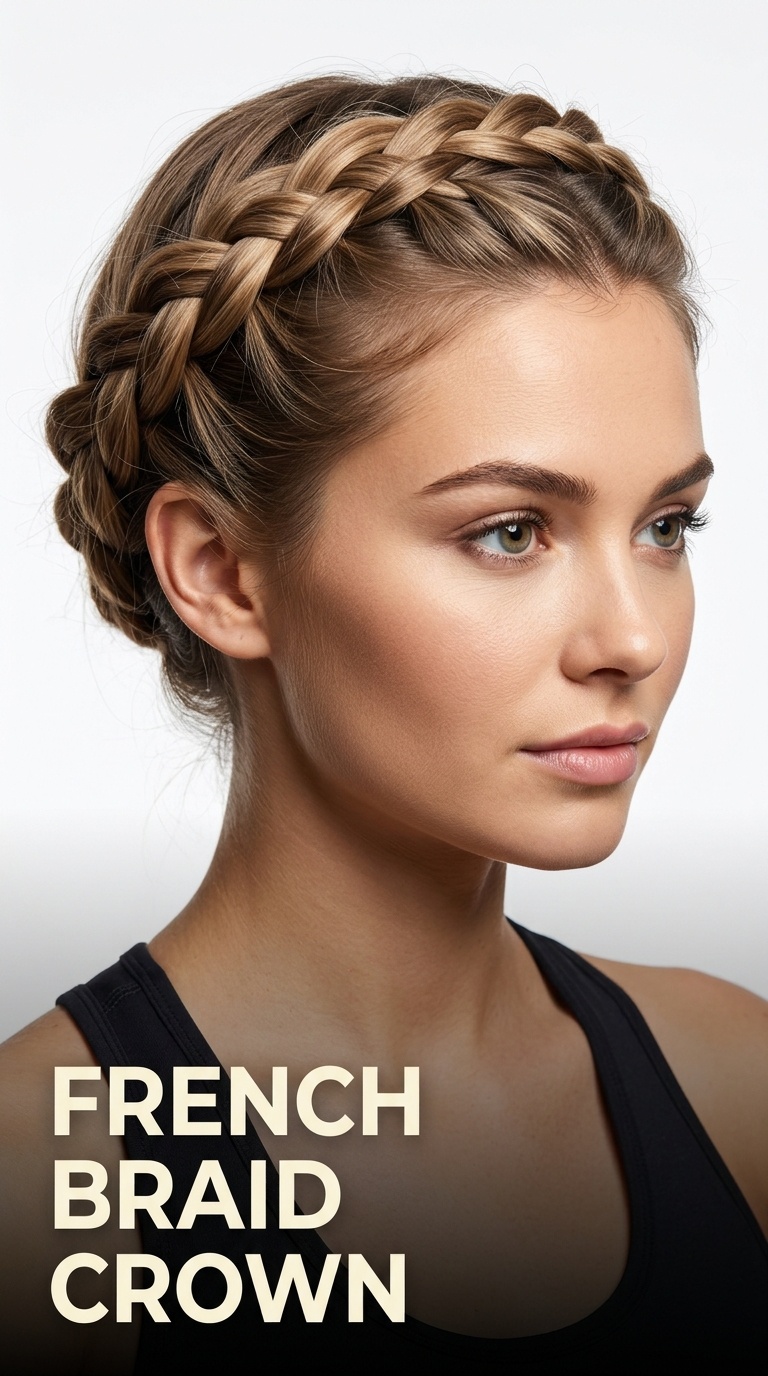
A French braid crown is perfect for keeping shorter front layers or bangs completely secure. The braid follows the hairline, acting as a natural headband that won’t slip off during activity.
More Amazing Ideas
 17 Hairstyles for Swimming with Secure, Practical Styling — Read more
 16 High Ponytail Hairstyles for Black Women with Sleek and Textured Looks — Read more
 17 Hairstyles for Knotless Braids with Versatile Styling Options — Read more
 18 Hairstyles for Dirty Hair with Practical, Low-Manipulation Styling — Read more
 19 Back-to-School Hairstyles for Kids with Braids and Ponytails — Read more
This style is particularly useful for athletes who find traditional headbands uncomfortable or prone to sliding. It keeps the peripheral vision clear and prevents sweat-soaked strands from hitting the eyes.
You can end the braid at the ear or continue it into a full wrap-around. Either way, the tension of the French braid ensures that even the finest baby hairs stay put.
7. High Top Knot with Grip
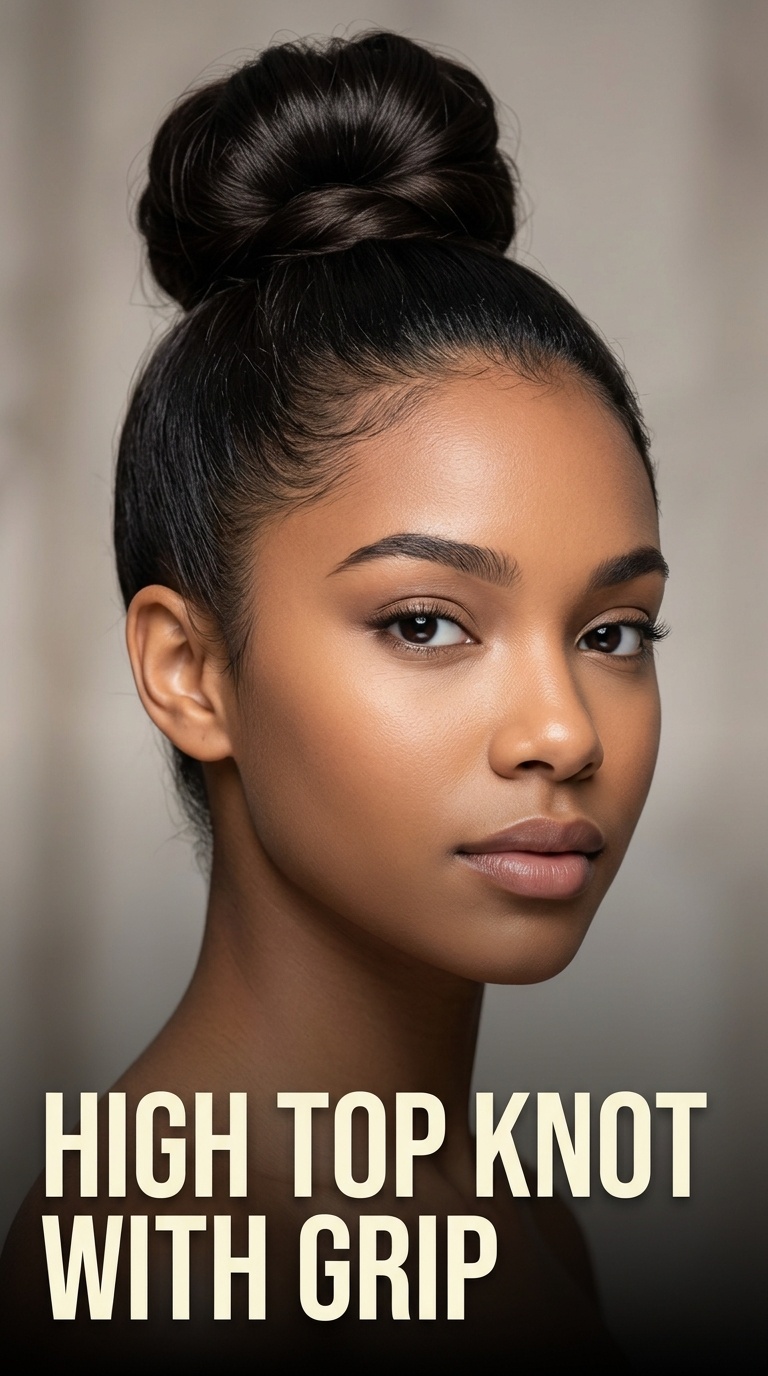
The high top knot is the ultimate “out of the way” hairstyle. By positioning the bulk of the hair on top of the head, you ensure nothing touches the neck or shoulders.
To make this PE-ready, use a “hair donut” or a thick scrunchie as a base. This provides structure and gives the bobby pins something substantial to grip into, preventing the bun from wobbling.
This style is ideal for floor exercises or yoga where the back of the head needs to be clear. It remains stable through inversions and rapid changes in direction.
8. Pull-Through Braid
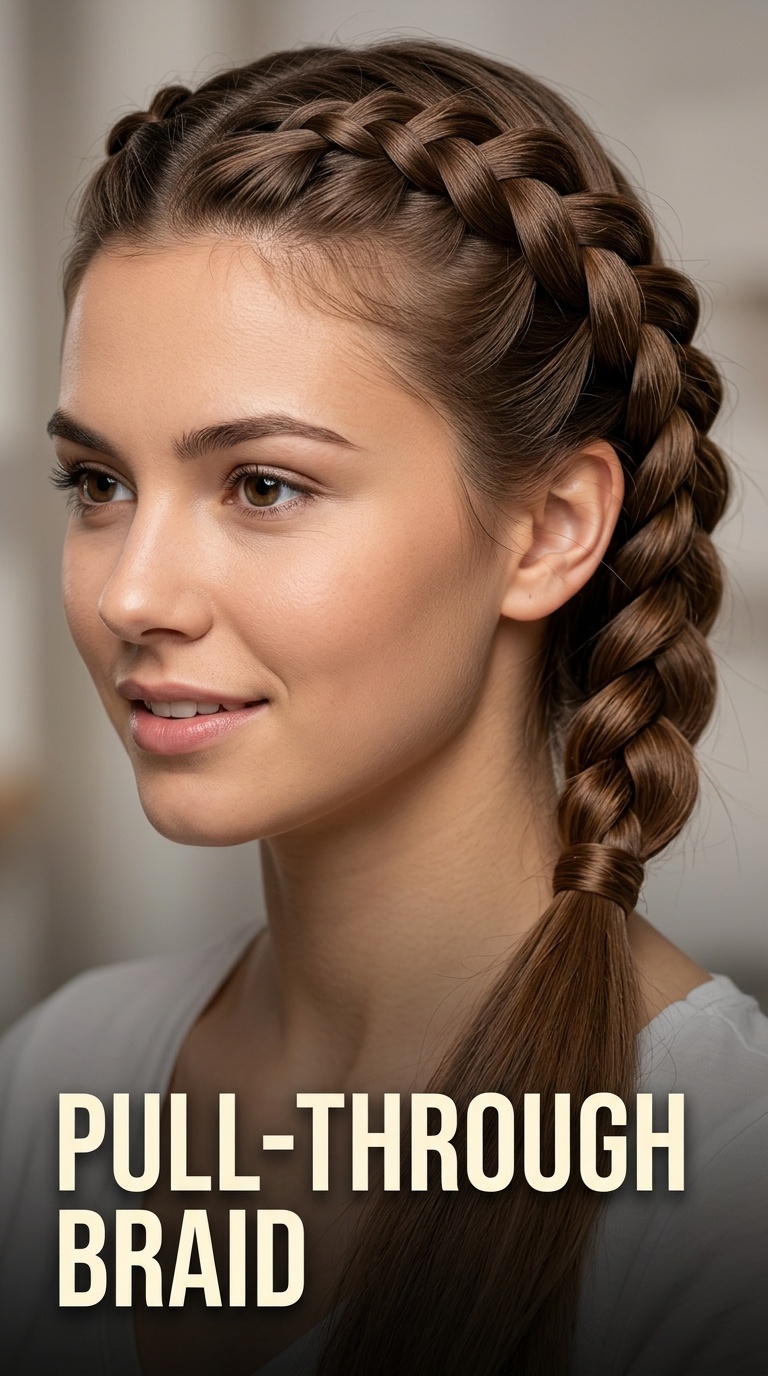
The pull-through braid is a hybrid between a ponytail and a braid that offers incredible structural integrity. It uses a series of linked ponytails to create a voluminous, braided appearance.
Because each section is independently secured with an elastic, the style is almost impossible to shake loose. Even if one section shifts, the rest of the “braid” remains perfectly intact.
This is a fantastic option for those with thick, heavy hair that often breaks standard hair ties. The weight is distributed across multiple points, reducing scalp tension and increasing comfort.
9. Space Buns
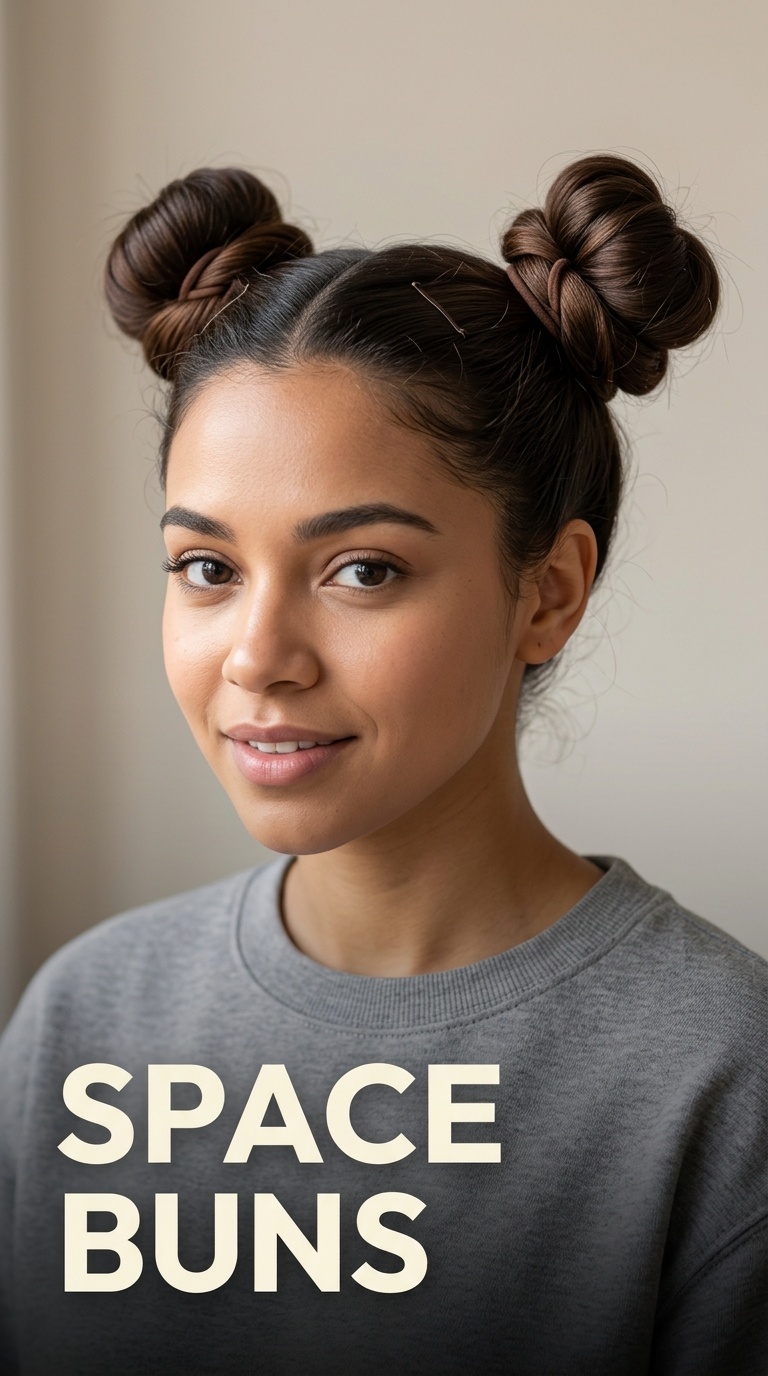
Space buns are a fun, symmetrical option that distributes hair weight evenly across the head. By splitting the hair into two high sections, you reduce the strain on any single area.
More Amazing Ideas
 17 Easy Hairstyles for School with Braids, Ponytails and More — Read more
 16 Low Ponytail Hairstyles for Black Women from Sleek to Textured Looks — Read more
 19 School Hairstyles for Long Hair with Braids and Ponytails — Read more
 17 Hairstyles for Toddlers with Gentle Braids and Simple Styling — Read more
 18 Easy Hairstyles for Kids with Braids, Ponytails and Simple Styling — Read more
Secure each bun with multiple pins or a secondary elastic wrapped around the base. This “double-locking” technique is vital for ensuring the buns don’t unravel during jumping jacks or burpees.
Space buns are especially effective for keeping hair off the face and neck simultaneously. They offer a balanced feel that many athletes prefer over a single, heavy ponytail.
10. Multi-Elastic Pigtails
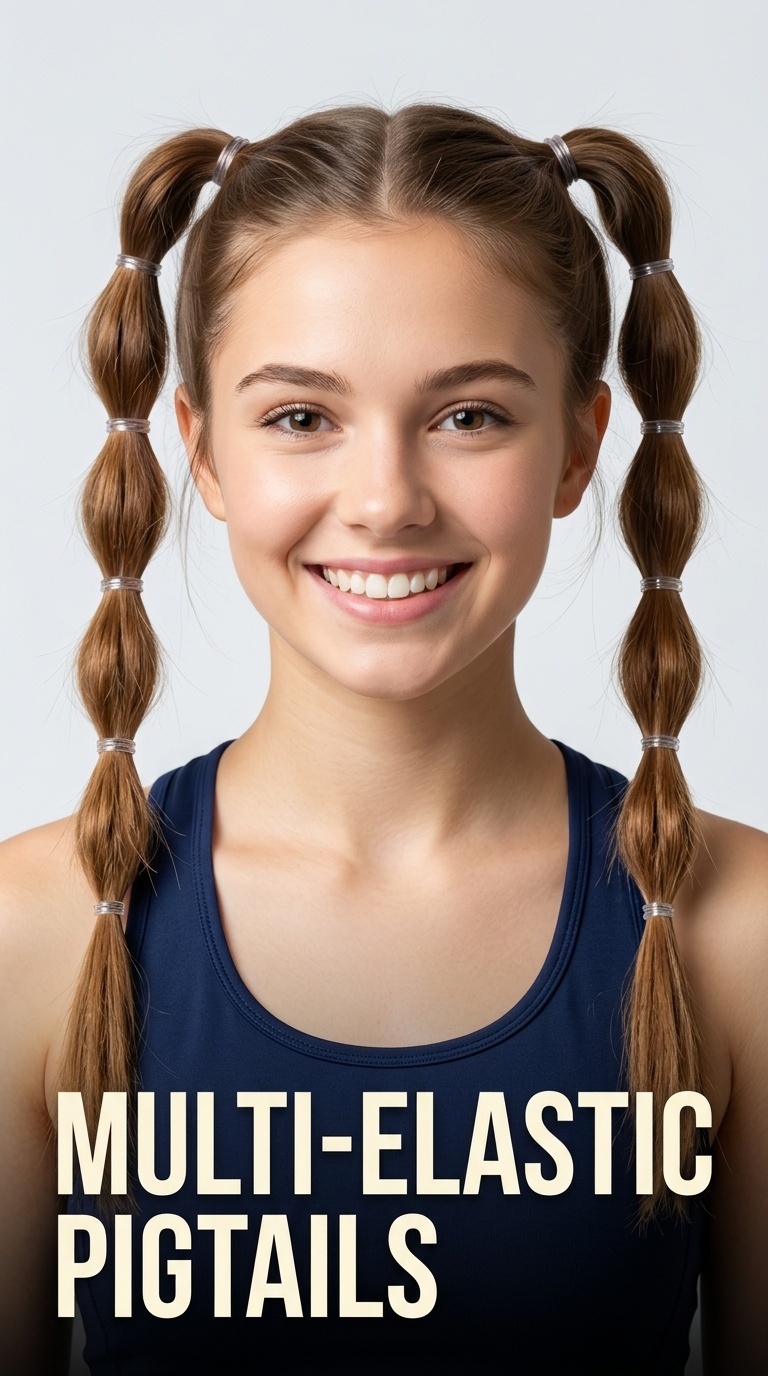
Multi-elastic pigtails take the security of traditional pigtails and add “bubble” segments. This prevents the hair from tangling and keeps it close to the head during vigorous movement.
This style is highly adaptable for all hair lengths. Even those with mid-length hair can benefit from the added control that multiple elastics provide along the length of the pigtail.
It is an excellent choice for windy outdoor days. The segmented sections prevent the “nesting” effect that often occurs when loose hair is exposed to the elements during physical activity.
11. Fishtail Braid Ponytail
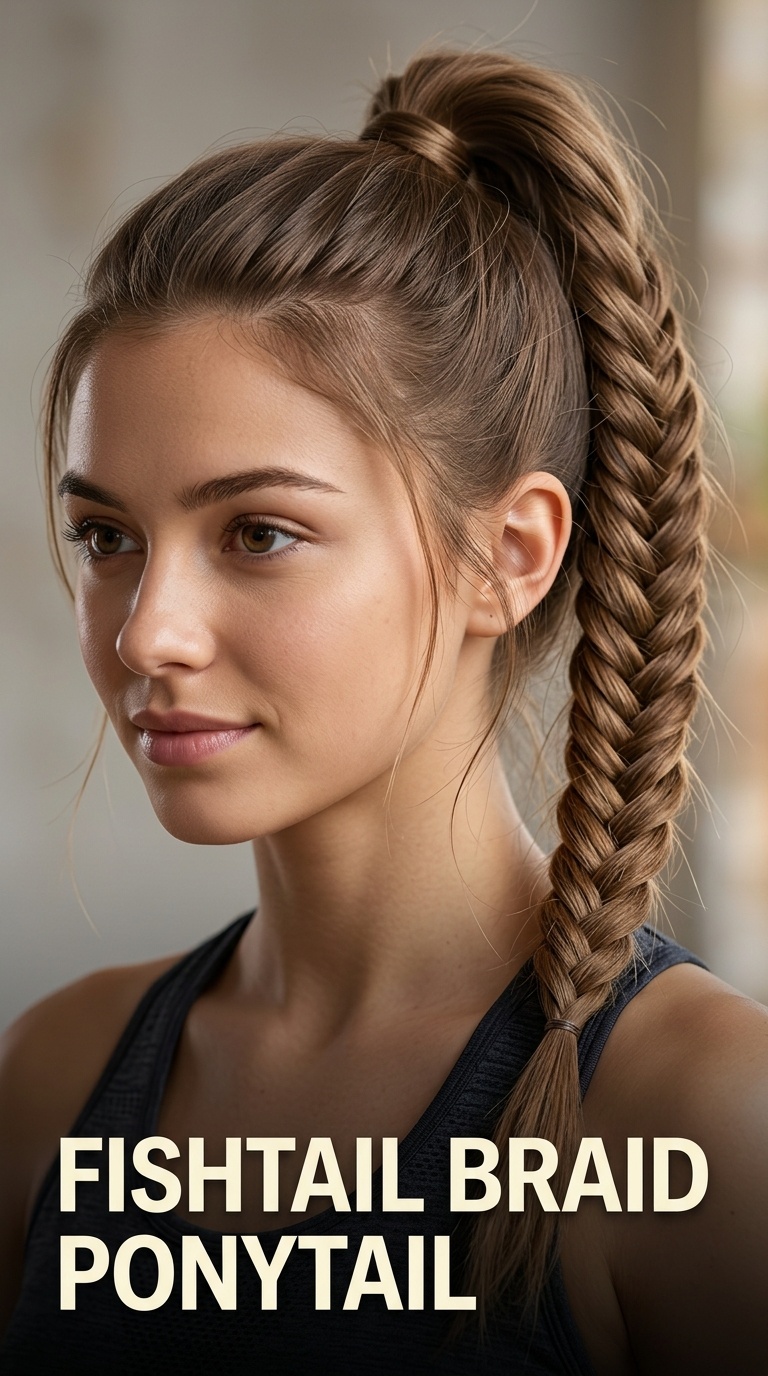
The fishtail braid is denser and tighter than a standard three-strand braid. When started from a high ponytail base, it creates a very solid, rope-like structure that stays flat.
The intricate weaving pattern makes it less likely to fray or have “poke-outs” throughout the day. It is a sleek look that moves as one unit rather than a loose mass of hair.
To finish, use a small amount of hair wax on your fingers while braiding. This adds grip and ensures that the smaller sections of the fishtail remain locked into place.
12. Twisted Low Ponytail
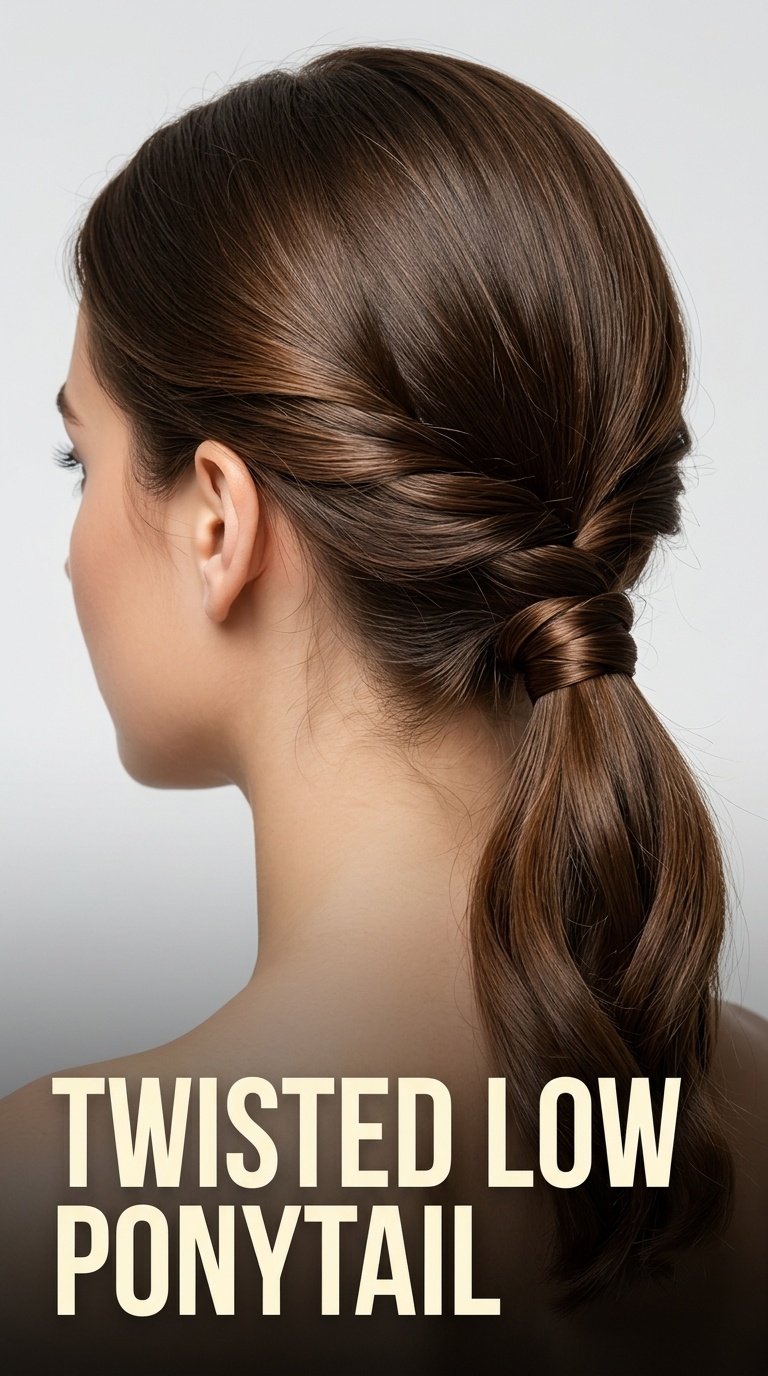
The twisted low ponytail involves taking two side sections, twisting them back, and joining them with the rest of the hair at the nape. It provides a more secure hold than a simple pony.
More Amazing Ideas
 18 Hairstyles for School for Different Hair Types and Lengths — Read more
 17 Hairstyles for Men with Fresh Cuts and Versatile Styling — Read more
 17 Braid Hairstyles for Teens from Classic to Creative Looks — Read more
 17 Girl Hairstyles for School with Different Lengths and Textures — Read more
 16 Natural Hairstyles for Kids with Texture and Protective Styling — Read more
The twists act as anchors, pulling the side hair tight so it won’t fall forward when you lean over. It is a quick but effective modification for standard gym days.
Using a “flip-through” or “topsy tail” method at the base can further secure the style. This creates a natural knot that prevents the elastic from sliding down the hair shaft.
13. Box Braid High Bun
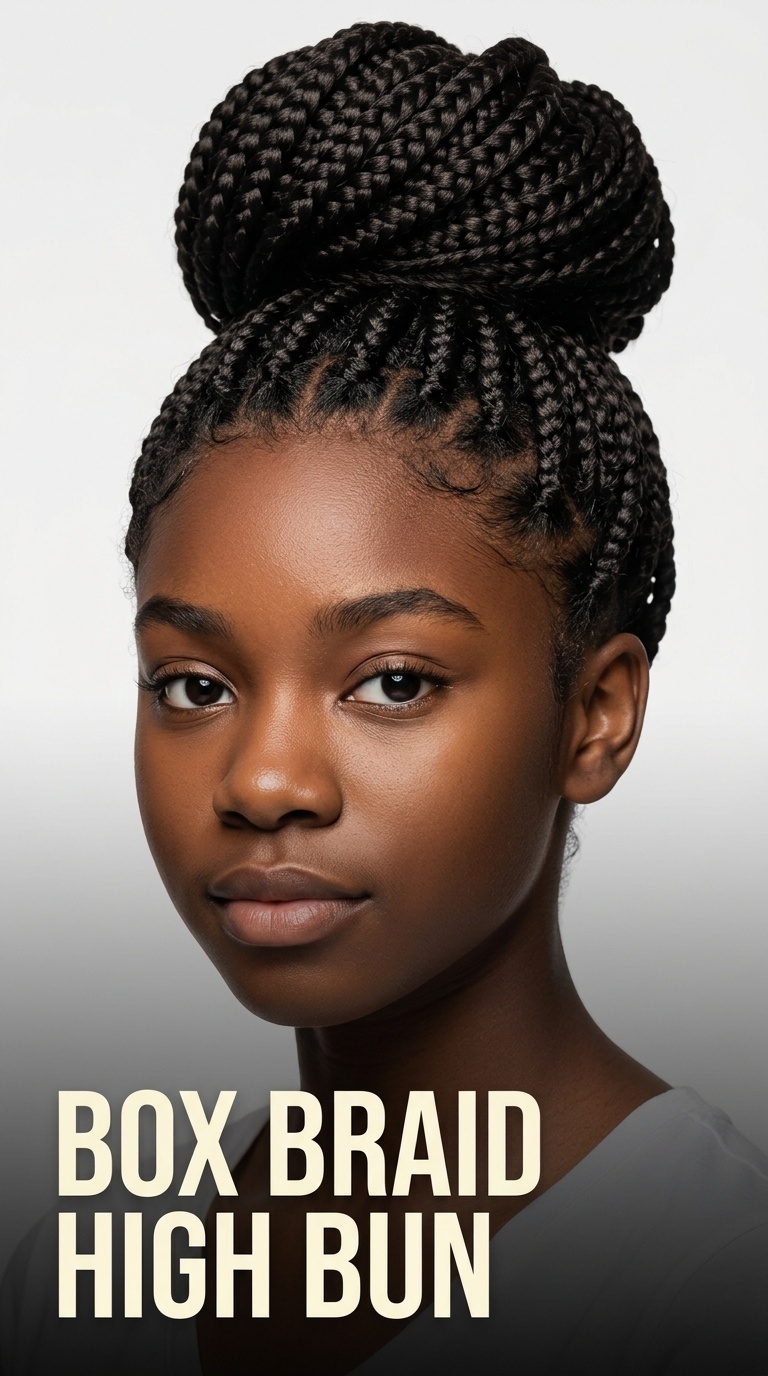
For those with protective styles like box braids, a high bun is the most efficient way to manage weight and length. It gathers the braids into a single, stationary point.
Use a large, heavy-duty elastic or a dedicated “hair bungee” to support the weight. Distributing the braids evenly around the center point helps maintain balance during movement.
This style ensures that the ends of the braids don’t interfere with your range of motion. It is a professional and functional look that transitions perfectly from the gym to the classroom.
14. Dutch Braid into a Ponytail
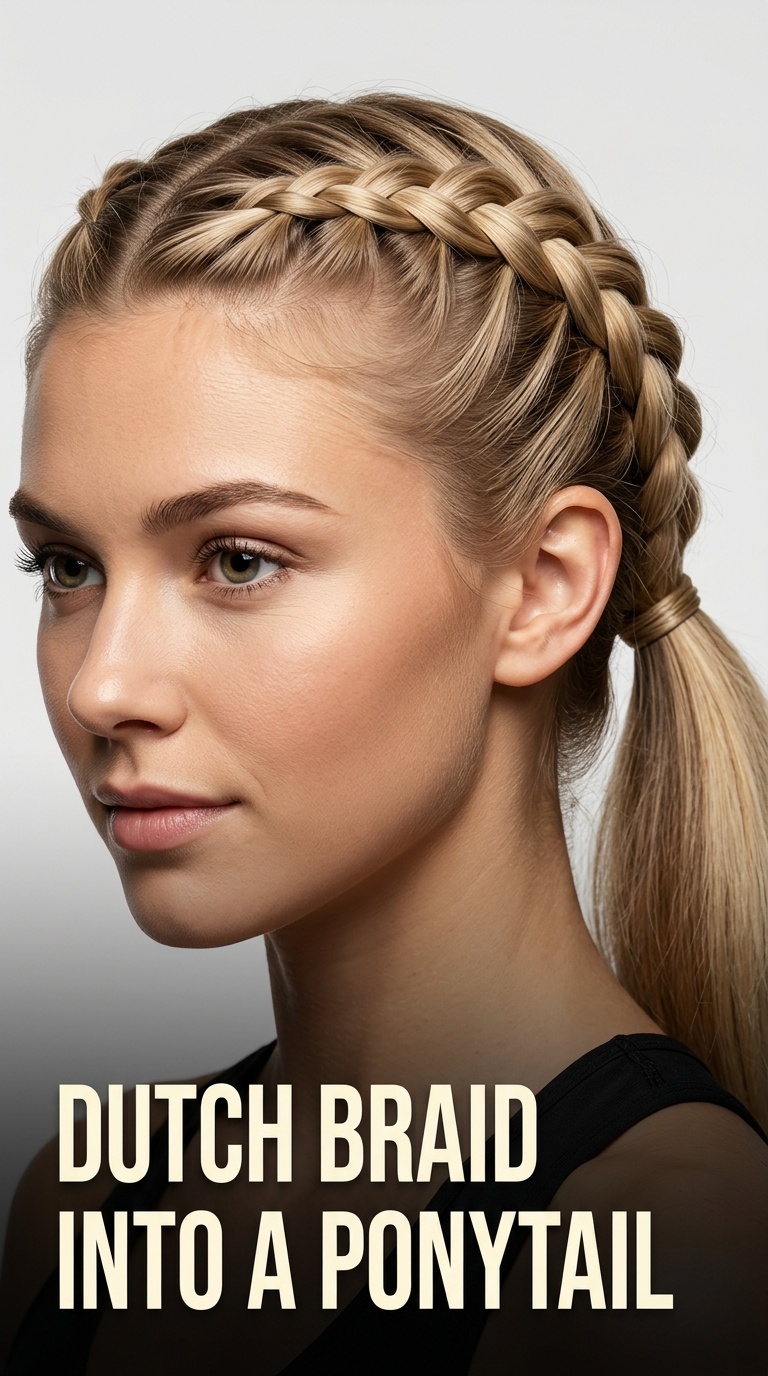
This style combines the scalp-security of a Dutch braid with the ease of a ponytail. Start the braid at the forehead and stop at the crown, securing the rest of the hair into a pony.
This hybrid approach is perfect for controlling bangs and top layers while leaving the rest of the hair free to swing. It focuses the security where it is needed most: the face.
For extra durability, you can braid the ponytail itself. This “best of both worlds” style is a favorite for those who want a quick setup that doesn’t sacrifice performance.
15. The “Pineapple” Updo
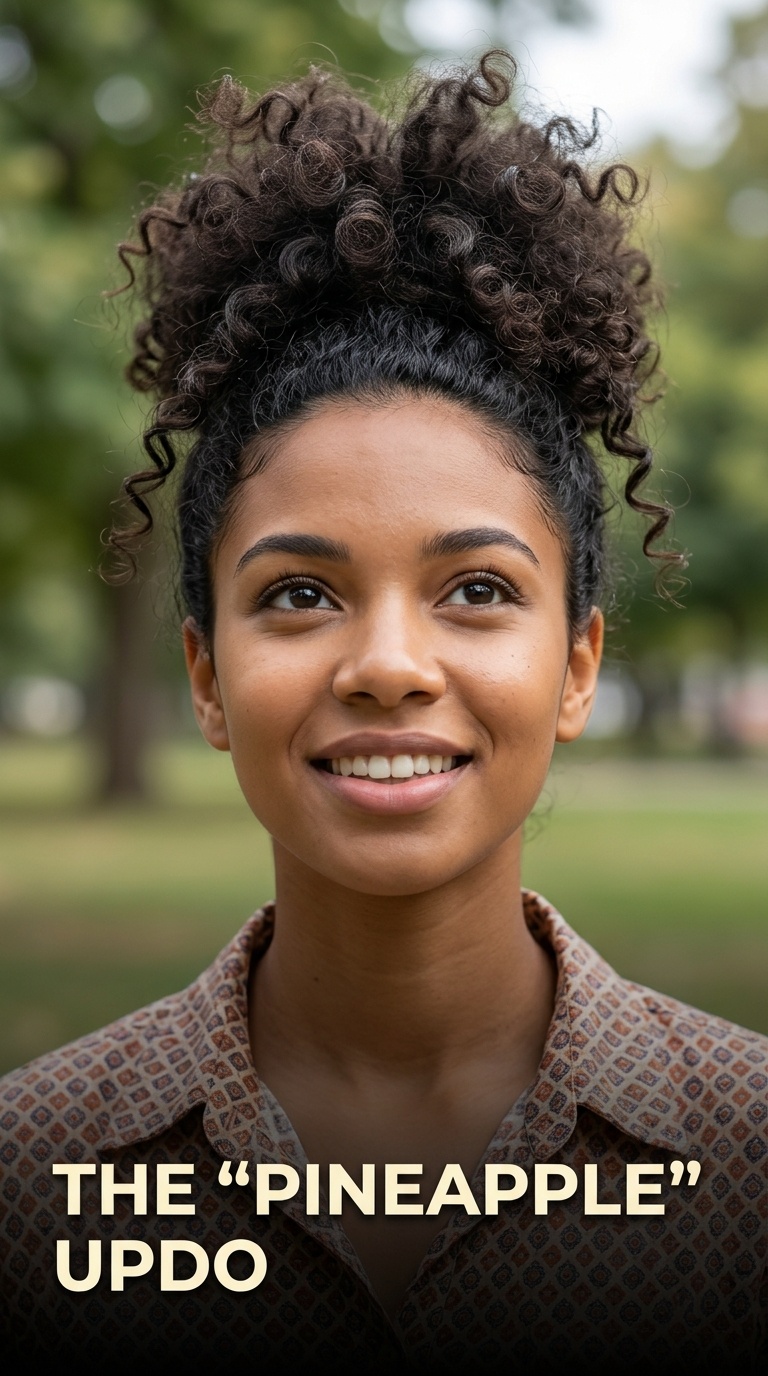
The “pineapple” is an essential style for those with natural curls or high-volume hair. By securing the hair very far forward on the head, you protect the curl pattern and keep the neck cool.
More Amazing Ideas
 18 Cornrow Hairstyles for School with Different Patterns and Parts — Read more
 16 Saree Hairstyles for Traditional Looks and Modern Styling — Read more
 16 Curly Hairstyles for School for Different Curl Patterns — Read more
 18 Vacation Hairstyles for Black Women for Relaxed, Versatile Styling — Read more
 19 Summer Hairstyles for Black Women with Versatile Styling — Read more
Use a soft fabric scrunchie to avoid crushing the curls while still providing enough tension to keep the hair upward. This style prevents the hair from trailing on the shoulders or back.
It is particularly effective for preventing sweat from disrupting the hair’s natural texture. Because the hair is gathered at the very top, the “impact zone” for sweat at the nape is kept clear.
16. Four-Strand Braid
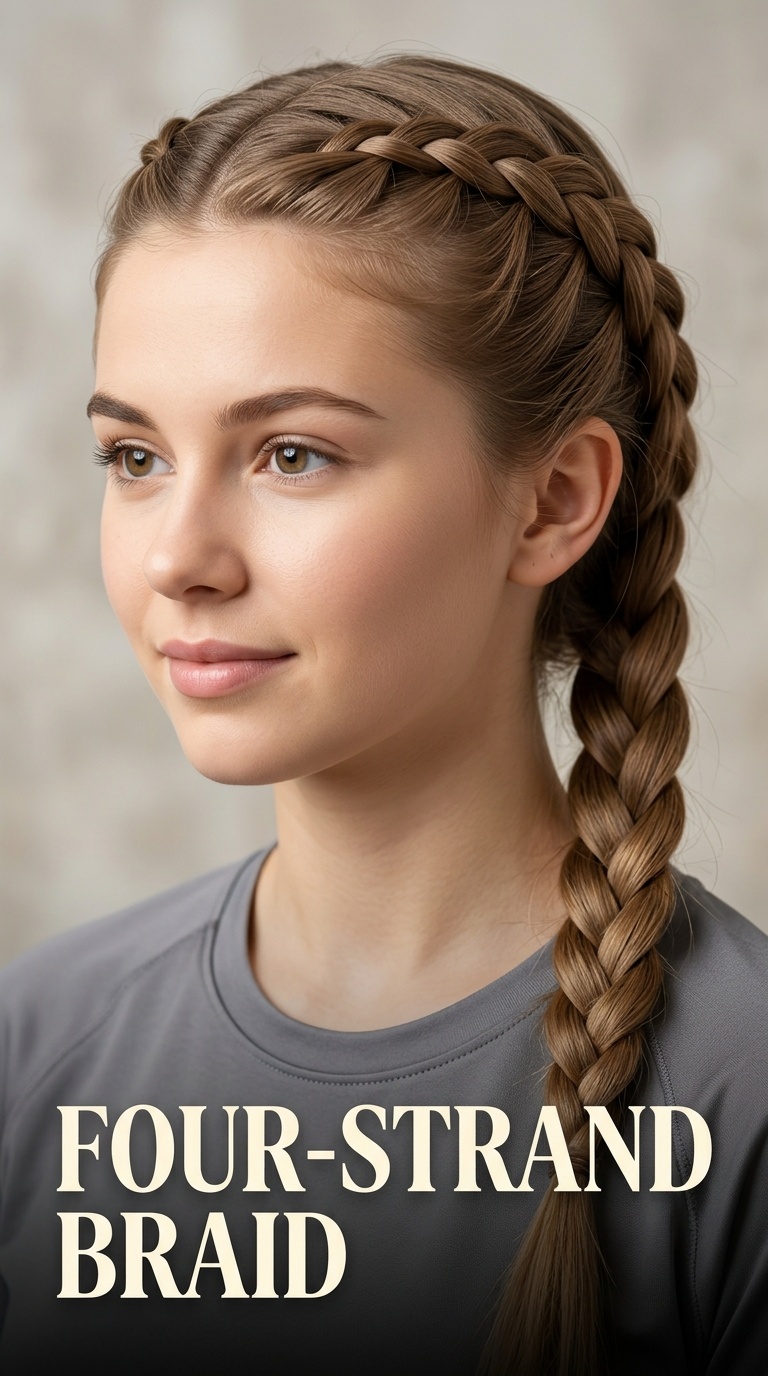
A four-strand braid is wider and flatter than a traditional braid, allowing it to sit closer to the back. This reduced profile means it is less likely to bounce or hit the athlete during movement.
The extra strand adds significant structural integrity. It is much harder for this braid to “leak” hair than a standard three-strand version, making it ideal for layered cuts.
This style looks complex but is easy to master with practice. It provides a very “locked-in” feel that gives you confidence during high-speed activities like sprinting or soccer.
17. The Knotted Low Bun
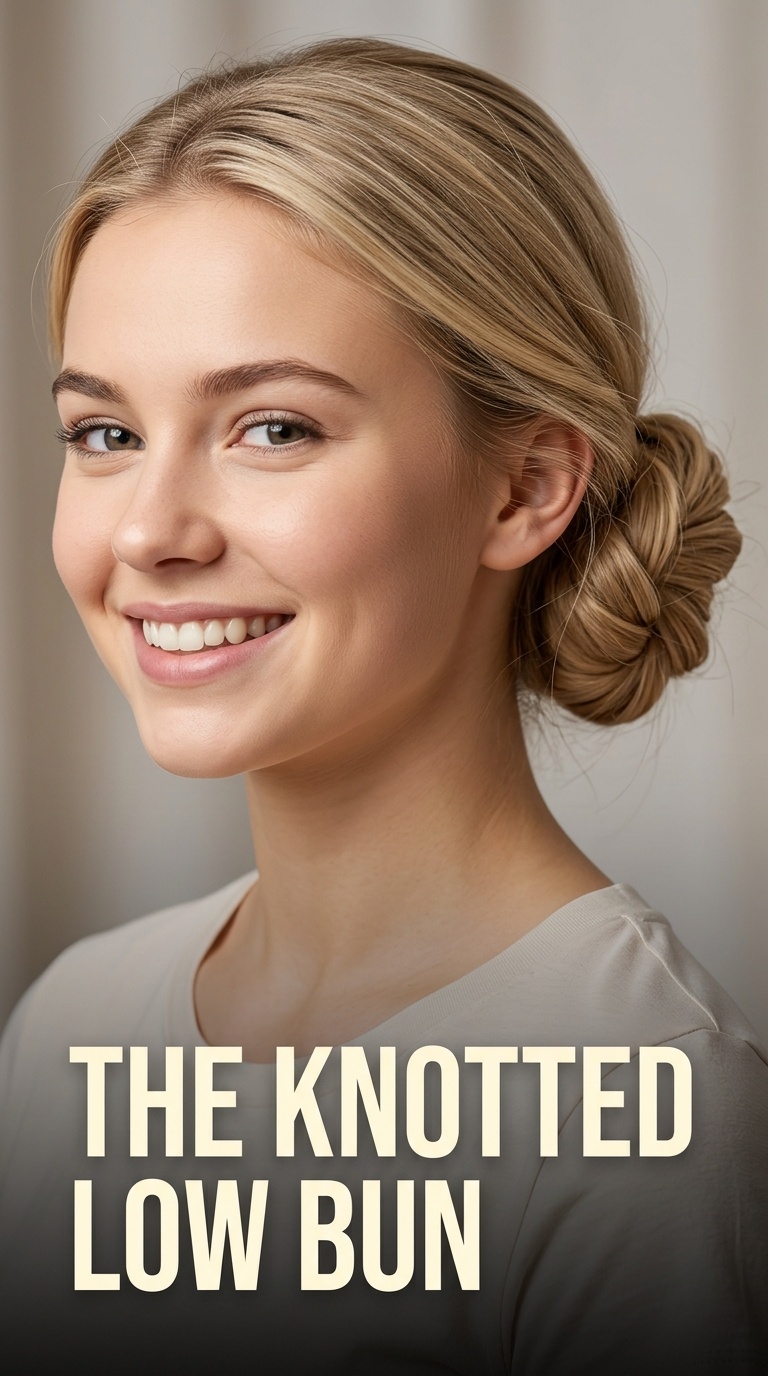
The knotted low bun uses the hair itself to create a series of knots before pinning. This creates a multi-layered anchor system that is incredibly difficult to shake loose.
Unlike a standard coiled bun, the knots provide internal friction that keeps the style together even if a pin falls out. It is one of the most reliable styles for long-duration activities.
Secure the final look with a fine-mesh hairnet if you are participating in sports like dance or gymnastics. This adds a final layer of security that guarantees a “zero-flyaway” experience.
How do I stop my hair tie from slipping during PE?
The most effective way to prevent slipping is to use a “bungee” hair tie or two elastics instead of one. Additionally, applying a small amount of dry shampoo or texturizing spray to the section where the tie sits can provide the necessary grip to keep it in place.
More Amazing Ideas
 18 Front Hairstyles for Indian Saree Looks with Varied Styling — Read more
 19 Back-to-School Hairstyles for Different Hair Types and Lengths — Read more
 19 Hairstyles for 4C Hair with Natural Texture and Protective Styling — Read more
 18 Hairstyles for School with Different Lengths and Textures — Read more
 16 Summer Hairstyles for Medium Hair with Layers and Easy Styling — Read more
What is the best hairstyle for very short hair in gym class?
For short hair, a “half-up” Dutch braid or using multiple small clips to secure the front sections is best. If the hair is too short for a ponytail, a thin, silicone-grip headband is the most reliable way to keep strands out of your eyes.
How can I protect my hair from sweat damage during school sports?
To minimize sweat damage, use a sweat-wicking headband and apply a leave-in conditioner before styling. This creates a barrier on the hair shaft. After class, if you cannot wash your hair, use a blow dryer on a cool setting to dry the roots and prevent salt buildup.
Are bobby pins safe to wear during contact sports?
While generally safe, standard bobby pins can occasionally slip or cause discomfort during impact. For contact sports, it is safer to use “spin pins” or fabric-coated snap clips, which offer a flatter profile and a more secure, locked-in grip that is less likely to poke the scalp.
How do I prevent “ponytail headaches” during long active days?
Ponytail headaches are caused by excessive tension on the scalp. To avoid this, try styles that distribute weight evenly, such as space buns or double braids. You can also use “coiled” plastic hair ties, which provide a secure hold without pulling as tightly on the hair follicles.
Which style is best for keeping long hair from tangling?
Any style that involves a braid, such as a fishtail or a basic three-strand braid, is superior for preventing tangles. By “locking” the hair together, you prevent individual strands from rubbing against each other or your clothing, which is the primary cause of post-workout knots.


