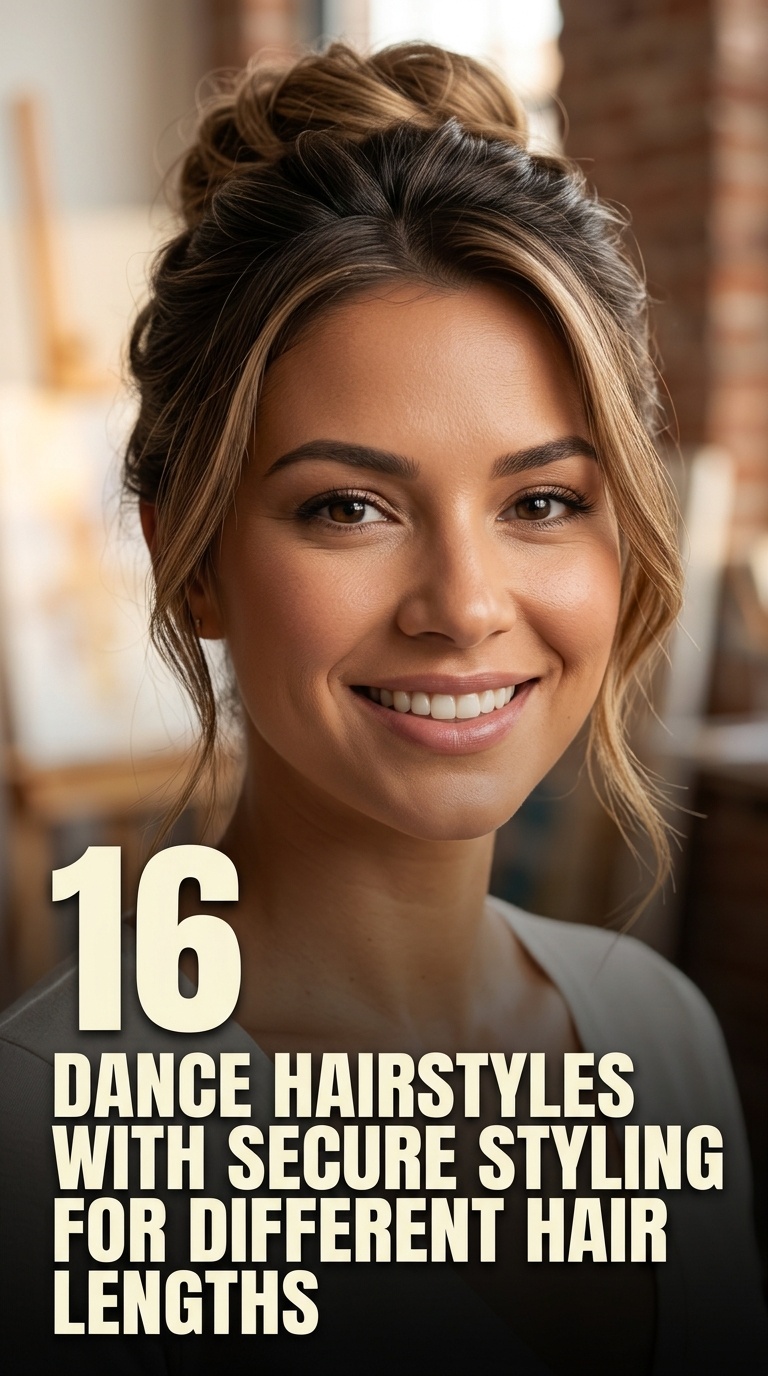
Dancers know that hair is more than just an aesthetic choice. It is a functional part of the performance that must remain immovable during every jump and turn.
Finding the right balance between style and security is essential. Whether the routine involves hip-hop or classical ballet, your hair should never be a distraction on stage.
This guide explores 16 dance hairstyles with secure styling for different hair lengths. Discover how to lock your look in place for your next performance or high-energy rehearsal.
1. The Classic High Ballet Bun
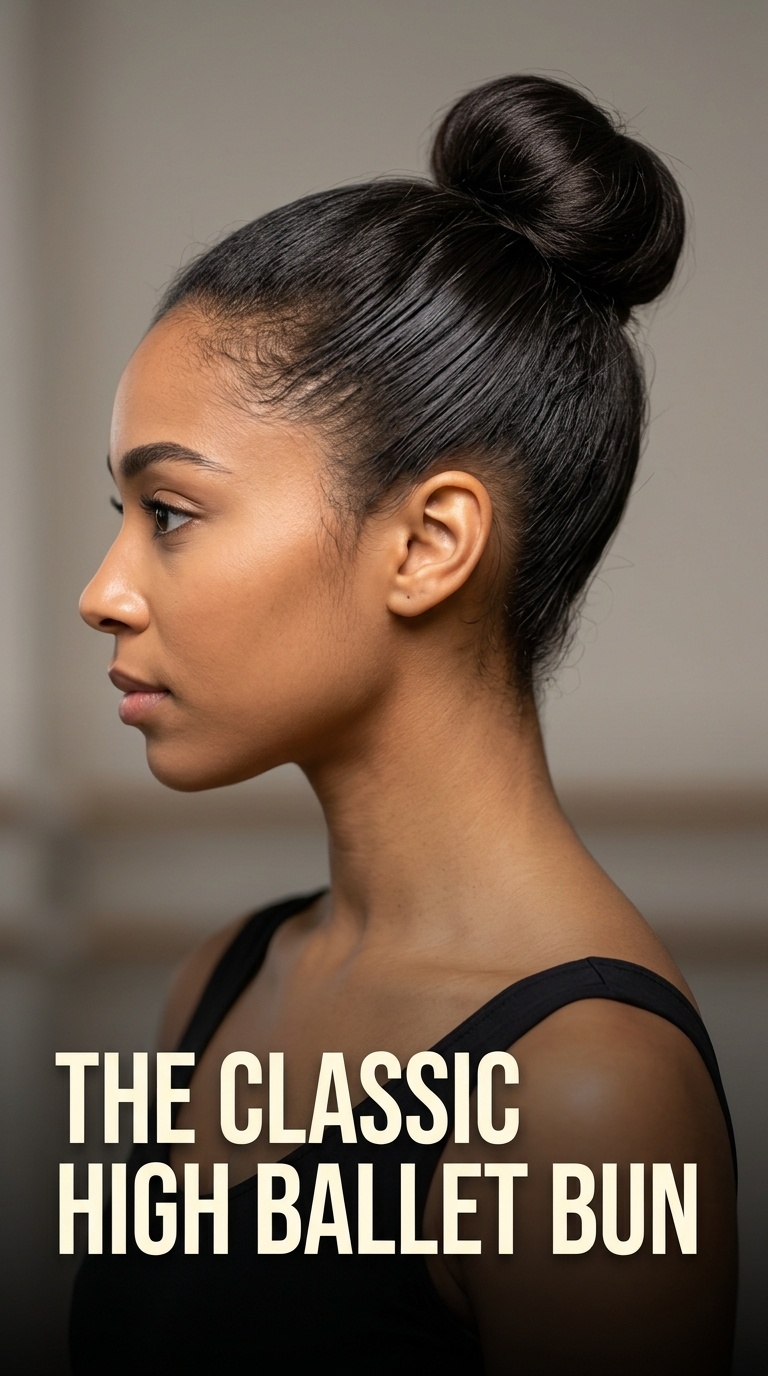
The high ballet bun remains the gold standard for stage security. By centering the weight of the hair on the crown, it provides balance during pirouettes and rapid floor work.
To achieve maximum security, start with a high ponytail anchored by a heavy-duty elastic. Twist the hair tightly and wrap it around the base, securing it with several large U-shaped pins.
Finalize the look with a fine-mesh hairnet that matches the hair color. This ensures that even the smallest flyaways remain contained throughout a rigorous and sweaty dance routine.
2. Double Dutch Braids
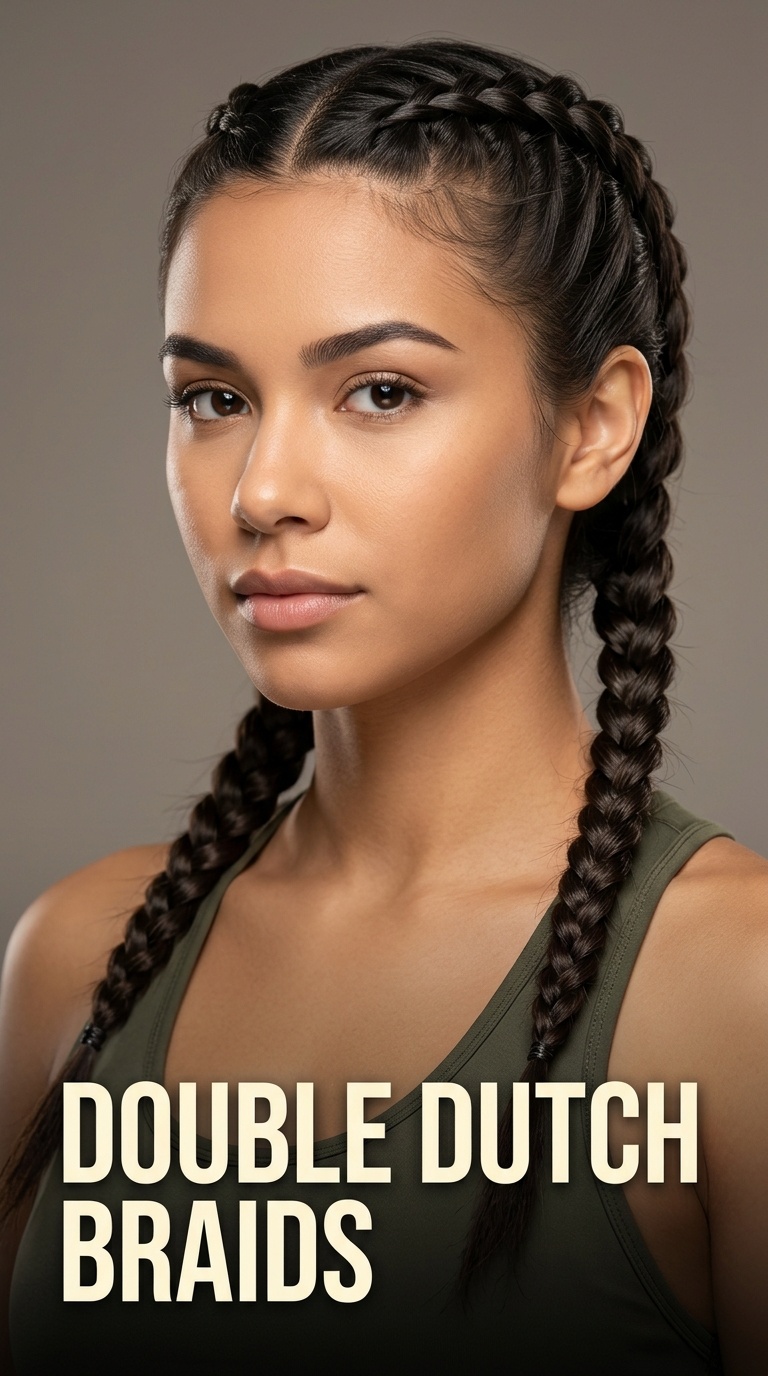
Double Dutch braids are a powerhouse choice for high-impact styles like hip-hop or acrobatics. Because the hair is woven tightly against the scalp, there is zero movement or swinging.
Start the braids at the very front of the hairline and work backward toward the nape. Keep the tension consistent and tight to prevent the braids from loosening during inversions or flips.
The ends can be left as pigtails or tucked into a low bun for added safety. This style is particularly effective for those with thick, heavy hair that often falls out of ponytails.
More Amazing Ideas
 19 Back-to-School Hairstyles for Different Hair Types and Lengths — Read more
 18 Hairstyles for School for Different Hair Types and Lengths — Read more
 18 Summer Hairstyles for Different Hair Types and Lengths — Read more
 19 Gym Hairstyles for Long Hair with Secure, Practical Styling — Read more
 17 Weaving Hairstyles for Natural Hair with Different Lengths and Looks — Read more
3. The Sleek Low Ponytail
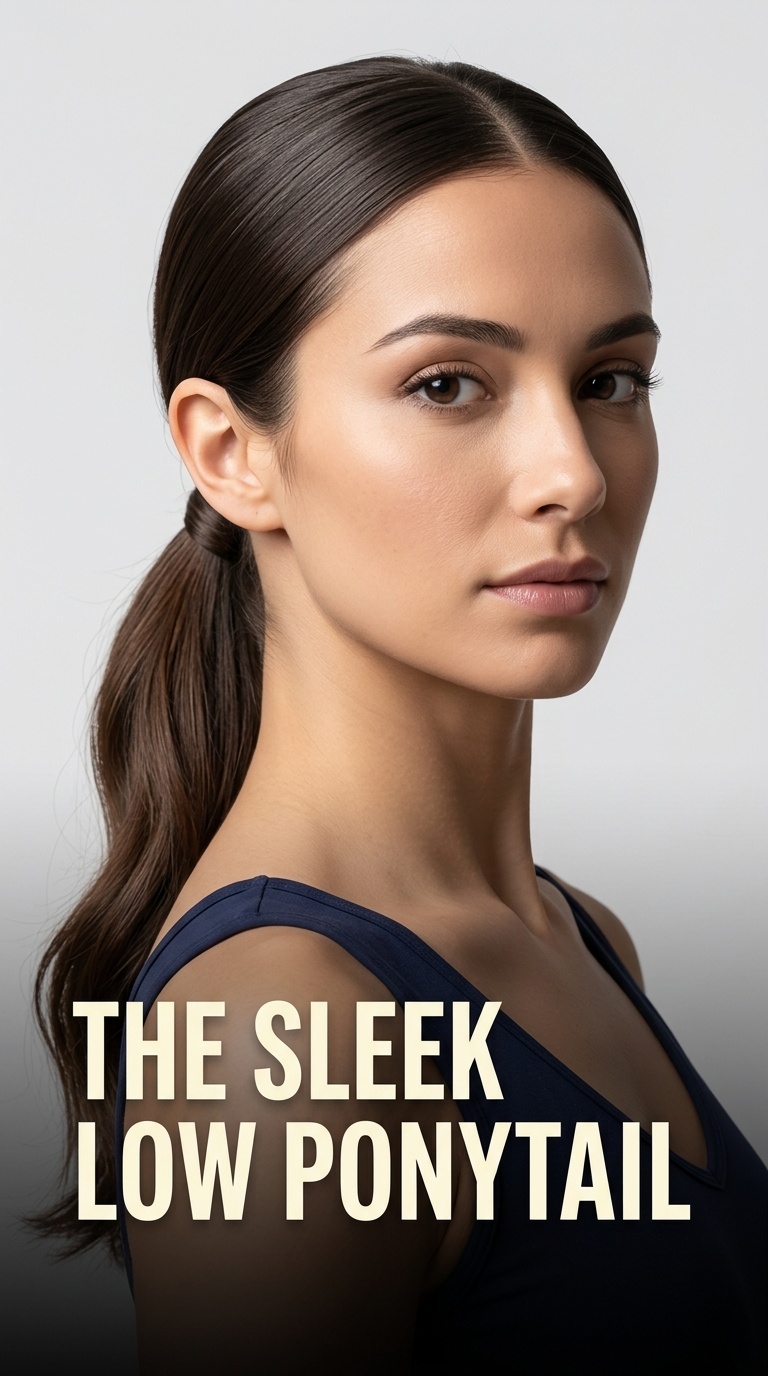
The sleek low ponytail offers a sophisticated look for contemporary and jazz dancers. It provides a clean silhouette that emphasizes the neckline while keeping hair completely away from the face.
The secret to this style’s security lies in the “double elastic” method. Use one elastic to create the ponytail, then wrap a second one over it to ensure the weight doesn’t cause sagging.
Apply a generous amount of strong-hold gel or pomade before brushing the hair back. This creates a helmet-like finish that resists humidity and prevents strands from whipping into your eyes.
4. Half-Up Top Knot for Short Hair
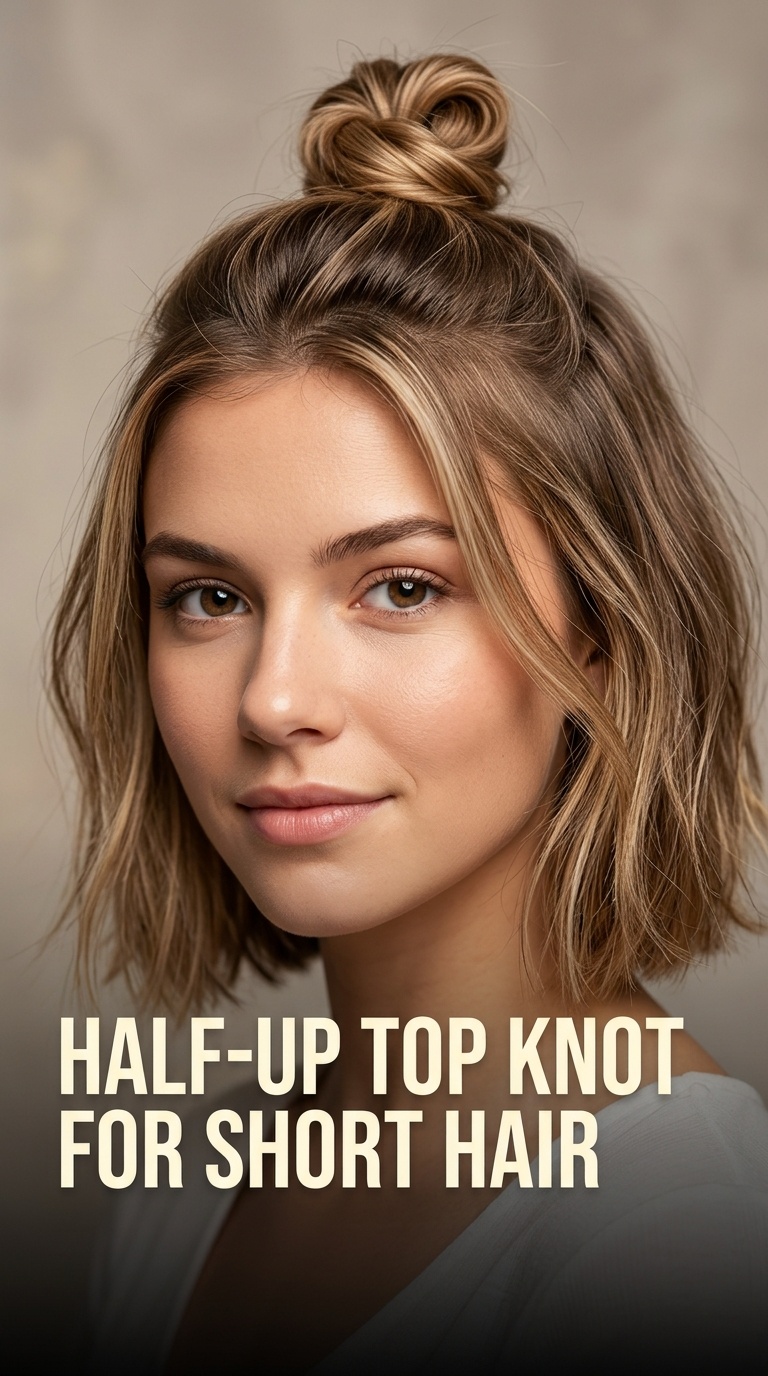
Short hair can be difficult to secure, but the half-up top knot is a reliable solution. It gathers the most problematic front sections and pins them into a tiny, sturdy bun.
Section off the hair from the temples to the crown and secure it with a small elastic. Twist the section into a mini-bun and use small bobby pins to lock it down.
Leave the bottom half of the hair down, or use a small amount of texture spray to keep it from sliding. This style works perfectly for bob-length hair that cannot reach a full ponytail.
5. The Crown Braid
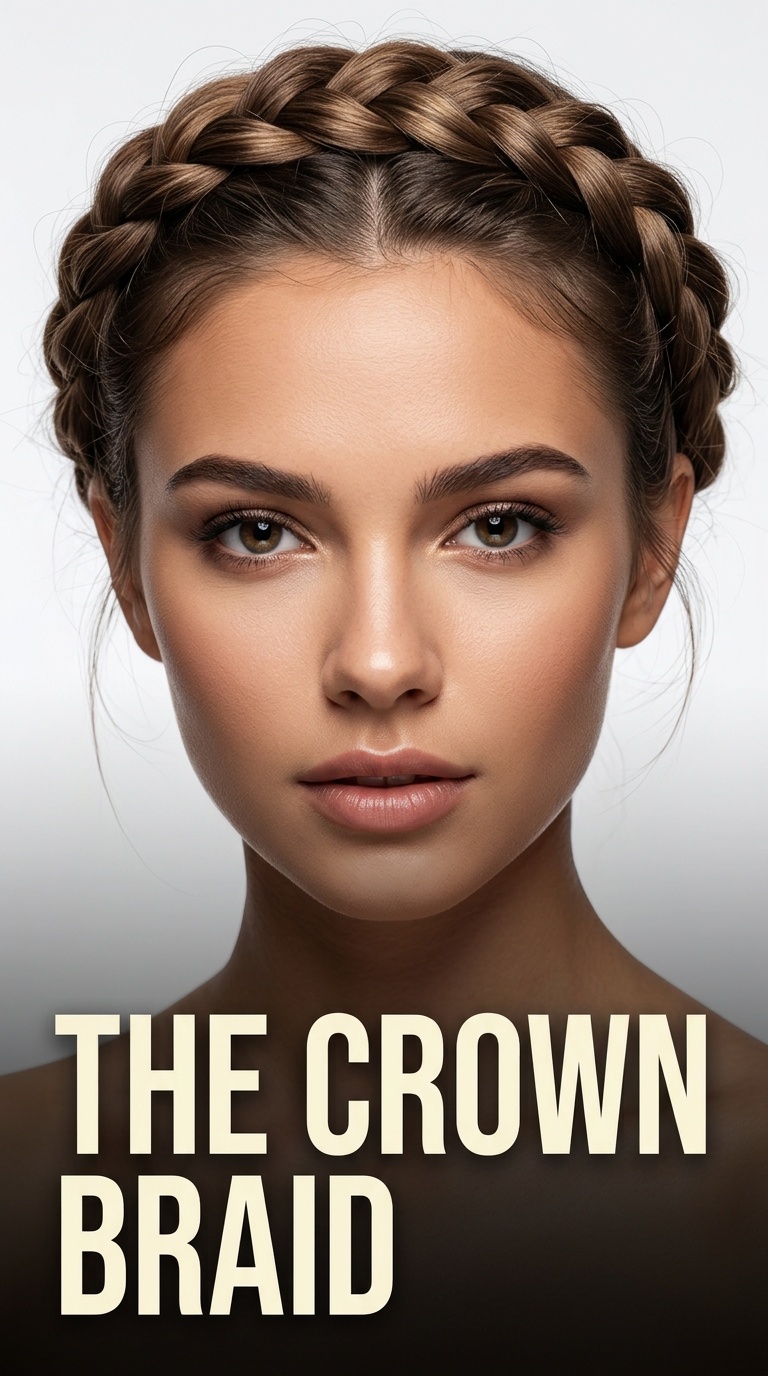
The crown braid is a timeless choice that keeps every single strand of hair tucked away. It involves braiding around the circumference of the head, creating a natural “halo” effect.
This style is exceptionally secure because the weight is distributed evenly across the head. There are no loose ends to whip around, making it ideal for dancers who perform frequent floor work.
For extra security, use hairpins to anchor the braid to the scalp every two inches. This prevents the “halo” from shifting if the dancer makes sudden, sharp movements or head-rolls.
More Amazing Ideas
 19 Gym Hairstyles for Medium Hair with Secure and Practical Styling — Read more
 17 College Hairstyles with Versatile Styling for Different Hair Types — Read more
 17 Box Braid Hairstyles for Black Women in Different Lengths — Read more
 17 Braid Hairstyles for Men with Different Patterns and Lengths — Read more
 17 Two-Braid Hairstyles for Black Women with Different Parts and Lengths — Read more
6. Bubble Ponytail with Multi-Anchors
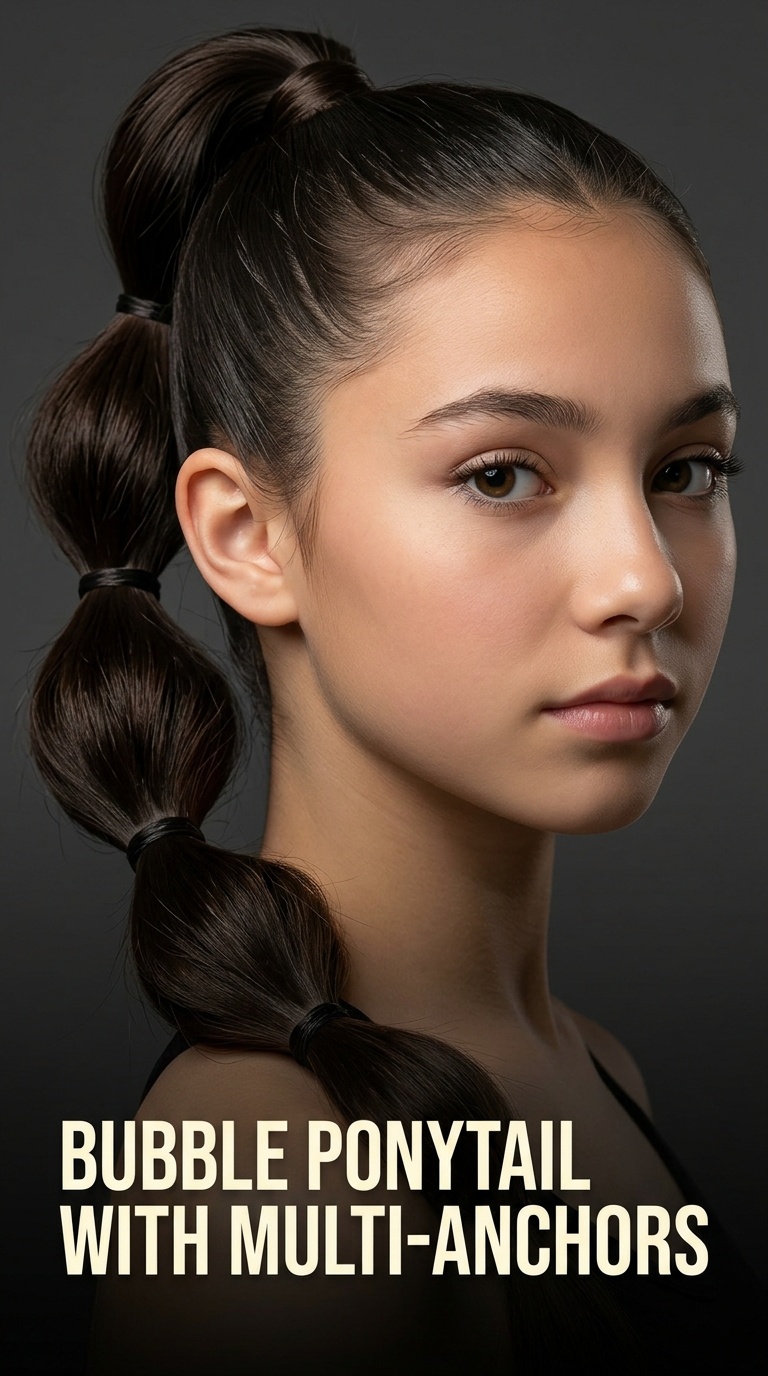
The bubble ponytail is a modern, high-fashion look that offers surprising security for long hair. By placing elastics every few inches, you prevent the hair from tangling or losing its shape.
Start with a high, tight ponytail at the crown to establish a strong base. Add small elastics down the length of the hair, gently “pugging” the sections to create the bubble effect.
This style is perfect for long-haired dancers who want the movement of a ponytail without the risk of hair getting caught in costumes. It stays structured through jumps and leaps.
7. Slicked-Back Pixie with Headband
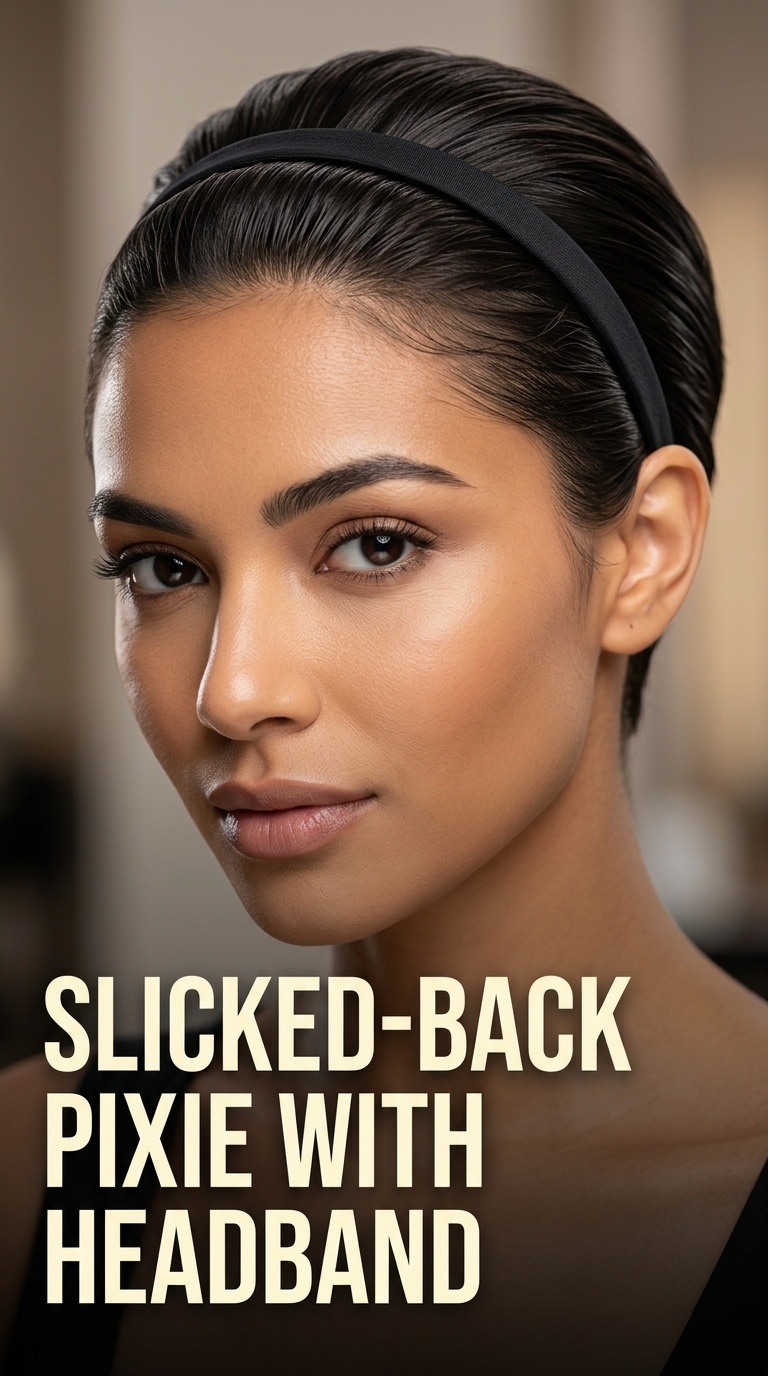
Dancers with very short pixie cuts need to focus on preventing fringe from falling forward. A slicked-back style using high-shine wax provides a professional and polished appearance for the stage.
Apply a firm-grip product to damp hair and comb it straight back or to the side. Use a thin, silicone-lined headband to ensure the front sections stay away from the forehead.
If the hair is long enough, use tiny “V-clips” or bobby pins to secure any pieces behind the ears. This creates a streamlined look that highlights the dancer’s facial expressions and lines.
8. Triple Twisted Low Bun
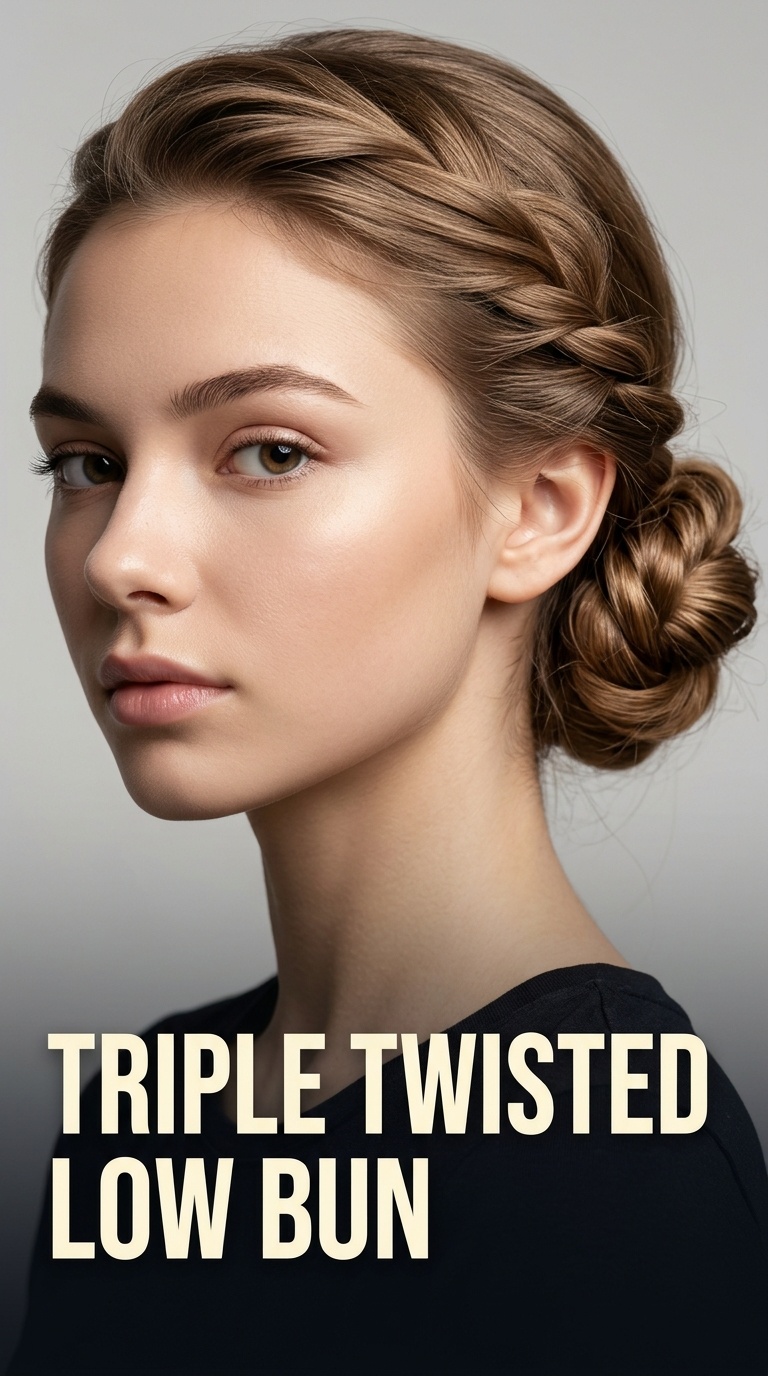
The triple twisted low bun is designed for medium to long hair that needs extra reinforcement. By dividing the hair into three sections, you reduce the bulk of a single bun.
Create three small low ponytails side-by-side at the nape of the neck. Twist each one individually and pin them into small, interlocking buns to create one cohesive, sturdy shape.
More Amazing Ideas
 15 Braid Hairstyles for Kids with Different Patterns and Lengths — Read more
 18 Hairstyles for Dirty Hair with Practical, Low-Manipulation Styling — Read more
 18 Braid Hairstyles for Black Boys with Different Patterns and Lengths — Read more
 17 Girl Hairstyles for School with Different Lengths and Textures — Read more
 17 Hairstyles for Girls with Different Lengths and Textures — Read more
This method prevents the “sagging” effect that often happens with one large, heavy bun. It is a favorite for ballroom dancers who need a style that lasts for hours.
9. French Braid into a Chignon
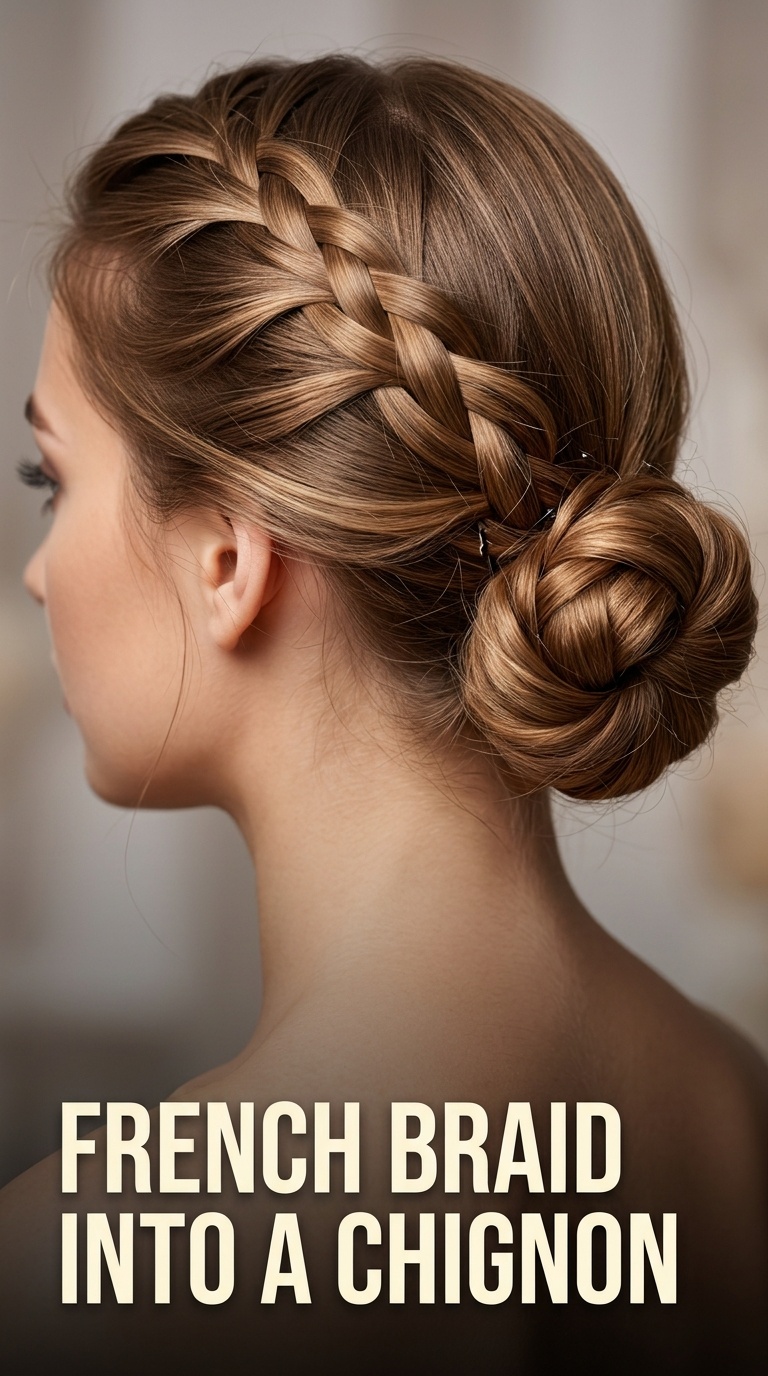
Combining a French braid with a chignon offers the ultimate security for medium-length hair. The braid keeps the top and sides tight, while the chignon contains the ends neatly.
Start a French braid at the top of the head and work down to the nape. Once you reach the bottom, roll the remaining hair upward into a compact horizontal tuck.
Secure the tuck with several heavy-duty pins pushed through the center of the braid. This style is virtually windproof and will not budge during the most energetic modern dance routines.
10. High Space Buns
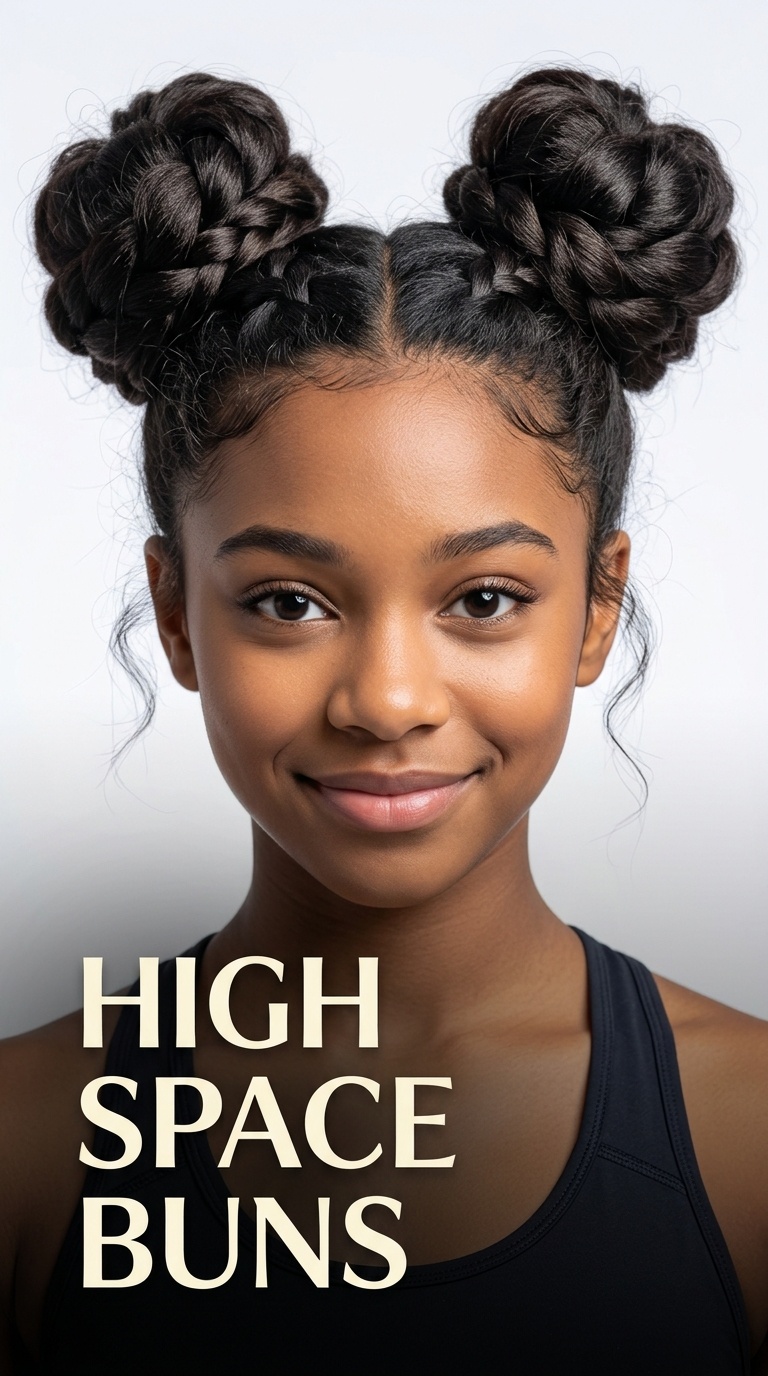
Space buns provide a fun, symmetrical look while offering the same security as a traditional ballet bun. They are excellent for maintaining balance during turns as the weight is split.
Part the hair down the center and create two high ponytails on either side of the crown. Twist each ponytail into a tight coil and secure them with multiple pins and elastics.
To ensure they don’t wobble, use a “criss-cross” pinning technique at the base of each bun. This style is popular for jazz, funk, and high-energy commercial dance performances.
11. The Pineapple Updo for Curls
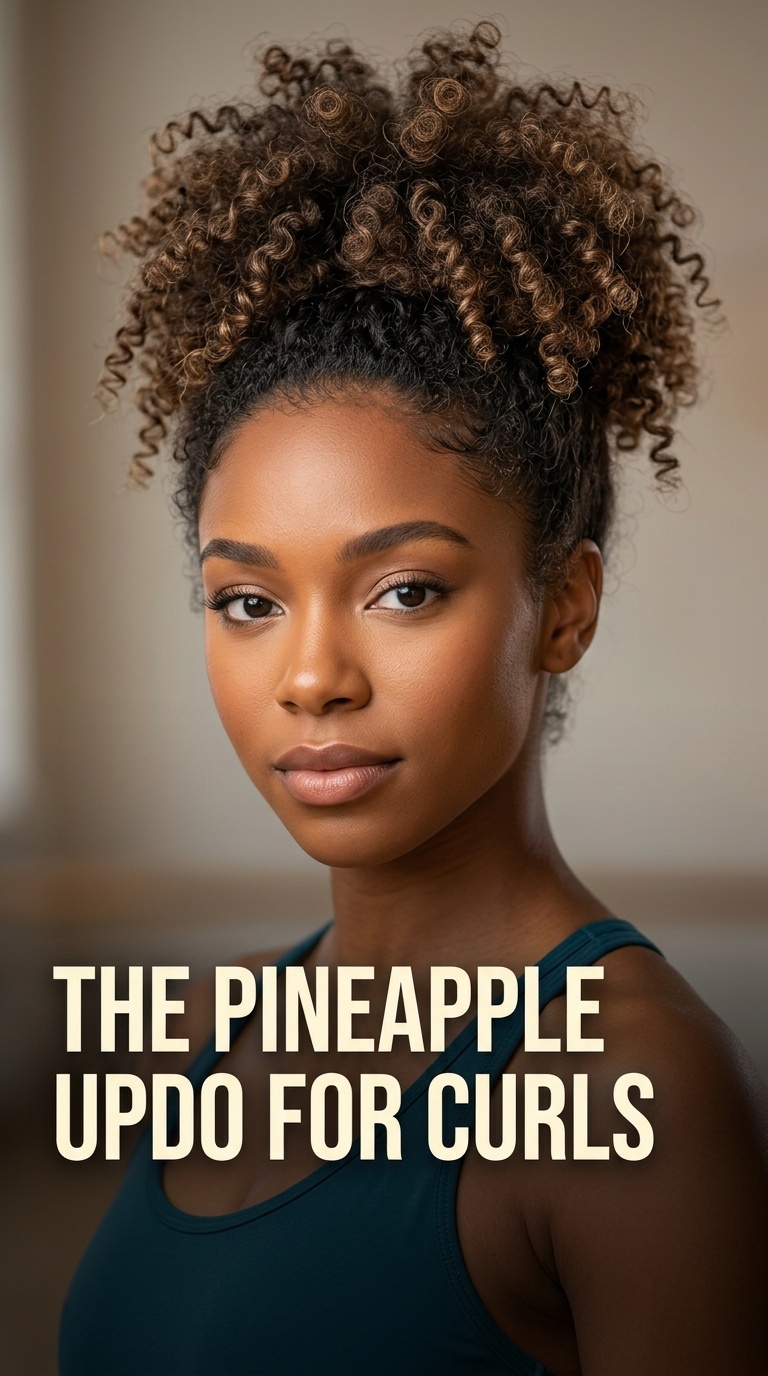
Dancers with natural curls or high-volume textures can utilize the pineapple updo for both style and security. It gathers the hair at the very top to showcase the texture safely.
Use a wide, soft elastic or a specialized “puff” tie to gather the hair forward on the head. This keeps the hair off the neck while allowing the curls to remain bouncy.
More Amazing Ideas
 19 Hairstyles for Kids for Different Hair Types and Occasions — Read more
 15 Cornrow Hairstyles for Men with Different Patterns and Lengths — Read more
 15 Long Hairstyles for Men with Different Textures and Lengths — Read more
 19 Protective Hairstyles for Natural Hair in Versatile Lengths — Read more
 18 Loc Hairstyles for Women with Different Lengths and Styles — Read more
For stage security, use a silk scarf or a thick headband around the edges to lay down the perimeter. This prevents frizz and keeps the style looking sharp under heavy stage lights.
12. Side Dutch Braid to Low Pony
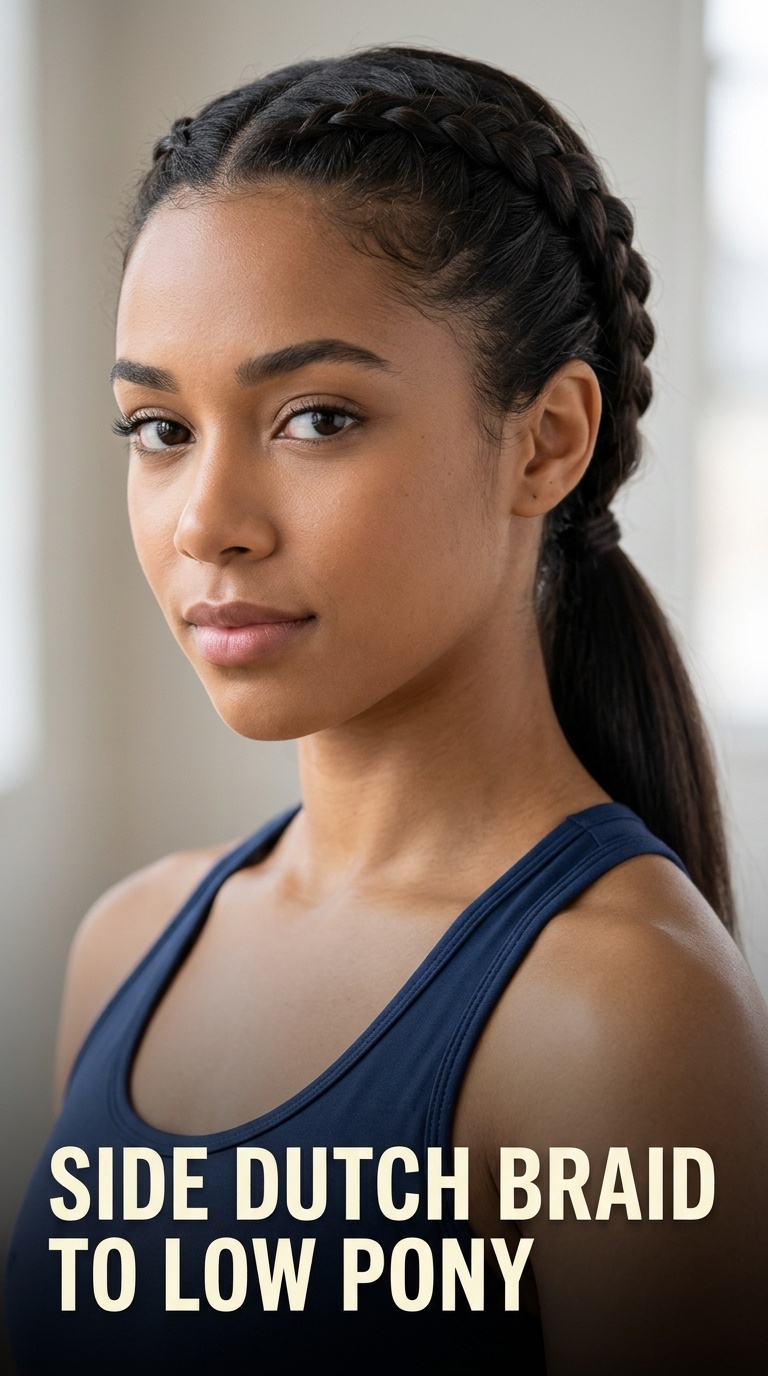
The side Dutch braid is a stylish way to secure hair that has different layers or lengths. It gathers the shorter layers into the braid, preventing them from falling out.
Begin the braid on one side of the head, following the hairline down toward the opposite ear. This path captures “baby hairs” and shorter face-framing pieces that usually escape ponytails.
Gather the remaining hair into a low side ponytail and secure it with a non-slip elastic. This asymmetrical look is visually striking while remaining completely functional for technical movements.
13. Braided Headband (Milkmaid Style)
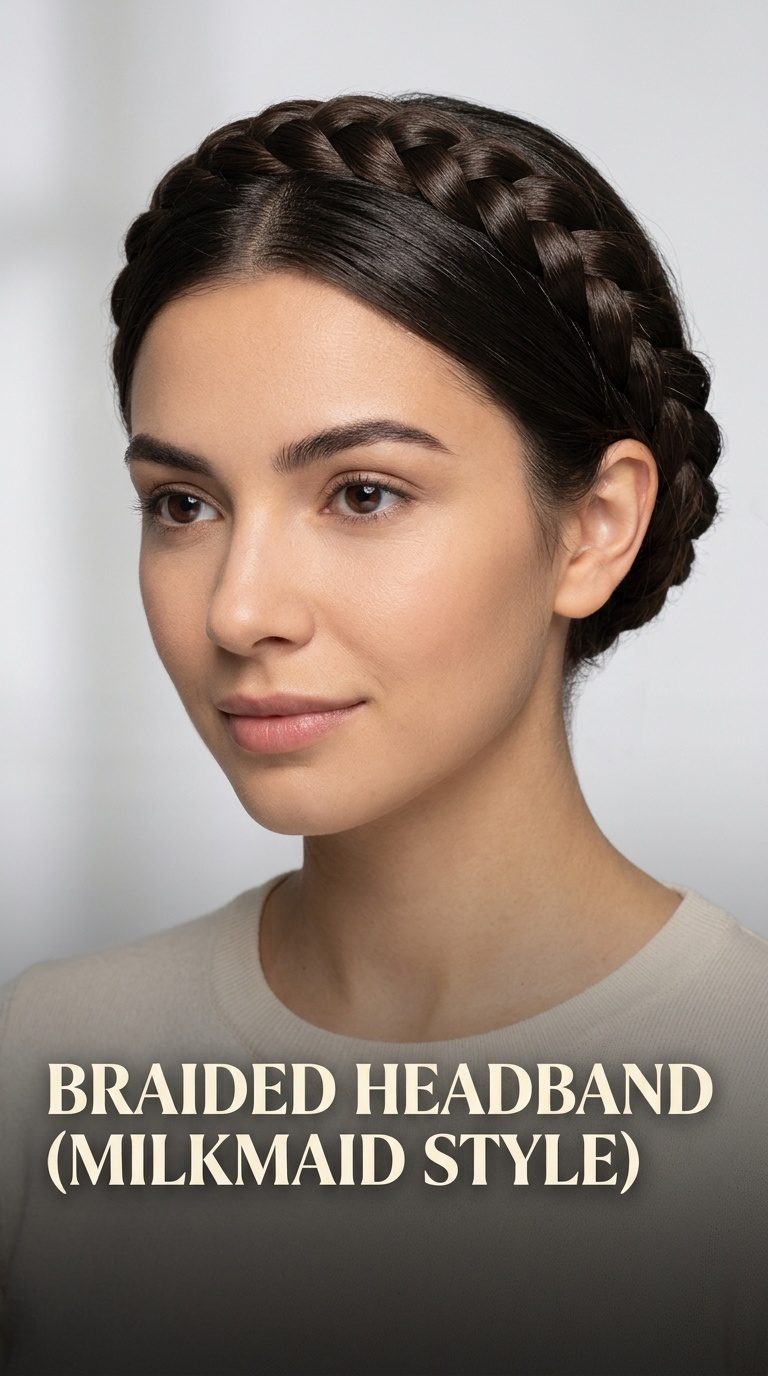
The milkmaid style involves two braids wrapped over the top of the head and pinned in place. It is one of the most stable styles for long-distance movements and tumbling.
Divide the hair into two low pigtail braids and secure the ends with small elastics. Lift each braid over the head like a headband and pin them firmly behind the opposite ear.
Because the hair is pinned flat against the skull, there is no “swing” or “bounce” to contend with. This style is ideal for contemporary dancers who perform complex floor transitions.
14. Tightly Pinned French Twist
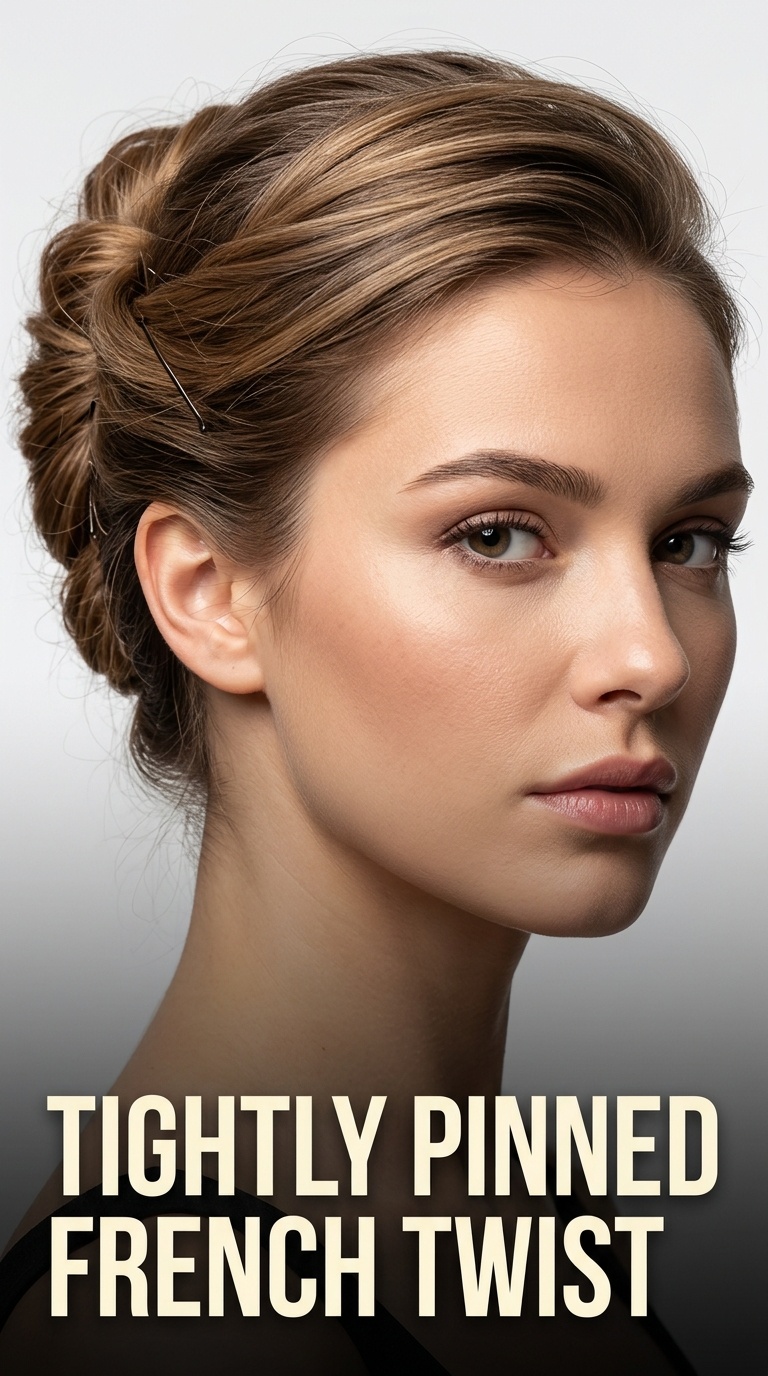
A French twist is a classic, elegant option for ballroom or character dance. While it looks delicate, it can be made extremely secure with the right pinning technique.
More Amazing Ideas
 17 Hairstyles for Sports with Secure Styling for Active Days — Read more
 16 Curly Hairstyles for Men with Different Lengths and Shapes — Read more
 15 Hairstyles for Boys with Different Cuts and Hair Textures — Read more
 16 Dread Hairstyles for Men with Different Lengths and Patterns — Read more
 19 Hairstyles for 4C Hair with Natural Texture and Protective Styling — Read more
Gather the hair as if making a low ponytail, then twist it upward toward the crown. Tuck the ends into the fold and use long hair pins to “sew” the twist to the head.
Using a fine-tooth comb and strong-hold spray will create a seamless, professional finish. This style keeps the neck clear and provides a streamlined profile for the dancer.
15. The Multi-Elastic High Pony
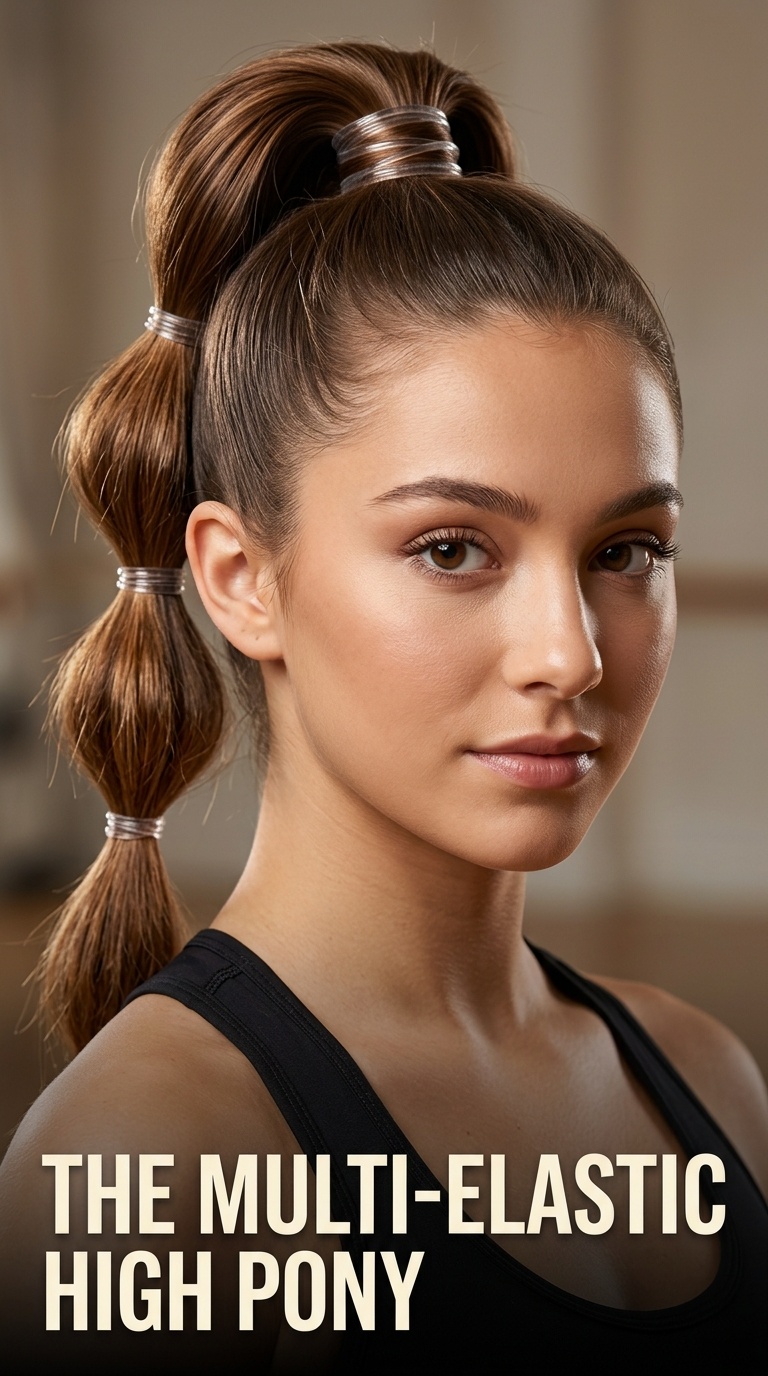
For dancers who want a high ponytail that won’t slip down throughout a performance, the multi-elastic method is vital. It uses three elastics to create a “triple-lock” foundation.
Secure the first elastic around the hair to create the pony. Divide the ponytail in two, place a second elastic over one half and the base, then repeat with the third.
This layering of elastics creates a structural base that resists the downward pull of gravity. It is the best choice for cheer-dance or high-impact routines involving a lot of jumping.
16. Slicked Middle-Part Low Bun
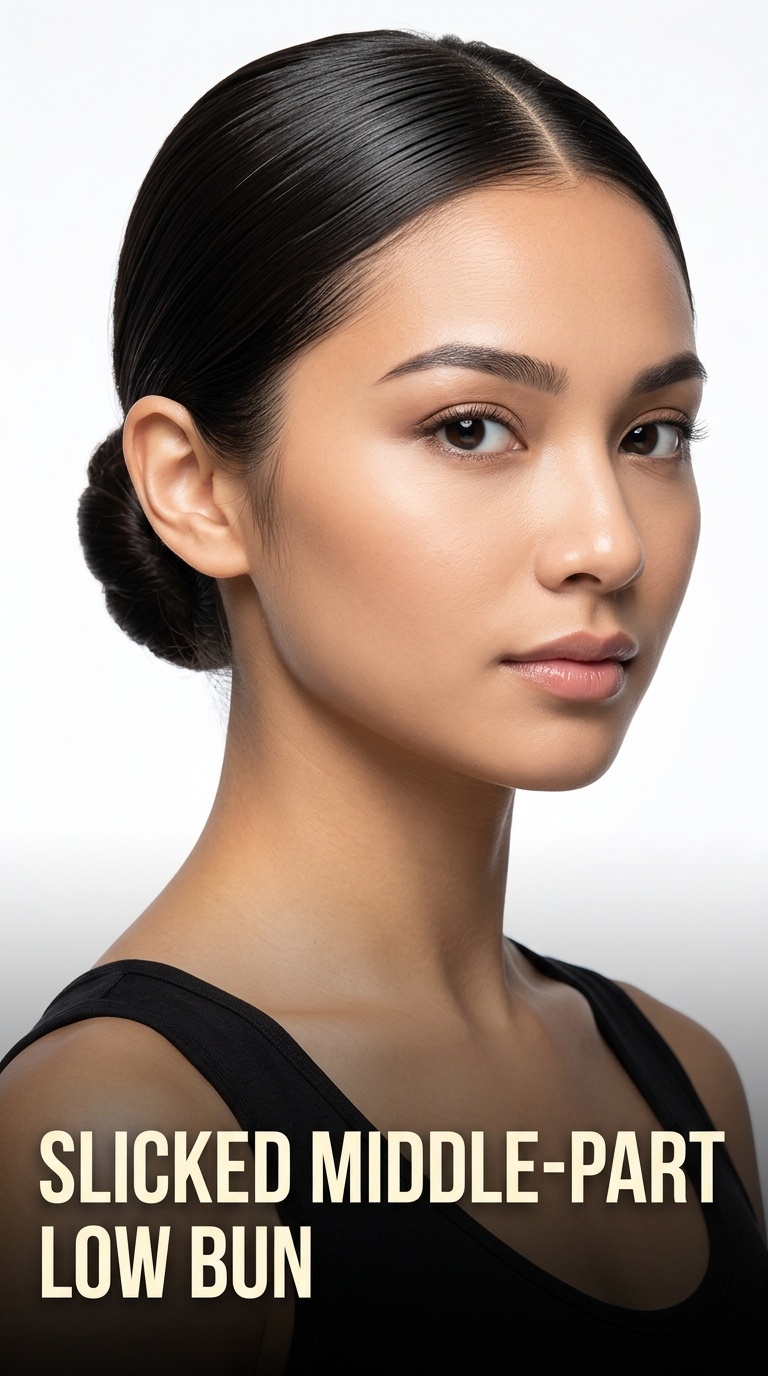
The slicked middle-part low bun is a modern trend that is highly effective for theatrical dance. The center part provides a geometric balance that looks great from the audience.
Use a tail comb to create a razor-sharp center part before applying a high-strength styling cream. Smooth the hair down toward the nape and secure it into a small, tight bun.
This style is perfect for dancers with different hair lengths because the product “glues” shorter layers in place. It offers a clean, minimalistic look that doesn’t distract from the movement.
How do I stop my hair from slipping during a performance?
The most effective way to prevent slipping is to avoid “clean” hair; hair with a bit of texture or product from the day before grips elastics better. Additionally, always use a “double-elastic” method and anchor your pins by catching a small amount of hair from the scalp and the bun simultaneously.
More Amazing Ideas
 16 Hairstyles for Volleyball with Secure Styling for Active Play — Read more
 17 Bun Hairstyles for Long Hair from Sleek to Voluminous Looks — Read more
 18 Hairstyles for School with Different Lengths and Textures — Read more
 18 Loc Hairstyles for Black Women with Different Lengths and Shapes — Read more
 16 Summer Hairstyles for Medium Hair with Layers and Easy Styling — Read more
What are the best pins for securing dance hair?
Professional dancers usually prefer “hair pins” (U-shaped) for buns and “bobby pins” (tight, flat) for securing flyaways or the base of a style. Hair pins allow you to weave through the hair for a more secure, long-lasting hold than bobby pins alone can provide.
How can I secure short hair that is too short for a bun?
For short hair, focus on securing the front and sides with small braids, twists, or high-grip gel. You can also use “mini-clips” or snap barrettes that match your hair color to pin back sections that are too short to reach a ponytail.
Is it better to style hair wet or dry for a dance competition?
Styling hair while it is slightly damp can help you achieve a much sleeker, more secure finish. Applying gel to damp hair allows the product to distribute evenly, creating a firm “shell” that keeps every strand in place once it dries.
How do I prevent flyaways under stage lights?
Stage lights often highlight “frizz” that isn’t visible in normal lighting. Use a finishing spray with a high-shine factor and a clean toothbrush to smooth down the hairline after the style is complete to ensure a professional, polished look.
Can I use hairspray instead of gel for security?
Hairspray is excellent for a finishing touch, but gel or pomade provides the structural integrity needed for the actual styling process. For the most secure dance hair, use gel to pull the hair back and hairspray as a final “seal” to lock everything in.


