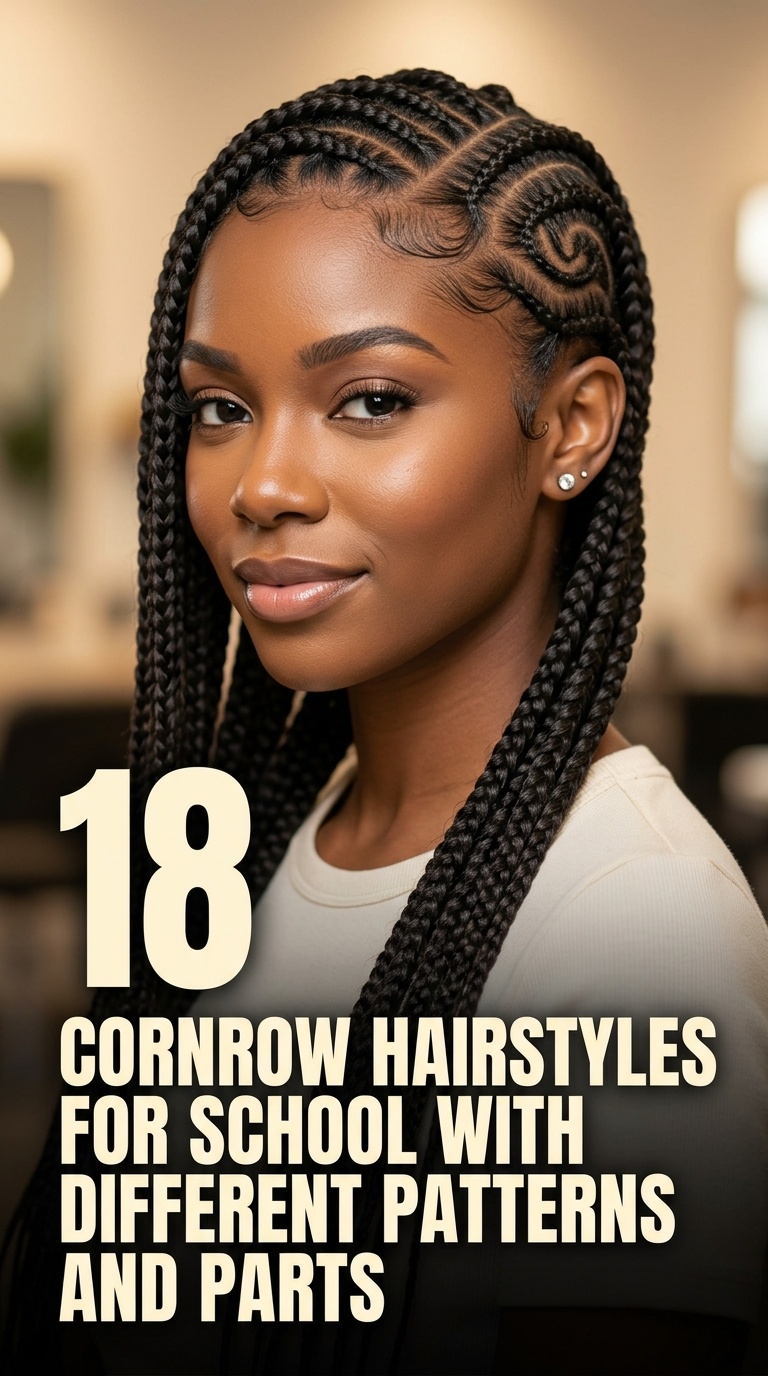
Finding the perfect balance between style and practicality is essential for busy school mornings. Cornrow hairstyles offer a durable and neat solution that keeps hair secured throughout the day.
These styles are versatile enough to suit any school dress code. From simple lines to intricate geometric layouts, there is a design for every preference.
Experimenting with different patterns and parts allows for a unique look. Here are 18 creative cornrow hairstyles that combine functionality with visual flair.
1. Classic Straight Backs
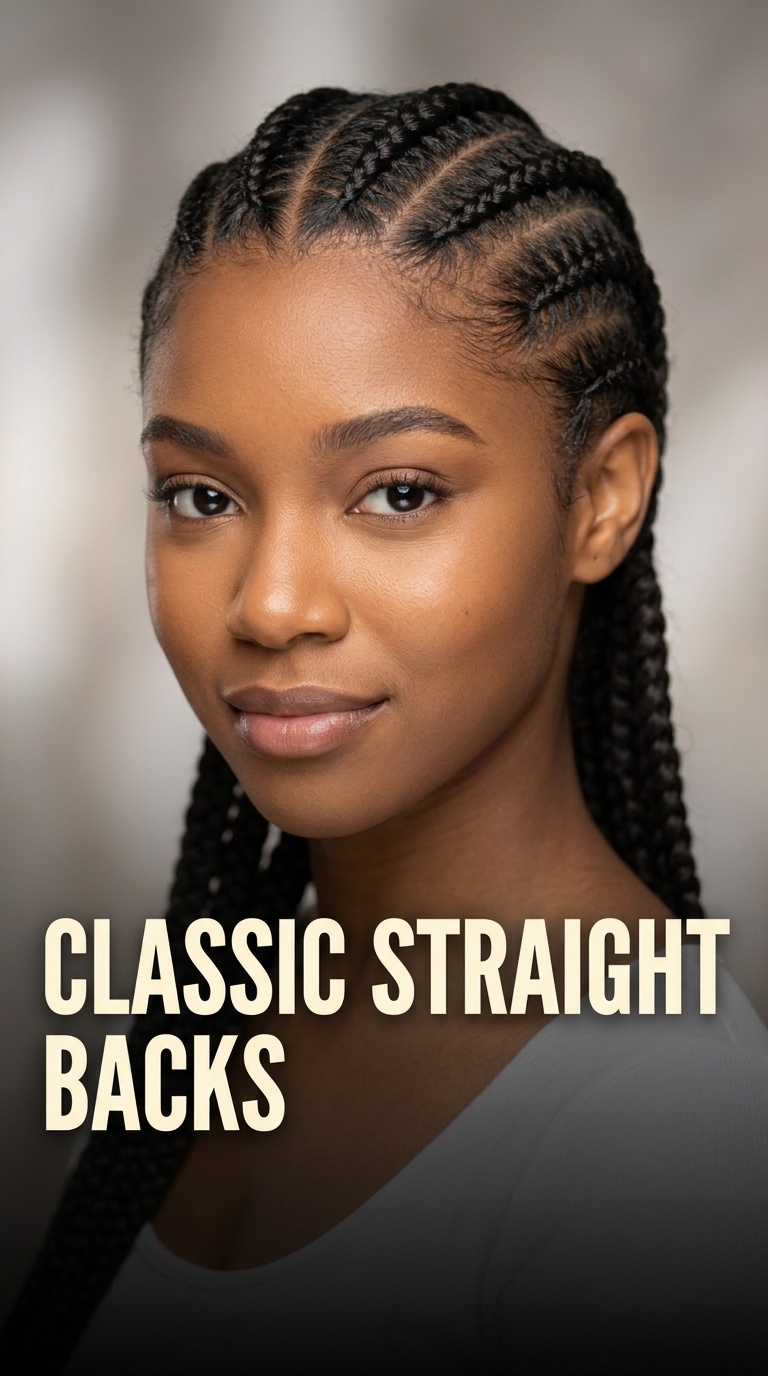
Classic straight backs are the foundation of cornrow styling. This look involves uniform braids that run from the hairline straight to the nape of the neck. It is a timeless choice that remains popular for its clean and professional appearance in a classroom setting.
The simplicity of this pattern makes it one of the most efficient styles to install. Because the parts are linear, the scalp remains organized and easy to moisturize. This design is perfect for students who participate in high-energy sports or physical education classes.
To keep this style fresh, ensure the parts are perfectly crisp. Using a rat-tail comb helps achieve that signature sharp line. This style can last for several weeks with proper nighttime care, making it a low-maintenance favorite.
2. Zig-Zag Parting Cornrows
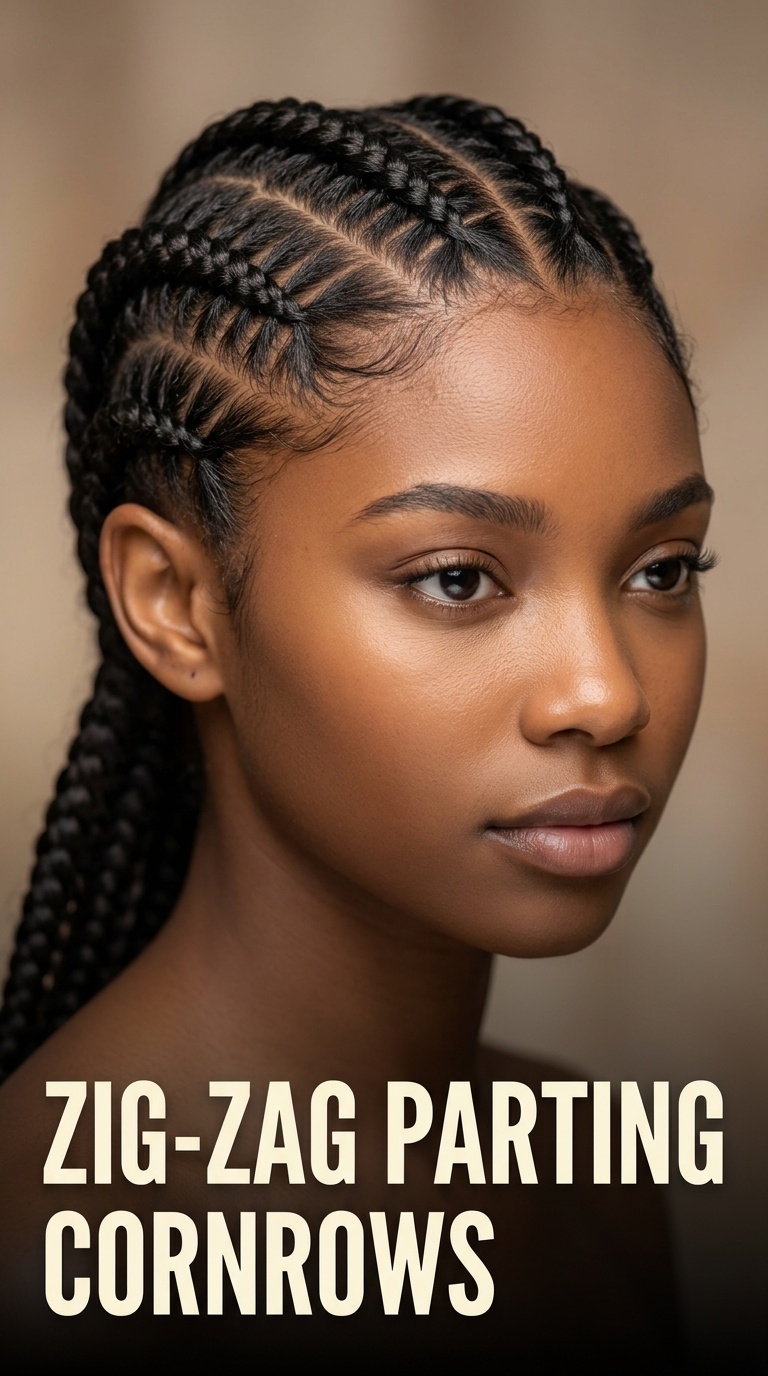
Zig-zag parts add an immediate element of fun to standard cornrows. Instead of straight lines, the hair is divided into “Z” shapes before braiding begins. This creates a dynamic visual effect that breaks up the traditional linear look.
This style is excellent for those who want to stand out without being too flashy. The braids follow the angled paths, resulting in a textured appearance that looks great from every angle. It turns a basic protective style into a modern statement.
Maintaining the clarity of the zig-zags is key to this look. Applying a small amount of edge control or gel along the parts helps the pattern stay defined. It is a creative way to showcase personality while keeping the hair manageable for school.
3. The Heart-Shaped Accent
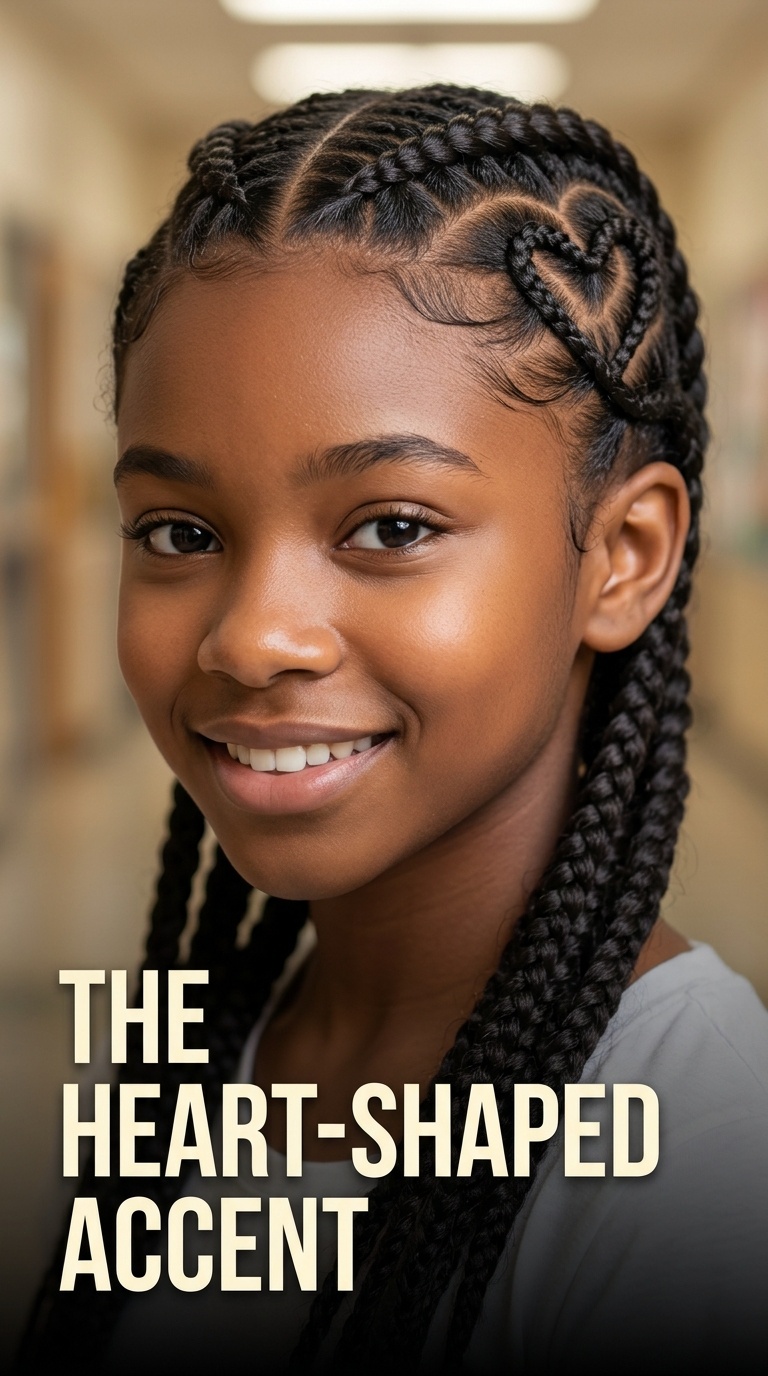
Incorporating a heart shape into cornrows adds a charming and artistic touch. Usually placed on the side of the head, the heart is formed by two curved braids meeting at a point. The rest of the hair can be braided into straight or curved rows.
More Amazing Ideas
 16 Cornrow Braid Hairstyles for Women with Different Patterns and Parts — Read more
 15 Cornrow Hairstyles for Men with Different Patterns and Lengths — Read more
 16 Curly Hairstyles for School for Different Curl Patterns — Read more
 18 Hairstyles for School for Different Hair Types and Lengths — Read more
 17 Girl Hairstyles for School with Different Lengths and Textures — Read more
This pattern is a favorite for special school events or picture days. It demonstrates a high level of detail and craftsmanship. While it looks complex, a skilled braider can execute the heart shape relatively quickly using the right parting technique.
The heart accent works well with both thick and thin braids. It serves as a focal point, drawing attention to the side profile. It is a sweet, creative way to personalize a standard school hairstyle.
4. Geometric Triangle Parts
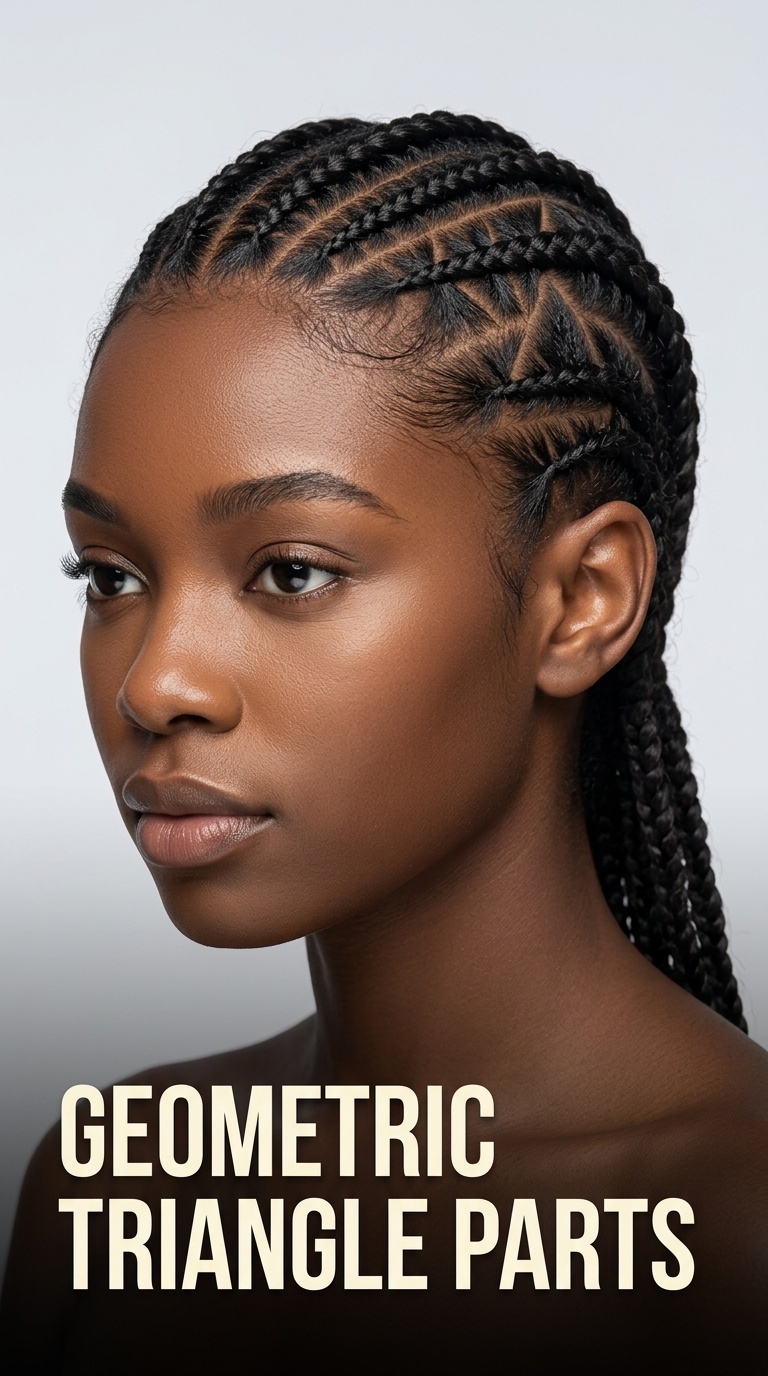
Triangle parting moves away from traditional squares to create a modern, geometric aesthetic. By sectioning the hair into triangles at the base, the cornrows take on a unique direction. This results in a mosaic-like pattern across the scalp.
This style is visually striking and looks particularly good when gathered into a ponytail or bun. The sharp angles of the triangles create a sophisticated look that is still school-appropriate. It is a great way to experiment with symmetry and shape.
Because the parts are non-traditional, it is important to keep the scalp hydrated. The visible triangular sections look best when the skin is healthy and the lines are clean. This style offers a fresh take on the classic “up-do” for students.
5. S-Curve Braids
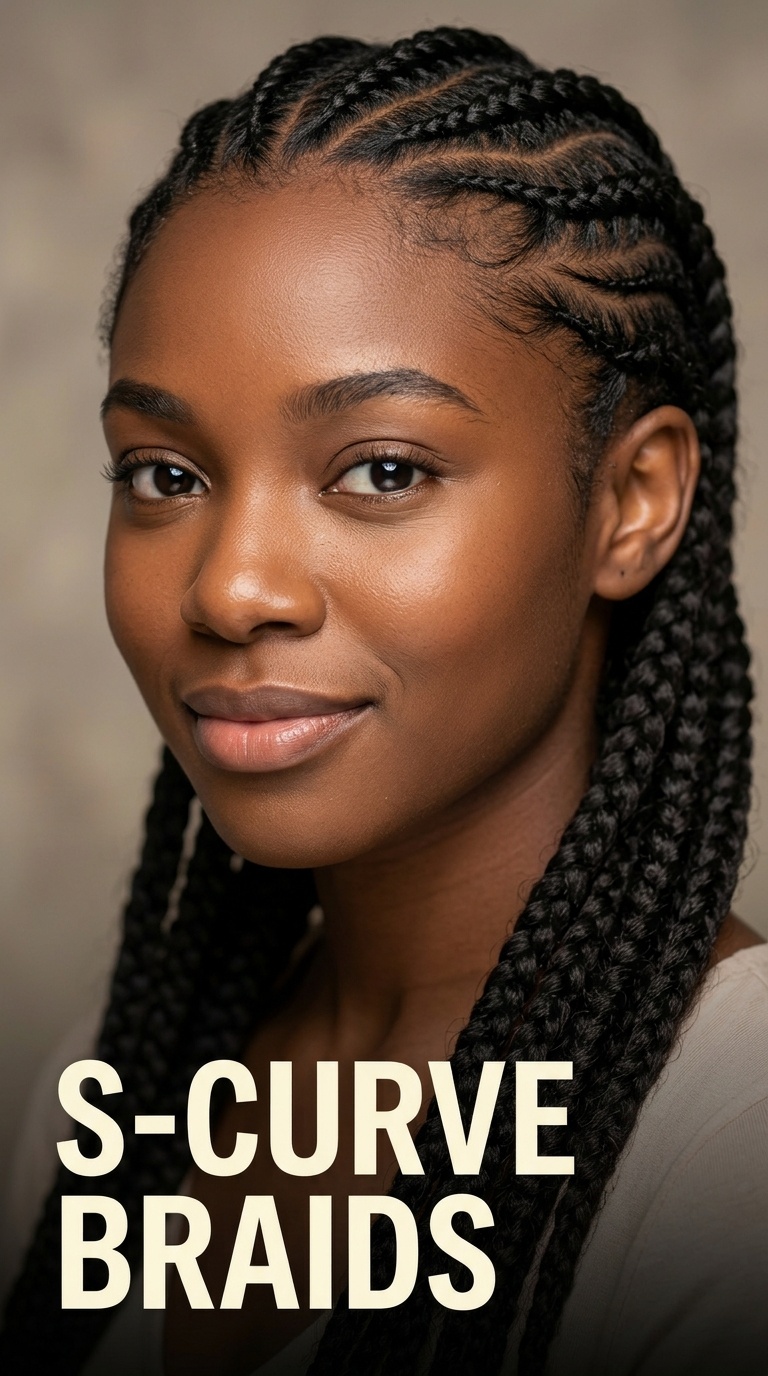
S-curve cornrows provide a sense of fluid movement and elegance. Rather than following a straight path, these braids wind across the head in soft waves. This creates a rhythmic pattern that softens the overall appearance of the hairstyle.
This design is ideal for students who prefer a more organic and less rigid look. The curves can be wide and dramatic or tight and subtle. It is a versatile pattern that works well with various hair lengths and textures.
The winding nature of the braids means they can be styled to frame the face beautifully. This pattern often feels less “tight” on the scalp because the tension is distributed along a curve. It is a comfortable and stylish option for long school days.
6. Feed-In Horizontal Cornrows
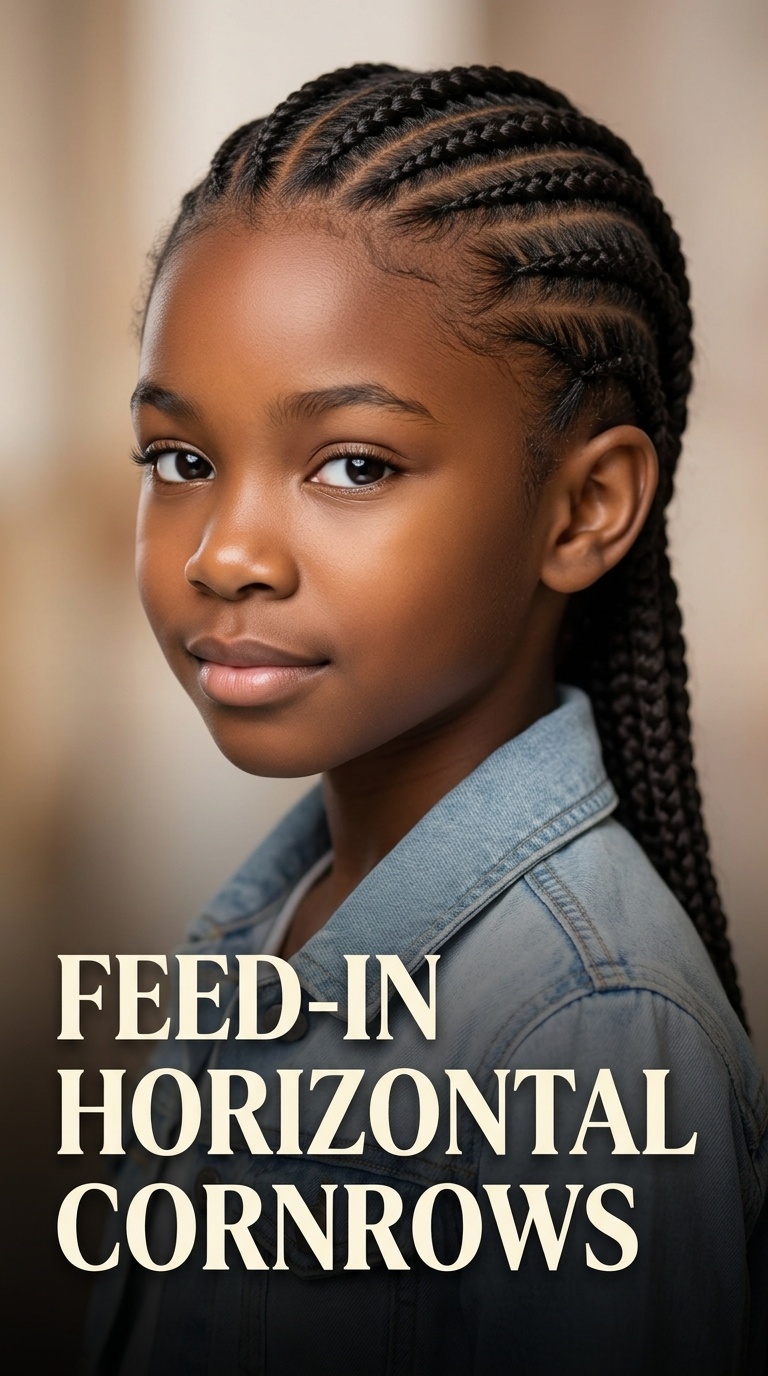
Horizontal cornrows run from one side of the head to the other, creating a unique wrapped effect. This style often utilizes the “feed-in” method, where hair is gradually added to create a seamless, natural look. It is a sophisticated alternative to vertical braids.
More Amazing Ideas
 17 Black Cornrow Hairstyles for Women in Diverse Patterns — Read more
 17 Braid Hairstyles for Men with Different Patterns and Lengths — Read more
 17 Two-Braid Hairstyles for Black Women with Different Parts and Lengths — Read more
 15 Braid Hairstyles for Kids with Different Patterns and Lengths — Read more
 16 Dread Hairstyles for Men with Different Lengths and Patterns — Read more
This pattern is excellent for keeping hair completely out of the face. Since the braids move sideways, there is no bulk at the back of the neck, which can be more comfortable for sitting in chairs. It provides a sleek and tidy silhouette.
The horizontal alignment allows for creative finishing options. The ends of the braids can be gathered into a side bun or left to hang over one shoulder. It is a refined look that balances school-day practicality with high-end style.
7. The Spiderweb Pattern
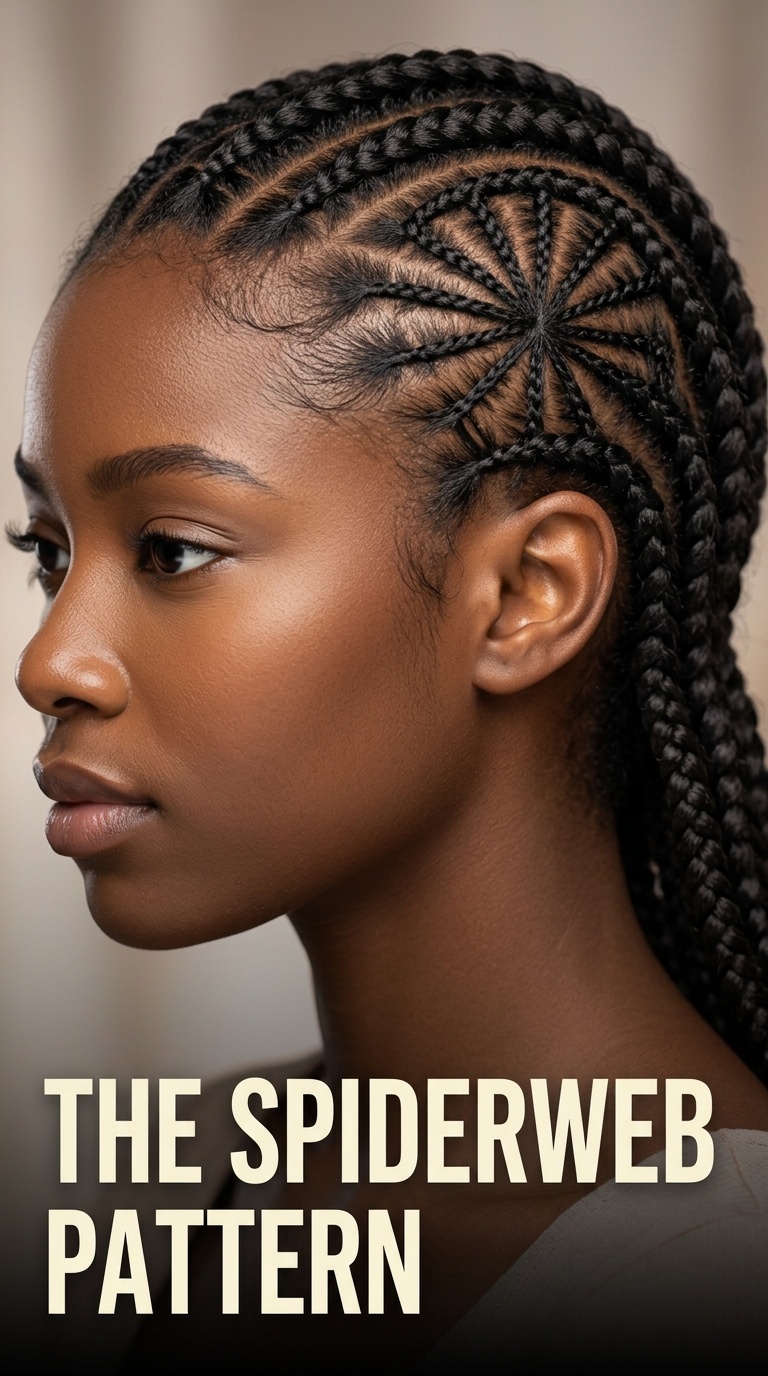
The spiderweb pattern is an intricate design where braids radiate from a central point. This creates a circular or web-like effect on the crown of the head. It is a highly technical style that showcases incredible detail and precision.
This look is perfect for the student who loves complex designs. The symmetry of the web is captivating and serves as a conversation starter. Despite its complexity, it remains flat and secure, making it very school-friendly.
Because the braids converge at a single point, the center must be handled with care. A small bun or a decorative clip can be used to finish the look where the braids meet. It is a masterful example of how cornrow parting can be used as art.
8. Diagonal Cross-Over Braids
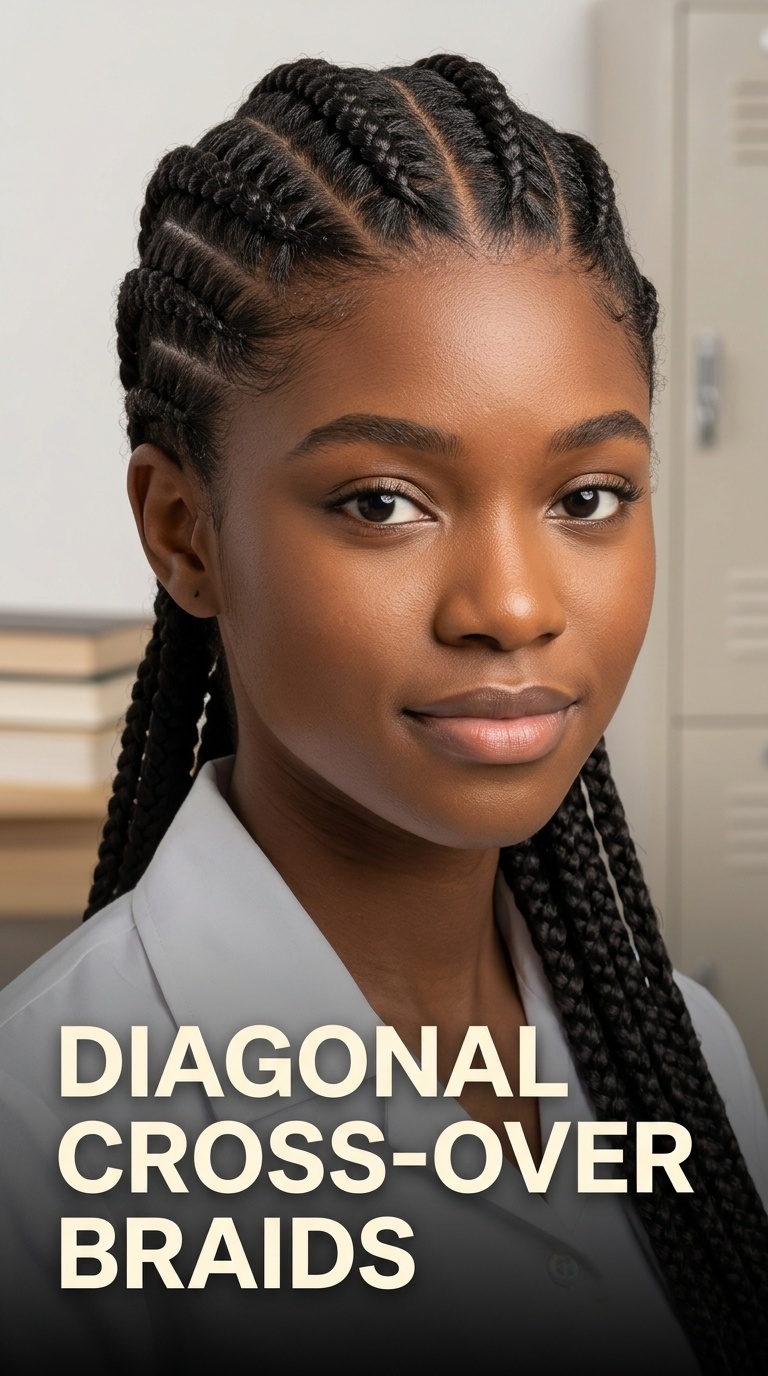
Diagonal cornrows create a sense of length and sleekness. By parting the hair at an angle, the braids flow from the top corner down to the opposite side of the nape. This diagonal movement is very flattering for most face shapes.
The cross-over effect adds a layer of depth to the hairstyle. You can have multiple rows intersecting, which creates a layered, woven appearance. It is a subtle way to add complexity without needing bright accessories or colors.
This style is particularly durable because the diagonal orientation helps distribute the weight of the braids. It is a great choice for active students who need their hair to stay put during gym or dance. The resulting look is both sporty and chic.
9. Alternating Thick and Thin Rows
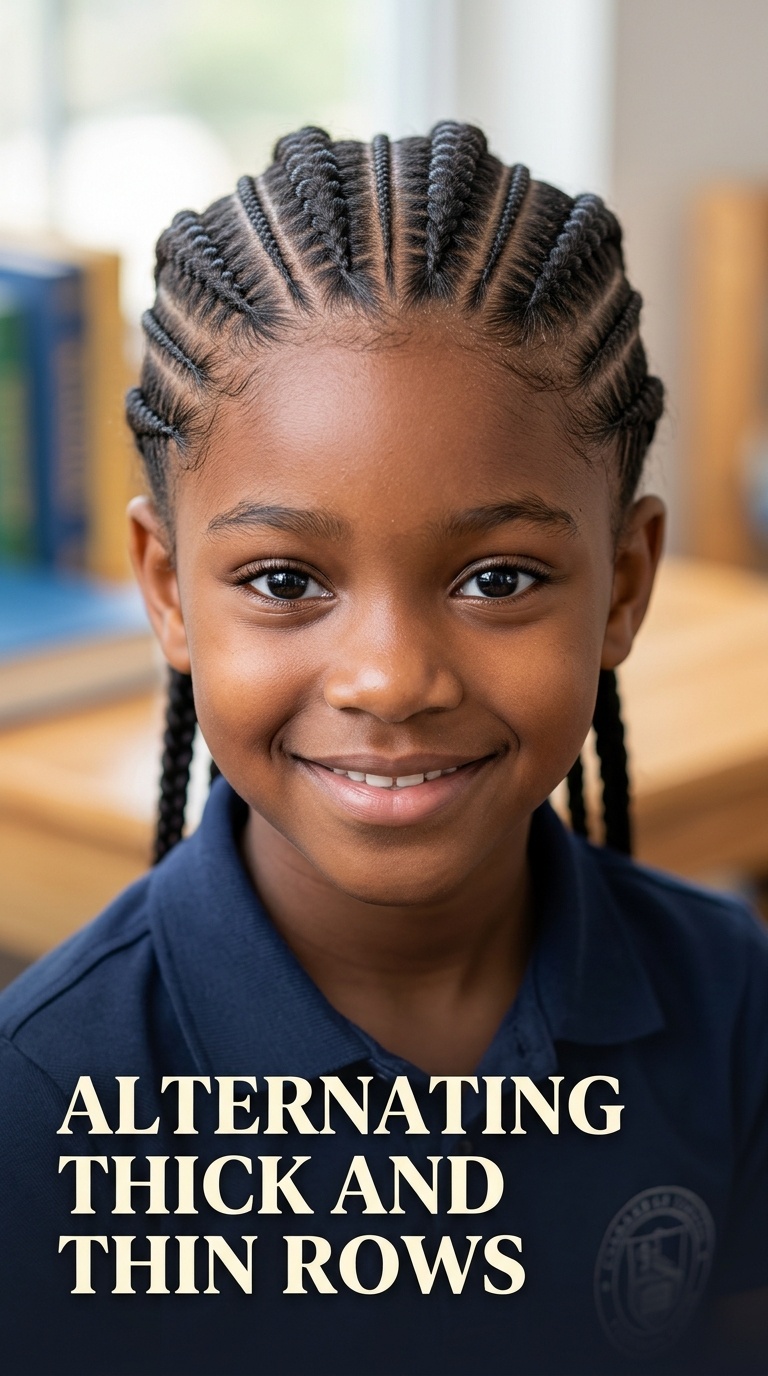
Using alternating sizes—often called “Goddess” braids mixed with smaller “Lemonade” style braids—creates a beautiful texture. This pattern uses one thick cornrow followed by one or two very thin ones. The contrast in volume makes the style pop.
More Amazing Ideas
 19 Back-to-School Hairstyles for Different Hair Types and Lengths — Read more
 18 Hairstyles for School with Different Lengths and Textures — Read more
 18 Braid Hairstyles for Black Boys with Different Patterns and Lengths — Read more
 18 Hairstyles for Braids in Versatile Patterns and Styles — Read more
 19 Back-to-School Hairstyles for Kids with Braids and Ponytails — Read more
This technique is visually interesting because it plays with scale. The thick braids provide structure and speed up the installation process, while the thin braids add detail. It is a classic look that has remained a staple in school styling.
The variety in braid size also allows for better scalp ventilation. It is a lightweight option that doesn’t feel heavy, even if the hair is long. This style is easy to maintain and stays looking neat for several weeks.
10. The Star-Shaped Parting
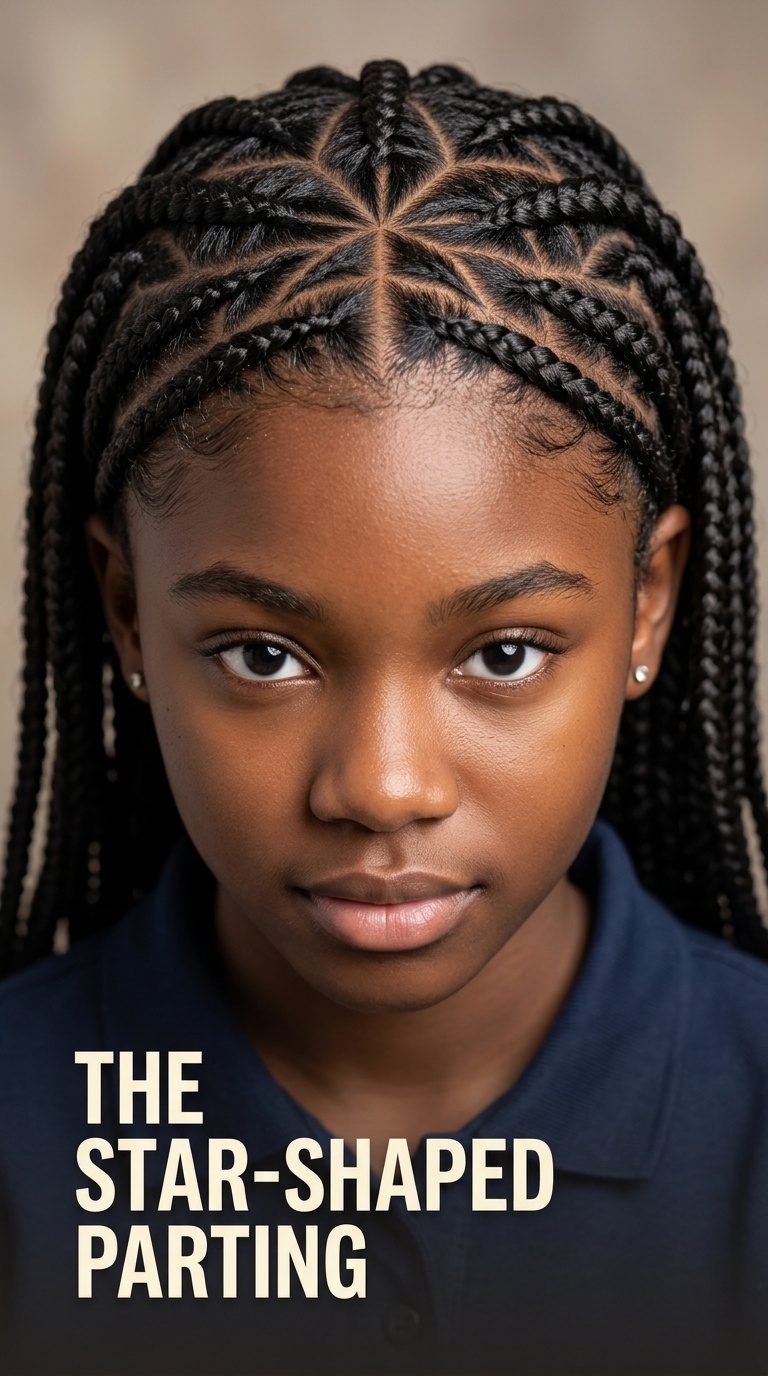
The star-shaped parting is a bold and creative choice for students. A star is carved into the hair, usually at the crown or on the side, with braids following the lines of the points. It is a playful design that highlights the artistry of braiding.
This style is often chosen for special occasions like school dances or birthdays. It requires a high level of precision to ensure the star is symmetrical. The surrounding hair is usually braided in a way that directs focus toward the star.
Keeping the star sharp requires regular maintenance of the parts. Using a light oil can keep the scalp within the star pattern looking healthy. It is a standout style that brings a bit of “star power” to the classroom.
11. Side-Swept Goddess Cornrows
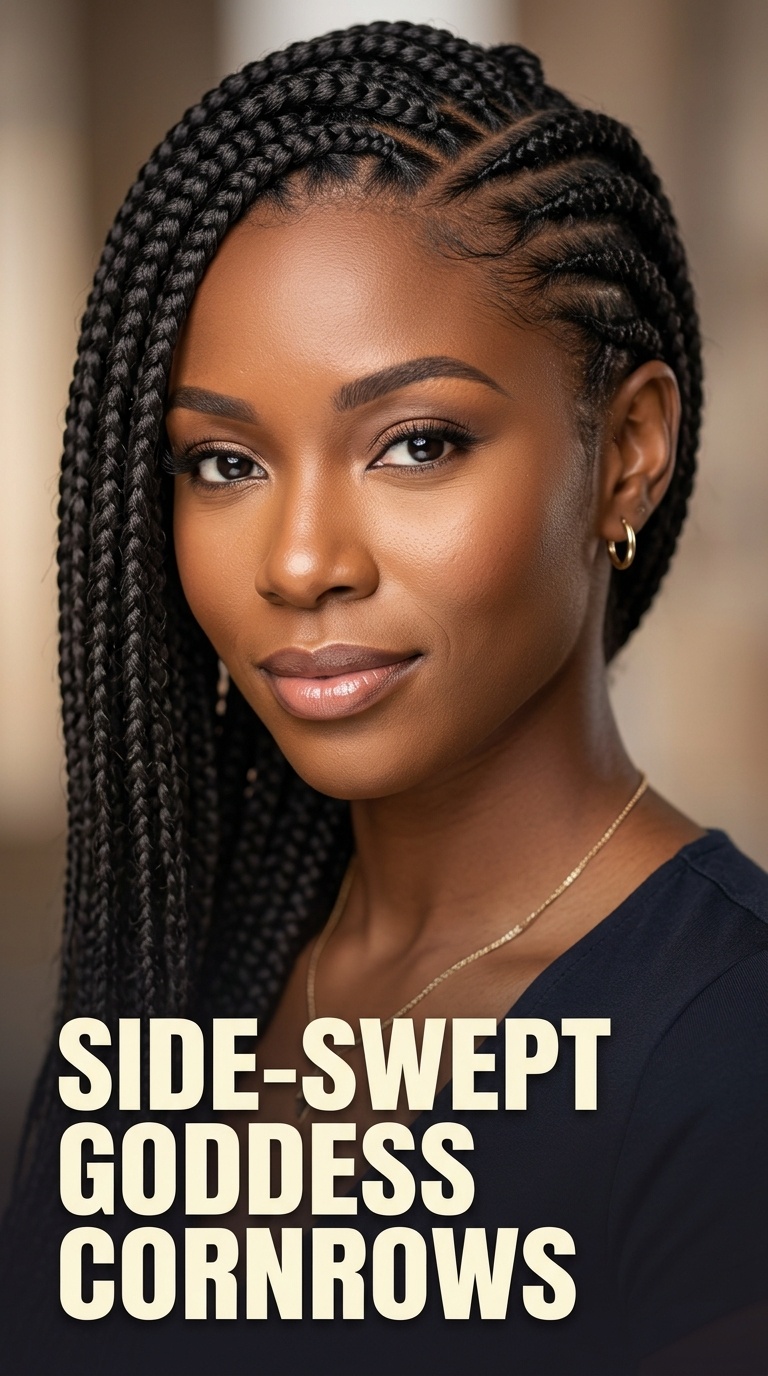
Side-swept cornrows all travel in one direction across the head. This creates a glamorous, asymmetrical look that is very popular. The parts are usually curved to follow the shape of the head, ensuring a comfortable fit.
This style is particularly great for students who like to wear their hair over one shoulder. It provides the convenience of a protective style with the look of a flowing mane. It is a sophisticated choice that works well for both casual and formal school days.
The “Goddess” aspect refers to the thicker, more prominent braids. These can be finished with curled ends for extra flair. It is a versatile style that bridges the gap between traditional cornrows and more elaborate hairstyles.
12. Interlocking X-Pattern
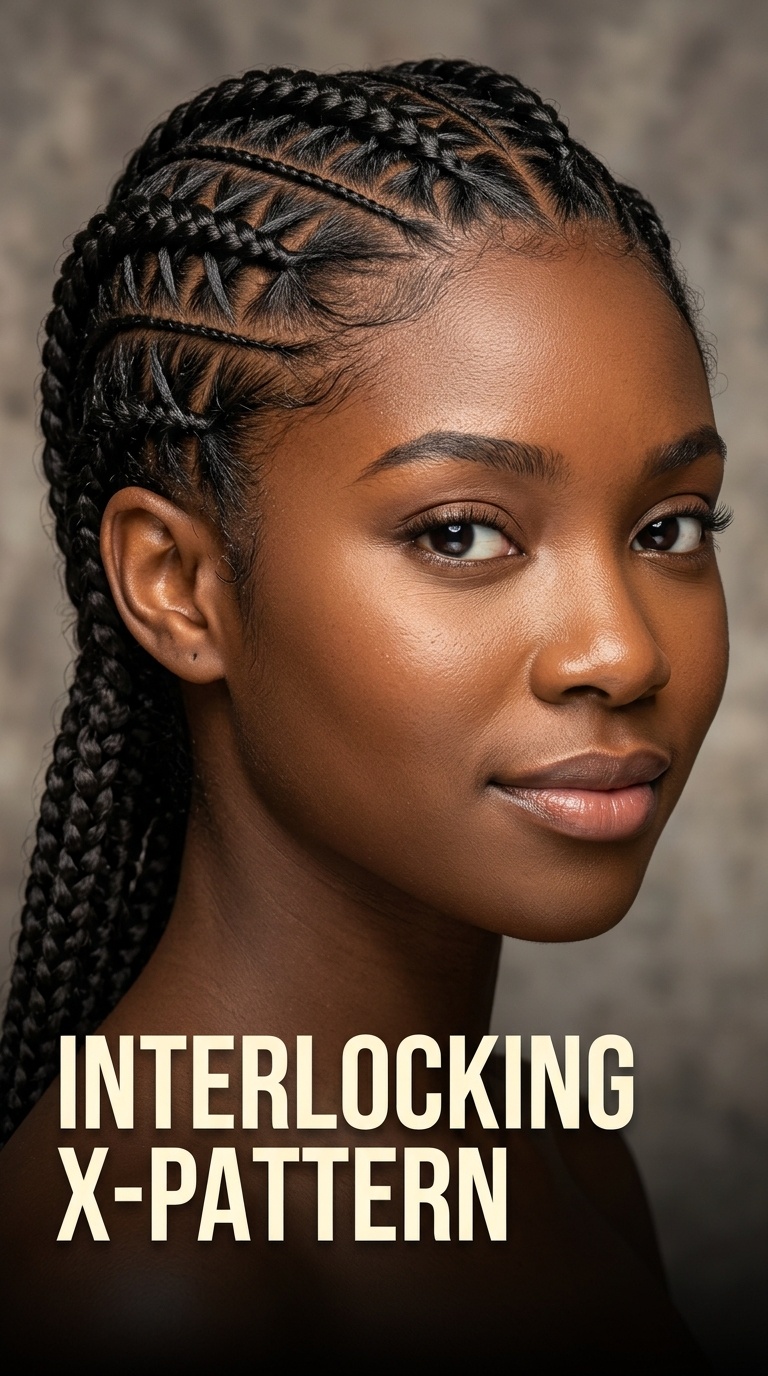
The X-pattern involves braids that cross over each other to form a series of “X” shapes along the scalp. This creates a quilted or latticework effect that is very visually appealing. It is a great way to add structure to the hair.
More Amazing Ideas
 17 Ponytail Hairstyles for Kids with Braids, Parts and Playful Details — Read more
 17 Easy Hairstyles for School with Braids, Ponytails and More — Read more
 19 School Hairstyles for Long Hair with Braids and Ponytails — Read more
 17 Box Braid Hairstyles for Black Women in Different Lengths — Read more
 17 Hairstyles for Girls with Different Lengths and Textures — Read more
This style is very secure because the interlocking braids help hold each other in place. It is an excellent option for students with shorter hair that might otherwise slip out of straight braids. The pattern provides a “grid” that keeps everything tidy.
The X-pattern can be done on a large scale with few braids or on a micro scale for a very detailed look. It is a modern, architectural style that looks great in a bun. This design is perfect for those who appreciate symmetry and order.
13. Swirl or Beehive Pattern
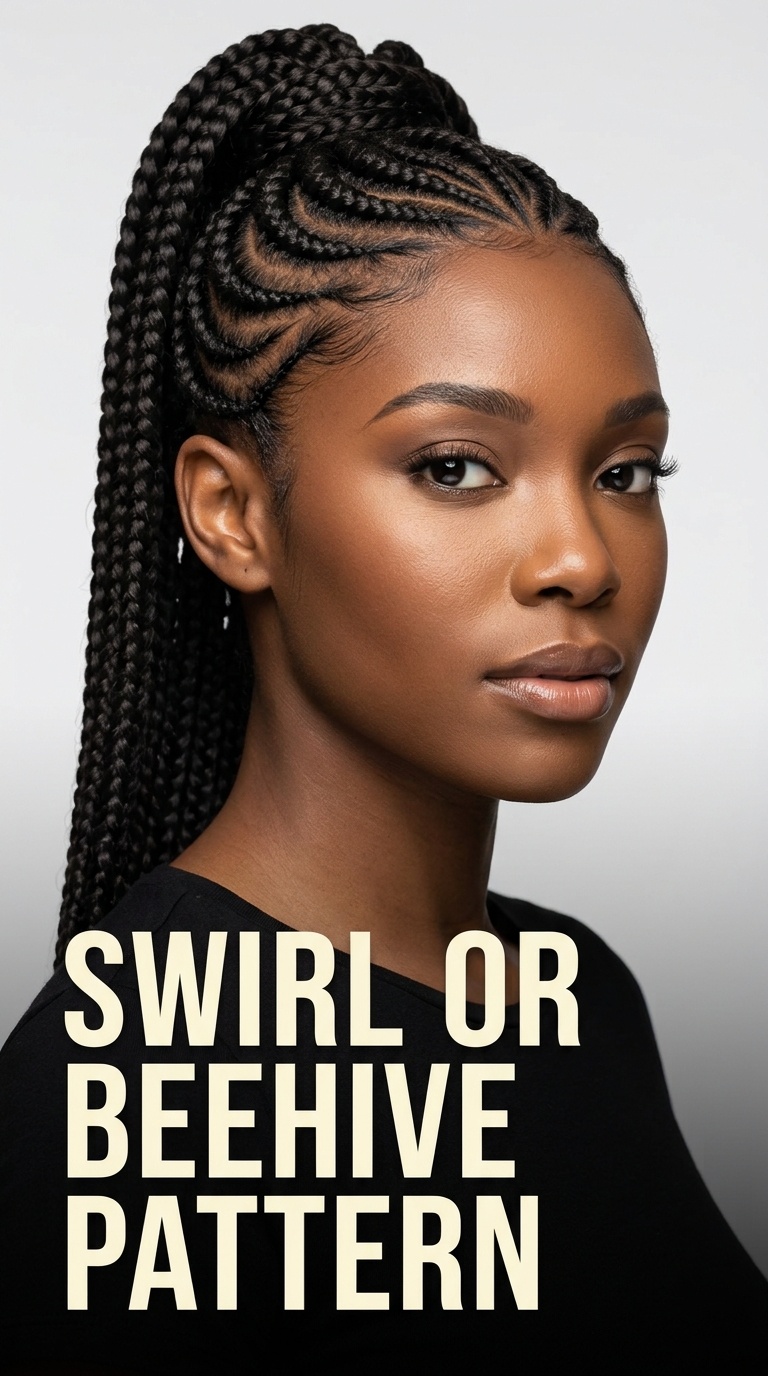
The swirl pattern, sometimes called a beehive, involves a single braid or multiple braids that spiral around the head. This creates a continuous, circular motion that is very soothing to look at. It is a classic technique that is both functional and beautiful.
This pattern is often used as a base for sew-in extensions, but it looks stunning as a standalone style. It keeps the hair compact and extremely secure. For school, it is one of the most durable patterns available.
Because there are no “ends” hanging down, this is a true “up-do” style. It protects the ends of the hair perfectly by tucking them into the spiral. It is a clean, minimal look that focuses on the geometry of the circle.
14. Diamond-Parted Bun
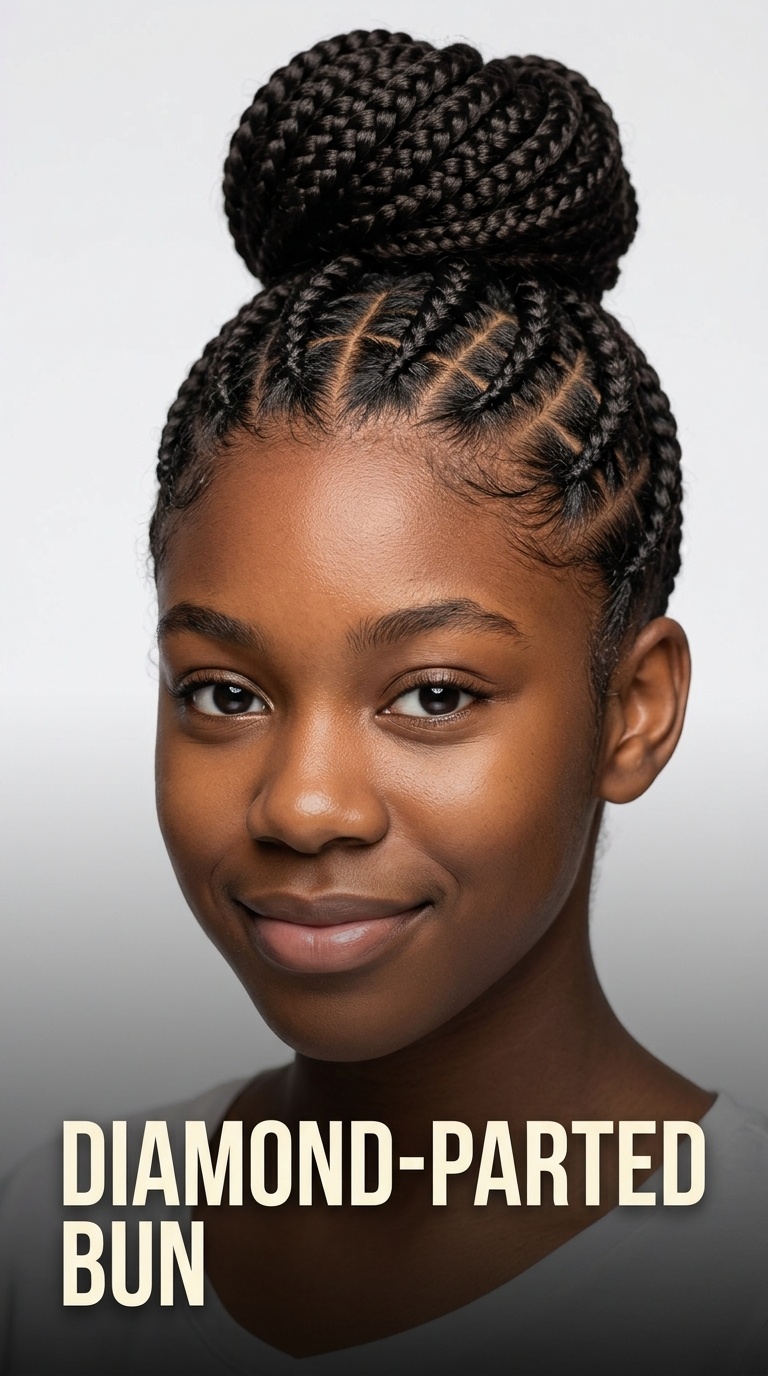
Diamond parting uses diagonal lines that intersect to create four-sided shapes across the scalp. The braids then follow these diamond sections, usually leading toward a high or low bun. It is a very structured and polished look.
The diamond shape is naturally pleasing to the eye and adds a touch of luxury to the hairstyle. It is a step up from standard square parting. This style is often used when a student wants a very “neat” and “finished” appearance.
The bun at the end provides a practical way to keep the braid ends out of the way. This is particularly helpful for science labs or art classes where hair needs to be secured. It is a professional and stylish choice for any student.
15. The Mohawk Cornrow Style
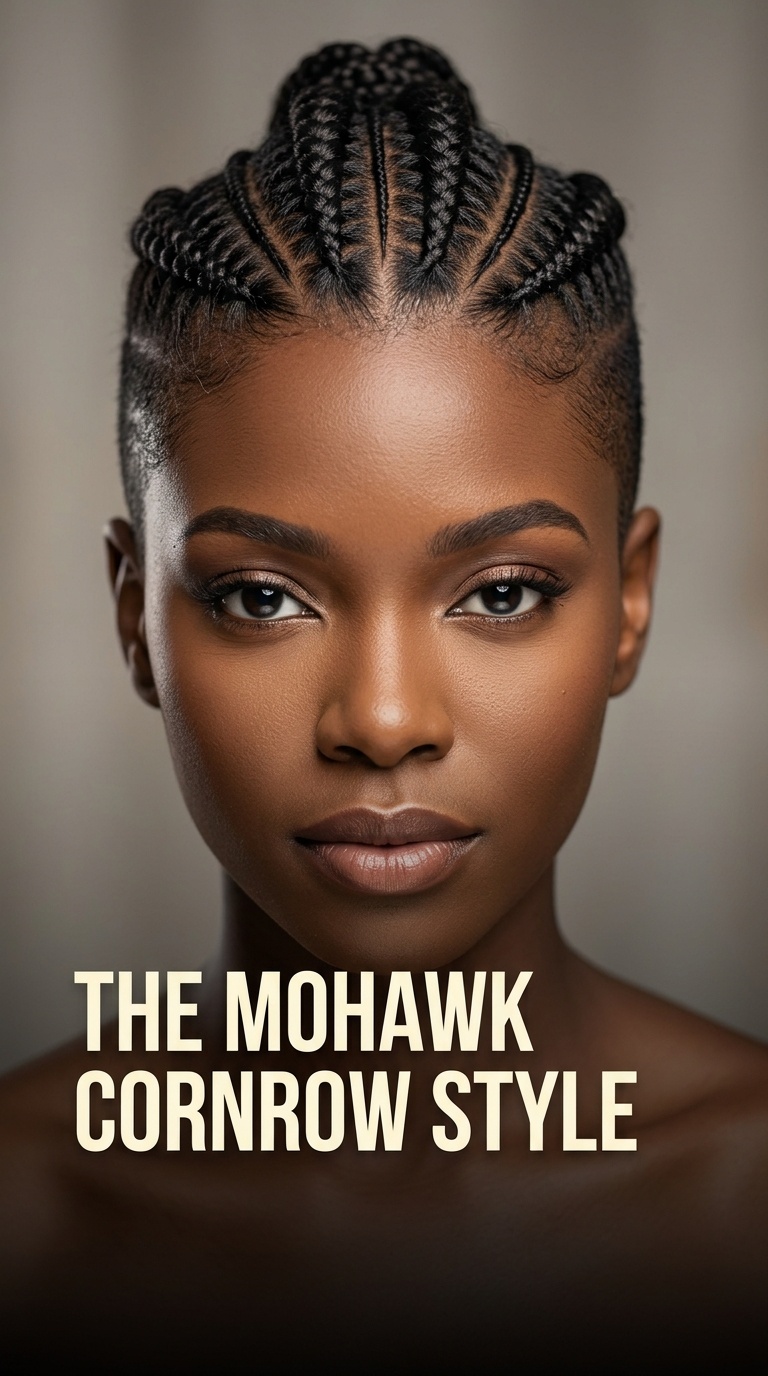
The Mohawk style involves braiding the sides of the head upward toward the center. This creates a ridge of hair running down the middle, mimicking the shape of a mohawk. It is a edgy and stylish look that remains very neat.
More Amazing Ideas
 19 Hairstyles for Kids for Different Hair Types and Occasions — Read more
 15 Long Hairstyles for Men with Different Textures and Lengths — Read more
 18 Loc Hairstyles for Women with Different Lengths and Styles — Read more
 16 Curly Hairstyles for Men with Different Lengths and Shapes — Read more
 15 Hairstyles for Boys with Different Cuts and Hair Textures — Read more
This pattern is great for showing off the profile and keeping the sides of the head cool. The center section can be finished in braids, curls, or even a series of small buns. It is a highly customizable style that allows for a lot of creativity.
The Mohawk cornrow is a popular choice because it is “braided in,” meaning it won’t flop over like a traditional mohawk. It stays secure and sharp all week. It is an excellent way to balance a “cool” look with school-appropriate tidiness.
16. Half-Up, Half-Down Cornrows
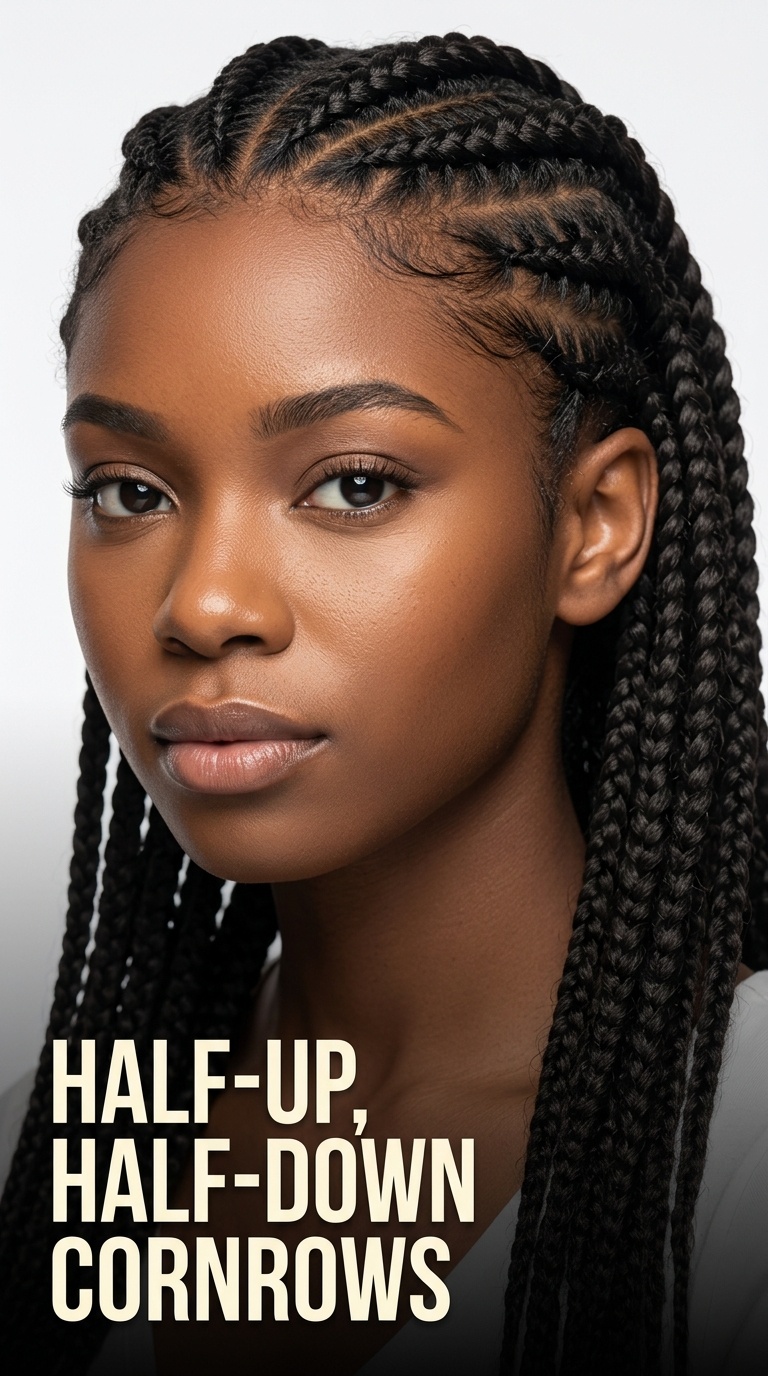
This style features cornrows on the top half of the head, while the bottom half is either left out or braided into individual box braids. The cornrows are usually pulled back into a ponytail or bun at the crown. It offers the best of both worlds.
The half-up portion keeps hair out of the eyes and face, which is essential for studying. The half-down portion allows the student to show off their hair’s length and movement. It is a very popular and trendy choice for students of all ages.
This style is also very versatile for different school activities. The ponytail can be tightened for sports or let down for a more relaxed look. It is a functional style that doesn’t sacrifice the “flowy” feel of long hair.
17. Multi-Directional Frontal Braids
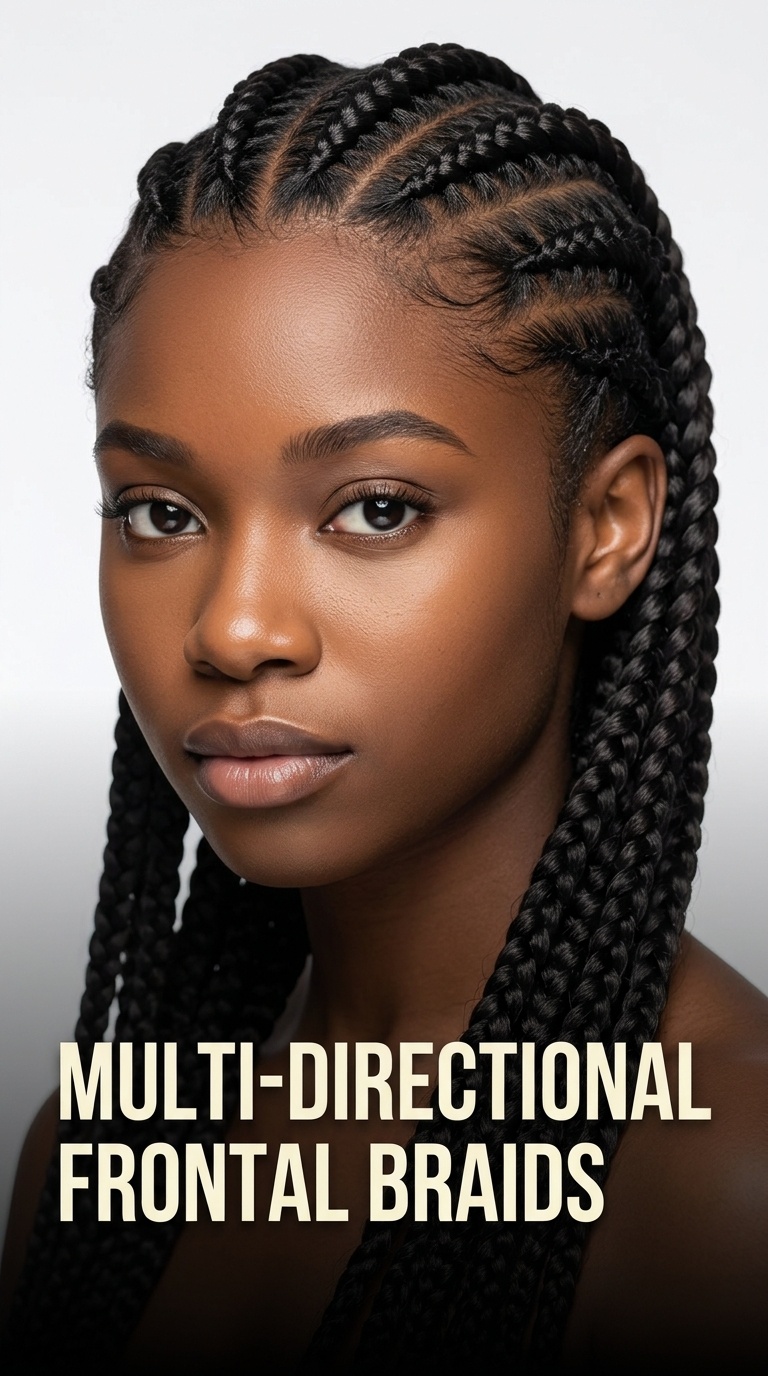
This style focuses on the front of the head, where braids move in different directions—some forward, some to the side, and some back. This creates a “fringe” or “bang” effect made of braids. The rest of the hair is usually braided straight back.
This is a great option for students who like to have hair framing their face. By braiding some rows forward, you can create a beautiful braided “curtain” effect. It is a unique way to play with the direction of the hair.
Multi-directional braids require a bit more planning during the parting phase. However, the result is a custom look that feels very personalized. It is a creative solution for those who find standard straight-backs too plain.
18. The Crown Braid Cornrow
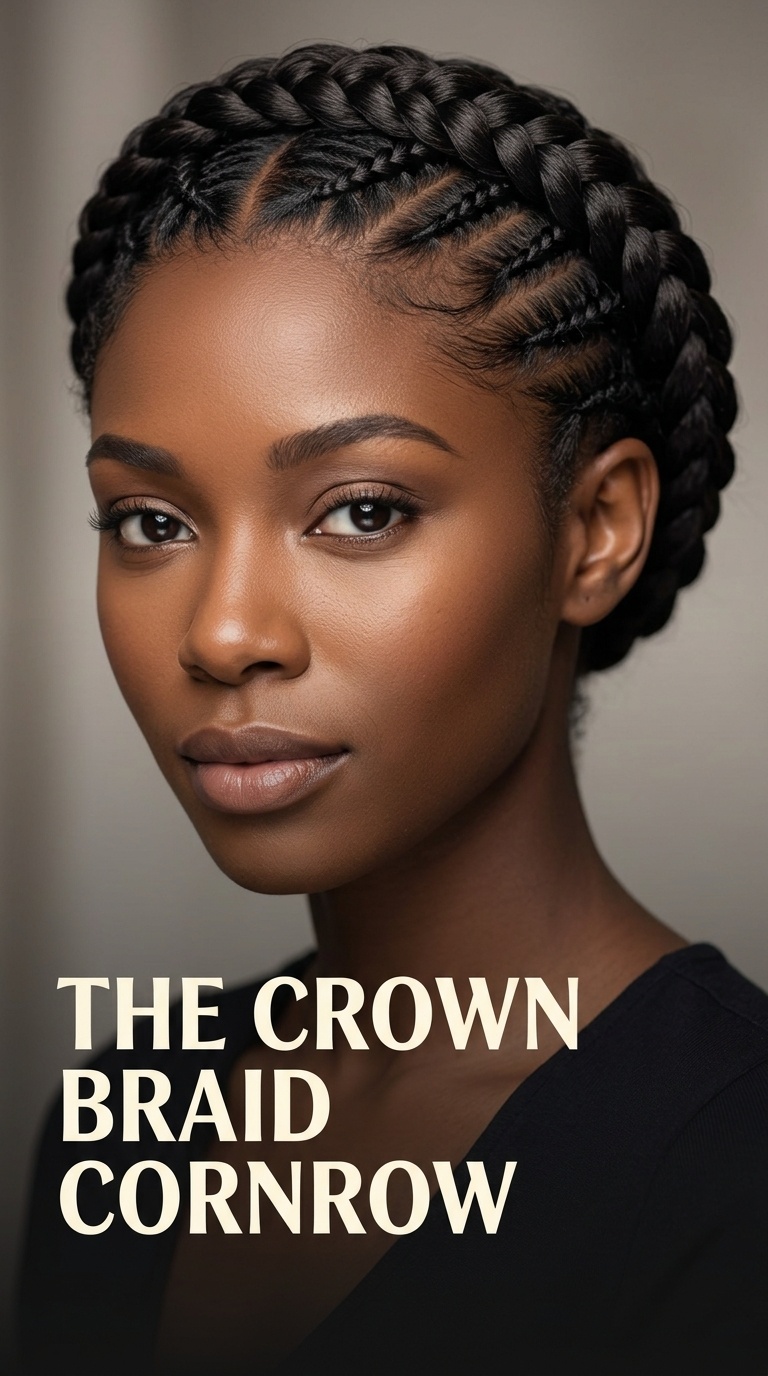
The crown braid involves cornrows that are braided around the circumference of the head. This creates a “halo” effect, where the hair acts as its own accessory. It is an elegant and regal style that is surprisingly sturdy.
More Amazing Ideas
 18 Summer Hairstyles for Different Hair Types and Lengths — Read more
 16 Hairstyles for Bangs with Layers, Length and Different Textures — Read more
 18 Loc Hairstyles for Black Women with Different Lengths and Shapes — Read more
 17 Weaving Hairstyles for Natural Hair with Different Lengths and Looks — Read more
 19 Pixie Hairstyles for Black Women with Different Shapes and Textures — Read more
This pattern is excellent for keeping all hair completely tucked away. It is often finished by pinning the end of the braid into the start of the row, creating a seamless circle. It is a very sophisticated look for presentations or school ceremonies.
Because the hair is wrapped around the head, it stays very flat. This makes it a comfortable style for sleeping and for wearing hats or helmets. It is a beautiful, practical, and timeless cornrow pattern.
How long do cornrows usually last for school?
Depending on the complexity of the pattern and how well they are maintained at night, cornrows typically last between 2 to 4 weeks. Smaller, tighter braids tend to last longer than larger ones. Using a silk or satin scarf at night is essential for longevity.
Are these styles suitable for physical education and sports?
Yes, cornrows are one of the best styles for active students. They keep the hair securely away from the face and neck, preventing tangles and distractions during movement. They are durable enough to withstand sweat and high-energy activities.
How can I keep the parts looking sharp throughout the week?
To maintain clean parts, apply a small amount of light oil or edge control to the scalp every few days. This prevents the hair from looking fuzzy and keeps the skin hydrated. Avoid over-applying products to prevent buildup near the roots.
Do cornrows work on short hair for school?
Cornrows can be installed on hair as short as two or three inches, depending on the skill of the braider. For shorter hair, thinner braids or patterns with more intersections (like the X-pattern) often hold better than thick, straight-back braids.
How do I wash hair while it is in cornrows?
You can wash your scalp by diluted shampoo in a spray bottle and gently massaging between the braids. Rinse thoroughly and ensure the hair is completely dry to prevent odors. Many people prefer using a damp cloth with witch hazel to clean the parts between full washes.
Are cornrow patterns painful to get installed?
Cornrows should be firm but never painful. If the scalp feels very tight or if there is visible pulling at the hairline, the braids are too tight. Communication with the stylist is key to ensure a comfortable fit that doesn’t cause breakage or discomfort during school.


