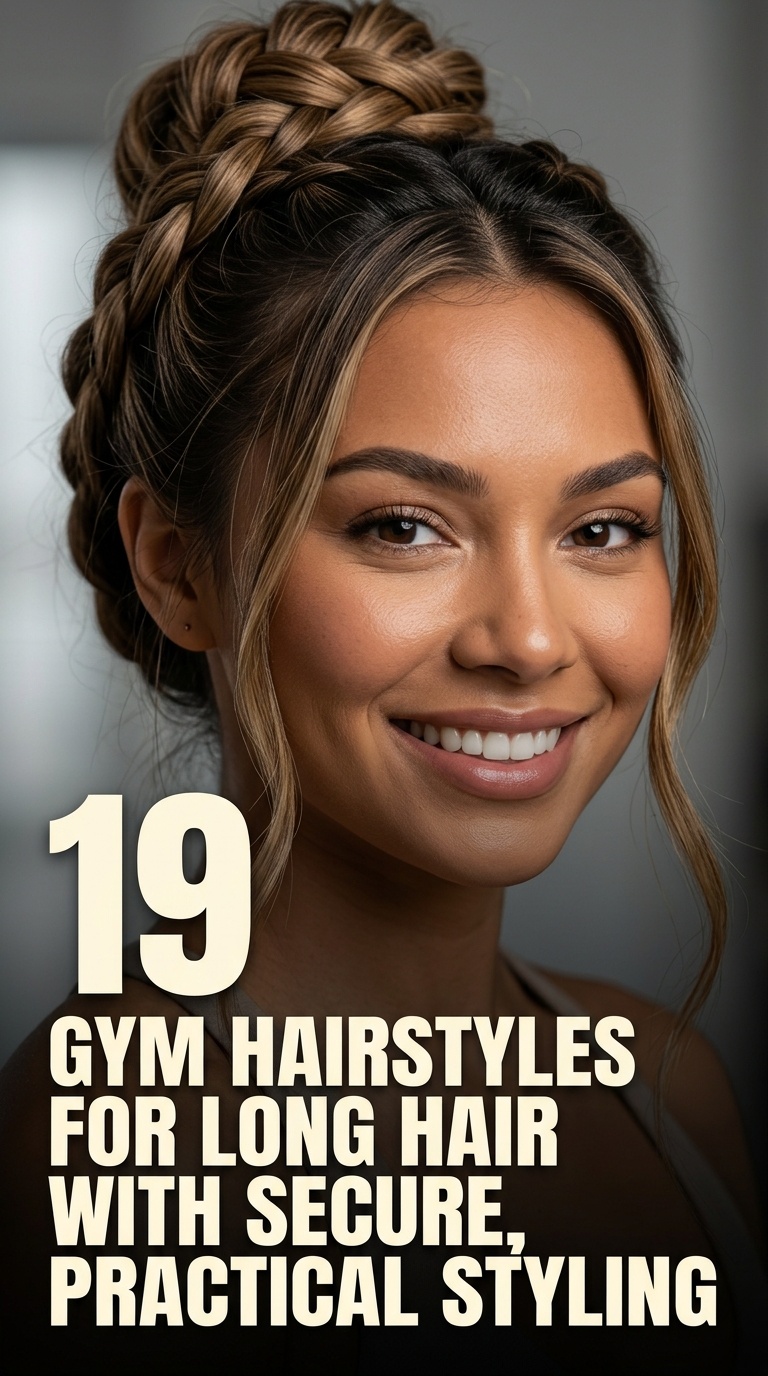
Long hair offers incredible versatility, but it can be a major distraction during intense workouts. Finding the right balance between style and security is essential for peak performance.
Constant readjusting kills your momentum. You need styles that stay put through burpees, sprints, and heavy lifts. These options ensure your focus remains entirely on your fitness goals.
A great gym hairstyle prevents tangling and minimizes sweat damage. Proper tension management also protects your hair from breakage during repetitive movements. Secure your strands with these proven techniques.
Here are 19 gym hairstyles for long hair with secure, practical styling to upgrade your next workout session.
1. High Ponytail with Multiple Elastics
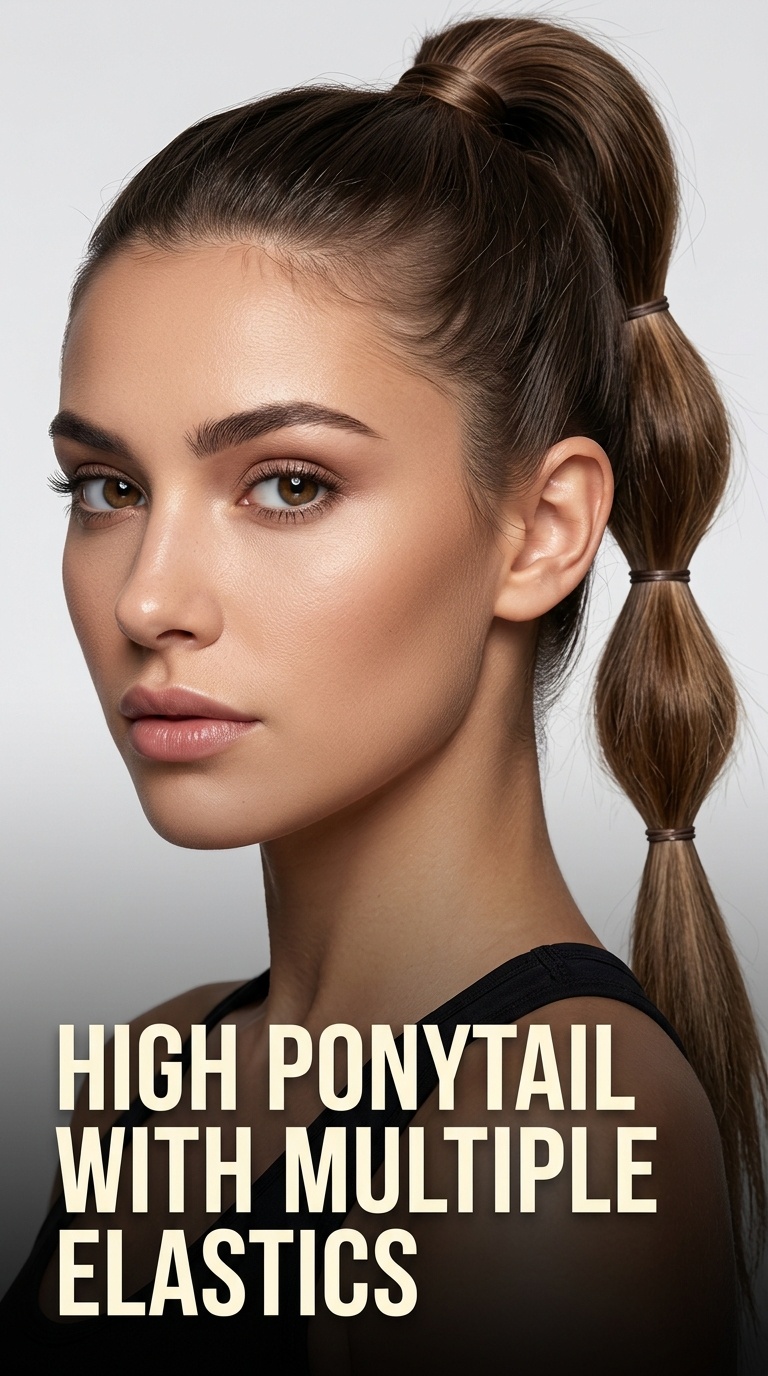
The high ponytail is a classic, but long hair often causes it to sag during high-impact movement. By using two or three elastics at the base, you create a reinforced foundation. This prevents the weight of your hair from pulling the style down during runs or jumps.
To maximize security, apply a small amount of grip-enhancing product to the roots before gathering the hair. Position the ponytail at the crown of the head to keep it away from the neck. This keeps you cooler and prevents the hair from sticking to sweaty skin.
For extra long lengths, consider “stacking” the elastics slightly apart. This provides a vertical anchor that keeps the ponytail upright and bouncy. It is the ultimate practical choice for anyone prioritizing speed and simplicity without sacrificing a firm hold.
2. Classic Dutch Braids
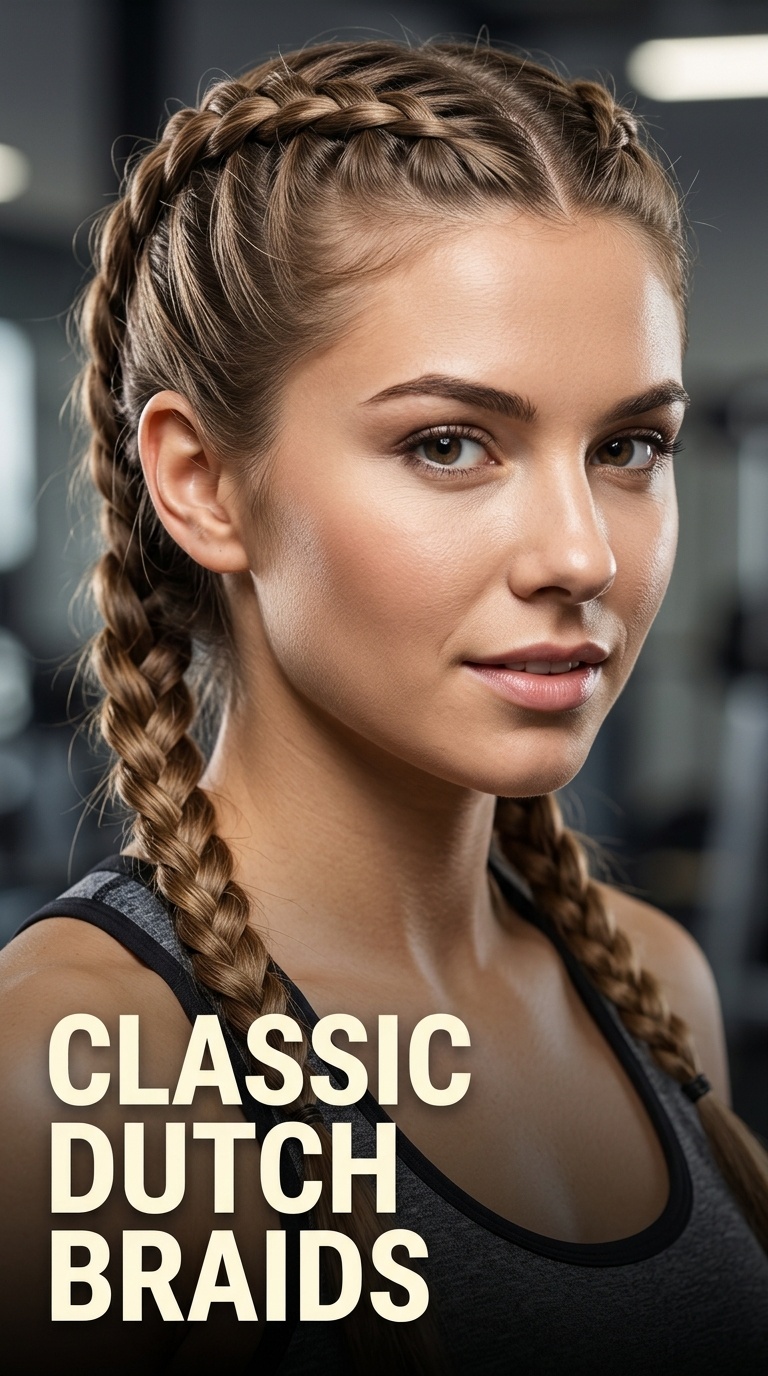
Dutch braids are frequently cited as the gold standard for secure gym styling. Because the hair is braided under rather than over, the result is a 3D effect that sits tightly against the scalp. This creates an incredibly aerodynamic and stable style for any activity.
This technique is particularly effective for managing layers that might otherwise fall out of a standard ponytail. By incorporating small sections of hair as you move toward the nape, you ensure every strand is locked in place. It is perfect for floor work or wrestling-style movements.
To finish the look, secure the ends with small, snag-free elastics. If you have extremely long hair, you can tuck the tails into each other or pin them up to prevent them from hitting your back. This style stays intact even through the most grueling HIIT sessions.
3. Low Slicked-Back Bun
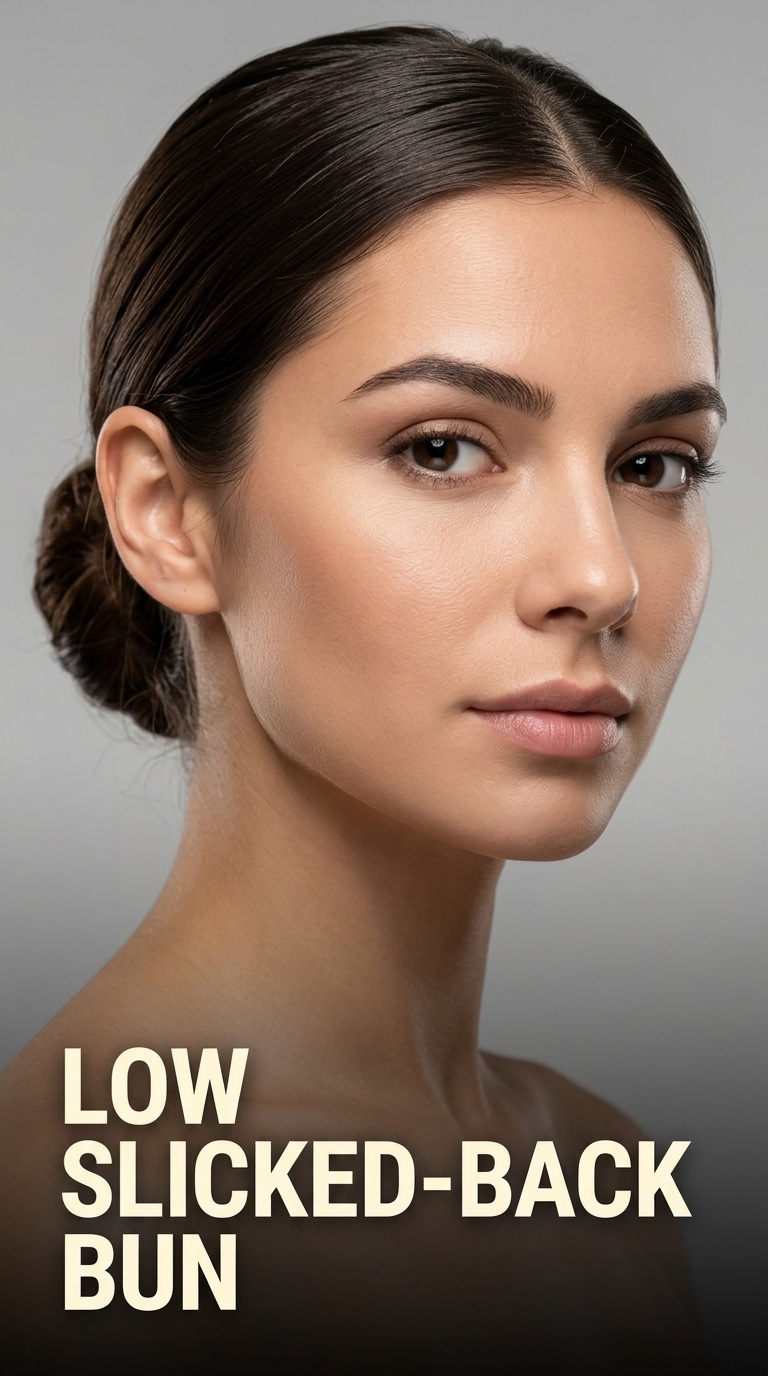
A low slicked-back bun is the perfect solution for weightlifting or yoga. By positioning the bun at the nape of the neck, you ensure it doesn’t interfere with head positioning on a bench or a mat. It provides a sleek, professional aesthetic while remaining highly functional.
More Amazing Ideas
 19 Gym Hairstyles for Medium Hair with Secure and Practical Styling — Read more
 18 Hairstyles for Dirty Hair with Practical, Low-Manipulation Styling — Read more
 19 Braid Hairstyles for Long Hair from Classic Plaits to Intricate Looks — Read more
 16 Dance Hairstyles with Secure Styling for Different Hair Lengths — Read more
 19 Updo Hairstyles for Long Hair from Classic Chignons to Braided Looks — Read more
Use a boar-bristle brush to smooth the hair back and eliminate lumps. A light-hold gel or hair wax can help tame flyaways caused by humidity or sweat. This creates a barrier that keeps the hair contained and out of your face throughout your entire routine.
Secure the bun with a heavy-duty hair tie and reinforce it with a few U-shaped pins. The compactness of this style minimizes wind resistance and prevents hair from snagging on gym equipment. It is a sophisticated yet rugged choice for focused athletes.
4. French Braid into a High Bun
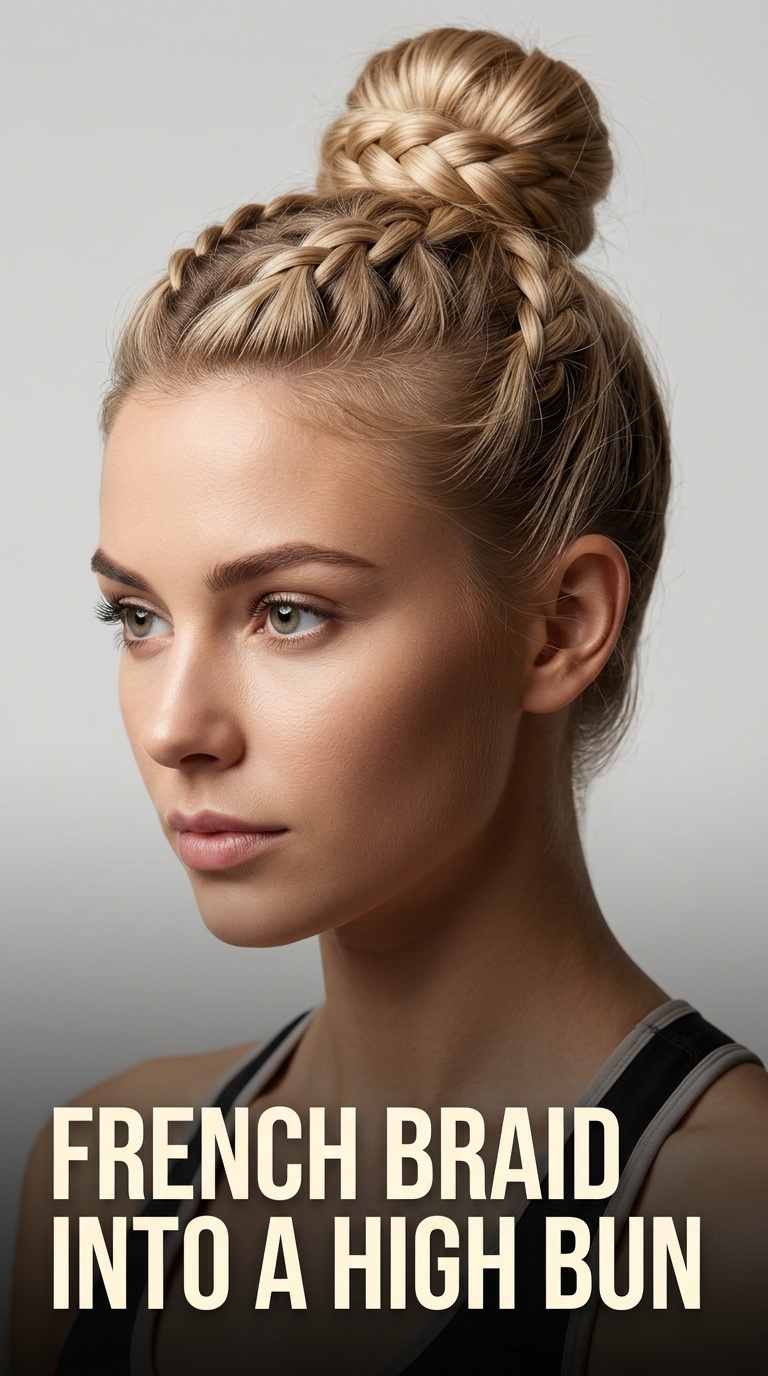
This hybrid style offers the security of a braid with the containment of a bun. Start by French braiding the hair from the forehead back to the crown. This secures the shorter pieces around the face that usually escape during movement.
Once you reach the crown, transition the remaining length into a high, tight bun. This keeps the bulk of your hair off your neck, which is crucial for temperature regulation during cardio. The braid acts as an anchor, preventing the bun from shifting.
For those with very thick long hair, this style distributes the weight more evenly across the head. It reduces the tension on the scalp compared to a traditional top knot. It is a high-performance look that transitions easily from the gym to the street.
5. The “Bubble” Braid Ponytail
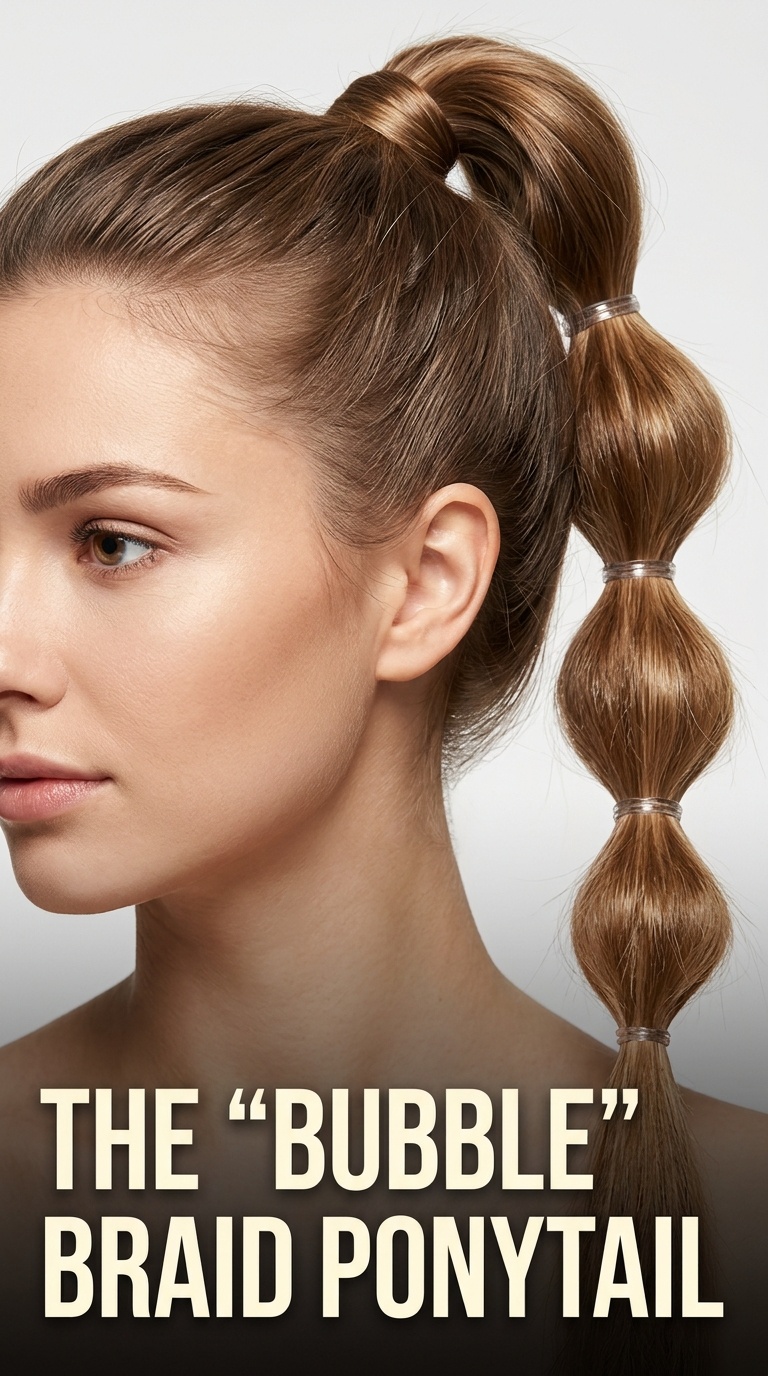
The bubble braid is a modern take on the ponytail that offers superior control for long strands. By placing elastics every two to three inches down the length of the pony, you prevent the hair from tangling or whipping around. It is essentially a segmented ponytail.
To create this look, start with a high or mid-height ponytail secured tightly. Add subsequent elastics down the length, “pugging” or pulling the hair slightly between each band to create the bubble effect. This creates a structured shape that moves as one solid unit.
This style is exceptionally practical for cycling or outdoor running where wind can cause massive tangles. It is much easier to remove than a traditional braid after a workout. The multiple anchor points mean that even if one elastic snaps, the style remains largely intact.
6. Secure Boxer Braids into Low Buns
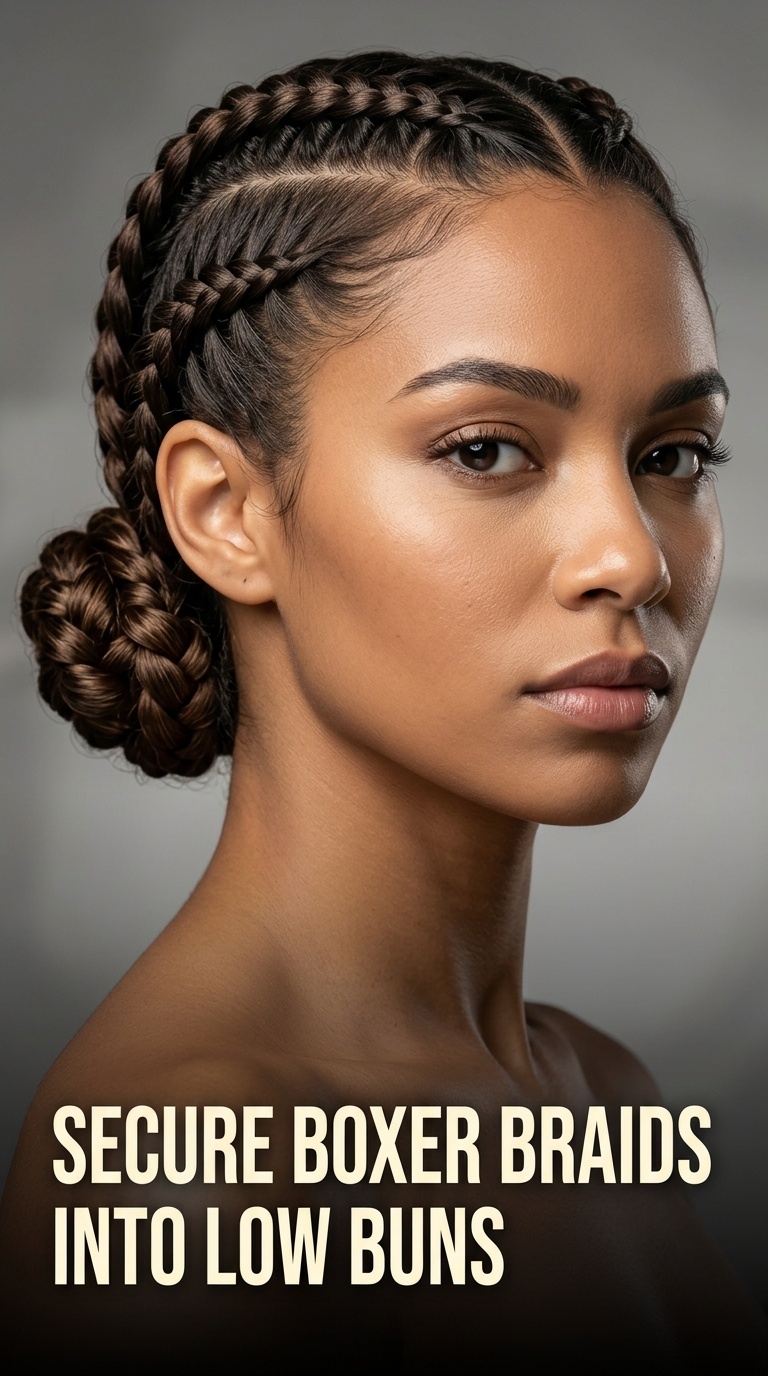
Boxer braids, also known as double Dutch braids, are renowned for their durability. When you take the ends and twist them into small buns at the nape, you create a completely “closed” hairstyle. This means no loose hair can get caught in machines or weights.
This style is ideal for contact sports or high-intensity functional training. Because the hair is divided into two sections, the tension is distributed across the scalp, making it more comfortable for long-term wear. The low buns stay out of the way of headrests and squat bars.
More Amazing Ideas
 17 Hairstyles for Swimming with Secure, Practical Styling — Read more
 17 Wedding Hairstyles for Long Hair from Classic to Romantic — Read more
 17 Bun Hairstyles for Long Hair from Sleek to Voluminous Looks — Read more
 19 Up Hairstyles for Long Hair from Sleek Buns to Textured Updos — Read more
 18 Beach Hairstyles for Long Hair from Braids to Loose Waves — Read more
To ensure they stay secure, use a criss-cross pinning technique on the buns. This prevents them from unraveling during jumping jacks or mountain climbers. This is perhaps the most “set it and forget it” style on this entire list.
7. Triple Braided Low Bun
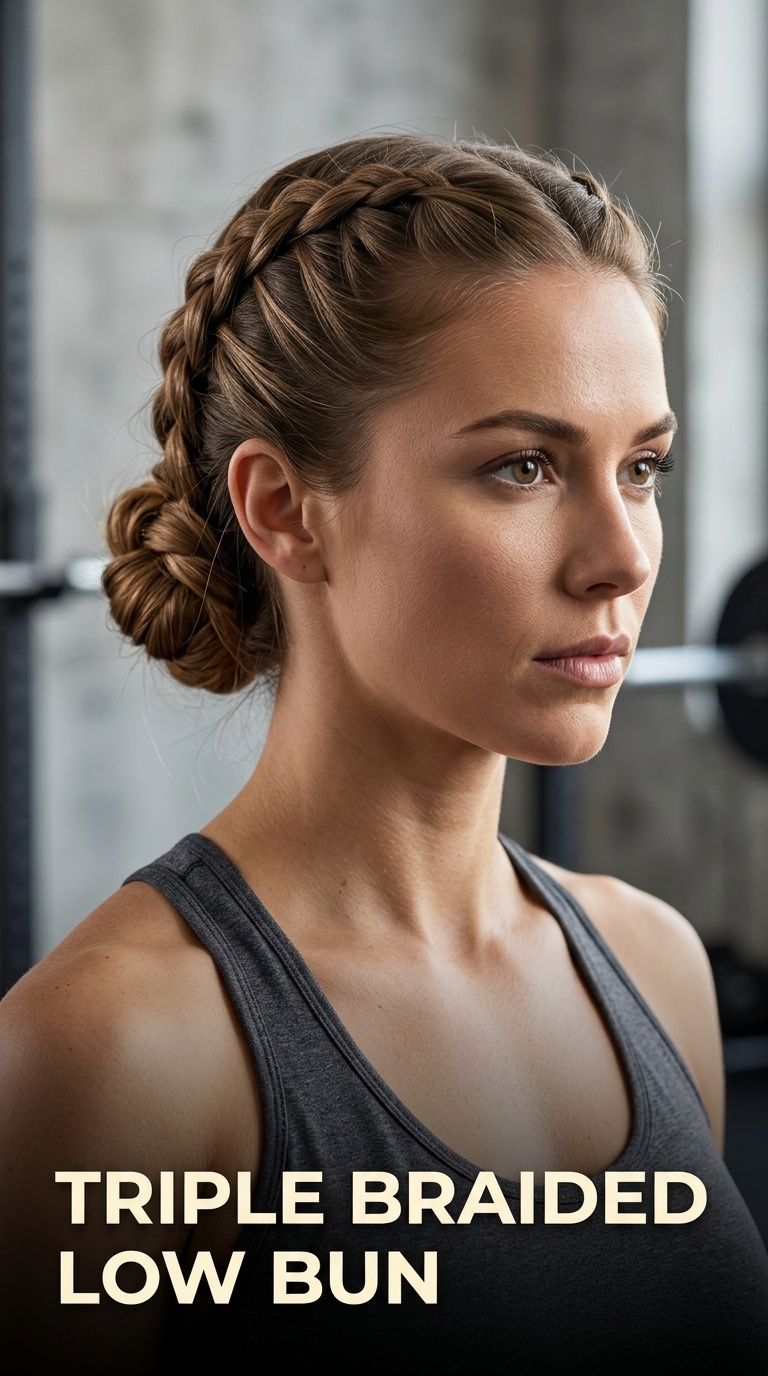
For those with an abundance of hair, one braid might not be enough to contain the volume. Dividing the hair into three equal sections and braiding each individually provides maximum control. These three braids are then twisted together into a single, low bun.
This method creates a very dense, secure knot that is nearly impossible to shake loose. It is particularly useful for swimmers or those who engage in movements that involve a lot of head rotation. The triple-braid structure adds a decorative element to a purely functional style.
Use strong elastics for the base of each braid and a larger, thicker scrunchie to hold the final bun. This layering of security ensures that your long hair stays condensed. It is a heavy-duty solution for the most active individuals.
8. The Twisted Crown Halo
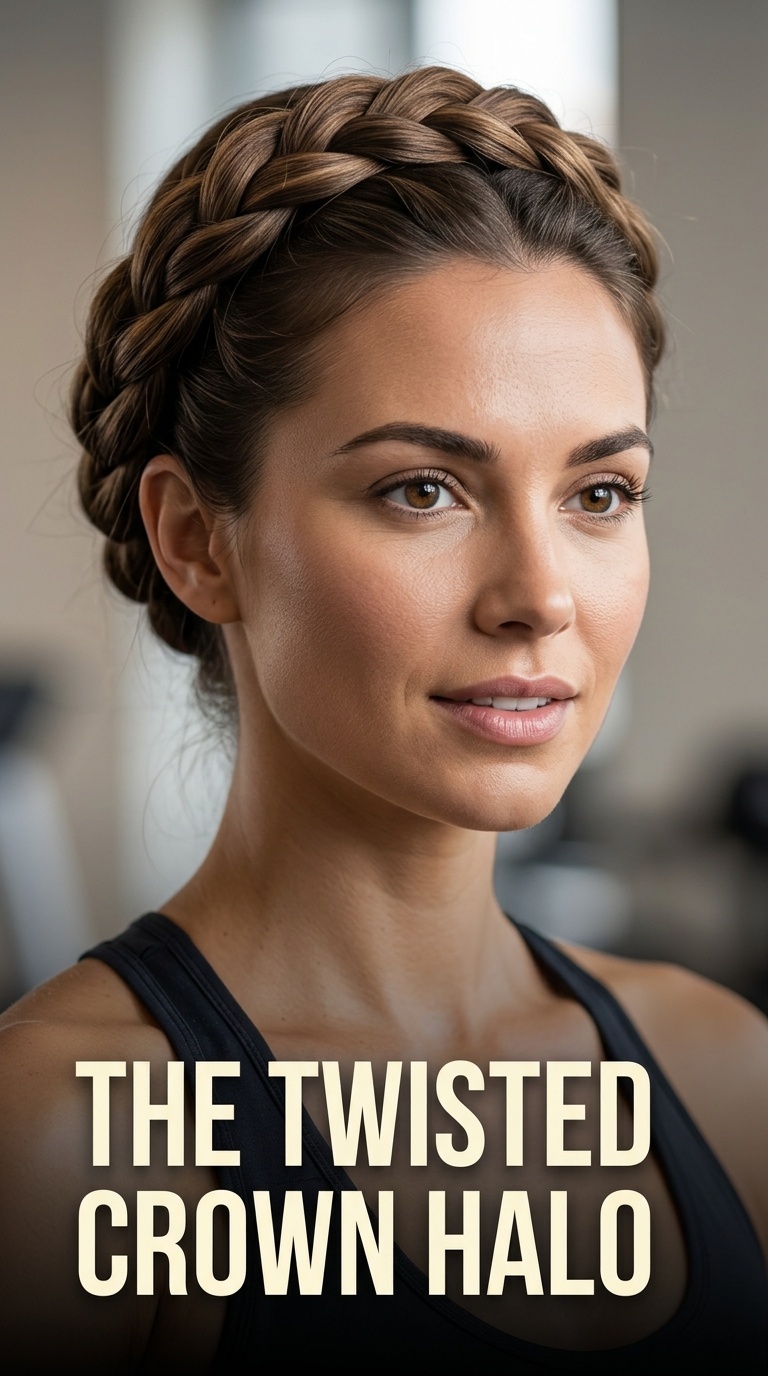
The twisted halo involves taking two sections of hair from the front and twisting them back along the sides of the head. These sections are then integrated into a low ponytail or bun. This is excellent for keeping bangs or shorter front layers away from the eyes.
As you twist, you can incorporate more hair to create a tighter, more secure “rope” effect. This keeps the hair close to the scalp and prevents it from bouncing. It is a great alternative for those who find traditional braiding difficult to do on themselves.
This style works well for lower-intensity workouts like Pilates or steady-state cardio. It provides a firm hold without being overly restrictive on the scalp. The result is a clean, organized look that keeps you focused on your form.
9. Fishtail Braid Ponytail
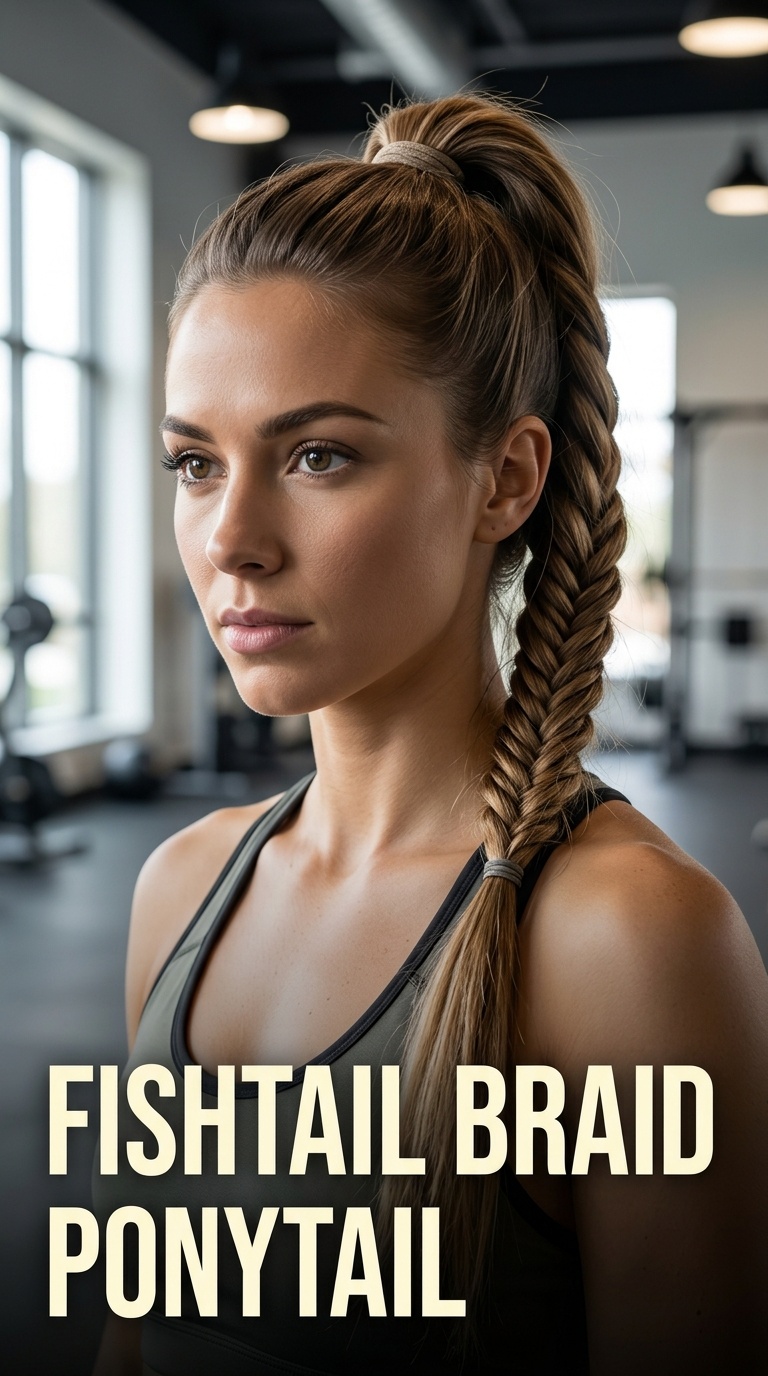
A fishtail braid is tighter and more intricate than a standard three-strand braid. When applied to a high ponytail, it creates a very slim, dense cord of hair. This minimizes the “whip” factor during activities like jump rope or boxing.
While it takes a bit longer to style, the security it provides is unmatched for long hair. The small sections of hair are locked together tightly, preventing strands from sliding out. It also looks incredibly sleek and professional in a fitness environment.
Finish the braid about an inch from the bottom to allow for a secure elastic placement. If your hair is prone to flyaways, use a light mist of salt spray before braiding to add texture and grip. This style is as tough as the workout you’re about to perform.
More Amazing Ideas
 19 School Hairstyles for Long Hair with Braids and Ponytails — Read more
 16 Half-Up Hairstyles for Long Hair from Soft Waves to Braided Looks — Read more
 18 Office Hairstyles for Long Hair from Sleek Buns to Soft Waves — Read more
 19 Prom Hairstyles for Long Hair from Waves to Elegant Updos — Read more
 19 Formal Hairstyles for Long Hair from Sleek to Voluminous — Read more
10. Multi-Sectioned “Tiered” Ponytail
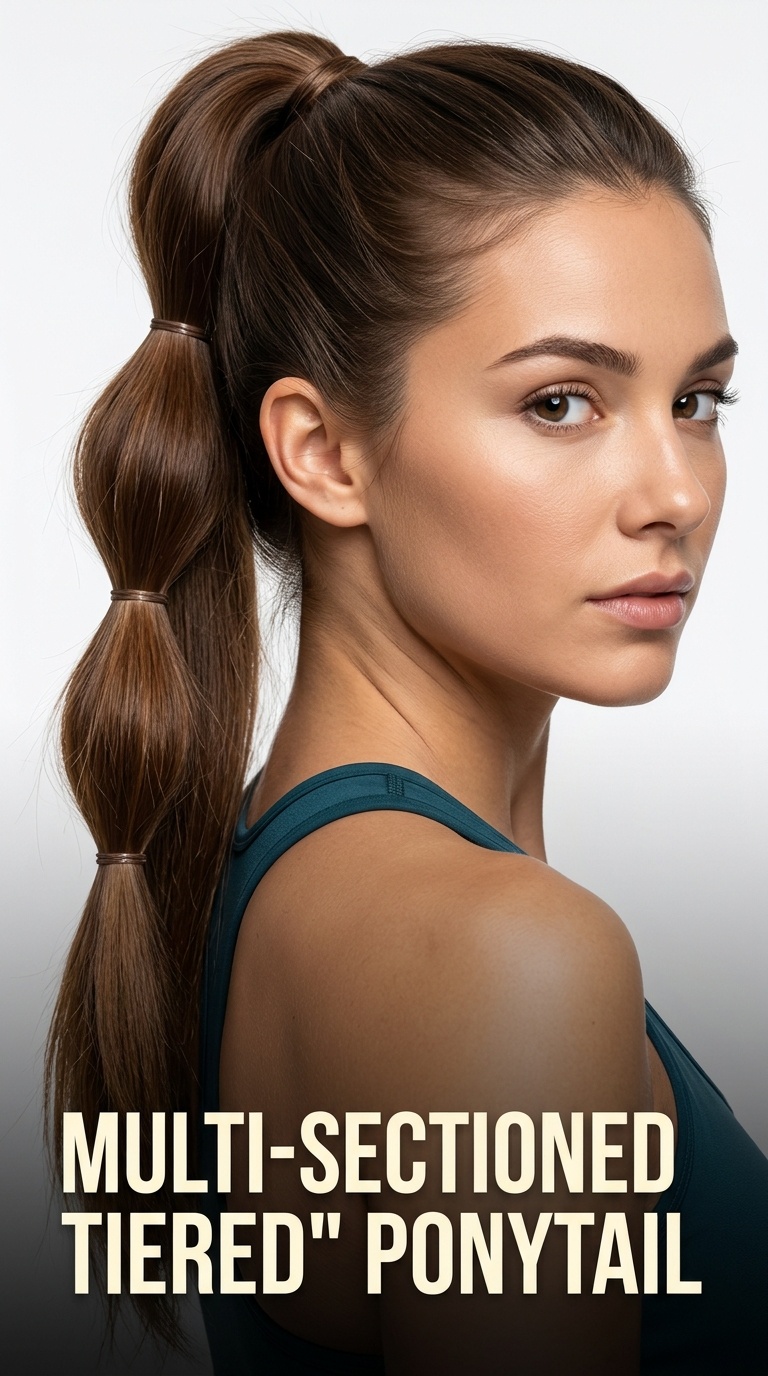
The tiered ponytail is the ultimate solution for preventing the “sagging pony.” Start by securing a small section at the crown, then add more hair as you move down to a second and third elastic. Each tier supports the weight of the hair above it.
This style creates a very secure anchor point that doesn’t rely on a single elastic to do all the work. It is particularly helpful for those with very thick, heavy hair that usually pulls on the scalp. It keeps the hair sleekly contained from the hairline to the nape.
You can leave the final length loose or braid it for additional security. Because the hair is pulled back in sections, it also minimizes the risk of tension headaches during long workouts. It is a smart, architectural approach to gym hair.
11. The Wrapped Top Knot
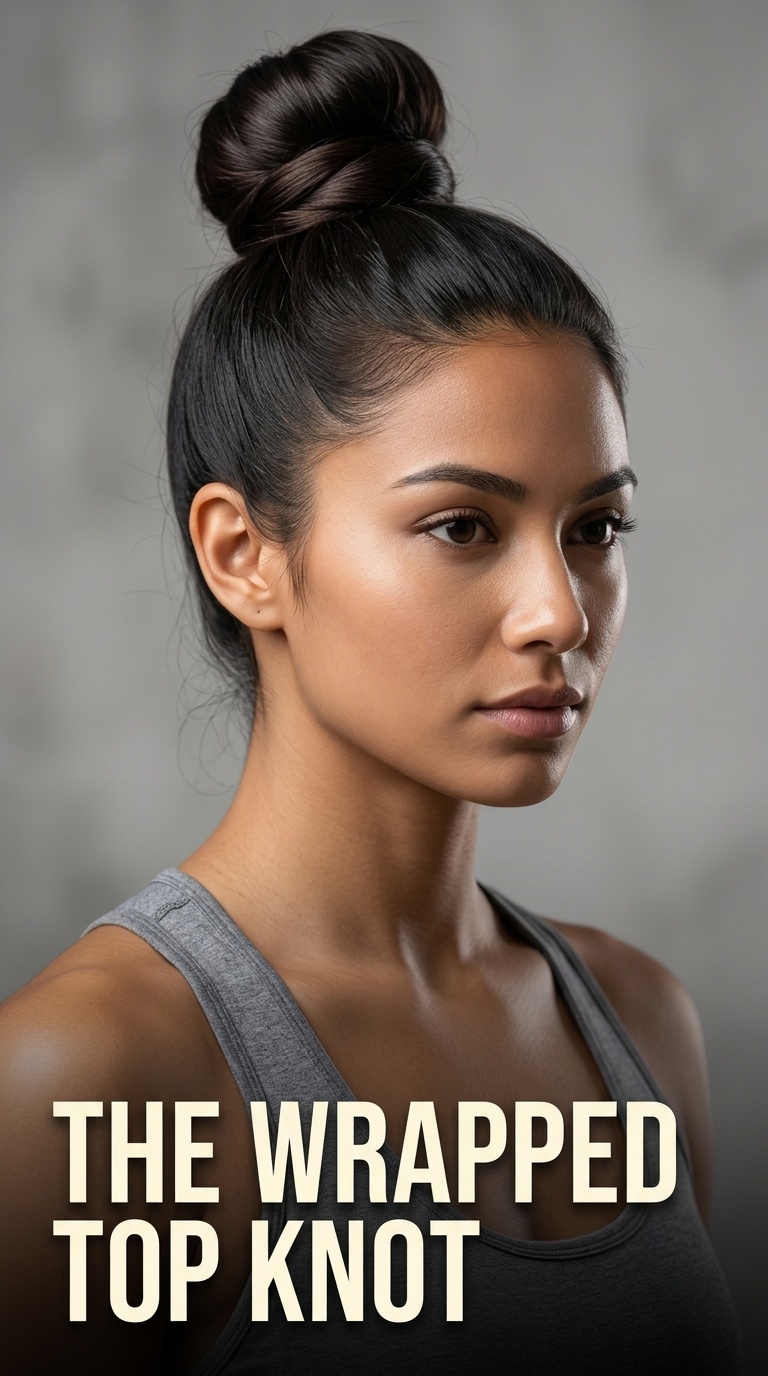
A top knot is great for keeping hair completely away from the body, but it can often wobble. To make it gym-ready, secure the hair in a ponytail first, then split the pony into two sections. Wrap these sections in opposite directions around the base.
By wrapping in opposite directions, you create a self-locking mechanism that stays tight. Use a large hair pin or a “spin pin” to lock the ends into the base of the knot. This ensures the bun stays centered on the crown through burpees and flips.
This style is perfect for hot yoga or summer workouts where any hair touching the neck feels unbearable. It provides a high-up, aerodynamic profile that stays out of your peripheral vision. It is simple, effective, and very secure.
12. Pull-Through Braid
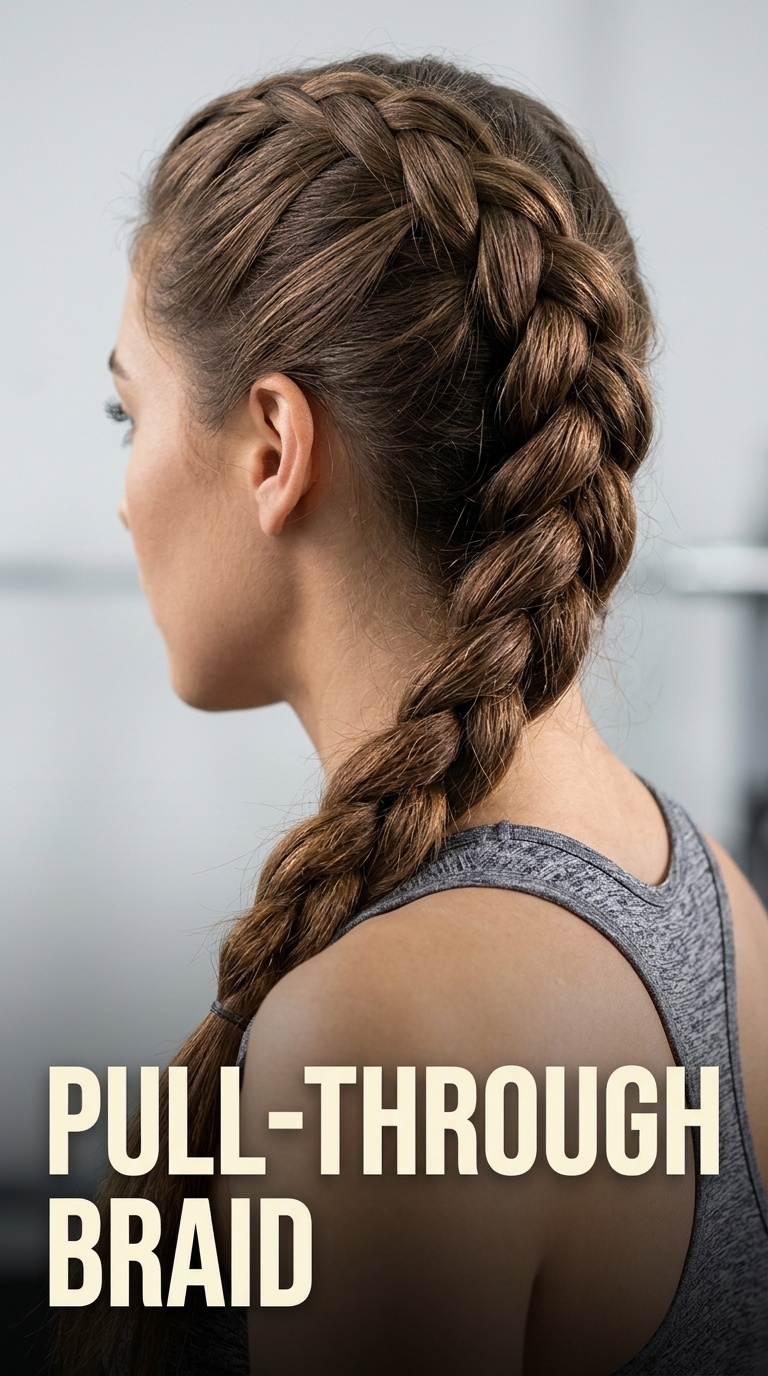
The pull-through braid isn’t actually a braid at all; it’s a series of interconnected ponytails. This makes it incredibly secure because every few inches of hair is anchored by its own elastic. It is virtually impossible for this style to fall out during a workout.
To achieve this, create two ponytails, one above the other. Split the top one, wrap it under the second, and join it with the next section of hair. Repeat this down the length of your hair for a voluminous, sturdy look.
This style is great for adding the illusion of thickness to long hair while keeping it totally controlled. Because it relies on elastics rather than weaving, it holds up better against sweat and vigorous movement. It’s a favorite for marathon runners and endurance athletes.
More Amazing Ideas
 17 Hairstyles for Sports with Secure Styling for Active Days — Read more
 19 Work Hairstyles for Long Hair from Sleek Styles to Updos — Read more
 18 Hairstyles for Long Straight Hair with Layers and Movement — Read more
 19 Hairstyles for 4C Hair with Natural Texture and Protective Styling — Read more
 16 Hairstyles for Volleyball with Secure Styling for Active Play — Read more
13. Side French Braid into a Low Side Bun
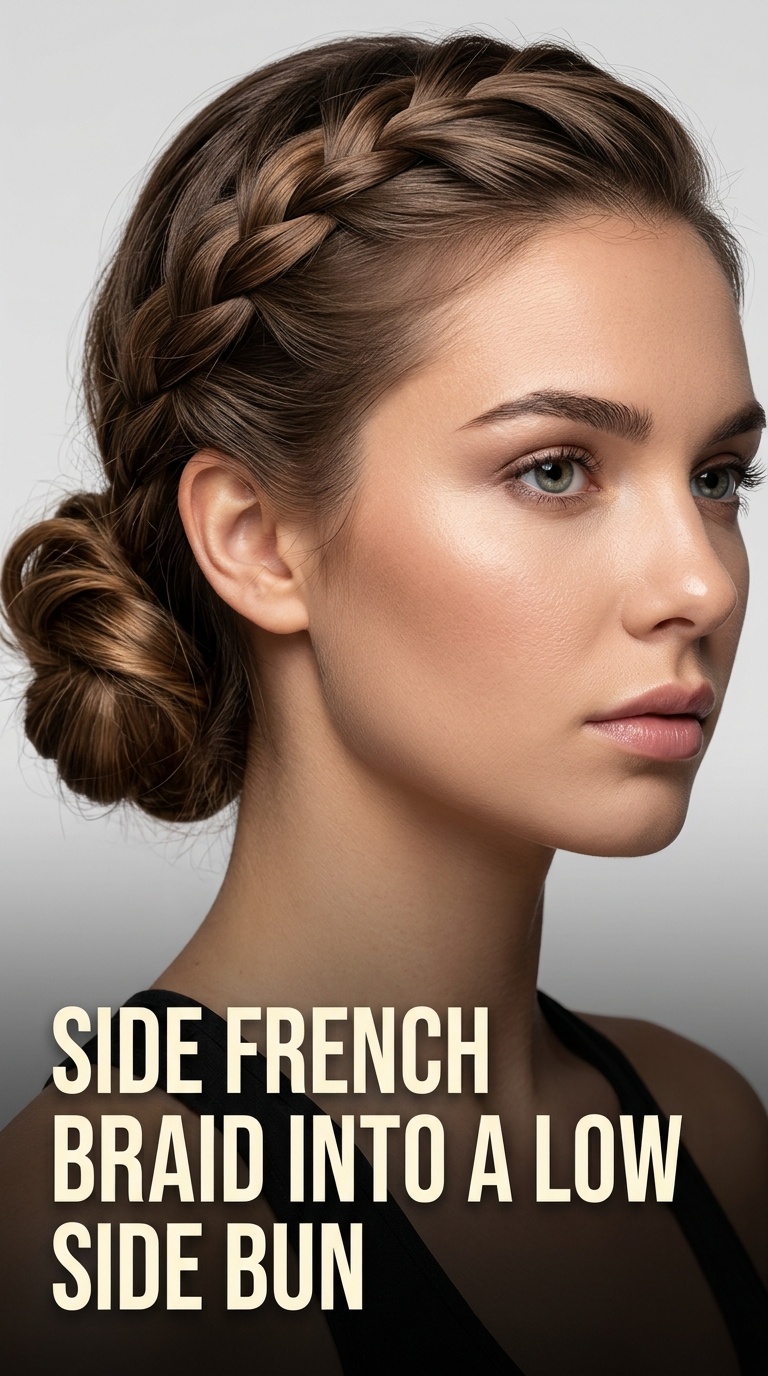
If your workout involves a lot of lying on your back (like crunches or bench presses), a centered bun can be uncomfortable. Moving the style to the side solves this problem immediately. A side French braid keeps the hair tight against the head from one temple to the opposite nape.
End the braid behind the ear and secure it into a compact side bun. This keeps the hair away from the face and the back of the head, allowing for a full range of motion on mats and benches. It is a practical modification for specific training styles.
Use a “scrunchie” over a traditional elastic for the final bun to prevent hair breakage. The braid ensures that even the hair on the opposite side of the head stays tucked in. It’s a clever, functional choice for floor-based routines.
14. Braided Space Buns
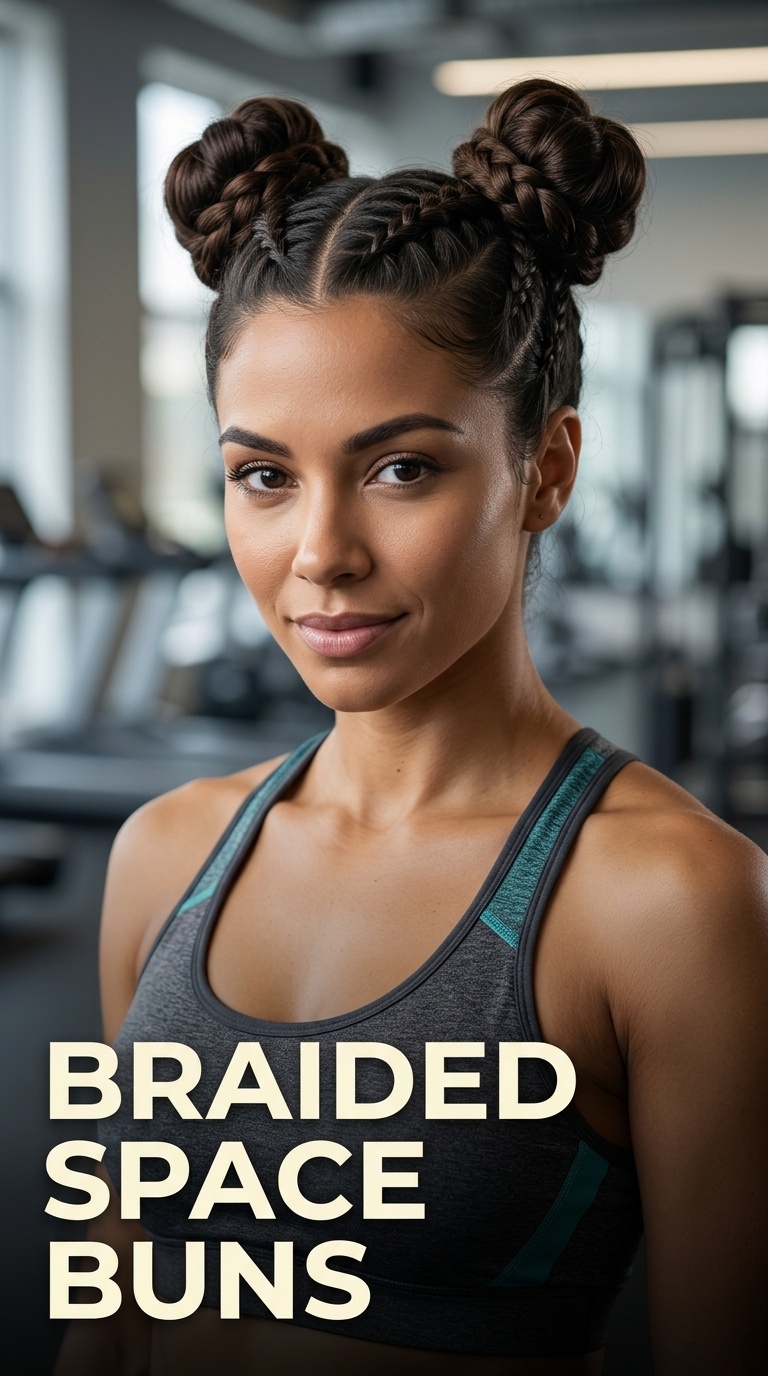
Space buns are a fun way to distribute the weight of long hair into two manageable points. Braiding the sections before twisting them into buns adds an extra layer of security. It prevents the buns from “exploding” or coming loose during high-impact movement.
Position the buns high on the head for a weightless feel or low at the nape for stability. This style is excellent for keeping your neck cool and your hair completely out of your line of sight. It’s a very popular choice for dance-based workouts or aerobics.
Make sure to use plenty of pins to secure the braided coils to the base of the buns. This prevents them from bouncing against your head while you move. This style is as durable as it is energetic.
15. The “Pineapple” for Textured Long Hair
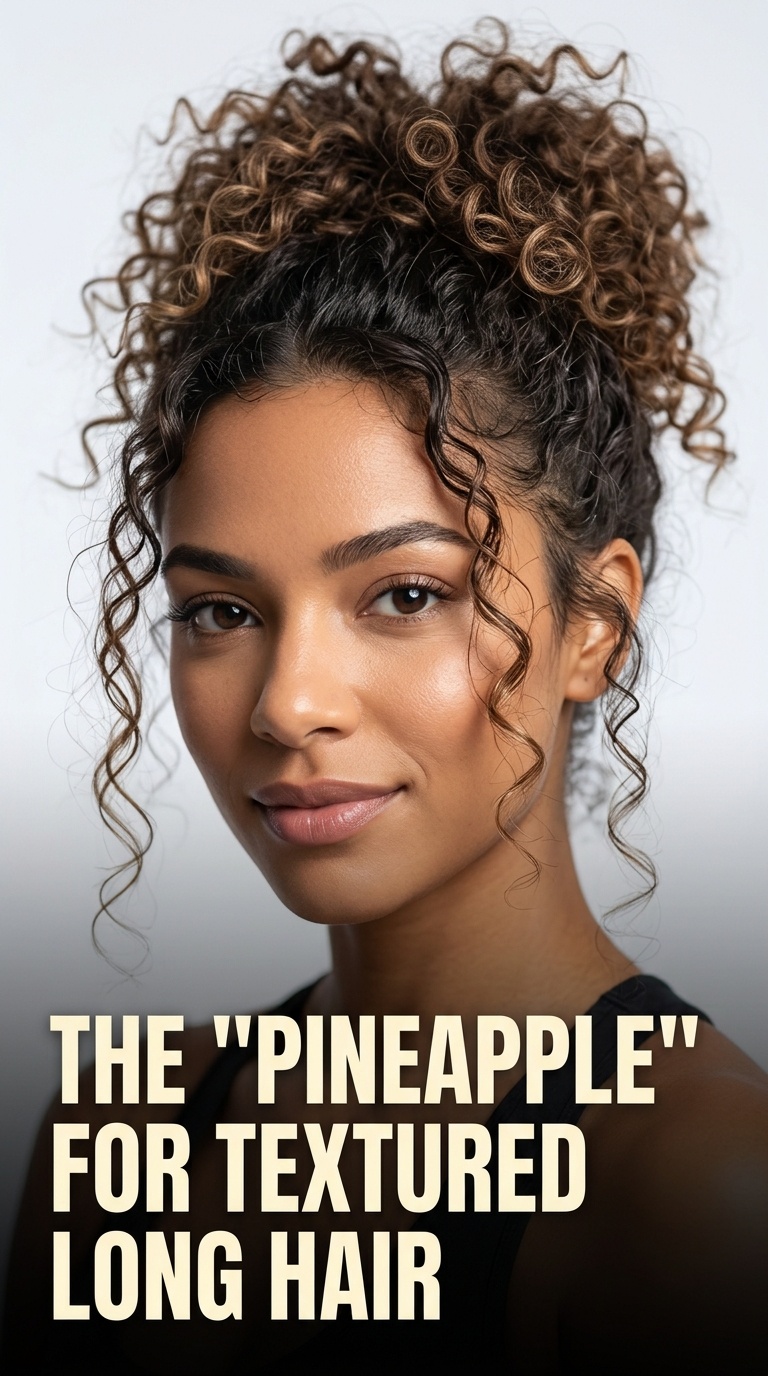
For those with long, curly, or coily hair, preserving the curl pattern while working out is a priority. The “pineapple” involves gathering the hair at the very front of the head, near the forehead. This keeps the curls from being crushed against the back of the head or neck.
Use a soft, fabric-covered elastic or a silk scrunchie to avoid creating a “dent” in the hair. The hair should hang forward, which keeps it away from sweat on the back and shoulders. This is a practical way to manage volume while maintaining hair health.
If you are performing very high-intensity cardio, you can loosely wrap the “pineapple” with a sweat-wicking headband. This adds an extra layer of security and keeps the hair from bouncing into your eyes. It is the go-to style for maintaining texture during fitness.
16. Inverted Topsy-Tail Ponytail
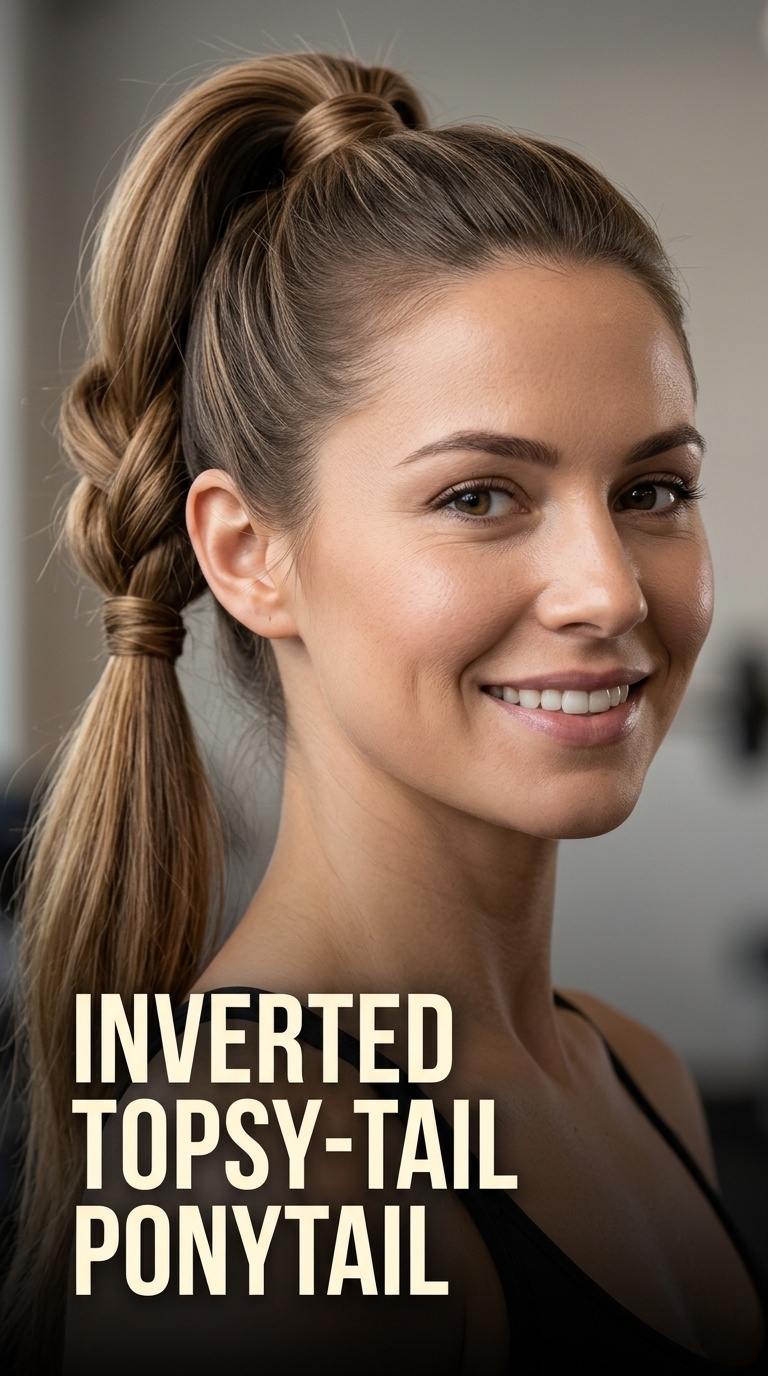
The topsy-tail is a simple trick that adds extra security to a standard ponytail. After securing your pony, create a hole above the elastic and loop the ponytail through it. This “flips” the hair and creates a natural tension that keeps the elastic from sliding down.
More Amazing Ideas
 16 Summer Hairstyles for Medium Hair with Layers and Easy Styling — Read more
 17 Work Hairstyles for Medium Hair with Polished, Versatile Styling — Read more
 17 Party Hairstyles for Long Hair from Waves to Voluminous Updos — Read more
 17 College Hairstyles with Versatile Styling for Different Hair Types — Read more
 18 Curl Hairstyles for Long Hair with Volume, Definition and Movement — Read more
For long hair, you can repeat this process multiple times down the length of the ponytail. Each “flip” acts as a lock, keeping the strands bundled together. It is much faster than braiding but offers similar levels of containment.
This style is particularly good for preventing the hair from tangling at the nape of the neck. The twisted sides also help pull back stray hairs around the ears. It is a quick, functional fix for a busy gym session.
17. Four-Strand “Rope” Braid
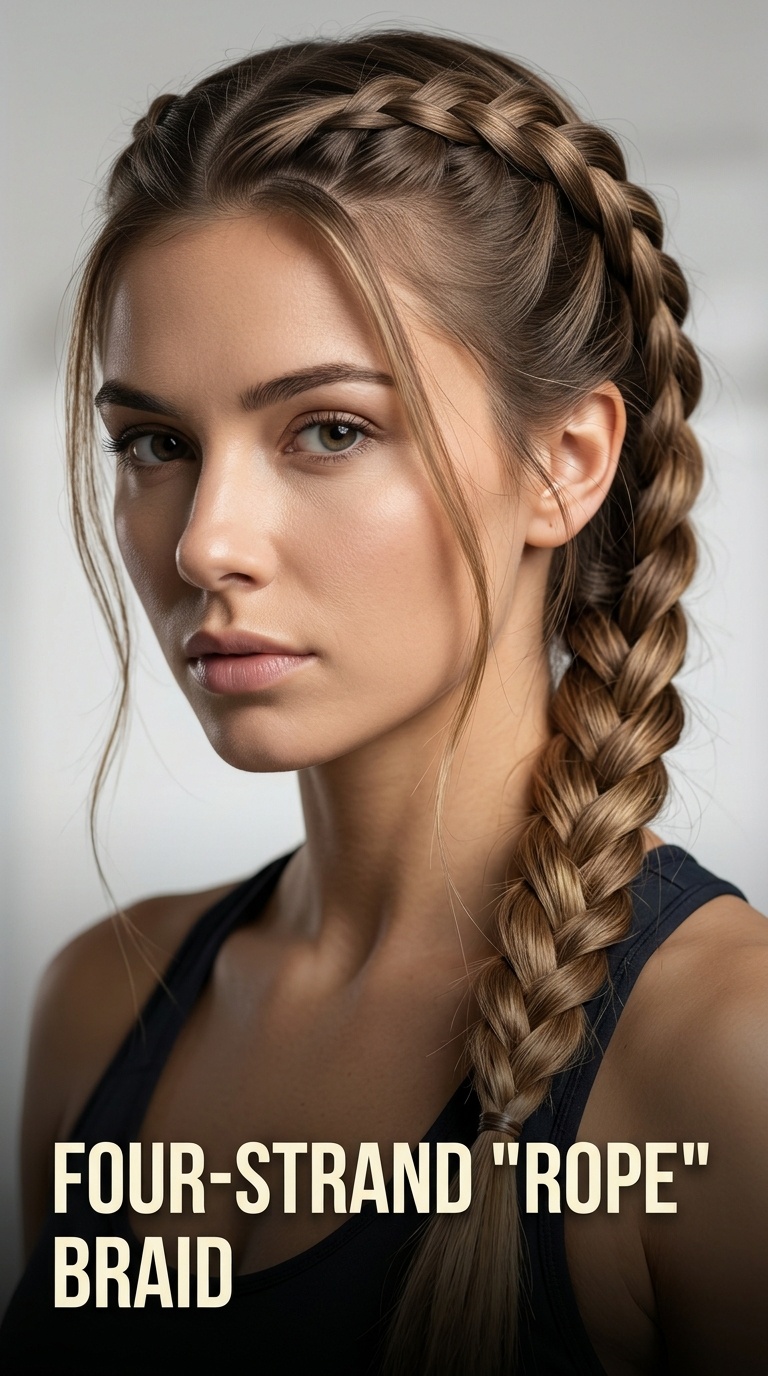
A rope braid is made by twisting two (or four) sections of hair individually, then twisting them around each other. This creates a very firm, cord-like structure. It is significantly more compact than a standard braid and doesn’t “leak” strands as easily.
This is an excellent choice for long hair because it prevents the individual strands from fraying or tangling during movement. The tension created by the opposing twists keeps the braid extremely tight. It is a high-security option for those who find three-strand braids too loose.
Secure the top and the bottom with strong elastics to maintain the internal tension of the rope. This style also has a very low profile, making it great for wearing under helmets or caps. It is a rugged, dependable gym style.
18. Low Ponytail with Headband Integration
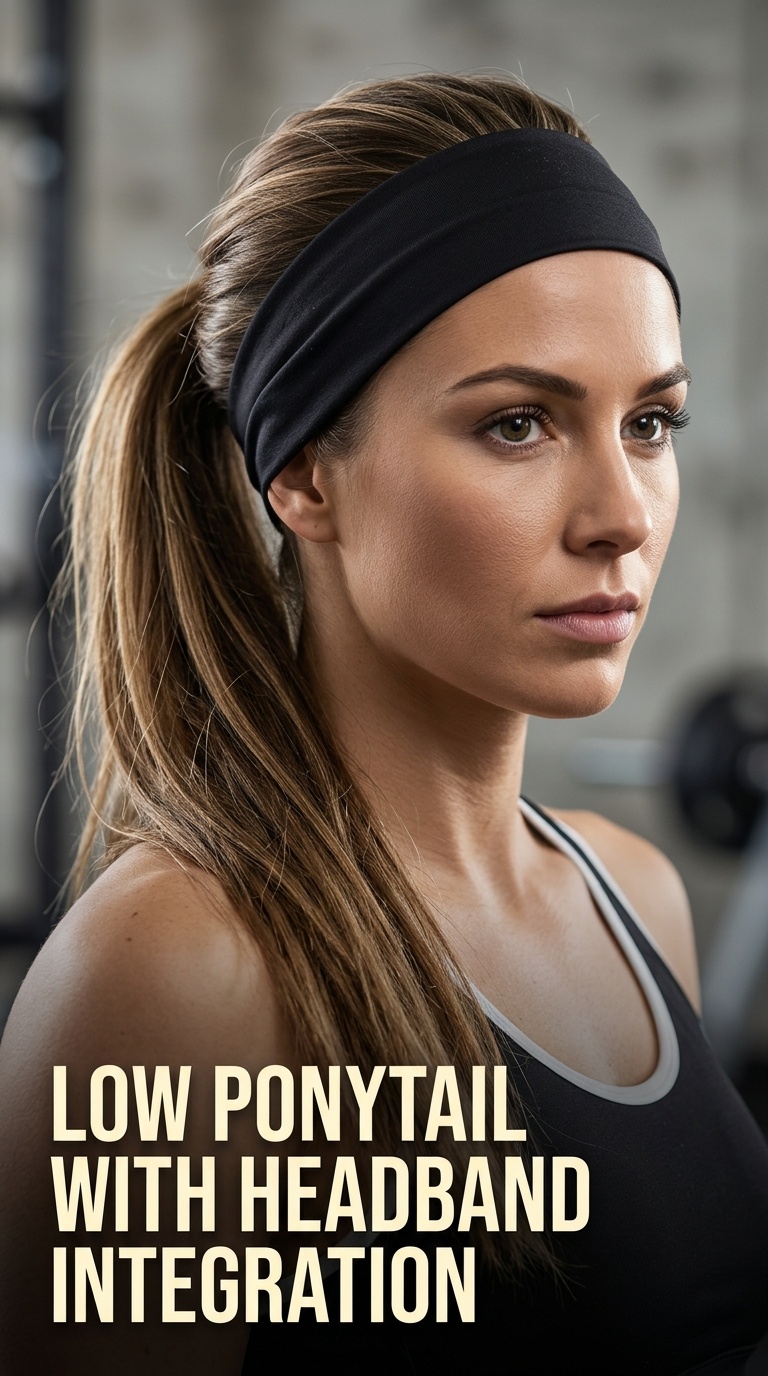
Sometimes the hair at the front is the biggest problem. By using a silicone-grip headband and tucking the front sections into it before securing a low ponytail, you create a cohesive system. The headband manages the sweat and flyaways, while the pony manages the length.
This is perfect for long-distance runners who need to keep their vision clear for hours. The silicone grip ensures the headband doesn’t slide back, and the low ponytail keeps the weight stable. It is a very practical, multi-tool approach to styling.
For maximum security, use a headband that is wide enough to cover the hairline. This also helps absorb forehead sweat before it reaches your eyes. The ponytail can be braided or bunned depending on your preference.
19. The Knotted Bun
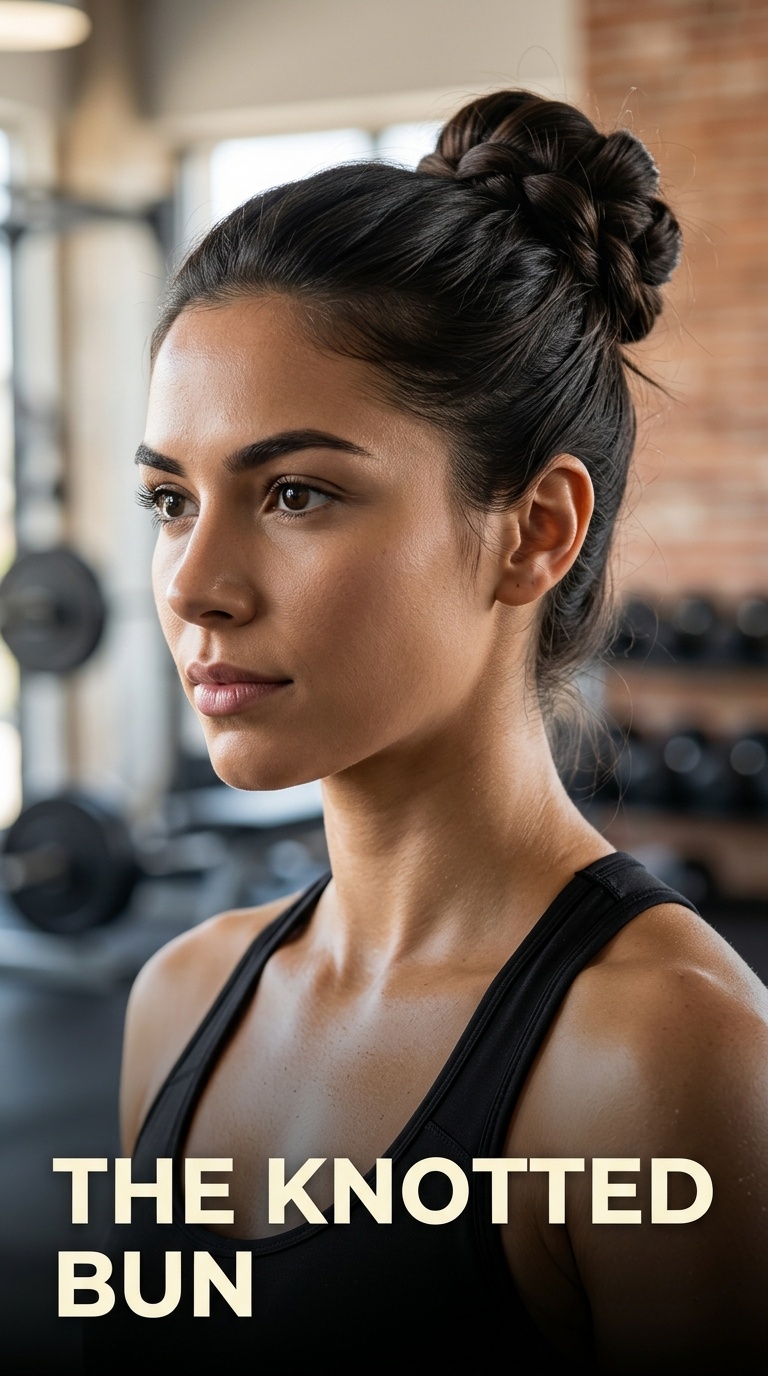
The knotted bun is created by literally tying your hair into a simple overhand knot before pinning it. For long hair, this provides a very sturdy internal structure that pins can easily grab onto. It is much more stable than a bun made by simply spinning the hair.
More Amazing Ideas
 16 Hairstyles for Hot Weather with Practical, Lightweight Styling — Read more
 17 Hairstyles for Knotless Braids with Versatile Styling Options — Read more
 19 Back-to-School Hairstyles for Different Hair Types and Lengths — Read more
 17 Hairstyles for Toddlers with Gentle Braids and Simple Styling — Read more
 18 Easy Hairstyles for Kids with Braids, Ponytails and Simple Styling — Read more
After tying the knot, wrap the remaining “tails” around the base and secure them with a heavy-duty elastic. This “knot-and-wrap” method creates multiple layers of security. It is one of the best styles for staying put during inverted movements like handstands or yoga poses.
Because the hair is knotted, it stays condensed and doesn’t fan out during movement. This minimizes the risk of your hair hitting your face during rapid changes in direction. It is a solid, reliable choice for the dedicated athlete.
How can I prevent hair breakage from gym elastics?
To prevent breakage, always use “snag-free” elastics or those covered in fabric like silk or microfiber. Avoid elastics with metal joiners as they can catch and snap long hair. Additionally, try to vary the placement of your ponytail or bun to avoid putting repetitive tension on the same spot of your scalp.
What is the best way to handle sweat in long hair post-workout?
If you can’t wash your hair immediately, use a blow dryer on the “cool” setting to dry the sweat at the roots. Follow this with a high-quality dry shampoo to absorb oils and refresh the scent. Keeping your hair in a braid or bun during the workout also limits the surface area exposed to sweat on your back.
How do I stop my ponytail from sagging during a run?
The best way to stop a sagging ponytail is to use the “double elastic” method. Secure the first half of your hair (the top section) into a ponytail, then add the remaining bottom section to it with a second elastic. This anchors the weight more effectively against the crown of your head.
Are braids better than buns for high-impact training?
Braids are generally better for high-impact training because they distribute the hair’s weight along the length of the braid, reducing “bounce.” Buns can sometimes wobble or pull on the scalp during jumping movements. However, a tightly pinned braided bun offers the best of both worlds—maximum containment and stability.
How can I keep flyaways and “baby hairs” out of my face?
Use a clear brow gel or a dedicated hair finishing stick to “glue” down flyaways around the hairline. For a more heavy-duty solution, wear a non-slip headband with a silicone strip on the inside. This will catch any hairs that are too short to reach your ponytail or braid.
Should I style my hair wet or dry for the gym?
It is generally better to style your hair dry or slightly damp. Styling hair while it is soaking wet makes it more prone to stretching and breaking because hair is at its weakest when wet. If you must style it damp, use a wide-tooth comb and avoid pulling the elastics too tight.


