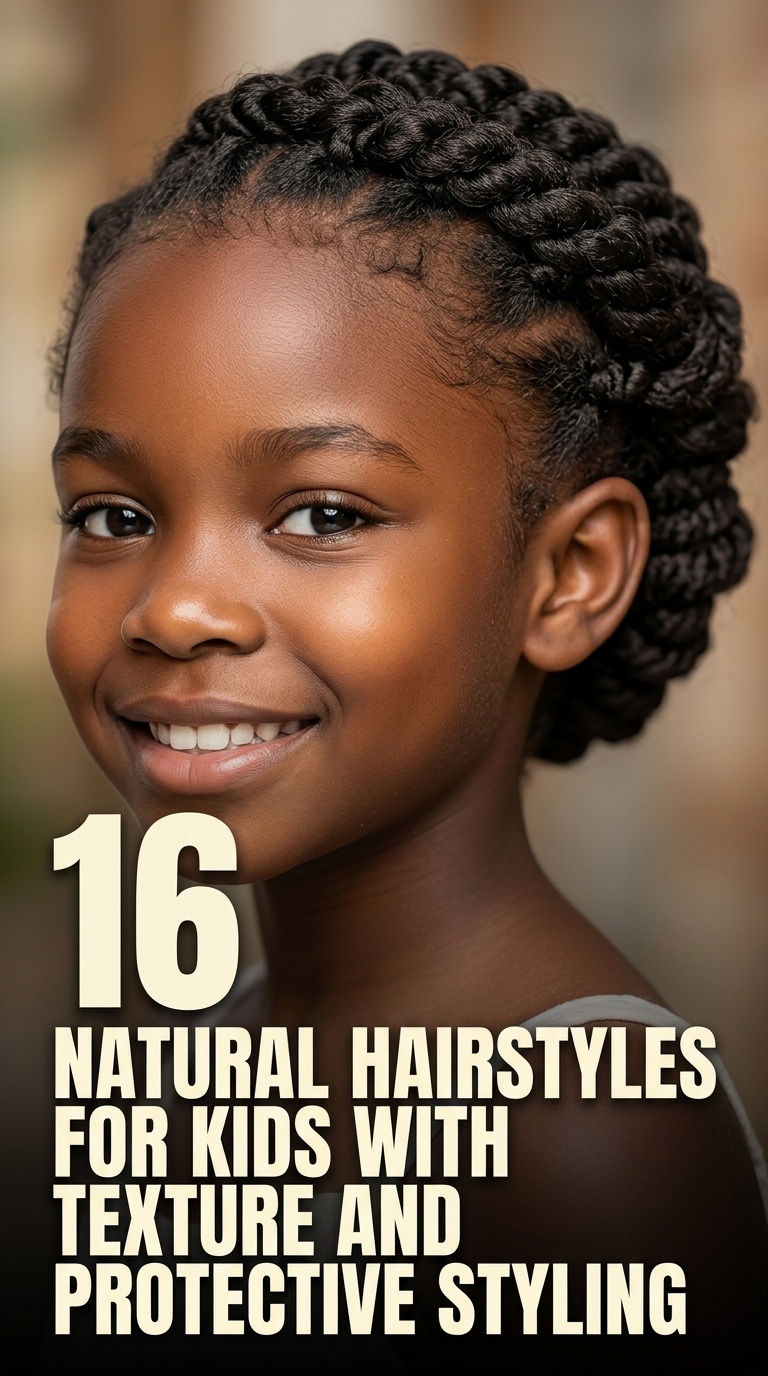
Finding the right look for textured hair can be a challenge. You want something that lasts while keeping hair healthy.
Protective styling is a great way to manage natural texture. It saves time during busy mornings and prevents breakage.
Check out these stunning options. They balance style with hair health effortlessly.
1. Individual Box Braids
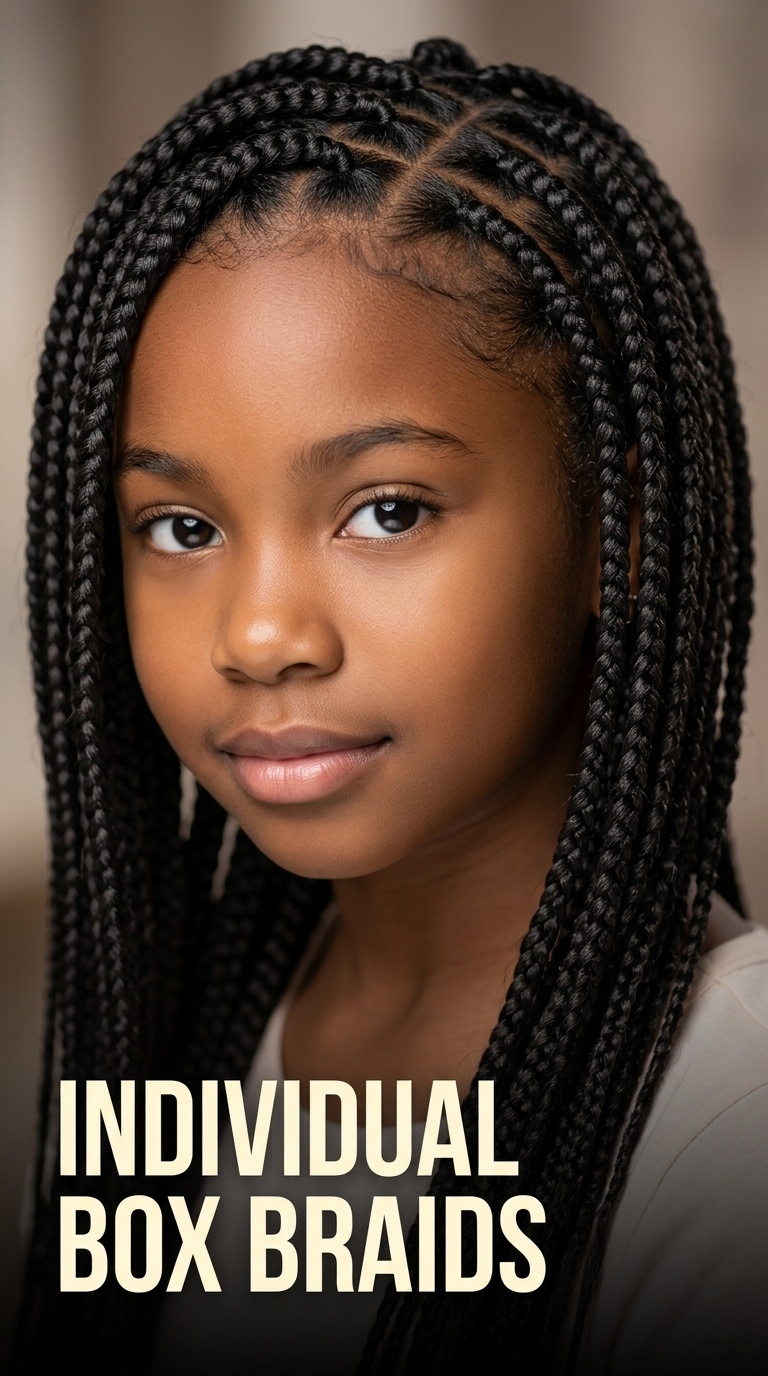
Individual box braids offer incredible versatility for natural hair. They involve sectioning hair into small squares and braiding from the root to the ends.
This style keeps the ends tucked away, which helps retain length. It is one of the most popular protective options for active schedules.
You can accessorize these with colorful rubber bands or gold cuffs. This allows for personal expression while keeping the hair secure and neat.
2. Two-Strand Twists
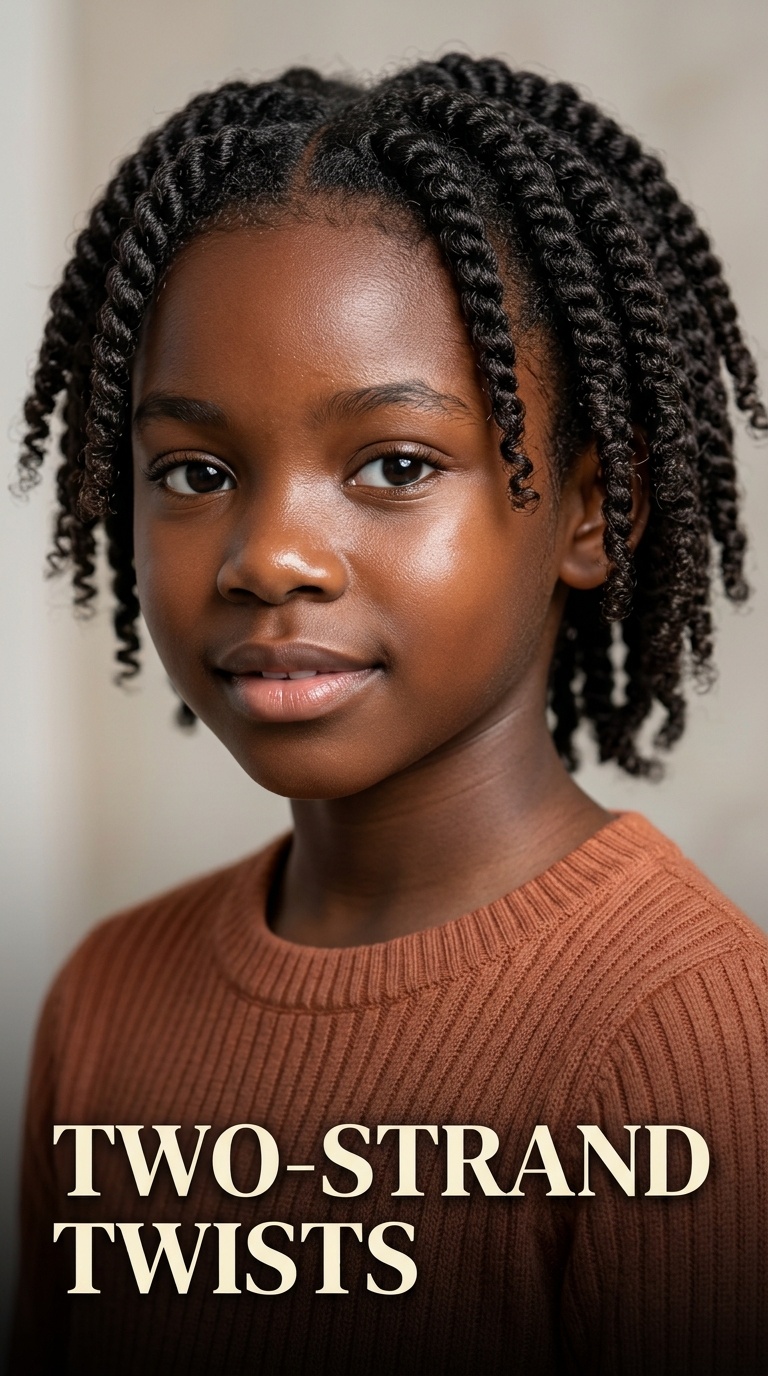
Two-strand twists are a classic choice for textured hair. This technique involves wrapping two sections of hair around each other until they reach the ends.
This style is gentle on the scalp and very easy to install. It works well on both short and longer lengths of hair.
After a few days, you can unravel them for a “twist-out.” This gives you a second, voluminous look with beautiful definition.
3. Cornrow Patterns
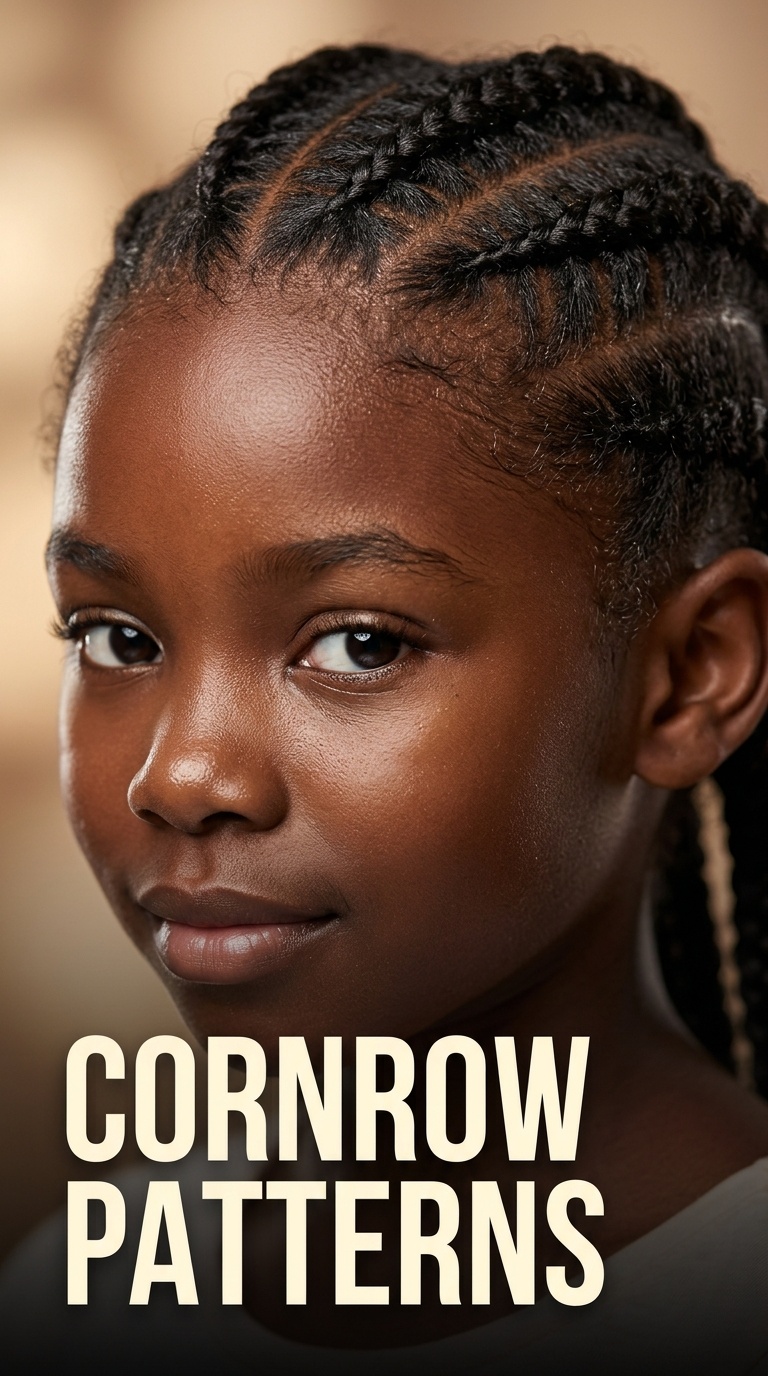
Cornrows are traditional braids that sit flat against the scalp. They can be done in straight lines or intricate geometric patterns.
This style is highly durable and keeps hair out of the face. It is perfect for those who enjoy a low-maintenance routine.
More Amazing Ideas
 19 Hairstyles for 4C Hair with Natural Texture and Protective Styling — Read more
 18 Hairstyles for Black Kids with Natural Texture and Variety — Read more
 17 Hairstyles for Black Girls with Natural Texture and Protective Looks — Read more
 18 Hairstyles for Girls with Braids, Ponytails and Natural Texture — Read more
 18 Curl Hairstyles for Black Women with Natural Texture and Shape — Read more
Adding beads to the ends of cornrows is a fun way to finish the look. It adds a bit of rhythm and personality to the style.
4. Puff Ball Accents
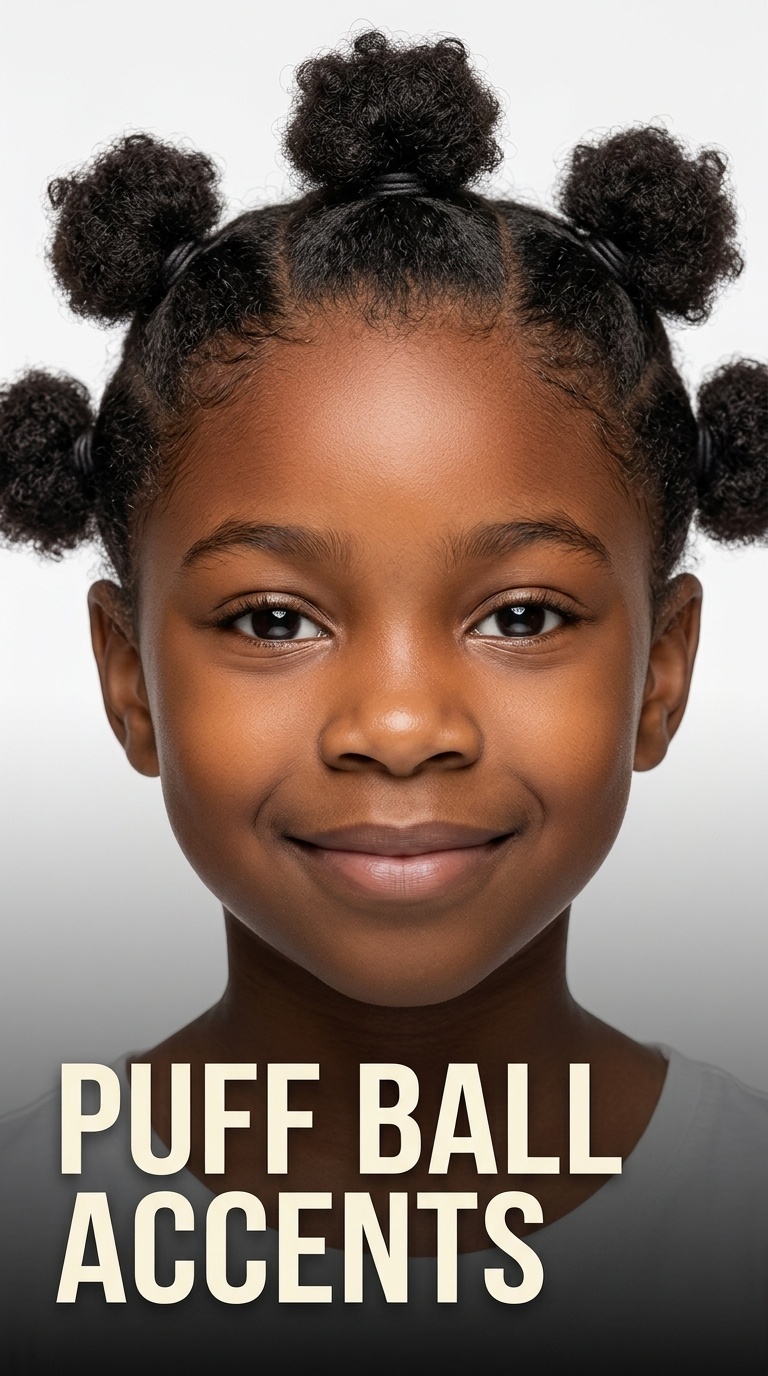
High or low puffs celebrate natural volume and texture. By pulling hair into soft sections, you create a cloud-like appearance that looks amazing.
Use a soft elastic or a silk scrunchie to avoid tension. This protects the edges and prevents unnecessary pulling on the scalp.
You can combine puffs with small braids in the front for a decorative touch. This hybrid style offers both protection and flair.
5. Flat Twists with Buns
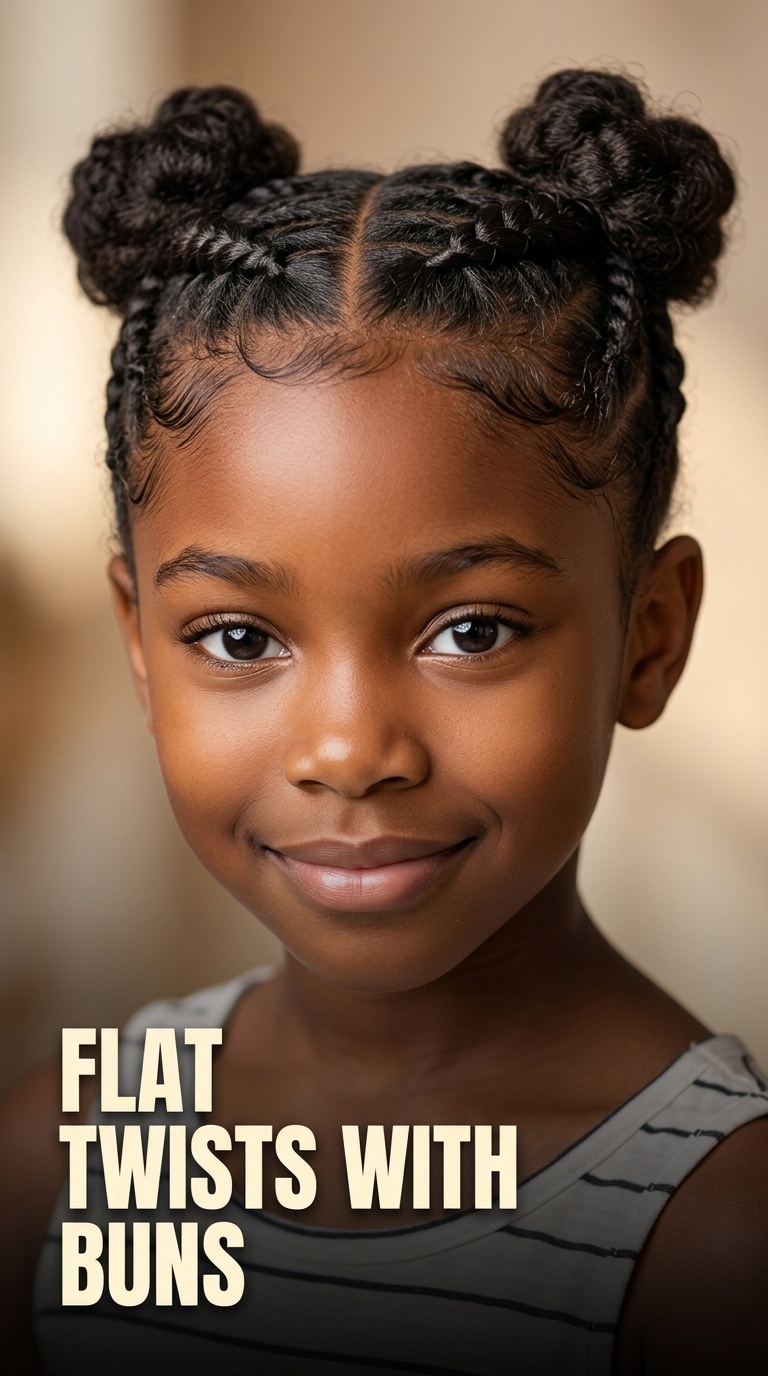
Flat twists look similar to cornrows but are often easier to master. They involve twisting the hair against the scalp in a linear fashion.
Redirecting these twists into a bun creates a very polished look. It is a sophisticated choice for formal events or school days.
This style keeps the ends of the hair completely protected inside the bun. It is an excellent way to maintain moisture throughout the week.
6. Bantu Knots
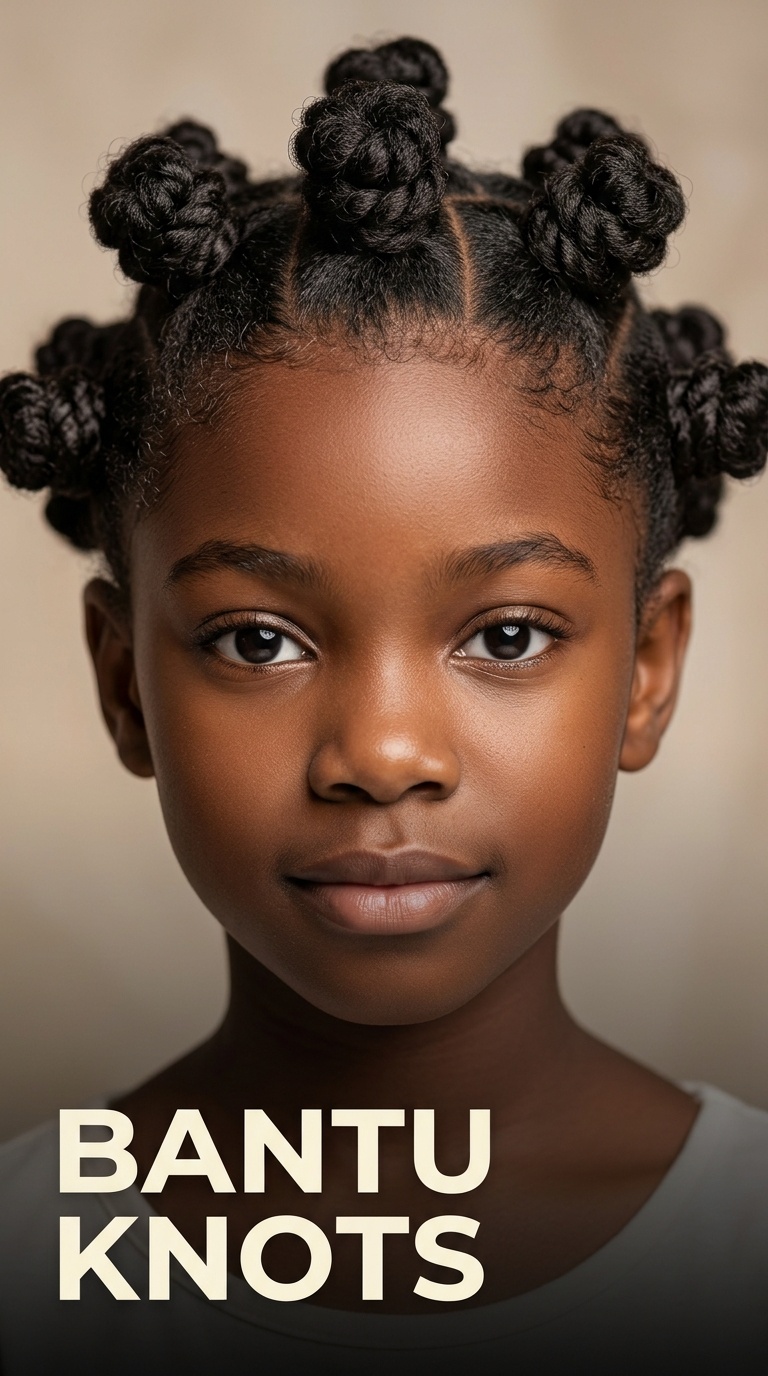
Bantu knots are small, coiled buns distributed across the head. They are a bold and cultural style that showcases texture beautifully.
This style serves two purposes: a standalone look and a curling method. It works on almost all hair lengths with enough texture.
More Amazing Ideas
 18 Hairstyles for Natural Hair with Texture, Shape and Variety — Read more
 19 Protective Hairstyles for Natural Hair in Versatile Lengths — Read more
 16 Hairstyles for Black Women with Natural Texture and Variety — Read more
 19 Hairstyles for Short Hair for Black Women with Natural Texture — Read more
 17 Natural Hairstyles for Black Women with 4C Hair and Texture — Read more
Once uncoiled, the hair forms tight, springy curls that last for days. It is a wonderful way to achieve heatless definition.
7. Finger Coils
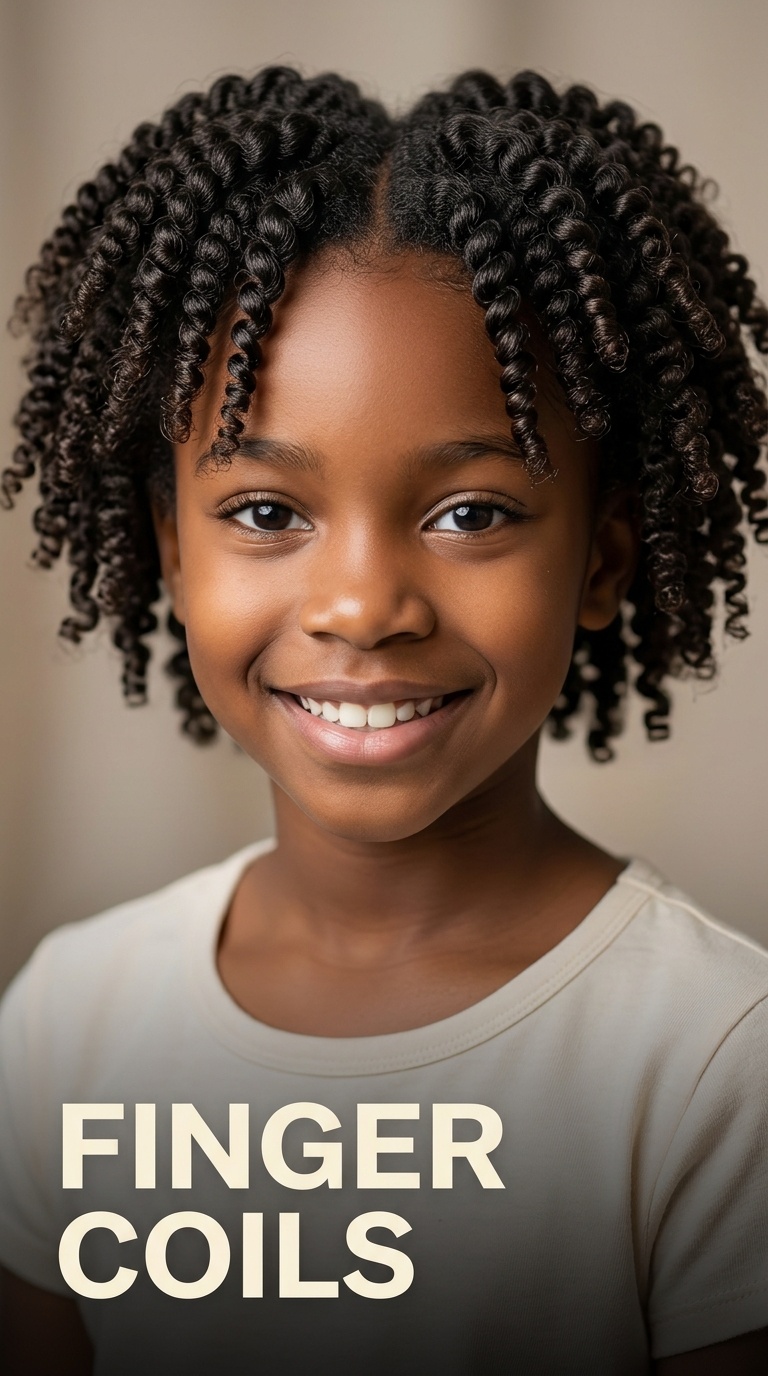
Finger coils are created by twirling small sections of hair around the finger. This defines the natural curl pattern and reduces frizz significantly.
This style is best done on freshly washed, moisturized hair. It creates a very neat and uniform look across the entire head.
Coils can last for over a week with proper nighttime care. They are great for those who want to highlight their natural texture.
8. Mohawk (Frohawk) with Braids
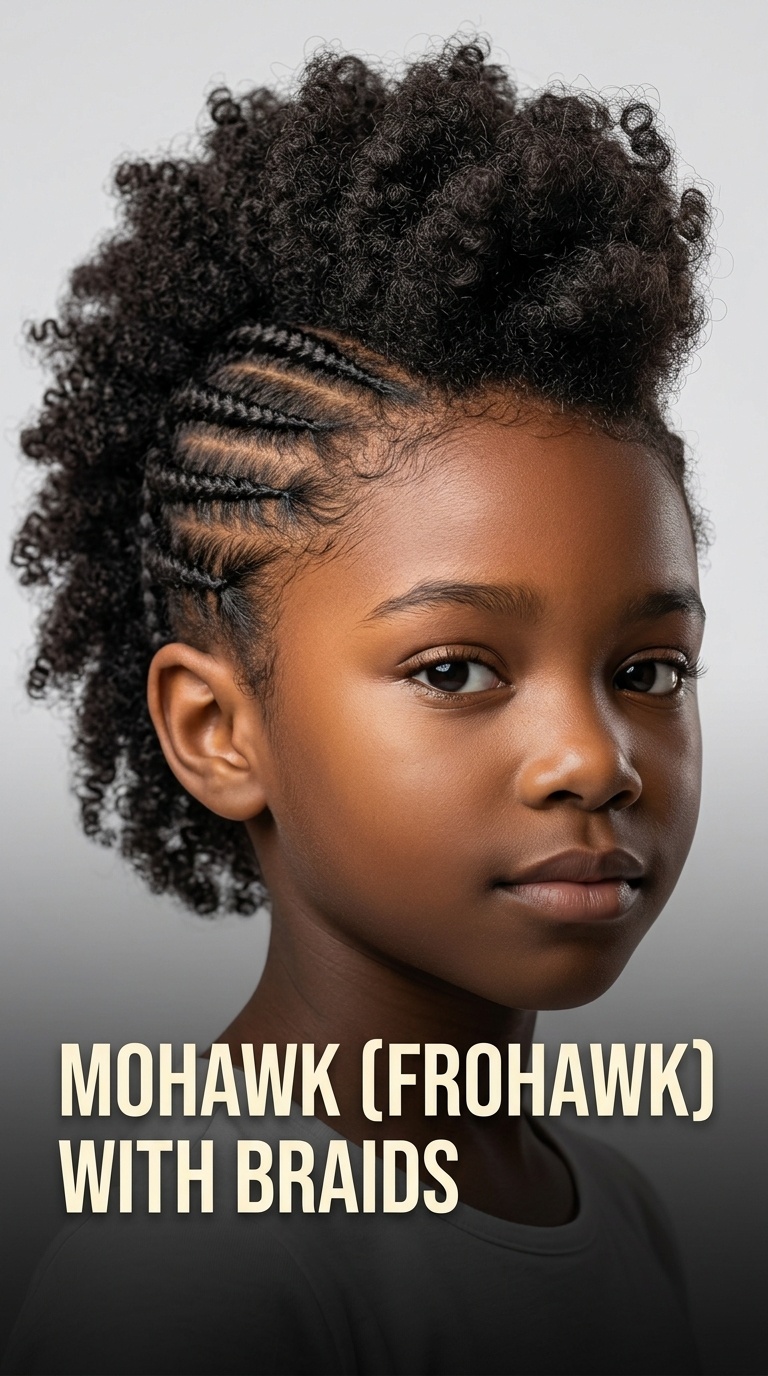
A frohawk combines the edge of a mohawk with the softness of natural hair. The sides are braided upward to create a central crest.
This look allows the center texture to remain loose and fluffy. It provides a striking silhouette while keeping the sides neatly tucked.
It is a creative way to style hair without braiding the entire head. This saves time and reduces tension on the scalp.
9. Halo Braid
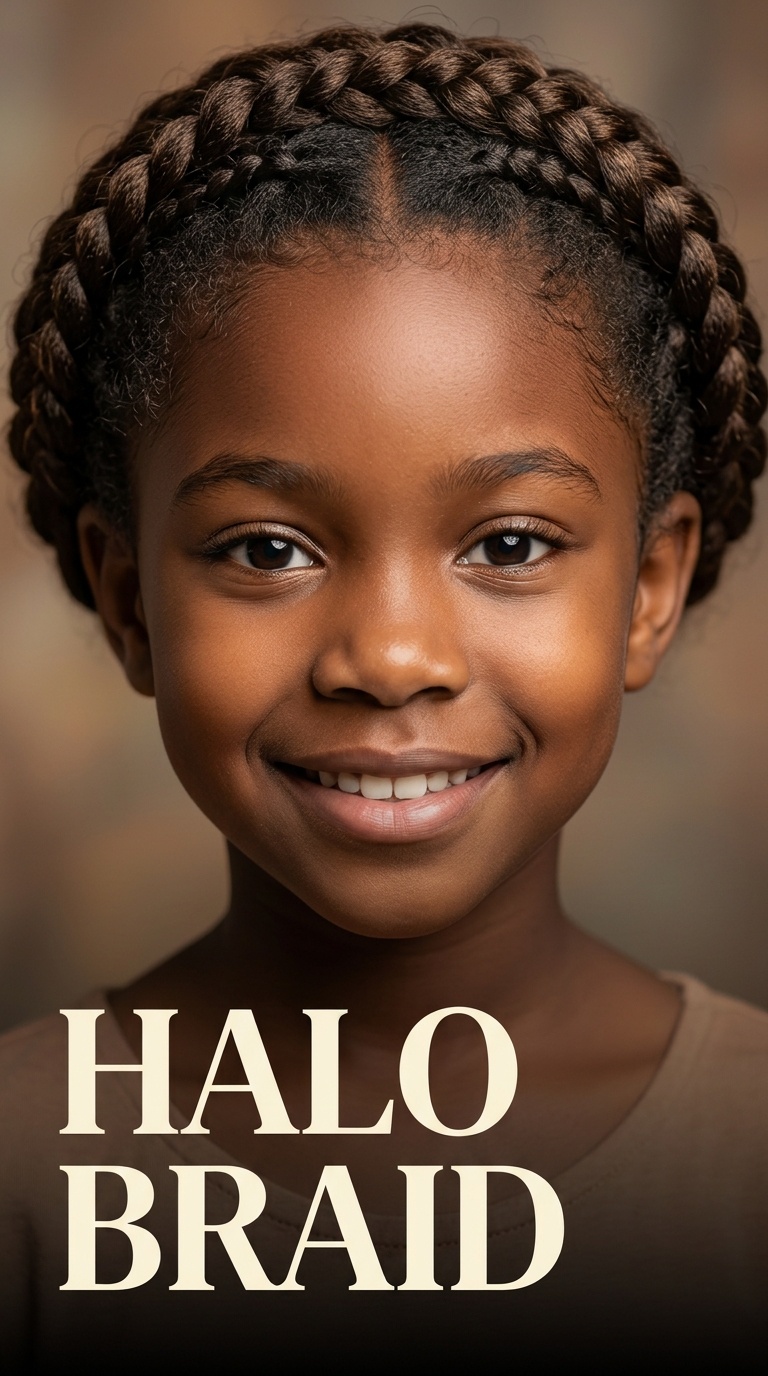
A halo braid involves one or two large braids encircling the head. It looks like a crown and keeps all hair completely tucked away.
This is a very secure style that can withstand lots of movement. It is ideal for special occasions where a neat appearance is required.
Halo braids are excellent for protecting ends from environmental damage. They are easy to sleep in when covered with a silk scarf.
More Amazing Ideas
 19 Short Hairstyles for Black Women with Natural Texture and Shape — Read more
 19 Updo Hairstyles for Black Women with Natural Texture and Shape — Read more
 18 Short Loc Hairstyles for Women with Texture and Versatile Styling — Read more
 16 Messy Hairstyles for Men with Texture, Layers and Natural Movement — Read more
 17 Hairstyles for Short 4C Hair with Natural Texture and Shape — Read more
10. Space Buns
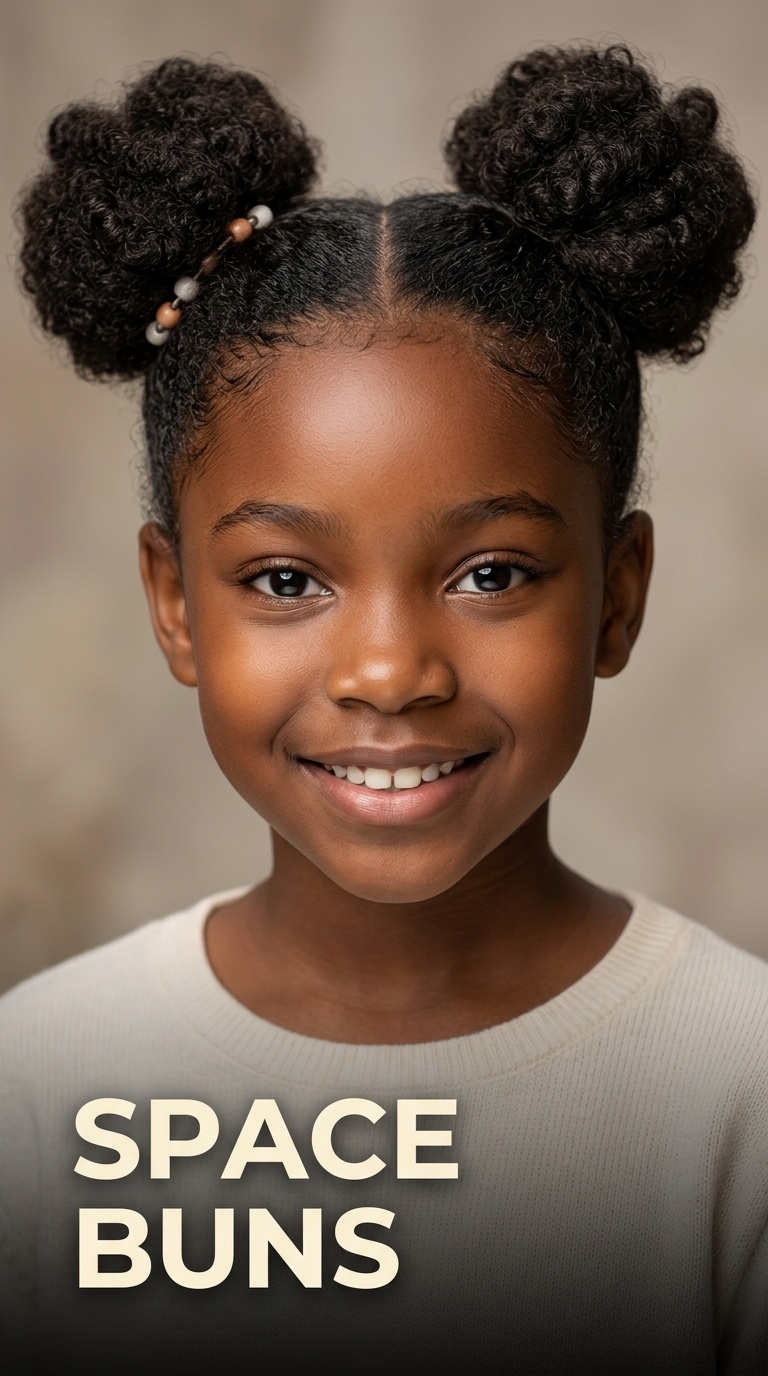
Space buns consist of two round buns placed on top of the head. This playful style is perfect for showing off natural volume.
You can braid the base of the buns or leave them as puffs. Both variations offer a fun way to manage textured hair.
This style is quick to achieve on busy mornings. It keeps the hair high and away from the neck and shoulders.
11. Knotless Braids
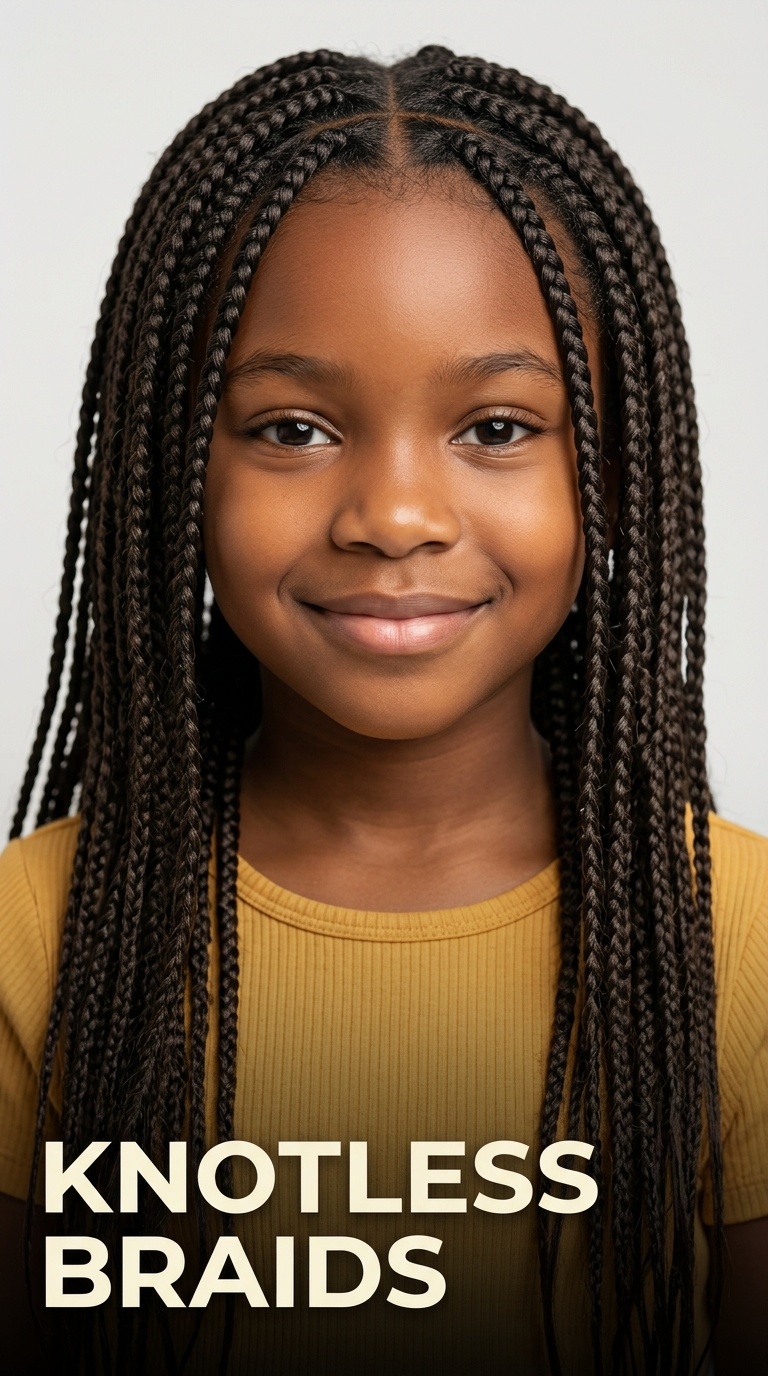
Knotless braids are a modern variation of traditional box braids. They start with the natural hair first, slowly adding extensions for length.
This technique creates much less tension on the scalp and hair follicles. It allows for immediate movement and styling without any discomfort.
The result is a very flat and natural-looking braid. It is a premium choice for long-term protective styling.
12. Bubble Braids
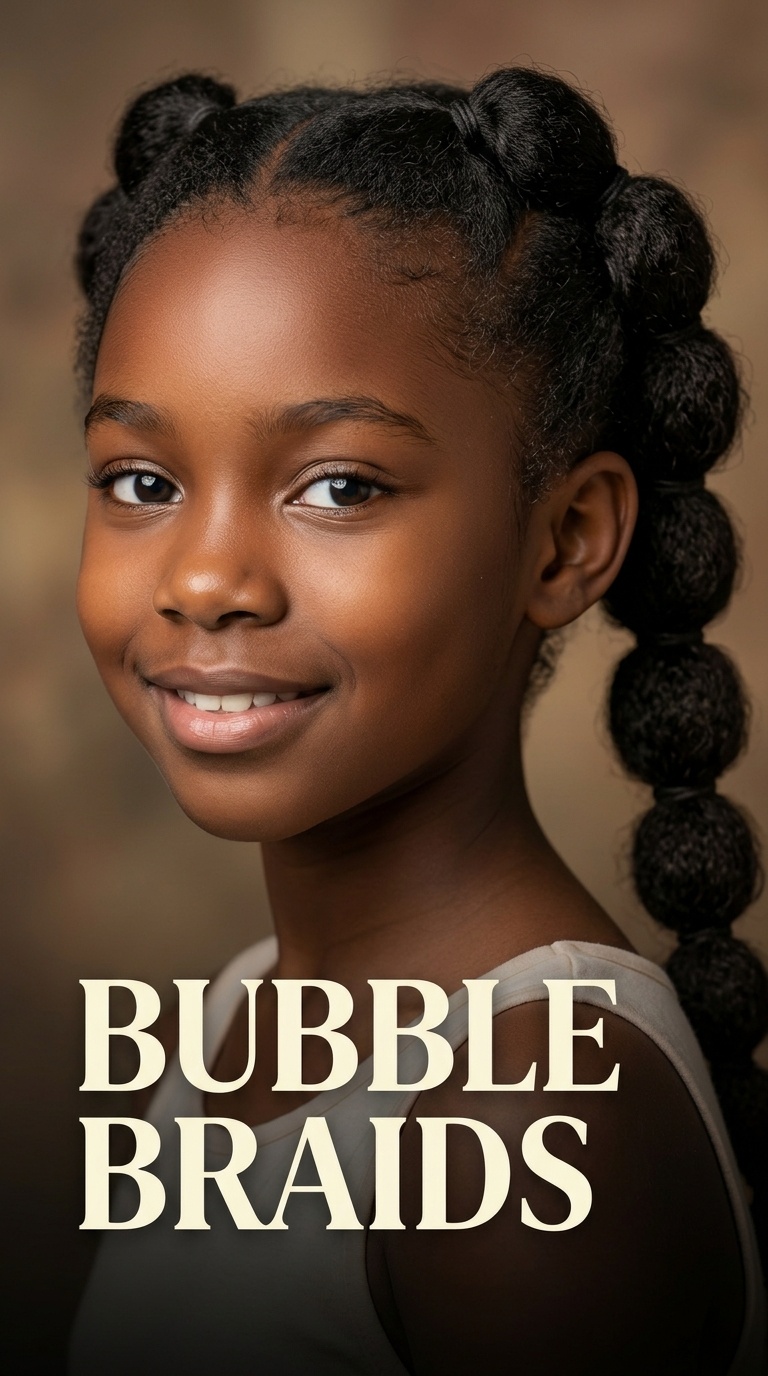
Bubble braids use small elastics placed down the length of a ponytail. Pulling the hair slightly between elastics creates a “bubble” effect.
This is a great alternative for those who find traditional braiding difficult. It provides a similar aesthetic with much less effort.
Ensure the elastics are not too tight to prevent breakage. This style looks fantastic on stretched or blown-out textured hair.
13. Heart-Shaped Braids
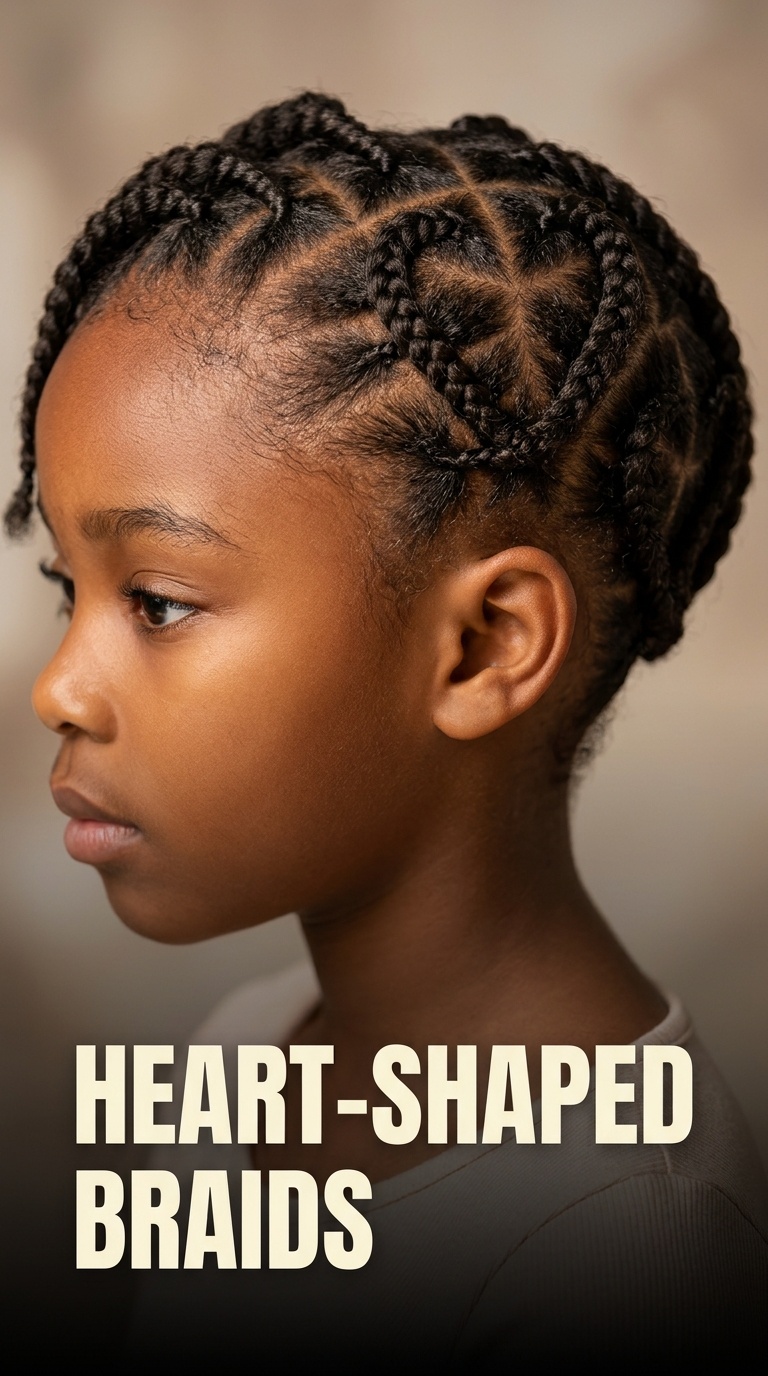
Heart-shaped braids add a decorative and artistic element to cornrows. A stylist can curve the braids to form a heart on the side.
More Amazing Ideas
 16 Mohawk Hairstyles for Black Women with Bold Shapes and Texture — Read more
 15 Braid Hairstyles for Kids with Different Patterns and Lengths — Read more
 17 Hairstyles for Knotless Braids with Versatile Styling Options — Read more
 16 Christmas Hairstyles for Kids with Festive Braids and Curls — Read more
 19 Back-to-School Hairstyles for Kids with Braids and Ponytails — Read more
This unique design is a favorite for those who want a custom look. It demonstrates the incredible versatility of braided textured hair.
The rest of the hair can be braided back or left in a puff. This keeps the focus on the intricate heart detail.
14. Top Knot with Back Braids
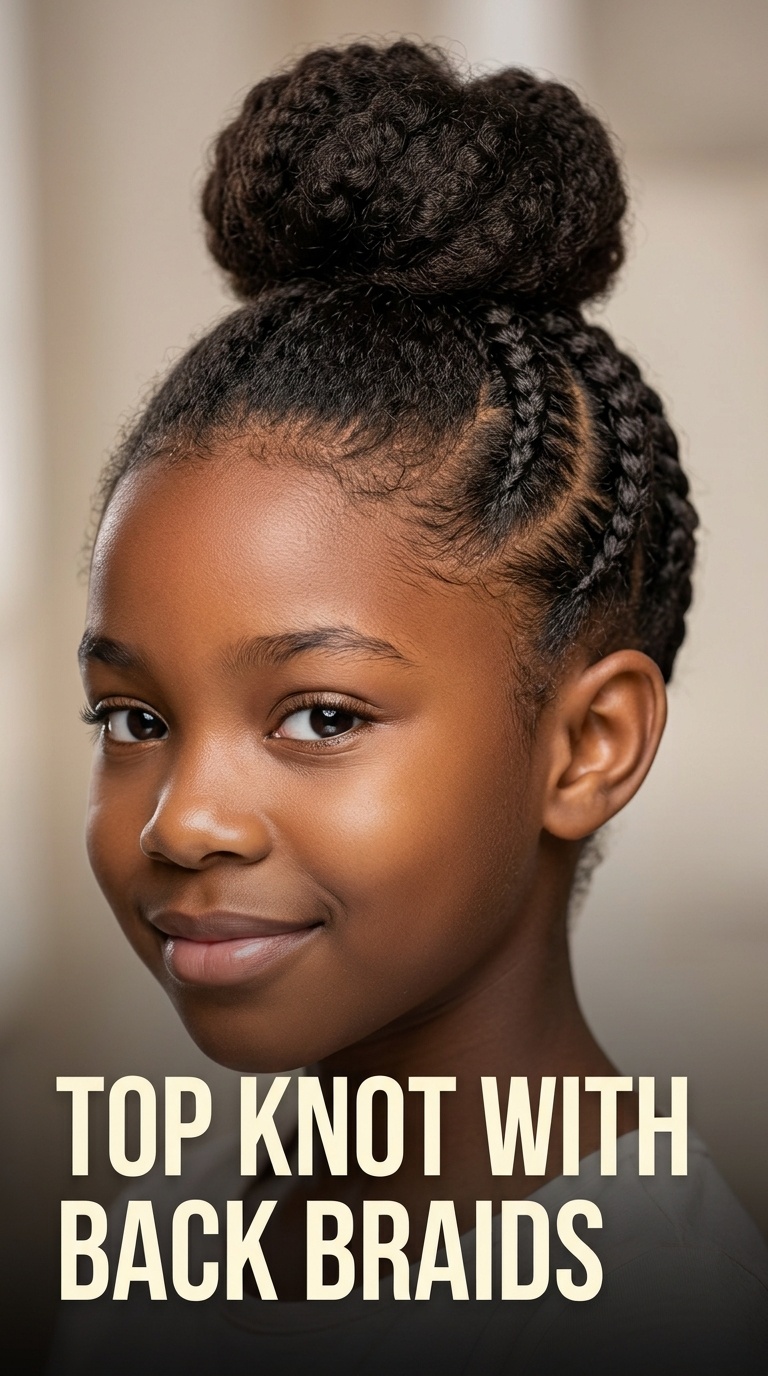
This style features cornrows in the back that lead up to a high bun. The front can also be braided or smoothed back.
Having the back braided prevents tangles at the nape of the neck. This area is often prone to matting during active play.
The top knot provides a clean finish that is both practical and stylish. It is a durable choice for a full week of wear.
15. Side Swept Twists
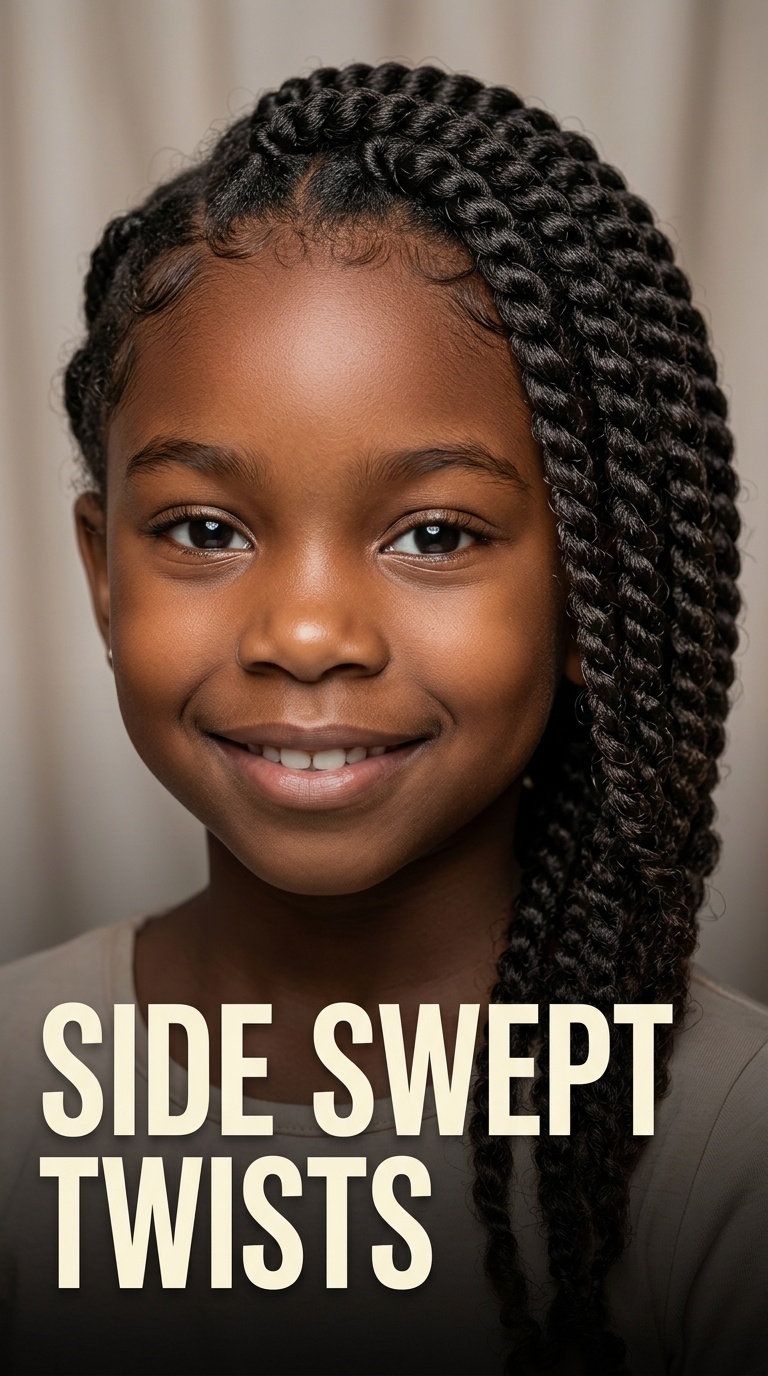
Side swept twists move all the hair to one shoulder for a soft look. They can be secured with small clips or decorative pins.
This asymmetry adds a modern touch to traditional protective twists. It is a gentle way to frame the face with textured hair.
This style is easy to refresh by re-twisting small sections as needed. It works well for various hair thicknesses and lengths.
16. Feed-in Braids with Beads
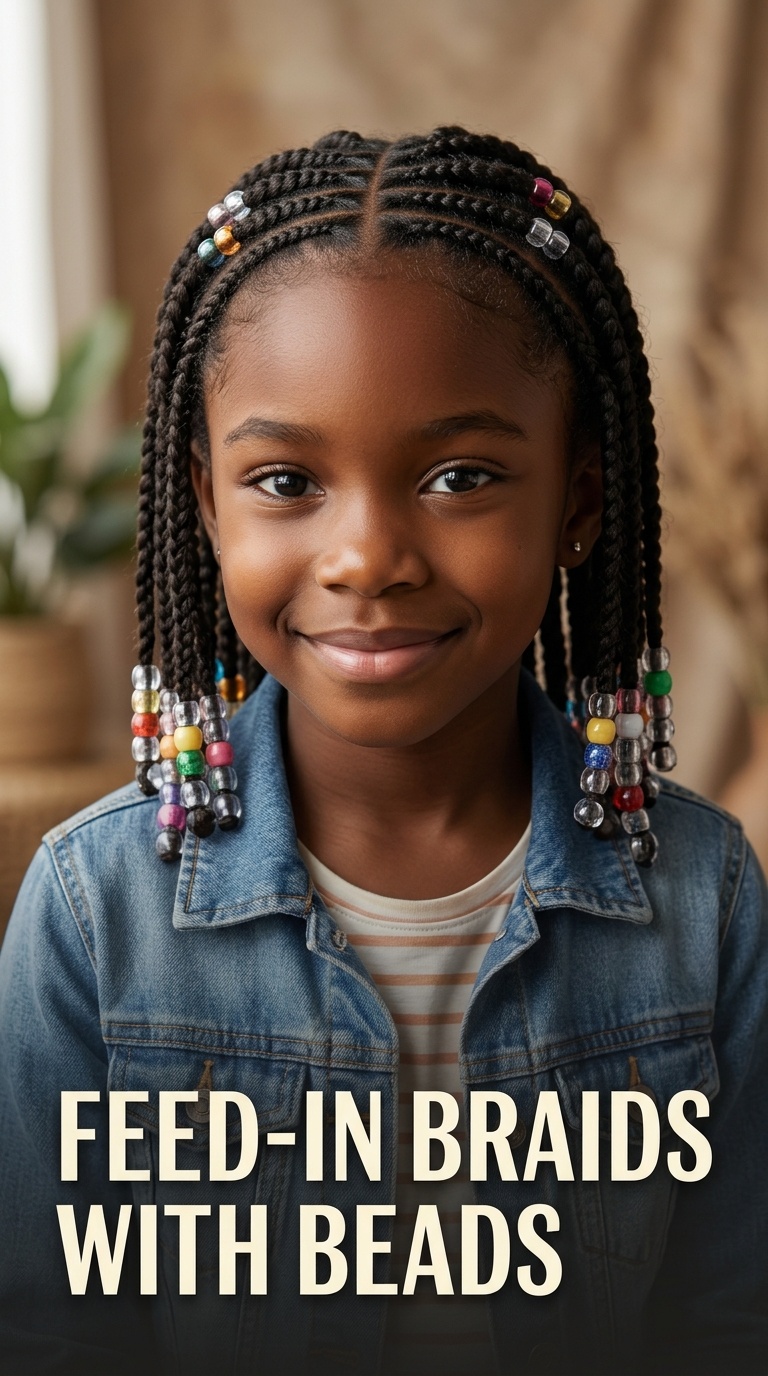
Feed-in braids look very natural as they gradually get thicker. They are braided close to the scalp for a sleek appearance.
Adding beads to the ends provides a classic finish. The sound and look of the beads add a playful element to the style.
More Amazing Ideas
 17 Ponytail Hairstyles for Kids with Braids, Parts and Playful Details — Read more
 18 Bob Hairstyles for Black Women with Shape and Texture — Read more
 17 Hairstyles for Men with Fresh Cuts and Versatile Styling — Read more
 17 Black Cornrow Hairstyles for Women in Diverse Patterns — Read more
 17 Short Hairstyles for Women with Layers, Texture and Shape — Read more
This is a timeless protective style that lasts for weeks. It keeps the hair organized and easy to maintain daily.
How long do protective styles last?
Most protective styles for textured hair can last between one to six weeks. This depends on the specific style and how well the hair is maintained at night.
How do I moisturize hair while it is in braids?
Use a light leave-in conditioner spray or a diluted oil mixture. Focus on the scalp and the length of the braids to keep the natural hair underneath hydrated.
Can these styles help with hair growth?
Protective styling helps with length retention by minimizing daily manipulation. When the ends are tucked away and protected, the hair is less likely to break or split.
What is the best way to sleep with these styles?
Wearing a silk or satin bonnet is highly recommended. Alternatively, using a satin pillowcase helps reduce friction, which prevents frizz and keeps the style looking neat.
How often should the scalp be cleaned during protective styling?
It is a good idea to clean the scalp every one to two weeks. You can use a cotton ball with witch hazel or a specialized scalp cleanser.
Are these styles safe for fine-textured hair?
Yes, but it is crucial to avoid excessive tension. Choose styles like loose twists or knotless braids to ensure the weight of the style does not pull on the roots.


