Finding the right shape for curly hair is a game-changer. It transforms a frizzy mess into a structured masterpiece.
Natural curls require specific techniques to thrive. The right cut ensures your texture has room to breathe.
Shape and definition are the pillars of a great curly look. They provide bounce and prevent the dreaded “triangle” shape.
Explore these curated styles designed to celebrate your natural texture. These 19 cuts offer something for every curl pattern.
1. The Rezo Cut
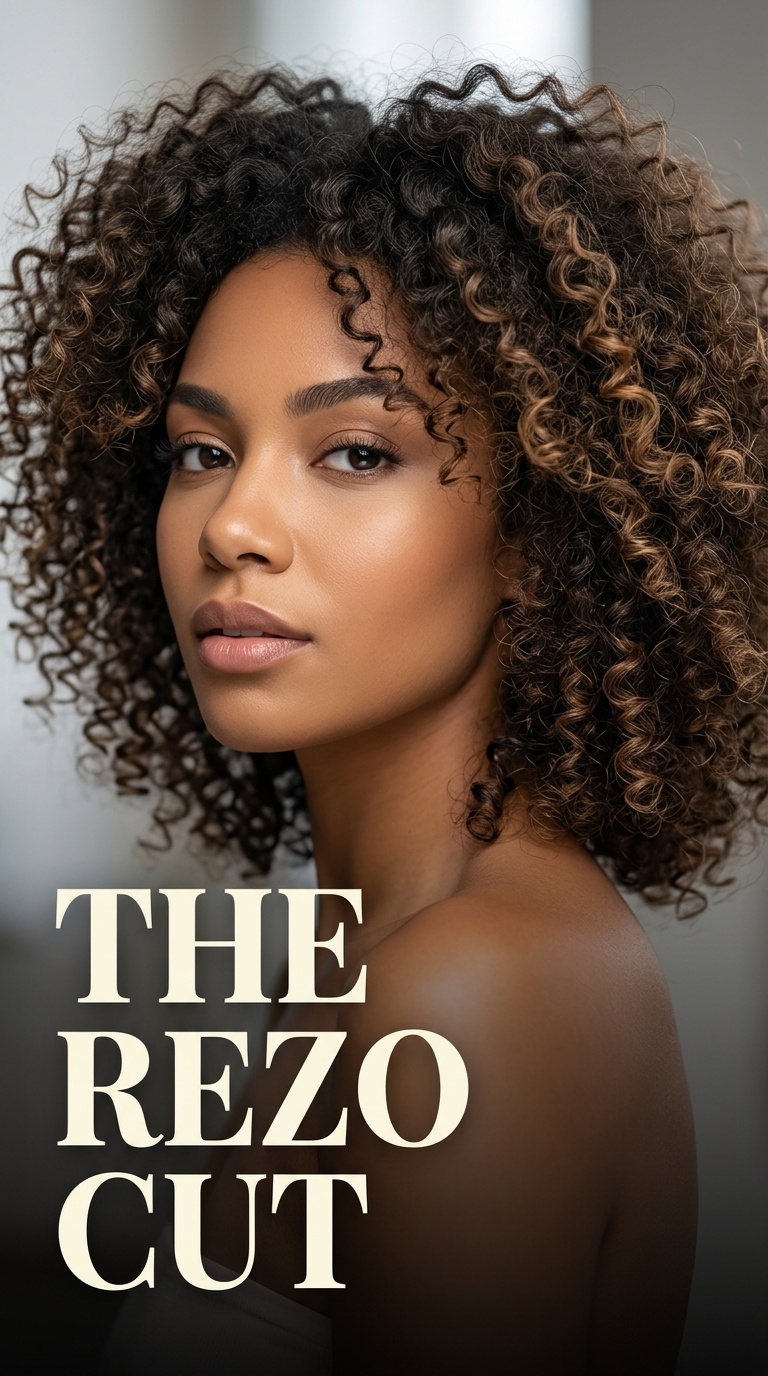
The Rezo Cut is a specialized technique designed to maintain a uniform length all the way around your head. It focuses on creating a circular shape that allows the curls to move freely and bounce. This cut is perfect for those who want to keep their length while maximizing volume and body at the roots.
Unlike traditional cuts, the Rezo technique ensures that the curls don’t stack on top of each other in a way that creates heavy weight. It creates a beautiful, balanced silhouette that frames the face perfectly from every angle. This makes it an ideal choice for people with high-density curls who want to avoid a flat crown.
To maintain the definition of a Rezo Cut, use a lightweight curl enhancer and diffuse your hair upside down. The internal layers are strategically placed to prevent the hair from looking too bottom-heavy. It is widely considered one of the best cuts for achieving a full, 360-degree halo of curls.
2. The DevaCut
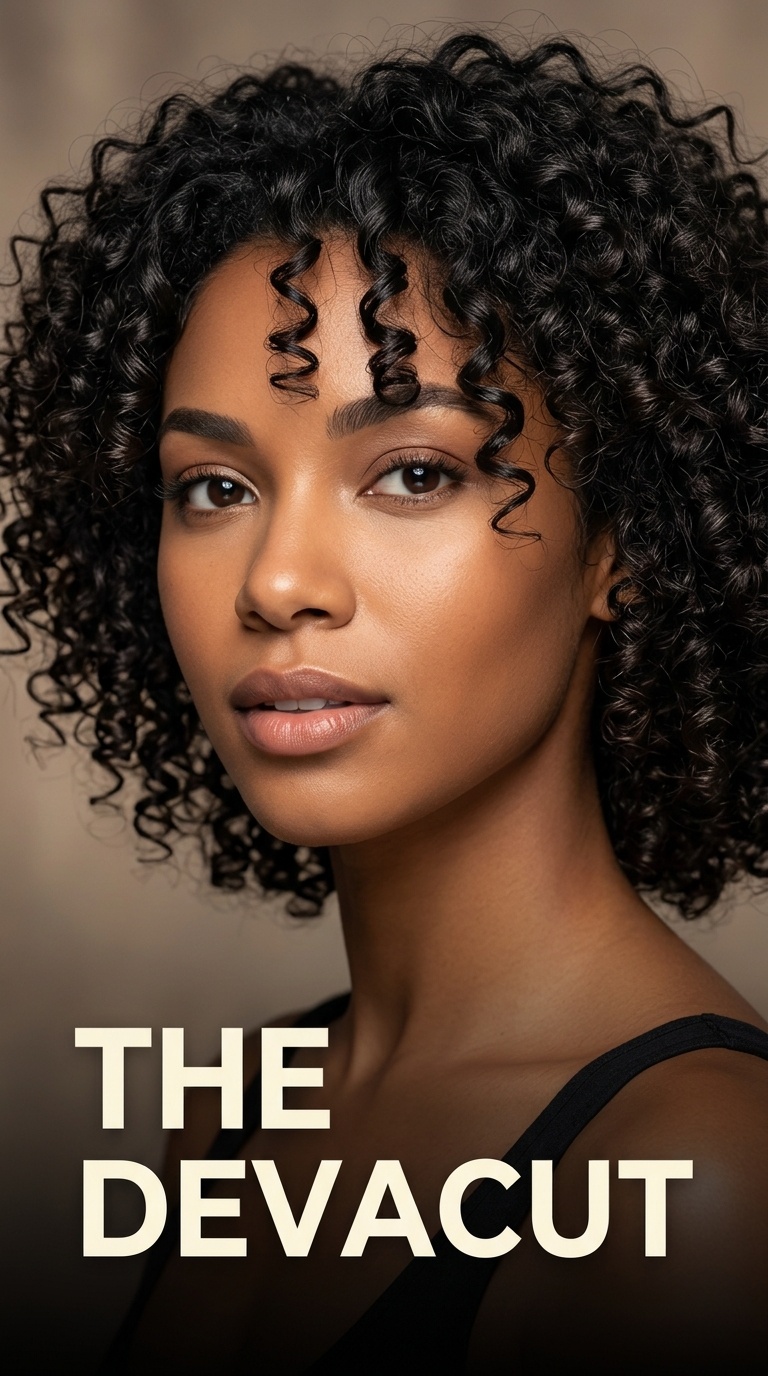
The DevaCut is the industry standard for curly hair, performed on dry hair so the stylist can see how each individual curl falls. By cutting curl-by-curl, the stylist can sculpt a shape that respects your unique growth pattern. This personalized approach ensures that there are no “surprise” shrinkage issues once the hair is styled.
This method is specifically designed to enhance definition by removing bulk where it isn’t needed. It allows the stylist to identify which curls are tighter and which are looser, adjusting the length accordingly for a seamless blend. It is particularly effective for those with multiple curl patterns on one head.
To get the most out of a DevaCut, arrive at the salon with your hair styled in its natural state without heavy products. This allows the professional to see the true elasticity of your curls. The result is a highly defined, custom shape that looks as good on day three as it does on day one.
3. The Curly Shag
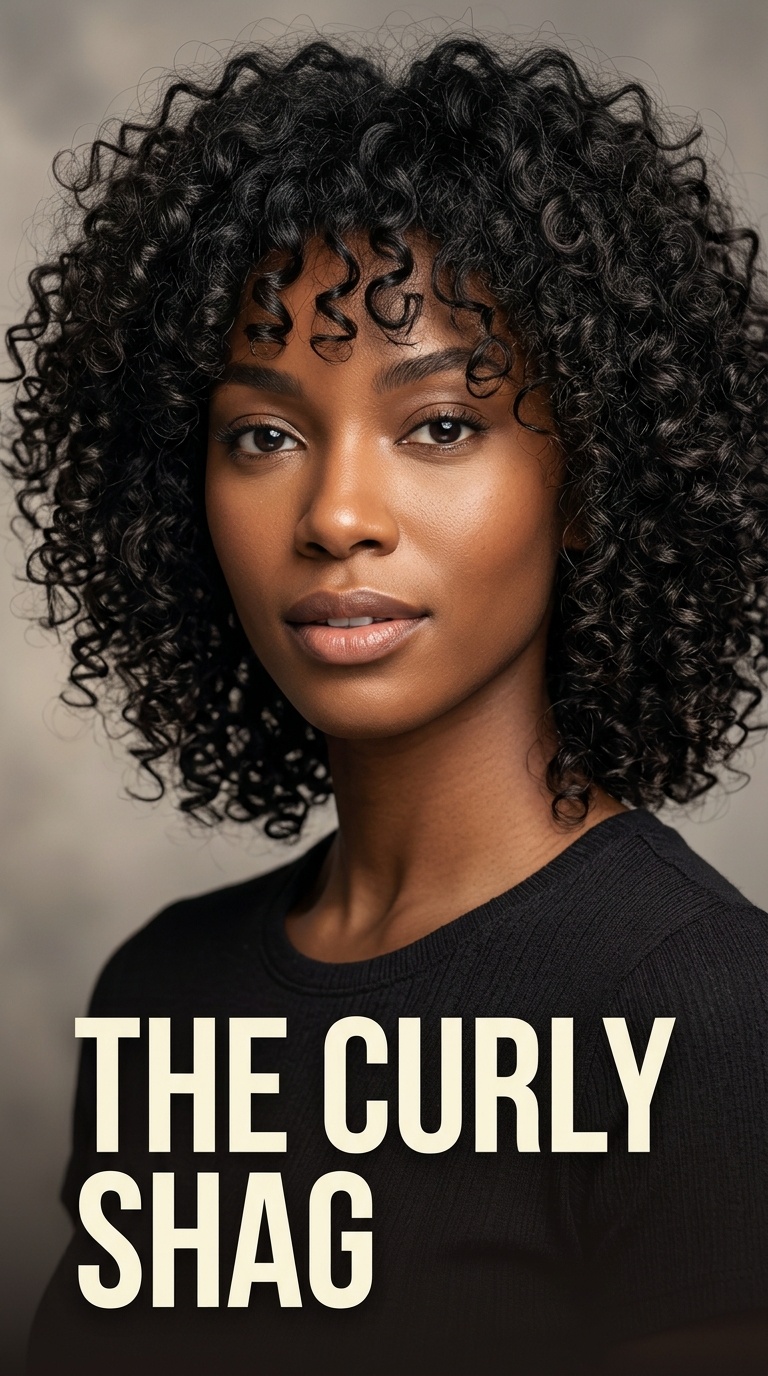
The curly shag is a modern take on a vintage classic, featuring heavy layers and often a curtain bang. This cut is all about texture and movement, making it perfect for those who want a “cool girl” aesthetic. The layers are cut shorter at the top to provide instant height and volume.
More Amazing Ideas
 19 Short Haircuts for Natural Hair with Shape, Texture and Definition — Read more
 19 Natural Curly Hairstyles for Black Women with Shape and Definition — Read more
 18 Haircuts for Long Thick Hair with Layers, Shape and Movement — Read more
 18 Haircuts for Long Hair with Layers, Shape and Movement — Read more
 18 Haircuts for Thick Wavy Hair with Layers, Shape and Movement — Read more
Because of the extreme layering, the shag removes a significant amount of weight from the mid-lengths and ends. This allows individual curls to spring up and show off their true definition without being pulled down by gravity. It is an excellent choice for wavy to curly textures looking for an edgy transformation.
Styling a curly shag usually requires a bit of sea salt spray or a light curl cream to emphasize the piecey nature of the layers. The shape is intentionally “undone,” which means it actually looks better as it gets a little messy throughout the day. It provides a rock-and-roll vibe that never goes out of style.
4. Rounded Layered Bob
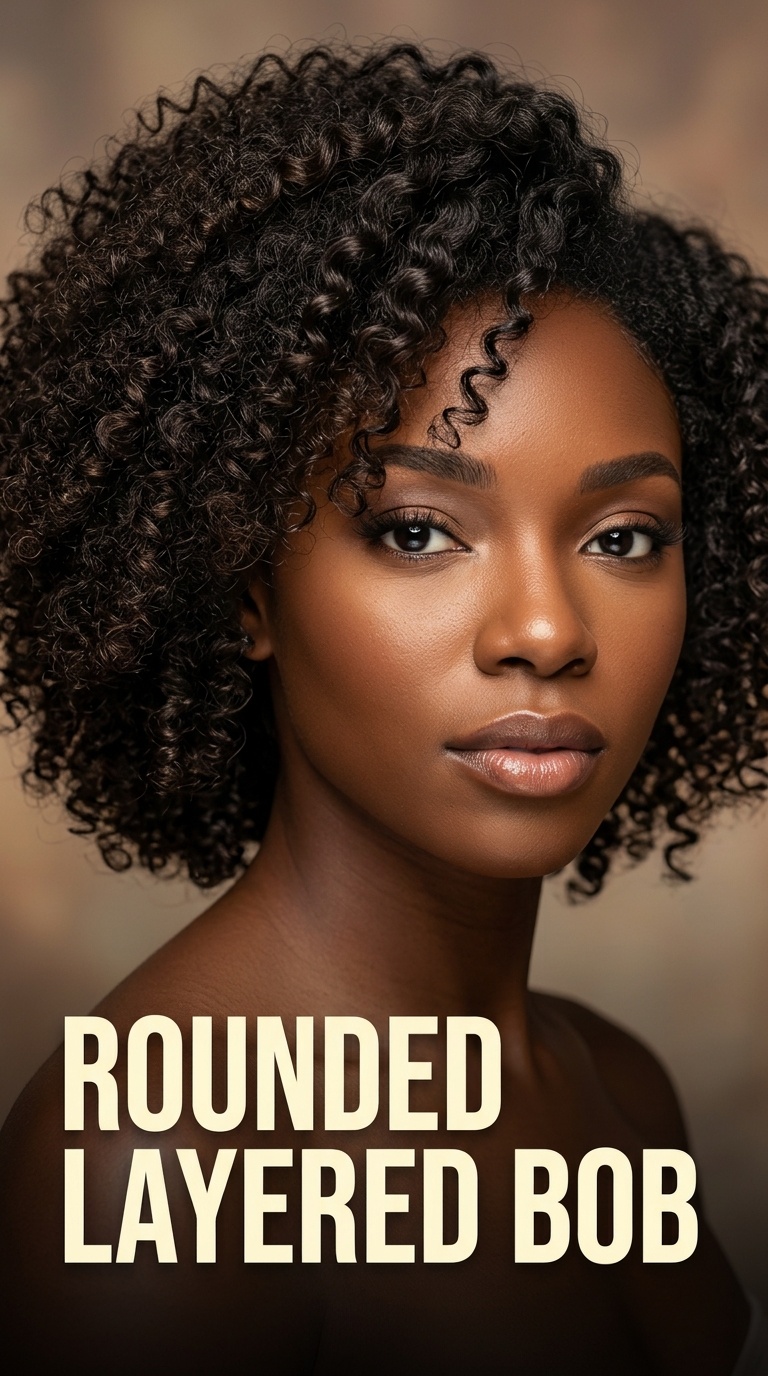
A rounded layered bob is a sophisticated choice for those who prefer a shorter, more manageable length. This cut utilizes soft, curved layers to create a circular silhouette that mimics the natural path of a curl. It eliminates the “pyramid” effect by distributing volume evenly from the roots to the ends.
The definition in this cut comes from the way the layers are stacked. By creating shorter pieces around the face and crown, the curls are encouraged to clump together rather than frizz out. This shape is universally flattering and helps to accentuate the jawline and cheekbones.
Maintenance for a rounded bob is relatively simple, requiring regular trims every 8 to 12 weeks to keep the shape crisp. It works exceptionally well for tighter curl patterns that naturally want to grow “out” rather than “down.” Use a firm-hold gel to lock in the rounded structure during the drying process.
5. The Butterfly Cut for Curls
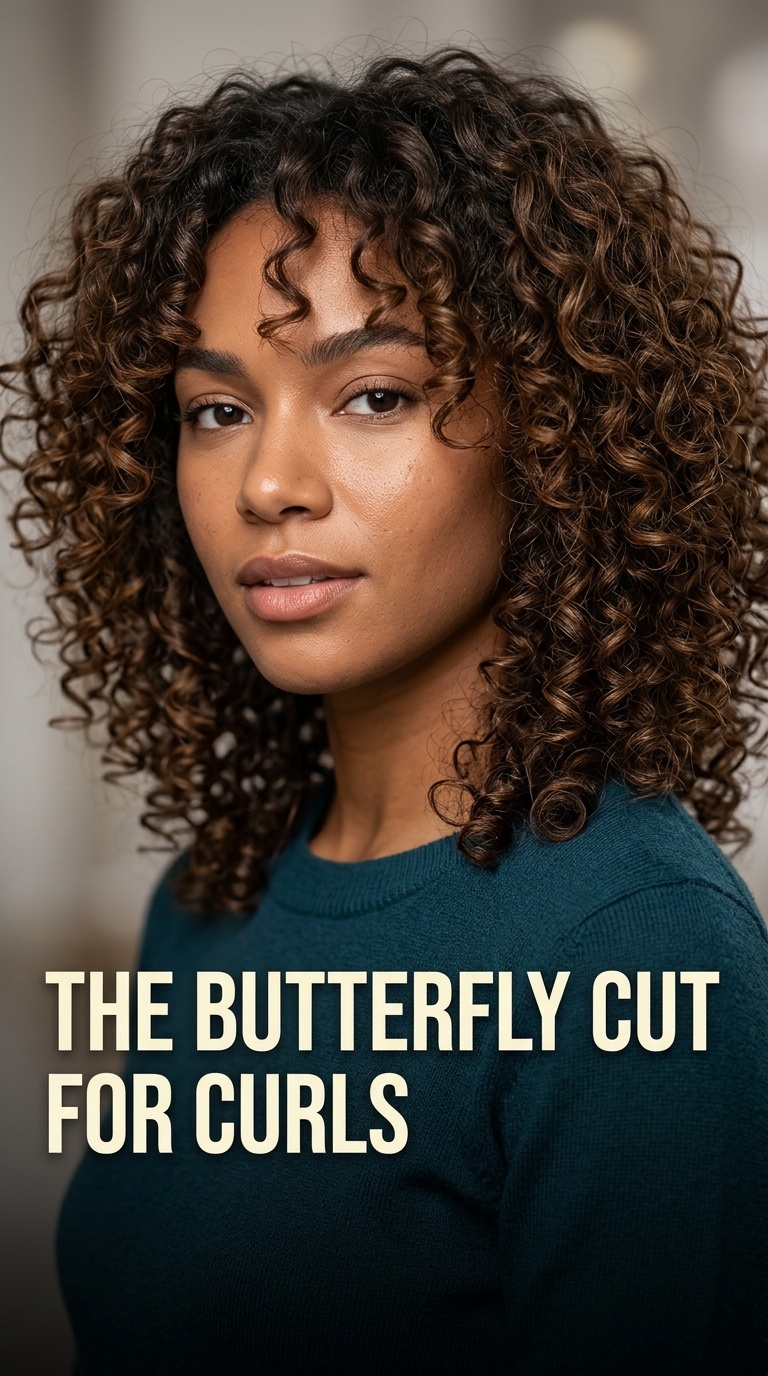
The butterfly cut has taken the world by storm, and it works beautifully on curly hair to provide massive volume and definition. This style features “winged” layers that are short at the top and cascade into longer lengths. It gives the illusion of a short haircut in the front while maintaining length in the back.
For curly textures, the butterfly cut provides an incredible amount of bounce. The shorter layers near the face act as a frame, while the longer layers provide the weight needed to keep the hair from becoming too puffy. It is the ultimate cut for someone who wants the best of both worlds: drama and length.
To style this, focus on lifting the roots with a volumizing mousse. The definition is achieved by finger-coiling the shorter face-framing layers to ensure they “wing” out in a structured way. This cut is highly versatile and can be worn with a deep side part for extra glamour.
6. Tapered Pixie Cut
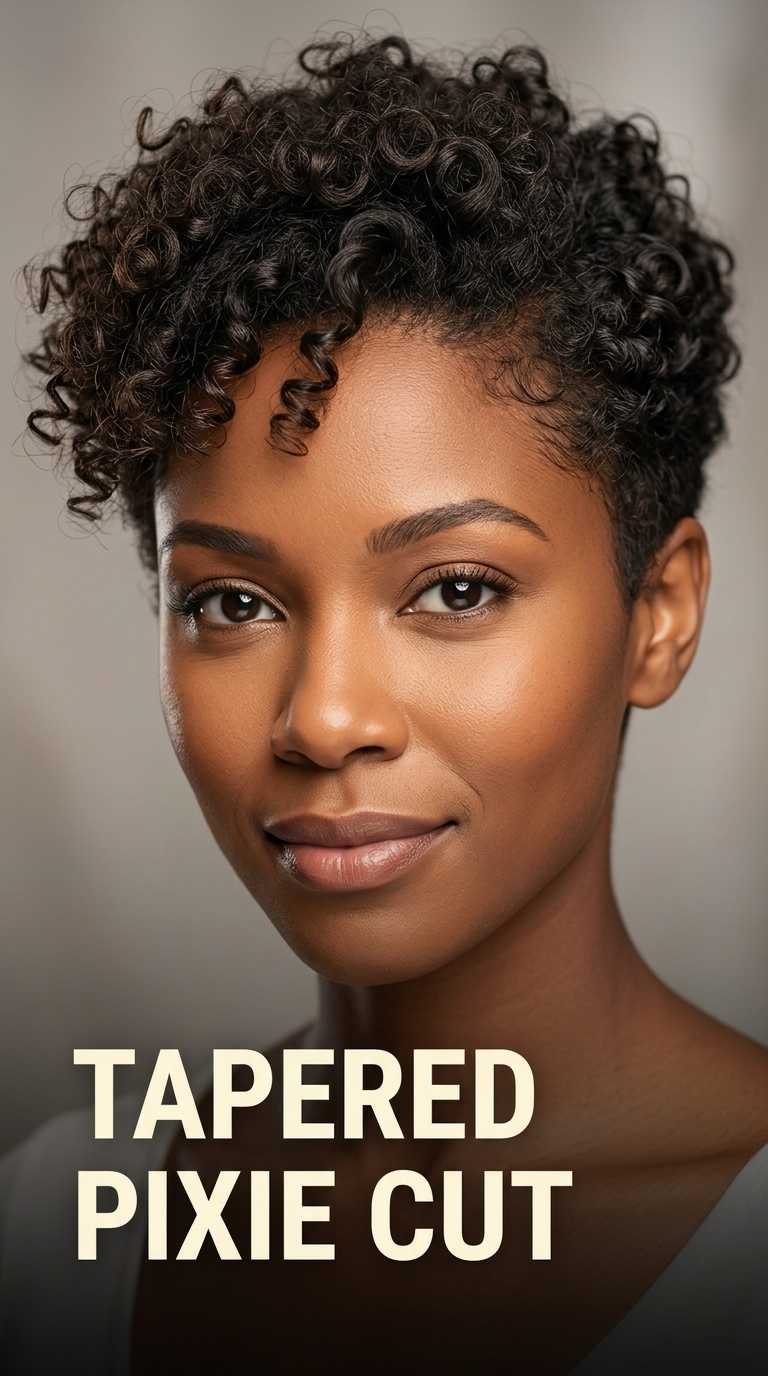
A tapered pixie cut is a bold and beautiful way to showcase natural curls with extreme precision. In this style, the hair is kept very short on the sides and back, while the top is left longer to allow the curls to flourish. This contrast creates a sharp, defined look that highlights the facial features.
More Amazing Ideas
 17 Prom Haircuts for Short Hair with Texture and Modern Shape — Read more
 18 Hairstyles for Natural Hair with Texture, Shape and Variety — Read more
 19 Bob Hairstyles for Fine Hair with Layers, Shape and Movement — Read more
 17 Haircuts for Medium Hair with Versatile Shapes and Layers — Read more
 19 Layered Hairstyles for Medium Length Hair with Movement and Shape — Read more
The beauty of a tapered pixie lies in its low-maintenance daily routine. With less hair to manage, you can focus on making the top curls pop with a high-quality pomade or curl butter. The shape is inherently structural, meaning your curls will always look intentional and styled.
This cut is particularly effective for those with tight coils or kinky-curly textures. The tapering helps to manage the density of the hair while the top provides height and personality. It is a powerful style that exudes confidence and highlights the intricate pattern of your natural hair.
7. V-Shape Layers
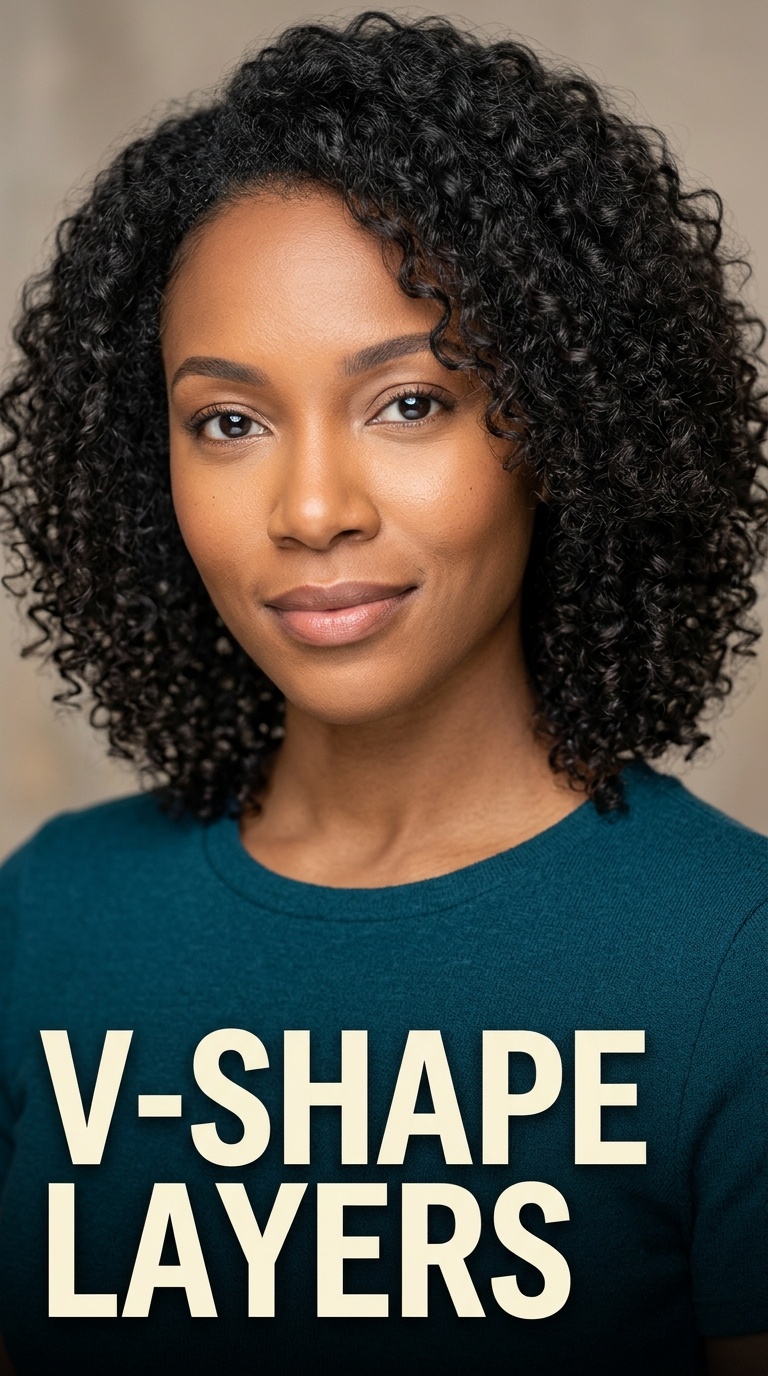
If you love long hair but struggle with it looking flat, V-shape layers are the answer. This cut involves trimming the hair so that it comes to a point in the back, resembling the letter “V.” This removes weight from the sides and allows the curls to cascade beautifully down the back.
The V-shape is excellent for definition because it prevents the hair from looking like a solid block. The graduated lengths allow each curl to sit at a different level, which prevents them from tangling and encourages individual curl clumps to form. It provides a very romantic and feminine silhouette.
When styling V-shape layers, ensure you apply product through the lengths while your hair is soaking wet. This ensures that the longest point of the “V” remains defined and doesn’t become wispy. It is a classic cut that remains a favorite for long-haired curlies everywhere.
8. The Halo Cut
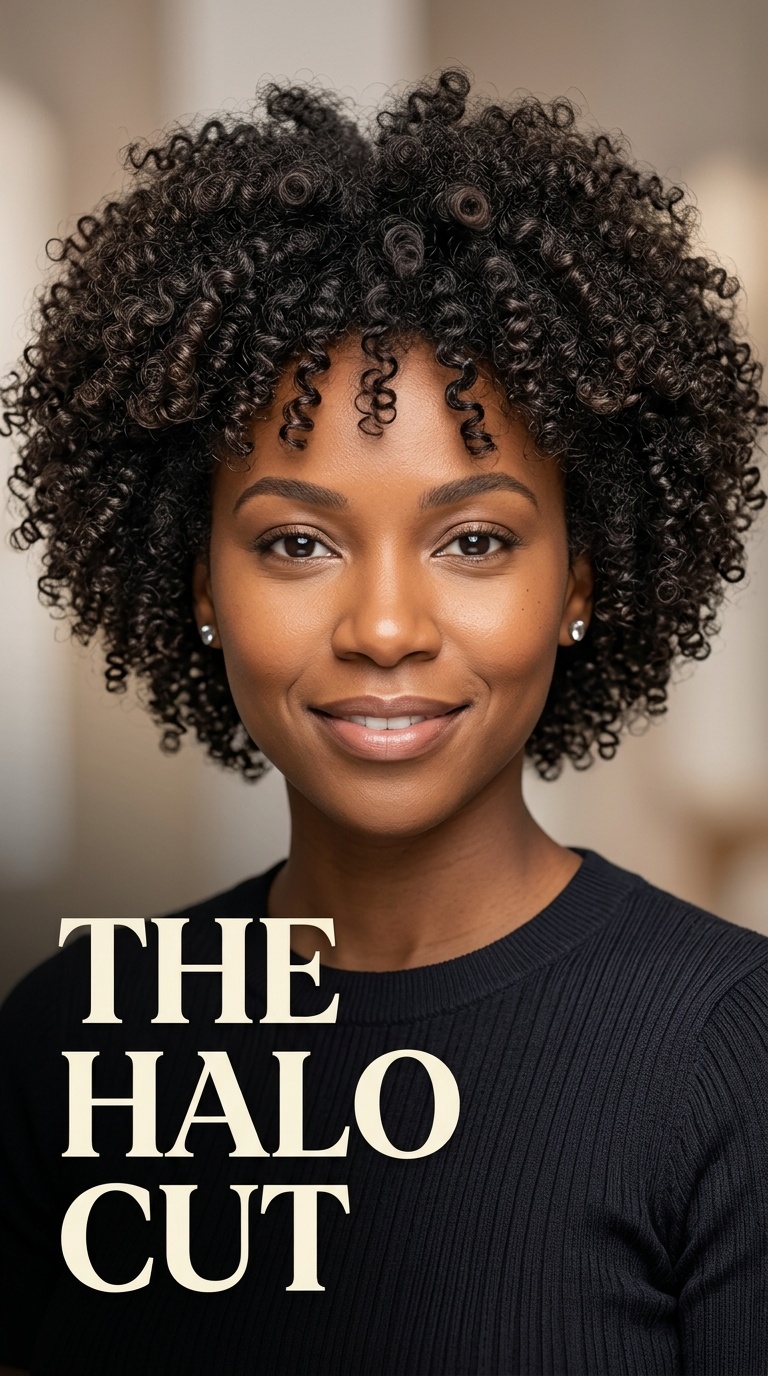
The halo cut is designed to create a perfectly round sphere of curls around the head. It is a celebration of volume and texture, often featuring bangs that blend seamlessly into the rest of the hair. The goal is to create a soft, ethereal look that glows like a halo.
This cut requires a stylist who understands how to balance volume. By cutting the hair in a way that encourages it to grow outward, the curls achieve a level of definition that looks effortless. It is a fantastic option for those with fine to medium curly hair who want to appear to have more density.
To keep the halo shape looking fresh, avoid heavy oils that might weigh the hair down. Instead, use a light misting of curl refresher to keep the “outer” layer of the halo frizz-free. This shape is all about symmetry and looks stunning when paired with a bold lip or statement earrings.
9. Modern Mullet (Wolf Cut)
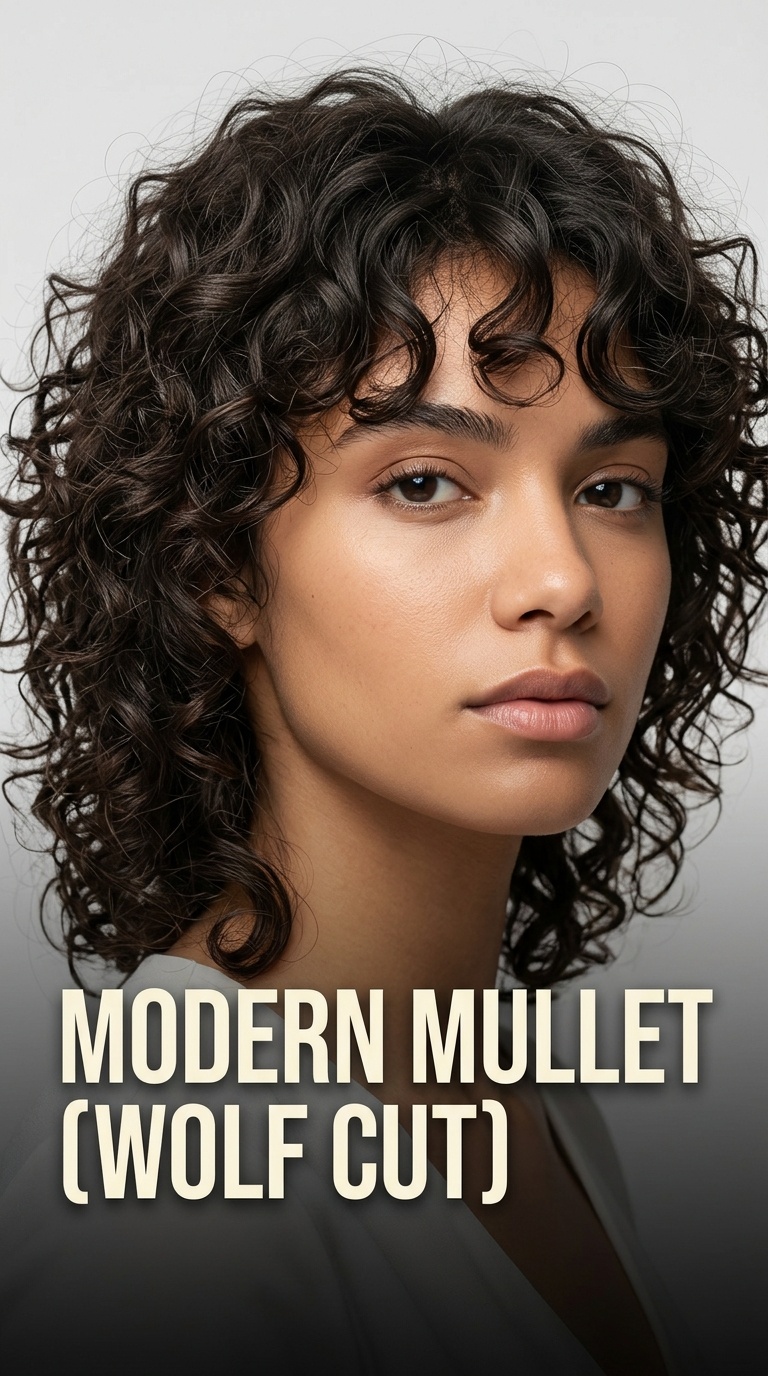
The wolf cut is a hybrid of the shag and the mullet, and it is incredibly flattering for natural curls. It features very short, choppy layers on top and longer, thinner layers in the back. This creates a wild, textured look that provides incredible definition to every single curl.
Because the wolf cut is so layered, it naturally encourages the hair to curl more intensely. The lack of weight on the top sections allows the curls to spring up, creating a voluminous “mane” effect. It is a high-fashion choice for those who want a cut with a lot of personality.
More Amazing Ideas
 16 Summer Haircuts for Long Hair with Layers and Movement — Read more
 16 Haircuts for Greasy Hair with Practical Lengths and Layers — Read more
 17 Front Hairstyles for Open Hair with Layers and Face-Framing Shape — Read more
 19 Hairstyles for Thick Hair with Shape, Volume and Movement — Read more
 18 Curl Hairstyles for Black Women with Natural Texture and Shape — Read more
Styling a curly wolf cut is all about embracing the “crunch” and then breaking it. Use a strong-hold gel to define the layers while wet, then “scrunch out the crunch” once dry for a soft but defined finish. The messy-chic nature of this cut makes it very forgiving for everyday wear.
10. Heart-Shaped Cut
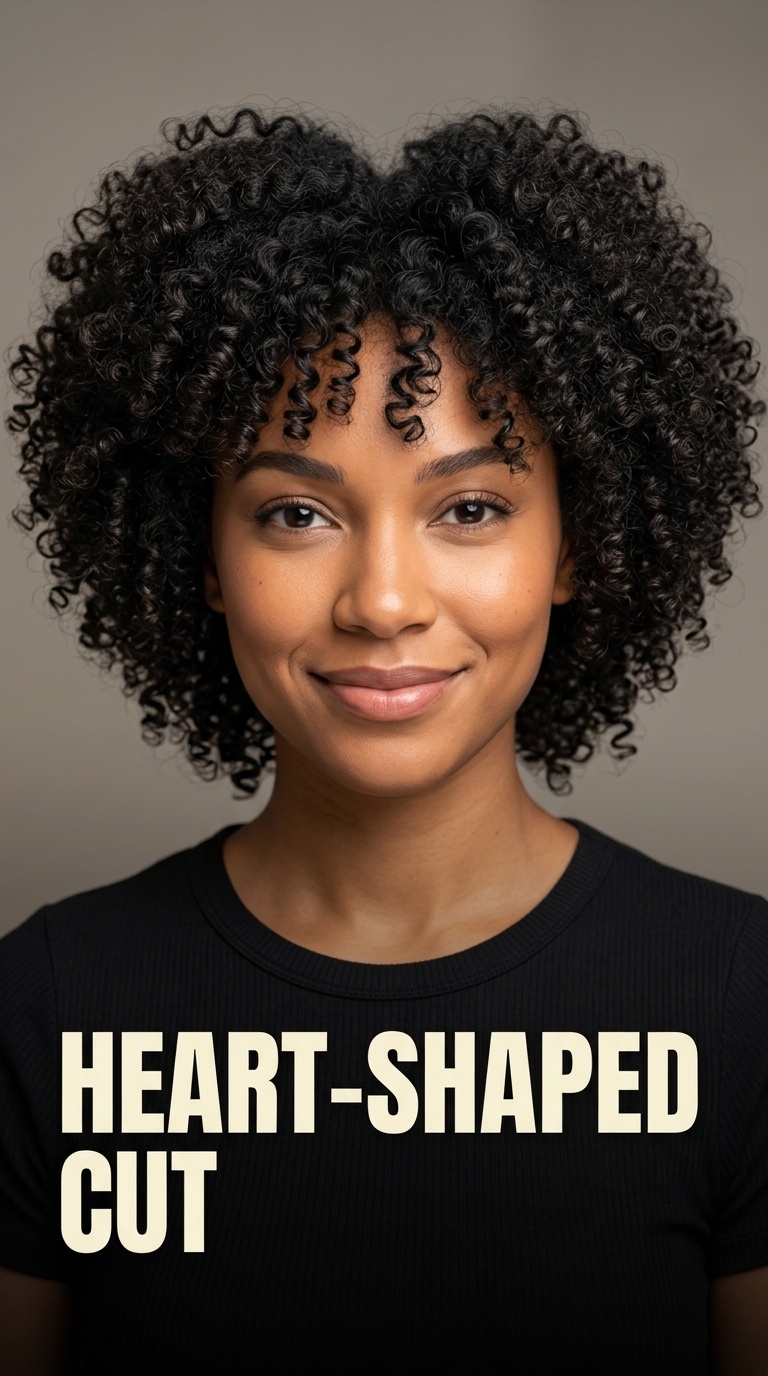
The heart-shaped cut is specifically tailored for those with a lot of volume at the crown and narrower ends. The hair is cut with shorter layers on top and more length at the bottom, creating a silhouette that mimics a heart. It is a joyful, expressive cut that emphasizes the bounce of the hair.
This shape is ideal for high-volume curls because it works with the natural tendency of the hair to grow wide. Instead of fighting the volume, the heart-shaped cut embraces it, providing a structured frame for the face. It is often paired with a middle part to keep the “lobes” of the heart symmetrical.
For maximum definition, use a leave-in conditioner followed by a defining cream. This helps the curls at the top of the “heart” stay moisturized and bouncy. This cut is a favorite among the natural hair community for its ability to showcase length and volume simultaneously.
11. Shoulder-Length U-Cut
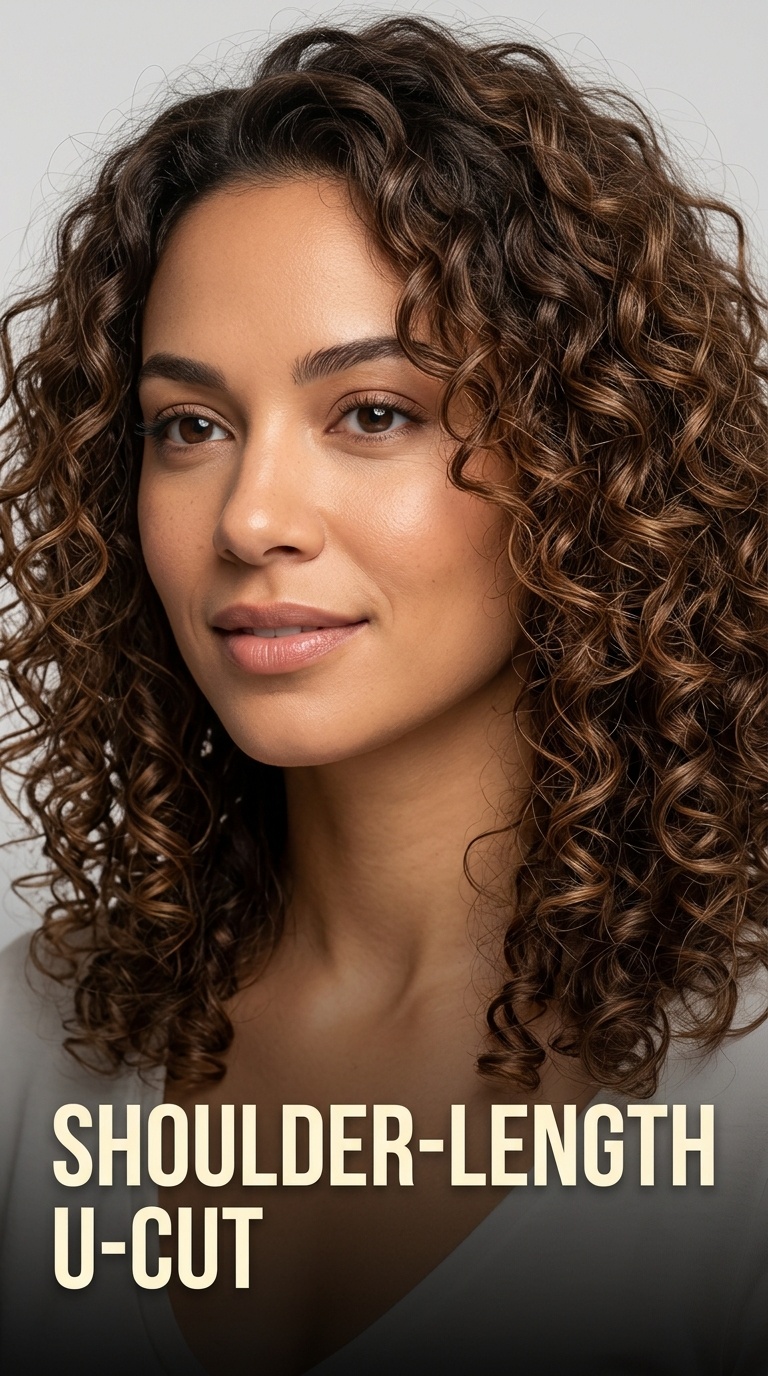
The U-cut is a more subtle version of the V-cut, where the ends are trimmed into a gentle curve. At shoulder length, this provides a soft and balanced look that is perfect for everyday elegance. It offers enough length for updos while keeping the weight manageable.
The U-shape helps to define the curls by ensuring the hair doesn’t look too heavy or “blocky” at the bottom. By rounding the corners, the stylist allows the curls to fall naturally over the shoulders without bunching up. It is a very safe and classic choice for someone transitioning to a more structured cut.
To style a U-cut, focus on defining the ends of the hair. Use a small amount of hair oil on the tips to prevent split ends from ruining the clean curve of the shape. This cut is versatile, low-maintenance, and works well for almost all curly hair types.
12. Asymmetrical Bob
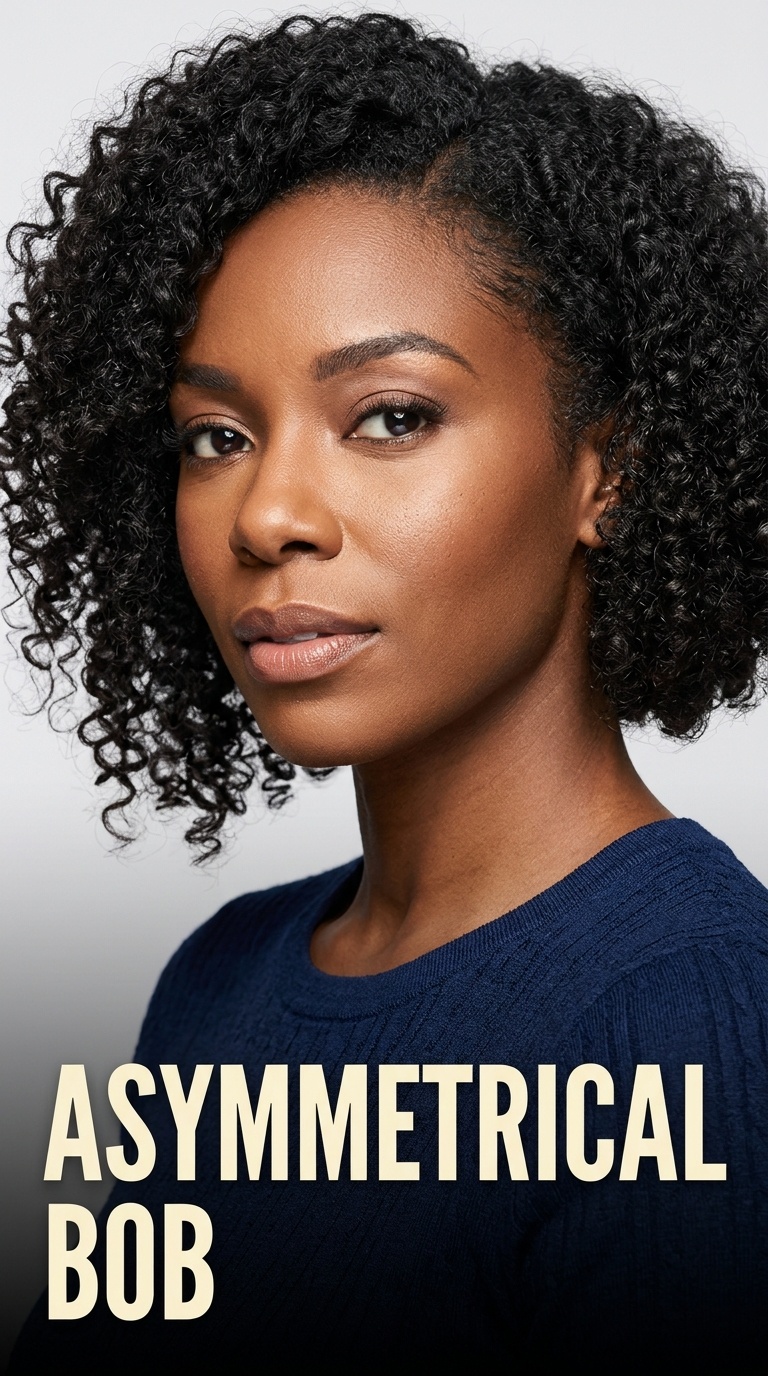
The asymmetrical bob is a modern, edgy cut where one side is significantly longer than the other. This creates a dynamic line that draws the eye and highlights the texture of the curls. It is a great way to add interest to a shorter style without losing all your length.
Definition is key in an asymmetrical bob to ensure the different lengths look intentional. The shorter side often features tighter, more defined curls, while the longer side can showcase the “drop” of the curl. This contrast creates a very artistic and deliberate look.
More Amazing Ideas
 19 Protective Hairstyles for Natural Hair in Versatile Lengths — Read more
 17 Natural Hairstyles for Black Women with 4C Hair and Texture — Read more
 19 Hairstyles for 4C Hair with Natural Texture and Protective Styling — Read more
 17 Weaving Hairstyles for Natural Hair with Different Lengths and Looks — Read more
 19 Updo Hairstyles for Black Women with Natural Texture and Shape — Read more
When styling, you may want to use a bit more product on the longer side to help the curls maintain their structure throughout the day. This cut is perfect for someone who wants to stand out and doesn’t mind a little extra attention. It works best on curls that have a consistent pattern.
13. Curly Bangs with Long Layers
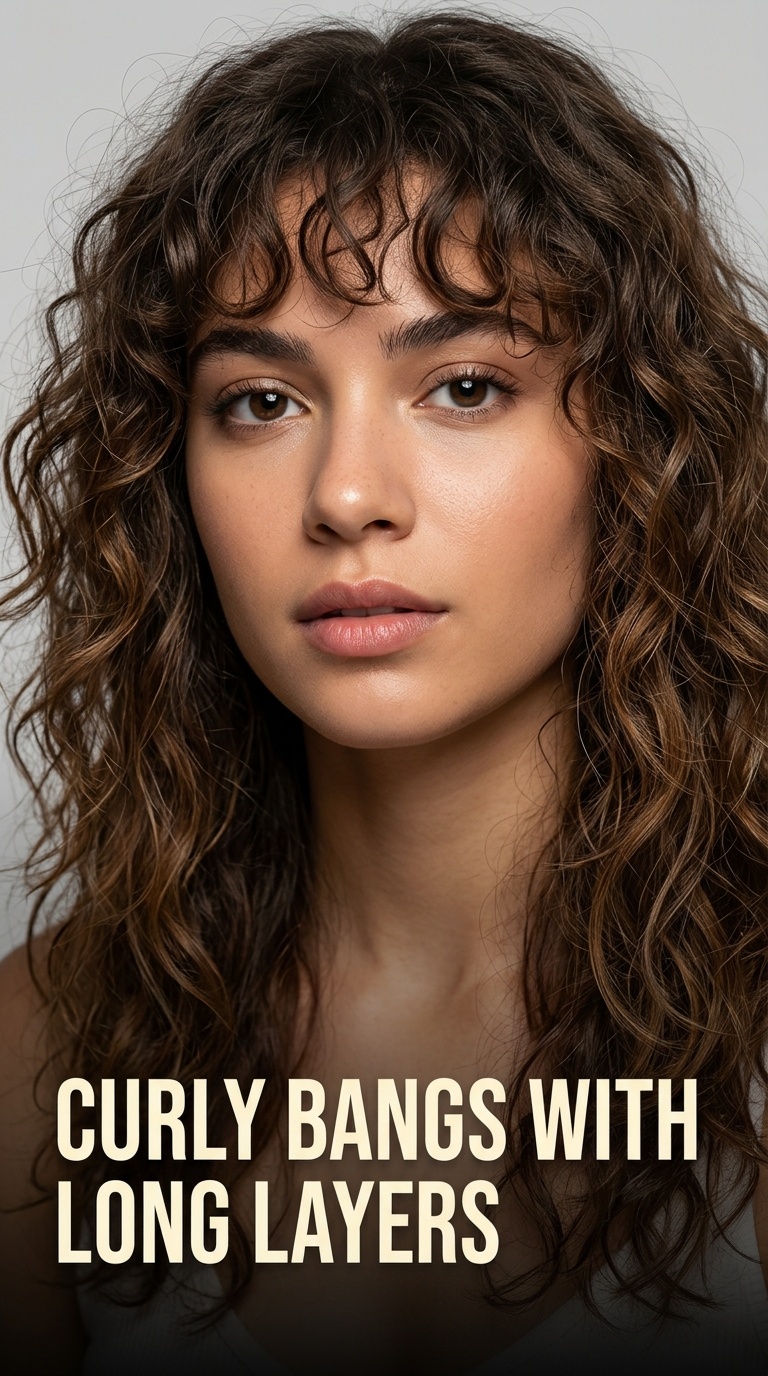
For a long time, bangs were considered a “no-go” for curly hair, but that has completely changed. Curly bangs combined with long layers offer a beautiful way to frame the eyes and forehead. The bangs add an instant “cool” factor, while the long layers keep the rest of the hair from being too overwhelming.
The long layers provide the necessary weight to keep the hair from becoming a triangle, while the bangs create a focal point. This combination ensures that your curls look defined from top to bottom. It is a very youthful and energetic style that works for various curl types.
When getting curly bangs, always ensure your stylist cuts them longer than you think you want them. Because of shrinkage, they will spring up significantly once dry. Use a light gel on the bangs to keep them defined and prevent them from turning into a “puff.”
14. Side-Parted Afro
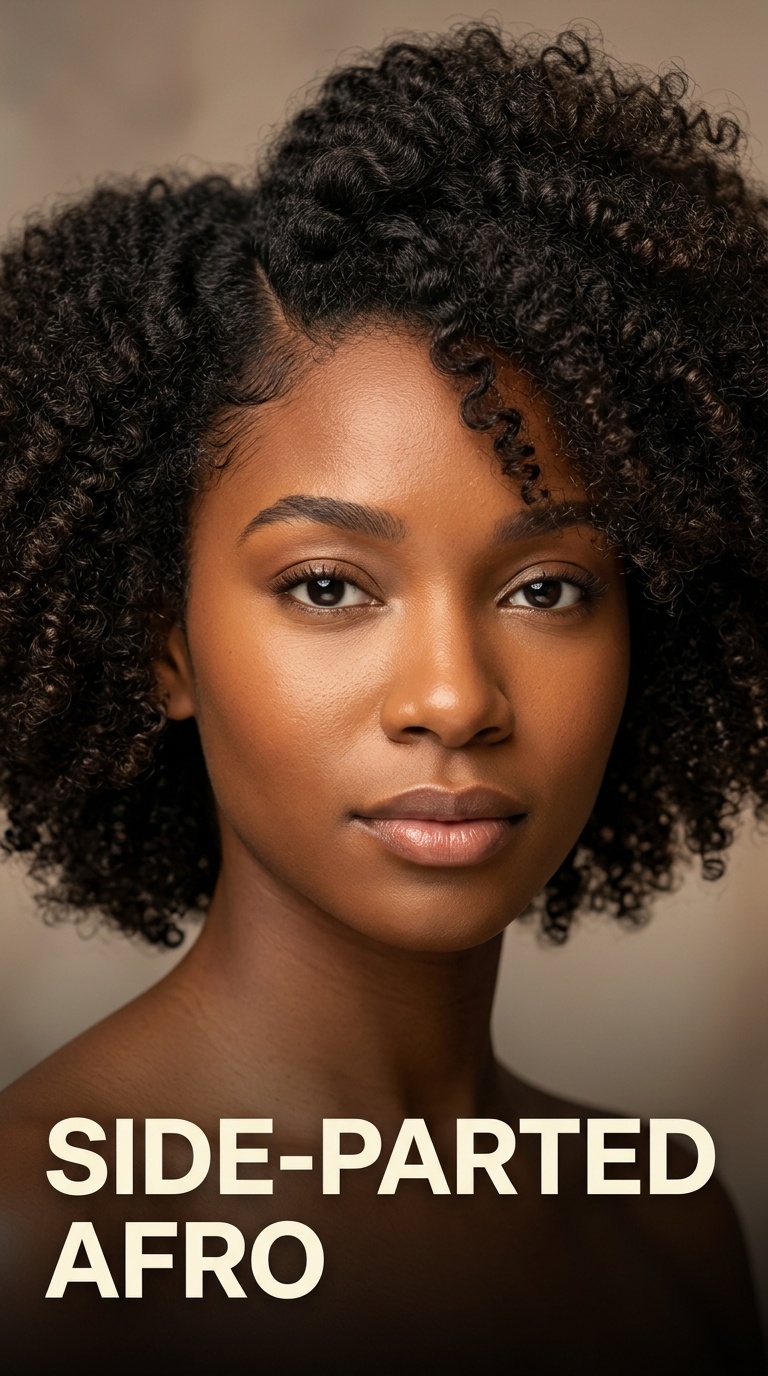
The side-parted afro is a stunning way to wear natural coils with a touch of vintage glamour. By incorporating a deep side part, you create an asymmetrical volume that is incredibly flattering. This shape provides a clear structure to the natural “cloud” of hair.
Definition in an afro is often about the pick technique and the moisture level. By defining the edges and the part line, you create a contrast between the structured scalp and the voluminous texture. This cut is a celebration of height and density.
To maintain the shape, use a metal or plastic pick to lift the roots, but leave the ends defined with a botanical gel. The side part can be reinforced with a bit of edge control for a sharp, clean look. It is a timeless style that never fails to make a statement.
15. Tapered Fade with Curls
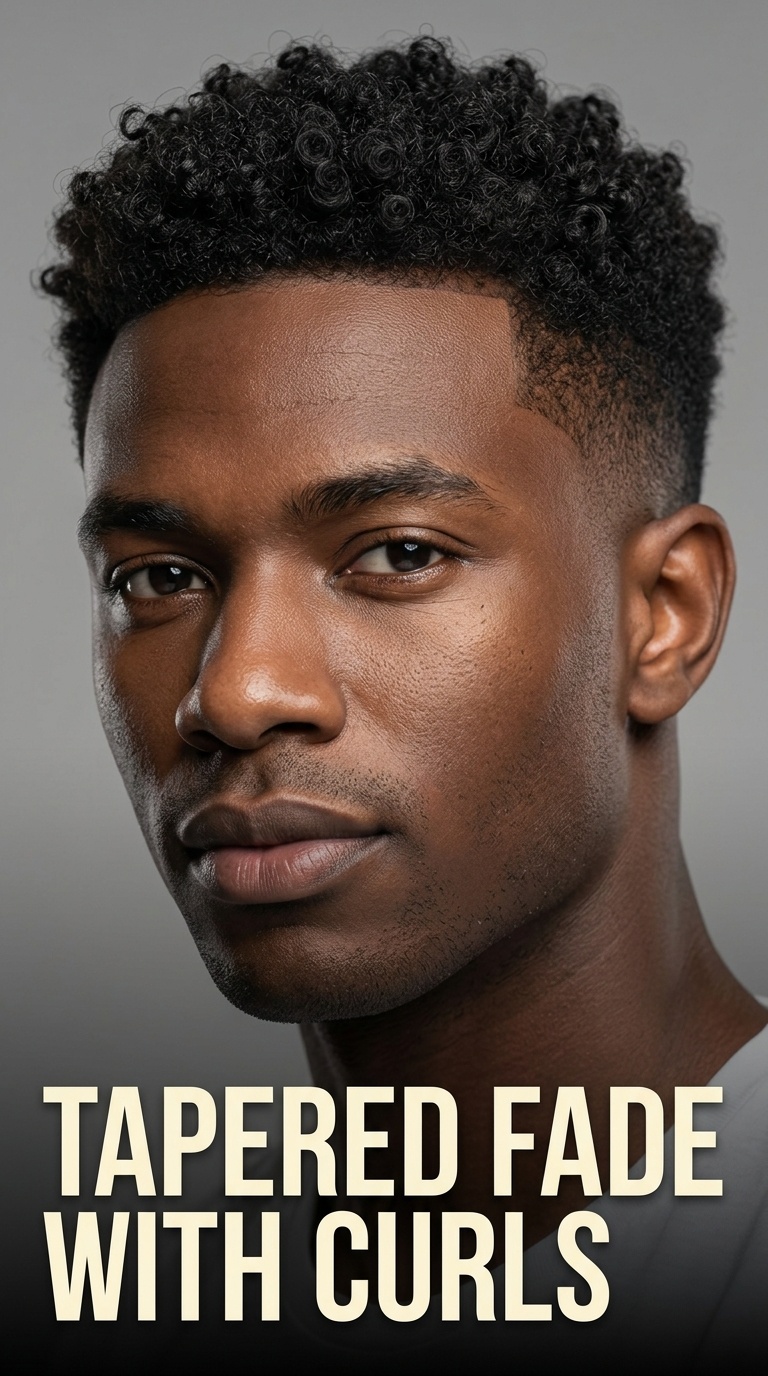
A tapered fade involves cutting the hair very short around the ears and neck, gradually getting longer as you move toward the crown. This provides a very clean and masculine-leaning or edgy-feminine look. It puts the entire focus on the definition of the curls on top of the head.
The fade creates a high-contrast look that makes the curls appear even more defined than they are. With no hair on the sides to compete with, the top section becomes the star of the show. It is an excellent choice for those who want a sharp, groomed appearance.
Styling this cut is incredibly fast. Simply apply a curl cream or gel to the damp top section and let it air dry or use a small diffuser. The faded sides require regular trips to the barber or stylist to keep the transition looking sharp and fresh.
More Amazing Ideas
 17 Hairstyles for Frizzy Hair with Shape, Texture and Movement — Read more
 19 Layered Bob Hairstyles for Black Women with Shape and Movement — Read more
 18 Curl Hairstyles for Long Hair with Volume, Definition and Movement — Read more
 17 Beaded Hairstyles for Kids with Natural Hair and Creative Details — Read more
 18 Bob Hairstyles for Black Women with Shape and Texture — Read more
16. Bottleneck Layers
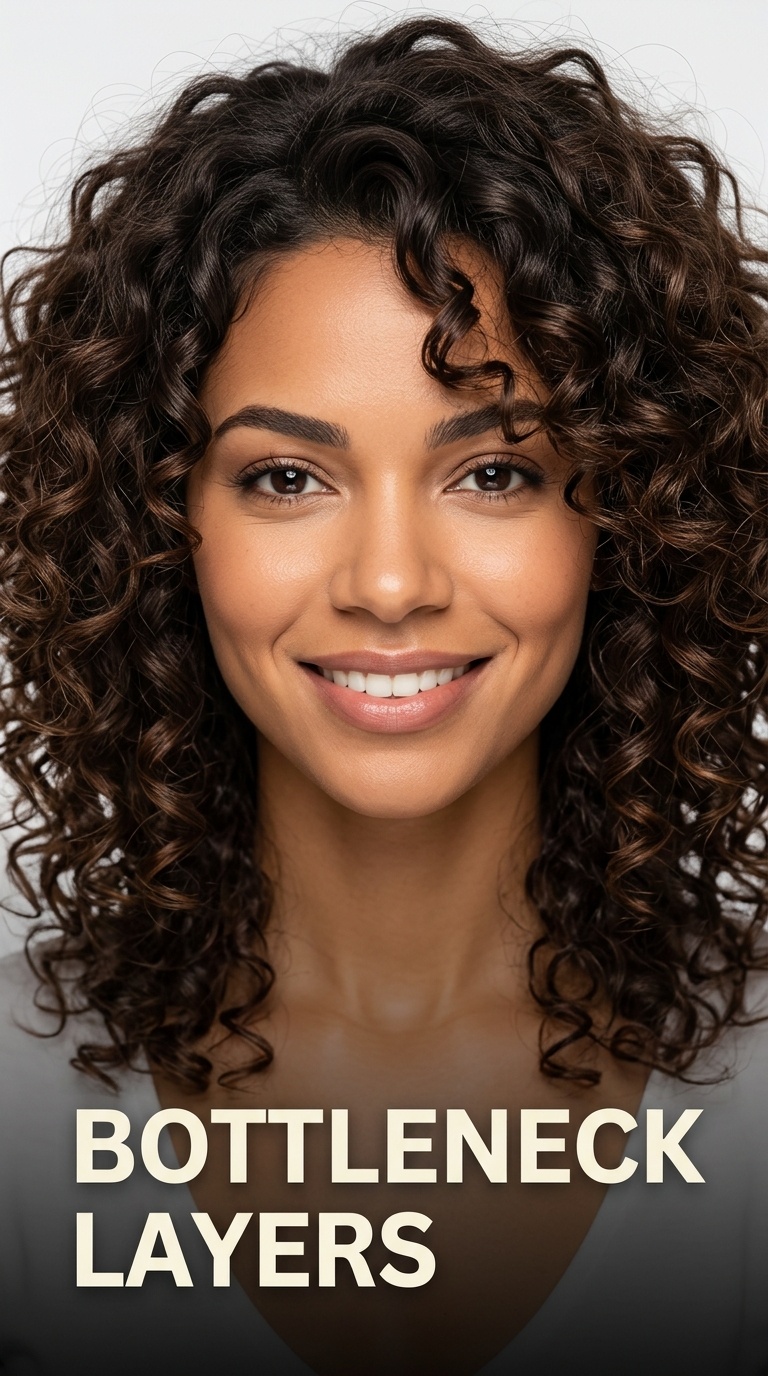
Bottleneck layers are a specific type of face-framing layer that starts narrow at the eyes and widens out at the jawline. This mimics the shape of a bottleneck and is incredibly effective at adding definition to the face-framing curls. It prevents the hair from looking flat against the head.
These layers work by breaking up the mass of hair around the face, allowing individual curls to pop out and shine. It adds a lot of “airiness” to the style, making it feel lighter and more modern. It is a great middle ground for those who aren’t ready for a full shag.
To style bottleneck layers, use your fingers to coil the curls away from your face while they are wet. This encourages the “bottleneck” shape to hold as it dries. It is a sophisticated way to add shape to long or medium-length curly hair.
17. Face-Framing Tendrils
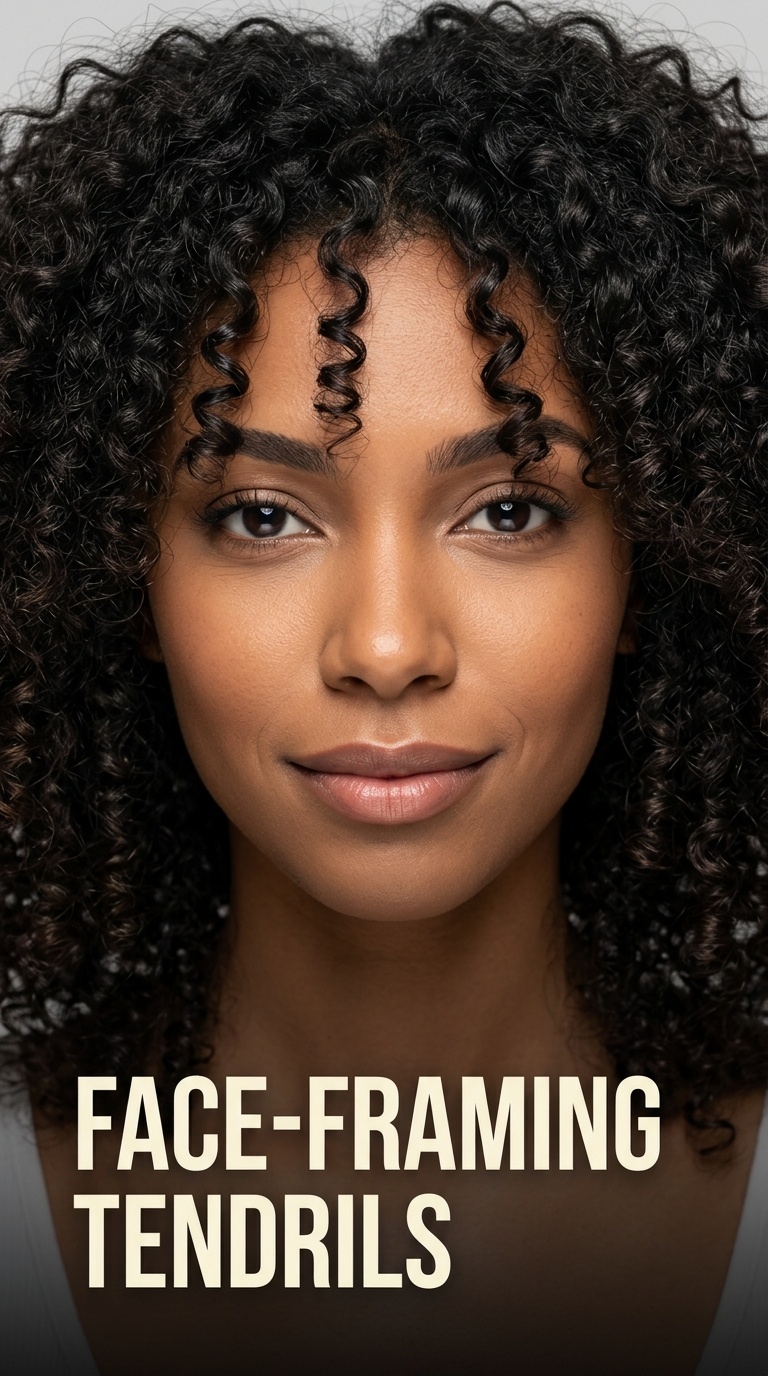
Face-framing tendrils are essentially very intentional, thin layers cut around the perimeter of the face. They are designed to “hang” beautifully, even when the rest of the hair is pulled back. This adds a soft, romantic touch to any curly hairstyle and ensures your face is never “lost” in the hair.
The definition of these tendrils is crucial, as they are the most visible part of the hair. Stylists often cut these while the hair is dry to ensure they land exactly at the cheekbone or jawline. They provide a delicate frame that enhances the eyes and mouth.
When styling, give these front pieces a little extra TLC. A tiny bit of extra gel or a quick finger-coil will ensure they stay defined all day. This is a great “add-on” to any of the other cuts on this list for an extra dose of style.
18. Blown-Out Layers (Internal Thinning)
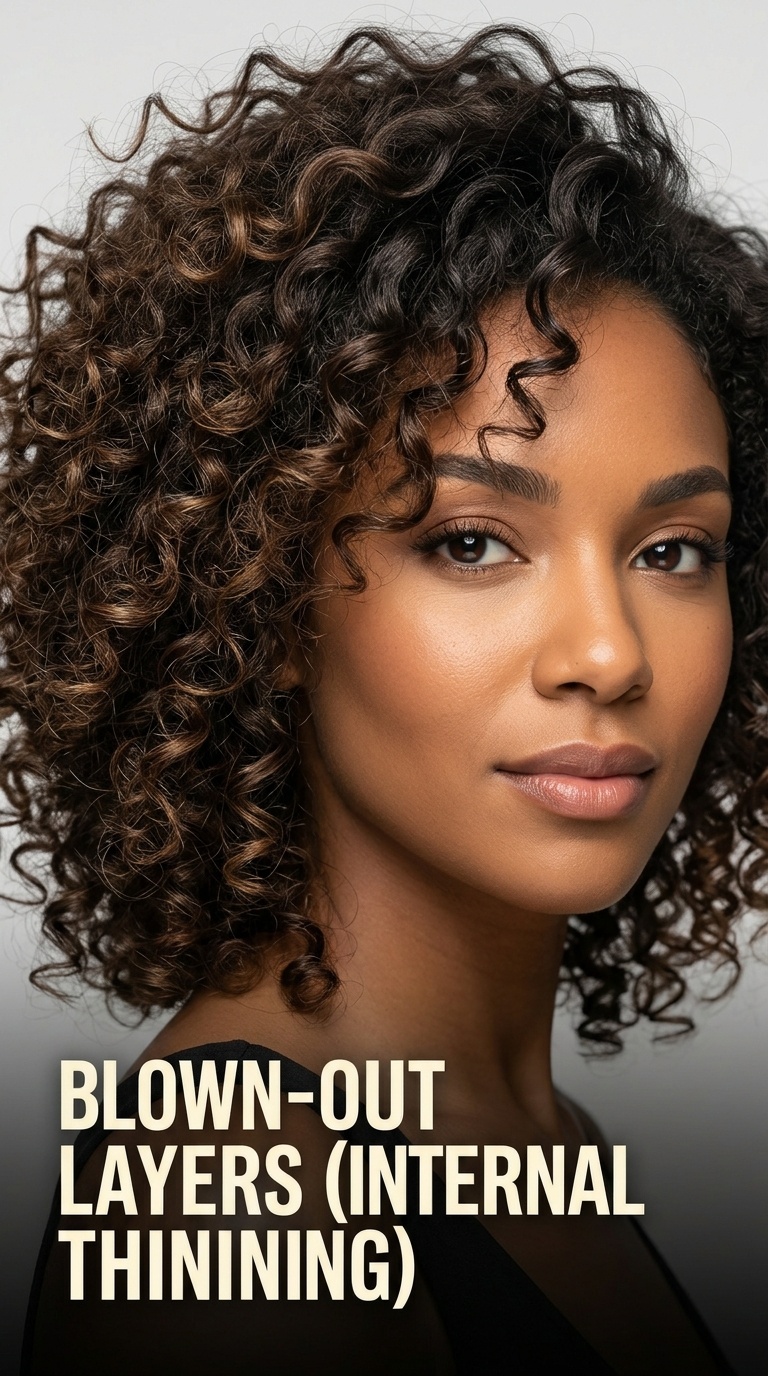
Internal thinning, or “blown-out” layers, is a technique where the stylist removes weight from the inside of the hair without changing the external length. This is a secret weapon for those with extremely thick, dense curly hair. It creates “pockets” of space for the curls to live in.
By removing the hidden bulk, the curls have more room to spiral and define themselves. Without this internal space, curls often mash together into a single, frizzy mass. This technique provides a structured shape that looks “big” but feels light.
This is a technical cut that requires a skilled stylist who understands curly hair density. When done correctly, it makes the hair much easier to wash, dry, and style. It’s the perfect solution for the person who loves their long hair but hates how heavy it feels.
19. The Diamond Cut
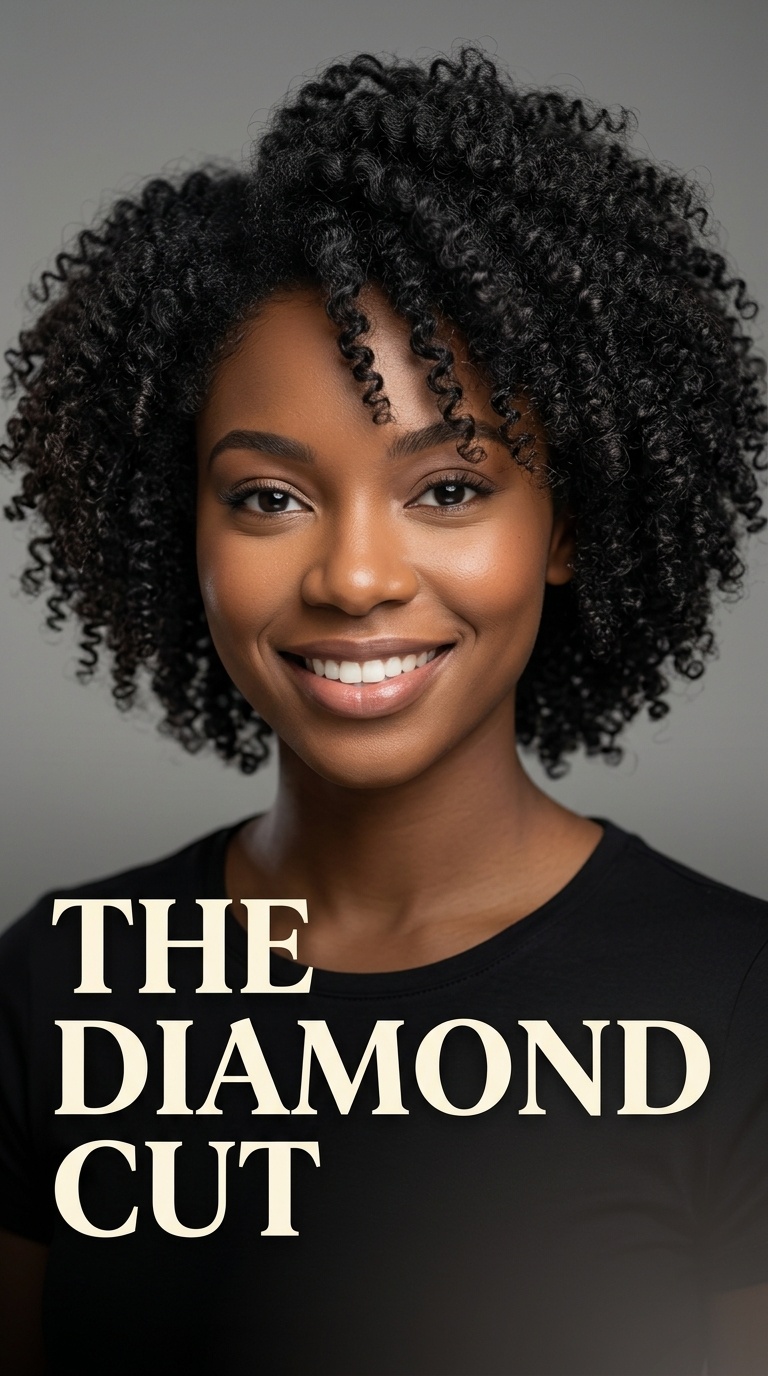
The diamond cut is a geometric approach to curly hair where the volume is concentrated at the cheekbone level, narrowing at the top and bottom. This creates a diamond silhouette that is incredibly striking and high-fashion. It is a masterful way to play with the natural “width” of curly hair.
More Amazing Ideas
 17 Choppy Bob Hairstyles for Fine Hair with Texture and Movement — Read more
 18 Hairstyles for Straight Hair with Layers, Length and Texture — Read more
 18 Hairstyles for Shoulder Length Hair with Layers and Texture — Read more
 16 Curl Hairstyles for Medium Hair with Layers and Movement — Read more
 18 Medium Hairstyles for Men with Layers, Texture and Shape — Read more
This cut provides amazing definition because it requires the curls to be stacked in a very specific way. The layers are precision-cut to ensure the widest part of the “diamond” stays consistent. It is a bold look that works particularly well for medium-to-tight curl patterns.
To style a diamond cut, focus on side-volume. Use a volume-enhancing spray at the mid-lengths rather than the roots. This ensures the widest part of the diamond remains full and defined, creating a look that is truly a work of art.
How often should I trim my curly hair to maintain its shape?
To keep a defined shape, you should generally trim curly hair every 8 to 12 weeks. Because curly hair doesn’t show length as quickly as straight hair, you can sometimes go longer, but the ends may begin to lose their definition and start to frizz. Regular “dustings” help maintain the silhouette of your specific cut.
Is it better to cut curly hair wet or dry?
Most curly hair specialists prefer cutting hair dry. This is because curls have a “spring factor” that varies from one curl to the next. Cutting dry allows the stylist to see exactly where each curl will live, preventing the hair from ending up much shorter than intended once it dries.
How can I get more definition in my curls after a haircut?
The key to definition is moisture and product application technique. Apply your stylers to soaking wet hair to “lock in” the curl clumps before they have a chance to frizz. Using a styling brush or finger-coiling individual sections can also significantly enhance the definition provided by your new cut.
What is the best way to sleep with curly hair to preserve the cut’s shape?
The “pineapple” method is the most popular way to preserve a curly cut. Simply gather your hair loosely at the very top of your head with a silk or satin scrunchie. Sleeping on a silk or satin pillowcase also reduces friction, which prevents the curls from deforming and losing their shape overnight.
Can layers help reduce “triangle hair”?
Yes, layers are the primary solution for the “triangle hair” or “pyramid” effect. By adding layers, the stylist removes the weight that pulls curls flat at the top and causes them to bulk out at the bottom. This redistributes the volume for a more balanced and flattering shape.
How do I maintain the shape of my curls between salon visits?
Maintenance involves a balance of hydration and protein to keep the curls’ elasticity high. Use deep conditioning treatments weekly and avoid heavy silicones that can weigh the shape down. If a few pieces lose their shape, you can “reset” them by misting with water and reapplying a tiny amount of gel.