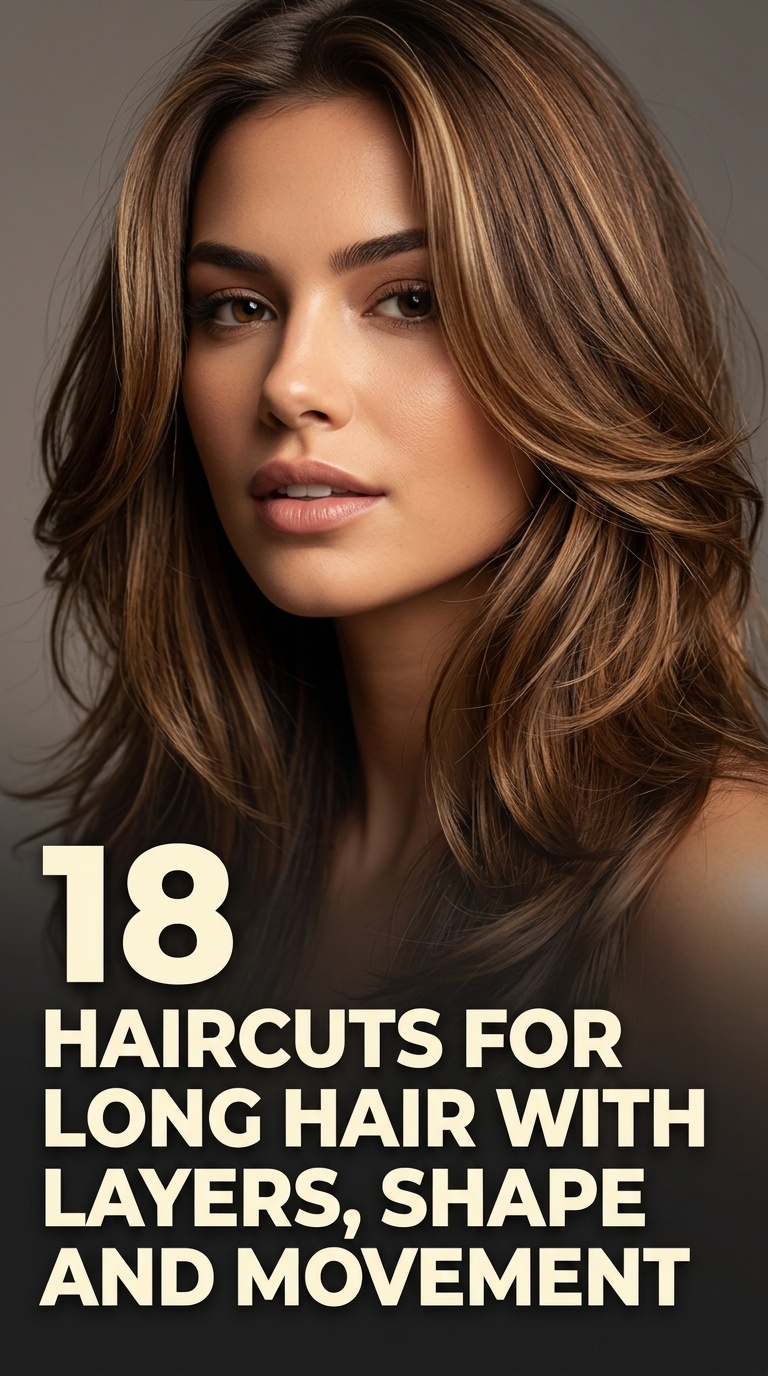
Long hair is a timeless canvas for personal style. Without the right structure, however, length can often feel heavy and lifeless.
Strategic layers provide the solution. They breathe life back into long tresses by adding essential shape, volume, and fluid movement.
Whether you prefer subtle texture or dramatic shifts, layering transforms your look. It removes bulk while highlighting your facial features.
Explore these top styles designed to revitalize your long hair. Discover how shape and movement can redefine your signature aesthetic.
1. The Butterfly Cut
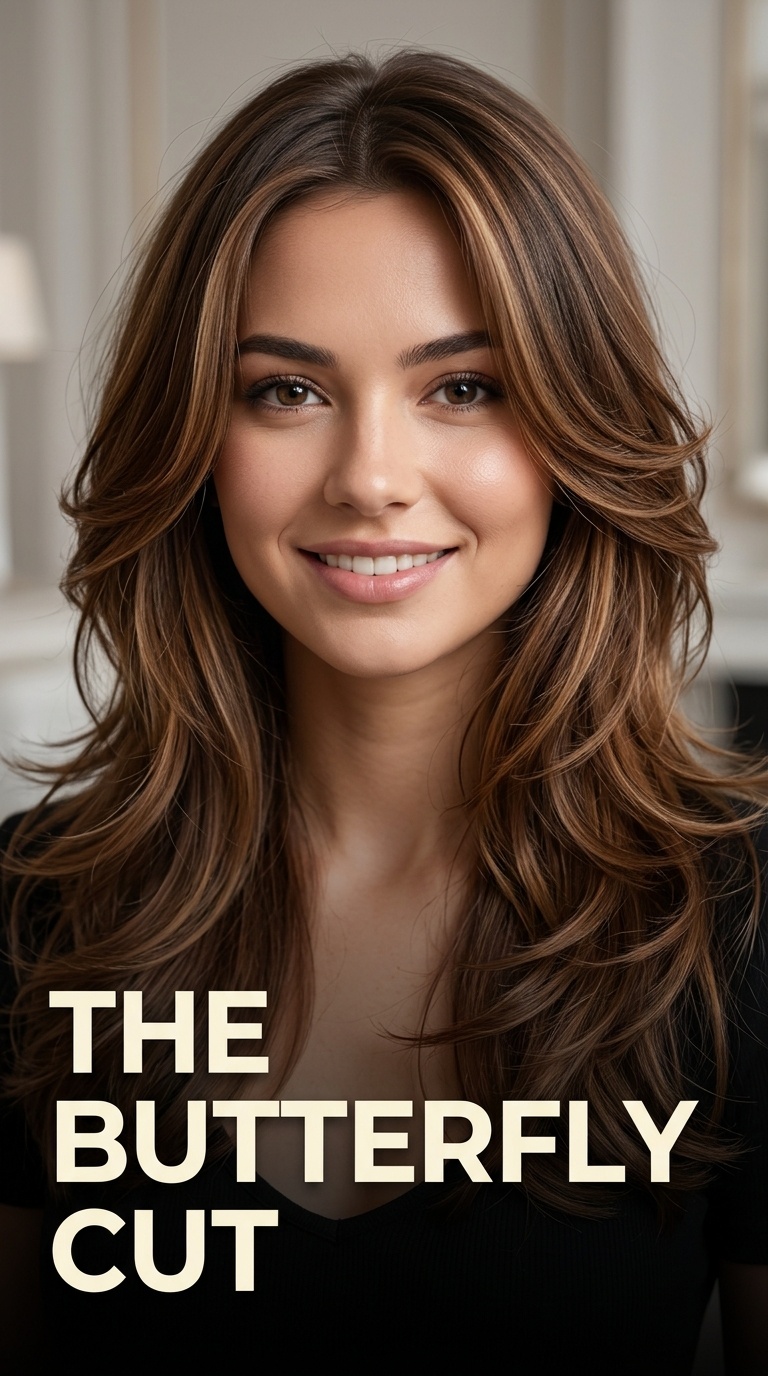
The butterfly cut features short layers around the crown. These layers blend seamlessly into longer lengths below, creating a multi-dimensional effect.
This style creates the illusion of a shorter haircut while maintaining your overall length. It adds incredible bounce and a soft, fluttering movement to the hair.
It is perfect for those seeking maximum volume without committing to a full chop. The movement mimics the graceful fluttering of a butterfly’s wings.
2. Long V-Cut Layers
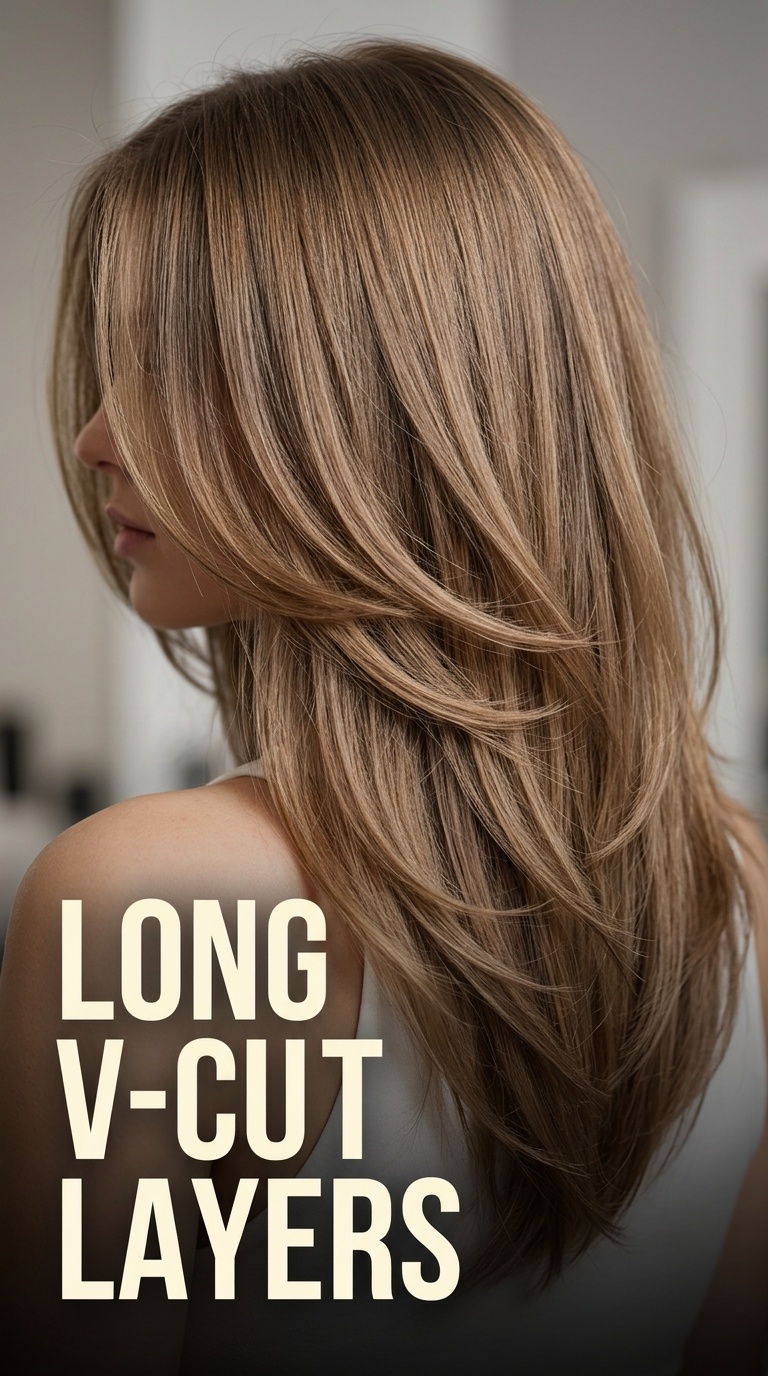
The V-cut is a dramatic choice for those who love length. The hair tapers into a sharp, distinct point in the center of the back.
This shape draws the eye downward, emphasizing the hair’s verticality. Layers are typically concentrated toward the ends to keep the silhouette sleek and polished.
It removes weight from the sides while maintaining a heavy look at the base. Movement is concentrated at the tips, providing a sharp and intentional finish.
3. The Modern Shag
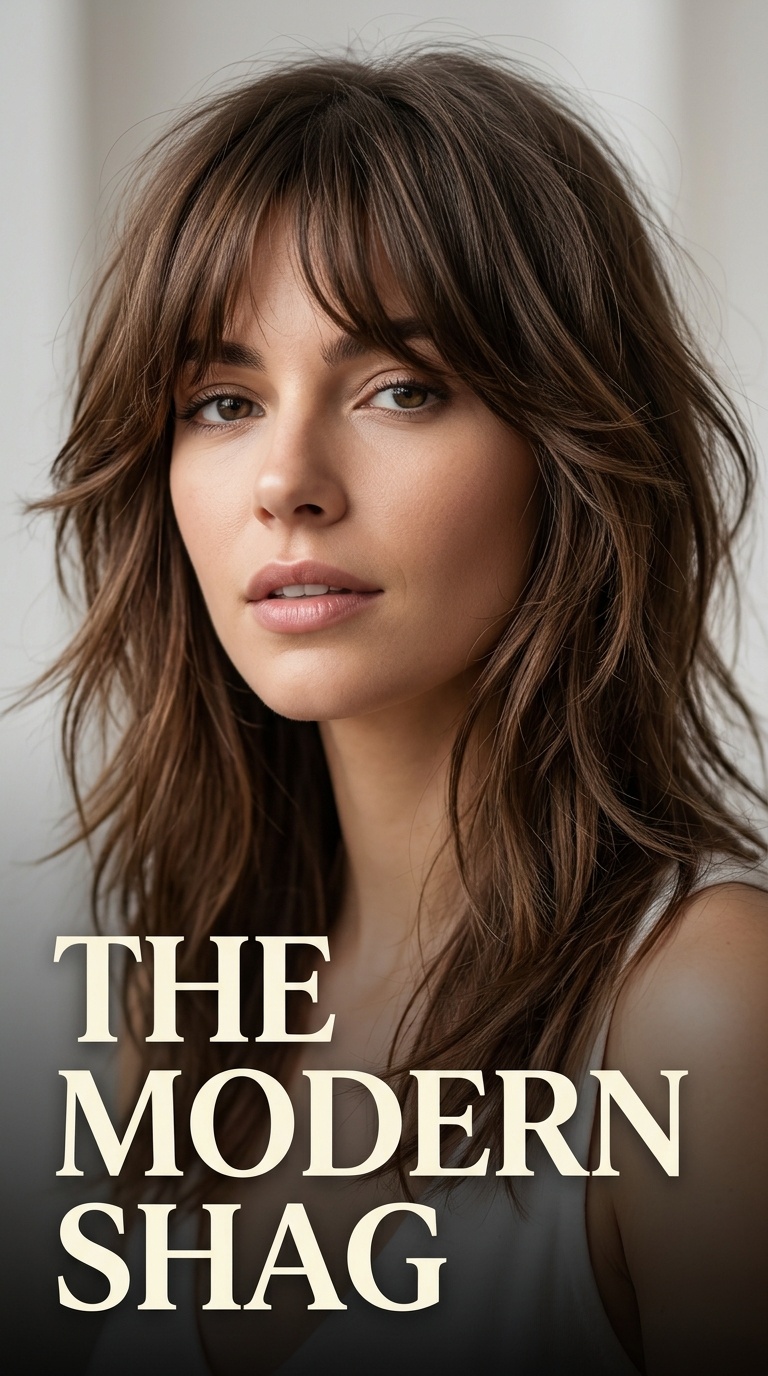
The modern shag is defined by its choppy texture and heavy crown layers. It utilizes short, irregular snips to create a rebellious and lived-in aesthetic.
More Amazing Ideas
 18 Haircuts for Long Thick Hair with Layers, Shape and Movement — Read more
 16 Summer Haircuts for Long Hair with Layers and Movement — Read more
 19 Bob Hairstyles for Fine Hair with Layers, Shape and Movement — Read more
 18 Hairstyles for Long Straight Hair with Layers and Movement — Read more
 16 Short Hairstyles for Thick Hair with Layers, Shape and Movement — Read more
This look works exceptionally well for hair with natural waves or curls. It encourages the hair to expand outward rather than just hanging flat.
Movement is erratic and effortless with this cut. It adds a vibrant energy to long, heavy strands that might otherwise feel stagnant.
4. Internal Ghost Layers
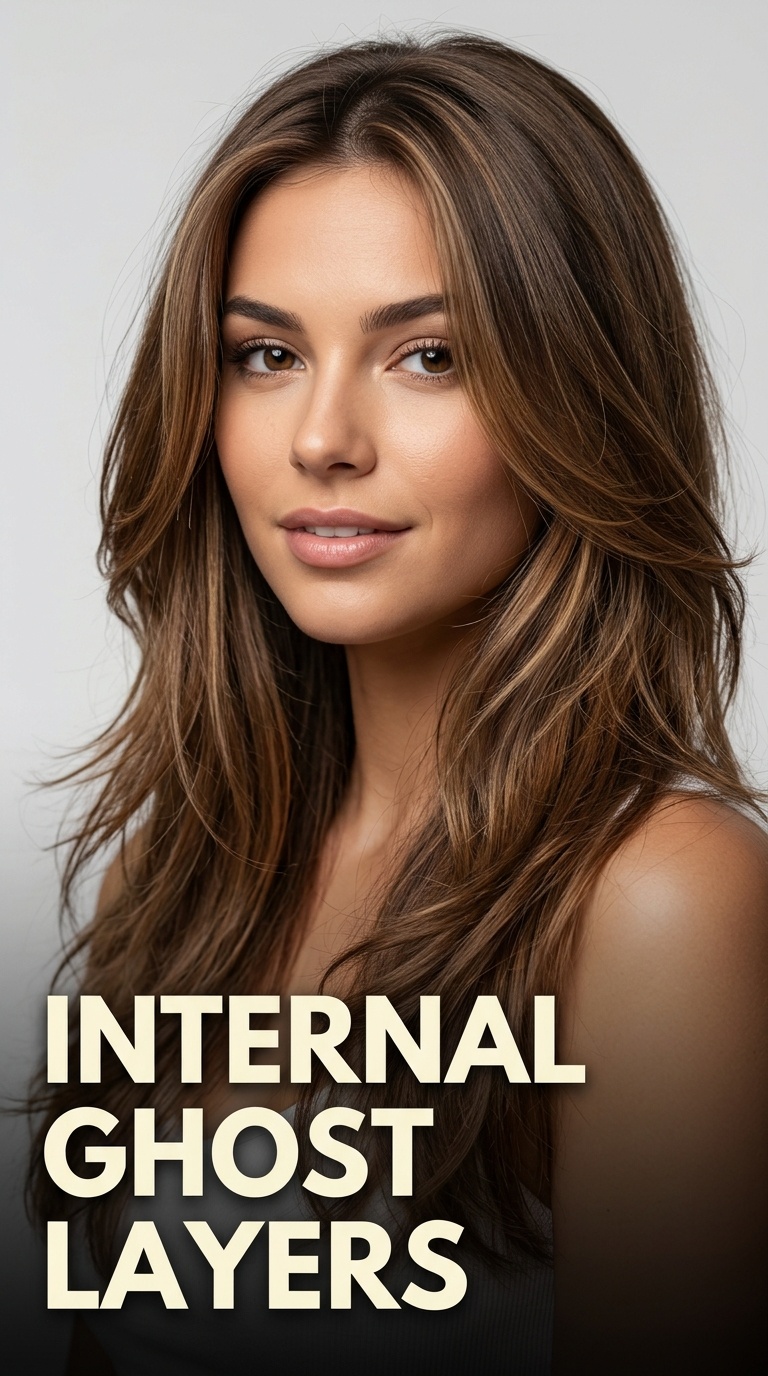
Ghost layers are a subsurface cutting technique designed for subtlety. They are cut shorter underneath the top section of hair to provide hidden support.
This method adds significant movement without the appearance of visible, “step-like” layers. It is ideal for maintaining a blunt-cut look while gaining interior swing.
The result is a haircut that feels light and airy. It allows the hair to move more freely as you walk without losing its thick, uniform appearance.
5. Soft U-Shape Silhouette
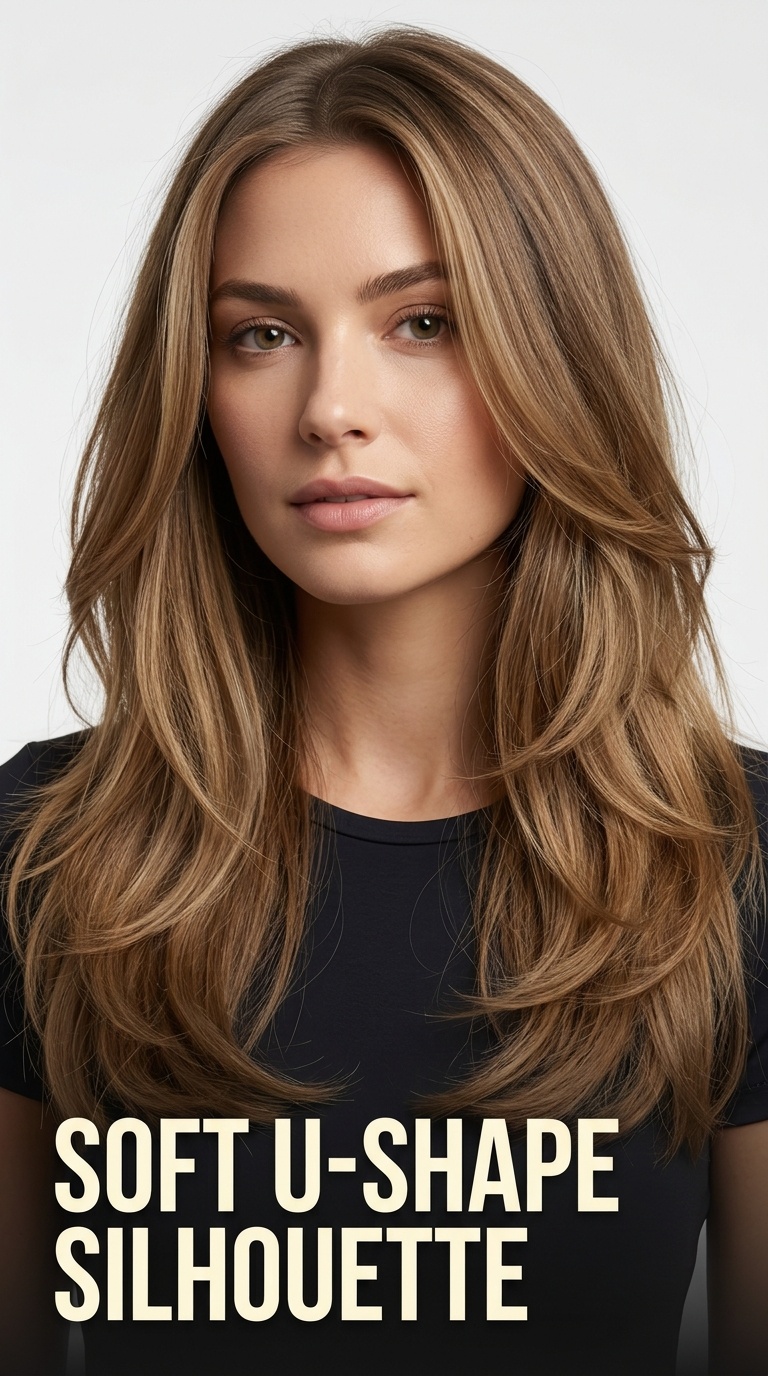
The U-shape cut offers a gentler alternative to the sharp V-cut. The hair is rounded off at the bottom, creating a soft, curved perimeter.
This shape allows for versatile layering that flows naturally around the shoulders. It frames the torso beautifully and prevents the hair from looking “stringy” at the ends.
Movement is consistent and fluid throughout the back. It provides a classic, feminine look that works for almost any hair texture or density.
6. Feathered Face-Framing Layers
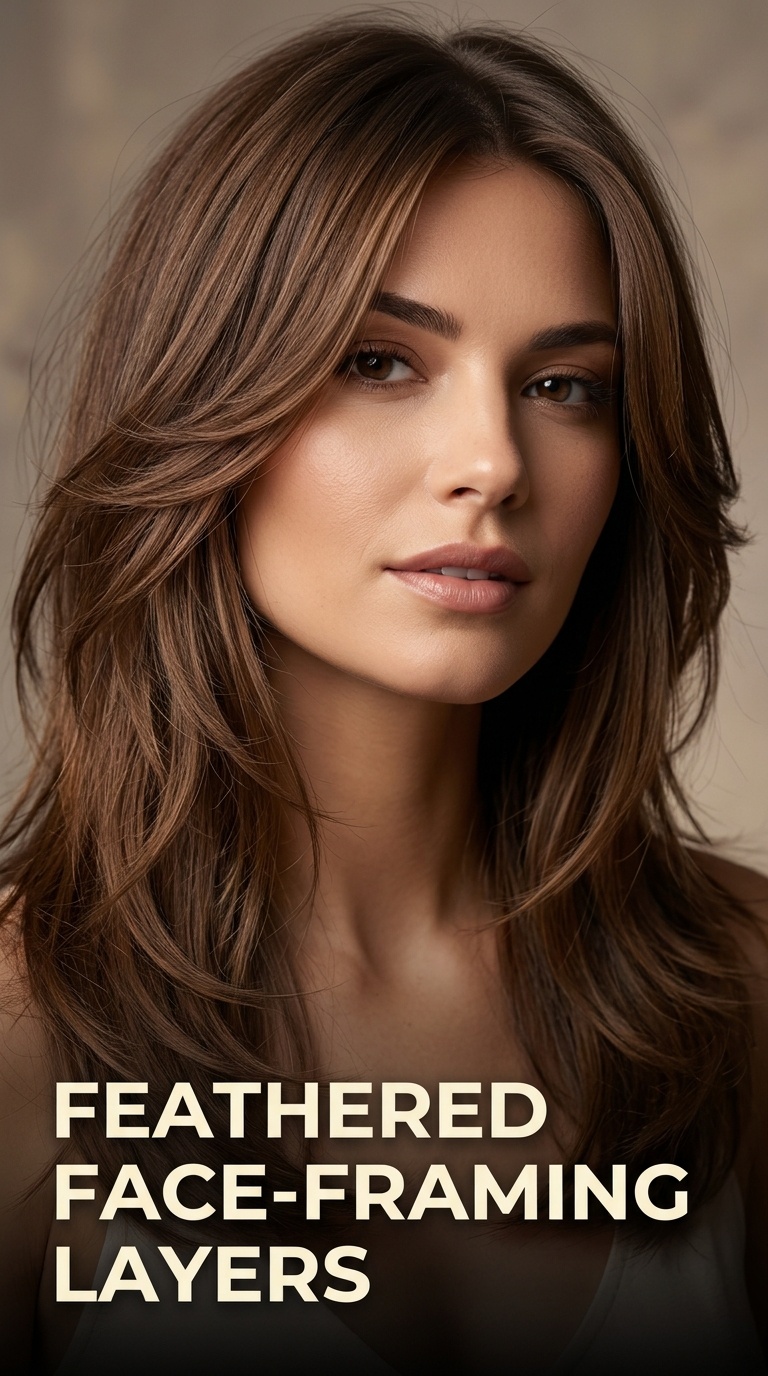
Feathering focuses on the hair immediately surrounding the face. These layers are cut at an angle to sweep away from the eyes and cheekbones.
This technique creates a light, airy texture that adds immediate shape to the front profile. It prevents the hair from hiding the face under too much weight.
More Amazing Ideas
 17 Prom Haircuts for Short Hair with Texture and Modern Shape — Read more
 17 Haircuts for Medium Hair with Versatile Shapes and Layers — Read more
 19 Hairstyles for Thick Hair with Shape, Volume and Movement — Read more
 19 Haircuts for Natural Curly Hair with Shape and Definition — Read more
 16 Curl Hairstyles for Medium Hair with Layers and Movement — Read more
The movement is soft and nostalgic, reminiscent of classic salon styles. It is a great way to experiment with layers without altering the back length.
7. Cascading Waterfall Layers
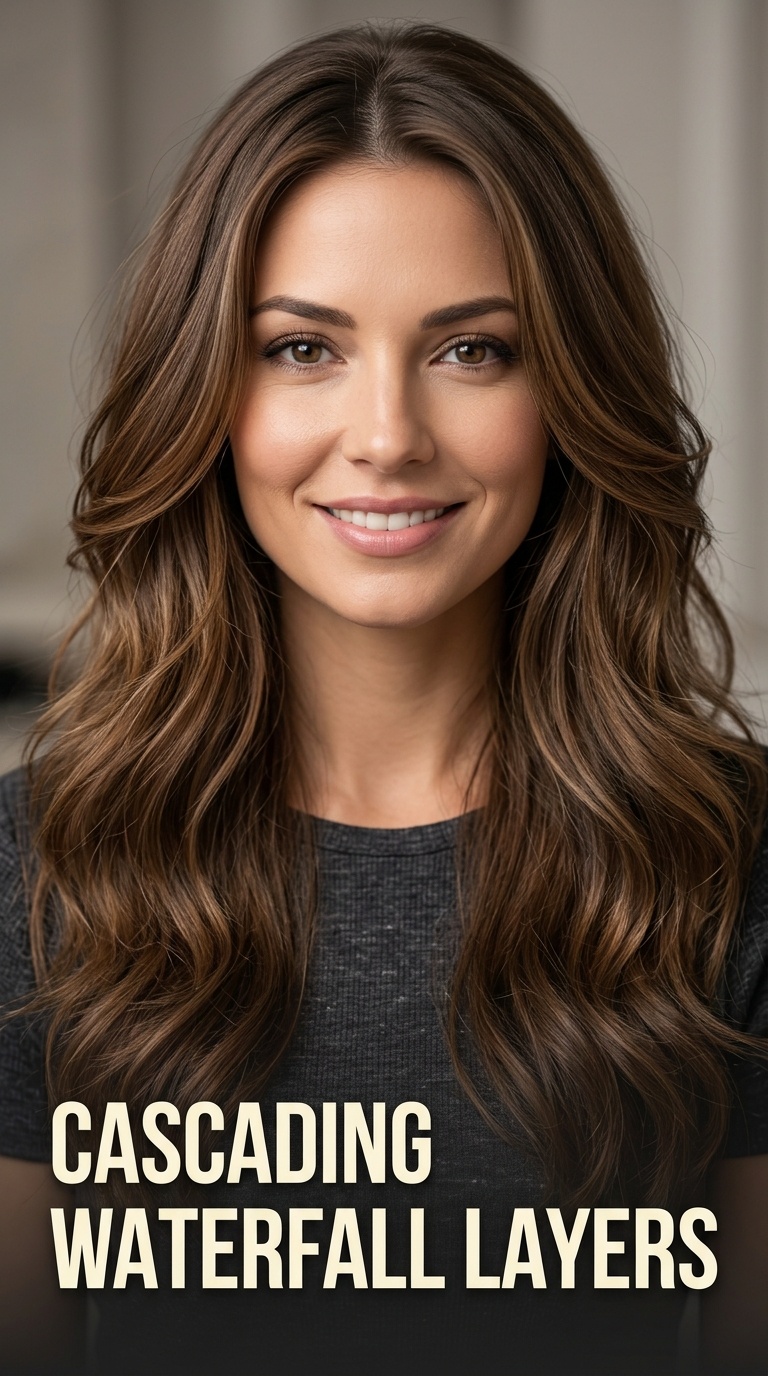
Waterfall layers consist of numerous tiers cut at varying lengths. Each layer flows into the next like a stream of water, creating a continuous descent.
This style is excellent for very long hair that needs a sense of direction. It prevents the “triangle hair” effect by distributing volume evenly from top to bottom.
The movement is incredibly fluid and rhythmic. As you move, each tier of hair catches the light and adds a sense of luxury to the style.
8. The 90s Bombshell Layering
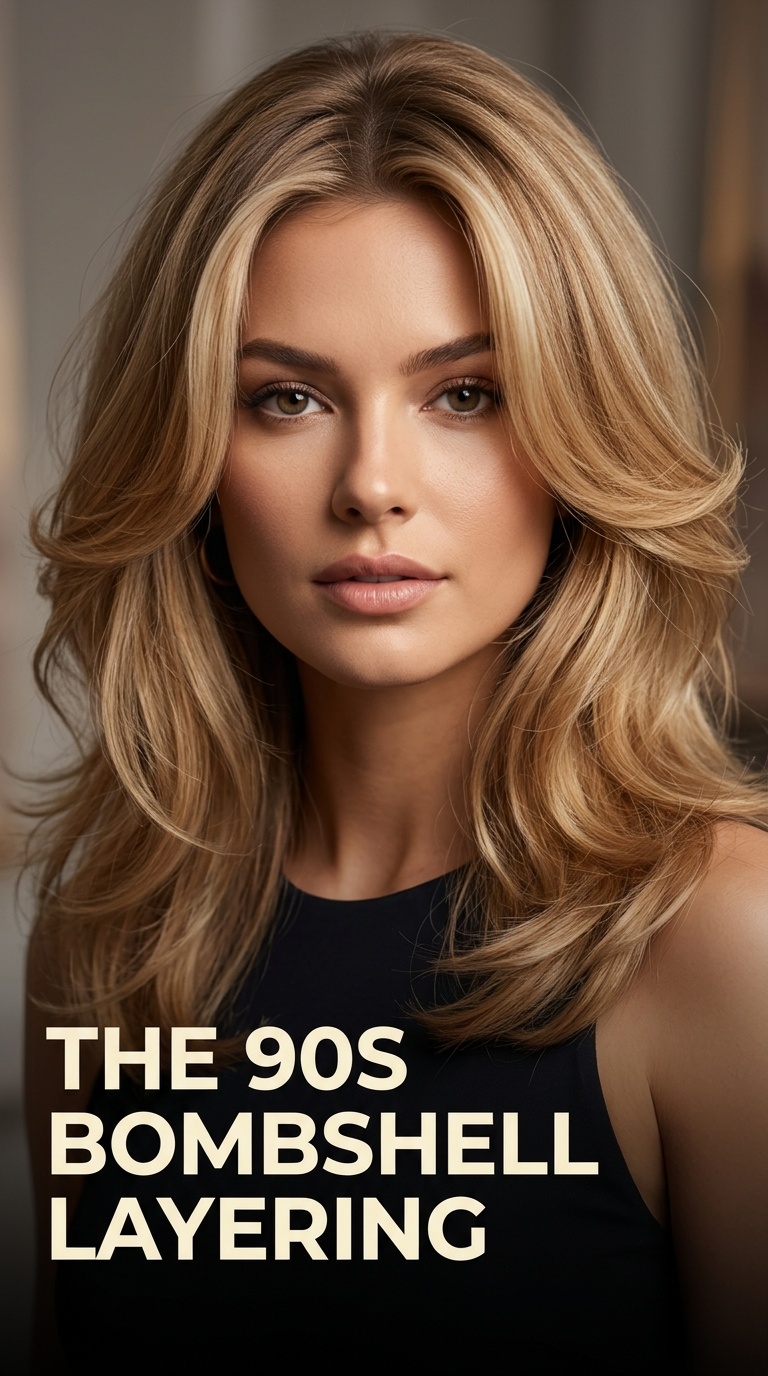
Inspired by iconic runway looks, this style focuses on large, rounded layers. It is designed specifically to hold a voluminous blowout with maximum lift.
The shape is full-bodied and bouncy, focusing on the mid-lengths and ends. It creates a glamorous silhouette that feels both polished and intentional.
Movement is the hallmark of this cut. Every turn of the head results in a slow, dramatic sway that emphasizes the hair’s health and shine.
9. Wispy Invisible Layers
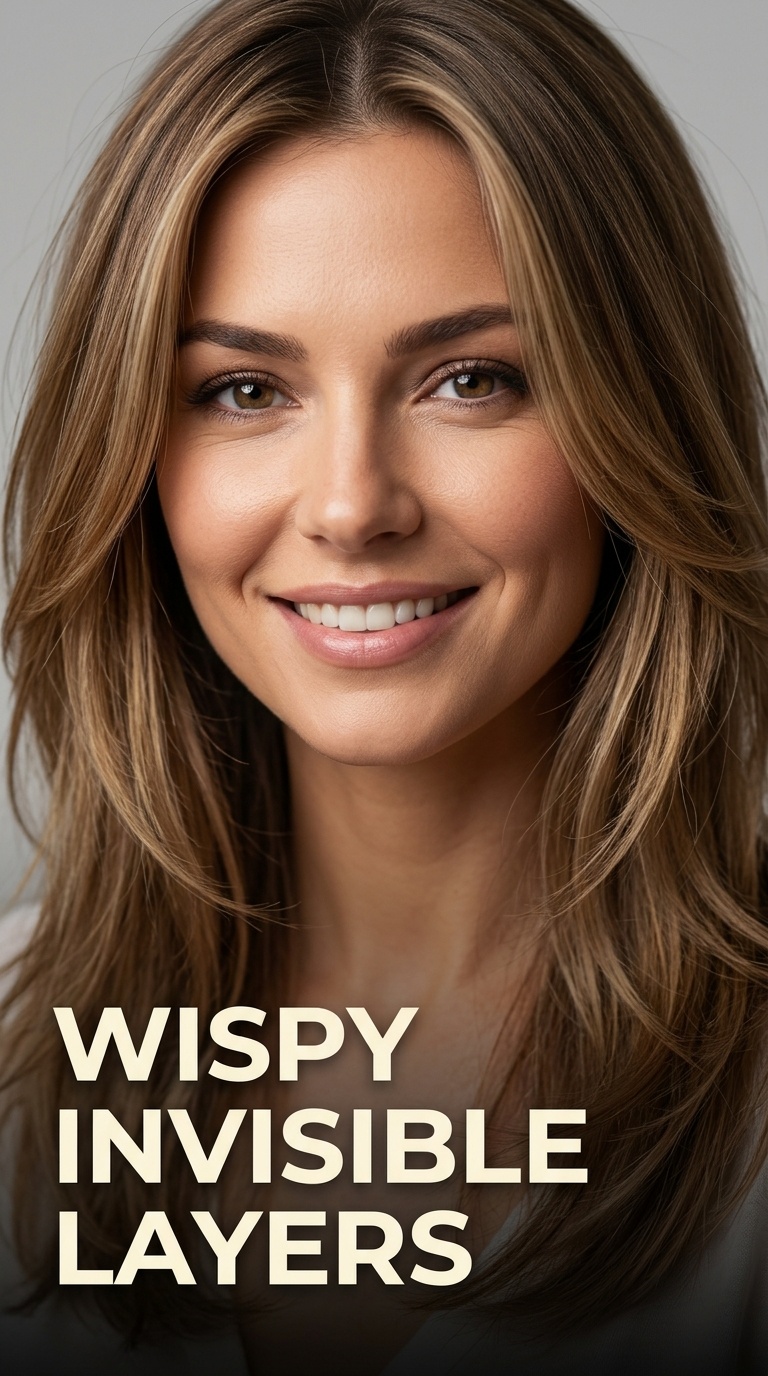
Wispy layers are cut extremely fine to create texture without obvious lines. This is a minimalist approach to layering that favors subtlety over drama.
These layers work well for those with fine hair who fear losing density. They add just enough shape to prevent the hair from looking flat against the head.
More Amazing Ideas
 19 Hairstyles for Wavy Hair with Layers, Texture and Movement — Read more
 17 Hairstyles for Frizzy Hair with Shape, Texture and Movement — Read more18 Hairstyles for Long Faces with Layers, Bangs and Balanced Shape — Read more
 19 Short Haircuts for Natural Hair with Shape, Texture and Definition — Read more
 19 Layered Hairstyles for Medium Length Hair with Movement and Shape — Read more
The movement is delicate and ethereal. It provides a “just-rolled-out-of-bed” elegance that looks modern and effortless in any setting.
10. Razor-Cut Textured Layers
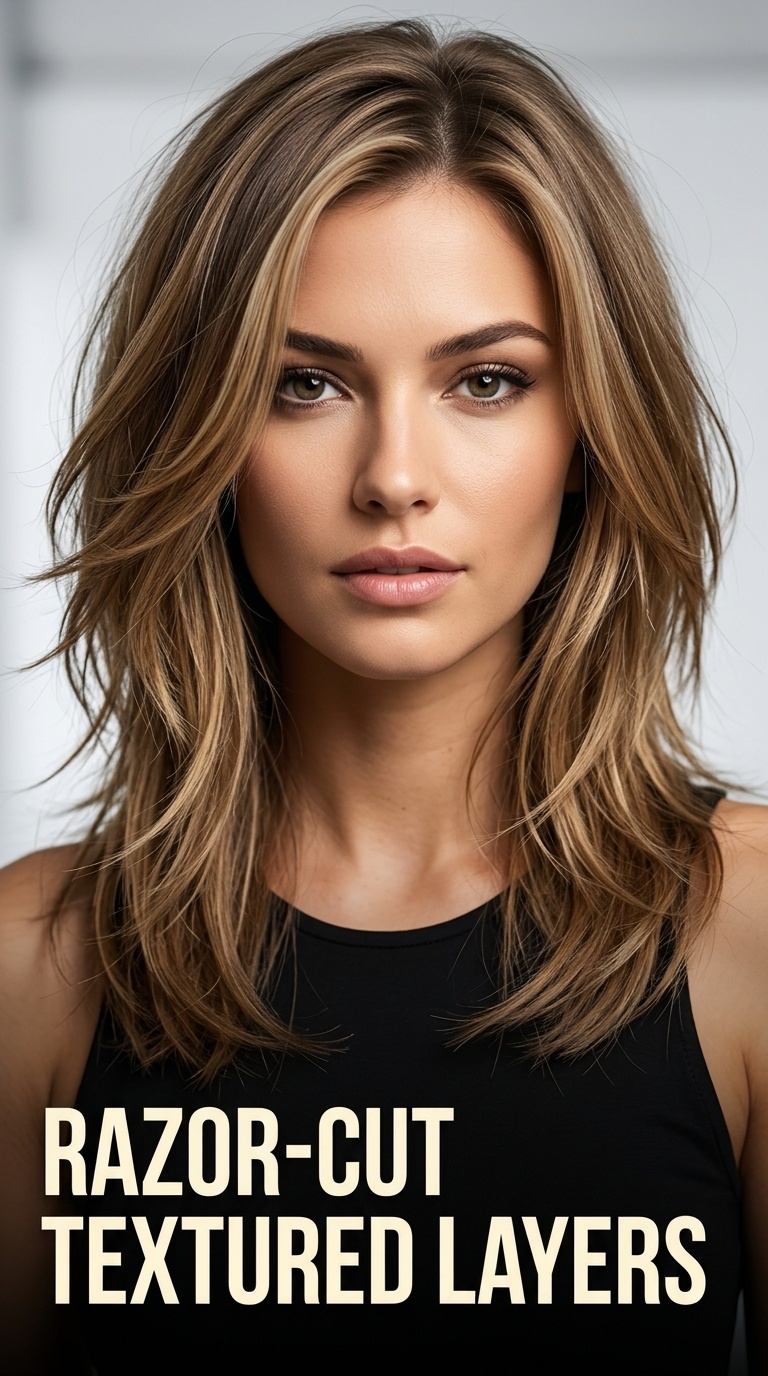
Using a razor instead of shears creates a different type of edge. The ends become tapered and slightly jagged, which enhances the hair’s natural movement.
This technique provides a more “deconstructed” shape compared to blunt cuts. It is perfect for removing bulk from extremely thick hair while adding a cool edge.
The movement is wispy and reactive. This cut responds well to texturizing sprays, allowing you to manipulate the shape easily throughout the day.
11. Tapered Round Layers
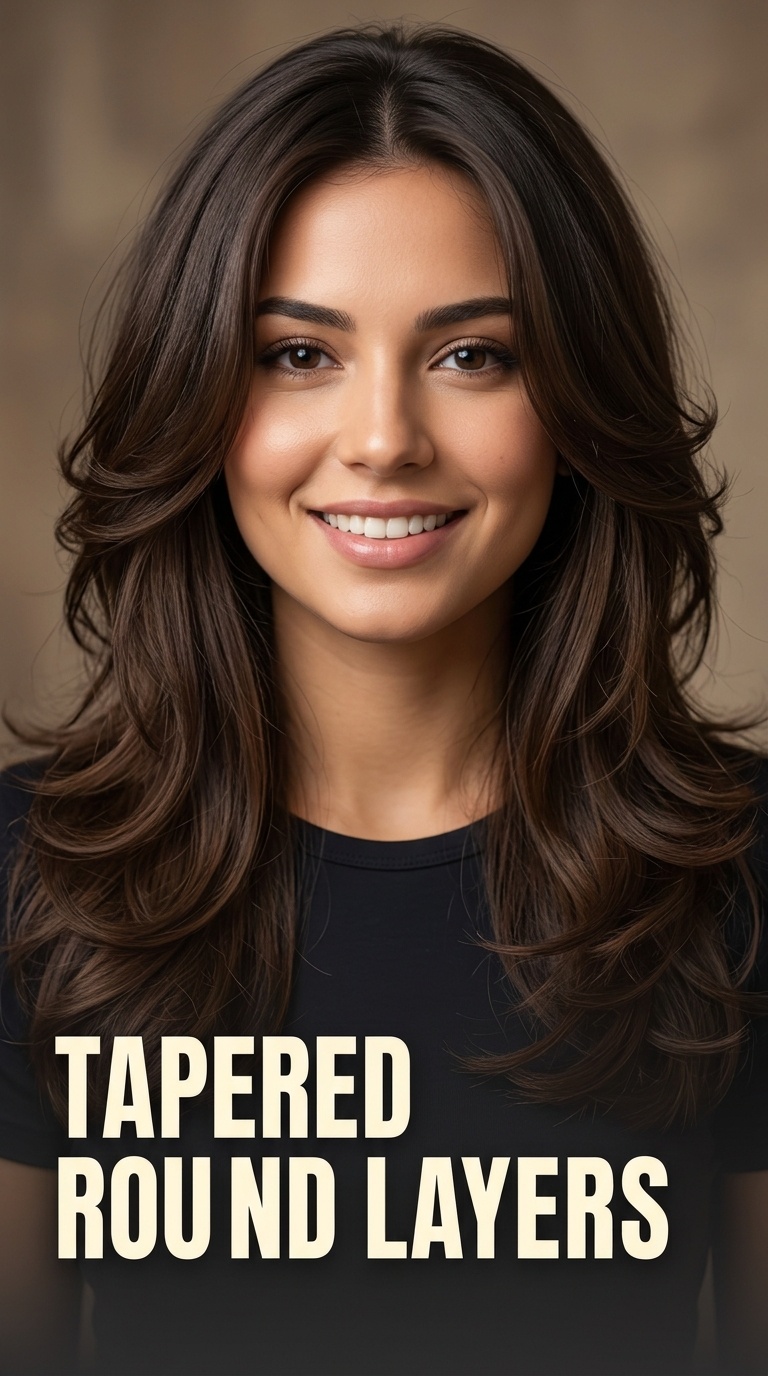
Tapered round layers focus on removing weight from the ends while keeping the middle full. The haircut follows the natural curve of the shoulders.
This shape is particularly flattering for those who want a softer look. It avoids harsh angles and instead embraces a circular, harmonious flow of hair.
Movement is concentrated in a “swinging” motion. The hair feels light at the bottom, allowing it to bounce off the shoulders with every step.
12. Curtain Bangs with Long Layers
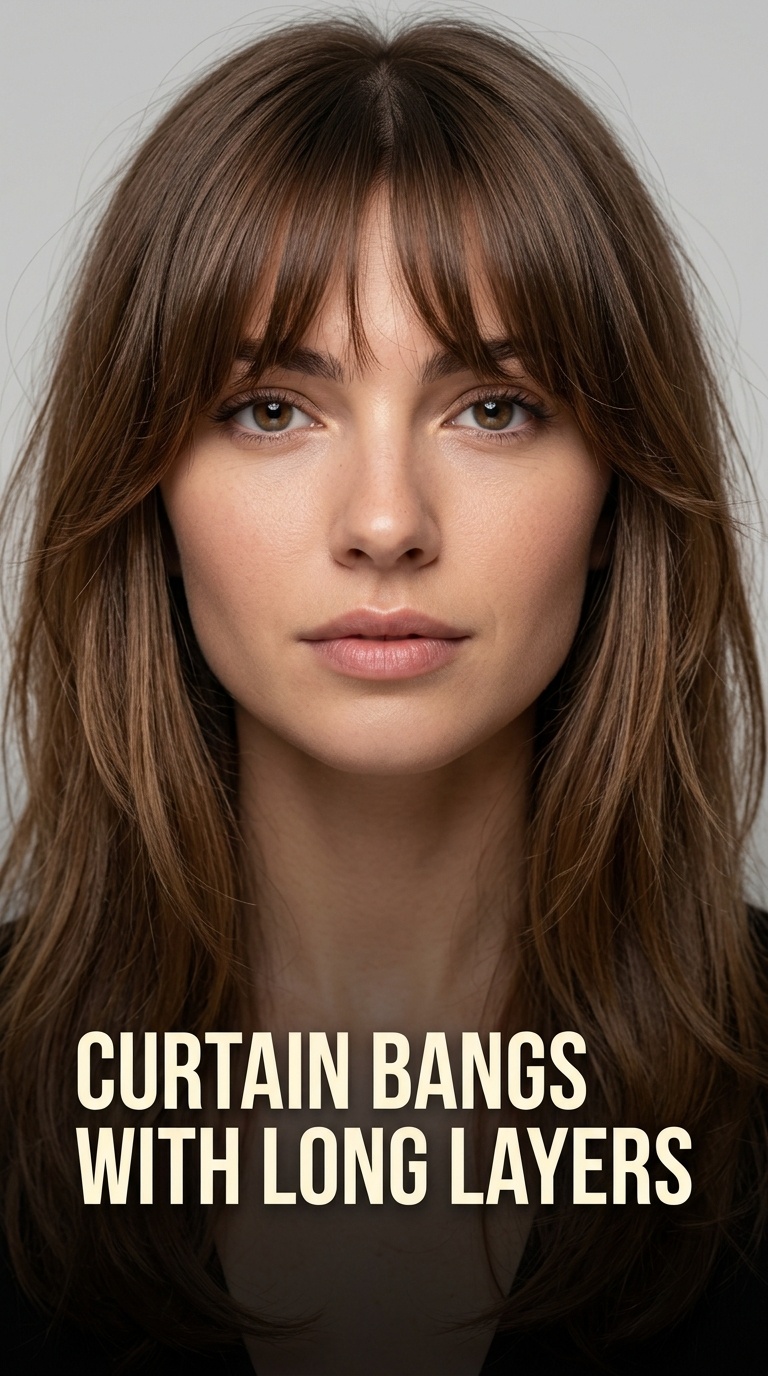
Curtain bangs are the ultimate partner for long layers. They blend seamlessly into the rest of the hair, creating a cohesive and framed appearance.
The bangs provide a focal point at the cheekbones or jawline. This adds immediate structure to the hair’s shape and prevents it from looking one-dimensional.
The movement is centered around the face, drawing attention to your features. It offers a romantic, effortless vibe that is easy to style daily.
More Amazing Ideas
 18 Wolf Cut Hairstyles with Shaggy Layers and Textured Movement — Read more
 16 Half-Up Hairstyles for Long Hair from Soft Waves to Braided Looks — Read more
 17 Wedding Hairstyles for Long Hair from Classic to Romantic — Read more
 17 Short Hairstyles for Women with Layers, Texture and Shape — Read more
 18 Hairstyles for Natural Hair with Texture, Shape and Variety — Read more
13. Dramatic Graduated Layers
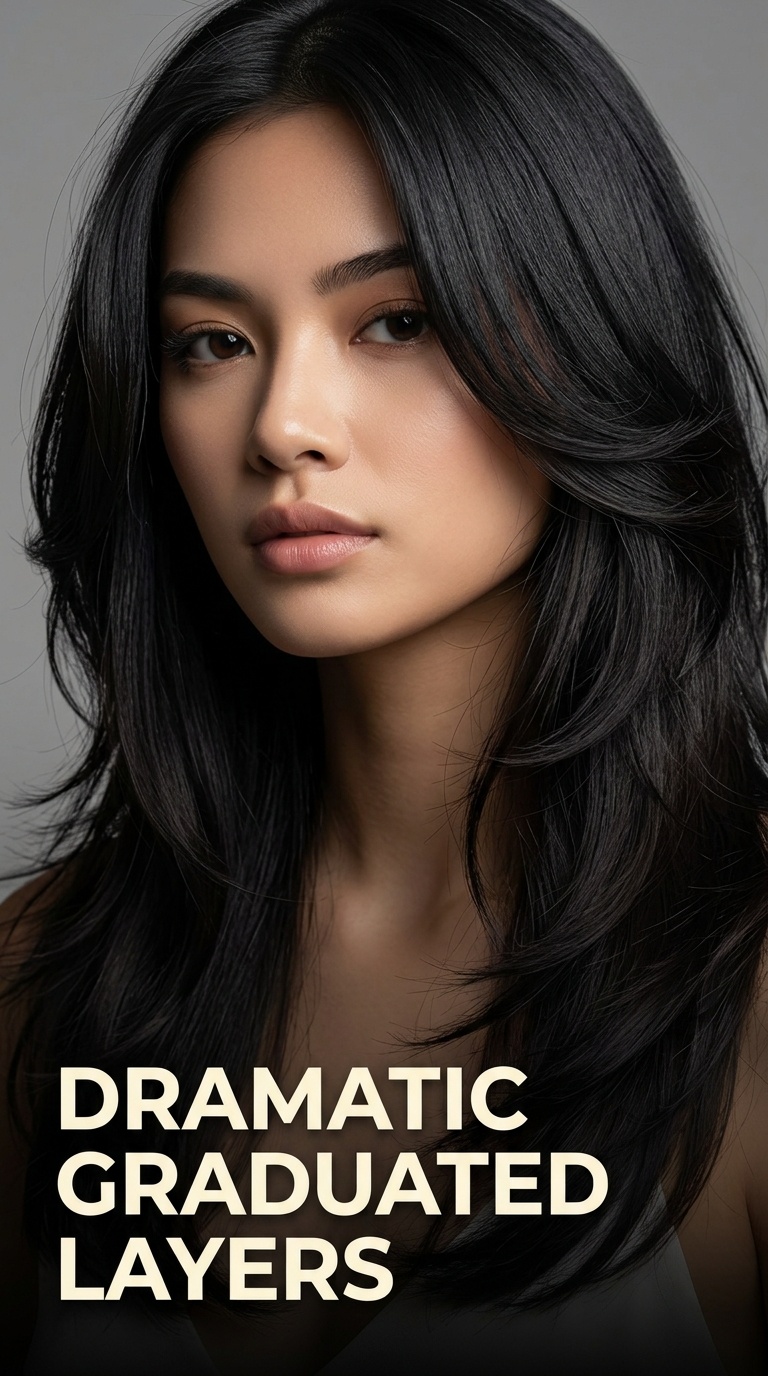
Graduated layers involve a significant difference between the shortest and longest pieces. This creates a bold, stair-step effect that is highly visible.
This shape is ideal for those who want their haircut to be noticed. It provides a structured, architectural feel to long hair that can be quite striking.
Movement is choppy and defined. Each layer acts independently, creating a dynamic look that changes depending on how the hair is tossed.
14. Piece-y Point-Cut Layers
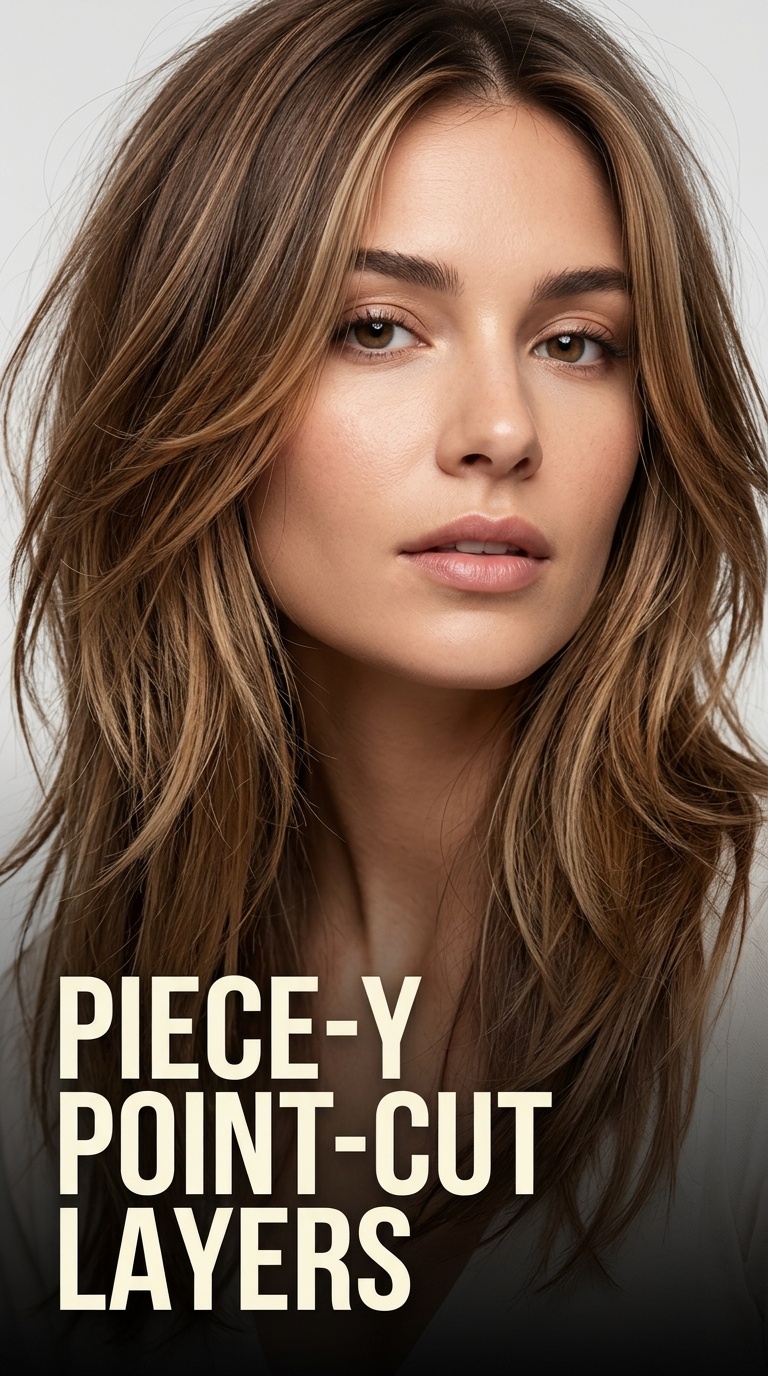
Point-cutting involves snipping into the ends of the hair vertically. This breaks up the solid line of a layer, making it look more “piece-y” and separated.
The resulting shape is textured and modern. It prevents the layers from looking too uniform or “done,” offering a contemporary twist on classic long hair.
Movement is light and airy at the tips. This technique is excellent for adding life to straight hair that usually lacks natural swing.
15. Bohemian Tousled Layers
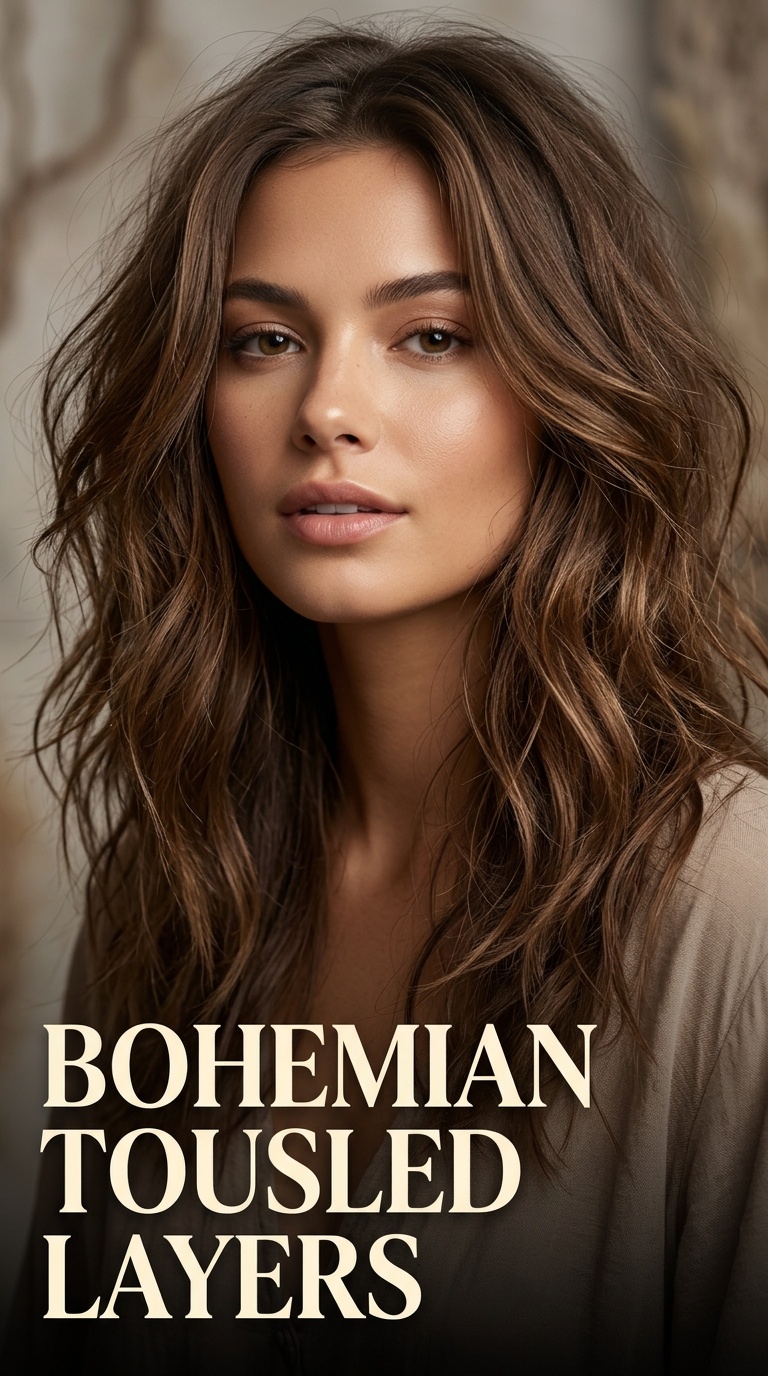
The bohemian look relies on long, uneven layers that mimic a natural growth pattern. It is designed to look best when air-dried or lightly waved.
The shape is relaxed and unstudied. It emphasizes the hair’s natural volume without the need for intense heat styling or heavy products.
The movement is soft and romantic. It embodies a free-spirited aesthetic where the hair moves gracefully in the wind without losing its form.
16. Sculpted Curly Layers
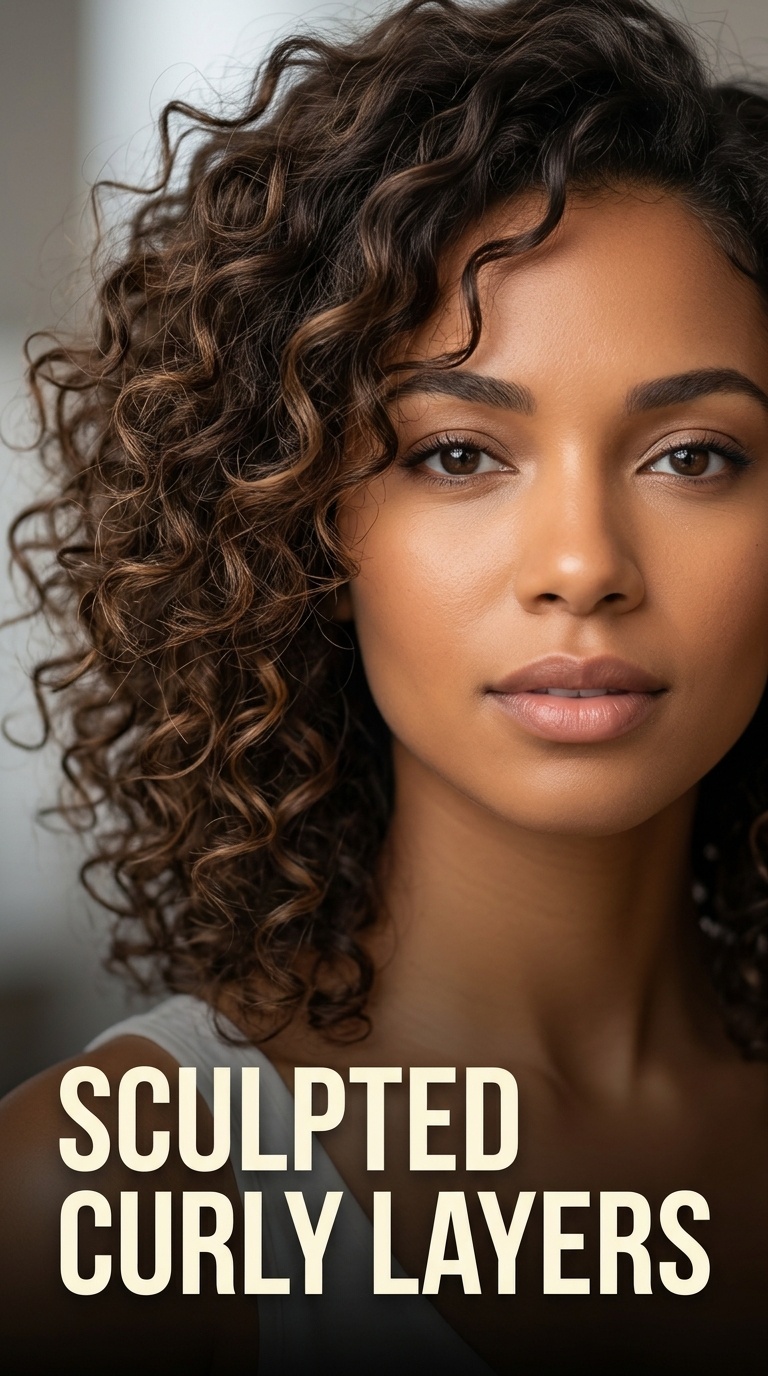
For those with natural curls, layers are essential for shape. Sculpted layering involves cutting curls individually to ensure they stack correctly.
More Amazing Ideas
 17 Choppy Bob Hairstyles for Fine Hair with Texture and Movement — Read more
 19 Prom Hairstyles for Long Hair from Waves to Elegant Updos — Read more
 19 Formal Hairstyles for Long Hair from Sleek to Voluminous — Read more
 18 Hairstyles for Straight Hair with Layers, Length and Texture — Read more
 18 Hairstyles for Shoulder Length Hair with Layers and Texture — Read more
This prevents the “pyramid” shape often associated with long curly hair. It allows the curls to spring up and find their own space, adding definition.
Movement is springy and energetic. By removing weight, the curls can move more dynamically, showcasing the hair’s natural pattern and bounce.
17. Heavy Face-Framing Fringe with Layers
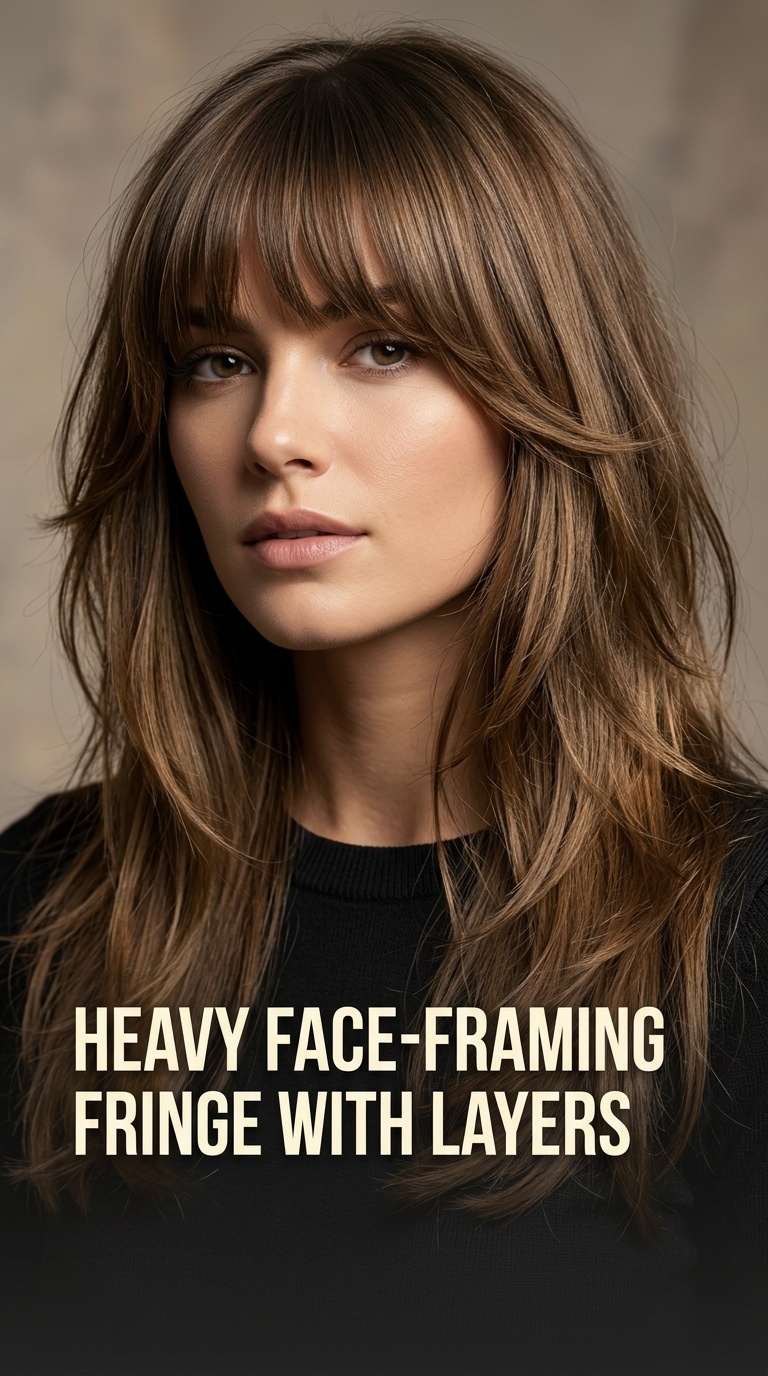
A heavy fringe provides a strong horizontal line that contrasts with long vertical layers. This creates a high-fashion shape that is very impactful.
The fringe transitions into long layers that hug the jawline. This structure provides a “framed” effect that highlights the eyes and facial structure.
Movement is most prominent in the back and sides, while the fringe stays relatively stable. This contrast creates an interesting visual balance.
18. The Modern Farrah Flip
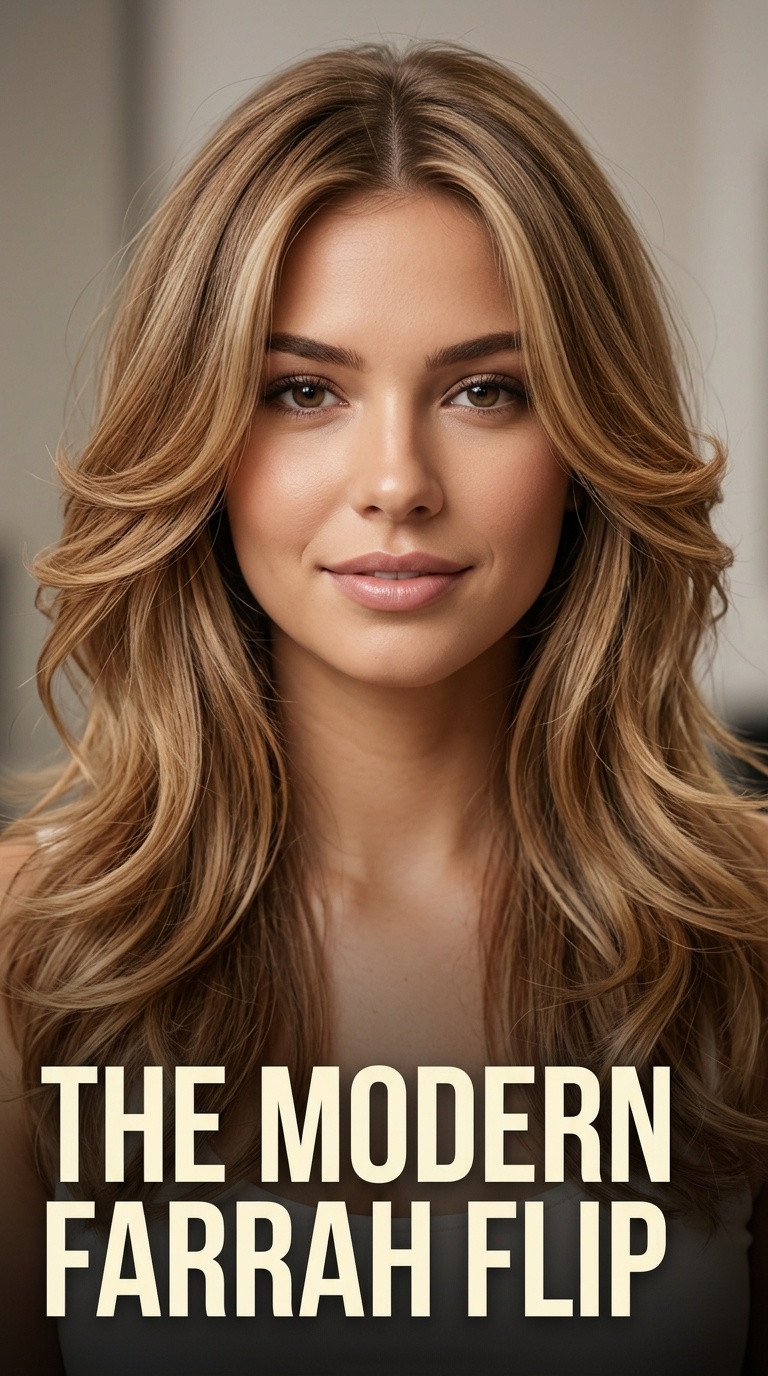
Inspired by the 1970s, this cut uses intense layering to create “wings” that flip outward. It is a high-movement style that thrives on volume.
The shape is wider at the sides, tapering down toward the back. It creates a classic silhouette that has been updated with smoother, softer transitions.
Movement is dramatic and outward-facing. It is the ultimate style for those who want their long hair to feel expansive, airy, and full of life.
How often should layers be trimmed?
To maintain the shape and movement of long layers, a trim every 8 to 12 weeks is usually recommended. This prevents split ends from traveling up the hair shaft and weighing down the style. Regular maintenance ensures the layers stay distinct and the hair remains healthy.
More Amazing Ideas
 19 Work Hairstyles for Long Hair from Sleek Styles to Updos — Read more
 18 Medium Hairstyles for Men with Layers, Texture and Shape — Read more
 19 Gym Hairstyles for Long Hair with Secure, Practical Styling — Read more
 17 Bun Hairstyles for Long Hair from Sleek to Voluminous Looks — Read more
 19 Up Hairstyles for Long Hair from Sleek Buns to Textured Updos — Read more
Do layers work for thin or fine hair?
Yes, layers can work wonders for fine hair if they are done correctly. Light, wispy layers or “ghost layers” add texture and the illusion of thickness without removing too much bulk. Avoiding heavy, blunt layers is key to keeping fine hair looking full and voluminous.
How do I style layers at home?
The best way to showcase layers is with a round brush blowout or a large-barrel curling iron. Focus on lifting the hair at the roots and rolling the ends away from the face. Using a lightweight texturizing spray can also help define individual layers and enhance movement.
Will layers make my hair look shorter?
While layers remove some hair from the interior and surface, they do not necessarily reduce the overall length. Some styles, like the butterfly cut, use short face-framing pieces to give the illusion of shorter hair while keeping the longest strands intact at the back.
What is the difference between V-shape and U-shape cuts?
A V-shape cut tapers to a sharp point in the center of the back, creating a more dramatic and angled look. A U-shape cut is rounded and more gradual, providing a softer silhouette. The choice depends on whether you want a bold, sharp finish or a classic, flowing one.
Are long layers high maintenance?
Long layers are generally low to medium maintenance depending on your hair texture. While they require a bit more styling effort to look “salon-perfect,” they grow out more gracefully than blunt cuts. They allow for more versatility in styling, which many find worth the extra effort.


