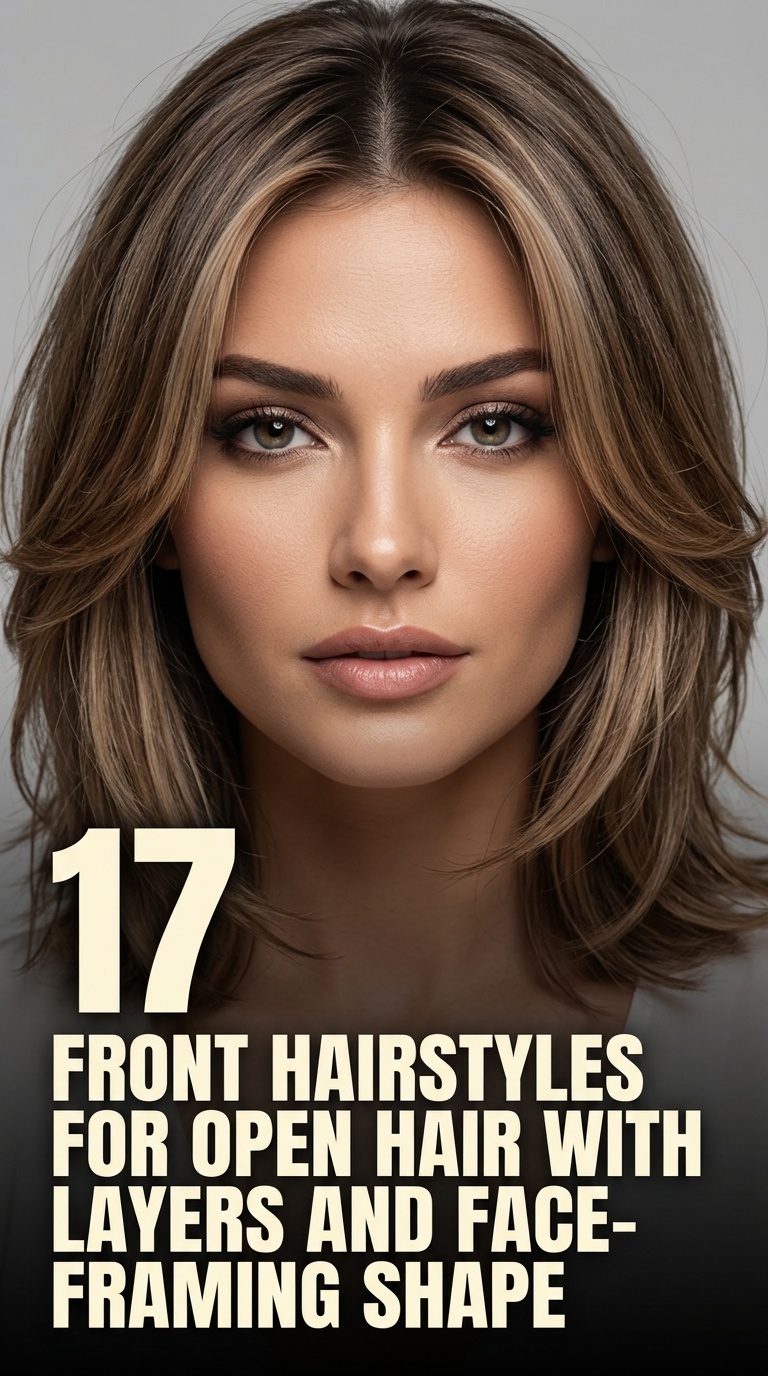
Layers are the secret to hair that moves. They add life and dimension to any length or texture effortlessly.
Face-framing shapes highlight your best features. They transform a simple open style into a polished masterpiece.
Finding the right front style for open hair is essential. Here are seventeen gorgeous ways to wear your layers today.
1. Curtain Bangs with Soft Layers
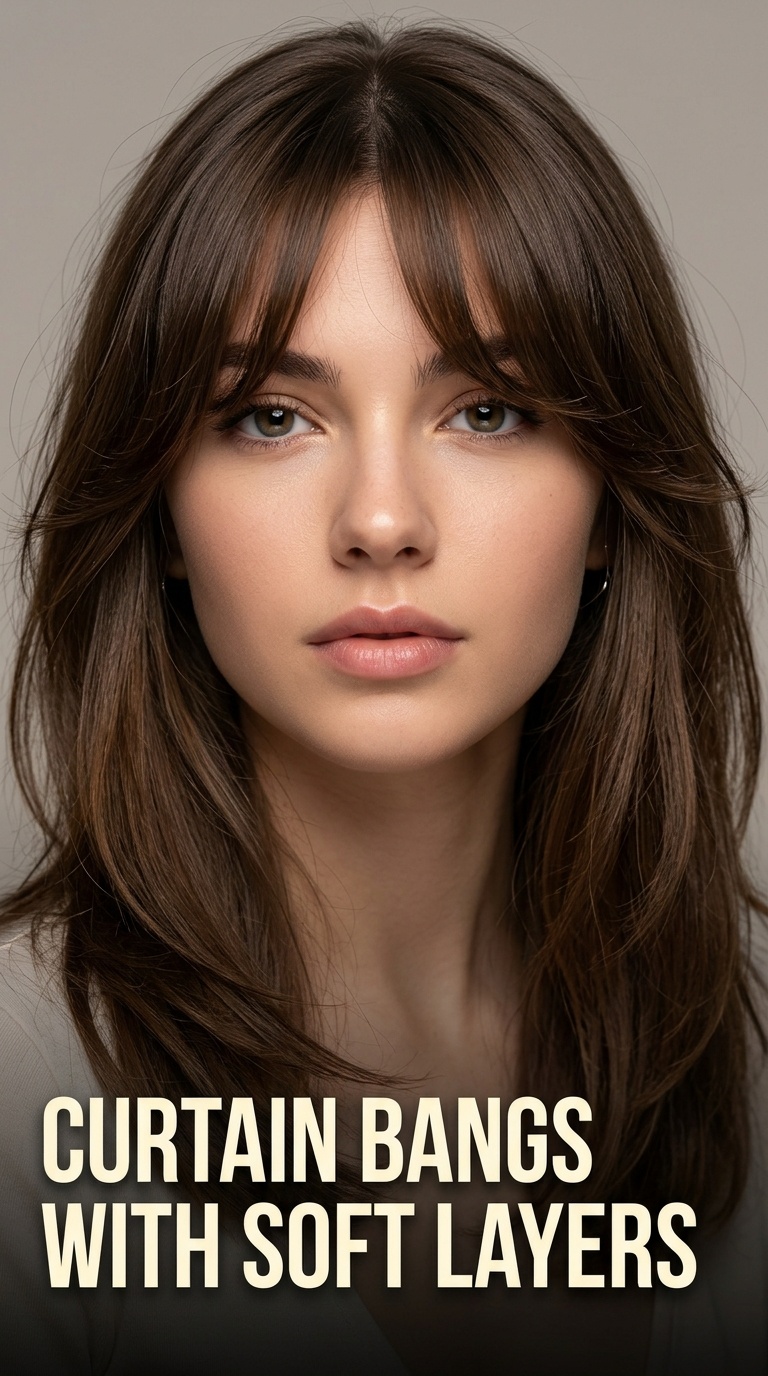
This style uses longer bangs that sweep gracefully to the sides. It creates a soft, romantic frame for the face that feels timeless and elegant.
Layers throughout the rest of the hair ensure the bangs blend seamlessly. It works beautifully on both straight and wavy textures, providing a cohesive look.
Use a round brush when blow-drying to achieve that signature bounce. This keeps the hair away from the eyes while maintaining a soft, approachable silhouette.
2. The Butterfly Cut Front
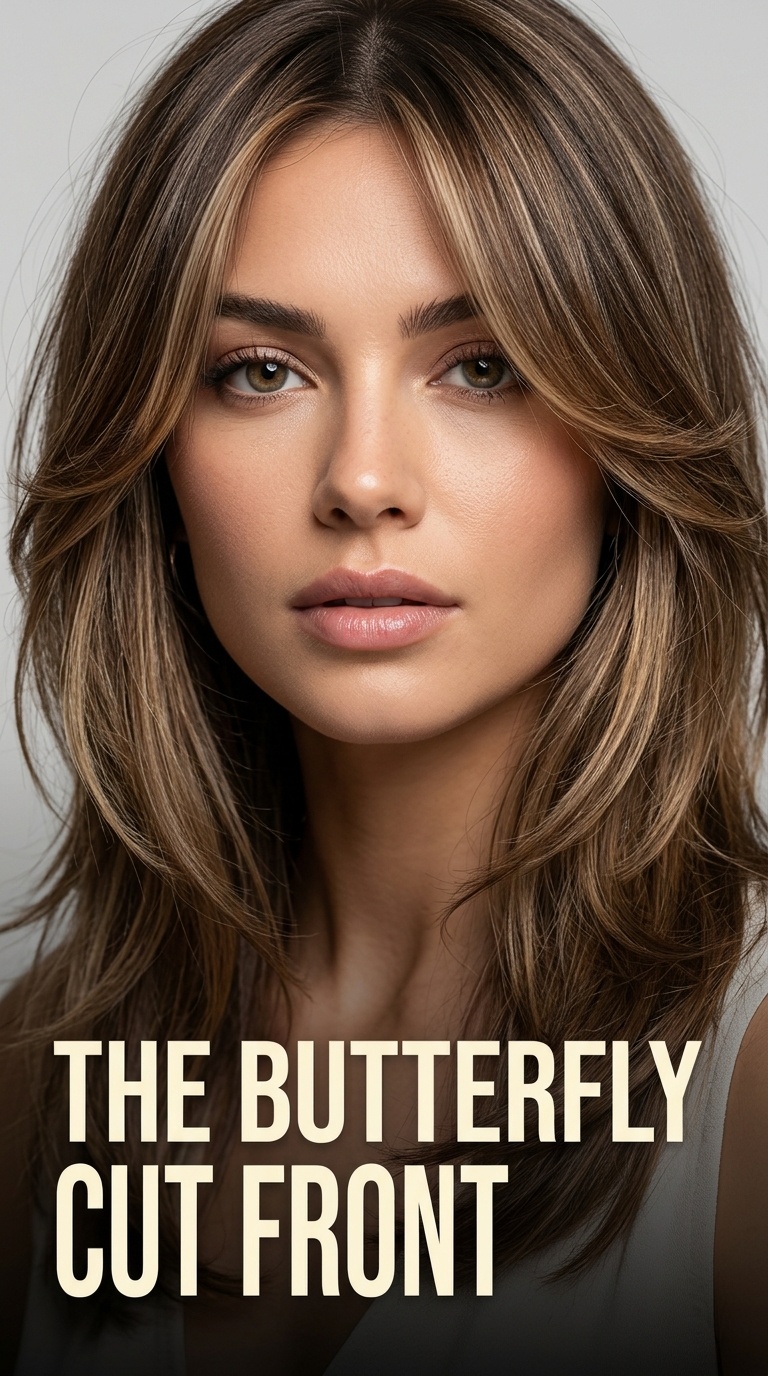
This style mimics the wings of a butterfly with short, feathered layers. It provides incredible volume and movement at the front of the hair.
The face-framing pieces usually start at the cheekbone or jawline. This draws immediate attention to the center of the face and adds a youthful energy.
It is ideal for those who want the illusion of shorter hair without losing length. The layers create a “hair-flip” effect that looks stunning when worn open.
3. Deep Side-Parted Swoop
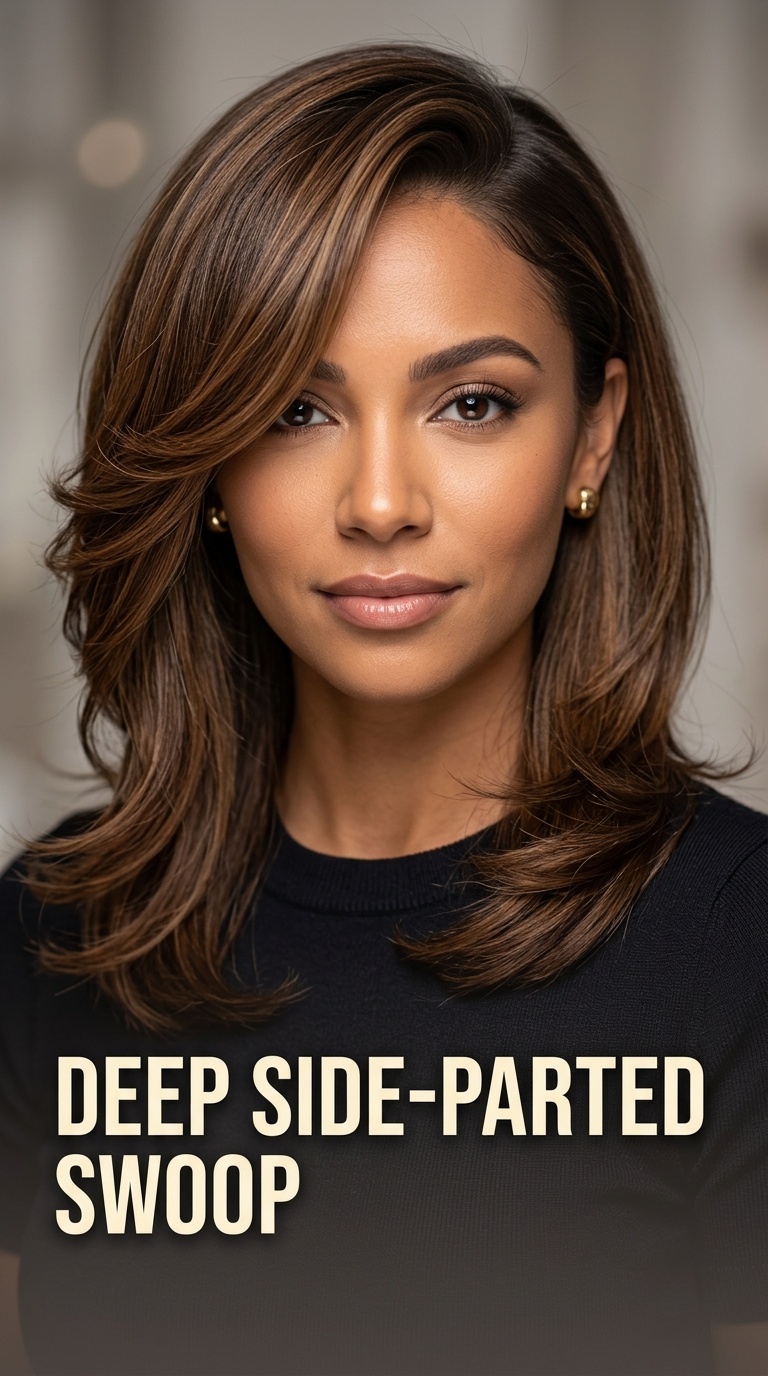
Shifting your part to one side adds instant drama to your layers. One side frames the face closely while the other flows freely behind the shoulder.
More Amazing Ideas
 19 Bob Hairstyles for Fine Hair with Layers, Shape and Movement — Read more
 16 Short Hairstyles for Thick Hair with Layers, Shape and Movement — Read more
 18 Hairstyles for Straight Hair with Layers, Length and Texture — Read more
 18 Hairstyles for Shoulder Length Hair with Layers and Texture — Read more
 19 Hairstyles for Round Faces with Layers, Bangs and Shape — Read more
This look utilizes long front layers to create a sweeping effect across the forehead. It adds height at the crown and a touch of modern sophistication.
To keep the shape, use a light-hold hairspray on the swooped section. This ensures the face-framing layer stays in place while you move throughout the day.
4. Wispy Face-Framing Tendrils
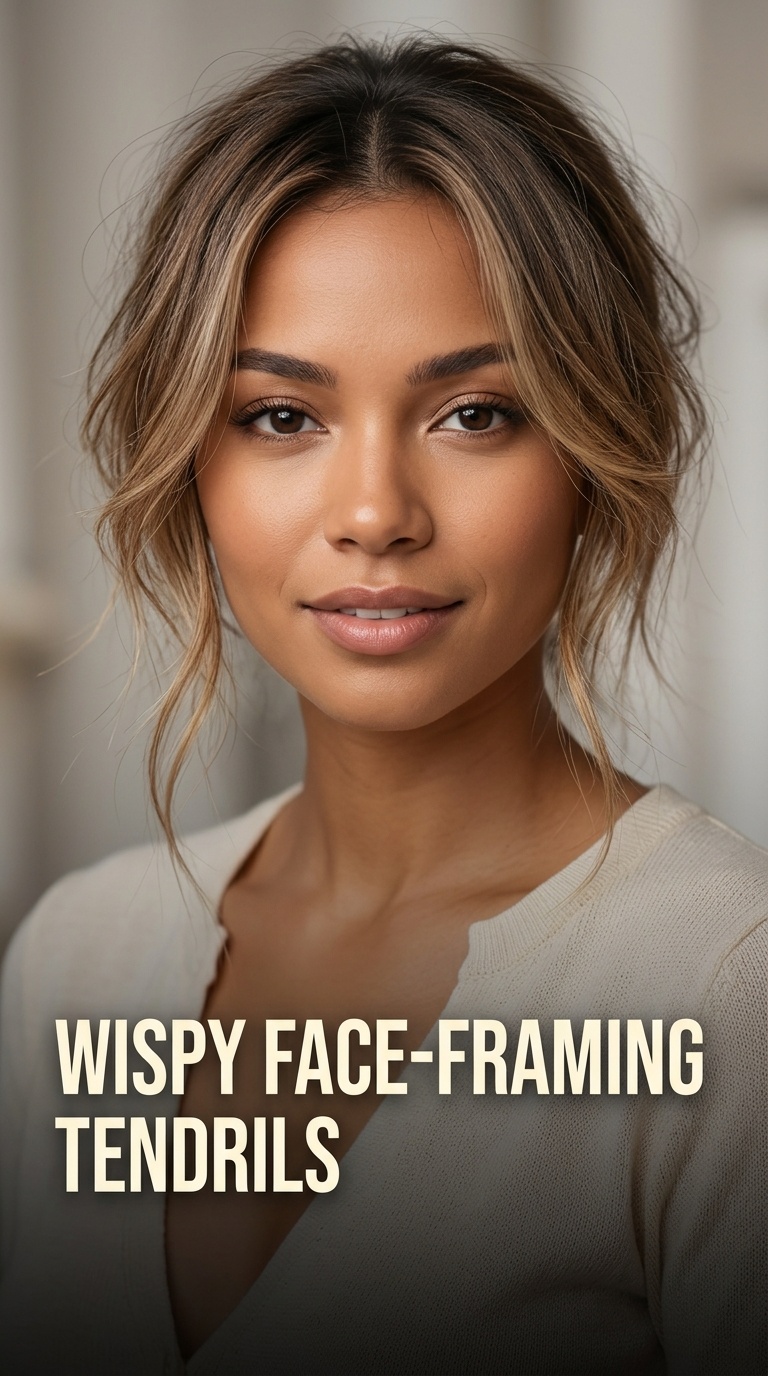
For a delicate approach, thin sections of hair are cut to skim the face. This adds softness without the commitment of full bangs or heavy layering.
These tendrils break up the weight of long, open hair. They provide a breezy, effortless feel that is perfect for casual or professional settings alike.
Flat irons can be used to add a slight outward bend to these pieces. This small detail elevates the entire layered silhouette and adds a finished touch.
5. Chin-Length Layers with Inward Curls
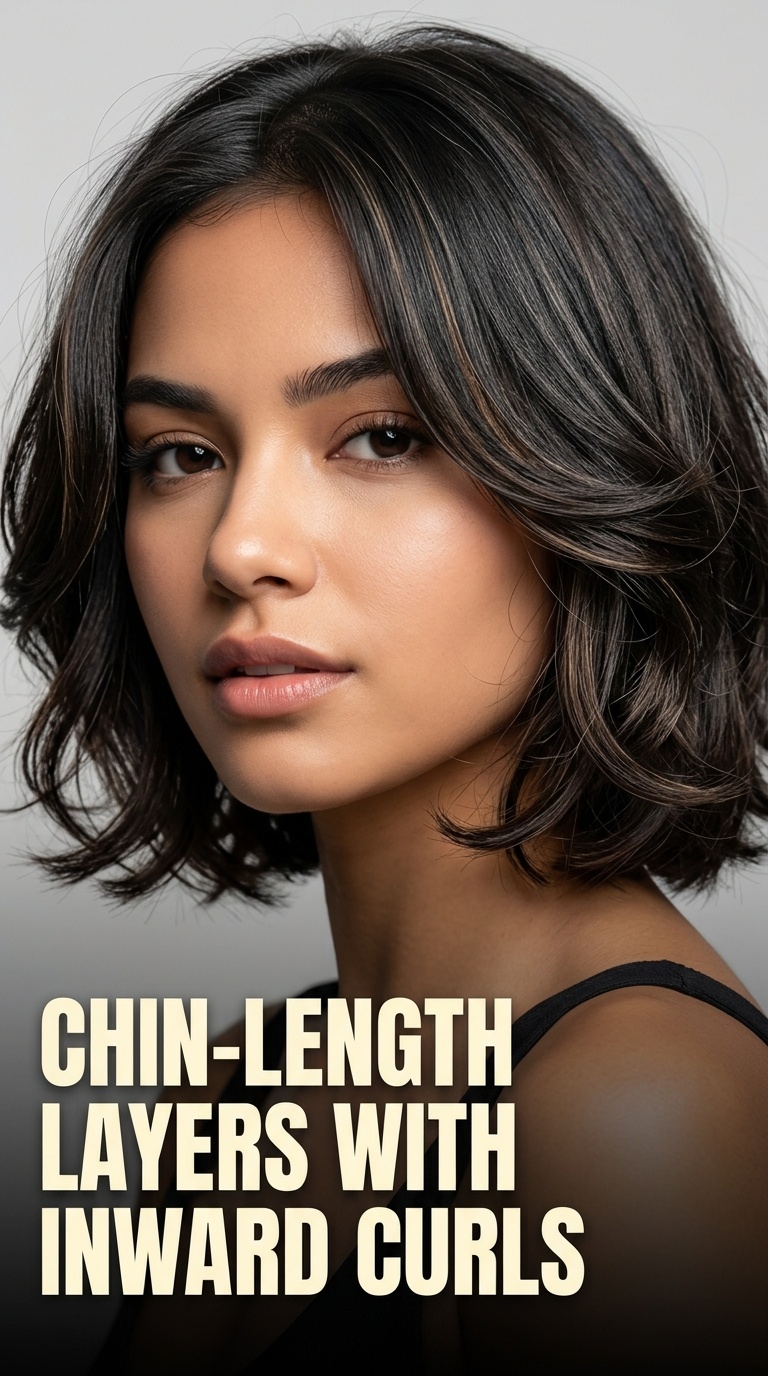
Front layers that end exactly at the chin create a structured frame. Curving the ends inward highlights the jawline and adds a sense of balance.
This style works best with medium-to-long hair to create a striking contrast. The inward curl keeps the hair looking tidy, intentional, and very polished.
A large-barrel curling iron is the best tool for achieving this specific look. It provides a smooth finish that emphasizes the intentional face-framing shape.
6. The Bardot Fringe
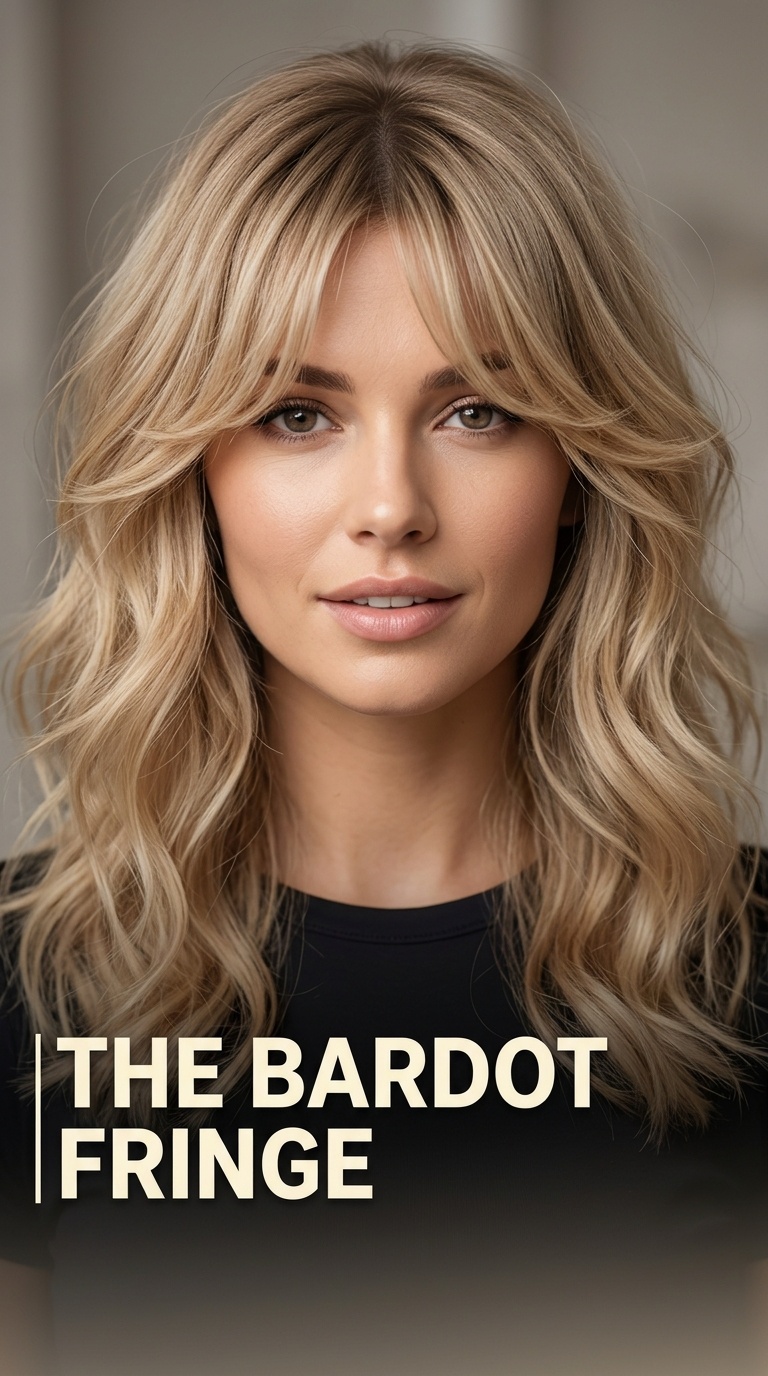
Inspired by vintage aesthetics, this look features thick, parted bangs. The layers get progressively longer as they reach the ears, blending into the rest.
More Amazing Ideas
 19 Hairstyles for Round Face Shapes with Flattering Layers and Bangs — Read more18 Hairstyles for Long Faces with Layers, Bangs and Balanced Shape — Read more
 19 Layered Hairstyles for Medium Length Hair with Movement and Shape — Read more
 19 Hairstyles for Thick Hair with Shape, Volume and Movement — Read more
 19 Hairstyles for Oval Face Shapes with Varied Lengths and Layers — Read more
It provides a high-fashion edge to any open hairstyle. The face-framing shape is bold and makes a definitive statement without being overly high-maintenance.
Volume at the roots is key to pulling this off successfully. Dry shampoo or volumizing mousse helps maintain the “lifted” appearance of the front layers.
7. Shaggy Face-Framing Layers
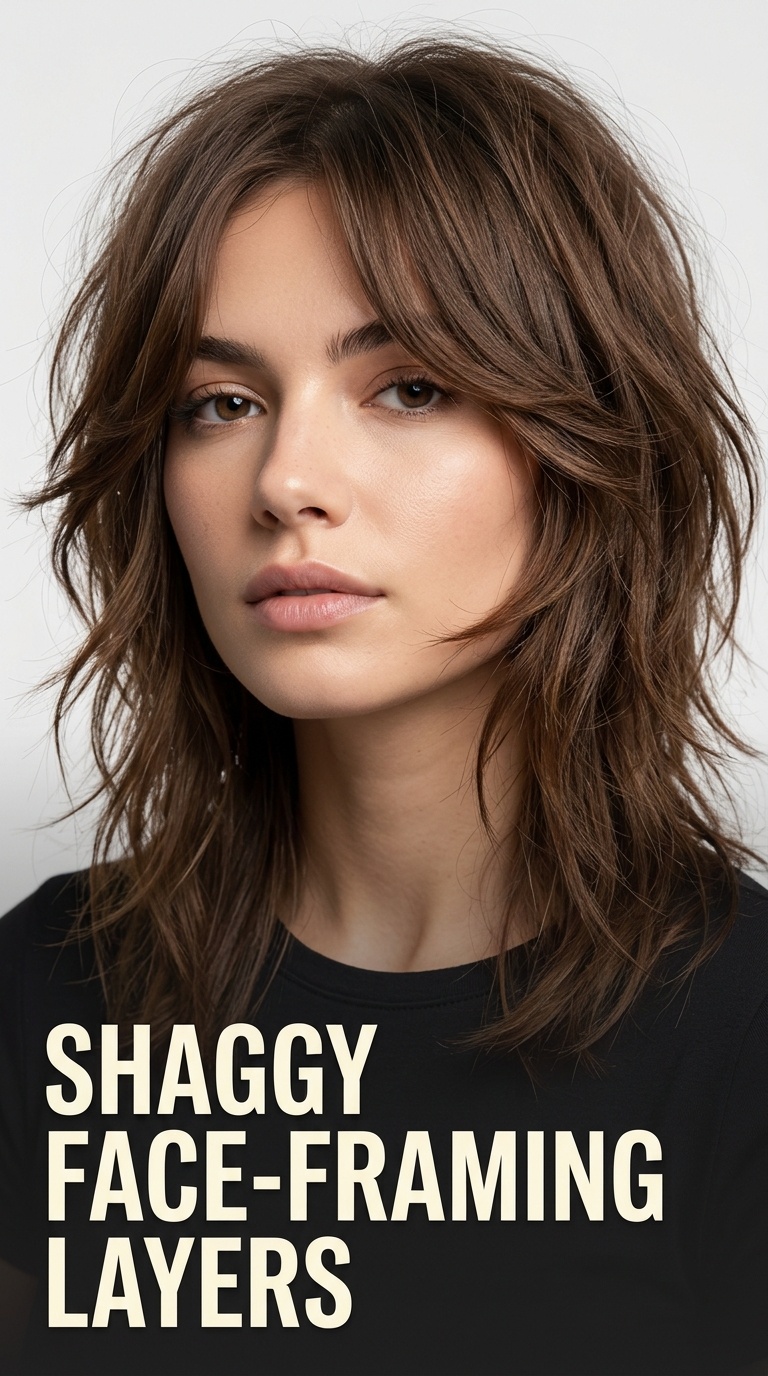
This style embraces texture and “messy” layers for a lived-in look. The front pieces are jagged and varied in length to create movement.
It is perfect for those who want a low-maintenance, edgy vibe. The shaggy layers frame the face with a cool, effortless energy that defies traditional styling.
Use a salt spray or texturizing paste to define the individual layers. This enhances the “shag” effect while keeping the hair open and full of body.
8. Bottleneck Bangs
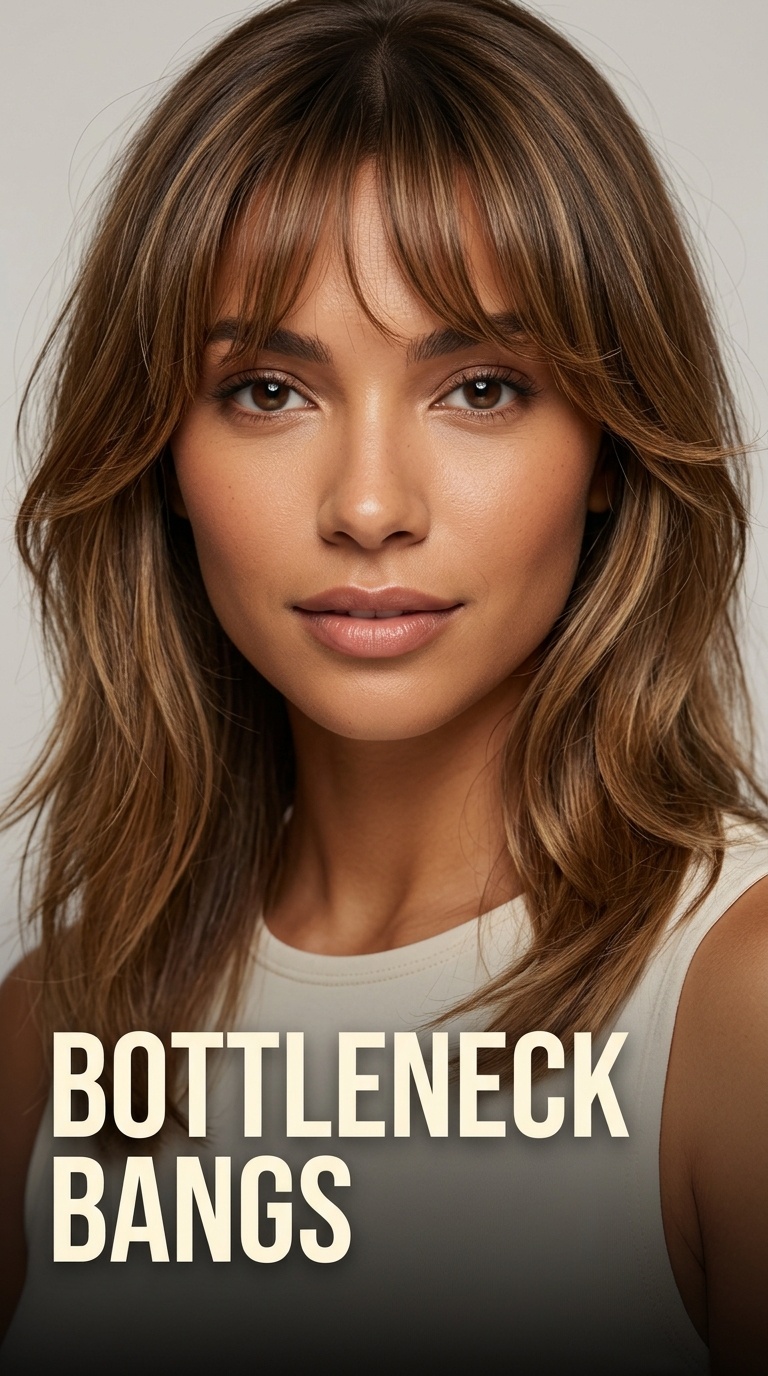
This hybrid style is narrow at the top and widens at the cheekbones. It resembles the neck of a bottle, offering a unique face-framing shape.
These bangs blend into the side layers for a cohesive and modern finish. It offers the coverage of bangs with the openness of long layers.
This look is highly adaptable to different face shapes and hair types. It provides a soft transition that highlights the eyes and cheekbones simultaneously.
9. Long Tapered Layers
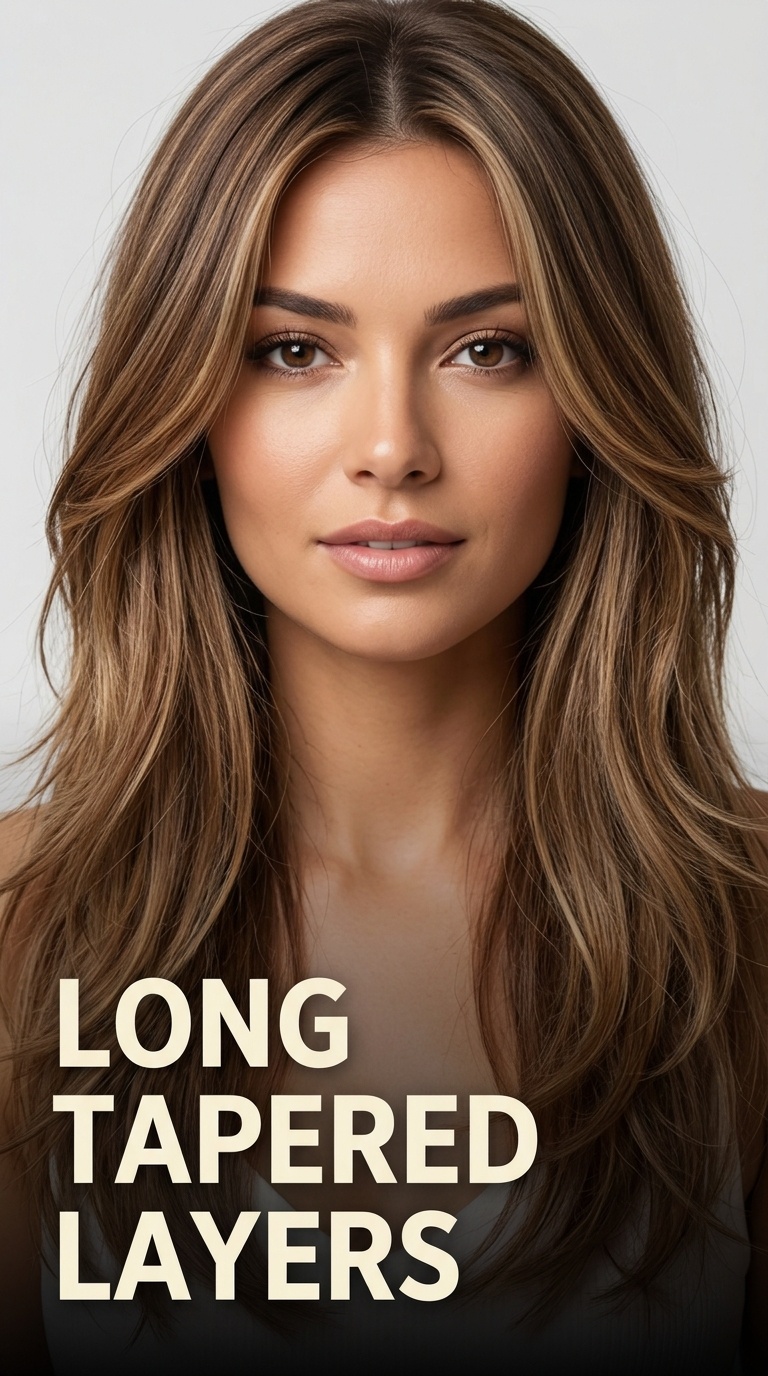
These layers start below the chin and taper down the entire length. This creates a subtle, elongated frame that feels very natural and sleek.
It is an excellent choice for those who want to keep their hair very long. The tapering prevents the front from feeling heavy or flat against the face.
More Amazing Ideas
 17 Short Hairstyles for Women with Layers, Texture and Shape — Read more
 18 Hairstyles for Natural Hair with Texture, Shape and Variety — Read more
 16 Curl Hairstyles for Medium Hair with Layers and Movement — Read more
 18 Medium Hairstyles for Men with Layers, Texture and Shape — Read more
 19 Hairstyles for Wavy Hair with Layers, Texture and Movement — Read more
Regular trims are necessary to keep the ends of the layers sharp and healthy. This ensures the face-framing shape remains defined as the hair grows.
10. Internal Face-Framing Ghost Layers
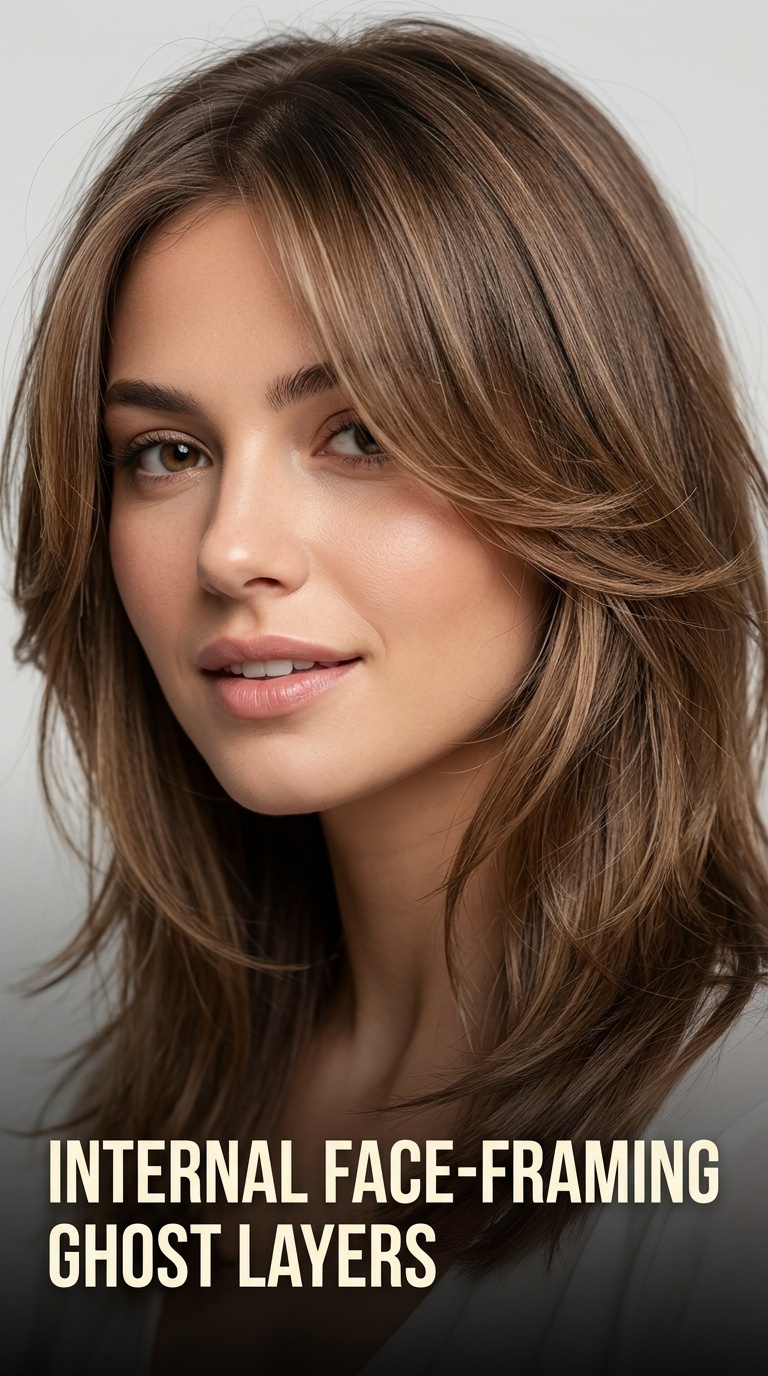
Ghost layers are cut subtly within the hair to add movement without visible lines. The front pieces are blended deeply into the bulk of the hair.
This technique creates a face-framing shape that only appears when the hair moves. It is the ultimate “no-haircut” haircut for maintaining an open look.
This style is perfect for very fine hair that needs more body. It adds the illusion of thickness and shape without removing too much hair weight.
11. Point-Cut Front Layers
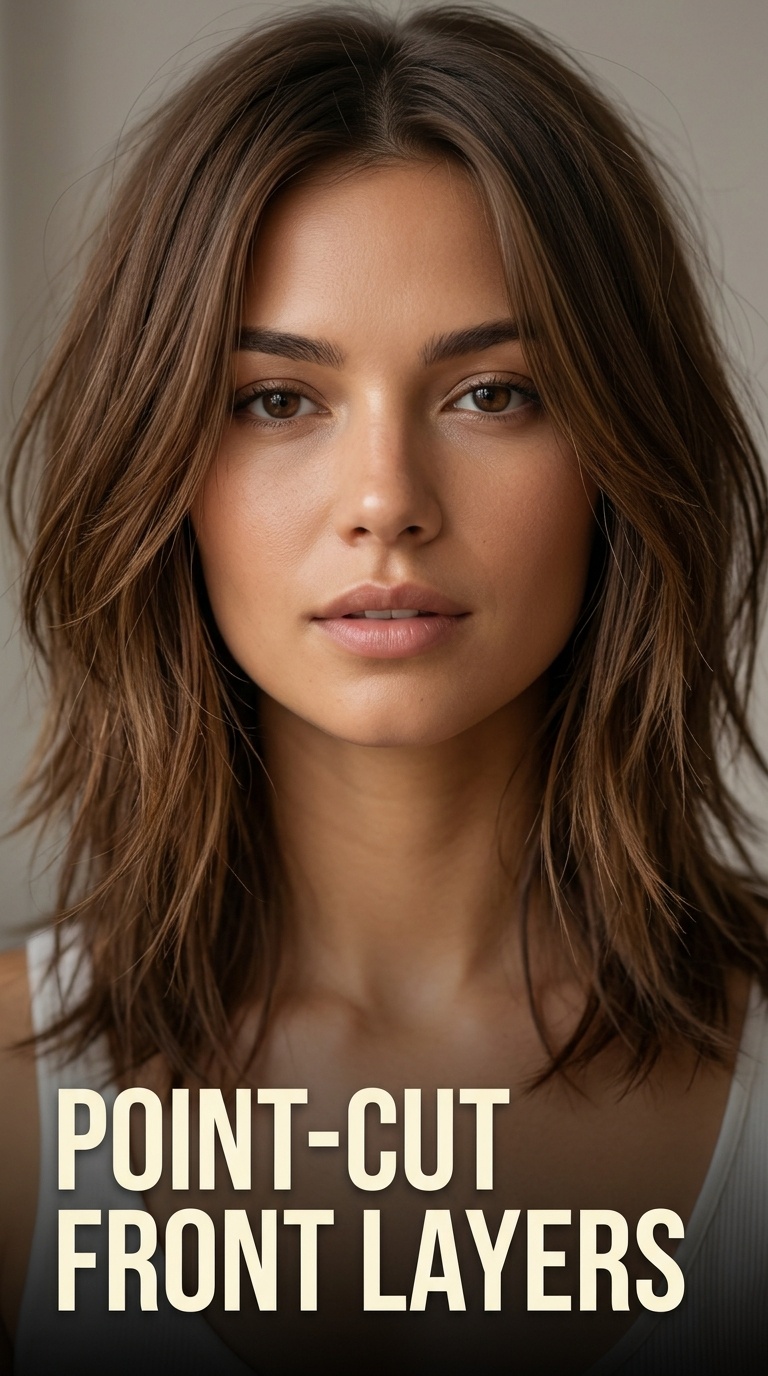
Using the point-cutting technique creates soft, feathered ends on the front pieces. This prevents the layers from looking too blunt or “blocky” near the eyes.
The resulting shape is light and airy around the face. It allows the layers to mesh together for a seamless finish that looks great when worn open.
This approach works exceptionally well for thick hair that needs debulking. It thins out the front sections while maintaining a clearly structured face frame.
12. Center-Parted Cascading Layers
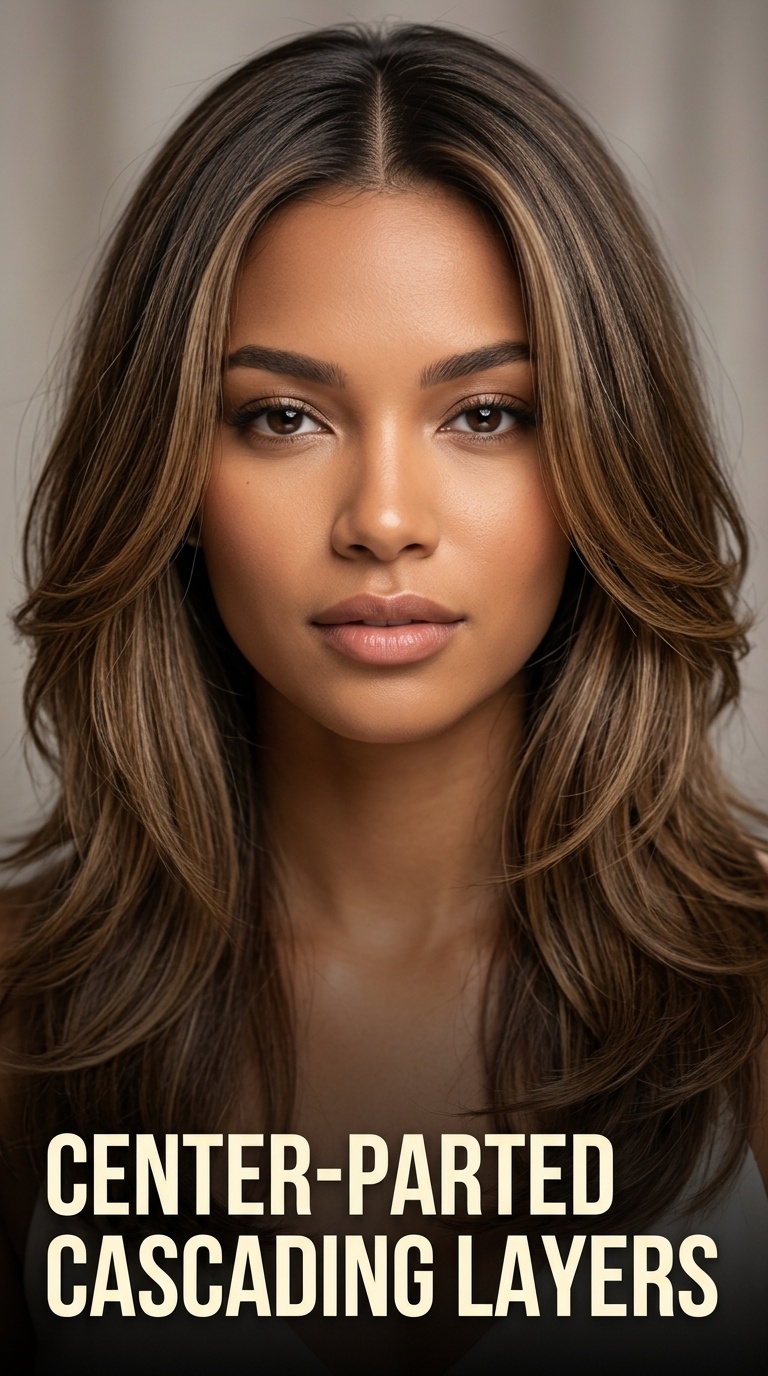
A classic center part allows layers to fall symmetrically on both sides. This creates a balanced and harmonious face-framing effect that is very versatile.
The layers “cascade” down the length, with each tier adding more volume. This is a timeless look that suits almost any social or professional occasion.
More Amazing Ideas
 18 Hairstyles for Long Straight Hair with Layers and Movement — Read more
 16 Hairstyles for Bangs with Layers, Length and Different Textures — Read more
 16 Summer Hairstyles for Medium Hair with Layers and Easy Styling — Read more
 17 Hairstyles for Frizzy Hair with Shape, Texture and Movement — Read more
 18 Open Hairstyles for Engagement from Soft Waves to Defined Curls — Read more
Keeping the roots flat while adding volume to the mid-lengths is the secret. This ensures the frame doesn’t overwhelm the face or look too heavy.
13. Heavy Blown-Out Layers
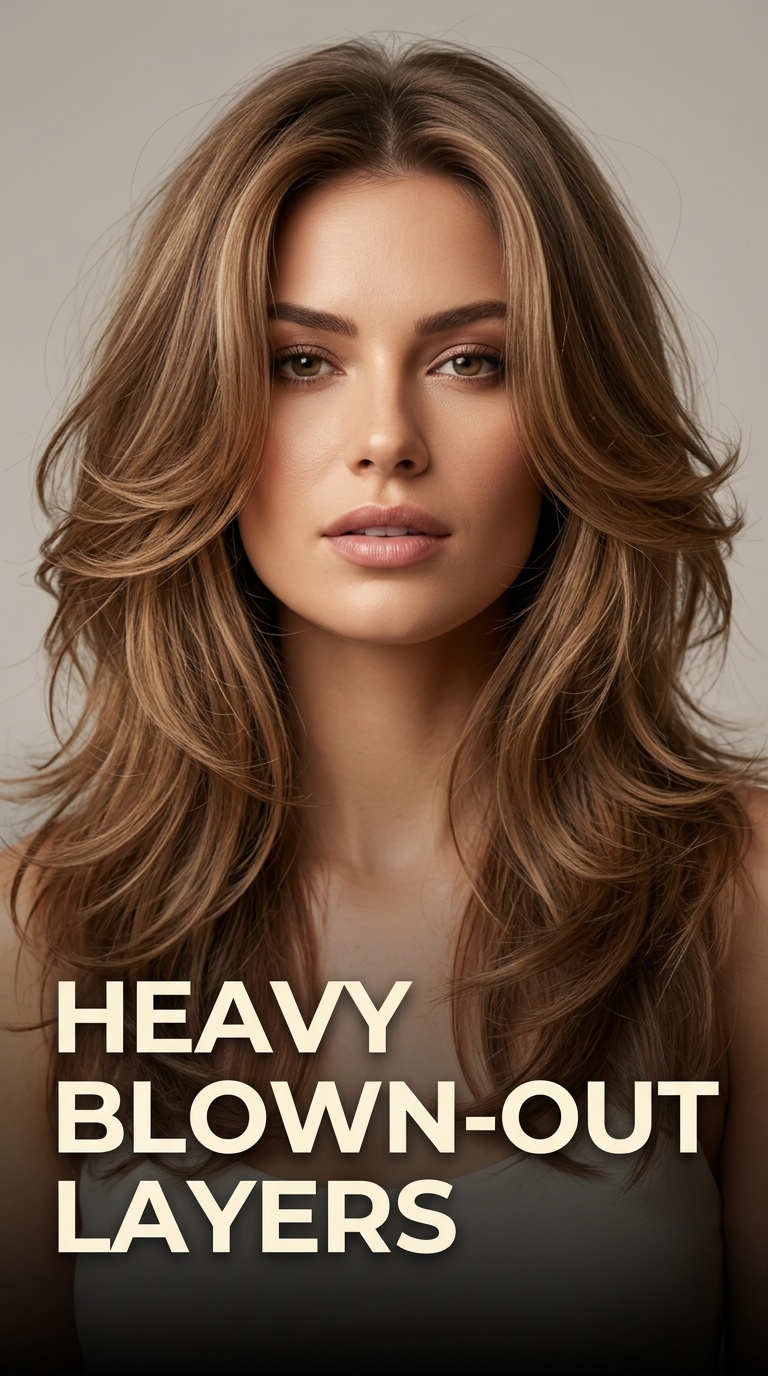
This style focuses on maximum volume and high-glamour energy. The front layers are blow-dried away from the face to create a wide-open look.
It creates a rounded, soft frame that adds a lot of dimension to the hair. The layers feel bouncy, healthy, and full of life when styled this way.
Using Velcro rollers is a fantastic way to set these front layers. It provides a long-lasting shape that keeps the hair open and dramatic for hours.
14. Eyelash-Skimming Layers
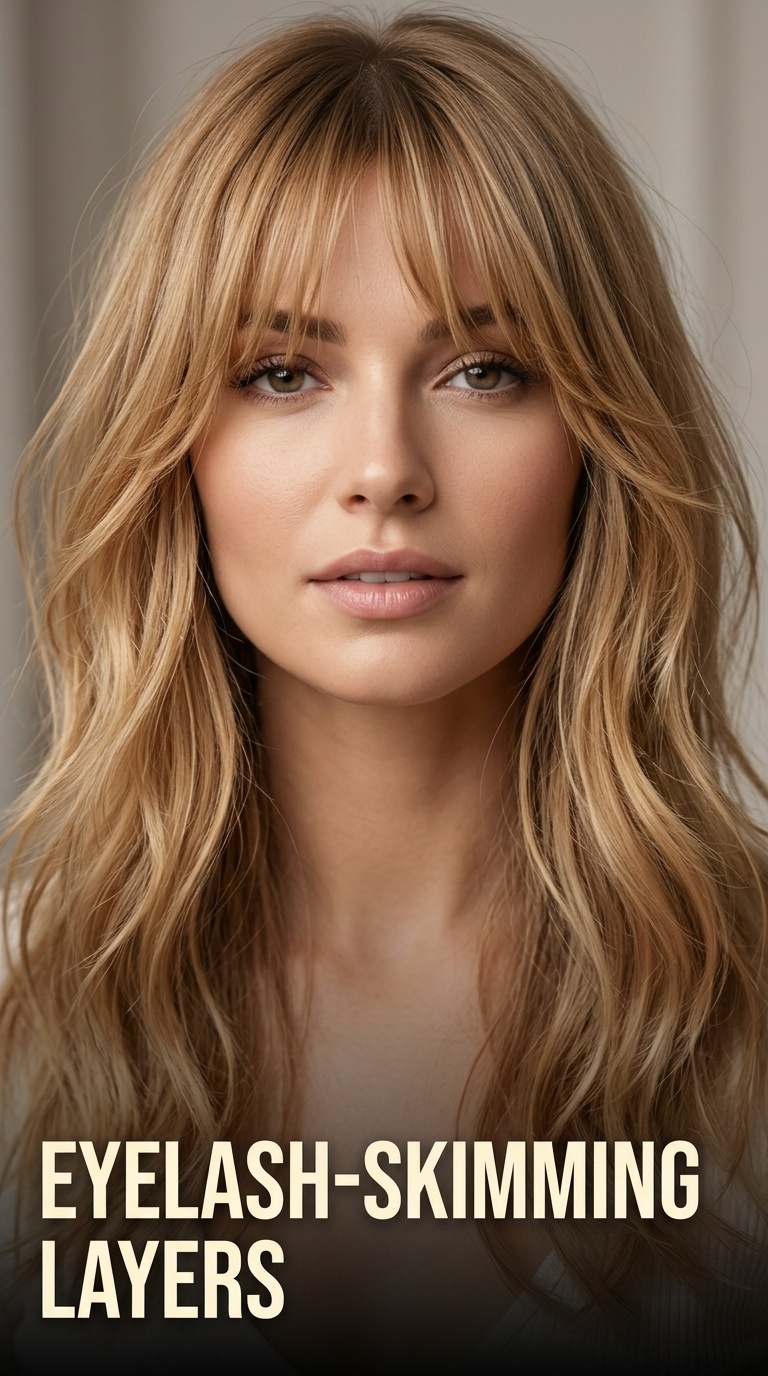
These layers are cut to fall exactly at the eyelash level for maximum impact. This draws immediate attention to the eyes and creates a sultry vibe.
The side layers are kept long to maintain the open hair feel. It is a bold choice that balances a bit of mystery with high-end sophistication.
This style requires frequent maintenance to keep the front length precise. It is a high-impact look for those who love a perfectly framed face.
15. Flicked-Out Ends with Layers
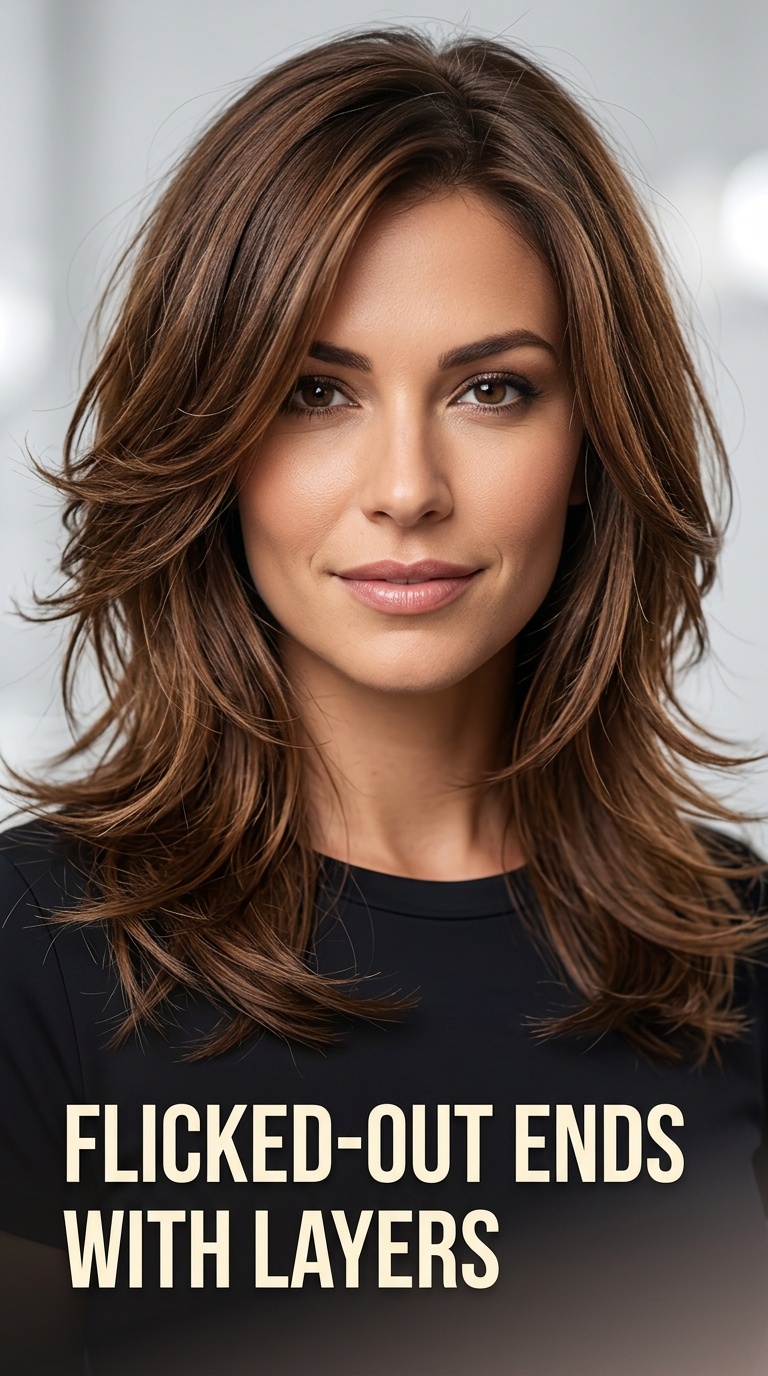
Instead of curving inward, these front layers are styled to flick outward. This creates a playful and energetic face-framing shape that feels modern.
It adds visual width to the hairstyle, making the hair look much fuller. The flicked ends provide a retro charm that is currently very trendy.
A flat iron or a small round brush can achieve this “flick” in seconds. It is a quick way to change your look without needing a new cut.
More Amazing Ideas
 19 Open Hairstyles for Lehenga Looks from Soft Waves to Curls — Read more
 17 Hairstyles for Short 4C Hair with Natural Texture and Shape — Read more
 18 Haircuts for Long Thick Hair with Layers, Shape and Movement — Read more
 18 Haircuts for Long Hair with Layers, Shape and Movement — Read more
 18 Wolf Cut Hairstyles with Shaggy Layers and Textured Movement — Read more
16. Tucked-Back Front Layers
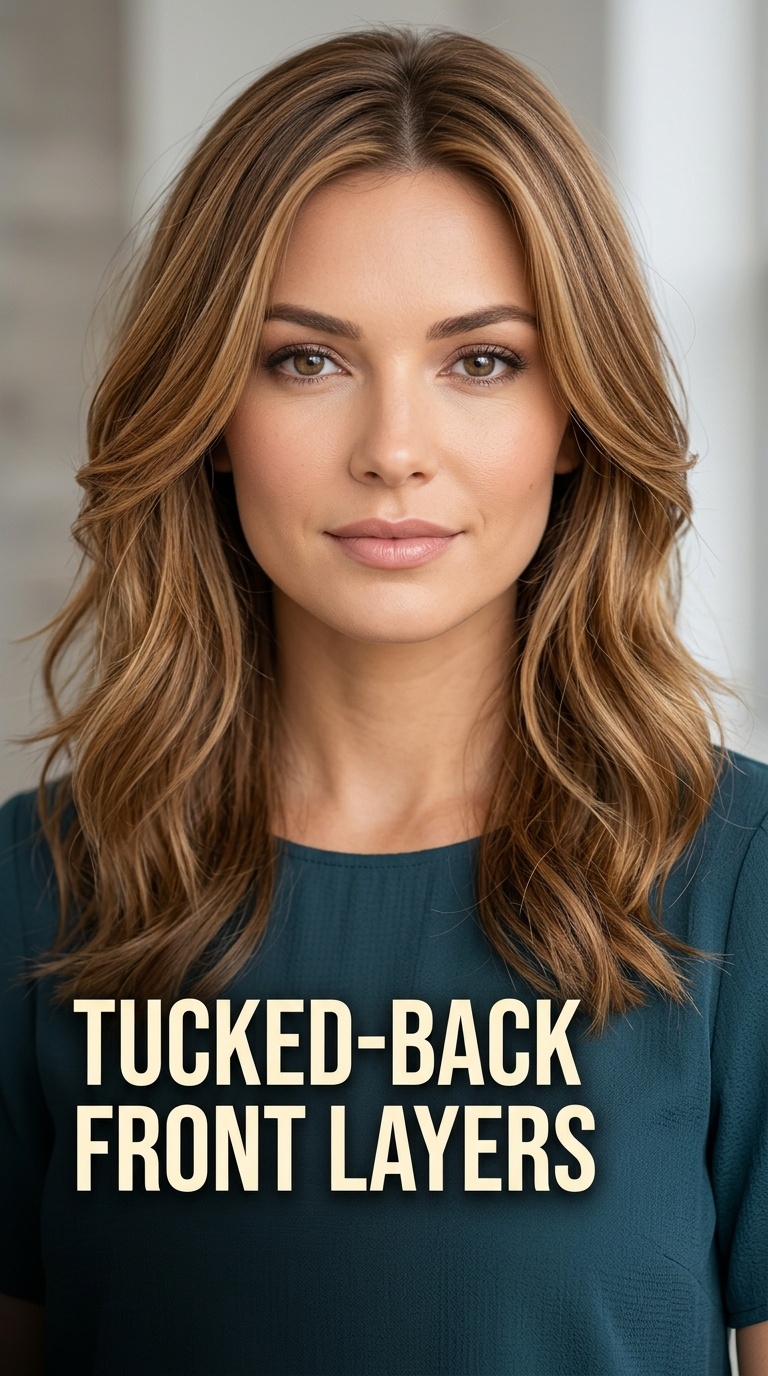
Short front layers are styled to be tucked neatly behind the ears. This opens up the face completely while the rest of the hair stays layered.
It offers a clean, polished appearance that is very practical for daily wear. Only a few small strands are left out to provide a hint of framing.
This is a great way to showcase your favorite earrings or makeup. It proves that face-framing layers can be both beautiful and highly functional.
17. The Razor-Cut Frame
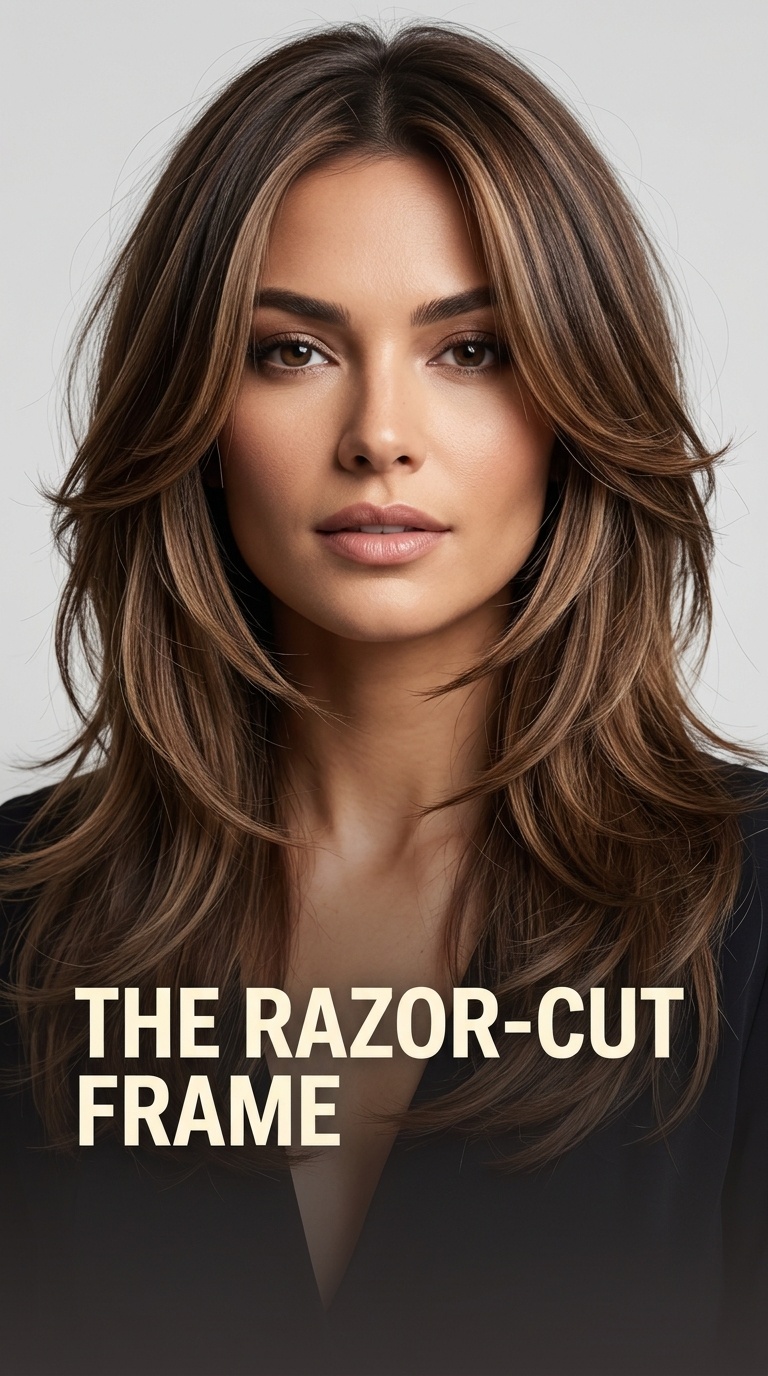
Using a razor instead of scissors creates very sharp, textured edges on the layers. The front pieces look intentional, sharp, and highly defined.
This technique is excellent for creating a “shredded” look that frames the face. It adds a modern, cool-girl aesthetic to any open hairstyle.
It works best on straight or slightly wavy hair for maximum visibility. The razor-cut ends catch the light and emphasize the structured, layered shape.
Which face shape is best for face-framing layers?
Layers are incredibly versatile and can be customized for any face shape. Round faces benefit from longer layers that elongate, while square faces look great with soft, wispy layers that blur sharp jawlines. Your stylist can adjust the starting point of the layers to highlight your specific features.
More Amazing Ideas
 19 Formal Hairstyles for Medium Hair from Soft Waves to Updos — Read more
 17 Hairstyles for Short Hair with Bangs in Different Shapes and Textures — Read more
 18 Medium-Length Hairstyles for Men with Layers and Texture — Read more
 16 Half-Up Hairstyles for Long Hair from Soft Waves to Braided Looks — Read more
 18 Wedding Hairstyles for Medium Hair from Soft Waves to Elegant Updos — Read more
How often should I trim my face-framing layers?
To keep the shape defined and prevent split ends, a trim every 6 to 8 weeks is recommended. Since front layers are more visible, they tend to lose their “frame” faster as they grow out. Regular maintenance ensures the style stays fresh and intentional.
Will layers make my thin hair look even thinner?
Actually, the right layers can make thin hair look much fuller. Techniques like “ghost layers” or light face-framing add movement and volume without removing too much bulk. It prevents the hair from looking flat and gives it a much-needed lift at the front.
Can I achieve these looks with curly hair?
Absolutely, layers are essential for curly hair to prevent the dreaded “triangle” shape. Face-framing layers help distribute the volume of the curls and allow them to bounce more freely. This ensures your curls frame your face rather than overwhelming it.
What are the best products for styling layered open hair?
A lightweight volumizing mousse is great for adding lift at the roots. For the ends, a texturizing spray or a light hair oil can define the layers and add shine. Always use a heat protectant if you are using a round brush or curling iron to style the front.
Do I need bangs to have a face-framing shape?
No, you do not need traditional bangs to achieve a face-framing look. Long layers that start at the chin or cheekbones provide a beautiful frame without the commitment of a fringe. This allows you to keep your hair open and manageable while still enjoying the benefits of a shaped front.


