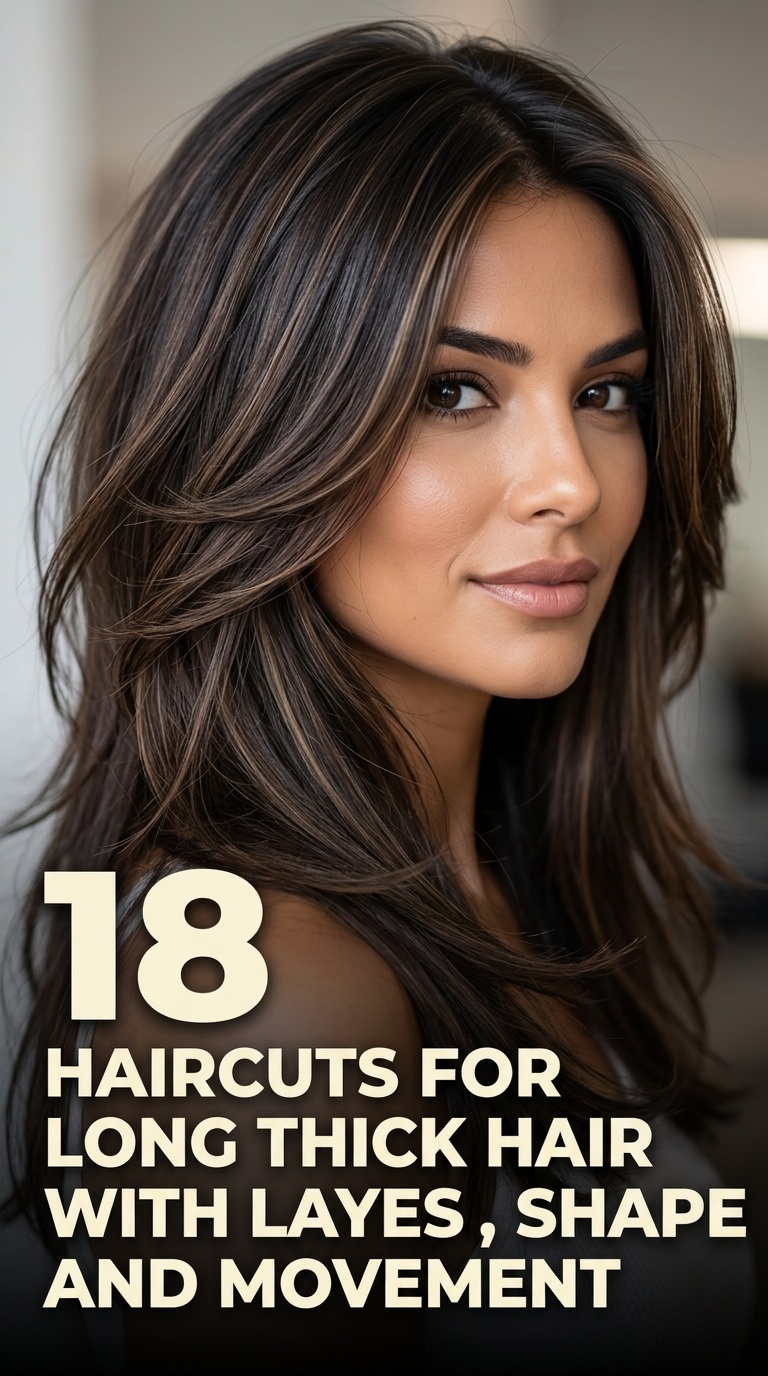
Managing long, thick hair can often feel like a full-time job. Without the right structure, heavy tresses can appear weighed down, flat, and difficult to style effectively.
The secret to unlocking the potential of thick hair lies in strategic layering. Proper shaping removes unnecessary bulk while enhancing the natural texture and flow of your strands.
These 18 haircuts for long thick hair with layers, shape and movement provide the ultimate inspiration for your next salon visit. Transform your mane into a masterpiece of volume.
1. The Modern Butterfly Cut
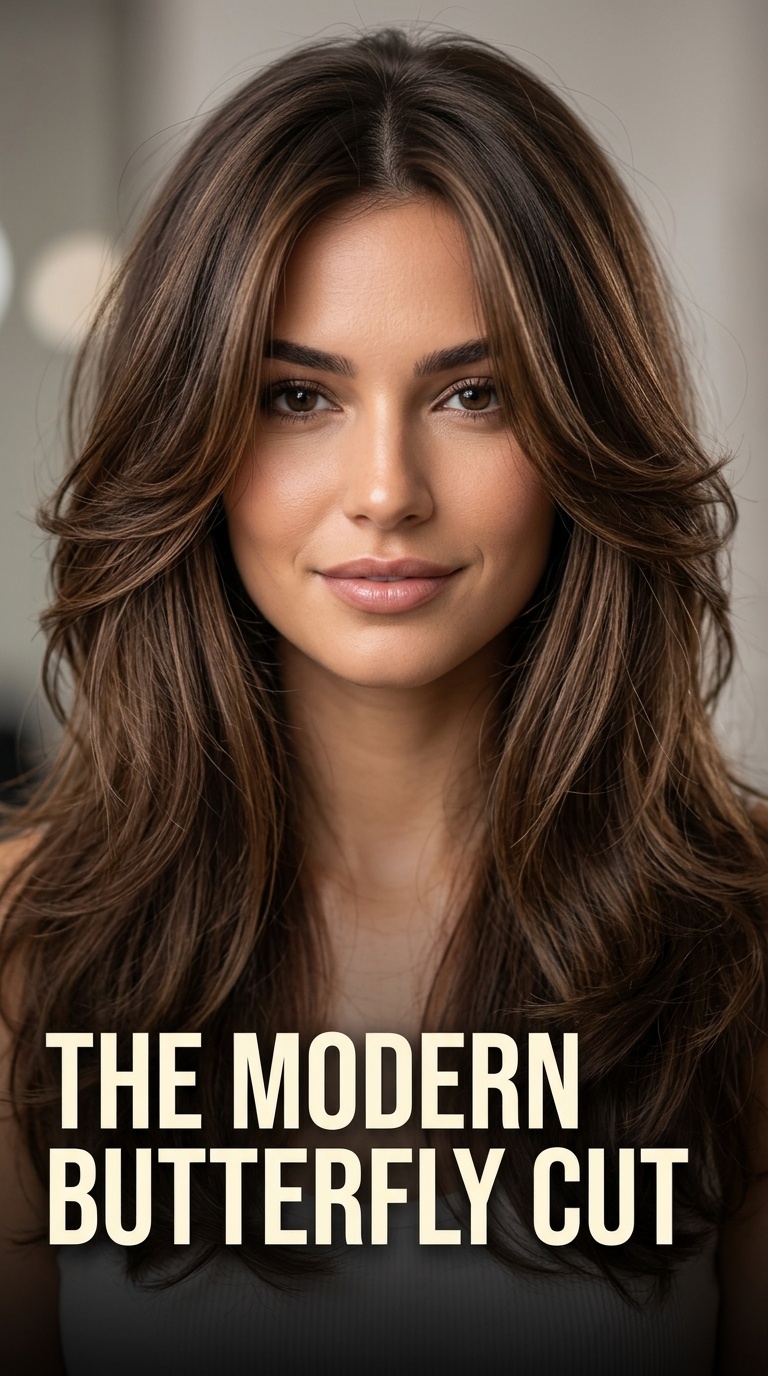
The butterfly cut is a masterful combination of short layers near the crown and much longer layers throughout the lengths. This technique mimics the wings of a butterfly, offering a multi-dimensional look that feels light and airy.
By removing weight from the top sections, this style provides an instant lift. It allows thick hair to bounce naturally rather than hanging in a solid, heavy curtain around the shoulders.
This cut is perfect for those who want the versatility of short hair’s volume without sacrificing their length. It works exceptionally well when styled with a large round brush for a voluminous finish.
2. Classic Long U-Shape Cut
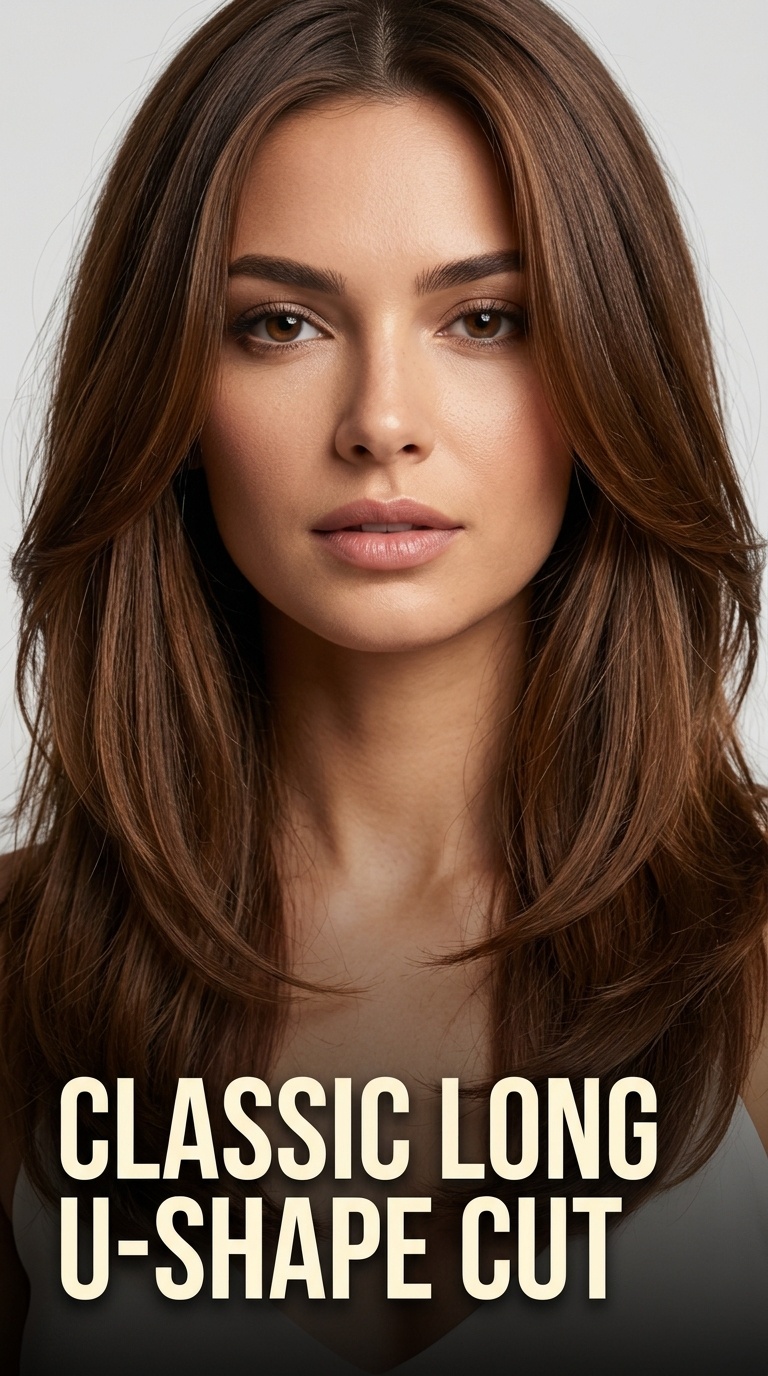
A U-shape cut involves rounding off the back of the hair to create a soft, curved perimeter. This prevents the “heavy bottom” look that often plagues long, thick manes when cut straight across.
The layers are typically concentrated toward the ends and the front to encourage a fluid motion. This shape ensures that the hair flows gracefully over the shoulders rather than bunching up.
This style is a timeless choice for anyone seeking a low-maintenance yet polished appearance. It provides a clean silhouette that looks just as good air-dried as it does professionally blown out.
3. Shaggy Wolf Cut with Face-Framing
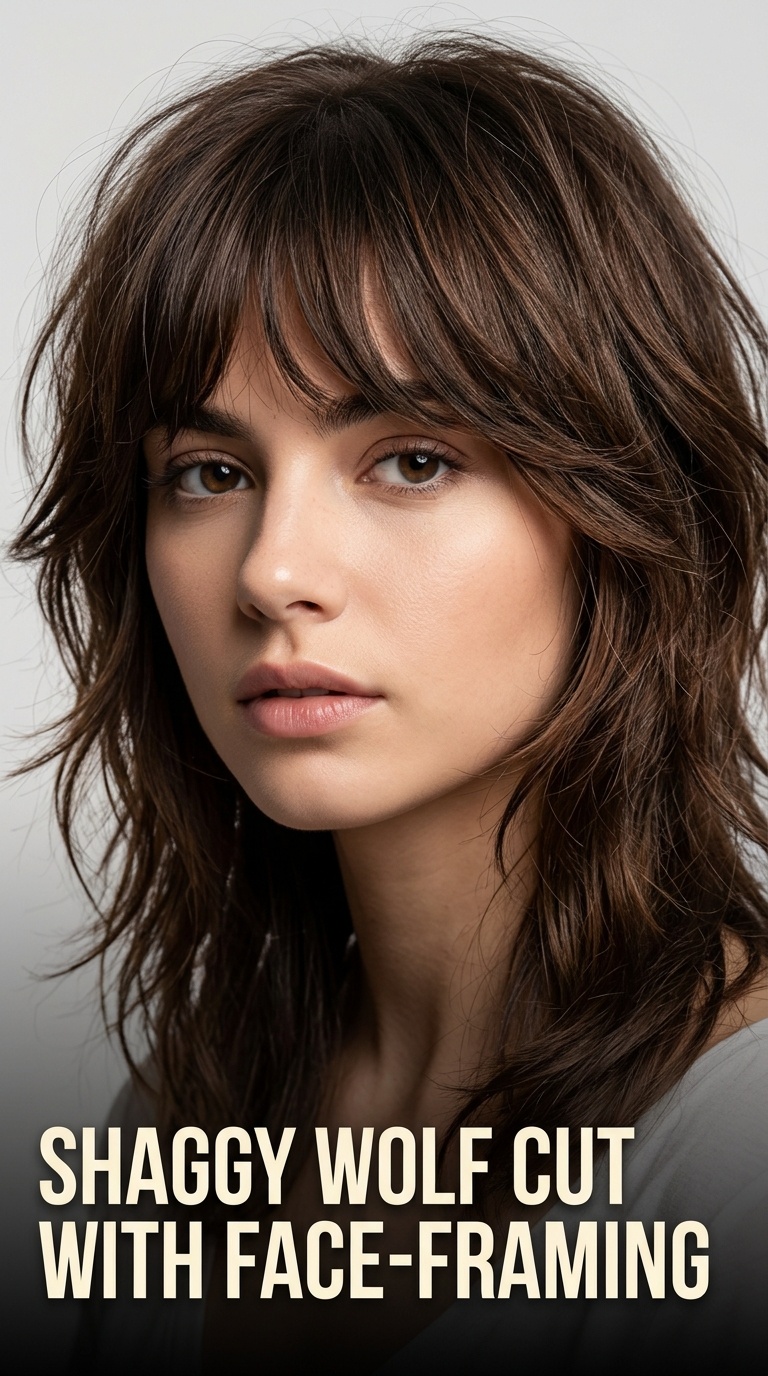
The wolf cut is a bold, edgy hybrid of the vintage shag and the mullet. It features heavy layering at the top and thin, tapered ends that eliminate bulk where you need it most.
More Amazing Ideas
 18 Haircuts for Long Hair with Layers, Shape and Movement — Read more
 18 Haircuts for Thick Wavy Hair with Layers, Shape and Movement — Read more
 16 Summer Haircuts for Long Hair with Layers and Movement — Read more
 19 Hairstyles for Thick Hair with Shape, Volume and Movement — Read more
 17 Prom Haircuts for Short Hair with Texture and Modern Shape — Read more
For thick hair, this cut is a dream because it utilizes thinning shears and razors to create texture. The disconnected layers provide an effortless, “undone” aesthetic that celebrates natural movement.
Styling this cut usually requires minimal effort, often involving a bit of texturizing spray or sea salt mist. It is the ultimate choice for those wanting a high-fashion, high-movement look.
4. Seamless Ghost Layers
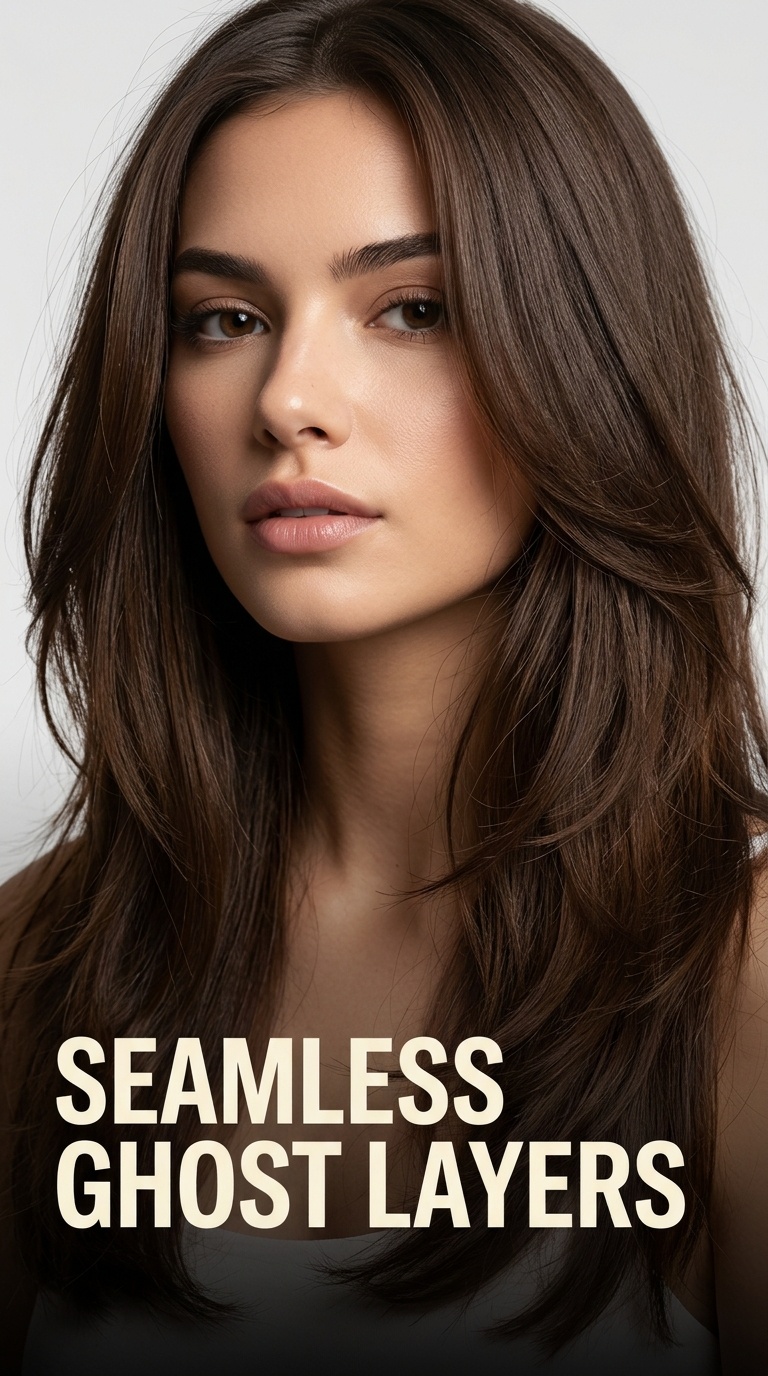
Ghost layers are a specialized technique where the internal layers are cut shorter than the top canopy. This creates hidden “pockets” of air within the hair, reducing weight without visible lines.
This approach is ideal for thick hair because it maintains the appearance of a one-length cut while providing the benefits of layering. It prevents the hair from looking like a “triangle” at the bottom.
Because the layers are “invisible,” this style grows out beautifully and requires fewer touch-ups. It is perfect for someone who prefers a sleek, uniform look but struggles with excessive hair weight.
5. Voluminous 90s Supermodel Layers
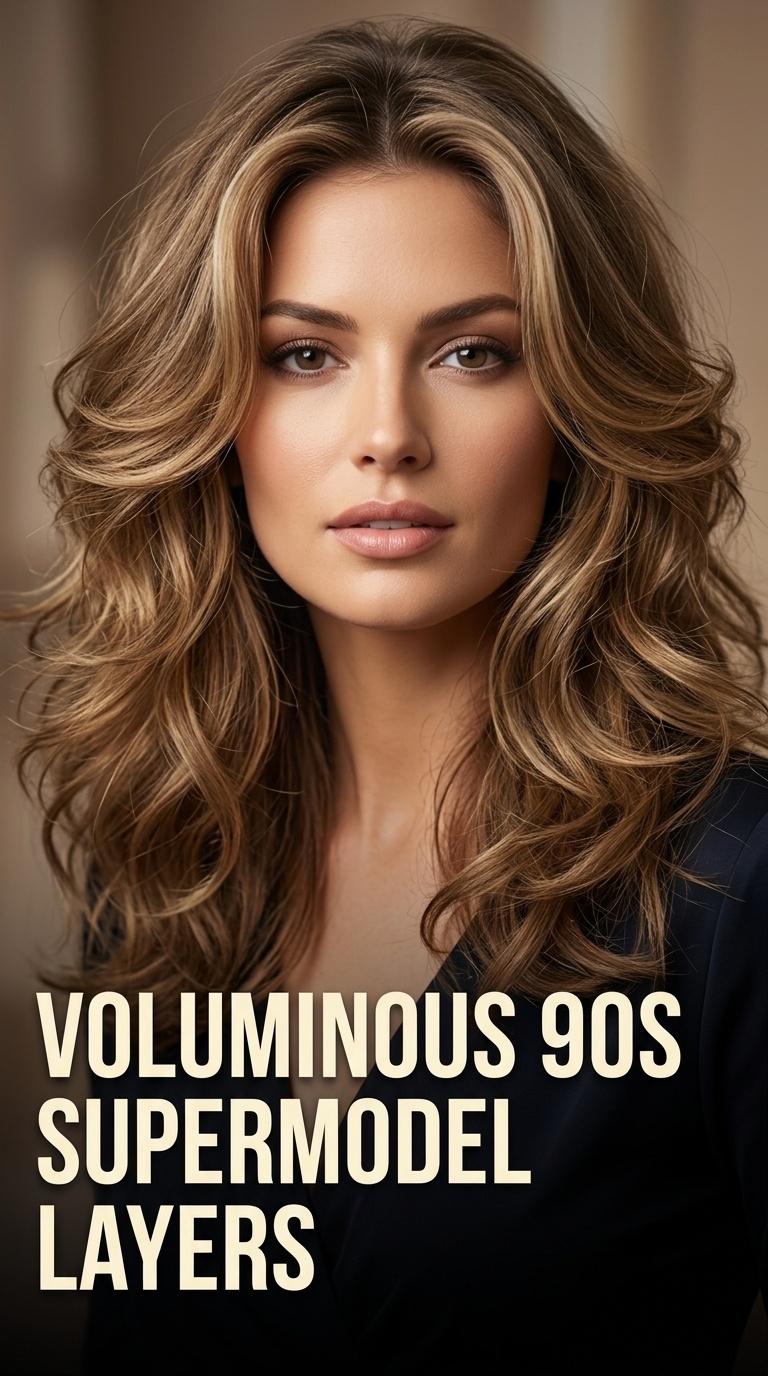
Inspired by the iconic styles of the 1990s, this haircut focuses on heavy face-framing and dramatic, bouncy layers. The goal is to create maximum height and a sweeping, glamorous movement.
Thick hair is the perfect canvas for this style because it has the natural density required to support such big volume. The layers are typically cut starting at the chin and cascading down.
To achieve the full effect, this cut requires a blowout with rollers or a large-barrel curling iron. It results in a luxurious, high-end finish that highlights the healthy sheen of your hair.
6. The V-Cut with Tapered Ends
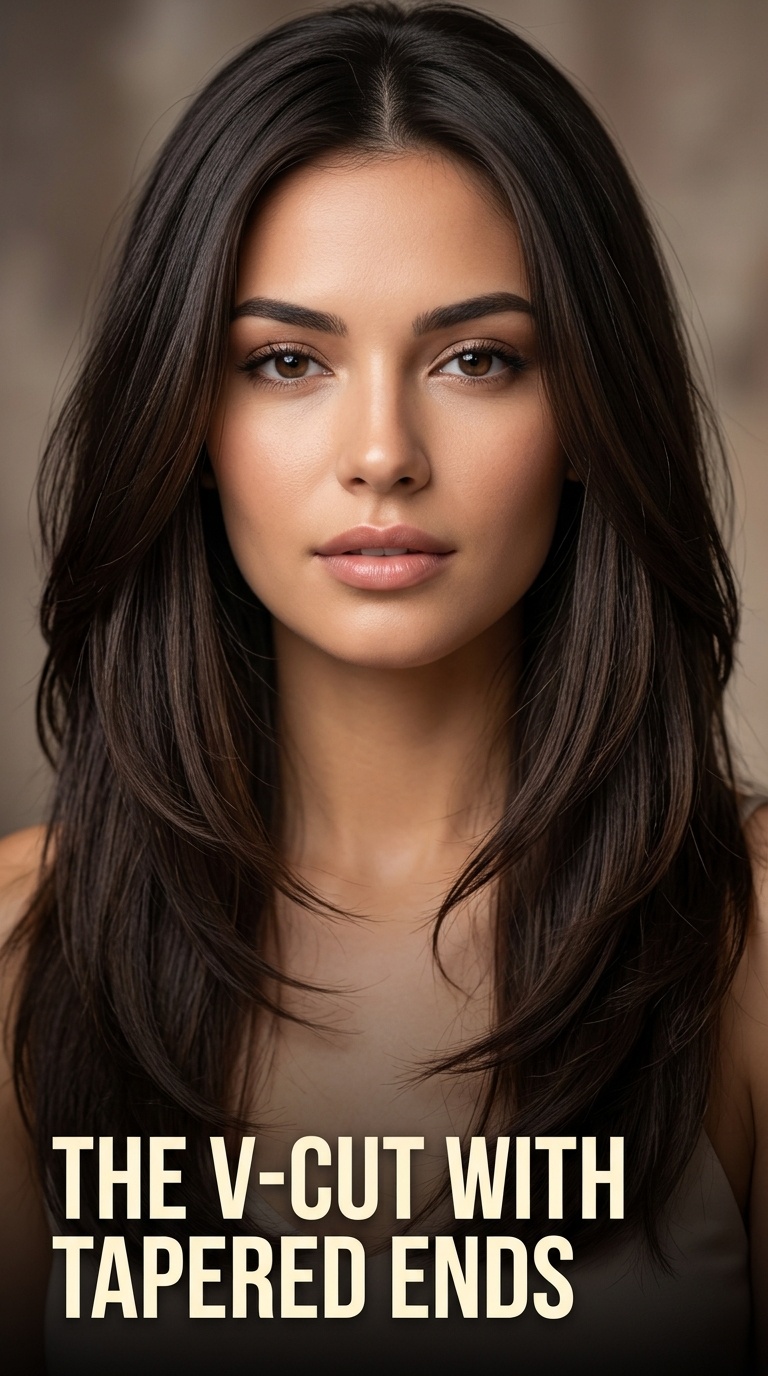
A V-cut is characterized by layers that angle down toward a sharp point in the center of the back. This removes a significant amount of weight from the sides, making thick hair feel much lighter.
More Amazing Ideas
 19 Bob Hairstyles for Fine Hair with Layers, Shape and Movement — Read more
 18 Hairstyles for Long Straight Hair with Layers and Movement — Read more
 17 Front Hairstyles for Open Hair with Layers and Face-Framing Shape — Read more
 19 Hairstyles for Wavy Hair with Layers, Texture and Movement — Read more
 17 Hairstyles for Frizzy Hair with Shape, Texture and Movement — Read more
This shape creates a dramatic look that emphasizes the length of the hair while ensuring the ends don’t look ragged. The tapering allows for a beautiful flow when the hair is tossed.
It is particularly effective for those who wear their hair straight, as the “V” shape creates a striking visual interest. It also helps prevent tangling by reducing the mass of hair at the shoulders.
7. Curtain Bangs with Long Internal Layers
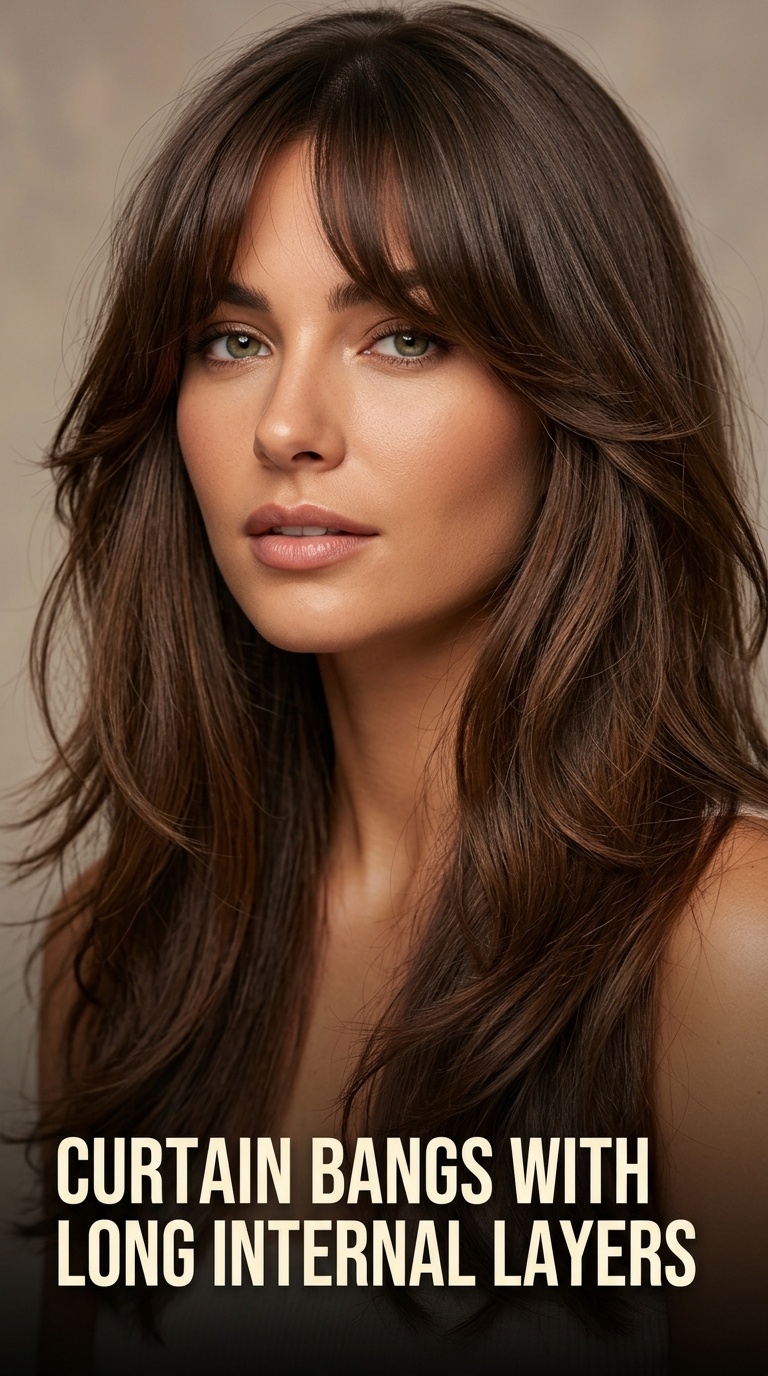
Curtain bangs are the perfect accompaniment to long, thick hair, as they break up the weight around the face. They blend seamlessly into longer layers, creating a cohesive and soft frame.
Internal layering throughout the mid-lengths ensures that the hair doesn’t feel too “boxy.” This combination allows for plenty of movement and prevents the hair from hiding your facial features.
This style is incredibly versatile and can be tucked behind the ears for a different look. It provides a sophisticated touch that works for both casual and formal settings.
8. Razored Texture for Maximum Fluidity
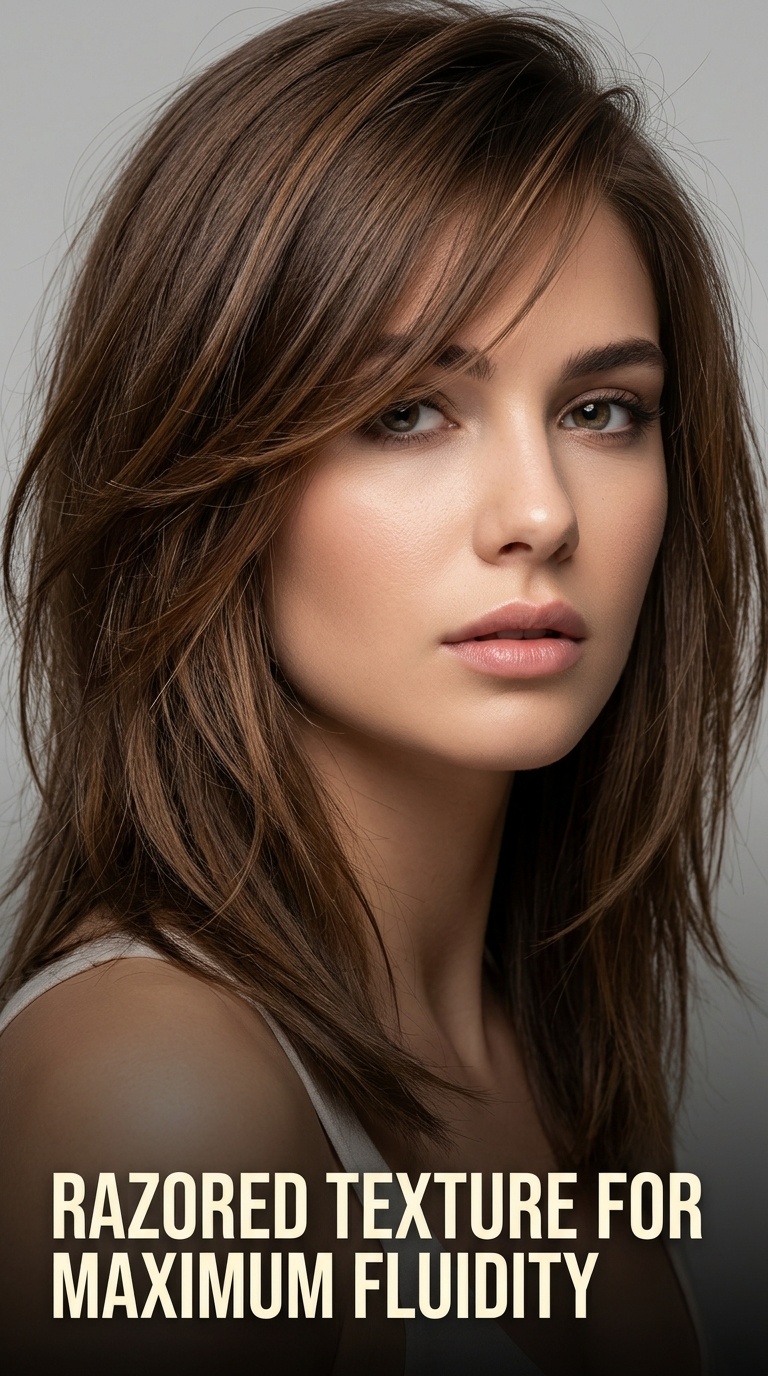
Using a razor instead of traditional shears allows the stylist to thin out the ends while creating a soft, feathered texture. This is a game-changer for people with extremely dense hair.
The razor creates jagged, uneven ends that interlock perfectly, allowing the hair to move as one fluid piece. It eliminates the blunt, heavy edges that can make thick hair look stagnant.
This technique is best for those who love a “lived-in” look with plenty of grit and personality. It enhances natural waves and curls by removing the weight that usually pulls them flat.
9. Graduated Face-Framing Layers
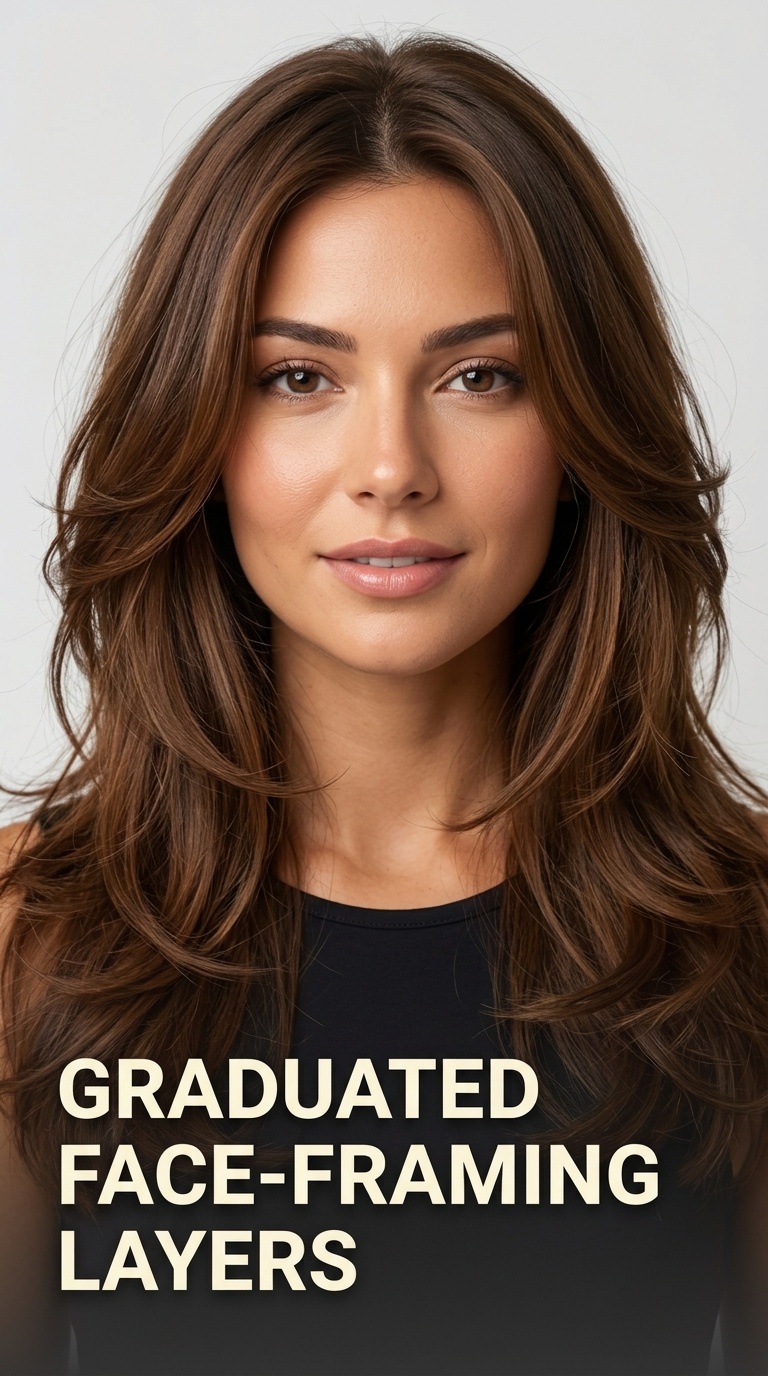
Graduated layers start short near the cheekbones and gradually get longer as they move toward the ends. This creates a staircase effect that directs the eye and adds incredible shape.
More Amazing Ideas
 19 Short Haircuts for Natural Hair with Shape, Texture and Definition — Read more
 18 Wolf Cut Hairstyles with Shaggy Layers and Textured Movement — Read more
 17 Haircuts for Medium Hair with Versatile Shapes and Layers — Read more
 19 Haircuts for Natural Curly Hair with Shape and Definition — Read more
For thick hair, this helps to “de-bulk” the front sections, making the hair easier to manage and style. It provides a structured look that highlights the jawline and cheekbones.
This cut is excellent for those who often wear their hair up, as the shorter front pieces fall out naturally to frame the face. It adds a touch of elegance to any ponytail or bun.
10. Bohemian Long Layers with Micro-Bangs
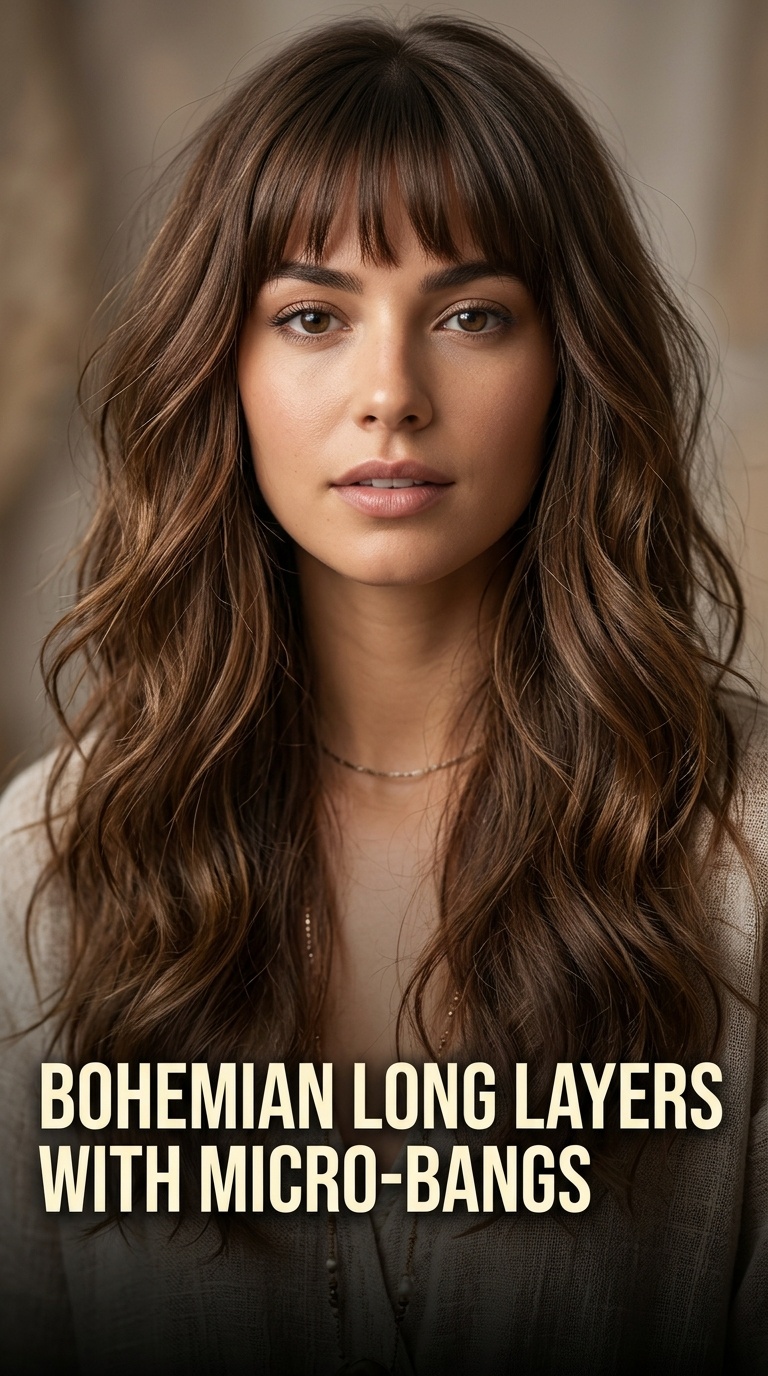
This style combines very long, beachy layers with short, edgy micro-bangs. The contrast between the short fringe and the long, flowing back creates a unique and artistic silhouette.
The long layers are usually cut with a “point-cutting” technique to keep the ends looking soft and natural. This encourages a relaxed, bohemian vibe that celebrates the natural volume of thick hair.
Maintenance for the bangs is higher, but the rest of the hair remains low-effort. It’s an ideal choice for creative individuals who want a haircut that stands out from the crowd.
11. The Blunt-Long Hybrid
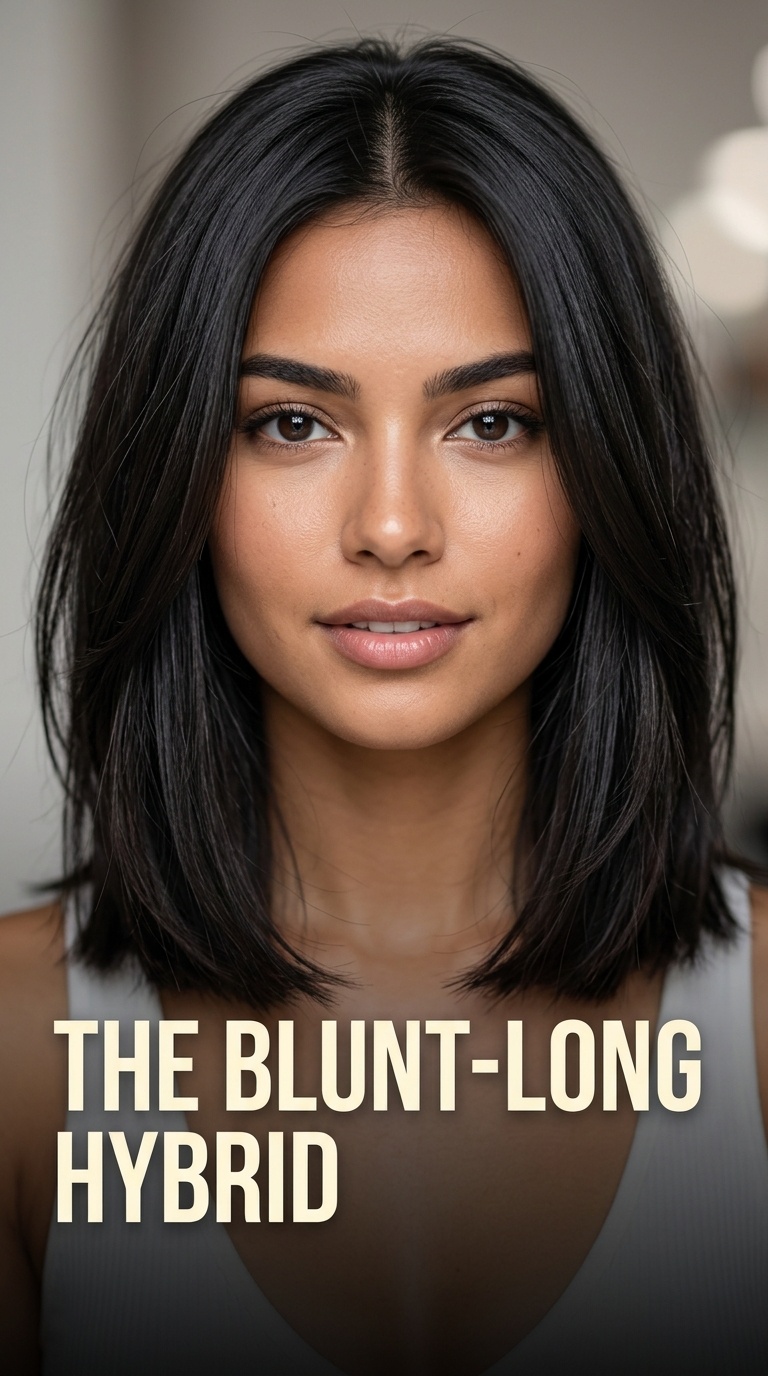
This haircut features a blunt baseline at the very bottom to maintain a thick appearance, paired with heavy internal thinning and surface layers. It offers the best of both worlds.
The blunt edge gives the hair a healthy, strong look, while the hidden layers provide the necessary movement. This prevents the hair from feeling like a heavy “blanket” on the back.
It is a great option for those who love the look of thick hair but hate the physical weight. It keeps the density at the bottom while allowing the top layers to dance and breathe.
12. Cascading Ribbon Layers
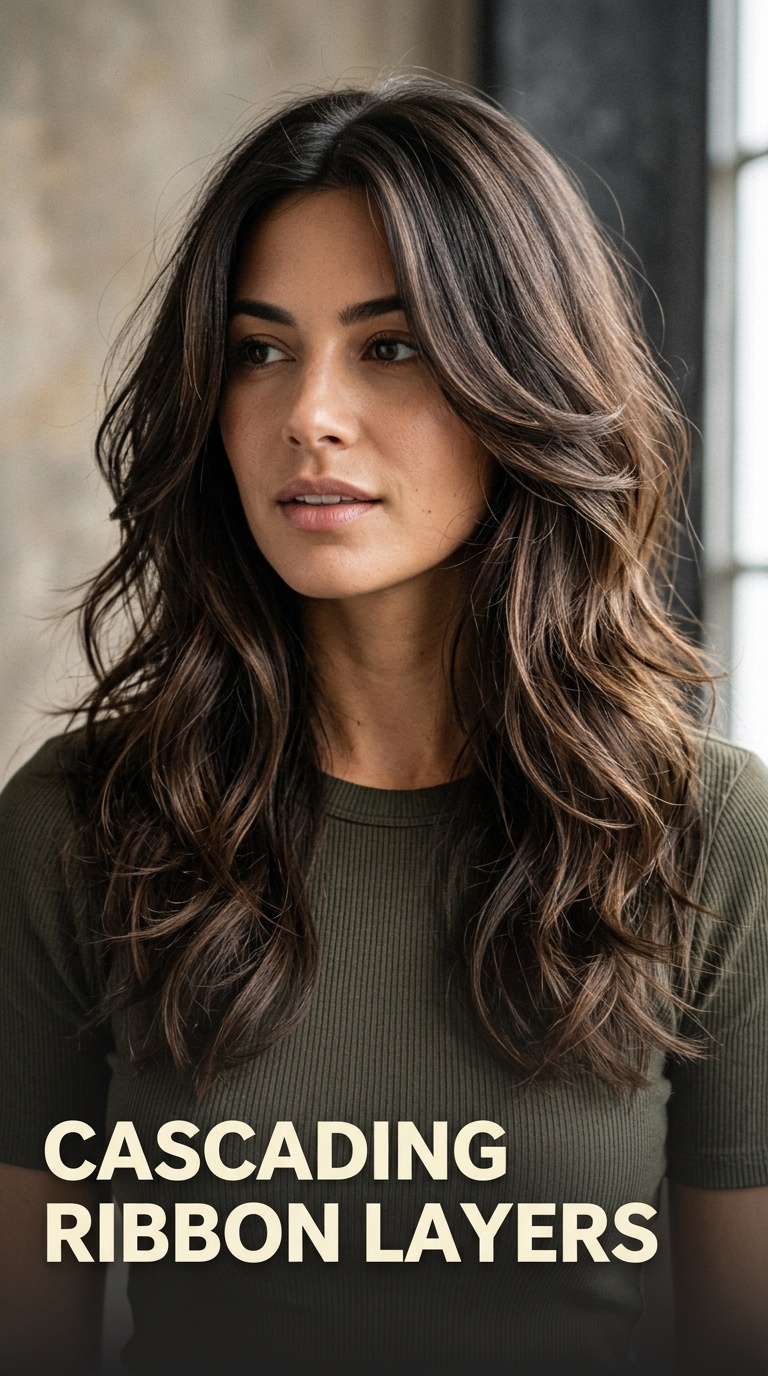
Ribbon layers are long, thin sections of hair cut at varying lengths to create a “cascading” effect. When styled with waves, these layers look like overlapping ribbons, adding incredible depth.
This technique is specifically designed to showcase the different tones in your hair color while managing thickness. It breaks up the solid mass of hair into manageable, moving parts.
More Amazing Ideas
 16 Curl Hairstyles for Medium Hair with Layers and Movement — Read more
 19 Layered Hairstyles for Medium Length Hair with Movement and Shape — Read more
 16 Haircuts for Greasy Hair with Practical Lengths and Layers — Read more
 18 Curl Hairstyles for Long Hair with Volume, Definition and Movement — Read more
 17 Wedding Hairstyles for Long Hair from Classic to Romantic — Read more
This is a high-glamour look that thrives with a bit of shine spray and a curling wand. It ensures that your hair never looks flat or boring, regardless of how long it grows.
13. Rounded Layers for Curly Thick Hair
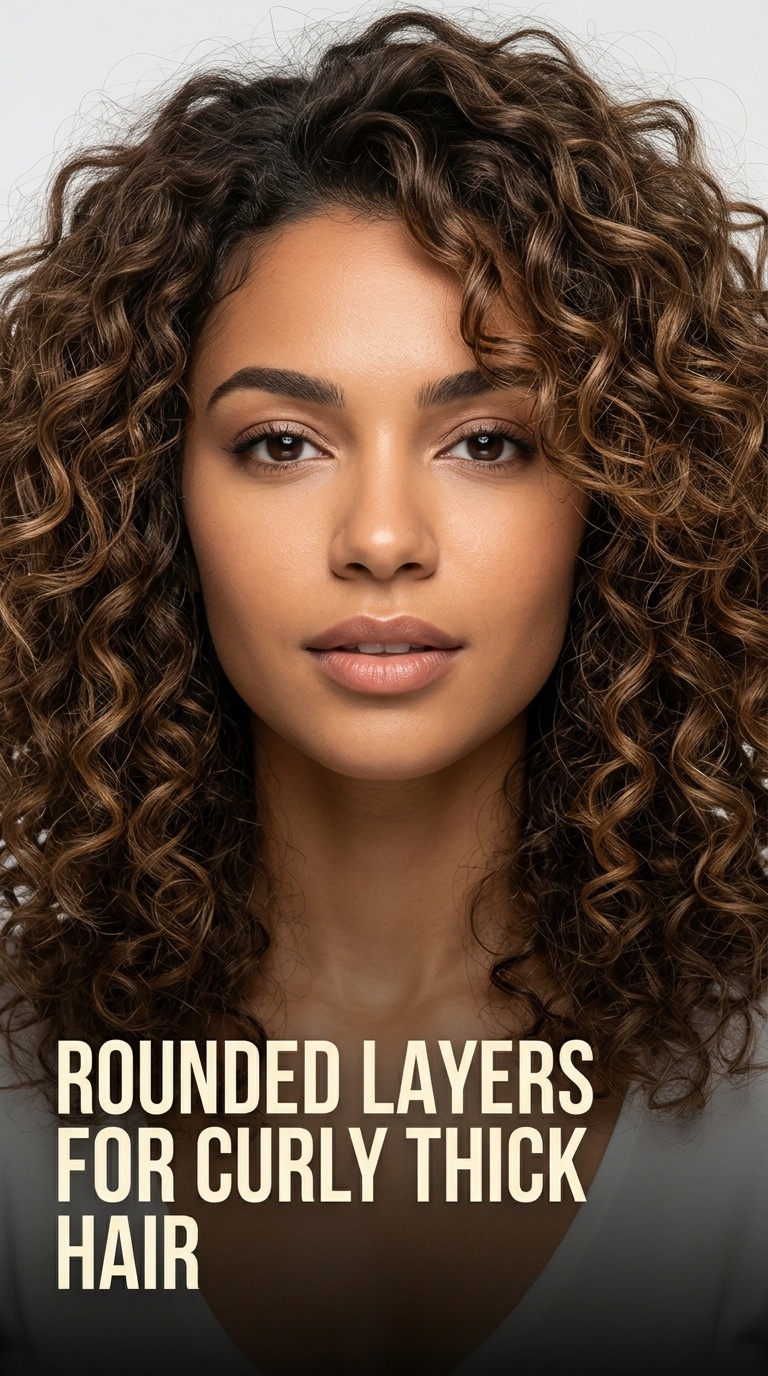
Thick, curly hair requires a specific layering technique to avoid the “pyramid” shape. Rounded layers are cut to follow the natural curve of the head, allowing curls to stack beautifully.
This shape encourages the curls to spring up and retain their bounce rather than being weighed down by their own mass. It creates a halo of movement and volume that looks balanced.
Using a leave-in conditioner or curl cream with this cut will help define the layers and prevent frizz. It is the gold standard for anyone embracing their natural, thick curls.
14. Wispy Face-Framing “Flick” Layers
This style focuses on the very ends of the layers, which are thinned out to create a “flick” or outward curve. It adds a playful, energetic movement to long, thick hair.
The layers are usually concentrated from the mid-shaft down, ensuring the top remains smooth while the bottom half is full of life. It’s a very dynamic look that responds well to movement.
A quick pass with a flat iron to “flick” the ends out can enhance this style in minutes. It’s a modern take on classic layering that feels fresh and youthful.
15. The “Hush” Cut
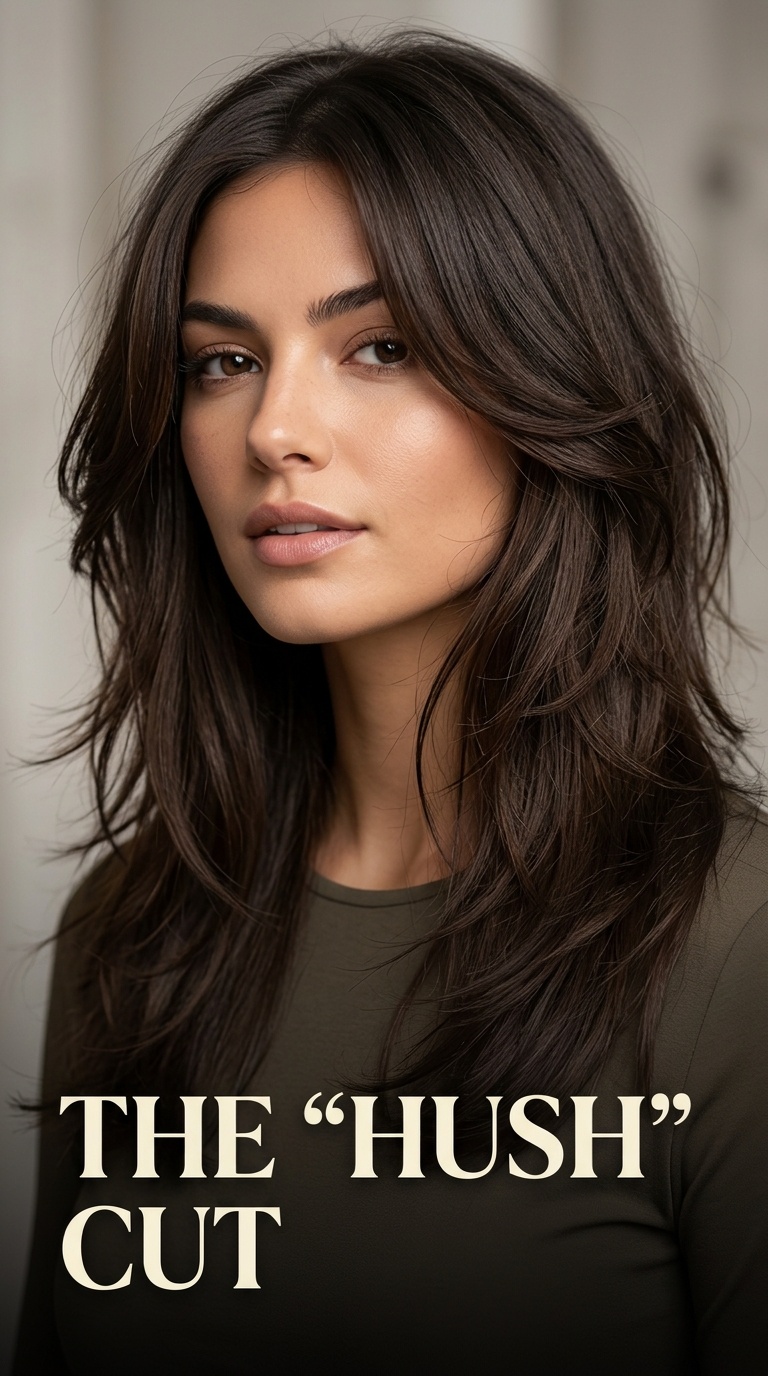
The “Hush” cut is a popular South Korean trend that emphasizes soft, wispy layers and a lot of movement. It is designed to look effortless and airy, even on the thickest hair types.
It often includes a soft fringe that blends into layers that hug the face. The weight is distributed so evenly that the hair feels virtually weightless despite its length and density.
More Amazing Ideas
 18 Hairstyles for Natural Hair with Texture, Shape and Variety — Read more
 17 Choppy Bob Hairstyles for Fine Hair with Texture and Movement — Read more
 19 Formal Hairstyles for Long Hair from Sleek to Voluminous — Read more
 18 Hairstyles for Straight Hair with Layers, Length and Texture — Read more
 18 Hairstyles for Shoulder Length Hair with Layers and Texture — Read more
This cut is perfect for those who prefer a “wash-and-go” routine. The strategic layering ensures the hair falls into a beautiful shape without the need for intensive heat styling.
16. Disconnected “A-Line” Layers
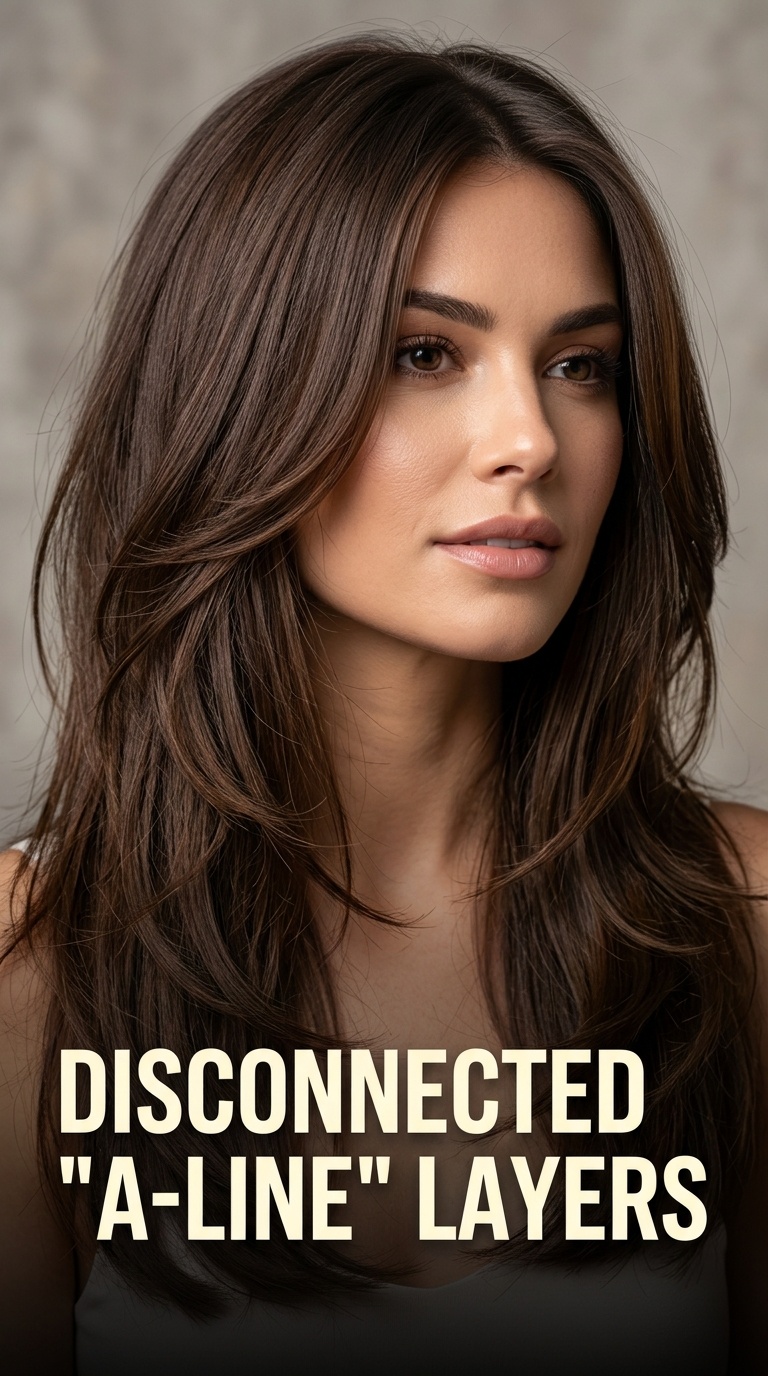
In this cut, the front sections are slightly longer than the back, but the layers are disconnected rather than blended perfectly. This creates a modern, architectural feel with lots of “swing.”
For thick hair, the disconnection helps to remove bulk from the nape of the neck, which is often the heaviest area. This provides a cool, ventilated feel during warmer months.
This is a sophisticated choice for professionals who want a sharp, clean look that still has plenty of character. It looks particularly striking when worn straight and sleek.
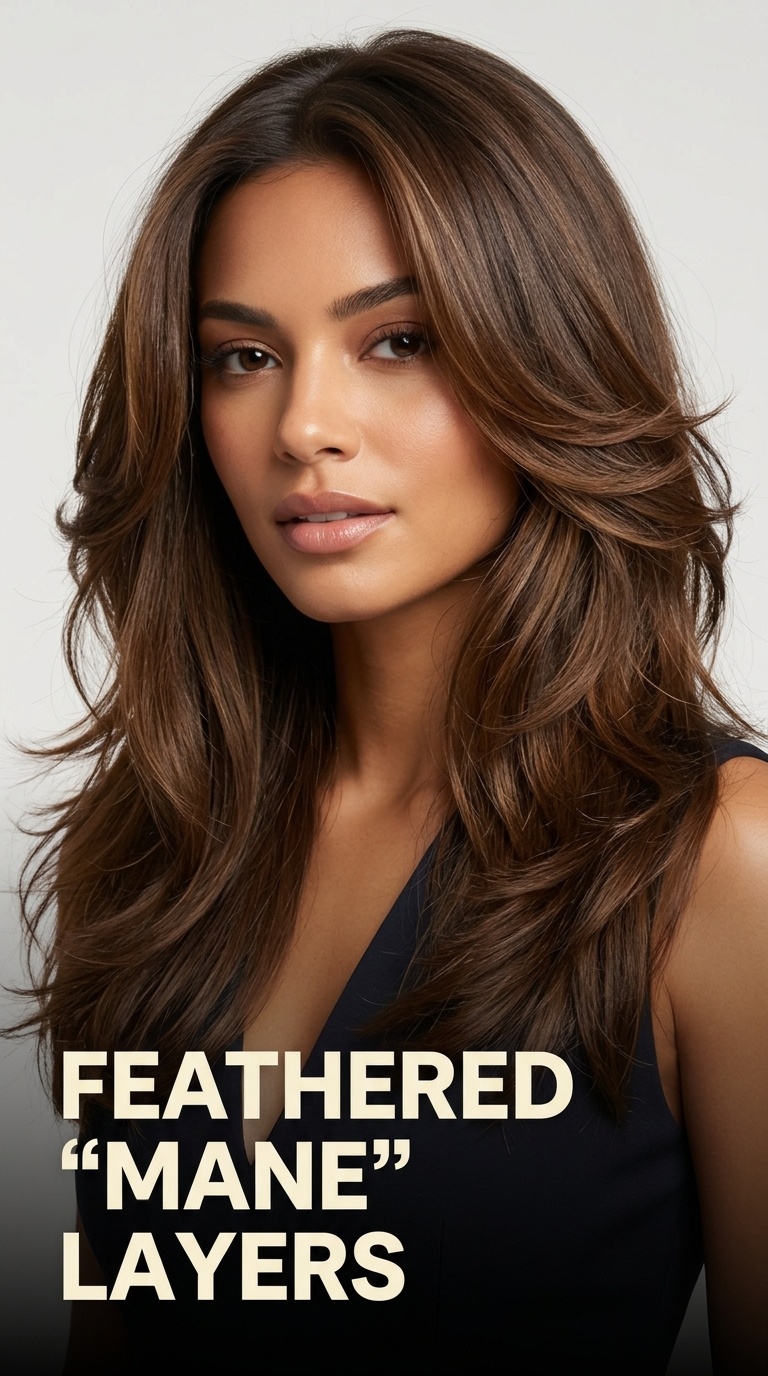
17. Feathered “Mane” Layers
Feathering is a technique where the hair is brushed back and cut at an angle to create soft, overlapping layers. This results in a “mane” effect that is full of texture and height.
This style is all about volume and “airiness.” It’s designed to be touched and tossed, making it one of the most high-movement haircuts available for thick hair.
It works best for those who have a natural wave or who are willing to use a blow-dryer to “lift” the roots. The result is a powerful, voluminous look that commands attention.
18. Soft-Blended Tapered Layers
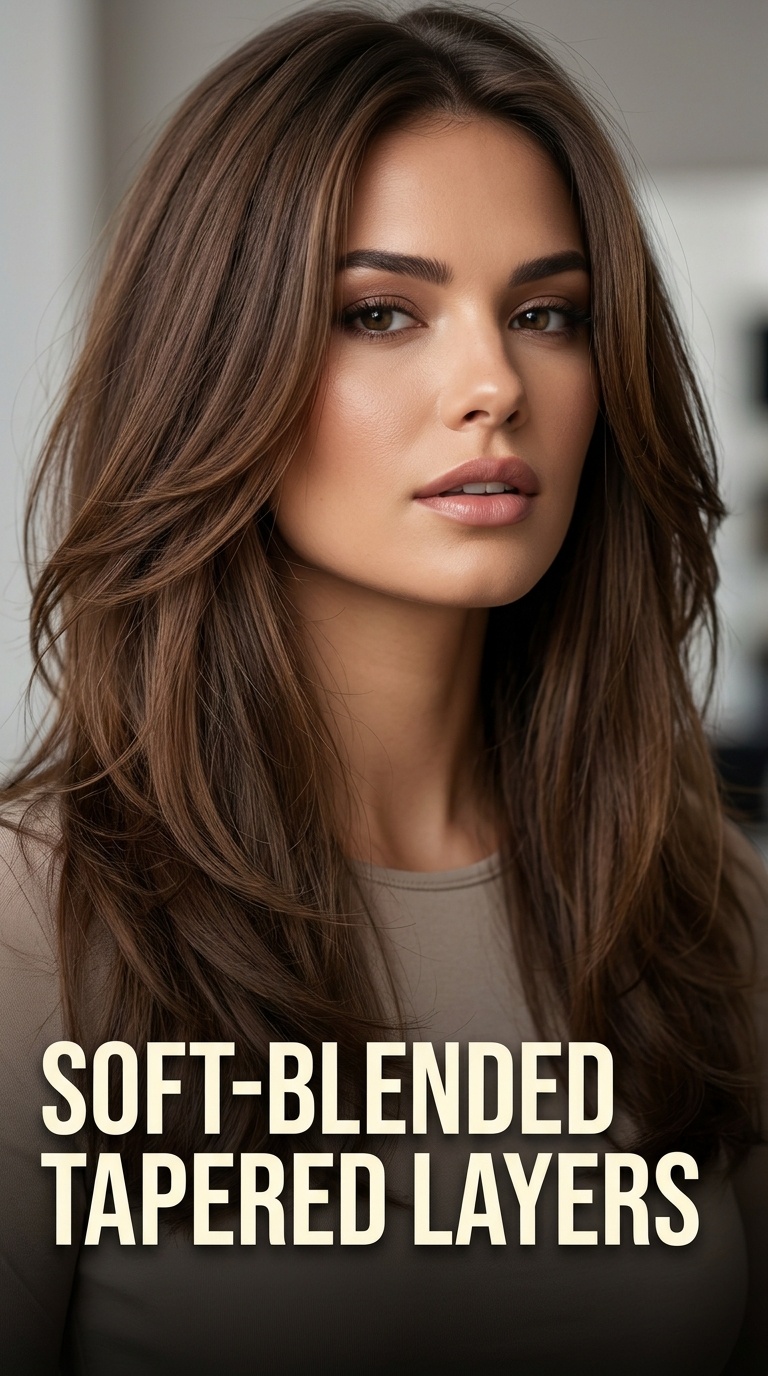
For those who dislike the look of obvious layers, soft-blended tapering is the answer. The stylist uses thinning shears to blend the layers so perfectly that they are almost indistinguishable.
This cut provides the shape and movement needed for thick hair without the “choppy” aesthetic. It allows the hair to fall in a soft, elegant waterfall down the back.
It is a very safe but effective option for anyone transitioning from a one-length cut to a layered style. It offers a subtle transformation that makes daily hair management significantly easier.
More Amazing Ideas
 18 Medium Hairstyles for Men with Layers, Texture and Shape — Read more
 17 Bun Hairstyles for Long Hair from Sleek to Voluminous Looks — Read more
 19 Braid Hairstyles for Long Hair from Classic Plaits to Intricate Looks — Read more
 19 Hairstyles for Round Faces with Layers, Bangs and Shape — Read more
 16 Messy Hairstyles for Men with Texture, Layers and Natural Movement — Read more
What is the best way to reduce bulk in thick hair?
The most effective way to reduce bulk is through internal layering or texturizing with thinning shears. These techniques remove weight from the middle and under-sections of the hair without sacrificing the overall length or the appearance of a solid baseline.
How often should I trim layers in long thick hair?
To maintain the shape and movement of a layered cut, a trim every 8 to 12 weeks is generally recommended. Because thick hair can become heavy quickly, regular maintenance ensures the layers don’t grow out into a “bottom-heavy” shape.
Can layers make thick hair look frizzy?
If layers are cut too short or with a dull razor, they can occasionally appear frizzy. However, when done correctly by a professional, layers actually help manage frizz by allowing the hair to lay flatter and removing the split ends that often contribute to a fuzzy appearance.
Do layers work better for straight or wavy thick hair?
Layers are beneficial for both, but they serve different purposes. For straight hair, they add much-needed movement and prevent a “curtain” effect. For wavy or curly hair, they provide structure and prevent the hair from expanding into an unbalanced triangular shape.
Will layers make my hair look thinner?
Layers will make your hair look less bulky and more “styled,” but they won’t necessarily make it look thin. For people with very thick hair, this “thinning” effect is usually a desired outcome as it makes the hair more manageable and easier to style.
What styling products are best for layered thick hair?
Lightweight mousses or root-lift sprays are excellent for adding volume to layers. For the ends, a light hair oil or smoothing serum helps define the layers and adds a healthy shine, ensuring the movement is visible and the hair looks polished.


