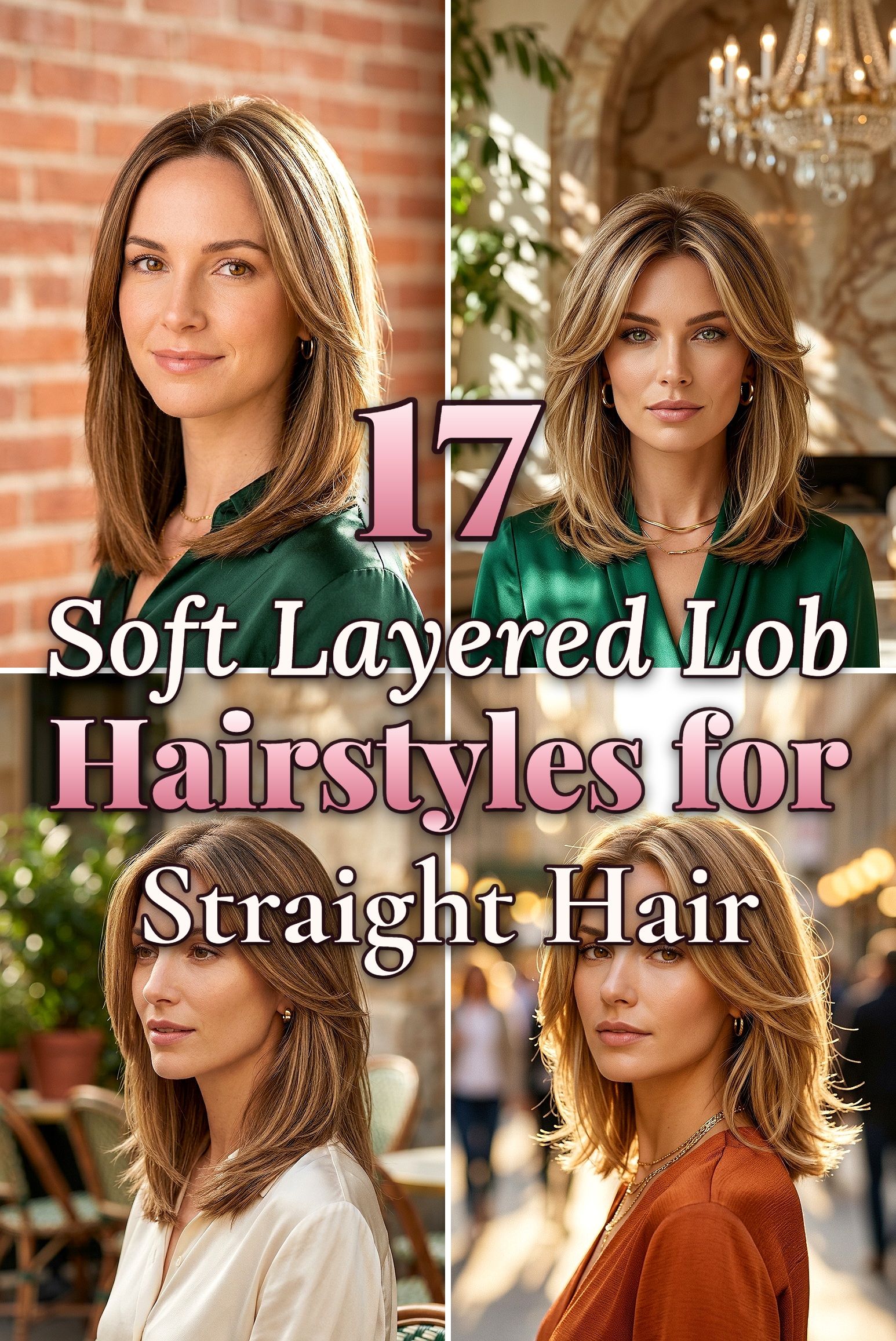
Finding a soft layered lob for straight hair that doesn’t fall flat can feel like a constant battle against gravity and lackluster volume.
This guide offers manageable solutions for fine straight hair and options for women over 50 and over 60 with round or oval faces, including many no-bangs looks.
One specific technique below transforms the way fine hair moves without requiring hours of heat styling every morning.
1. Soft Face-Framing Layers
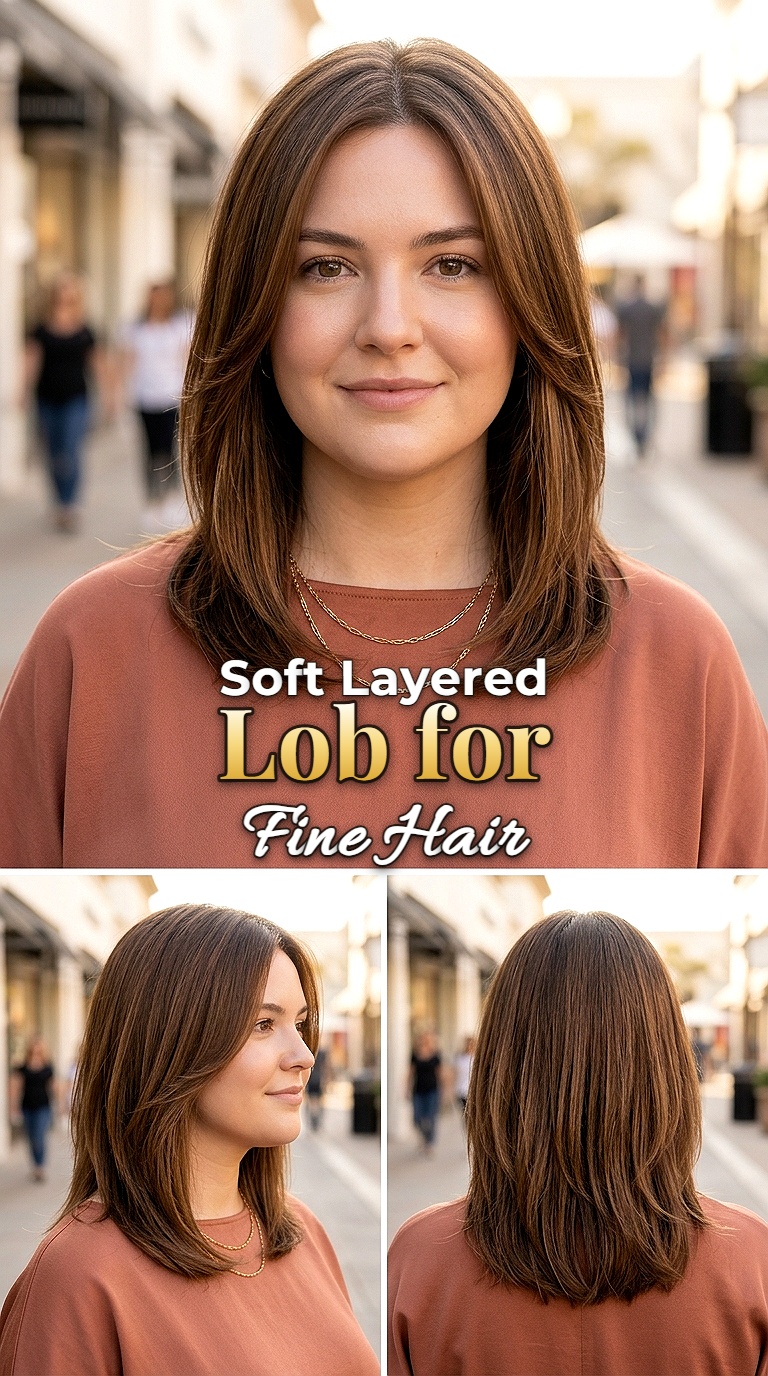
Finding a soft layered lob for fine hair often means adding strategic pieces that hit right at the cheekbone to create an illusion of width. This style is excellent for someone moving away from chin length blunt bob haircuts for fine straight hair who wants more length.
The layers are kept very long and blended so they don’t look choppy or dated. Instead, they provide a gentle curve that follows the natural line of your jaw, giving straight strands a sense of purpose.
I recommend this for anyone who likes to tuck their hair behind their ears. The shorter pieces stay forward to frame the face while the rest of the length stays sleek.
2. Feathered Crown Layers
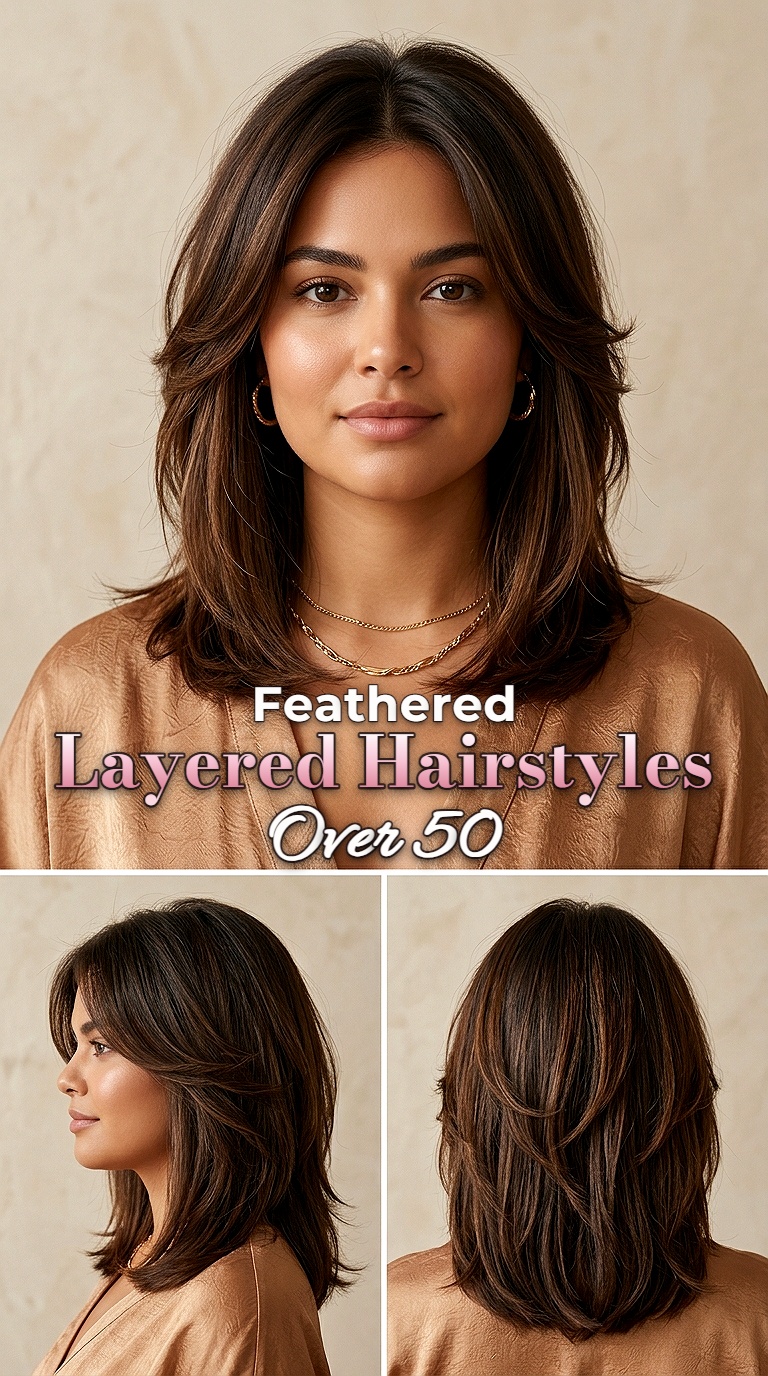
Choosing feathered layered hairstyles over 50 keeps movement light around the temples and provides a much-needed lift at the root. Many women find that as hair thins, a traditional blunt cut can feel too heavy or severe.
These crown layers are cut internally, meaning you don’t see harsh lines on the surface. They act like a “scaffold” for the rest of your hair, pushing the top sections up for natural-looking volume.
More Amazing Ideas

This is a great alternative to chin length blunt bob haircuts for fine hair over 50 because it maintains a more youthful, airy silhouette. It requires very little round-brushing to look polished.
3. Whisper-Soft Side Layers
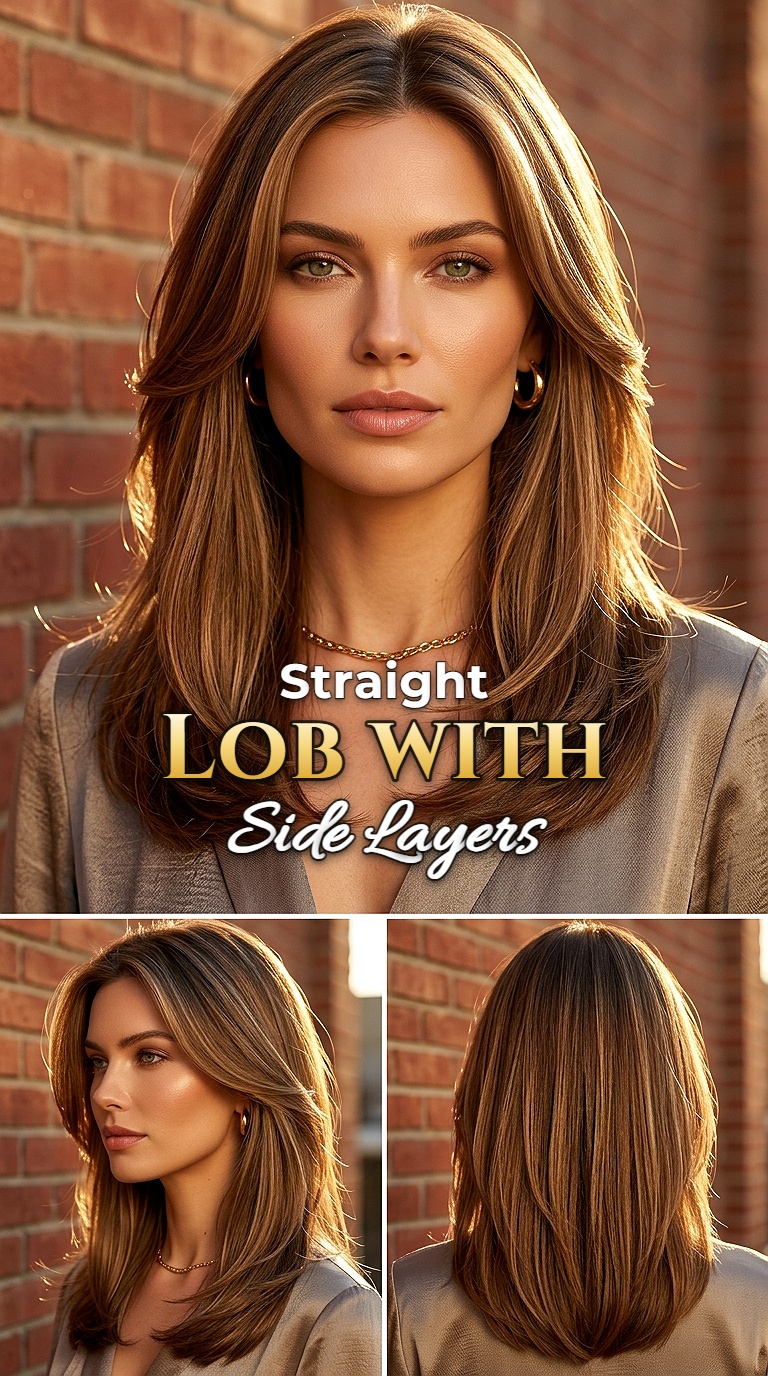
A straight lob with side layers is the perfect middle ground for someone who wants movement without a full commitment to a shaggy style. The layers are concentrated only on the front two inches of the hair.
For those with an oval face shape, these side-swept pieces add a bit of texture that breaks up the vertical line of the hair. It is a sophisticated way to handle straight hair that typically lacks “swing.”
If you have previously tried chin length blunt bob haircuts for fine hair oval face and felt they were too boxy, this elongated version will feel much more balanced and feminine.
4. Airy Tapered Layers
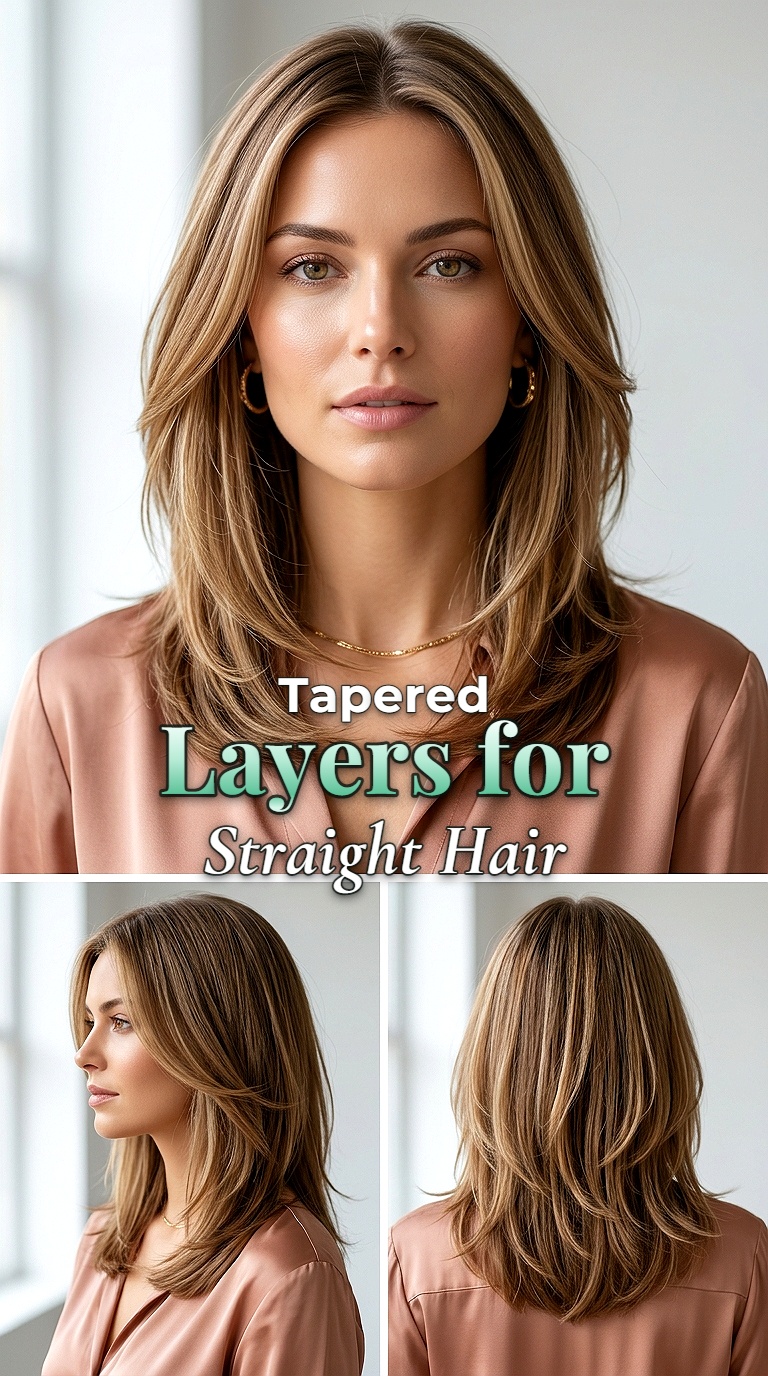
Incorporating tapered layers for straight hair allows the ends to feel light and bouncy rather than stiff and heavy. The stylist uses a slide-cutting technique to remove weight from the mid-lengths down.
This look is specifically designed for women who prefer no-bangs styling. It allows the hair to part naturally wherever it wants while still maintaining a cohesive shape that doesn’t look unkempt.
It serves as a beautiful transition for someone growing out chin length blunt bob haircuts for fine hair no bangs. The tapered ends prevent the “triangle” shape that often happens during the grow-out phase.
More Amazing Ideas
5. Gentle Swept Layers
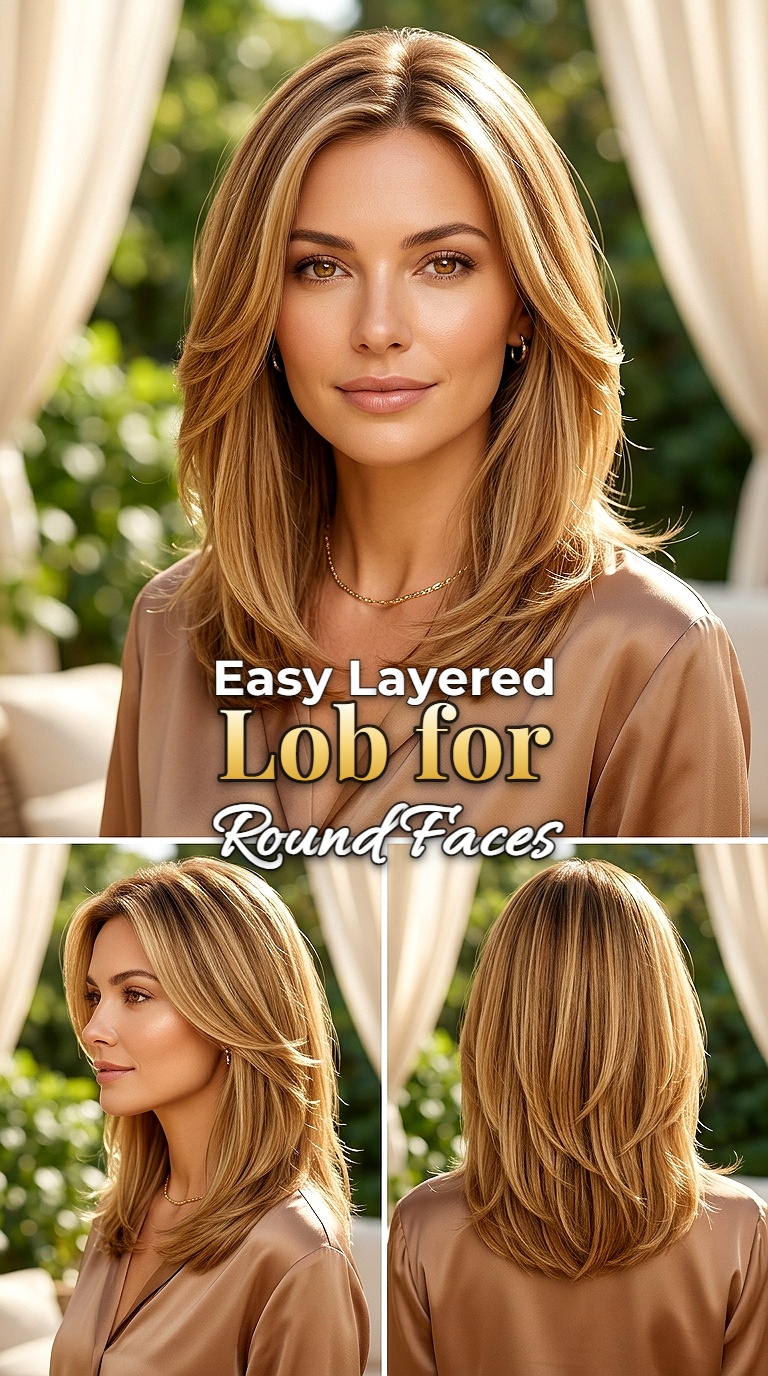
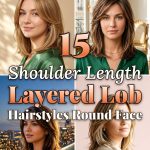
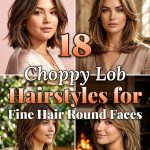
An easy layered lob for round faces uses layers that start just below the chin to help elongate the neckline. By keeping the volume away from the sides of the face, the overall look is slimming.
This is often more flattering than chin length blunt bob haircuts for fine hair round face, which can sometimes emphasize the widest part of the cheeks. The added length of the lob pulls the eye downward.
Styling is a breeze with a flat iron. Simply turn the ends slightly inward or outward to showcase the soft, swept-away texture of the layers.
6. Subtle Internal Layers
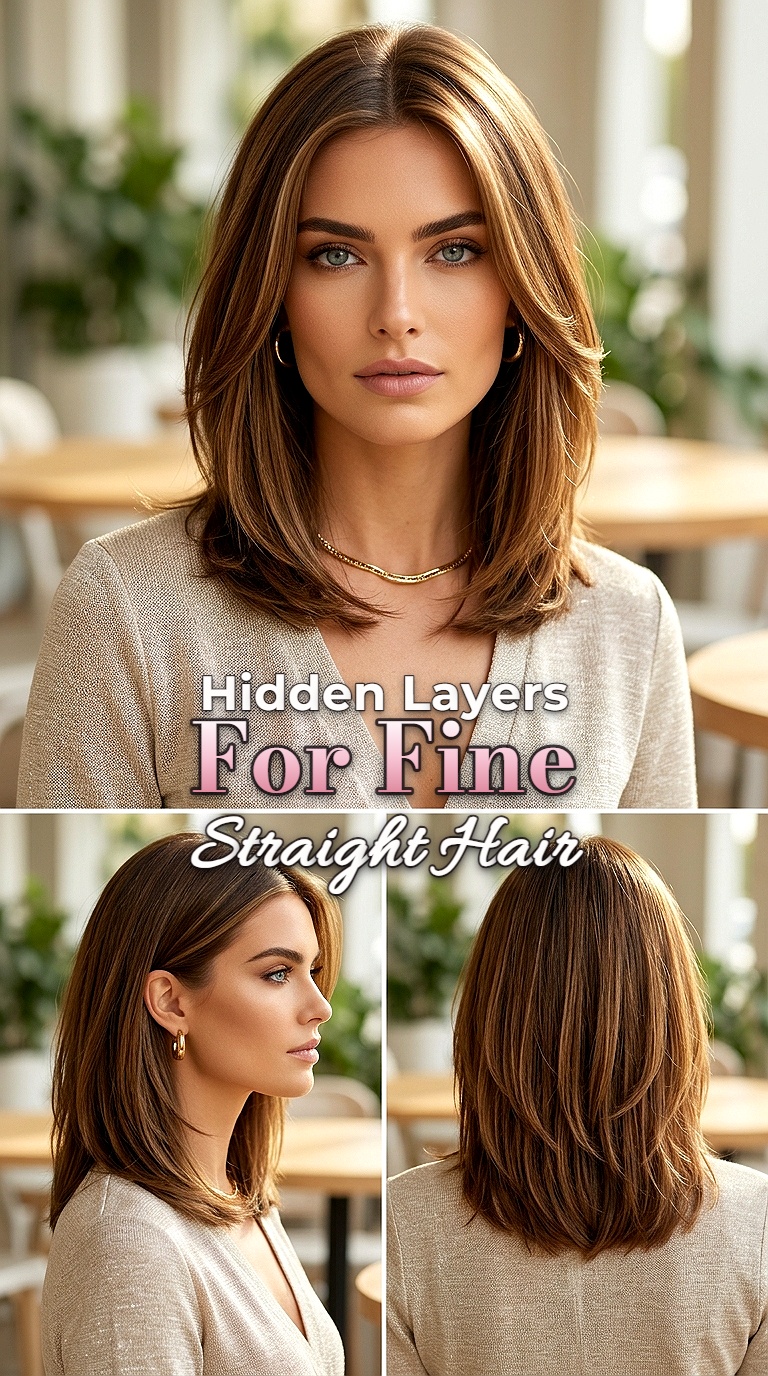
Using hidden layers for fine straight hair is a professional secret for creating density without the look of a traditional “layered” haircut. These are shorter pieces cut underneath the top canopy.
This technique is especially helpful for women over 60 who want to maintain the appearance of thick hair. It provides the support of a shorter cut while keeping the elegant length of a long bob.
It offers a much softer result than chin length blunt bob haircuts for fine hair over 60, which can sometimes look too sharp. The internal layers allow the hair to move as one fluid piece.
7. Cascading Front Layers
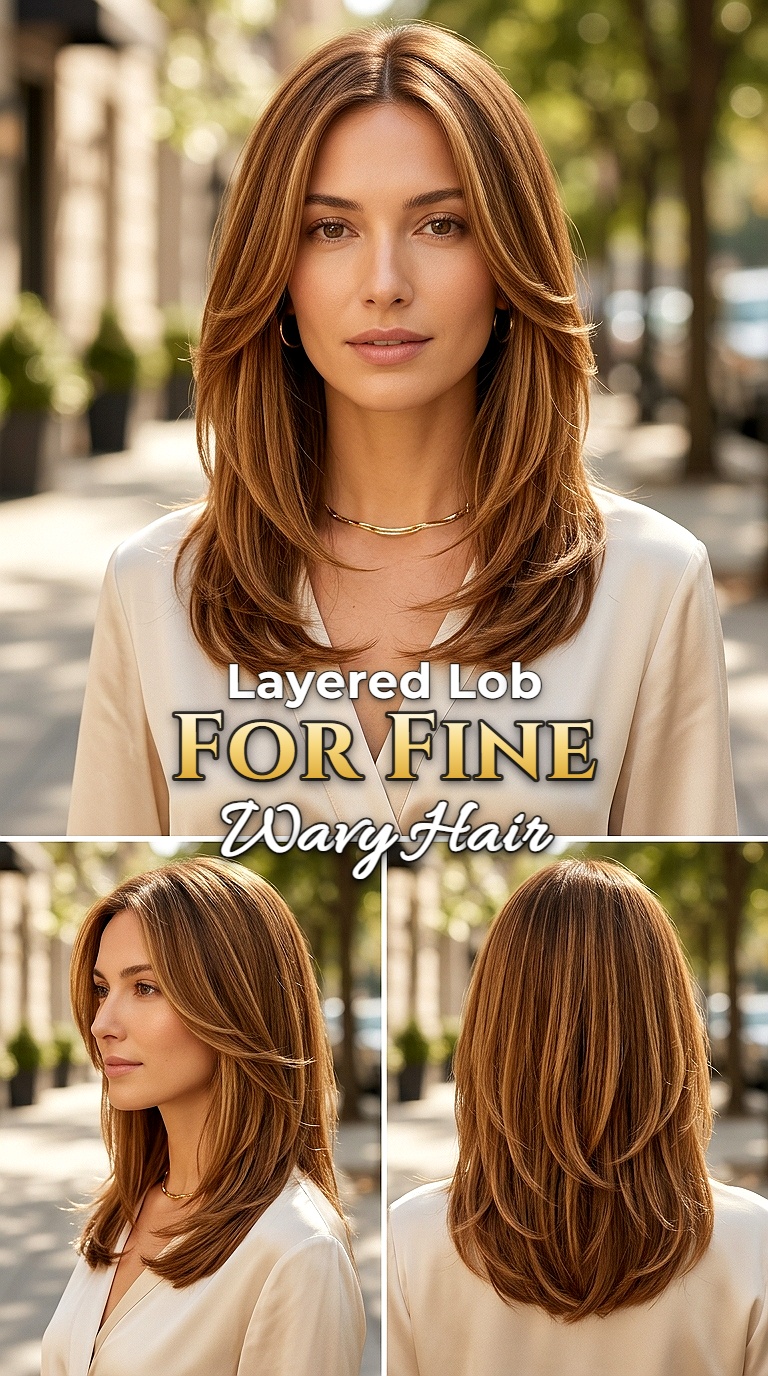
A layered lob for fine wavy hair works surprisingly well even if you usually wear your hair straight. These cascading pieces capture any natural bend and give it a place to sit.
When you blow-dry this look straight, the layers create a “waterfall” effect down the front. It adds a touch of glamour without requiring the high maintenance of a shorter, more structured bob.
More Amazing Ideas

Even if you usually stick to chin length blunt bob haircuts for fine wavy hair, trying this longer, layered version can help manage the bulk that often comes with natural texture.
8. Invisible Blended Layers
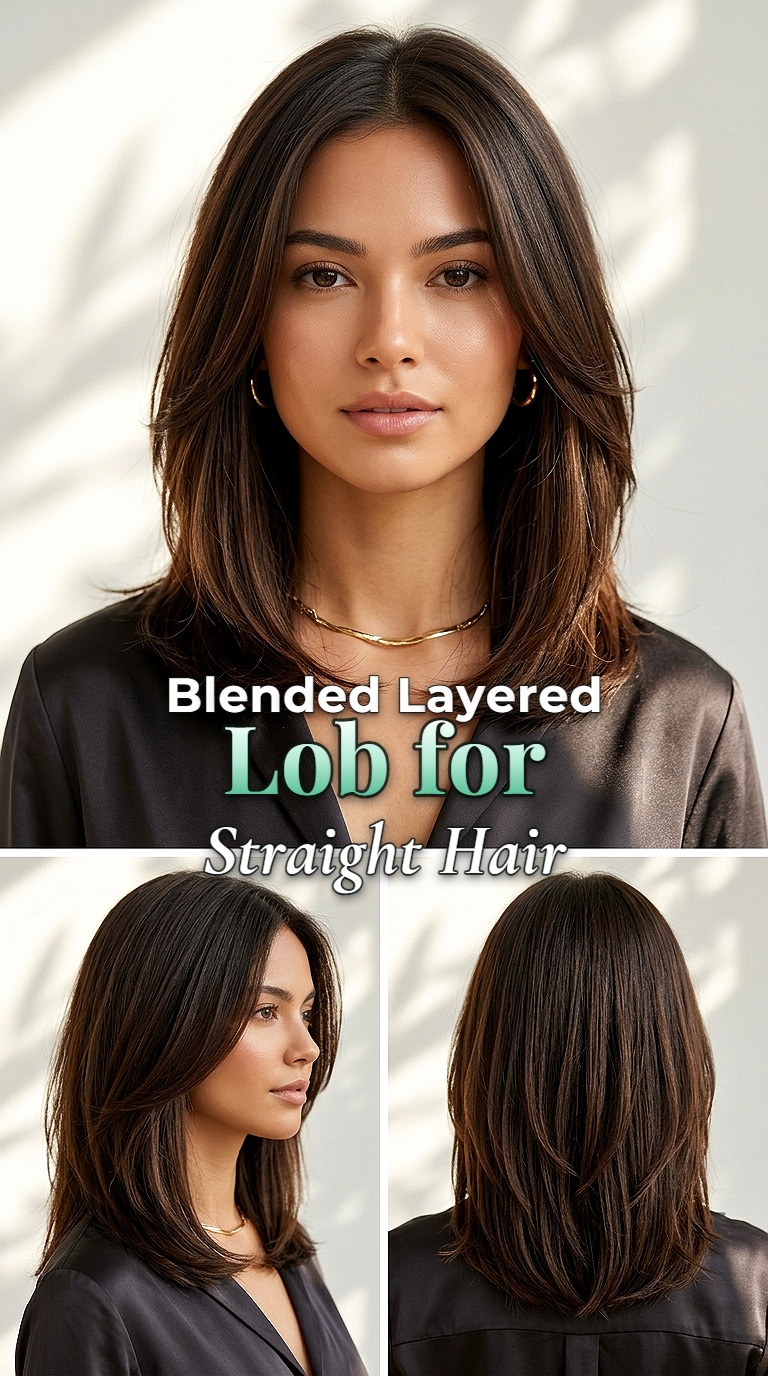
The blended layered lob for straight hair is all about seamless transitions. You shouldn’t be able to see where one layer ends and the next begins, resulting in a very polished finish.
This look is ideal for the office or more formal environments where you want to look put-together. It relies on precision cutting rather than heavy styling products to hold its shape.
It provides a more modern feel than a standard one-length cut. The invisible layers ensure that the hair doesn’t look like a solid “curtain” around the face.
9. Graduated Back Layers
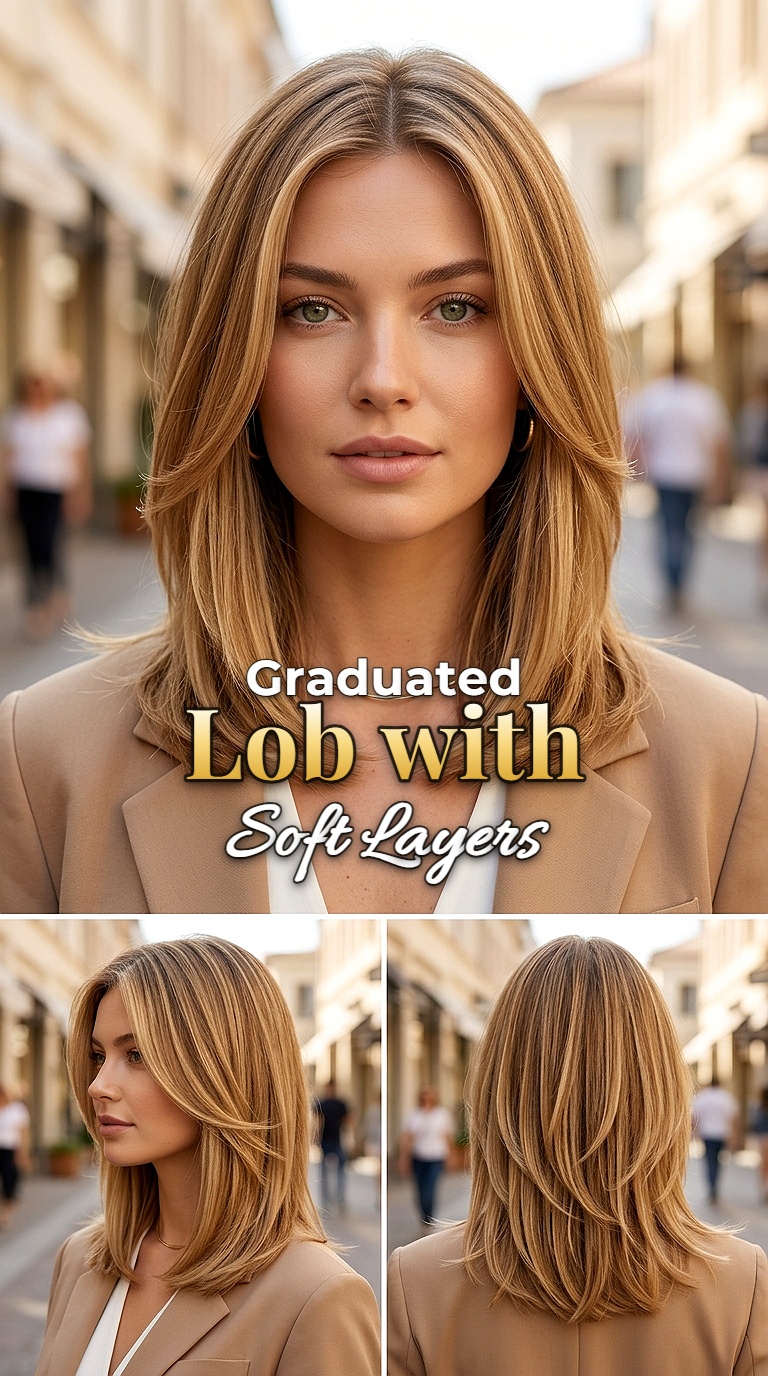
A graduated lob with soft layers features a slightly shorter back that builds weight toward the front. This creates a beautiful profile view and prevents the back of the hair from looking flat.
This style is often a favorite for those who find that their hair gets tangled at the nape of the neck. By shortening the back layers slightly, you reduce friction and maintain a cleaner line.
While it shares the forward-sloping logic of some shorter cuts, it is much less aggressive than traditional stacked bobs, keeping the “soft” aesthetic of a lob.
10. Chiseled Jawline Layers
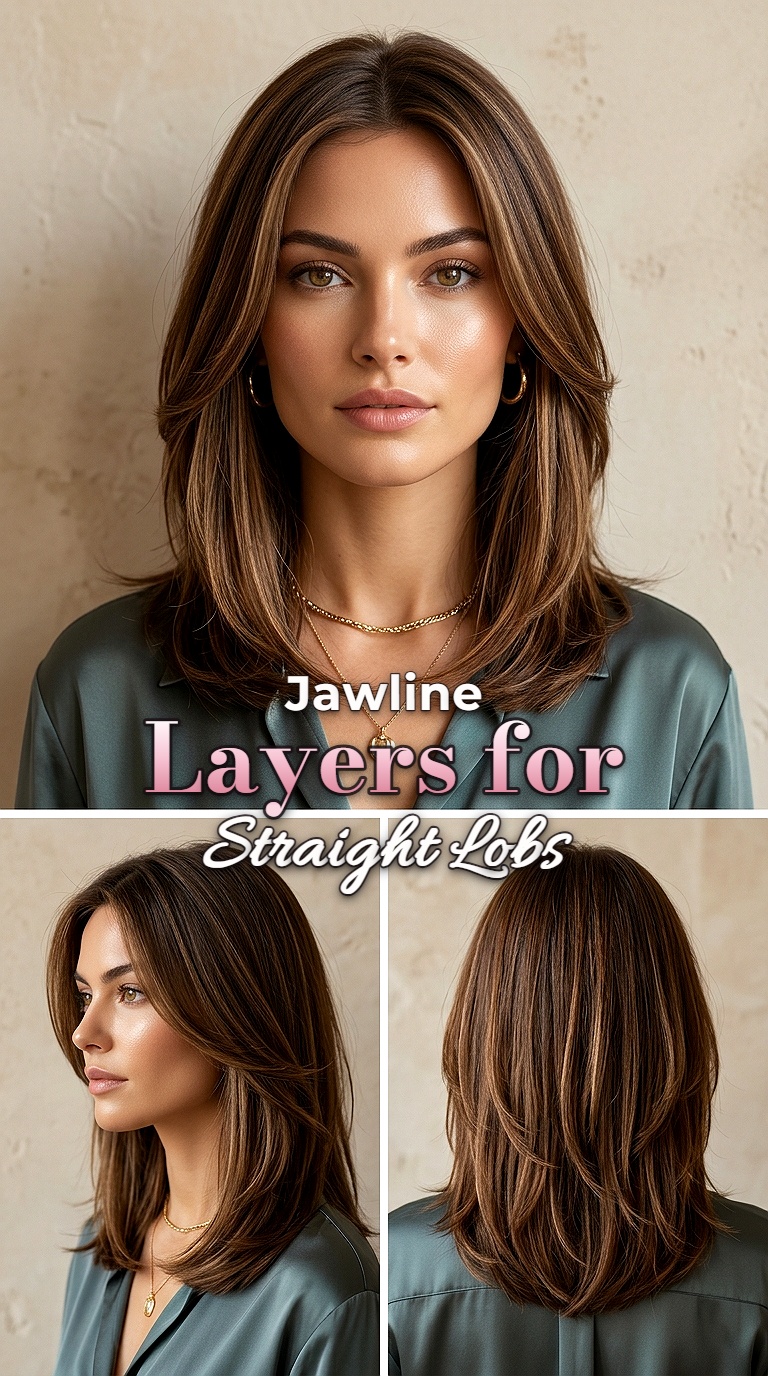
Applying jawline layers for straight lobs helps define the lower half of the face. The layers are cut to “point” toward the chin, which creates a very flattering frame for the mouth and jaw.
More Amazing Ideas
 19 Blunt Lob Hairstyles with Bangs for Thick Hair — Read more
 17 French Micro Bob Hairstyles for Straight Hair — Read more
 17 Messy Shaggy Bob Hairstyles for Straight Hair — Read more
 19 Wavy Choppy Bob Hairstyles for Straight Hair — Read more
 20 Classic Stacked Bob Hairstyles for Straight Hair — Read more
This is a great choice for women who wear glasses. The layers provide a bit of “kick” that keeps hair from getting caught in the frames or falling forward into the eyes.
It provides the structure found in chin length blunt bob haircuts for fine straight hair but with the added softness and length of a contemporary lob.
11. Modern Shag Layers
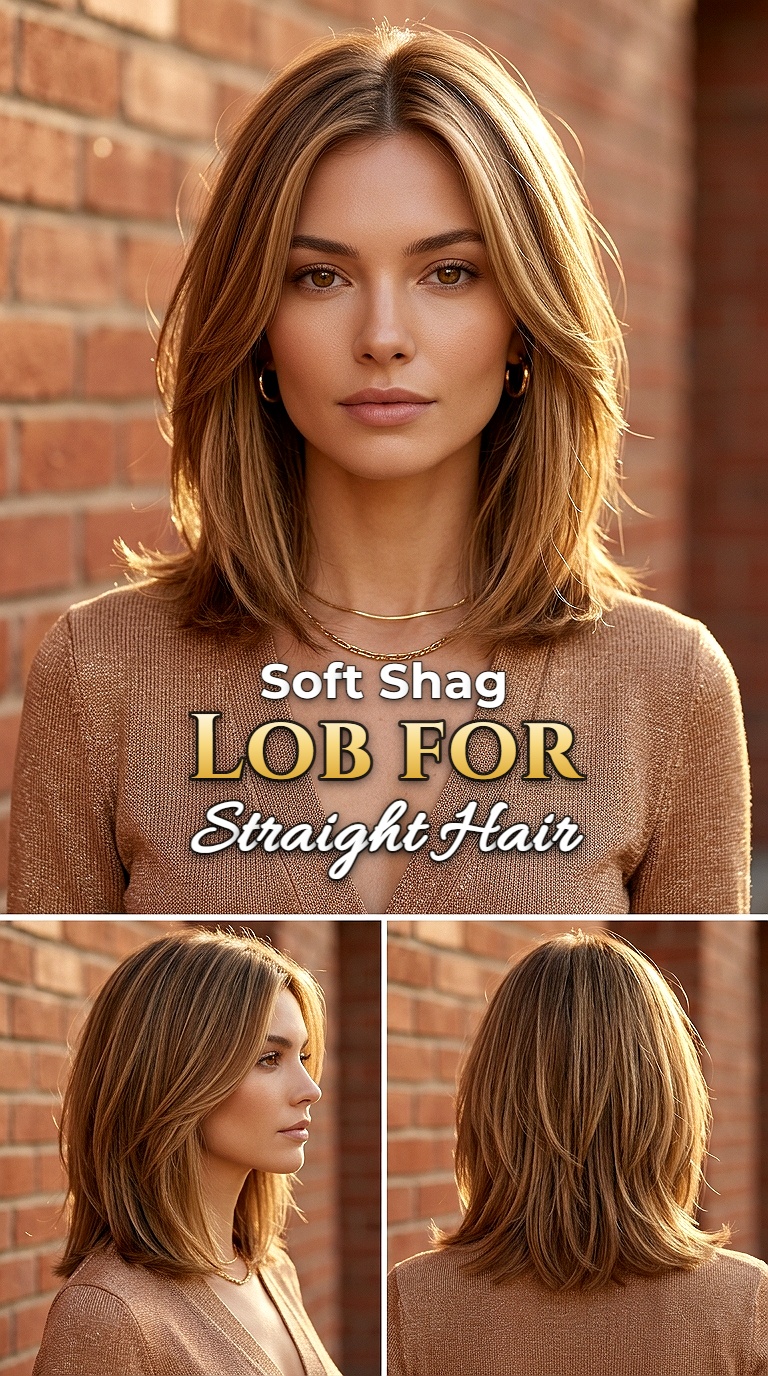
A soft shag lob for straight hair uses more frequent layering throughout the head but keeps the edges wispy rather than blunt. It is a very “cool-girl” approach to straight hair.
Because the layers are so soft, they don’t require the intense texturizing sprays that traditional shags do. The hair still looks healthy and smooth, just with a lot more personality and swing.
This is perfect for someone who wants to break away from the “perfection” of a blunt cut. It feels lived-in and effortless from the moment you wake up.
12. Tucked Behind Ear Layers
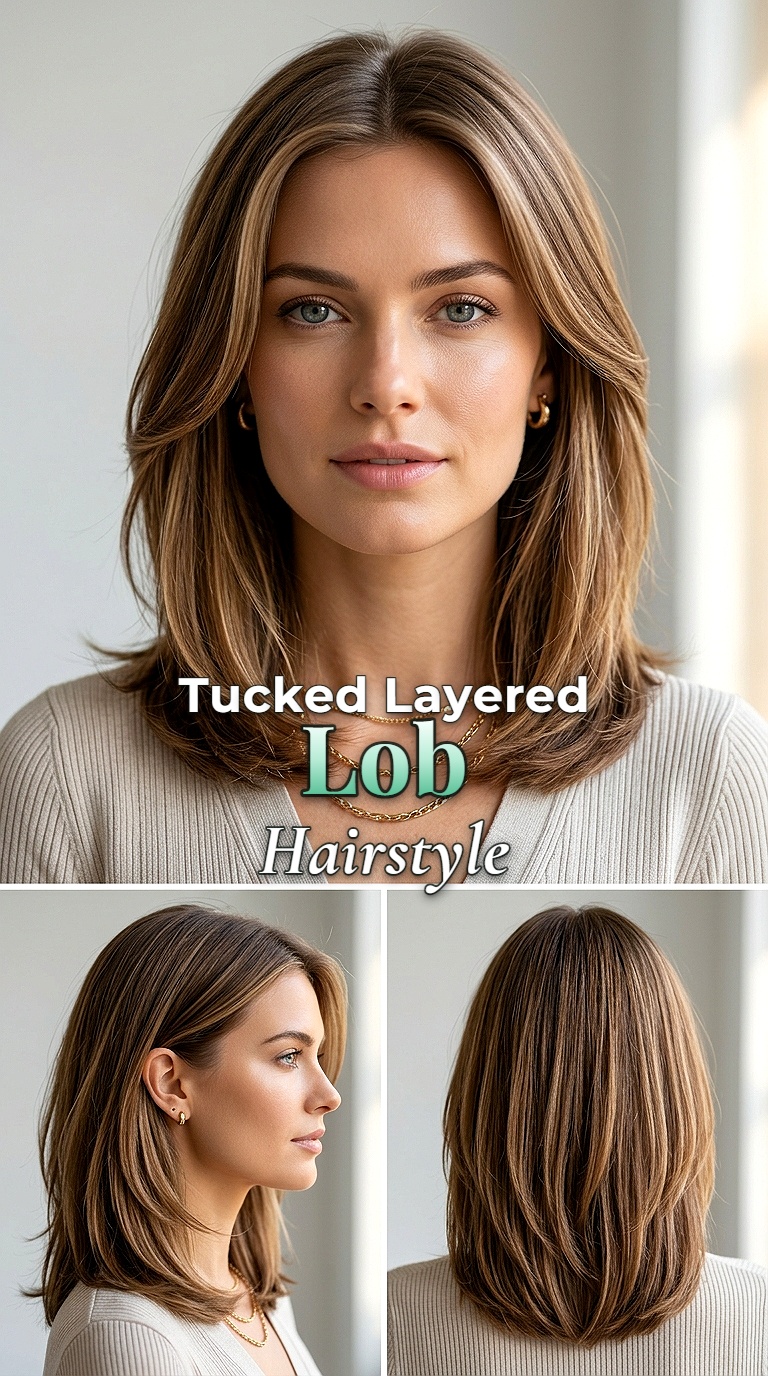
The tucked layered lob hairstyle is specifically cut to accommodate those who constantly push their hair back. The layers are angled so that they don’t “poof” out when tucked.
This is a practical, everyday look that works well for busy moms or professionals. It keeps the face clear while still offering the style benefits of a multi-dimensional haircut.
I often suggest this to clients who find that one-length bobs are too heavy to stay behind the ear. These layers remove the excess bulk that usually causes the hair to slip forward.
More Amazing Ideas
 18 Inverted Lob Hairstyles for Fine Hair Over 40 — Read more
 16 Jawline Bob Hairstyles for Fine Straight Hair — Read more
 17 Long A-Line Bob Hairstyles for Straight Hair — Read more
 16 Graduated Bob Hairstyles for Thick Straight Hair — Read more
 16 Effortless Lob Hairstyles for Medium Density Hair — Read more
13. Point Cut Ends
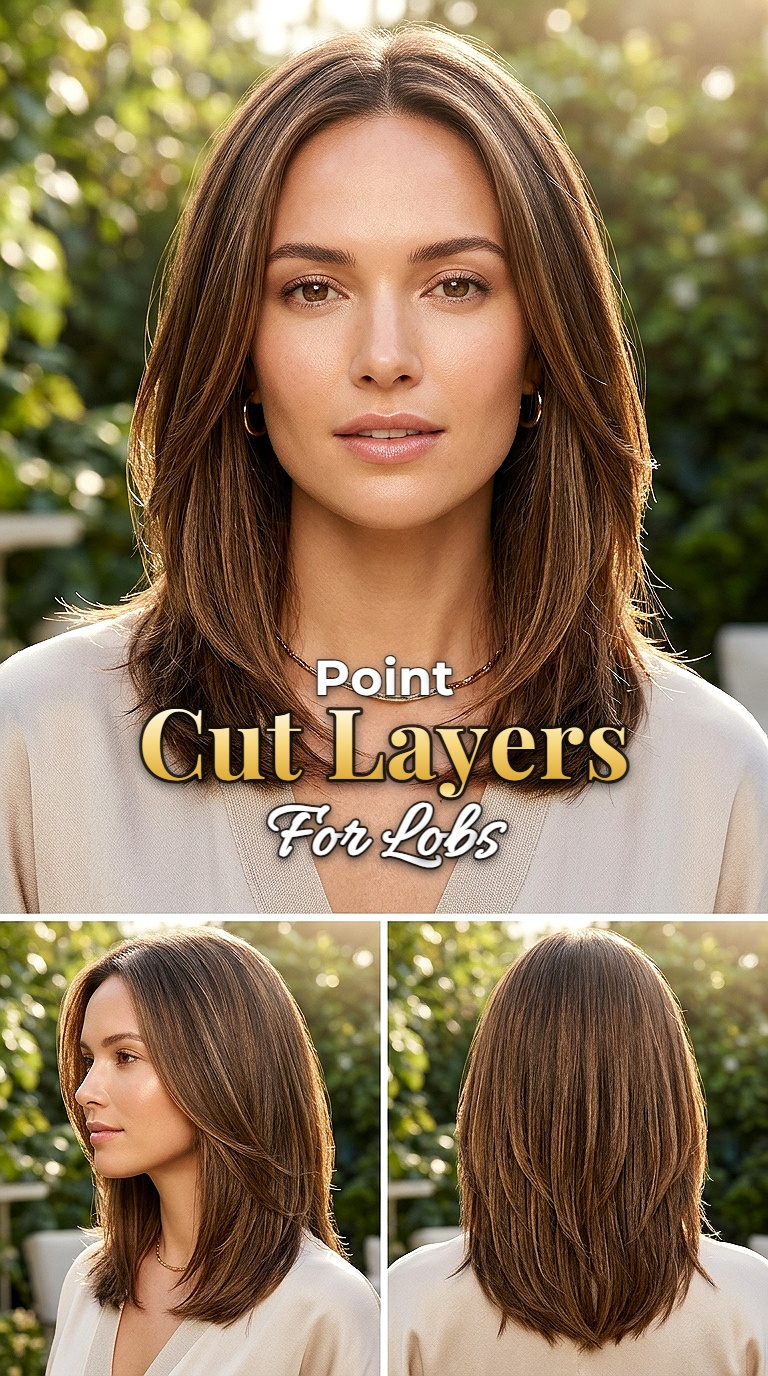
Using point cut layers for lobs creates a “notched” edge that looks much softer than a straight-across scissor cut. This technique is used on the very bottom inch of the hair.
It gives straight hair a bit of “grit” and texture without making it look messy. It is an excellent way to add interest to the ends of the hair without adding layers all the way up the head.
This is a great middle-ground for someone who loves the look of chin length blunt bob haircuts for fine hair no bangs but wants a bit more “shattered” look at the perimeter.
14. Wispy Surface Layers
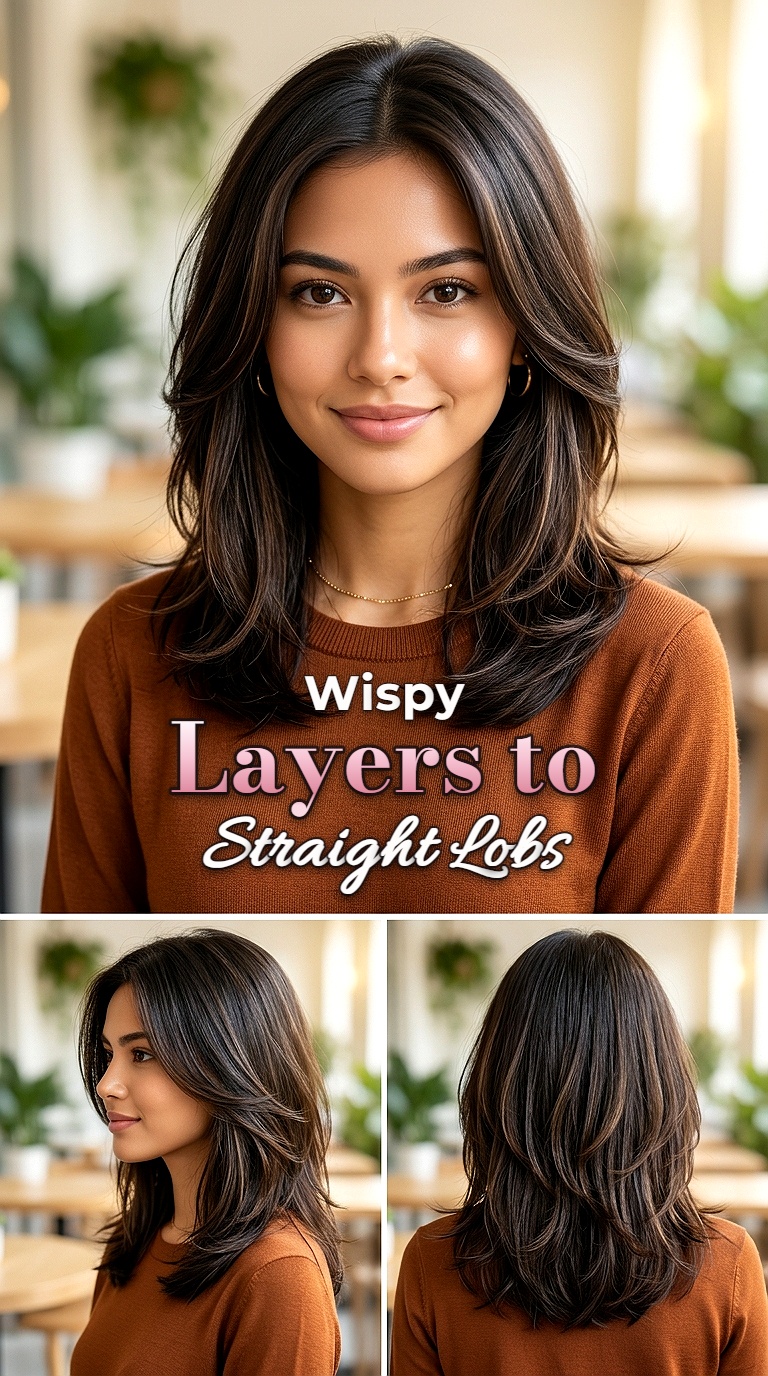
Adding wispy layers to straight lobs involves cutting very thin sections on the top layer of the hair. This creates a sense of light and shadow, making the hair look thicker than it is.
For women with very fine hair, this is a lifesaver. It creates a “halo” of movement that prevents the hair from looking like it is clinging to the scalp.
It’s a much more forgiving style than a blunt cut. If you miss a trim by a few weeks, the wispy ends grow out much more gracefully than a sharp edge would.
15. Volume Boosting Undercut Layers
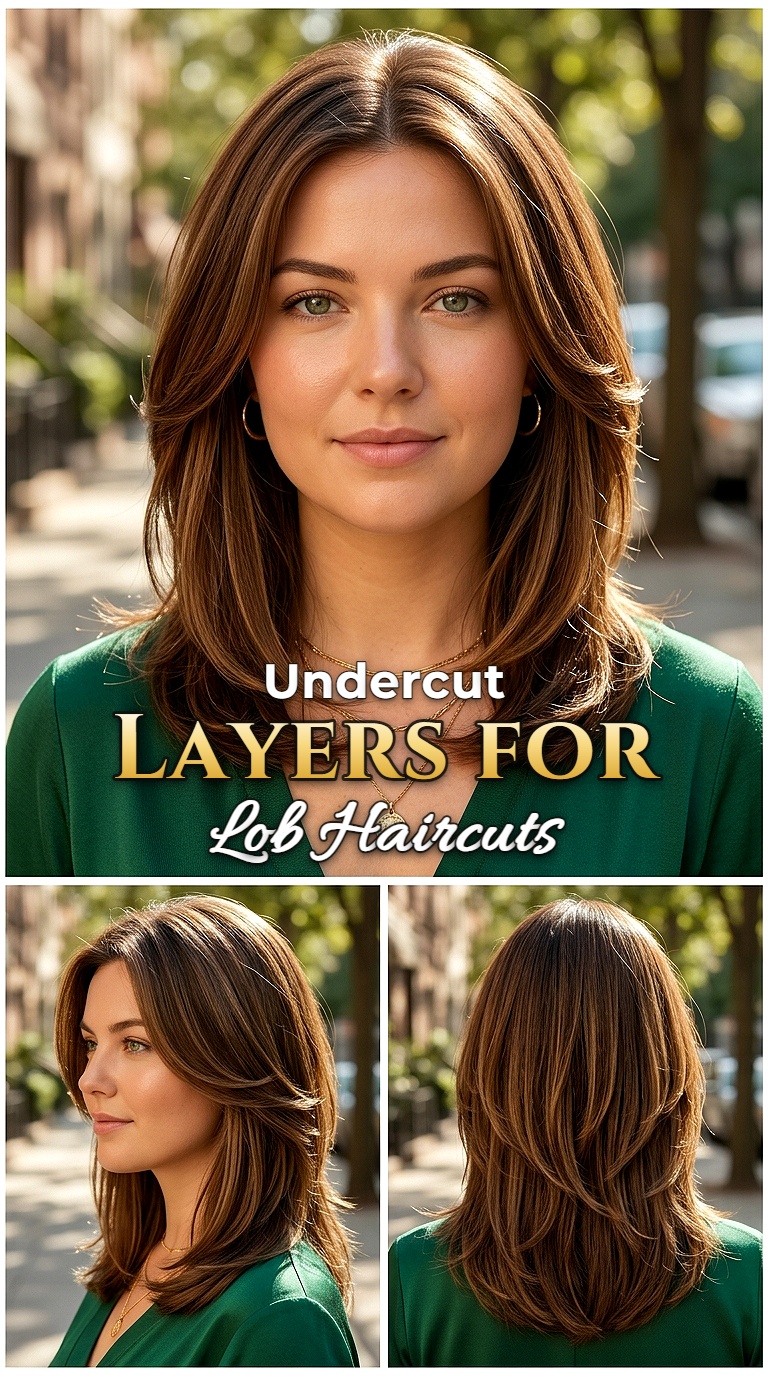
Choosing undercut layers for lob haircuts doesn’t mean shaving your head; it means cutting the hair underneath slightly shorter than the hair on top. This “props up” the top layer.
More Amazing Ideas
 20 Edgy Asymmetrical Bob Hairstyles Straight Hair — Read more20 Edgy Asymmetrical Bob Hairstyles Straight Hair — Read more
 15 Feathery Layered Bob Hairstyles for Thin Hair — Read more
 20 Bouncy Italian Bob Hairstyles for Straight Hair — Read more
 17 Layered Bob Hairstyles for Fine Hair Over 50 — Read more
This is an excellent technique for women over 50 who want to regain the volume they had in their younger years. It provides a natural lift that lasts all day without hairspray.
It’s a secret weapon for straight hair. While it looks like a standard soft lob, the engineering underneath is what keeps it from looking limp or flat.
16. Textured Collarbone Layers
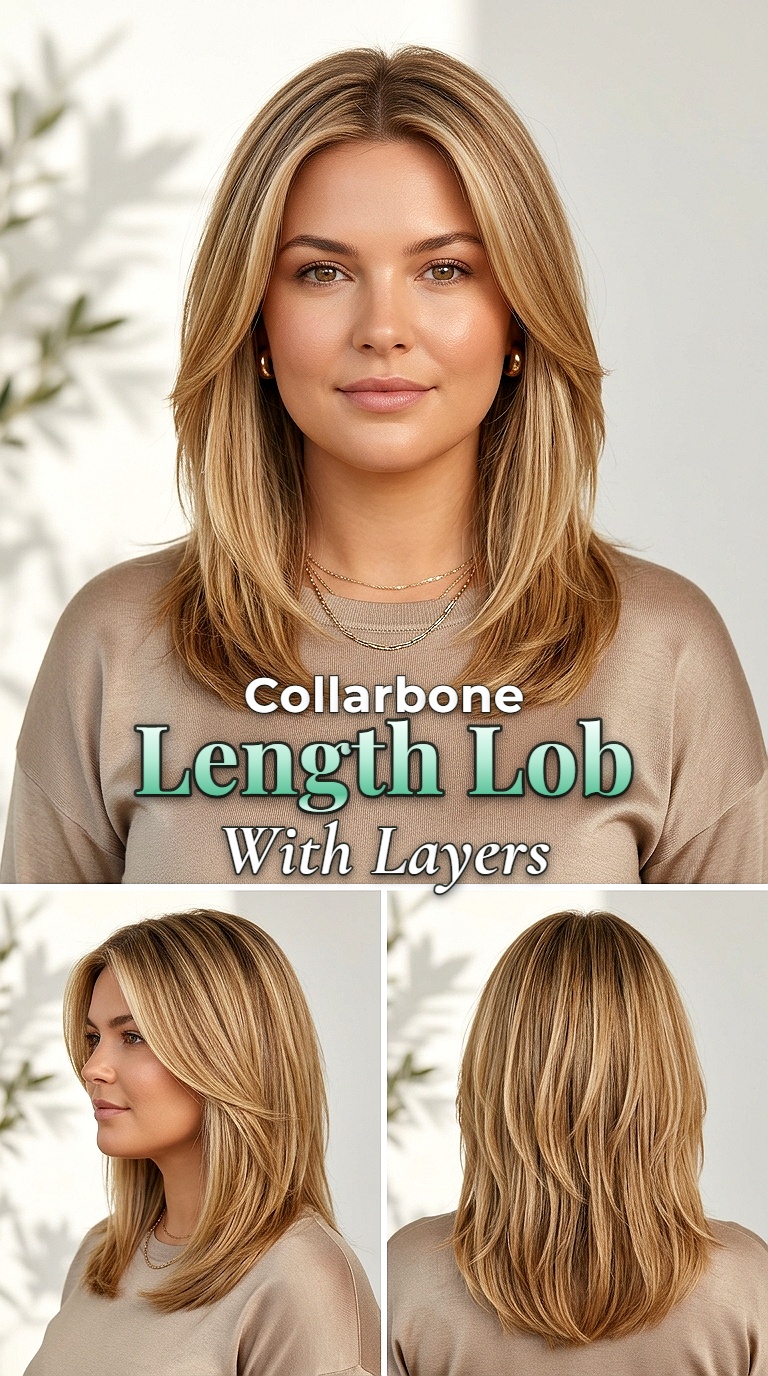
A collarbone length lob with layers is widely considered the most universally flattering length. By hitting right at the collarbone, it draws attention to the neckline and shoulders.
The layers are kept long to maintain the weight of the hair, ensuring it stays straight and sleek. This is a very elegant look that works for almost any age or face shape.
It is particularly effective for those with oval faces, as it balances the proportions of the head and torso perfectly. It’s a classic style that never feels dated.
17. Flowing Minimalist Layers
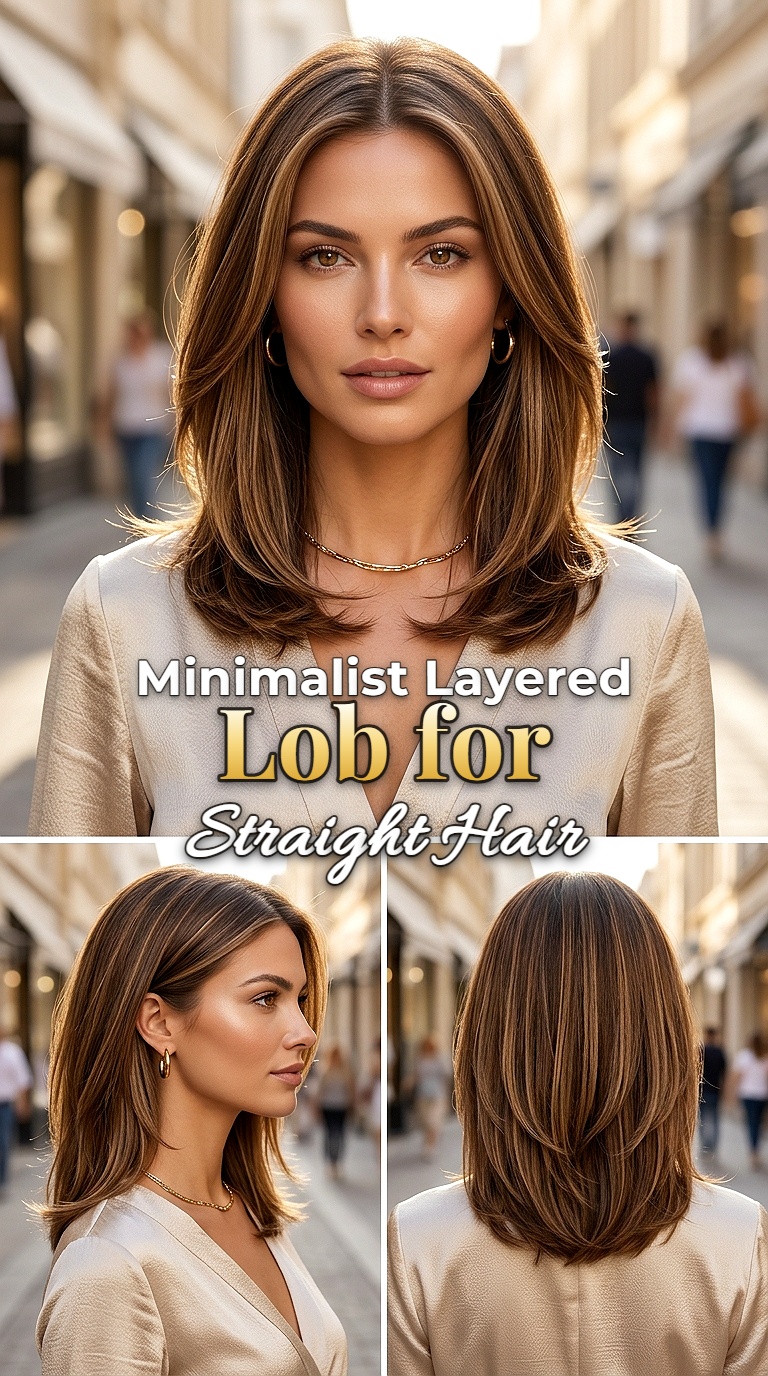
This minimalist layered lob for straight hair features only two or three long layers at the very bottom. It is designed for the woman who loves the look of long hair but wants the ease of a lob.
The layers are so long that they are almost invisible, but they provide just enough “flow” to keep the hair from looking static. It is the ultimate “low-maintenance” version of this cut.
If you are someone who only gets their hair cut twice a year, this is the style for you. It maintains its shape and soft appearance even as it grows several inches longer.