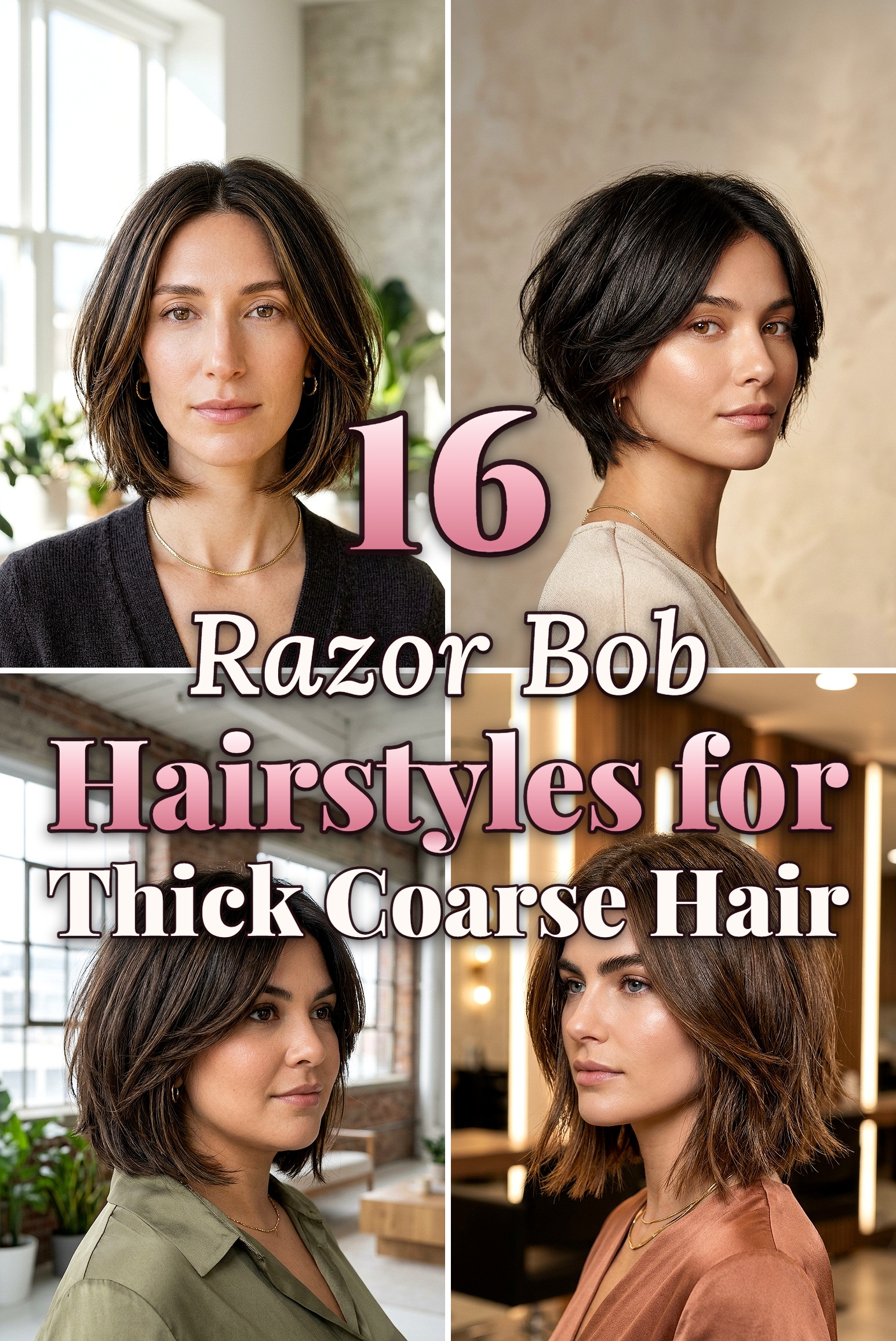
Managing a razor bob for thick coarse hair often feels like a constant battle against excessive bulk and stiff, unmoving ends.
This guide shows how to achieve swing and softness, even for those who usually look at chin length blunt bob haircuts for fine straight hair with envy.
The right technique removes weight from the inside out, creating a shape that finally behaves without requiring an hour of heat styling.
1. Internal Weight-Reducing Layers
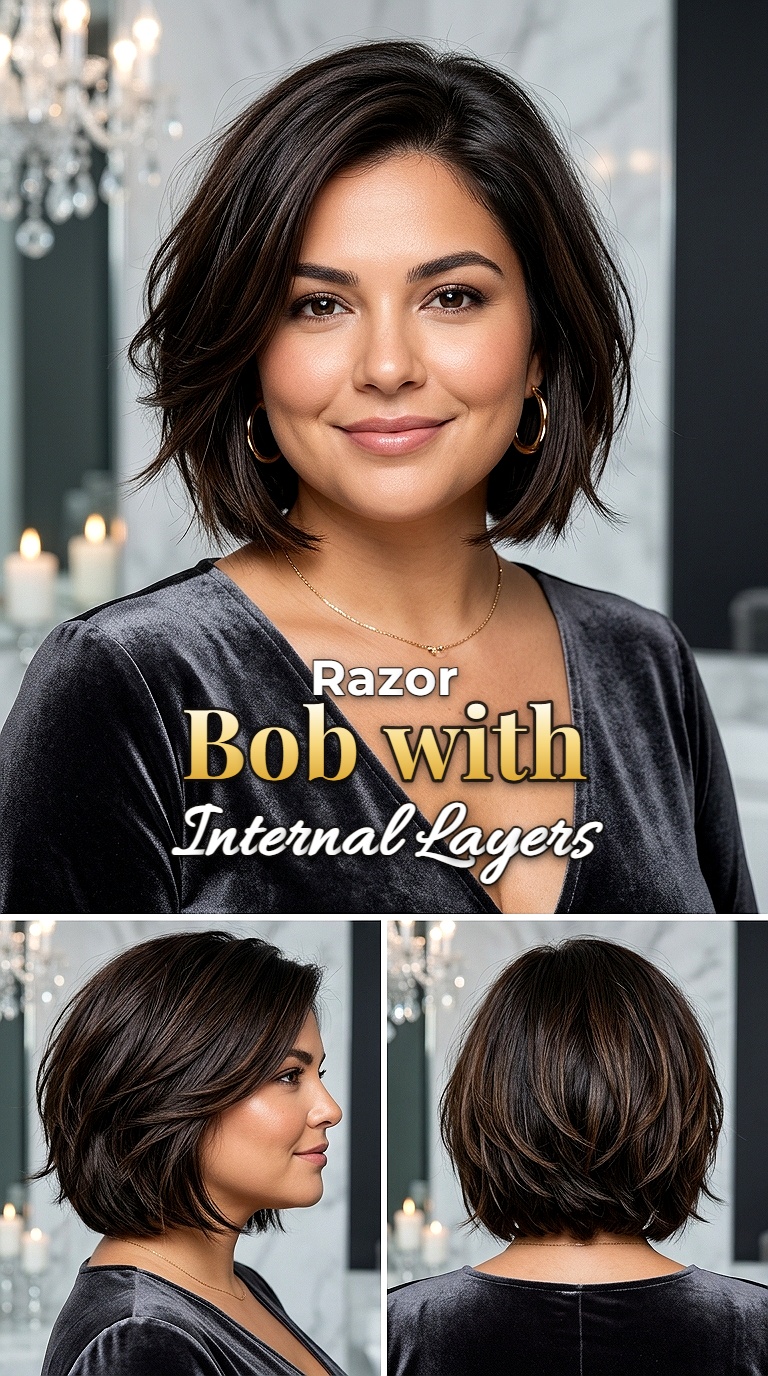
A razor bob with internal layers creates a slim profile by carving out density from the mid-shaft. This is the secret for anyone who finds a standard chin length blunt bob haircuts for fine straight hair too flat but their own hair too puffy.
The razor glides through the thickest sections, removing the “hidden” bulk that causes the dreaded triangle shape. By focusing on the interior, the top canopy stays smooth while the bottom gains much-needed swing.
Styling this is a breeze because the hair naturally falls inward. You won’t need to fight your coarse texture; instead, the cut uses that natural body to support the airy silhouette.
2. Tapered Nape Razor Layers
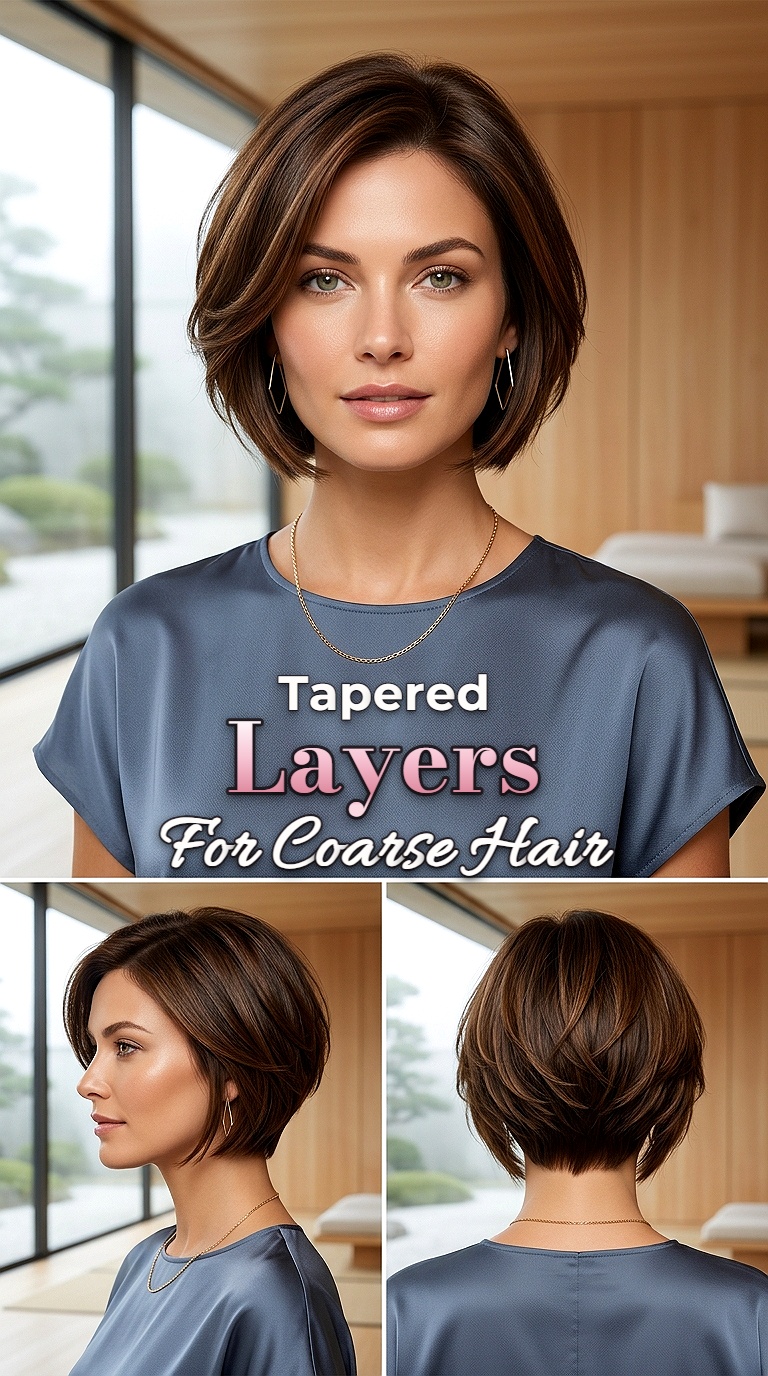
Incorporating tapered layers for coarse hair at the neckline prevents the back from looking like a heavy block. Unlike a chin length blunt bob haircuts for fine wavy hair which needs volume, your thick hair needs this intentional thinning.
By using a razor to graduate the length at the nape, we create a soft, feathery finish that hugs the neck. This prevents the hair from “kicking out” when it hits your shoulders or collarbone.
More Amazing Ideas
 18 Angled Bob Hairstyles with Side Bangs Thick Hair — Read more
 16 Graduated Bob Hairstyles for Thick Straight Hair — Read more
 18 Butterfly Bob Hairstyles for Thick Wavy Hair — Read more
 17 Edgy Razor Bob Hairstyles for Straight Hair — Read more
 19 Blunt Bob Hairstyles with Bangs for Thick Hair — Read more
This look is particularly flattering for those with high density at the back of the head. It feels significantly lighter and keeps the shape looking polished for weeks between salon visits.
3. Feathered Face-Framing Layers
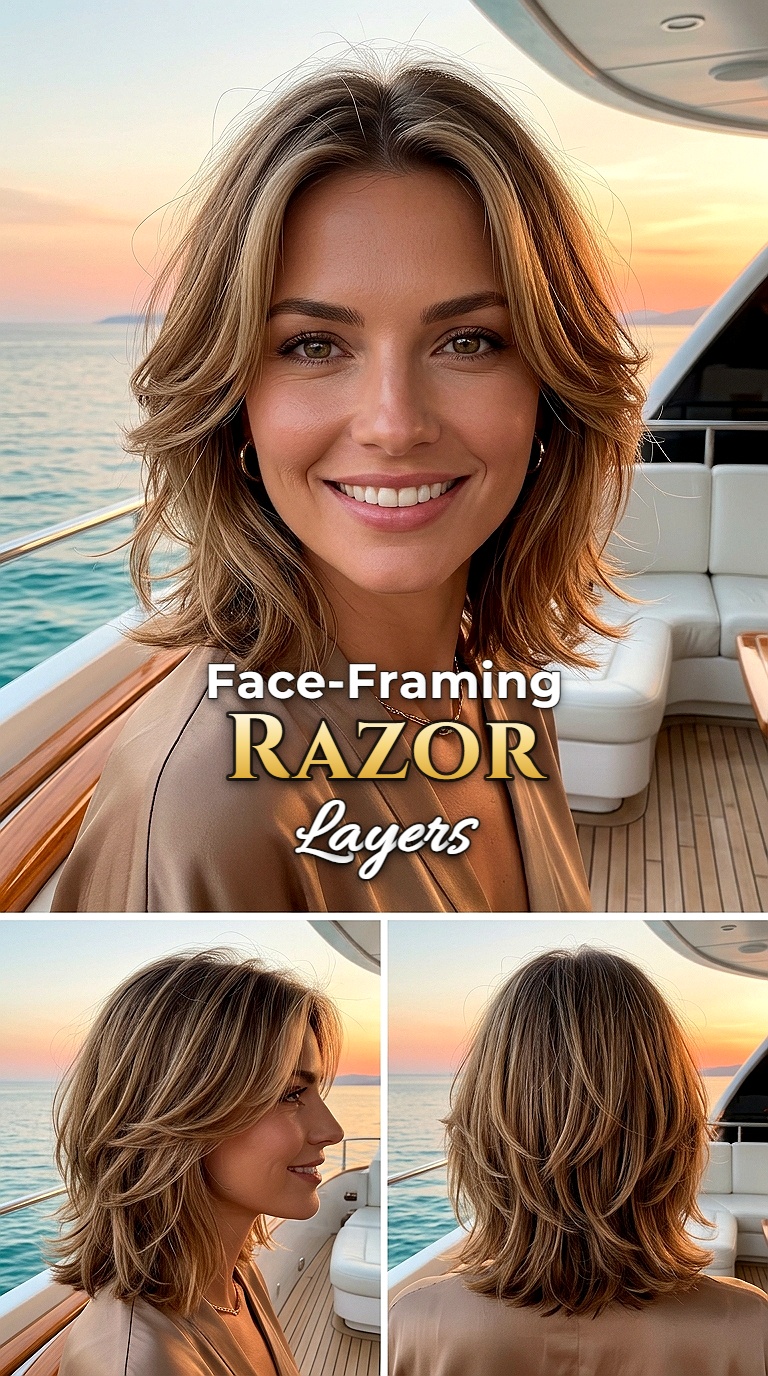
Adding face-framing razor layers helps to soften the jawline and break up the weight of heavy, coarse strands. While a chin length blunt bob haircuts for fine hair over 50 adds structure, this technique adds necessary movement and a youthful lift.
The razor allows the stylist to flick the ends away from the face, preventing the hair from overwhelming your features. It’s an ideal way to bridge the gap between a short cut and a medium length.
Maintenance is relatively low, as the feathered ends grow out softly without becoming heavy. A bit of lightweight pomade on the tips is all you need to define the texture.
4. Shattered Perimeter Layers
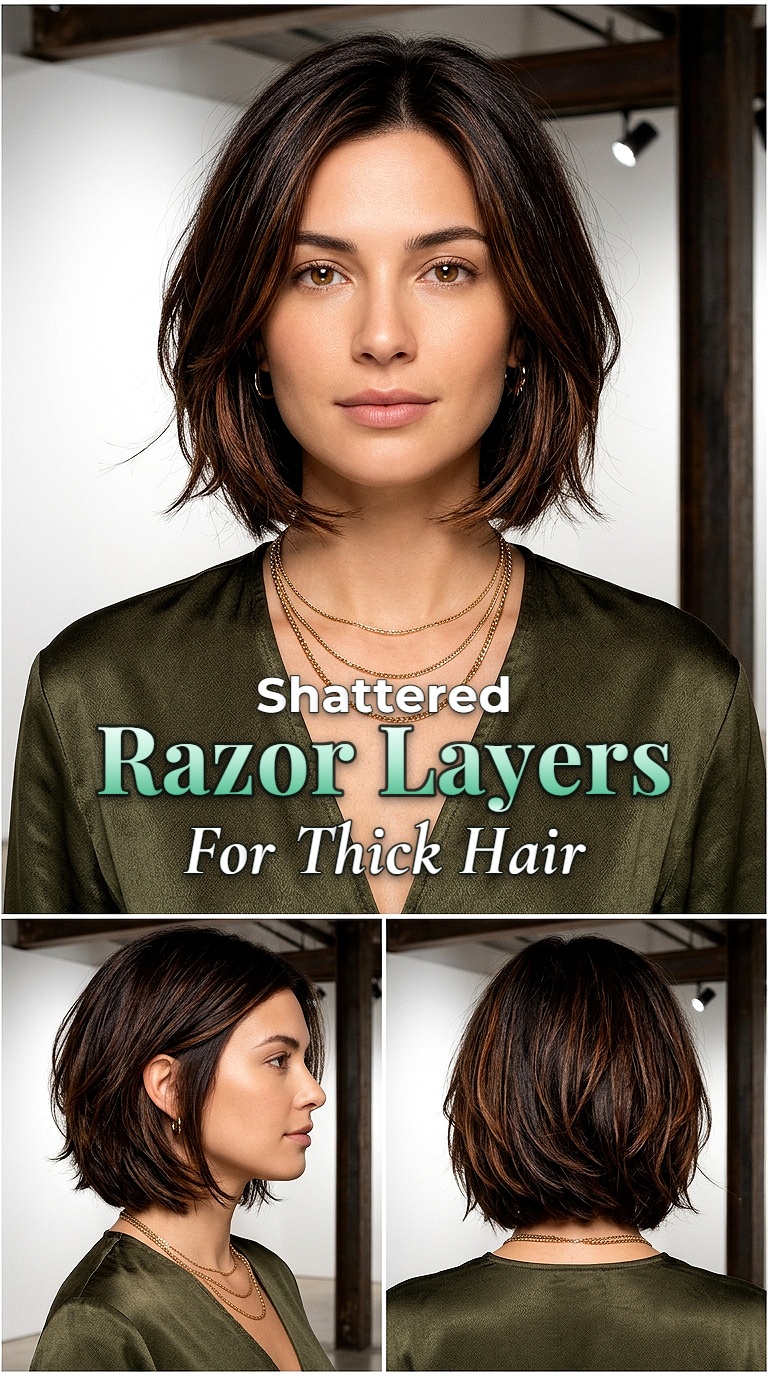
Choosing shattered razor layers for thick hair ensures the ends look wispy rather than chopped straight across. It provides a more modern vibe than the traditional chin length blunt bob haircuts for fine hair over 60.
The stylist uses the razor to “shatter” the bottom edge, which removes the bluntness that can make coarse hair look wider. This creates a vertical movement that draws the eye down rather than out.
If you have a naturally wavy texture, this cut is a dream. The shattered ends allow your waves to nestle into each other rather than stacking up into a massive wall of hair.
More Amazing Ideas




5. Airy Crown Layers
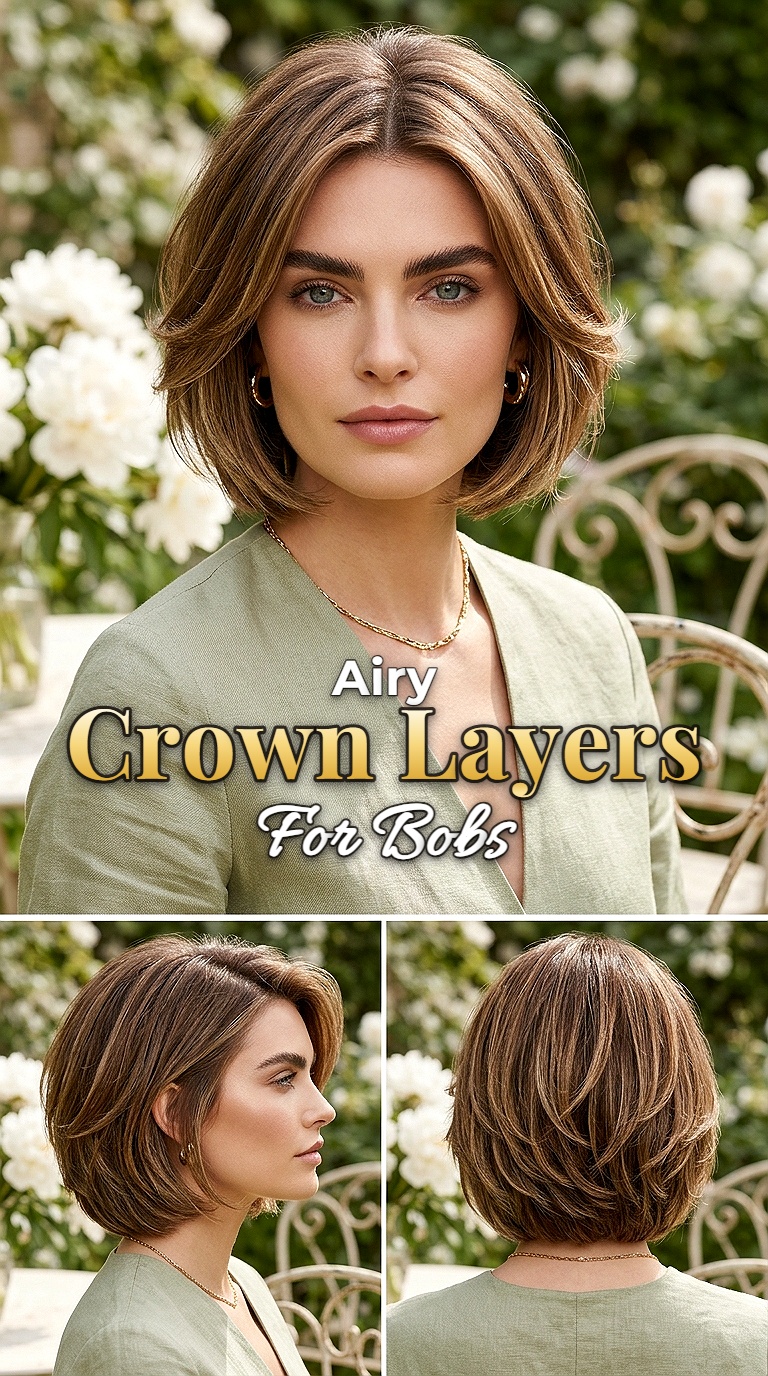
Utilizing airy crown layers for bobs can revive a heavy style by adding lift where you need it most. This approach is a great alternative to the chin length blunt bob haircuts for fine hair round face types often choose.
By removing weight from the top sections with a razor, we encourage the hair to stand up slightly at the roots. This prevents the “flat on top, wide on bottom” look that plagues thick hair.
The result is a more balanced silhouette that elongates the neck. It’s especially effective for coarse hair that tends to get weighed down by its own mass, giving you a younger, more energetic profile.
6. Whisper-Soft Side Layers
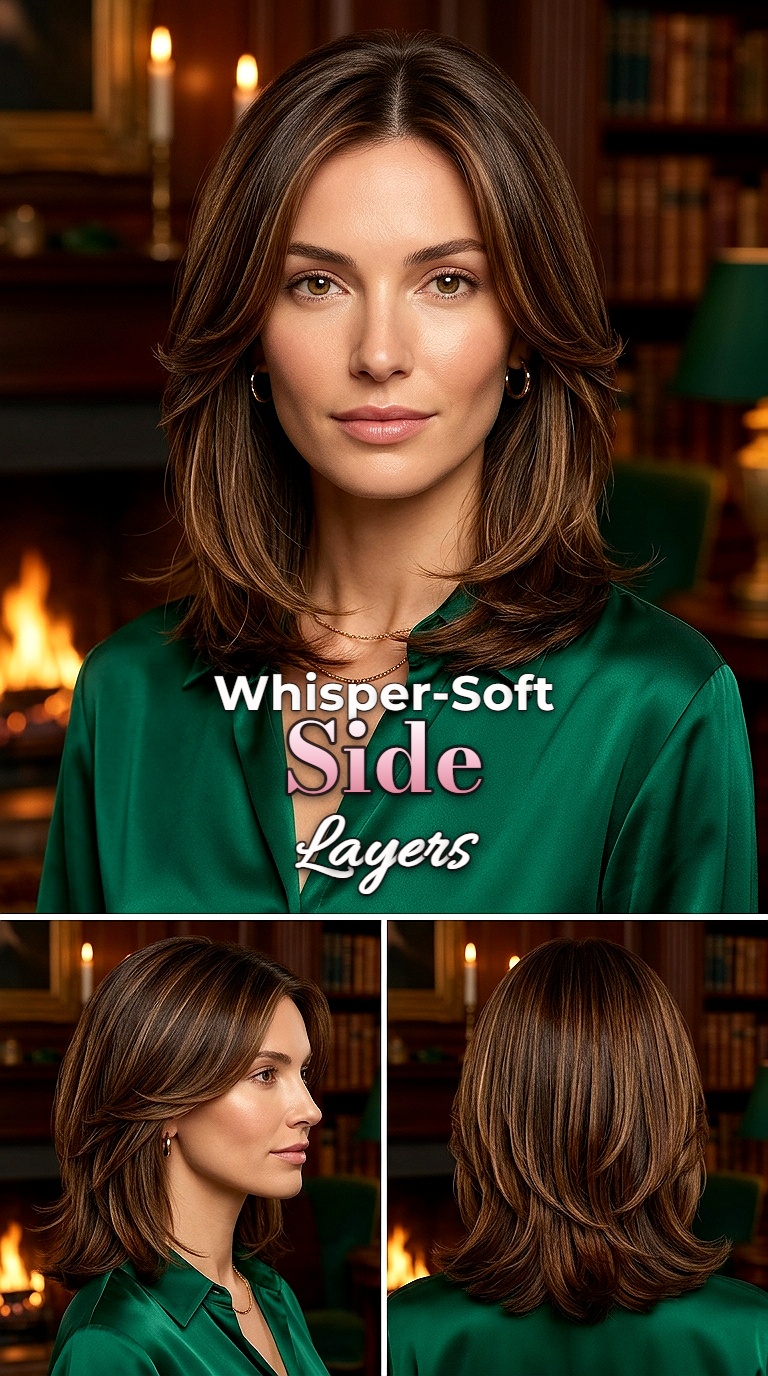
Opting for whisper-soft side layers creates a gentle transition from the front to the back of the head. It’s much more forgiving on thick textures than a chin length blunt bob haircuts for fine hair oval face shapes.
The razor creates varied lengths that blend seamlessly, ensuring there are no harsh lines where the hair covers the ears. This softness is key for making coarse hair feel touchable and light.
This variation works beautifully with tucked-behind-the-ear styling. Because the weight is removed, you won’t deal with a giant bulge of hair sitting awkwardly over your ears when you want a clean look.
7. Graduated Razor Layers
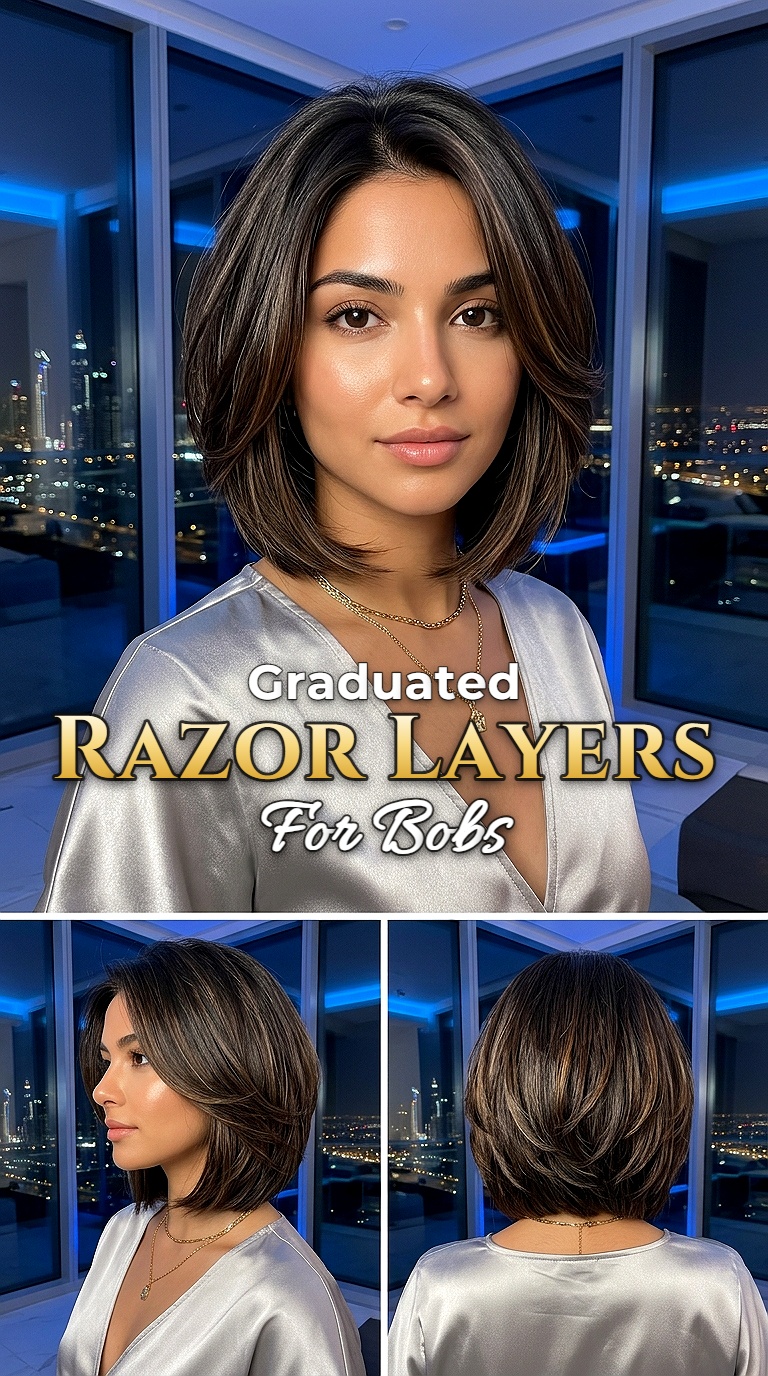
Selecting graduated razor layers for bobs provides a sophisticated stack that doesn’t feel dated or overly stiff. Many people look for chin length blunt bob haircuts for fine hair no bangs, but this graduated razor look adds more personality.
More Amazing Ideas




The angle is cut with a razor rather than shears to ensure the transition from short to long is blurred. This prevents the “shelf” effect that can happen when thick hair is cut into a traditional stack.
It’s a powerful look for the office or a formal event. The coarse texture actually helps hold the graduated shape in place, meaning you won’t need to use nearly as much hairspray as you’d think.
8. Cascading Cheekbone Layers
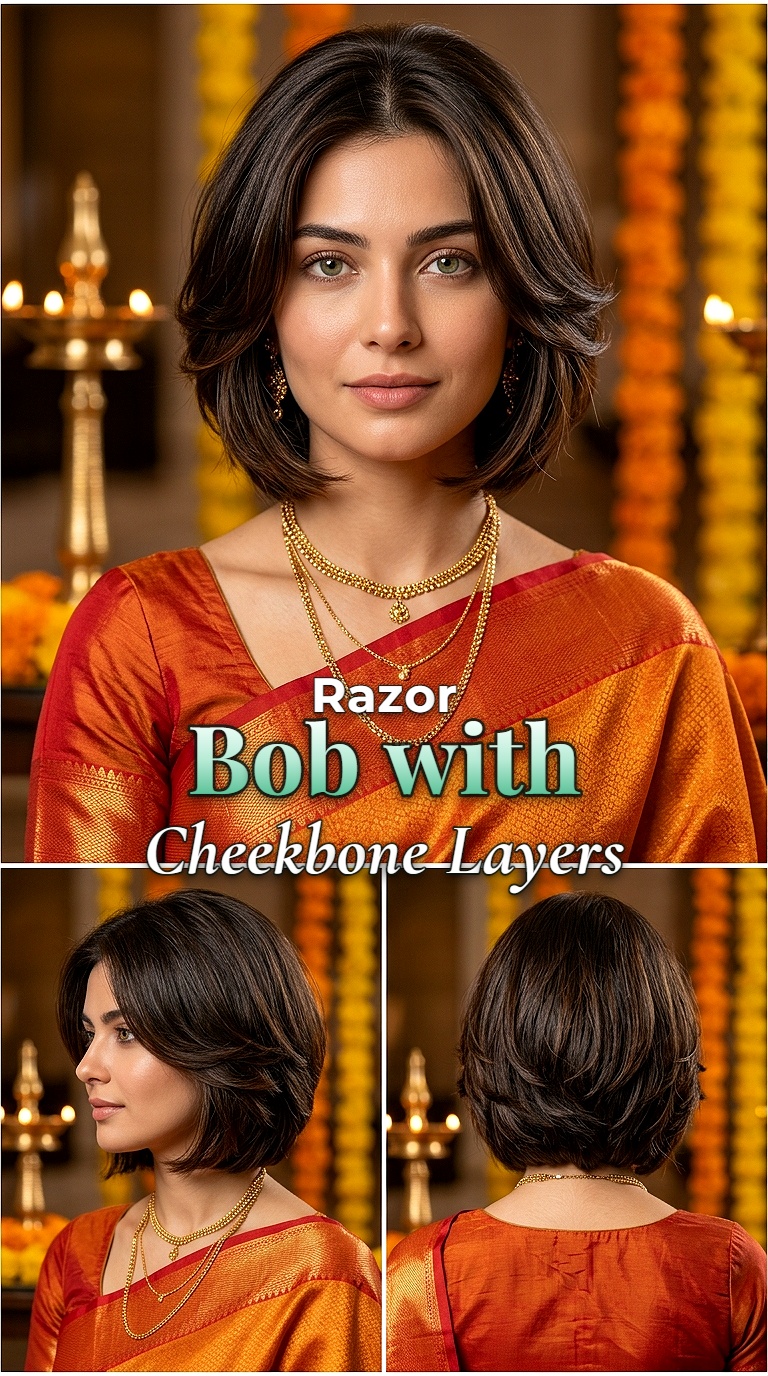
A razor bob with cheekbone layers highlights your bone structure by directing the hair’s movement inward. It’s a smart choice for those who want to avoid the bulk of a low maintenance bob for coarse hair.
The razor creates a “cascade” effect where the hair progressively gets longer toward the front. These shorter pieces near the cheekbones break up the solid mass of thick hair, making the overall look feel more delicate.
This style is particularly great for women who wear glasses. The layers are carved out to sit perfectly around the frames, ensuring your hair doesn’t push your glasses forward or hide your eyes.
9. Deconstructed Surface Layers
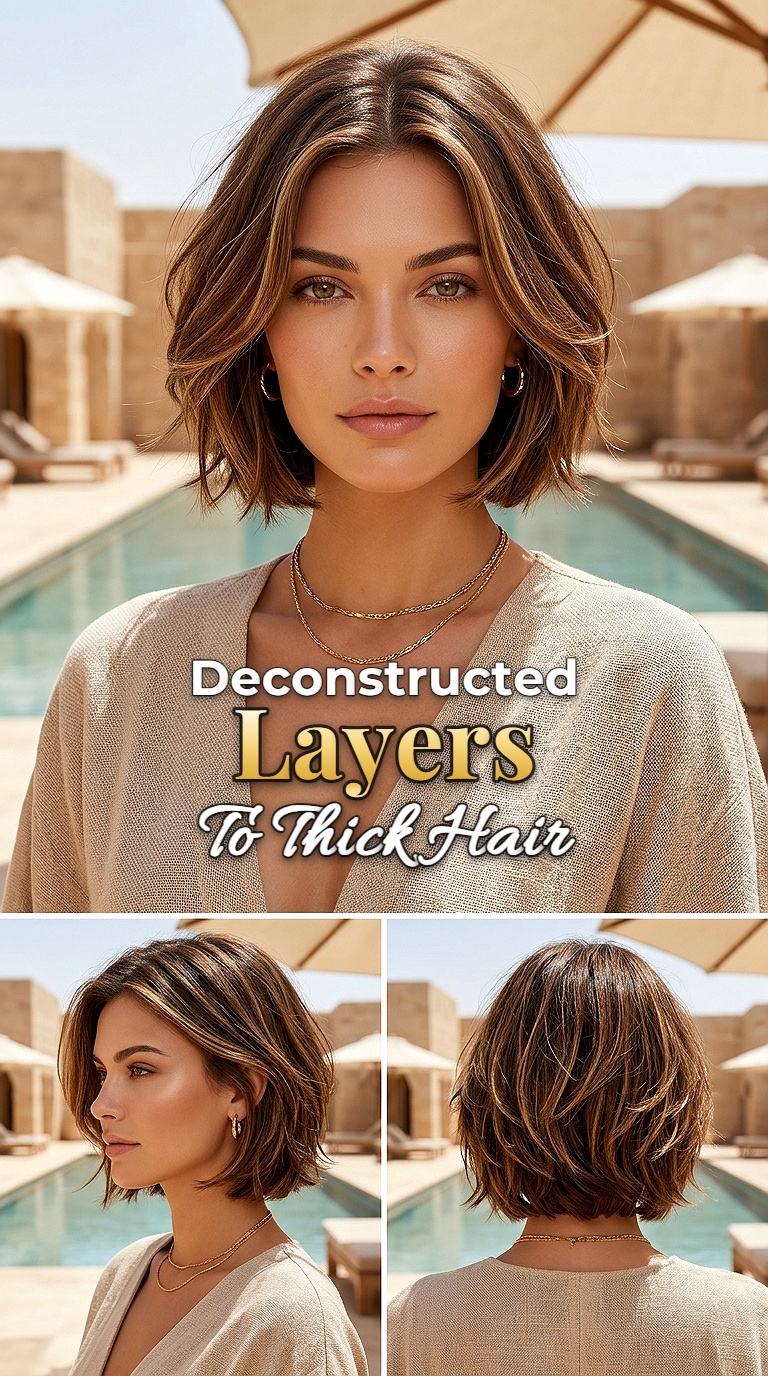
Applying deconstructed layers to thick hair creates a “lived-in” texture that looks effortlessly chic. It is far more dynamic than a standard razor cut for thick hair women usually receive in traditional salons.
By razoring only the top layer of hair in a random, artistic fashion, the stylist creates a piecey look. This breaks up the light reflecting off the coarse surface, making the hair appear softer and shinier.
More Amazing Ideas



This is a great option if you love a messy, bed-head aesthetic. A salt spray or texturizing mist is all you need to bring out the beautiful, irregular patterns the razor creates.
10. Subtle Undercut Layers
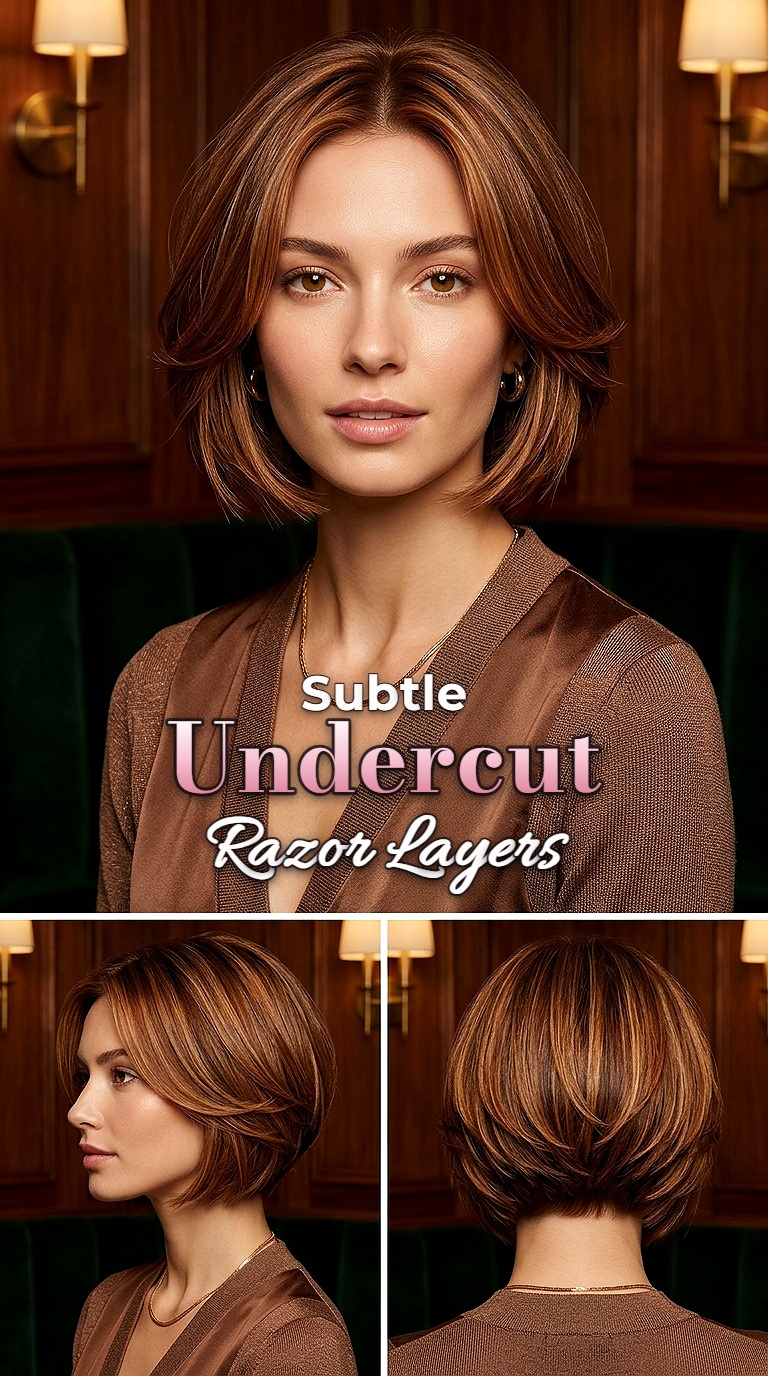
Using subtle undercut razor layers is the ultimate hack for thinning out thick bob hair without losing the classic silhouette. It removes the bulk from the very bottom layer near the scalp.
The razor is used to significantly thin the hair underneath the top section, allowing the top hair to lay flat and move freely. It’s a functional cut that makes your head feel pounds lighter in the summer.
No one will see the “undercut” unless you lift your hair up, but everyone will notice how much more manageable your bob has become. It’s a secret weapon for high-density hair.
11. Tapered Jawline Layers
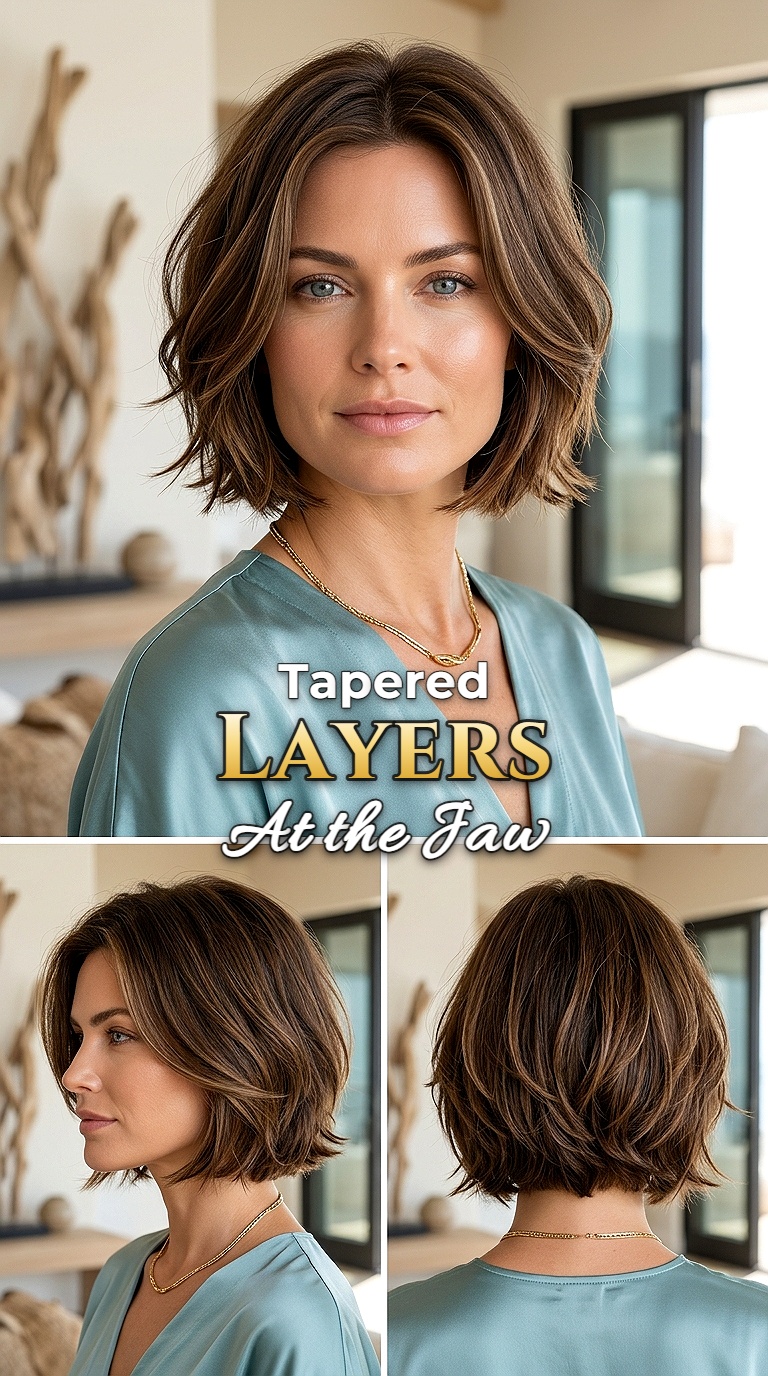
Choosing tapered layers at the jaw provides a sharp, clean finish that frames the face beautifully. It is a fantastic alternative for those who find a razor cut for coarse wavy hair too unpredictable.
The razor tapers the hair as it reaches the jawline, ensuring the ends point slightly inward. This creates a slimming effect for the face and keeps the coarse hair from expanding horizontally.
This look works exceptionally well for professional settings. It has the precision of a blunt cut but the softness of a feathered style, giving you the best of both worlds.
More Amazing Ideas




12. Floating Interior Layers
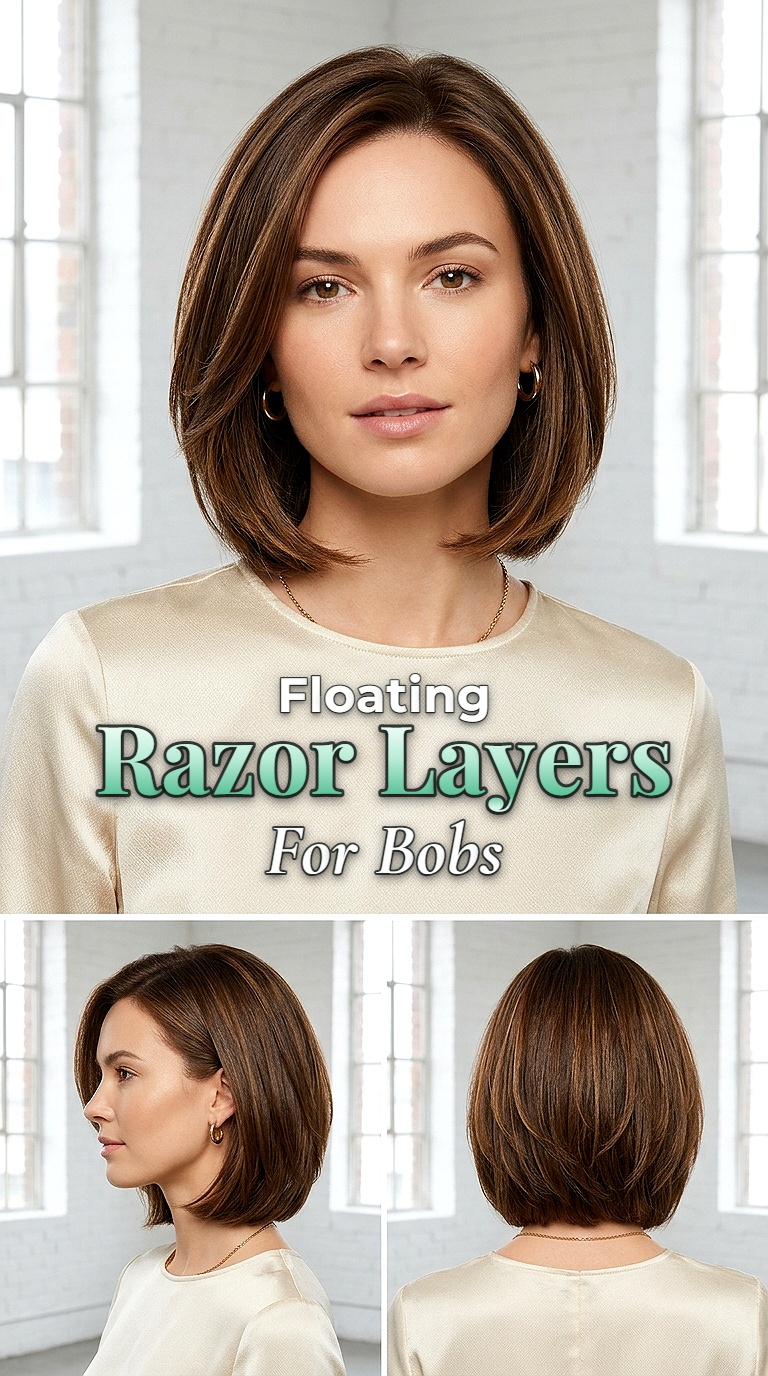
Implementing floating razor layers for bobs involves cutting short sections deep within the hair to provide hidden support. This is a brilliant way to manage a short bob for thick hair round face shapes.
These “floating” pieces act like a scaffold, pushing the longer hair up and away from the face to prevent it from looking dragged down. It creates a sense of airiness that coarse hair usually lacks.
You’ll notice that your hair has much more “swing” when you walk. The interior weight removal allows the hair to move independently rather than moving as one heavy, solid unit.
13. Beveled Edge Layers
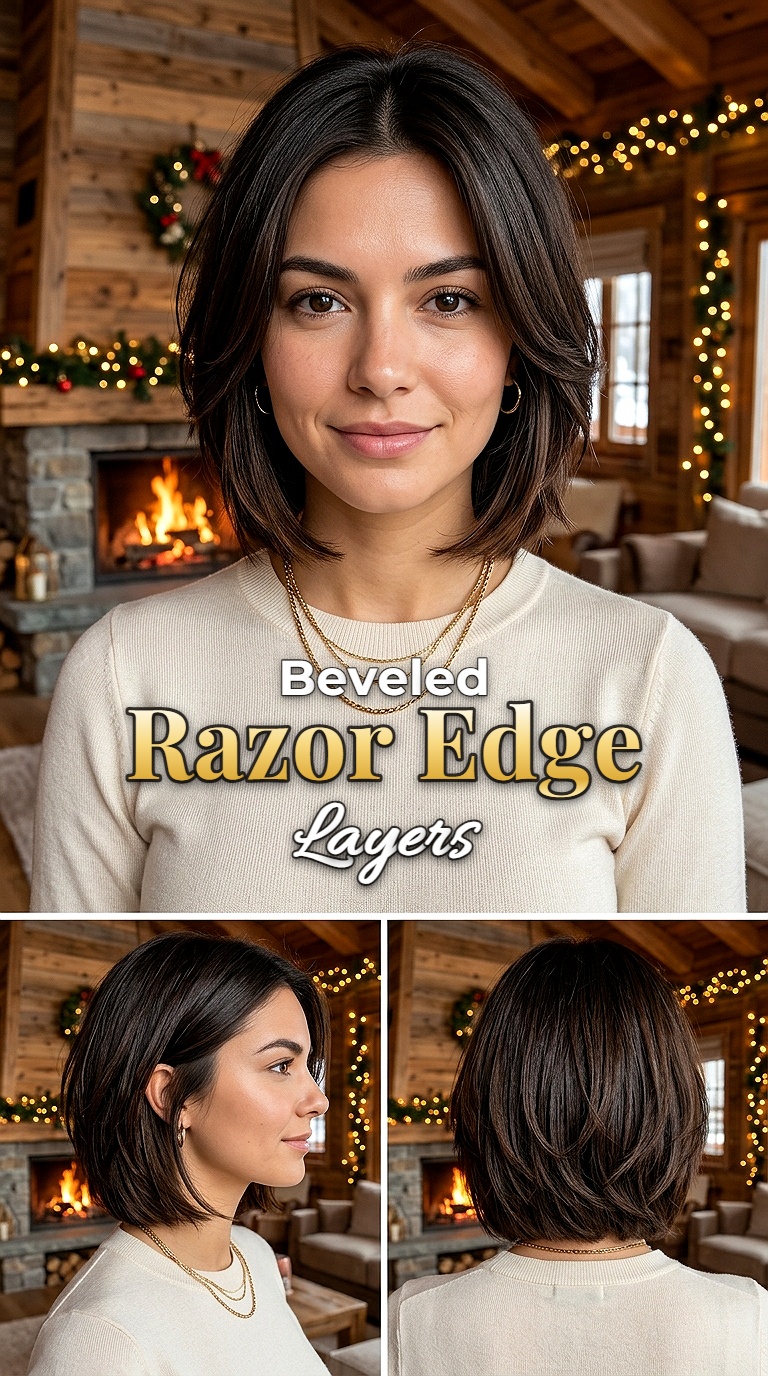
Creating beveled razor edge layers gives the bob a natural curve that mimics a round brush blowout. This is a lifesaver for anyone struggling with a bob with razor cut layers that feels too sharp.
The razor is used at a specific angle along the perimeter to encourage the ends to turn under. This softens the coarse texture and gives the hair a more finished, intentional appearance.
It’s an excellent choice for women who want a polished look with minimal effort. The bevel is built into the cut, so you can often air-dry and still achieve a curated shape.
14. Chiseled Interior Layers
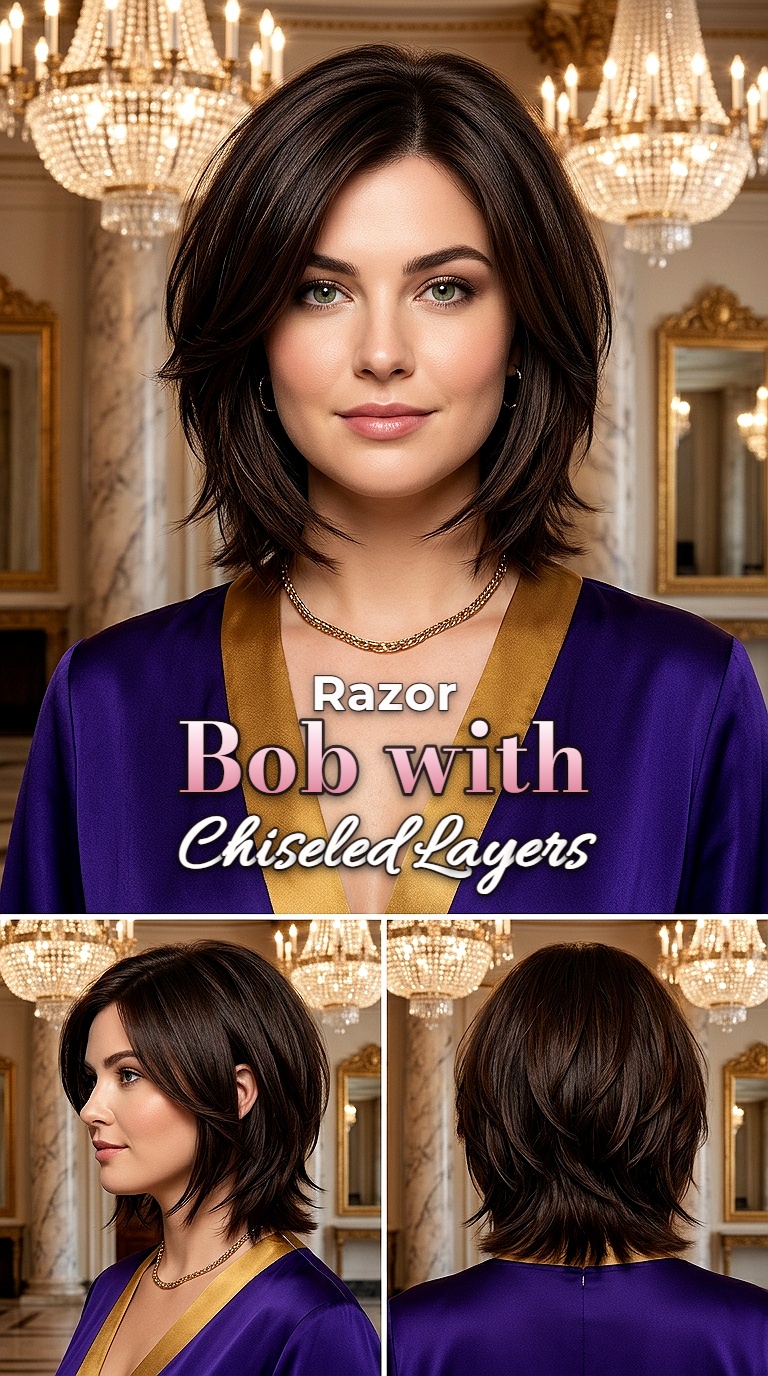
A razor bob with chiseled layers uses the blade to carve out deep channels of weight. This technique is specifically designed for medium razor bob for thick hair textures that tend to get bushy.
More Amazing Ideas





By chiseling into the thickness, the stylist creates paths for the hair to fall into. This reduces the overall circumference of the hair, making it look much more controlled and sleek.
This is a high-skill technique that transforms the way thick hair feels. It removes the “crunchy” or “stiff” feeling often associated with coarse strands, leaving them feeling supple.
15. Soft Disconnected Layers
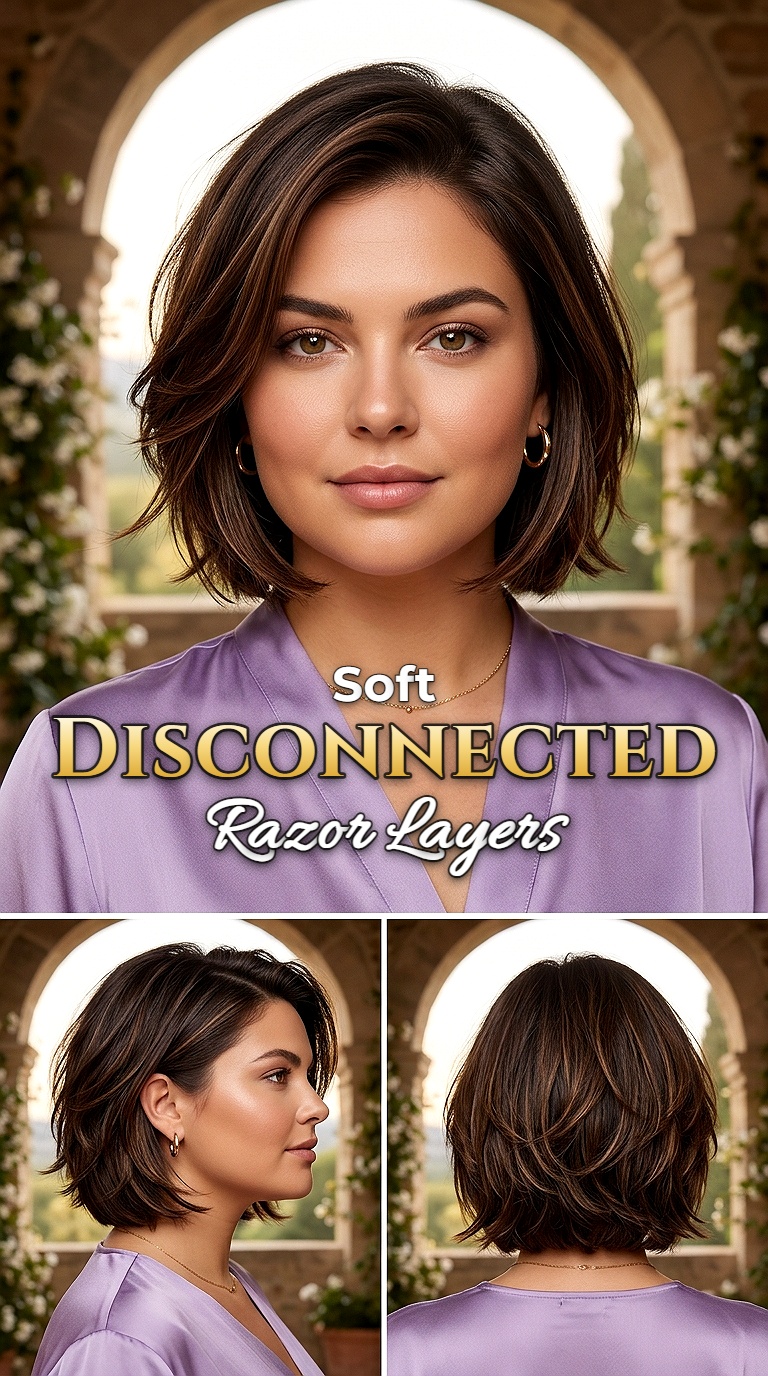
Opting for soft disconnected razor layers allows for a mix of lengths that don’t technically blend but look harmonious. This is a modern take on a neck length razor bob for thick hair.
The disconnection removes bulk in the mid-sections while keeping the length you love. Because the razor leaves the ends so soft, you don’t see any harsh steps or “gaps” in the haircut.
It’s perfect for the woman who wants a bit of edge. The varied lengths catch the light differently, showing off your color and the natural dimension of your thick strands.
16. Airy Tapered Layers
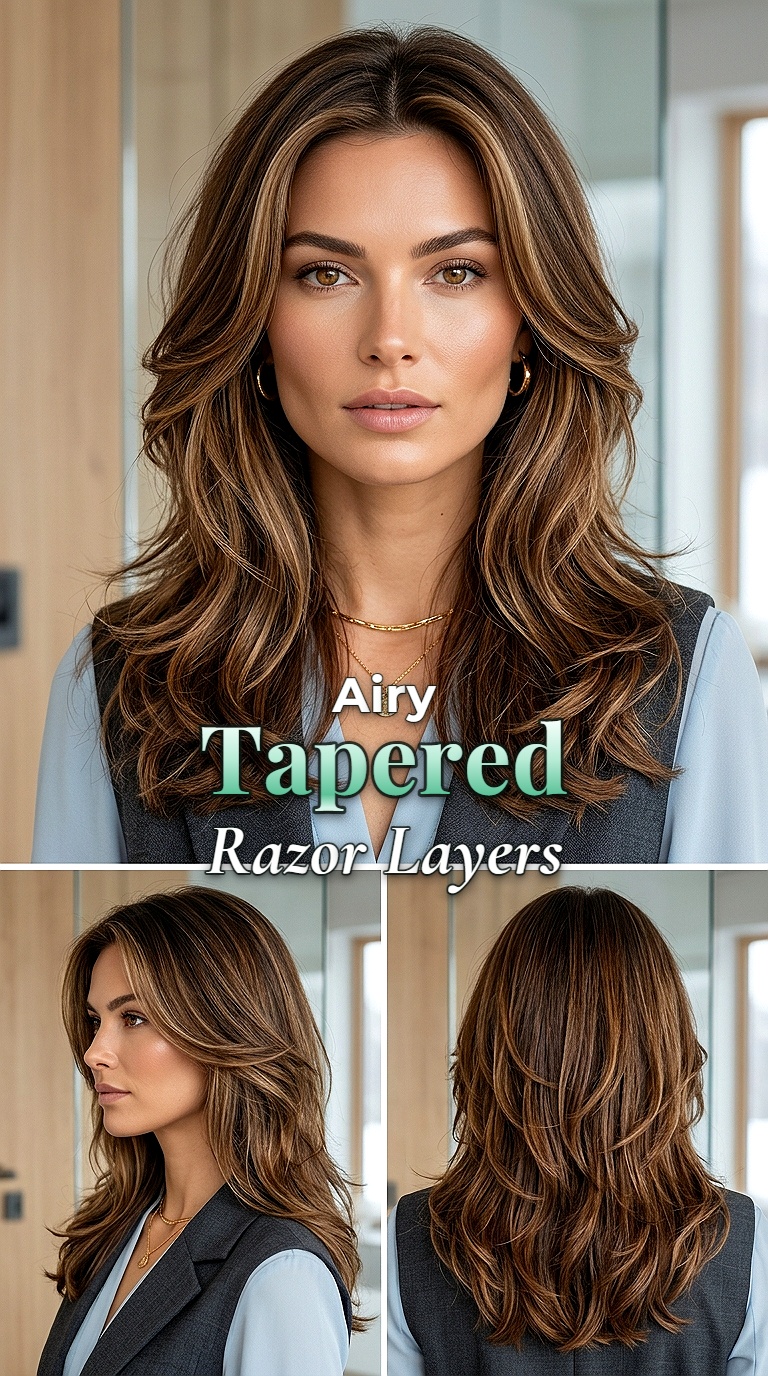
Incorporating airy tapered razor layers throughout the entire head ensures every strand has a place to live. This is the final word in managing a razor bob for thick coarse hair.
The razor tapers each individual section toward the end, ensuring that where the hairs overlap, they don’t create excess thickness. It results in a cloud-like effect that is rare for coarse textures.
This style is the ultimate in hair freedom. You can flip your part, tie back small sections, or let it blow in the wind without it ever losing its essential, balanced shape.