
After making butter chicken hundreds of times over the past fifteen years, I can tell you this: it’s not as complicated as people think. The first time I made it, I was intimidated by all the spices. But here’s what I learned – butter chicken is actually forgiving and rewards you with incredible flavor every single time.
This recipe has been tested in my kitchen more times than I can count. I’ve served it to picky eaters, spice lovers, and everyone in between. The result? Clean plates and requests for seconds. Today, I’m sharing exactly how I make this restaurant-quality dish at home, with all the little tricks I’ve picked up along the way.

Why This Butter Chicken Recipe Works Every Time
I’ve tried dozens of butter chicken variations. Some were too spicy, others too bland. This version hits the sweet spot because it balances three key elements: tender chicken, rich tomato-cream sauce, and aromatic spices that don’t overpower your taste buds.
The secret isn’t fancy ingredients. It’s understanding how each component works together. When you marinate the chicken properly, it stays juicy. When you toast your spices, they release oils that make the sauce smell amazing. When you add cream at the right moment, it creates that silky texture everyone loves.
What You’ll Need For Butter Chicken Recipe
I keep these ingredients stocked because I make this dish so often. Everything on this list is easy to find at your regular grocery store.
For The Chicken Marinade
- 2 pounds boneless chicken thighs or breasts, cut into bite-sized pieces
- 1 cup plain yogurt (full-fat works best)
- 2 tablespoons lemon juice
- 2 teaspoons garam masala
- 1 teaspoon turmeric powder
- 1 teaspoon red chili powder (adjust to your heat preference)
- 1 teaspoon salt
- 4 garlic cloves, minced
- 1 inch ginger, grated
For The Sauce
- 4 tablespoons butter (I use unsalted)
- 1 large onion, finely chopped
- 6 garlic cloves, minced
- 2 inches ginger, grated
- 2 teaspoons garam masala
- 1 teaspoon cumin powder
- 1 teaspoon coriander powder
- 1 teaspoon paprika (for color and mild flavor)
- 1 can (28 oz) crushed tomatoes or tomato puree
- 1 cup heavy cream
- 2 tablespoons honey or sugar
- 1 teaspoon salt (or to taste)
- Fresh cilantro for garnish
Step-By-Step Instructions To Make Butter Chicken
I’ve broken this down into simple steps that anyone can follow. The whole process takes about an hour, but most of that is hands-off cooking time.
Step 1: Marinate The Chicken
Mix yogurt, lemon juice, garam masala, turmeric, chili powder, salt, garlic, and ginger in a large bowl. Add your chicken pieces and coat them completely. I use my hands for this – it’s the best way to ensure every piece gets covered.
Cover the bowl and refrigerate for at least 30 minutes. I often marinate mine overnight when I’m planning ahead. The longer it sits, the more tender and flavorful your chicken becomes. This step is like giving your chicken a spa treatment – it comes out relaxed and delicious.
Step 2: Cook The Marinated Chicken
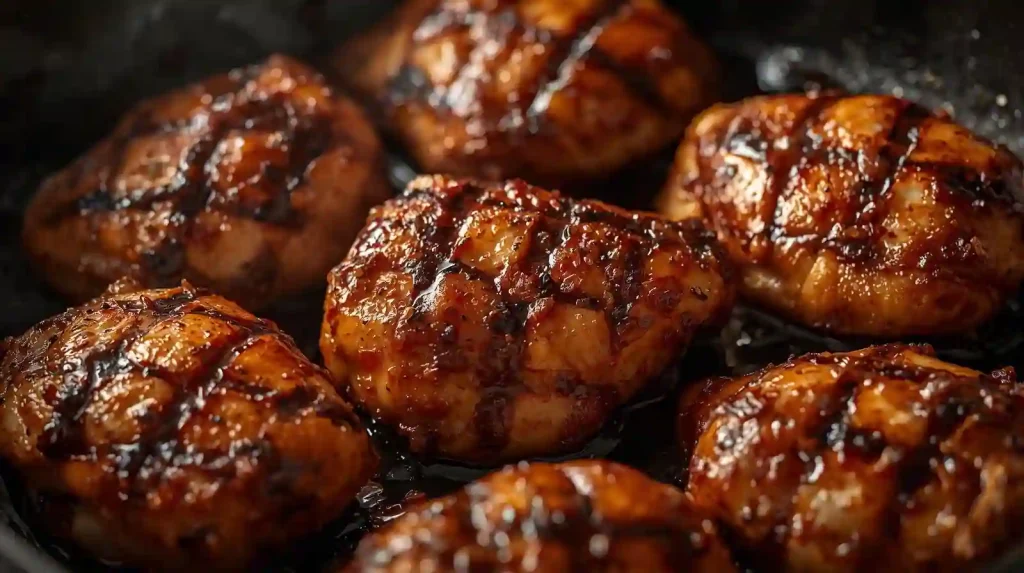
Heat 2 tablespoons of butter in a large skillet over medium-high heat. Once it’s hot and sizzling, add the marinated chicken pieces. Don’t overcrowd the pan – work in batches if needed.
Cook for about 3-4 minutes per side until the chicken has nice brown edges. It doesn’t need to be fully cooked through because it’ll finish cooking in the sauce. Remove the chicken and set it aside on a plate.
Step 3: Build The Sauce Base
In the same skillet (don’t clean it – those browned bits add flavor), melt the remaining 2 tablespoons of butter. Add chopped onions and cook them slowly over medium heat for about 8-10 minutes. They should turn golden and soft, not burnt.
Here’s a trick I learned the hard way: patience with onions pays off. When they caramelize properly, they add sweetness that balances the tomatoes perfectly.
Step 4: Add Aromatics And Spices
Toss in the minced garlic and grated ginger. Stir for about 30 seconds until your kitchen smells incredible. Then add garam masala, cumin, coriander, and paprika. Toast these spices for 1 minute while stirring constantly.
This step is crucial. Toasting spices wakes them up and releases their essential oils. It’s the difference between flat flavor and restaurant-quality depth.
Step 5: Create The Tomato Base
Pour in the crushed tomatoes and stir everything together. Let this mixture simmer for 15-20 minutes on low heat. Stir occasionally to prevent sticking. The sauce will thicken and the raw tomato smell will disappear.
If you want an ultra-smooth sauce like restaurants serve, use an immersion blender at this point. I usually do this because my family prefers it silky. But chunky sauce tastes just as good.
Step 6: Finish With Cream And Chicken
Lower the heat to the lowest setting. Stir in the heavy cream slowly – this prevents curdling. Add honey or sugar to balance the acidity from tomatoes. Taste and adjust salt.
Add your cooked chicken back into the sauce. Let everything simmer together for 10-15 minutes. The chicken will finish cooking and soak up all those amazing flavors. The sauce should coat the back of a spoon nicely.

Pro Tips From Years Of Making Butter Chicken
These are the little things I’ve learned that make a big difference:
Use Chicken Thighs When Possible
I prefer thighs over breasts because they stay juicier and have more flavor. Breasts work fine, but watch them carefully so they don’t dry out. Dark meat is more forgiving.
Don’t Skip The Marination
I know it’s tempting to rush, but the yogurt marinade tenderizes the chicken and adds flavor deep inside. Even 30 minutes makes a difference. Overnight is better.
Control The Heat Level
My recipe uses moderate spice that most people enjoy. If you’re cooking for kids or sensitive palates, reduce the chili powder to half a teaspoon. For spice lovers, add some cayenne pepper or use hot paprika.
Quality Matters With Spices
Fresh spices smell vibrant and punchy. Old spices smell like dust. I replace mine every six months because butter chicken deserves the best. Store them in a cool, dark place.
Add Kasuri Methi For Authenticity
Dried fenugreek leaves (kasuri methi) add an authentic restaurant flavor. Crush a tablespoon between your palms and sprinkle it into the sauce during the last few minutes of cooking. This is optional but highly recommended.
How To Serve Your Butter Chicken
I serve this with warm naan bread or basmati rice. Sometimes both. The bread is perfect for scooping up that creamy sauce, while rice makes it a complete meal.
Garnish with fresh cilantro and a drizzle of cream on top for presentation. A squeeze of lemon juice right before serving brightens all the flavors.
Side dishes I recommend: cucumber raita (cooling yogurt sauce), simple green salad, or roasted vegetables. Keep sides simple so the butter chicken stays the star.
Storage And Reheating Tips
Butter chicken actually tastes better the next day. The flavors marry together overnight in the fridge. Store it in an airtight container for up to 4 days.
To reheat, use low heat on the stovetop. Add a splash of cream or water if the sauce has thickened too much. Microwave works too, but stir halfway through to heat evenly.
You can freeze butter chicken for up to 3 months. Thaw overnight in the fridge and reheat gently. The texture stays perfect.
Common Questions About Butter Chicken Recipe
Can I make butter chicken without cream?
Yes, substitute coconut milk or cashew cream for a dairy-free version. The flavor changes slightly but it’s still delicious. I’ve made this for lactose-intolerant friends many times.
Why is my butter chicken bitter?
This usually happens when spices burn. Always toast spices on medium heat and keep stirring. Also, some tomato brands are more acidic – add an extra teaspoon of honey to balance it.
How can I make it thicker?
Simmer uncovered for longer to reduce liquid. Or mix a tablespoon of tomato paste into the sauce. Cashew paste also thickens while adding richness.
Is butter chicken very spicy?
Not in this recipe. It’s creamy and mild with warm spices rather than burning heat. You control the spice level with chili powder amount.
What’s the difference between butter chicken and chicken tikka masala?
Butter chicken has a smoother, sweeter, more buttery sauce. Tikka masala is spicier with a thicker, more tomato-forward sauce. Both are delicious but distinctly different.
Frequently Asked Questions
How long does it take to make butter chicken from start to finish?
The active cooking time is about 45 minutes, plus 30 minutes minimum for marinating. If you marinate overnight, you’re looking at just 45 minutes of cooking the next day. It’s faster than ordering takeout and tastes better.
Can I use chicken breast instead of thighs?
Absolutely. Cut breasts into slightly larger pieces since they cook faster and can dry out. Reduce cooking time by 2-3 minutes. I’ve used both many times with great results.
Do I need special equipment to make butter chicken?
Not at all. A large skillet or pot, a bowl for marinating, and basic utensils are all you need. An immersion blender is nice for smooth sauce but completely optional.
Can I double this recipe for a crowd?
Yes, this recipe doubles perfectly. Use a larger pot and you might need to cook the chicken in more batches. I’ve made this for 12 people before with no issues.
What if I don’t have garam masala?
Make your own blend: mix cumin, coriander, cardamom, cinnamon, and black pepper. Or use curry powder in a pinch. The flavor won’t be exactly the same but still delicious.
Why does restaurant butter chicken taste different?
Restaurants often use a tandoor oven for smoky flavor and add more butter than home cooks typically use. Some also add food coloring for that bright orange look. This recipe gets you 90% there without special equipment.
Final Thoughts On Making Butter Chicken At Home
Making butter chicken at home changed my weeknight dinner game. It feels fancy enough for guests but easy enough for Tuesday night. The recipe might look long written out, but once you make it, you’ll realize it’s actually straightforward.
Start with good ingredients, don’t rush the onions, and let those spices bloom. Your kitchen will smell like an Indian restaurant and your family will wonder why you ever ordered takeout.
I’ve shared this butter chicken recipe with countless friends over the years. Every single one reported back with success. Some made it spicier, others added vegetables, a few went dairy-free. The beauty of this recipe is that it’s flexible and forgiving.
So grab your ingredients and give it a try. You’re about to make restaurant-quality butter chicken in your own kitchen. Trust me on this – after fifteen years of perfecting this dish, I know you’re going to love it.