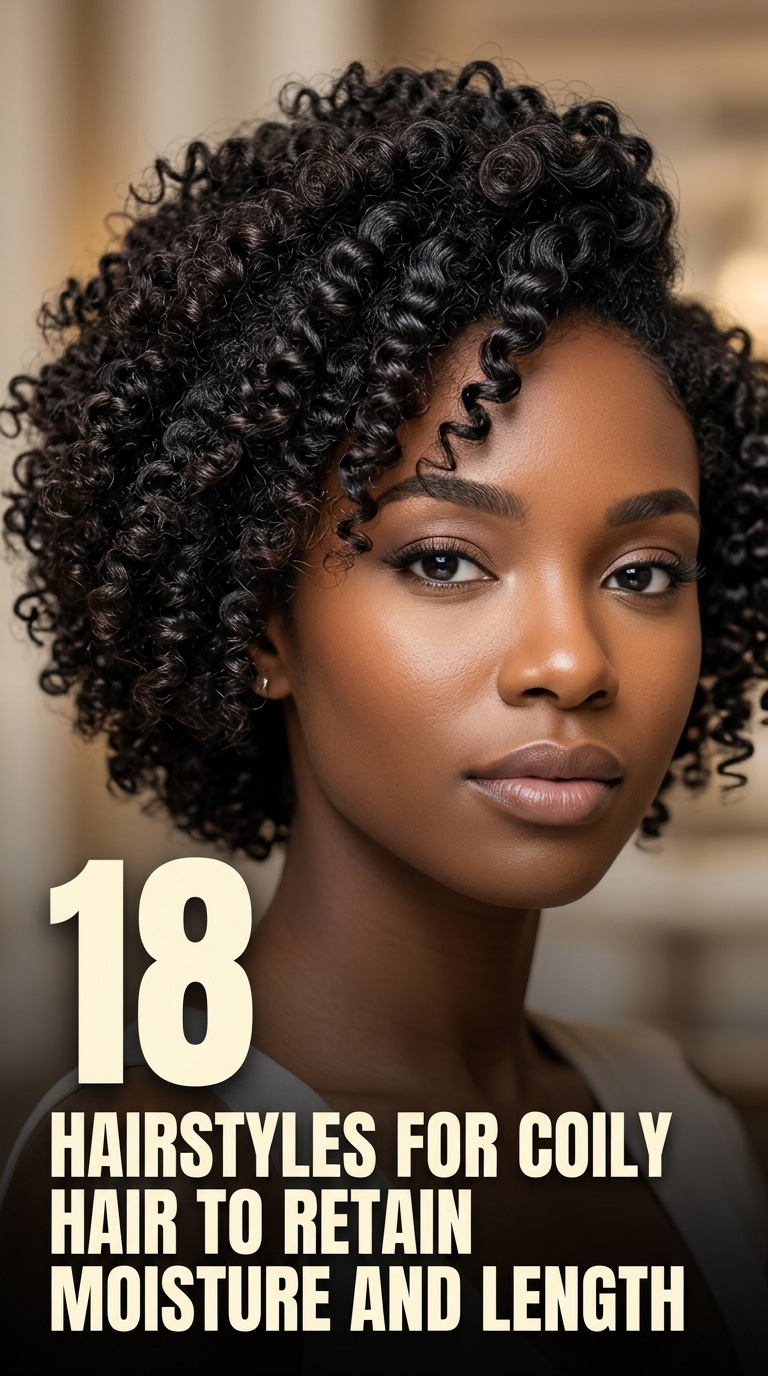
Coily hair thrives when it is handled with care. Maintaining moisture levels is the biggest challenge for tight textures. Without the right approach, breakage becomes inevitable.
Protective styling is the ultimate solution for health. These techniques shield the ends of the hair from environmental damage. They also reduce the need for daily combing and manipulation.
Retaining length requires a balance of hydration and protection. Choosing the right style ensures your strands remain supple and strong. This guide explores the best options for coily hair.
1. Mini Twists
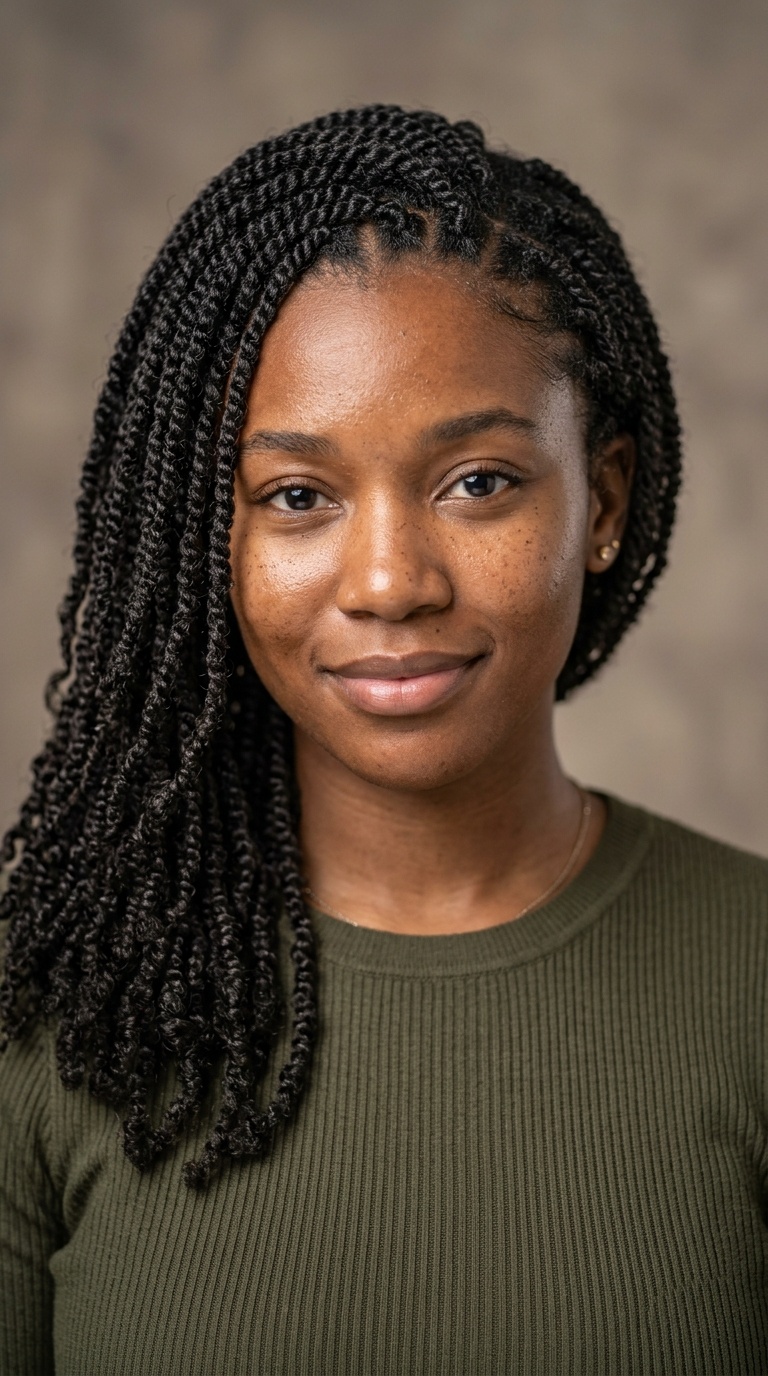
Mini twists involve sectioning the hair into very small portions and twisting two strands around each other. This style is highly popular because it mimics the look of loose hair while keeping strands organized. It allows for maximum scalp access and incredible versatility in styling.
By keeping the hair in small bundles, you reduce the surface area exposed to the air. This significantly slows down the evaporation of water and leave-in conditioners. Applying a heavy cream before twisting ensures the core of the hair remains hydrated for weeks.
The primary benefit for length retention is the total elimination of daily detangling. Since the hair is not being combed, the cuticle remains intact and the ends are less likely to snap. You can enjoy several weeks of growth without the mechanical stress of constant styling.
2. Box Braids
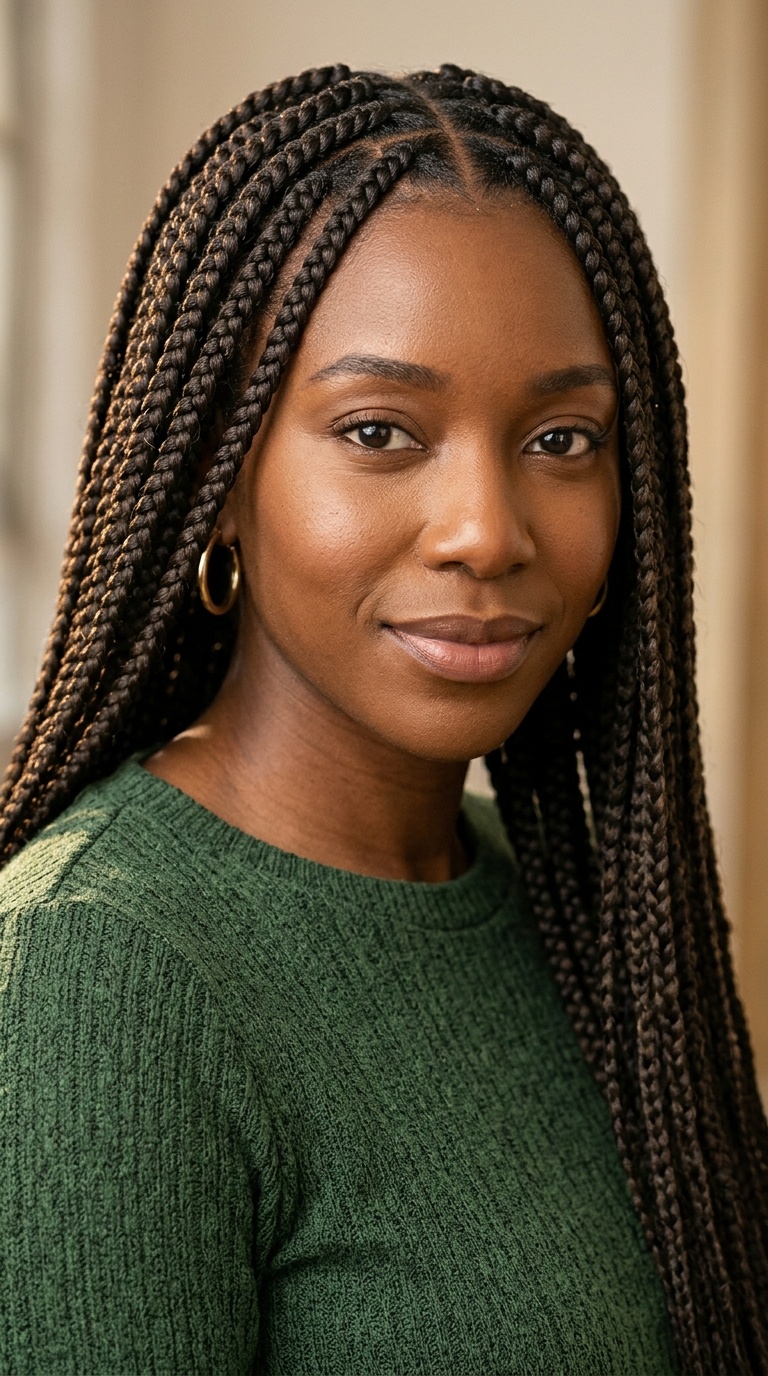
Box braids are a classic protective style where the hair is divided into square-shaped sections and braided from the root. They can be done with natural hair or with added extensions for extra length and thickness. This style is renowned for its longevity and aesthetic appeal.
This style is excellent for moisture retention because the braiding process “locks” products into the hair shaft. While the hair is braided, you can easily apply liquid mists or oils to the lengths. The structure of the braid prevents the hair from drying out as quickly as an afro.
Length retention is maximized because the ends of your natural hair are tucked away within the braid. This prevents friction against clothing and pillows which often leads to split ends. As long as they are not installed too tightly, box braids provide a safe environment for hair to grow.
3. Flat Twists
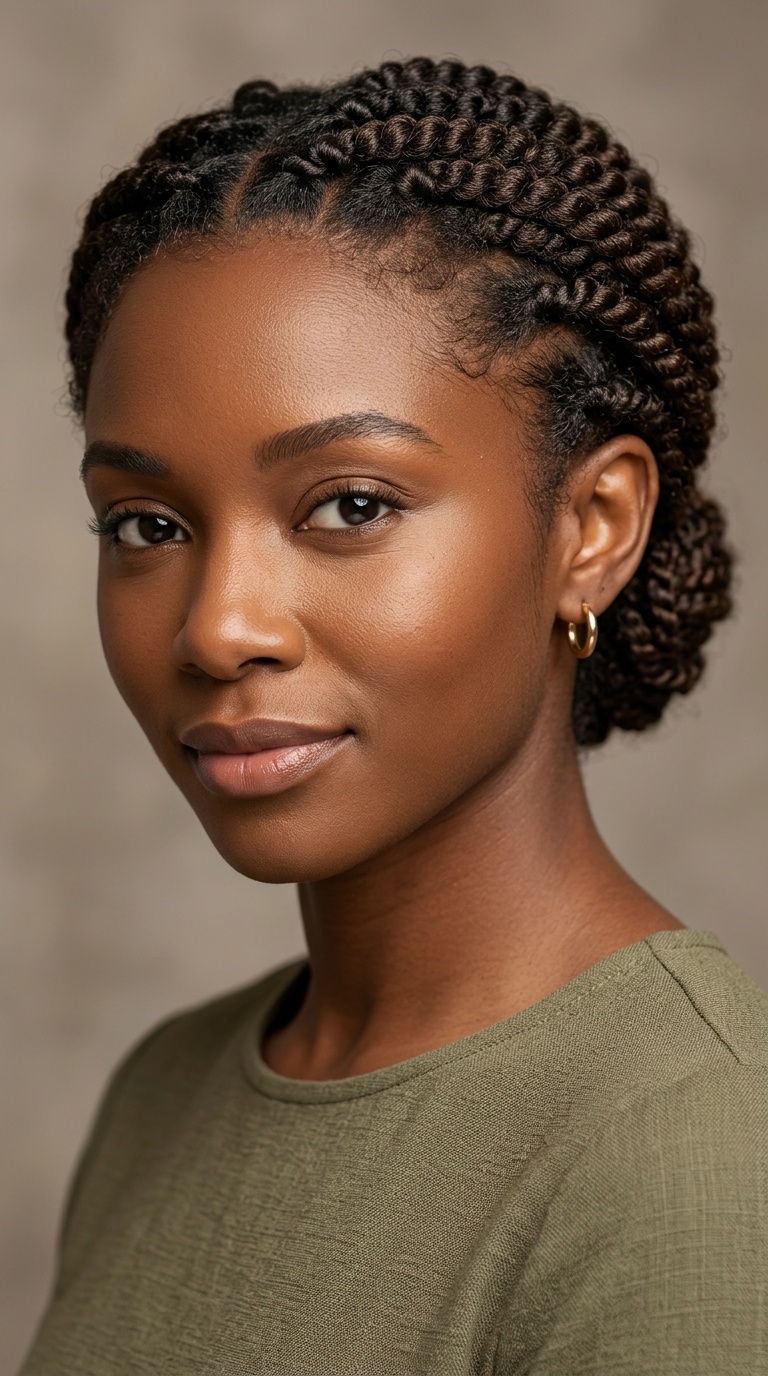
Flat twists are a hybrid between cornrows and two-strand twists, where the hair is twisted flat against the scalp. This technique is often easier for beginners to master than traditional braiding. It results in a neat, professional appearance that can be worn in many patterns.
More Amazing Ideas
 16 Hairstyles for Wavy Hair Medium Length for Natural Flow — Read more
 19 Snoop Hairstyles for Natural Hair with Braids and Twists — Read more
 19 Fairy Hairstyles for Short Hair with Whimsical Braids — Read more
 15 Romantic Hairstyles for Long Hair with Soft Loose Braids — Read more
 19 Hairstyles for Layered Hair Updo Looks Without Falling Pieces — Read more
Because the hair is held close to the scalp, it benefits from the natural oils produced by the skin. The twists keep the hair strands compressed, which helps the hair retain the moisturizing products applied during the styling process. It is a perfect choice for those with high-porosity coily hair.
Flat twists are exceptional for length retention because they minimize tension on the hair follicles. The ends can be tucked into a bun or pinned up to keep them from rubbing against external surfaces. This “ends-up” approach is the gold standard for reaching new length milestones.
4. Pineapple Updo
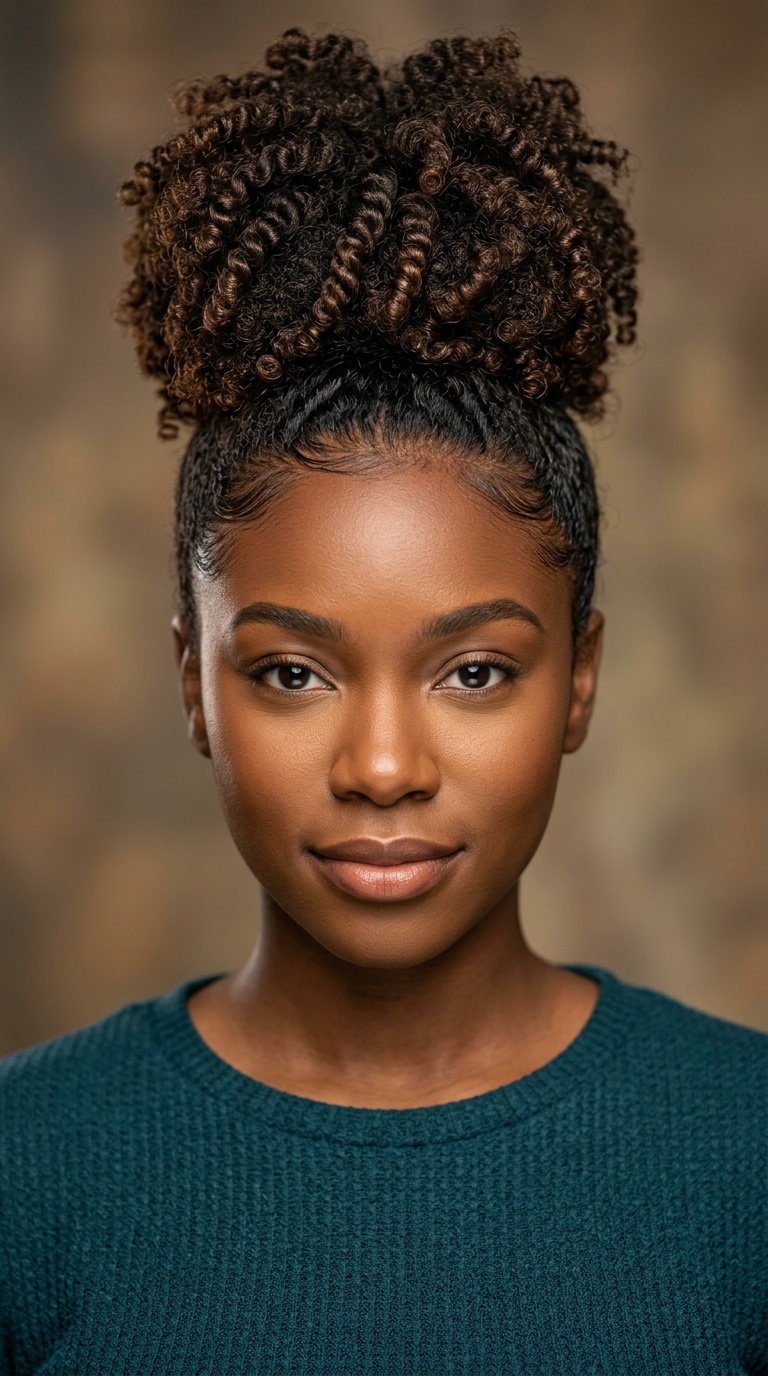
The pineapple updo involves gathering the hair loosely at the very top of the head. It is typically secured with a satin scrunchie to prevent any harsh creasing or breakage. While often used for sleeping, it has become a fashionable daytime look for coily textures.
This style helps retain moisture by keeping the hair concentrated in one area, reducing the “frizz” that causes moisture loss. By using a satin or silk scarf around the base, you prevent the fabric of your clothes from absorbing the hair’s natural oils. It keeps the hydration where it belongs.
For length retention, the pineapple is a low-tension miracle. It keeps the ends of the hair from tangling during movement or sleep. By avoiding the friction of a traditional ponytail, you protect the delicate nape and crown areas from snapping.
5. Cornrows
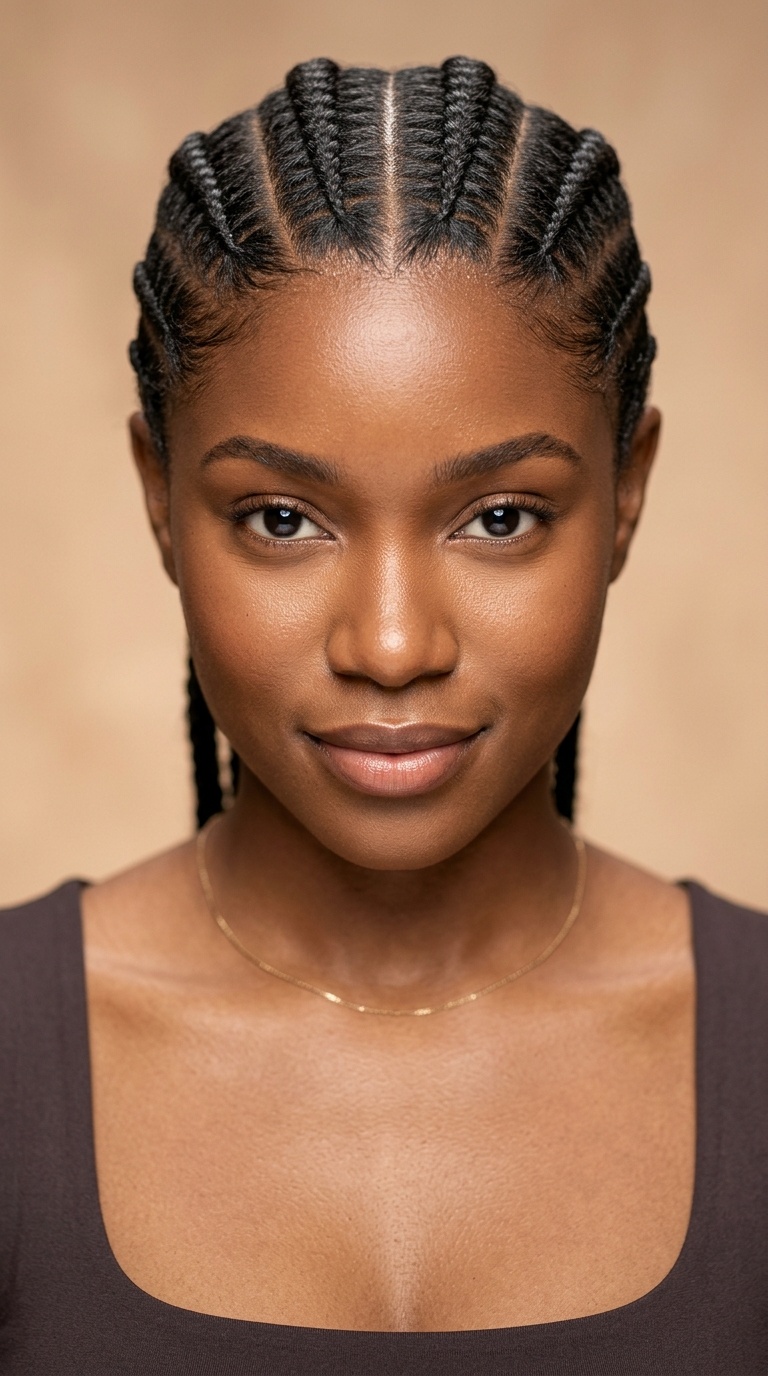
Cornrows are a traditional style where the hair is braided very close to the scalp using an underhand upward motion. They can be created in simple straight lines or intricate geometric patterns. This style is incredibly durable and serves as a base for many other protective looks.
The tight weave of a cornrow creates a protective barrier for the hair fibers. This structure makes it very easy to apply oils or watery leave-ins directly to the scalp and the “tracks” of the hair. It effectively seals the moisture into the braided sections for extended periods.
Cornrows are legendary for length retention because they keep the hair completely immobilized. There is zero friction between individual hair strands, which prevents the formation of knots and tangles. When the hair is finally unbraided, the lack of shed-related breakage is often very noticeable.
6. Bantu Knots
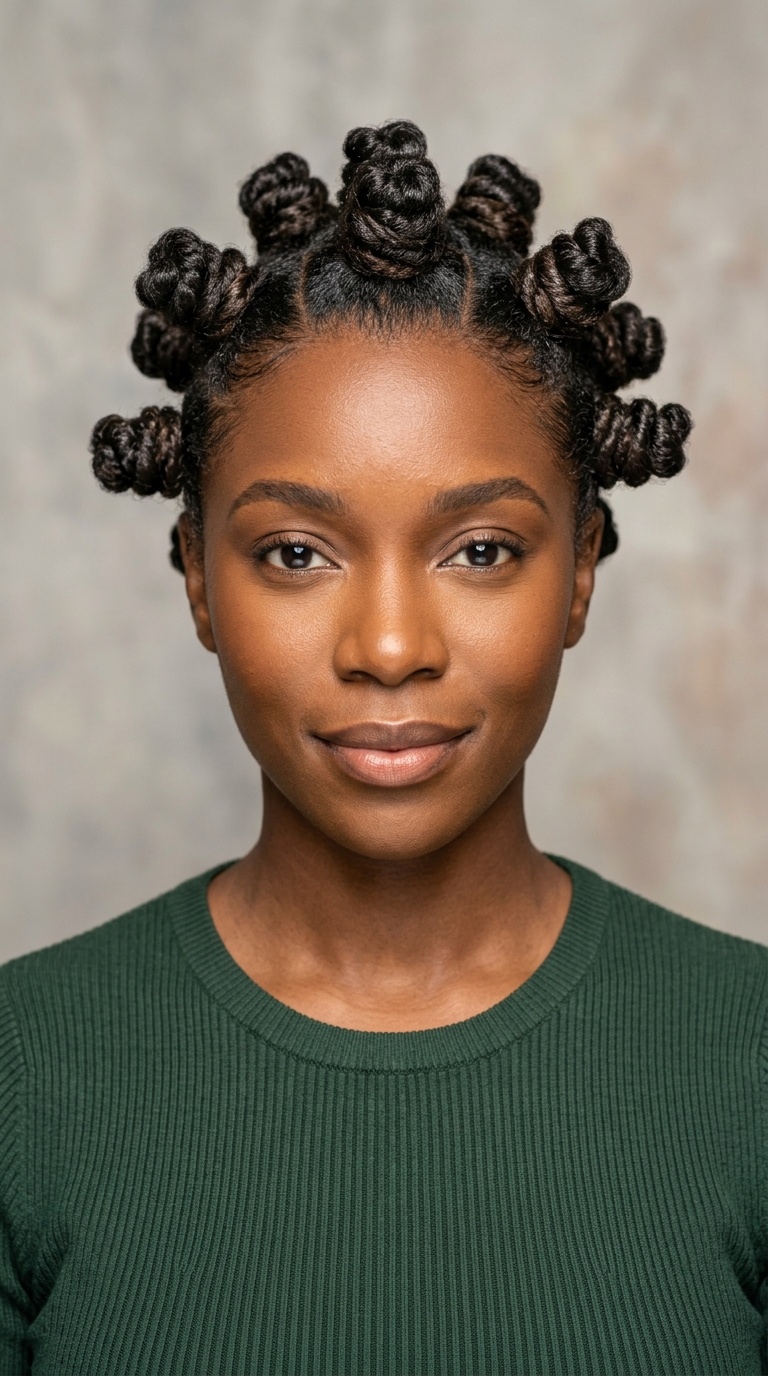
Bantu knots are created by sectioning the hair and twisting it into small, stacked buns that resemble knots. This style has deep cultural roots and offers a bold, sculptural aesthetic. It works beautifully on all lengths of coily hair, from short to very long.
Each knot acts as a self-contained moisture chamber for the hair. By coiling the hair around itself, the ends are tucked deep inside the knot, protecting them from the drying effects of the atmosphere. This setup allows deep conditioners or oils to penetrate the strands deeply over several days.
More Amazing Ideas
 19 Hairstyles for Long Hair on Saree from Braids to Buns — Read more
 17 Homecoming Hairstyles for Short Hair with Twists and Pins — Read more
 17 Baddie Hairstyles for Short Hair with Finger Waves and Bobs — Read more
 18 Hairstyles for Toddler Girls Black Hair with Gentle Twists — Read more
 15 Hairstyles for Very Long Hair from Braids to Updos — Read more
The “tucked” nature of Bantu knots is what makes them a powerhouse for length retention. Since the ends—the oldest and most fragile part of the hair—are hidden, they cannot be damaged by external factors. This style also transitions into a “knot-out,” providing a second low-manipulation look.
7. Halo Braid
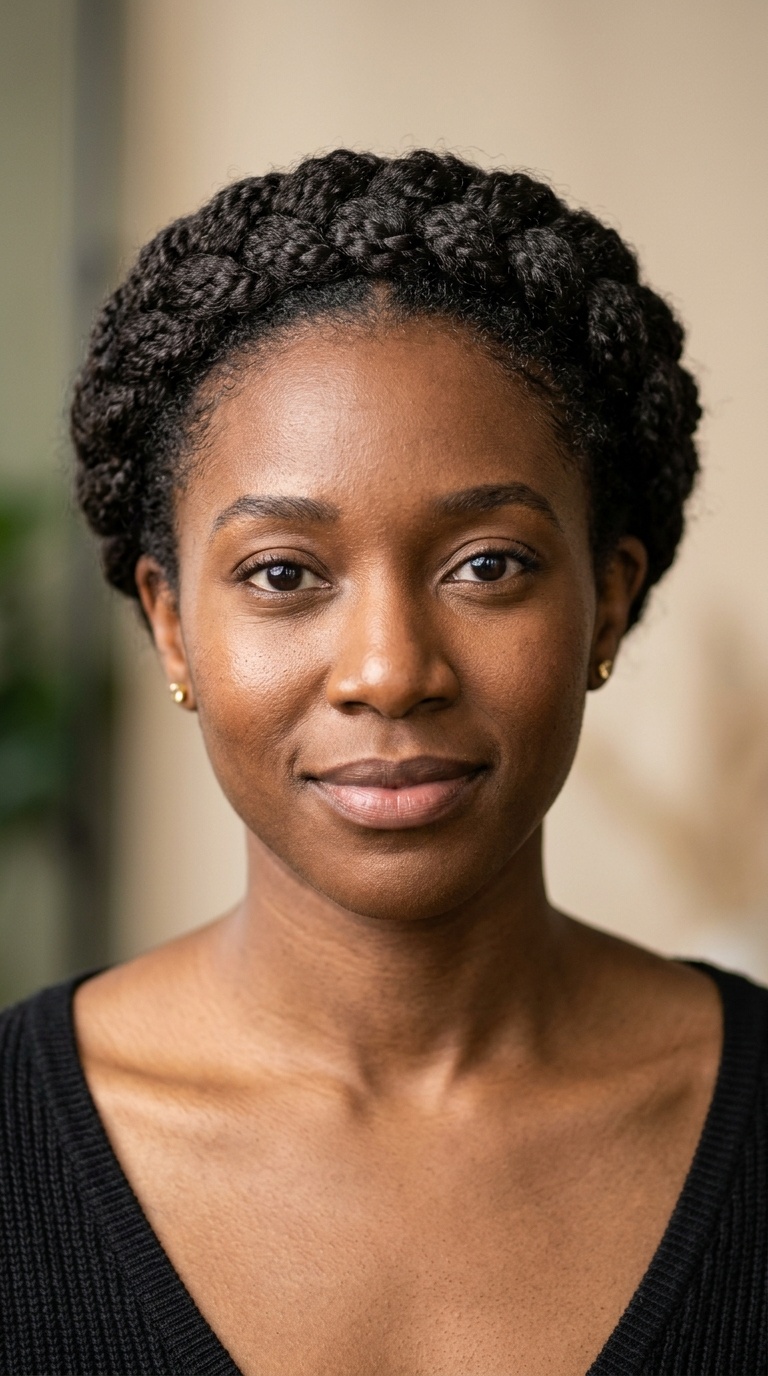
The halo braid consists of one or two large braids that wrap around the circumference of the head. It creates a crown-like effect that is both elegant and practical. It is an ideal choice for formal events or professional settings where a polished look is desired.
This style is highly effective at keeping moisture locked in because the hair is bundled together in a thick, protective structure. The surface area is minimized, and the hair is kept away from the face and neck. This prevents sweat or wind from stripping away the hair’s necessary oils.
Length retention is achieved by the “updo” nature of the halo braid. The ends are typically tucked and pinned underneath the braid, ensuring they are never exposed. This complete protection of the tips ensures that the growth you achieve is not lost to split ends or breakage.
8. Finger Coils
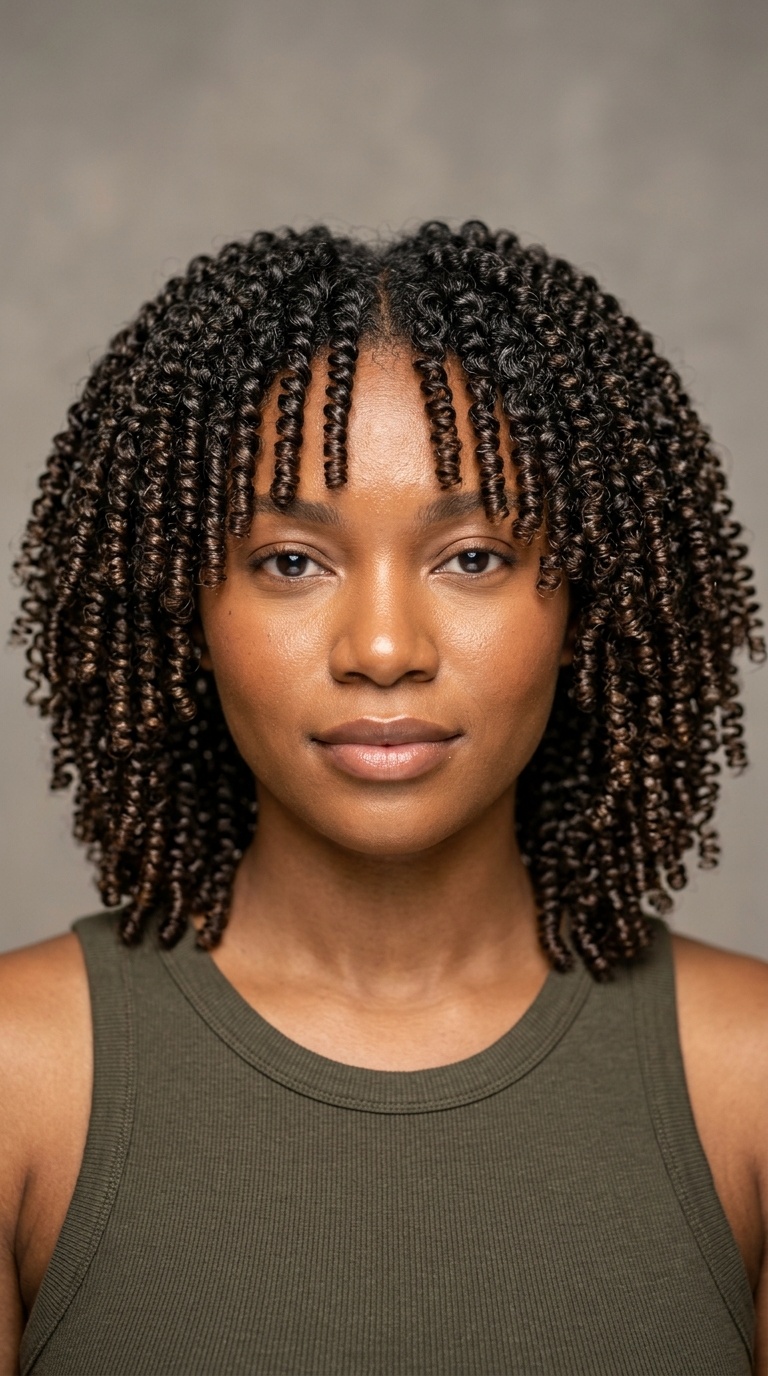
Finger coils are created by taking small sections of hair and twirling them around the finger until they form a tight coil. This style defines the natural coil pattern and provides a uniform, manicured look. It is a fantastic option for those transitioning or with very tight textures.
Because each coil is saturated with product and then “clumped” together, moisture is trapped within the curl. The smooth exterior of the coil resists frizz and prevents the internal moisture from escaping. This style can often stay hydrated for up to a week with minimal refreshing.
Finger coils promote length retention by preventing the hair from tangling with neighboring strands. Coily hair often “hooks” into itself, leading to single-strand knots. Finger coils keep each section separate and smooth, which significantly reduces the damage during the eventual detangling process.
9. Twisted Low Bun
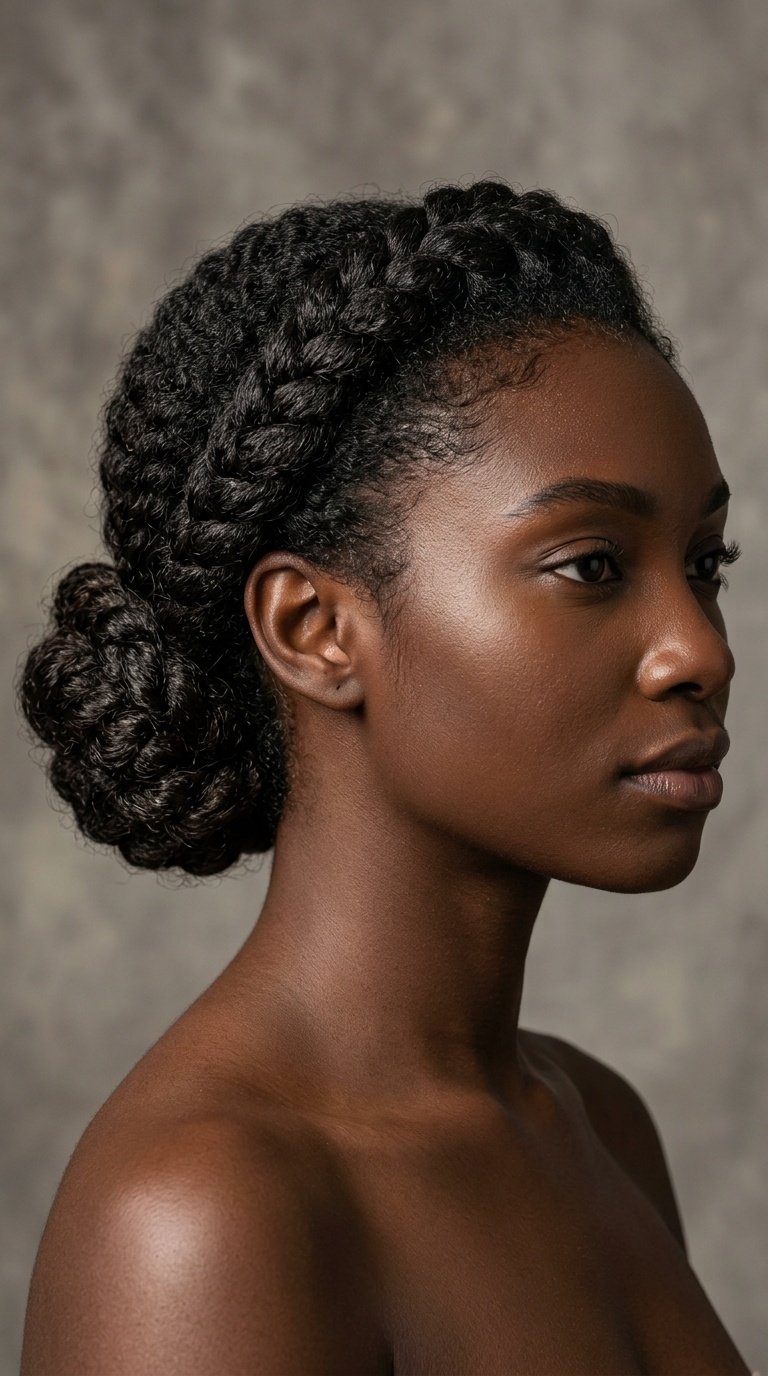
The twisted low bun involves twisting the hair into two or more large sections and then securing them into a bun at the nape of the neck. It is a simple, sophisticated style that takes very little time to execute. It works well for those who prefer a minimalist aesthetic.
A low bun is excellent for moisture because it keeps the bulk of the hair concentrated near the neck, where it is less exposed to wind. By twisting the hair first, you create a denser structure that holds onto creams and butters longer. It is a reliable way to keep hair soft throughout the week.
More Amazing Ideas
 17 Braid Hairstyles for Medium Hair with Different Patterns and Parts — Read more
 15 Short Natural Hairstyles for Black Women 4C Hair Coils — Read more
 19 Updo Hairstyles for Short Hair with Creative Shapes and Texture — Read more
 16 Hairstyles for Permed Hair to Keep Coils Bouncy and Fresh — Read more
 18 Boho Hairstyles for Long Hair from Braids to Loose Waves — Read more
This style is a favorite for length retention because it protects the ends while also protecting the hairline. Unlike high ponytails, a low bun puts very little stress on the edges of the hair. Keeping the ends gathered together in a bun prevents them from rubbing against collars and scarves.
10. Goddess Braids
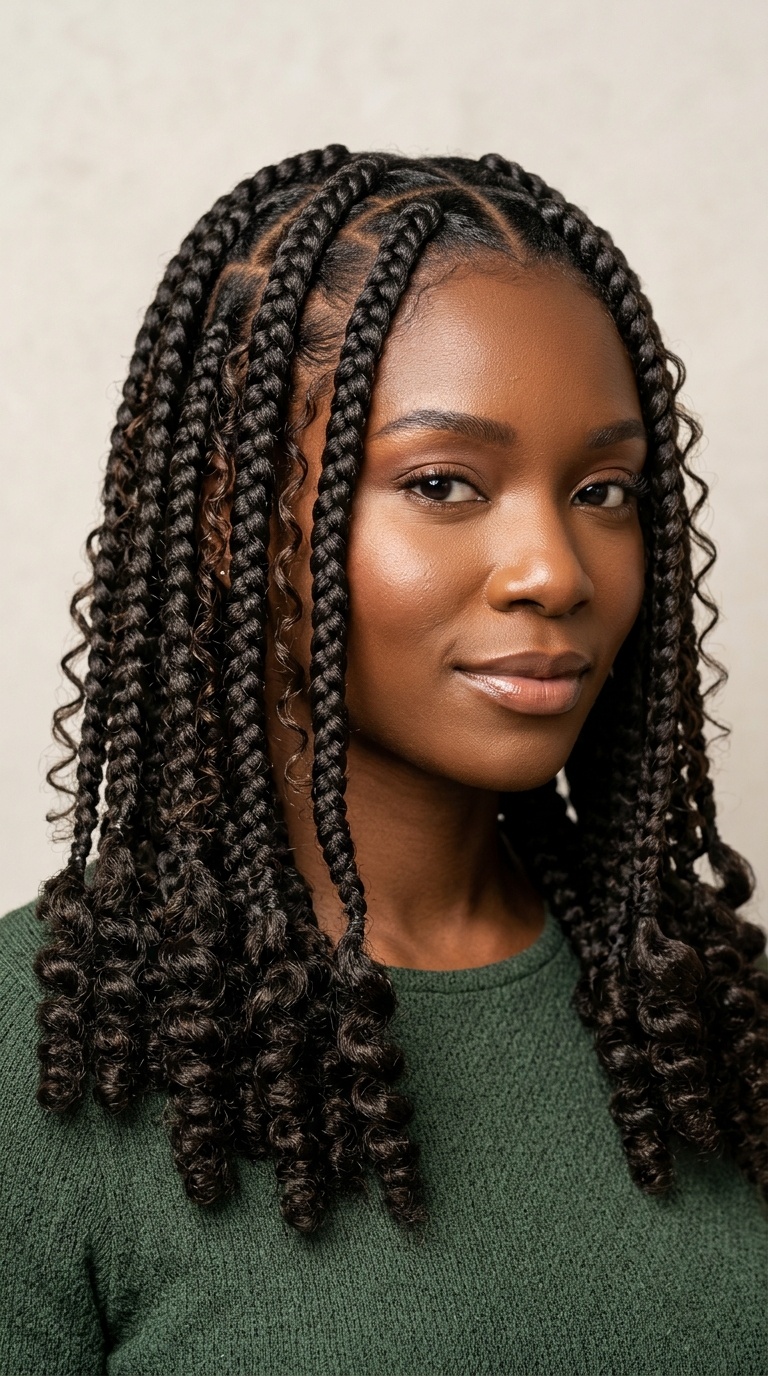
Goddess braids are essentially oversized cornrows that are braided close to the scalp. They are thicker and more raised than traditional cornrows, often requiring extensions for the desired volume. This style is quick to install and offers a regal, striking appearance.
The large size of goddess braids makes it very easy to hydrate the hair while the style is in place. You can easily run a light oil or a moisturizing serum between the braids to reach the scalp and the hair base. The thick braids act as a massive shield against environmental dryness.
Length retention is high with goddess braids because the hair is tucked into a very secure, low-tension structure. Since there are fewer braids than traditional cornrows, there are fewer “parts” where hair could potentially be stressed. It is a great short-term protective style for resting the hair.
11. Two-Strand Twists
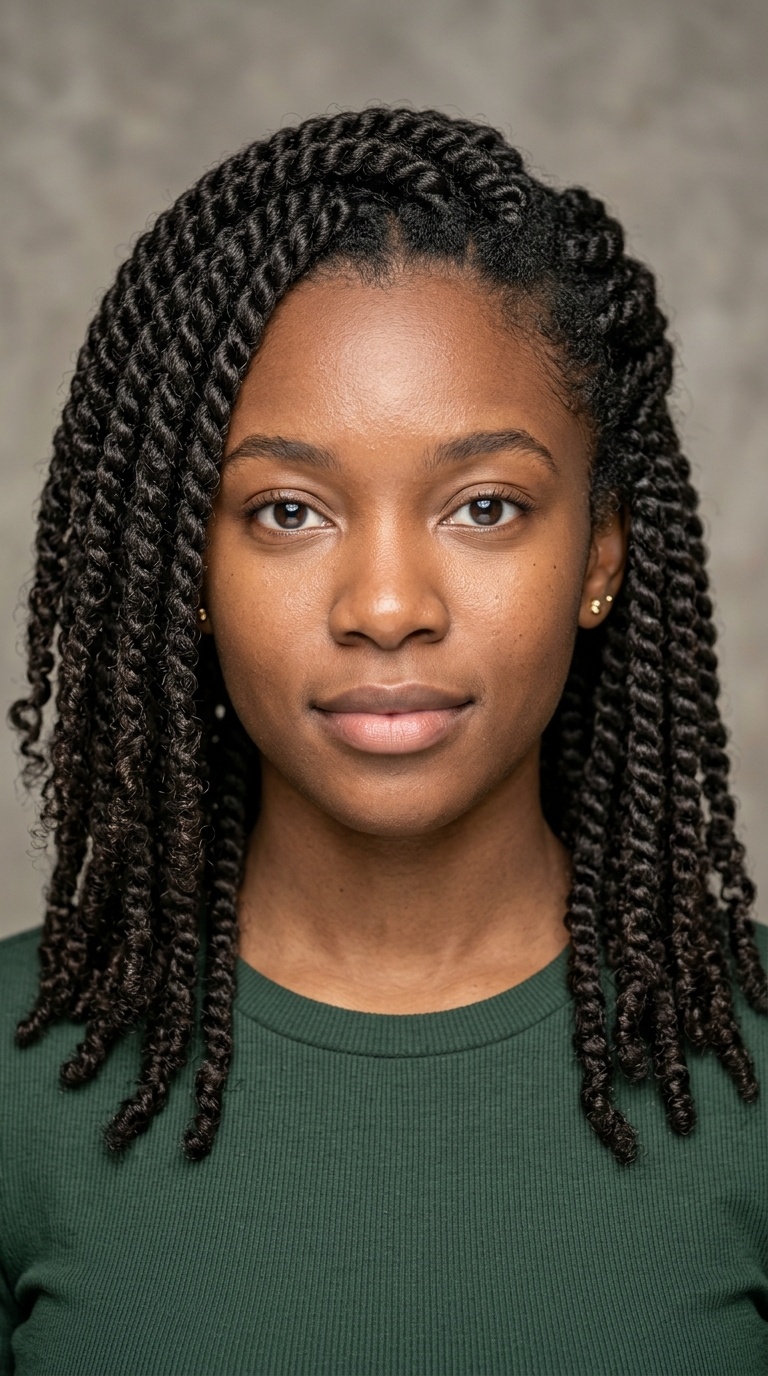
Two-strand twists are the foundation of many coily hair routines, involving simply wrapping two sections of hair around each other. They can be done on wet or dry hair and in any size from jumbo to small. They are prized for being easy to install and easy to take down.
The twisting motion helps to smooth the hair cuticle and lock in moisturizing products. When hair is twisted, the strands are compressed, which helps the moisture penetrate into the cortex of the hair. This style is ideal for maintaining the “bounce” and elasticity of coily textures.
Two-strand twists are a staple for length retention because they are the ultimate low-manipulation style. They prevent the hair from shrinking into a tight mass, which reduces the risk of matting. Keeping the hair in twists for several days at a time allows the hair to grow undisturbed.
12. Bubble Ponytail
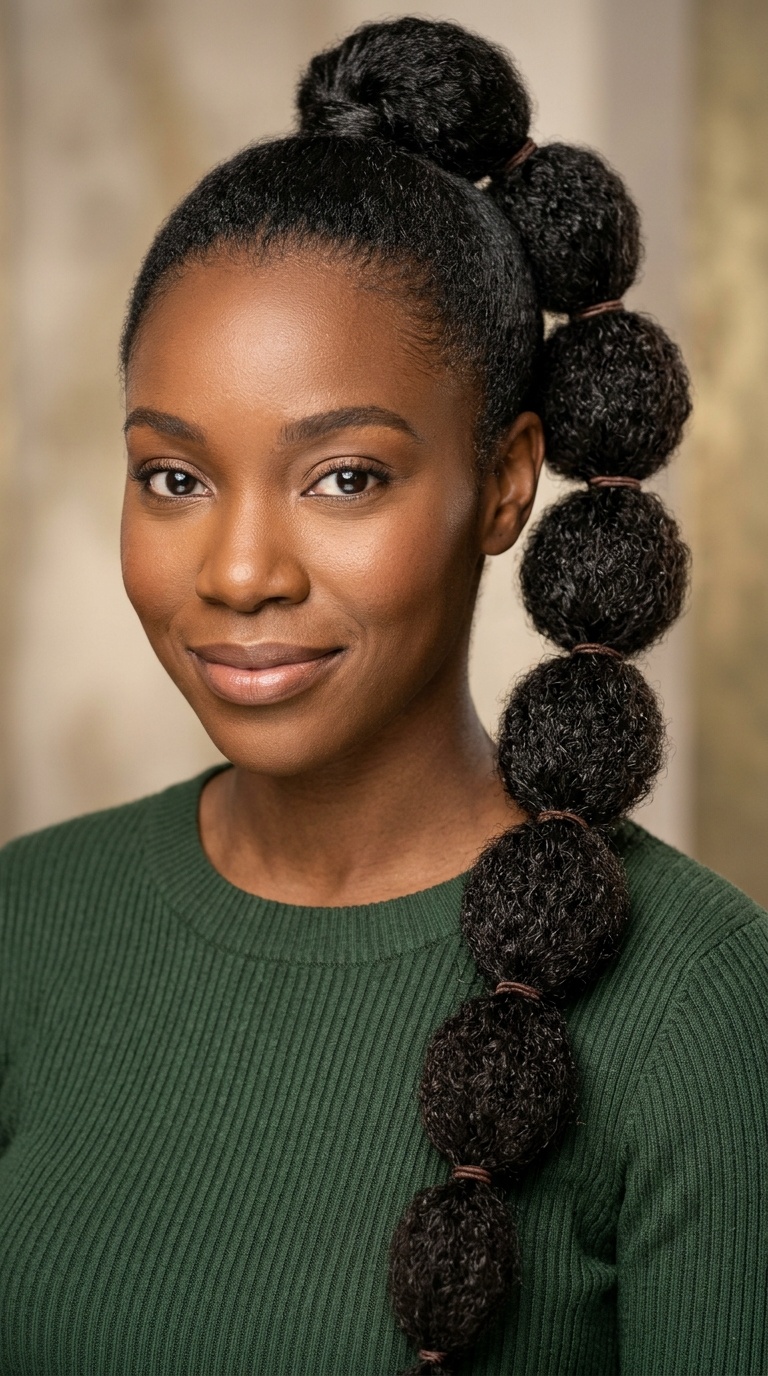
The bubble ponytail is a playful style where a ponytail is divided into sections using multiple hair elastics, creating “bubbles” of hair. For coily hair, this style provides a unique way to show off length while keeping the hair controlled. It is a modern, trendy look for all ages.
More Amazing Ideas
 19 Hairstyles for Short Afro Hair with Twists and Headbands — Read more
 19 Hairstyles for White Girl Hair Across Fine to Thick Types — Read more
 16 Catch Up Hairstyles for Natural Hair in Quick Updos — Read more
 19 Curled Hairstyles for Short Hair Using Irons or Rollers — Read more
 17 Hairstyles for Ginger Hair to Make Red Tones Pop — Read more
By sectioning the ponytail into bubbles, you are effectively “banding” the hair. This helps to keep the hair stretched and prevents the internal moisture from being lost to the air. Using silk or satin-covered elastics is essential to ensure the hair doesn’t dry out at the connection points.
This style aids length retention by preventing the hair from tangling into a large puff. The “bubbles” keep the hair strands organized and relatively straight, which minimizes the formation of knots. It is a perfect middle ground between a loose style and a fully braided protective look.
13. Knotless Braids
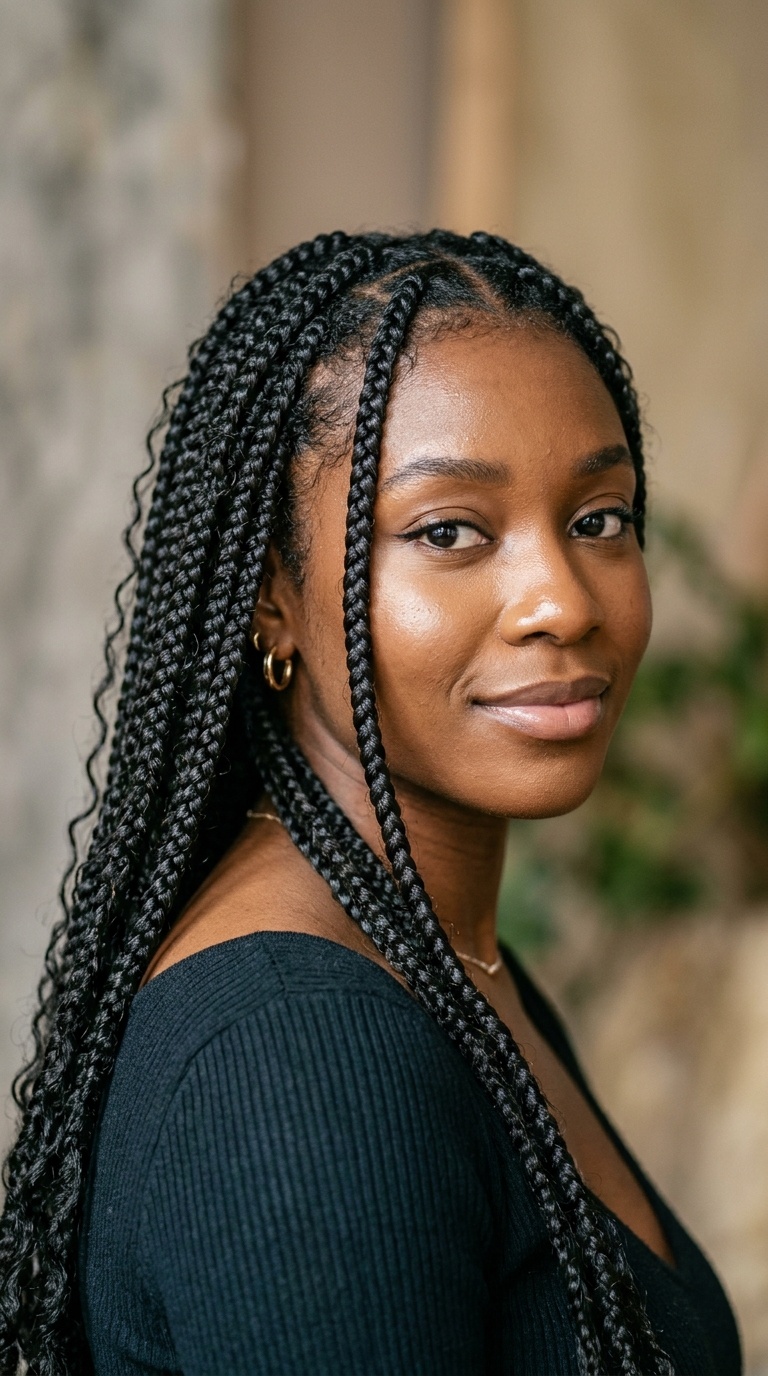
Knotless braids are a variation of box braids where the extension hair is added gradually rather than at the root. This eliminates the “knot” at the base, resulting in a flatter, more natural look. This technique has become the gold standard for scalp comfort and hair health.
The lack of a heavy knot at the root allows for better airflow and easier scalp moisturization. You can apply liquid leave-in conditioners directly to your roots without any buildup or tension. The smooth transition from natural hair to extension helps keep the moisture locked in.
Knotless braids are superior for length retention because they put significantly less weight on the hair follicle. Tension at the root is a leading cause of breakage and thinning in coily hair. By removing that tension, the hair can grow freely and safely for several months.
14. Roll and Tuck
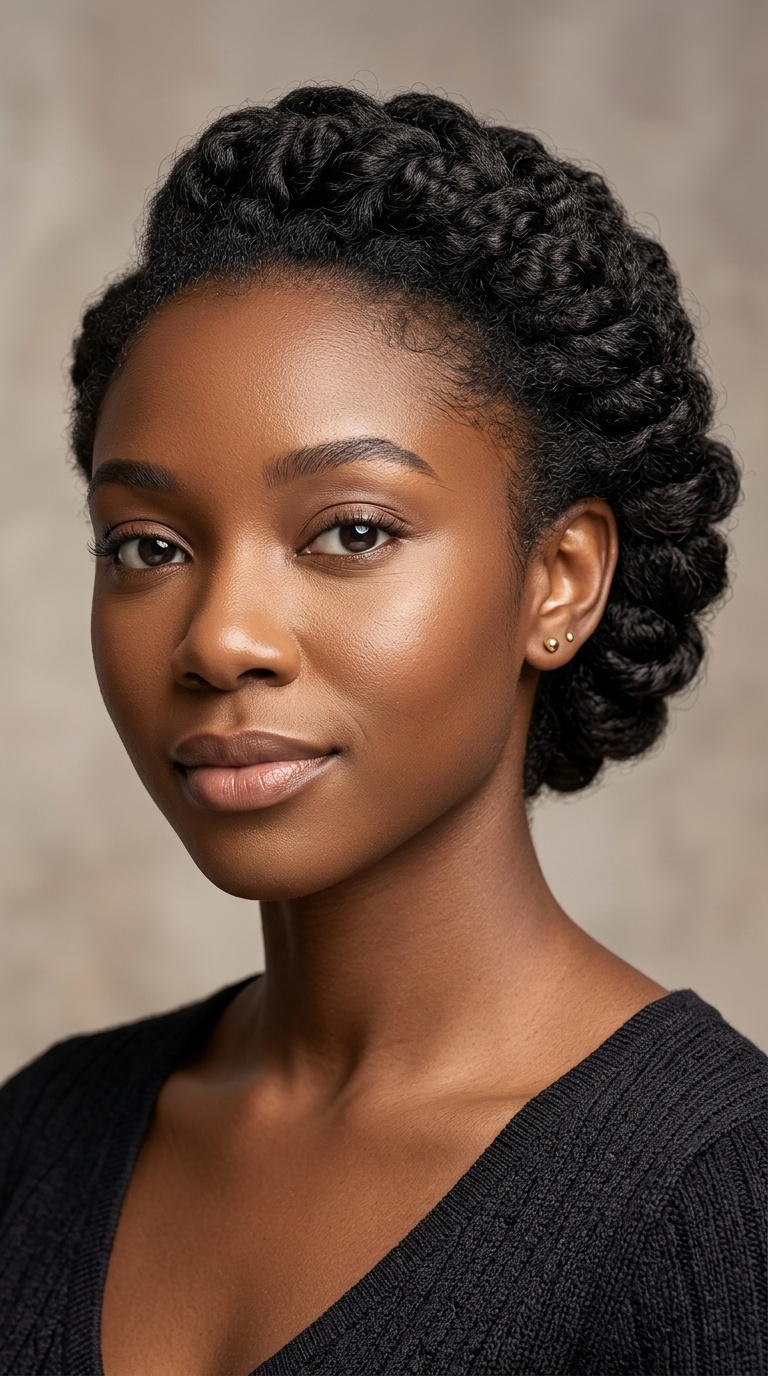
The roll and tuck is an elegant updo where the hair is rolled inward towards the scalp and secured with bobby pins. It can be done on the sides, the back, or all around the head. It is often referred to as a “Gibson Tuck” or a “French Roll” for natural hair.
This style is a moisture-retaining powerhouse because it literally hides the hair from the elements. By rolling the hair inward, the most hydrated parts of the hair are protected by the outer layers. It creates a humid micro-environment that keeps the strands soft for days.
For length retention, the roll and tuck is unbeatable because the ends are completely shielded. The ends are tucked deep into the “roll,” meaning they never touch your clothes or skin. This prevents the mechanical wear and tear that usually limits length in coily hair.
15. High Puff (with silk scarf)
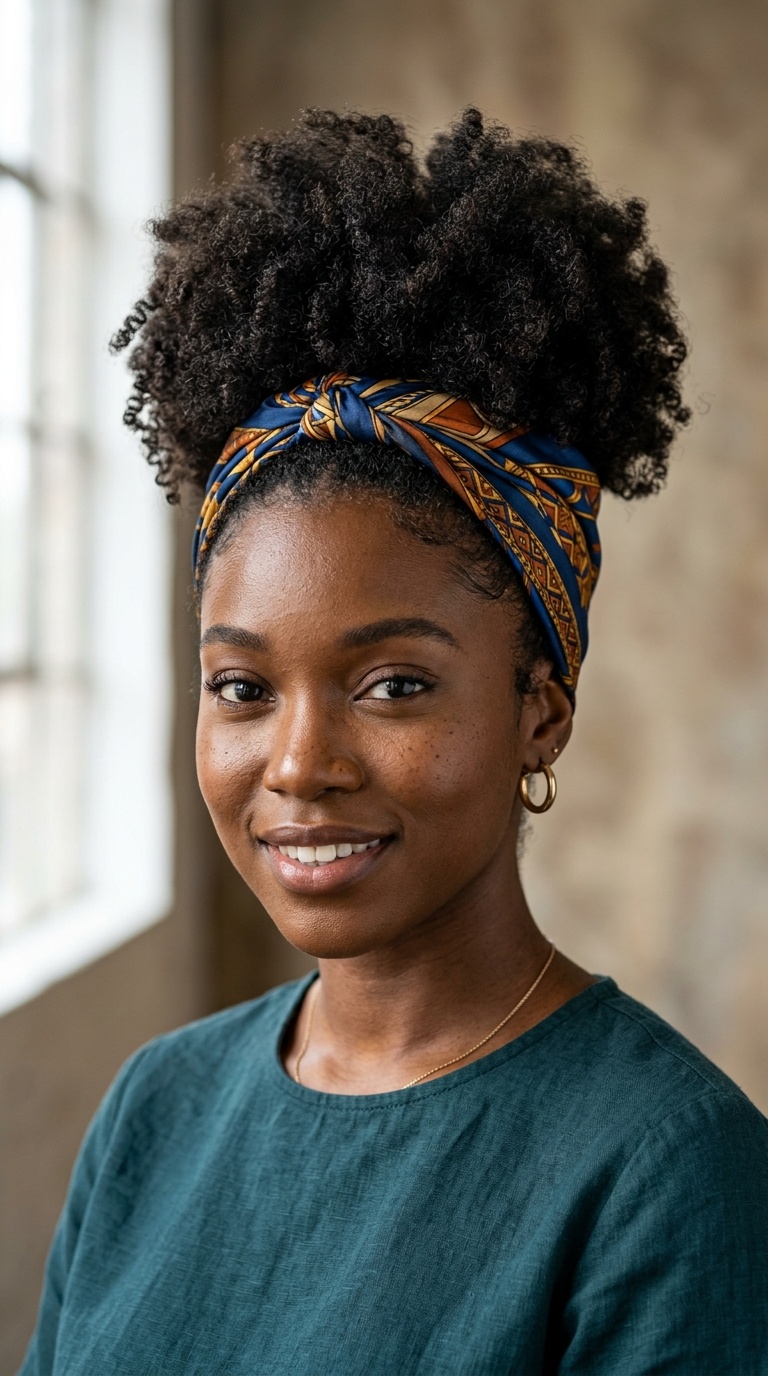
The high puff is a quintessential coily hairstyle where the hair is gathered at the crown to create a voluminous “puff.” To maximize health, a silk or satin scarf is often used as a headband or base. It is a quick, beautiful way to celebrate the natural volume of coily hair.
More Amazing Ideas
 17 Hairstyles for 2B Hair to Enhance Natural S Waves — Read more
 15 Hairstyles for Hair Down Days with Subtle Clips and Waves — Read more
 15 Church Hairstyles for Short Hair with Pins and Headbands — Read more
 18 Wedding Guest Hairstyles for Medium Hair in Half Up Looks — Read more
 16 Barbie Hairstyles for Dolls to Fix and Restyle Toy Hair — Read more
When executed with a silk scarf, this style avoids the moisture-wicking properties of cotton headbands. The silk helps the edges retain their natural oils and prevents the “dry-out” that often leads to thinning hairlines. It allows the puff itself to stay hydrated and fluffy.
Length retention is supported by keeping the hair up and away from the shoulders. The puff prevents the ends from rubbing against harsh fabrics like wool coats or cotton shirts. As long as the base is not tied too tightly, it is a safe and effective way to wear coily hair.
16. Flat Twist Out
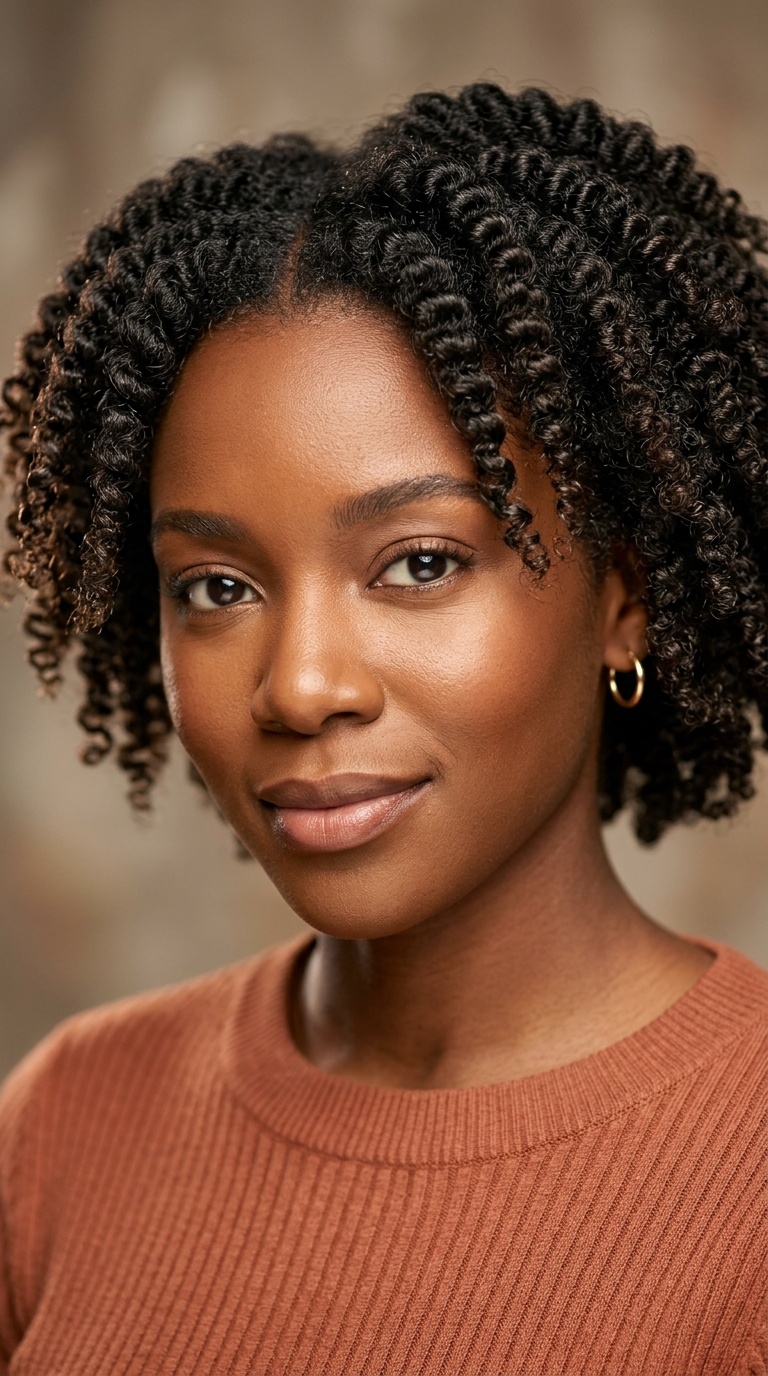
A flat twist out is achieved by wearing flat twists for a period and then carefully unraveling them to reveal defined waves. This style provides the benefits of a protective style during the “set” phase and a defined look during the “out” phase. It is highly popular for its texture.
During the setting phase (the twists), the hair is deeply moisturized and compressed. This “trains” the hair to hold onto that moisture even after the twists are removed. The result is a defined pattern that feels soft and hydrated rather than crunchy or dry.
The flat twist out promotes length retention by providing a defined shape that resists tangling. Coily hair that has been “set” into a pattern is less likely to form knots than hair in its raw state. This makes the next wash day much easier and reduces the risk of breakage.
17. Faux Hawk with Braided Sides
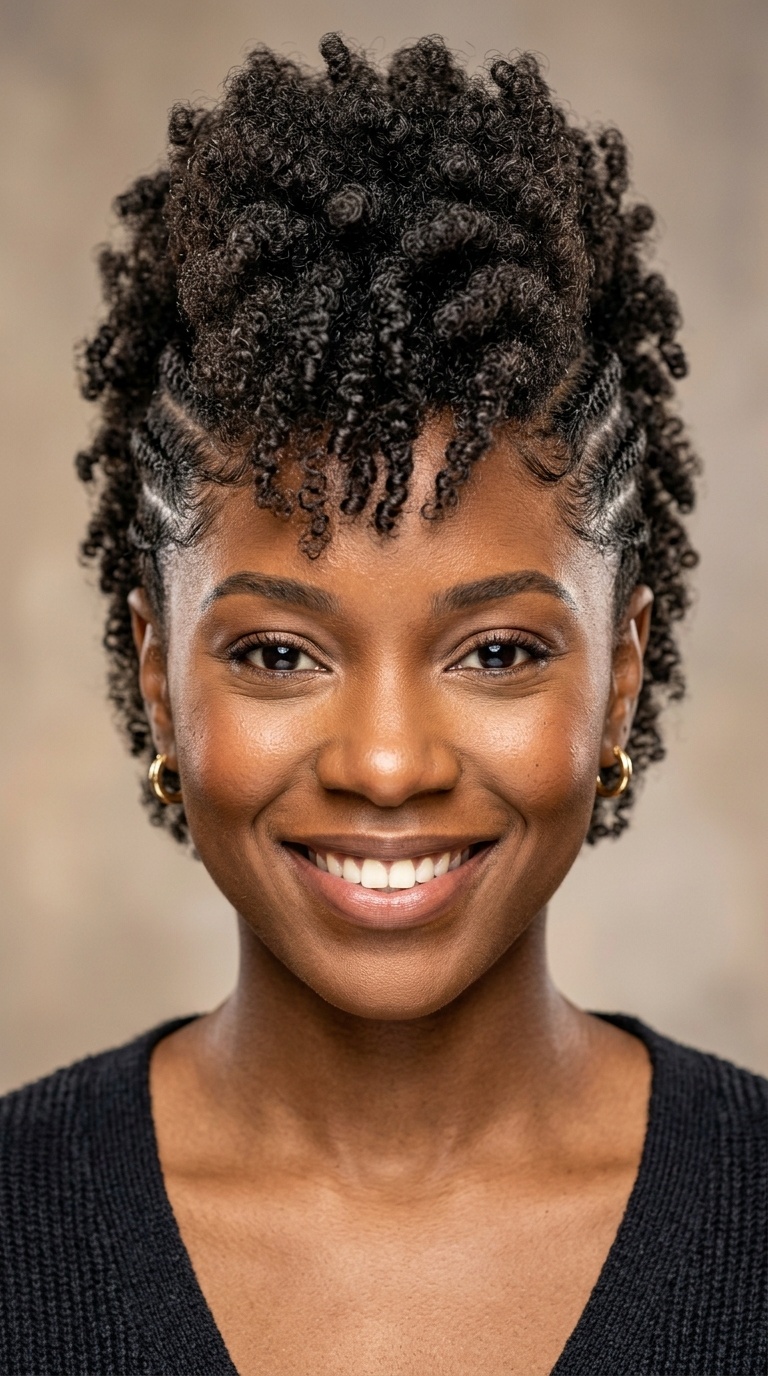
This style involves braiding or flat-twisting the sides of the hair upward while leaving the center section loose or puffed. It creates a bold, edgy silhouette without the need for a haircut. It is a versatile style that works for various lengths and occasions.
By braiding the sides, you are protecting the most fragile parts of the hair—the temples and the area above the ears. These sections stay moisturized and undisturbed. The central “hawk” can be refreshed with steam or water mists to keep the entire look hydrated.
Length retention is achieved by the “zoning” of the hair. The sides are in a long-term protective state, while the top is in a low-manipulation state. This combination prevents the “all-over” tangling that often occurs when coily hair is left completely loose.
18. Crochet Braids
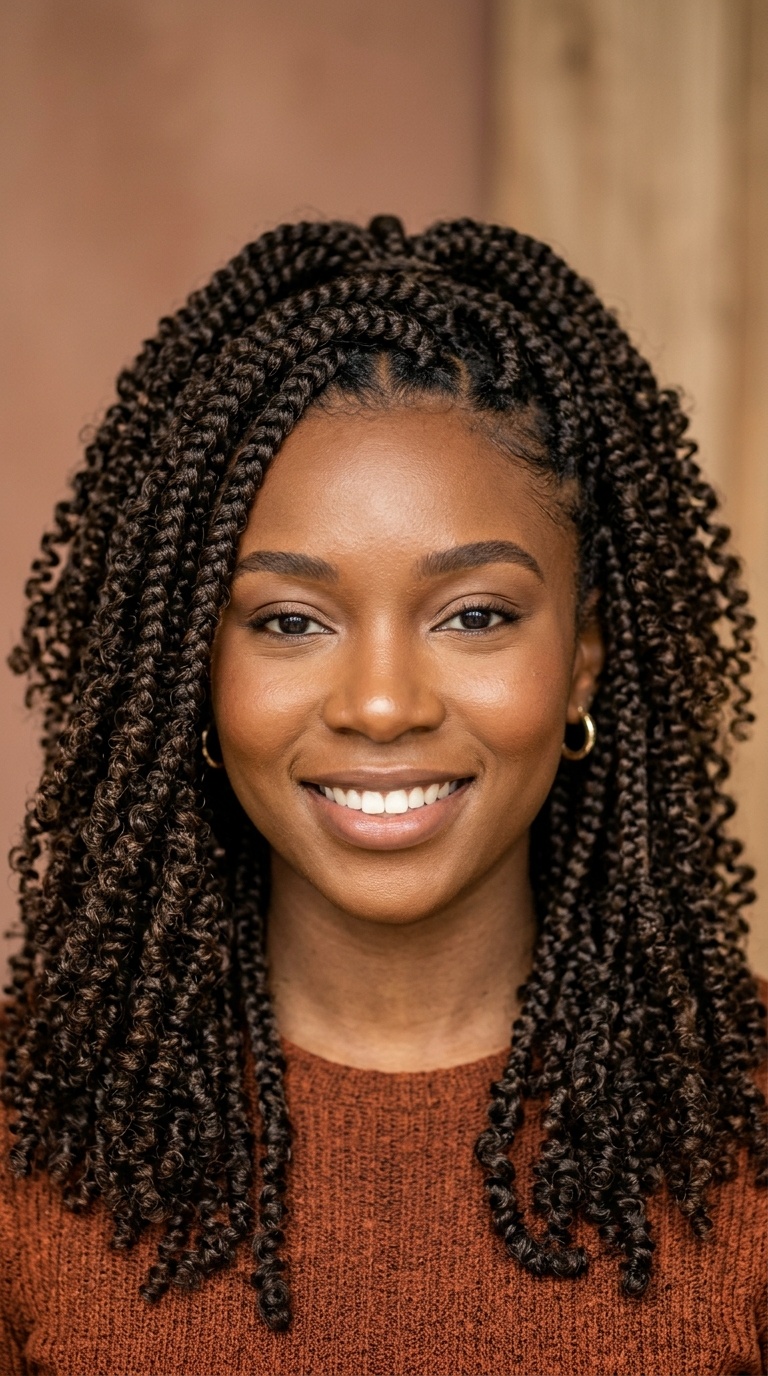
Crochet braids involve cornrowing the natural hair and then using a crochet hook to loop synthetic hair through the braids. This allows for a massive variety of textures, from straight to tightly coiled. It is one of the fastest ways to achieve a full, protective look.
This style is exceptional for moisture because your natural hair is completely “tucked” underneath the crochet hair. You can easily spray a moisturizing solution through the gaps in the crochet hair to reach your natural braids. The extension hair acts as a literal shield for your real strands.
More Amazing Ideas
 18 Hairstyles for Medium Hair with Bangs to Frame Your Face — Read more
 16 Long Hairstyles for Men Straight Hair for Everyday Flow — Read more
 17 Glam Hairstyles for Medium Hair for Formal Nights Out — Read more
 19 Church Hairstyles for Long Hair in Modest and Neat Styles — Read more
 15 Quince Hairstyles for Short Hair with Crowns and Curls — Read more
Length retention is the primary goal of crochet braids. Your natural hair is not being manipulated, combed, or exposed to the sun for the duration of the style. This “hibernation” period allows the hair to grow at its natural rate without any daily breakage or environmental stress.
How often should I moisturize my hair while in a protective style?
You should aim to moisturize your hair every 2 to 3 days using a liquid-based spray. Even when tucked away, coily hair loses moisture to the atmosphere over time. A light mist followed by a small amount of oil on the scalp ensures the hair remains elastic and healthy.
Can protective styles cause hair loss?
Protective styles can cause hair loss only if they are installed with excessive tension. Styles that pull too tightly on the hair follicles can lead to traction alopecia. Always ensure that your braids or twists are comfortable and that you can move your facial expressions without feeling any pulling.
Is it necessary to wear a silk bonnet at night with these styles?
Yes, wearing a silk or satin bonnet is essential for retaining both moisture and length. Cotton pillowcases are highly absorbent and will strip the oils and moisture from your hair while you sleep. The smooth surface of silk also prevents friction, which keeps the style neat and reduces breakage.
How long should I keep a protective style in?
Most protective styles should be kept in for no longer than 6 to 8 weeks. Keeping a style in for too long can lead to matting at the roots and an accumulation of “shed hair” that causes tangles during takedown. Regularly giving your hair a break between styles is vital for long-term health.
Should I wash my hair while it is in braids or twists?
Yes, you can and should wash your hair to maintain a healthy scalp environment. Use a diluted shampoo or a scalp cleanser to gently remove buildup without frizzing the style too much. Focus on the scalp and let the suds run through the lengths of the braids to keep things clean.
What is the best way to prevent breakage during takedown?
The best way to prevent breakage is to be extremely patient and use a “slip” agent like oil or conditioner. Never rush the process of removing braids or twists, especially at the ends where knots often form. Gently detangle with your fingers before using a comb to ensure you retain every inch of growth.