Waking up to a bird’s nest of knots is a daily struggle for kids with long hair. Morning routines quickly become painful battles with a detangling brush.
The solution lies in how the hair is prepped before sleep. Protective styles keep strands secure and prevent friction against the pillowcase.
Choosing the right nighttime hairstyle saves time and prevents breakage. These styles ensure a peaceful morning and healthy, tangle-free hair.
1. Loose French Braid
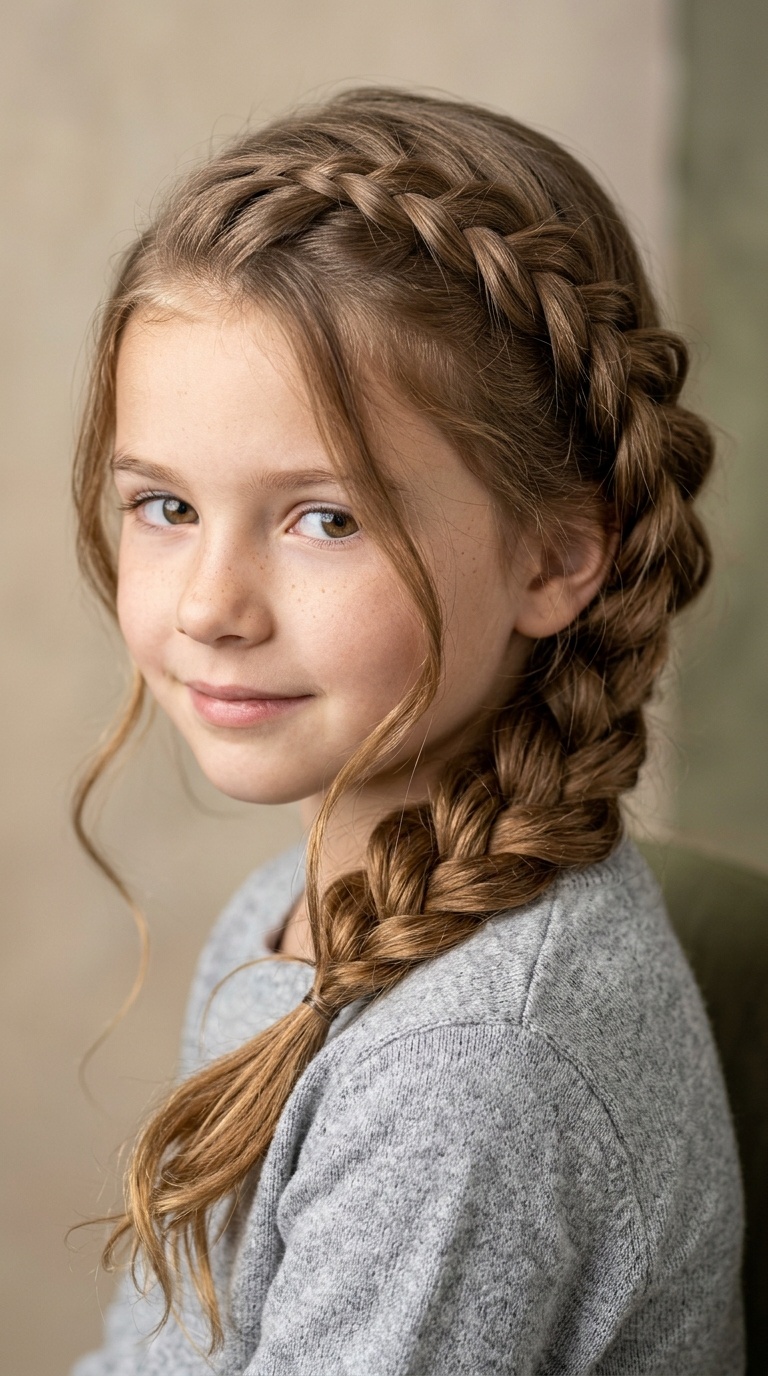
A loose French braid is a classic choice for securing long hair from the crown to the tips. It keeps the hair close to the scalp, reducing excessive movement.
This style works by weaving three sections together firmly but not too tightly. It prevents individual strands from rubbing against the bedding and forming difficult knots.
In the morning, simply undo the braid to find smooth, heatless waves. It is a reliable method for maintaining length and shine throughout the night.
2. Classic Three-Strand Braid
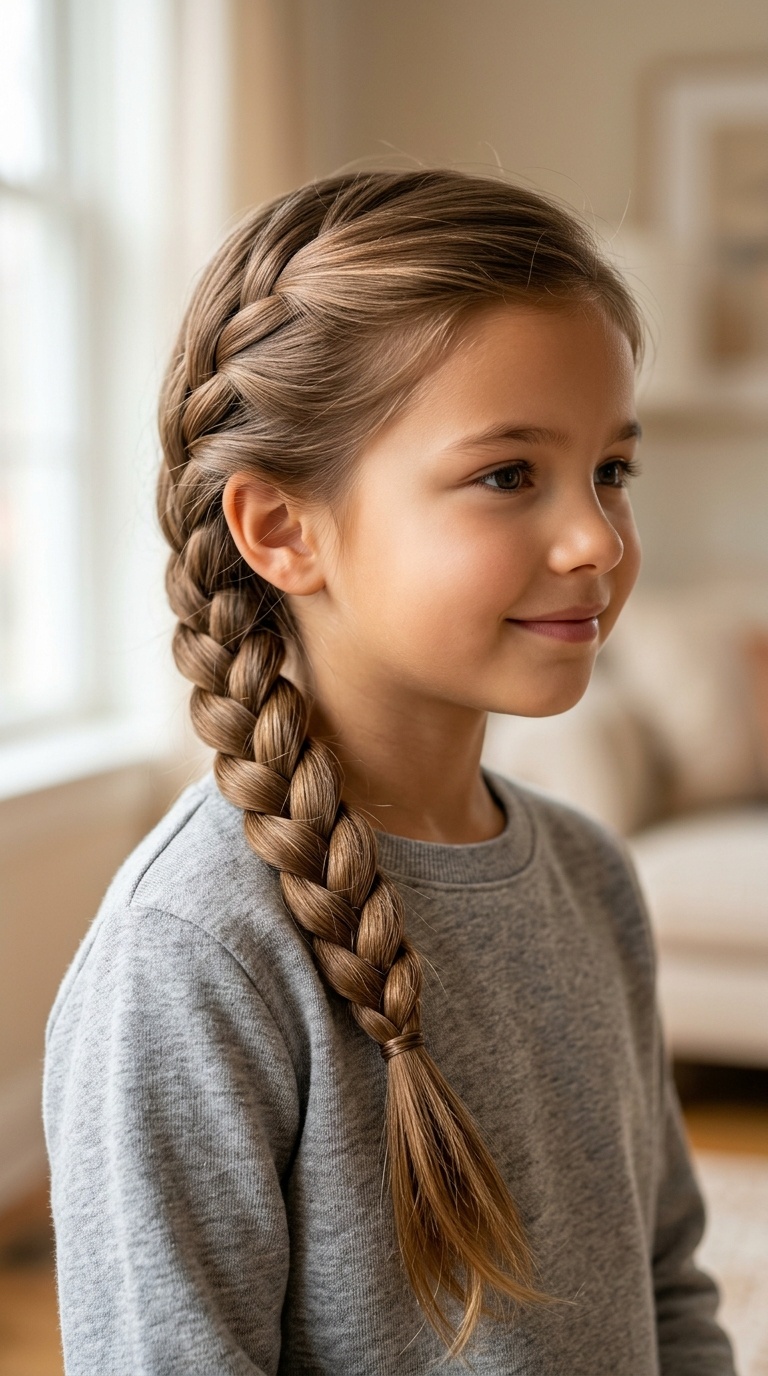
The classic three-strand braid is the simplest way to manage long hair before bed. It requires no complex skills and can be finished in seconds.
By dividing the hair into three equal parts and crossing them over, you create a sturdy structure. This prevents the hair from spreading across the pillow.
Secure the end with a soft fabric scrunchie to avoid causing breakage at the tips. This is a versatile option that works for almost any hair texture.
3. Double Dutch Braids
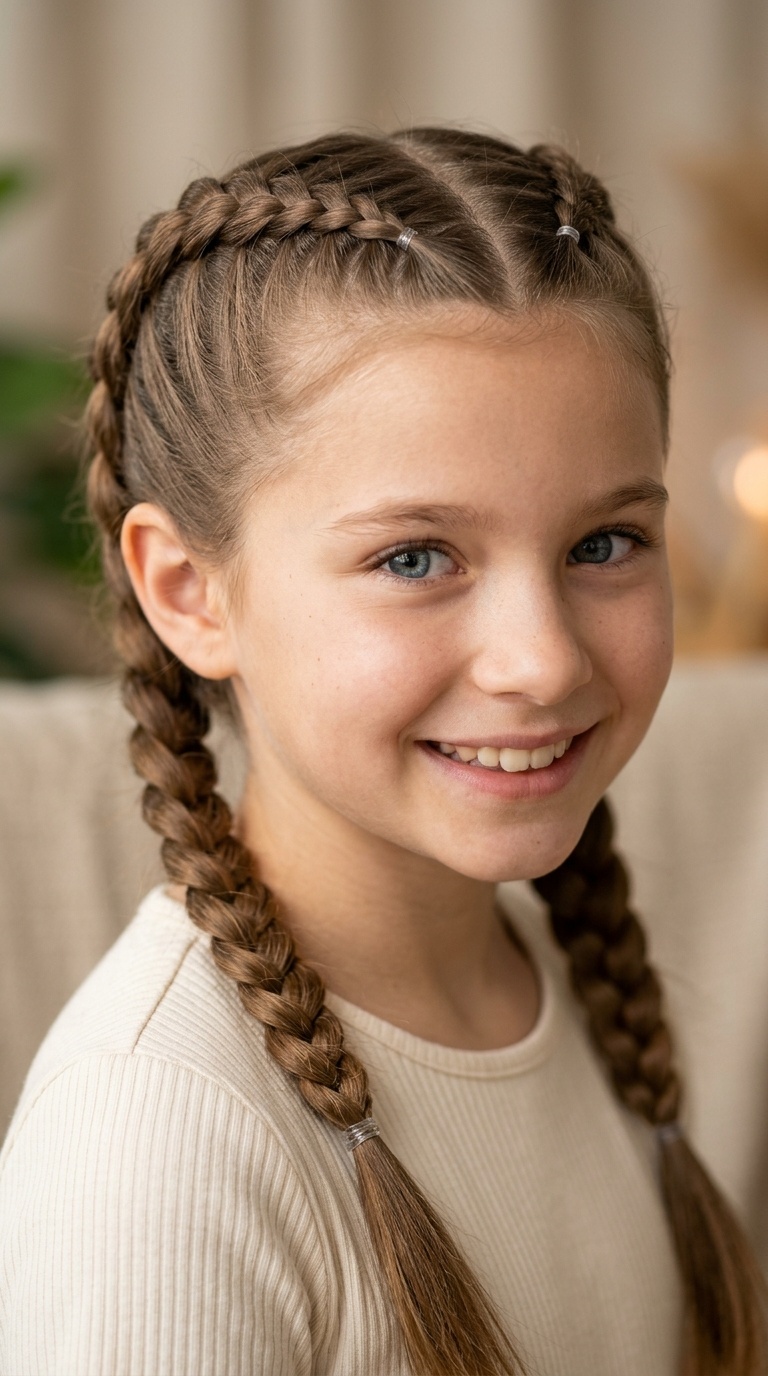
Double Dutch braids provide extra security by splitting the hair into two distinct sections. This is particularly effective for very thick or heavy long hair.
Because the hair is braided close to the scalp, it minimizes the “frizzing” effect caused by tossing and turning. The hair remains contained within the braid structure.
More Amazing Ideas
 16 Hairstyles for Dirty Hair Long Braids and Sleek Buns — Read more
 15 Hairband Hairstyles for Long Hair to Keep Bangs Back — Read more
 18 Fancy Hairstyles for Long Hair from Elegant Updos to Soft Waves — Read more
 15 Rock Hairstyles for Long Hair with Texture and Attitude — Read more
 18 Alt Hairstyles for Long Hair with Edgy Layers and Color — Read more
This style is excellent for active sleepers who move around a lot during the night. It keeps every strand tucked away and protected until the morning.
4. High Pineapple Bun
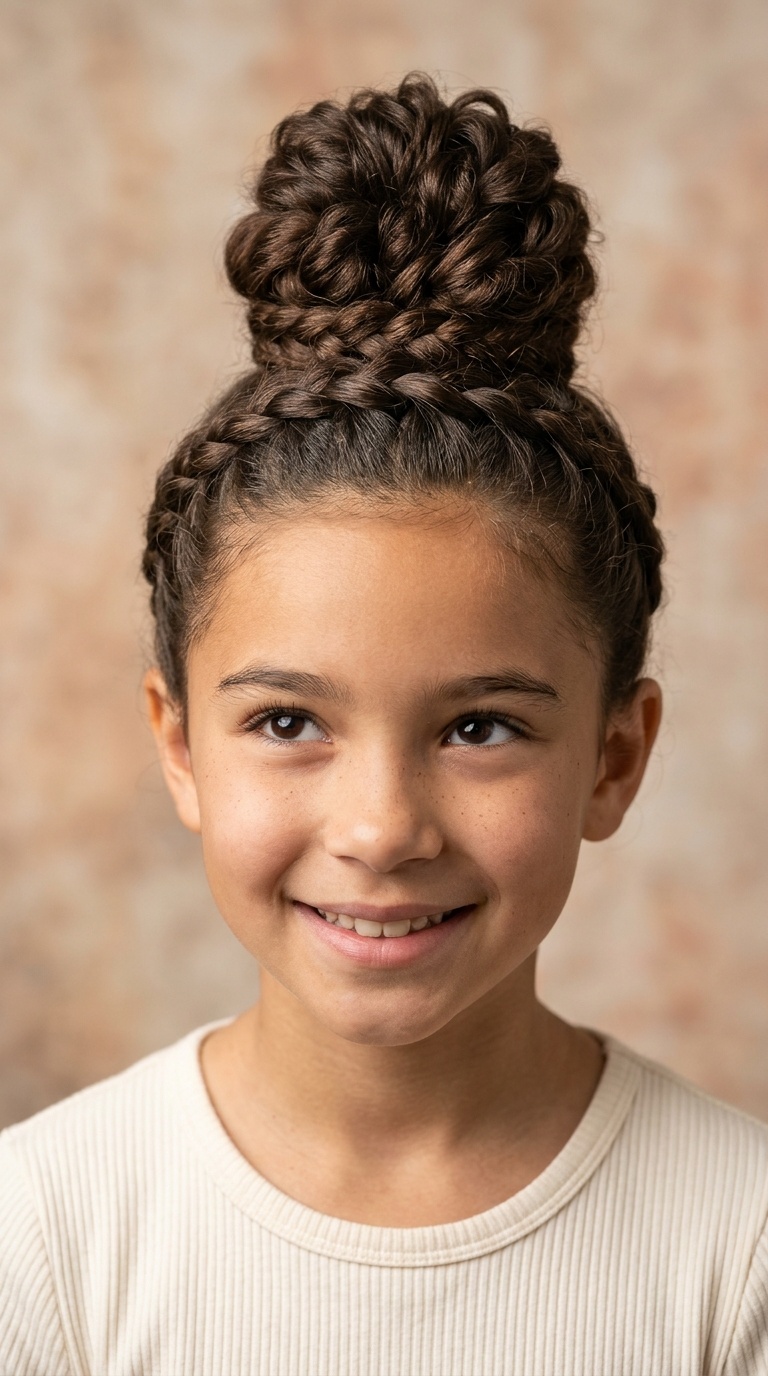
The high pineapple bun is ideal for kids with curly or wavy long hair. It involves gathering the hair loosely at the very top of the head.
By positioning the hair on top, the child doesn’t lie directly on the bulk of their hair. This preserves the natural curl pattern and prevents matting.
Use a silk or satin scrunchie to hold the hair in place without creating a “dent.” This allows the hair to fall naturally once released.
5. Low Silk Scrunchie Bun
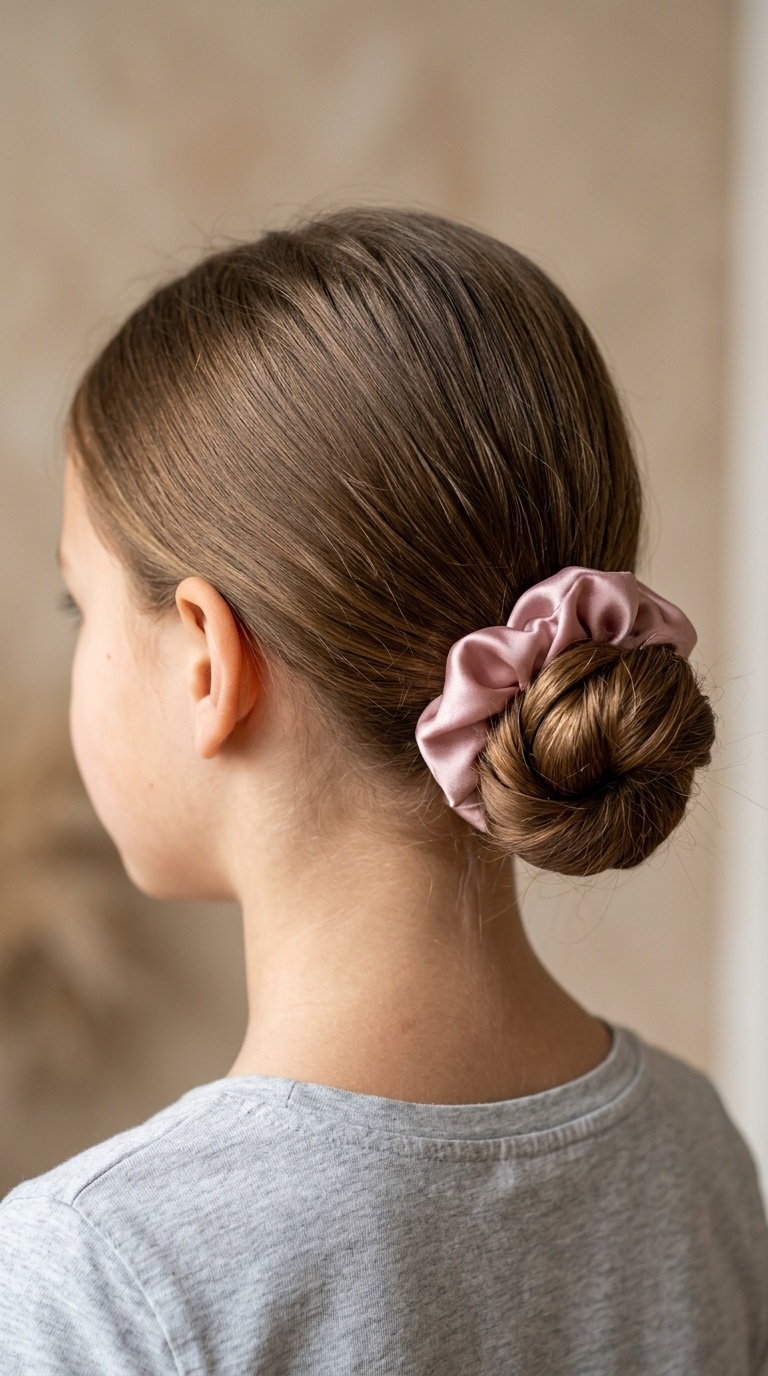
A low bun at the nape of the neck is a gentle way to contain length. It is comfortable for those who prefer sleeping on their back.
Fold the hair into a soft loop and secure it with a silk scrunchie. The silk material reduces friction, which is the primary cause of bedtime tangles.
This style prevents the ends from rubbing against the fabric of the pajamas. It is a quick and effective solution for a smooth morning routine.
6. Multi-Elastic Bubble Braid
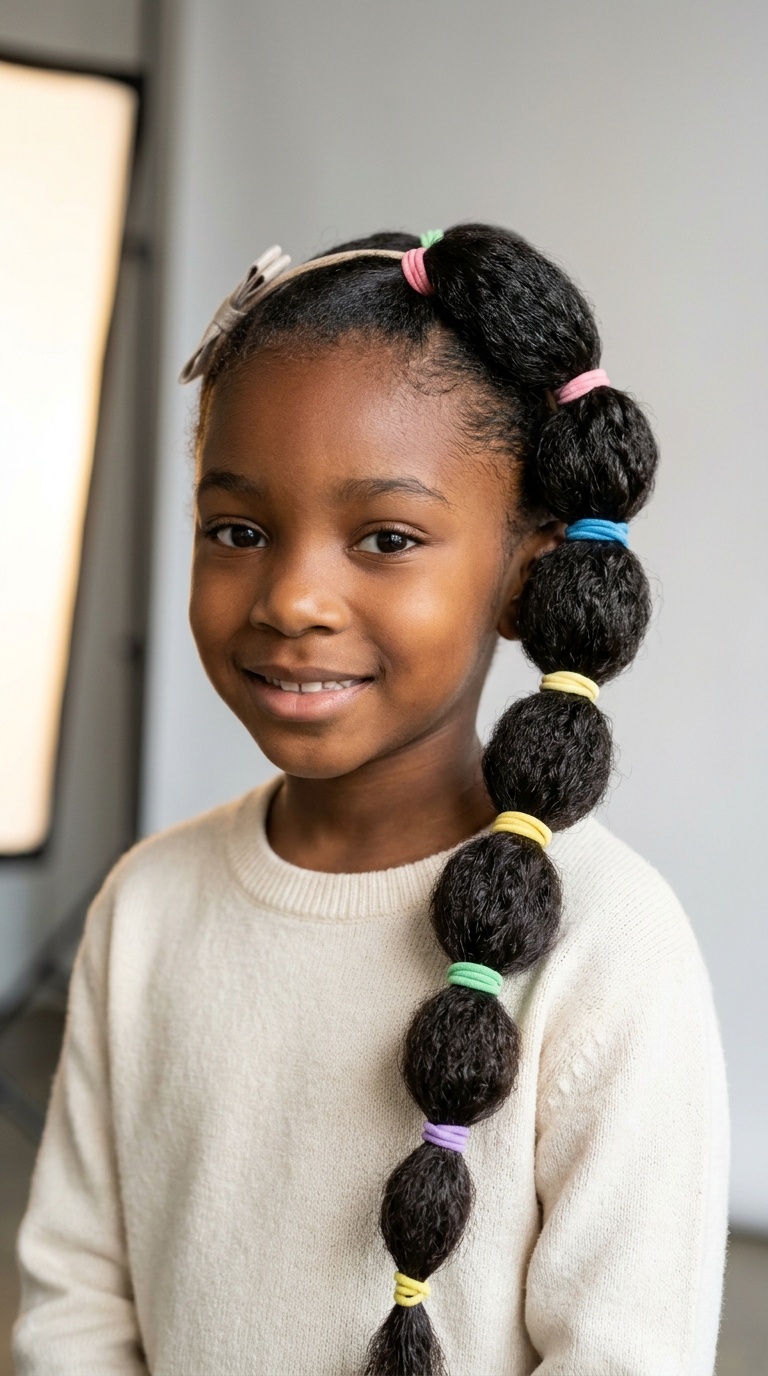
The bubble braid uses multiple elastics down the length of a ponytail to create “bubbles.” It is an excellent alternative for those who cannot braid.
Each section is secured, which prevents the hair from intertwining and forming knots. It keeps the hair streamlined and under control throughout the night.
Make sure to use “ouchless” elastics to prevent pulling on the hair shaft. This style is fun to look at and highly functional for sleep.
More Amazing Ideas
 19 Aesthetic Hairstyles for Long Hair with Soft Ribbons — Read more
 18 Dreadlock Hairstyles for Women Long Hair Crowns and Buns — Read more18 Dreadlock Hairstyles for Women Long Hair Crowns and Buns — Read more
 16 Easter Hairstyles for Kids Black Hair with Pastel Bows — Read more
 17 Traditional Hairstyles for Long Hair for Cultural Events — Read more
7. The Fishtail Braid
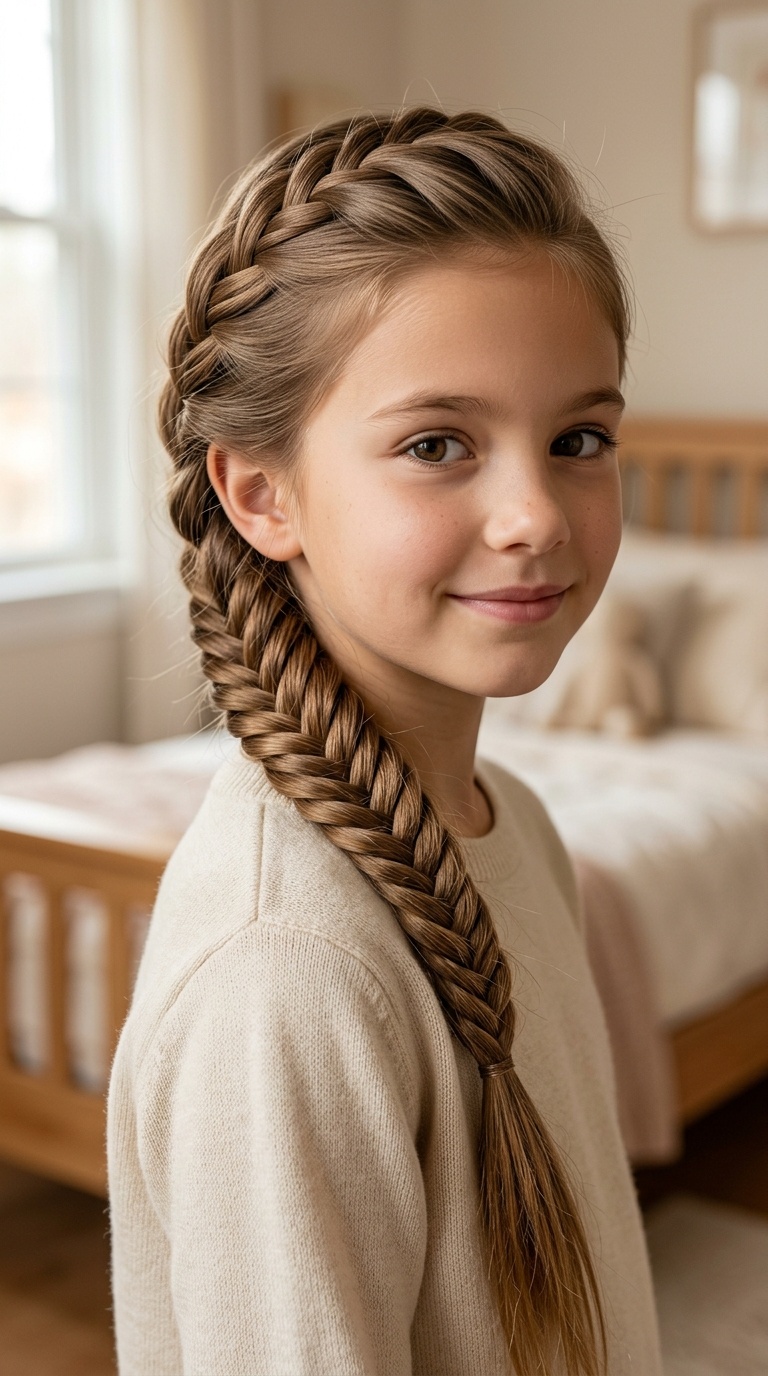
A fishtail braid uses smaller sections of hair, creating a very tight and secure weave. It is perfect for fine hair that often slips out of regular braids.
Because the weave is so intricate, the hair has very little room to move and tangle. It keeps the entire length of the hair compressed and safe.
While it takes a bit longer to create, the results are worth the effort. The hair remains remarkably smooth and manageable upon waking.
8. Top Knot with Satin Wrap
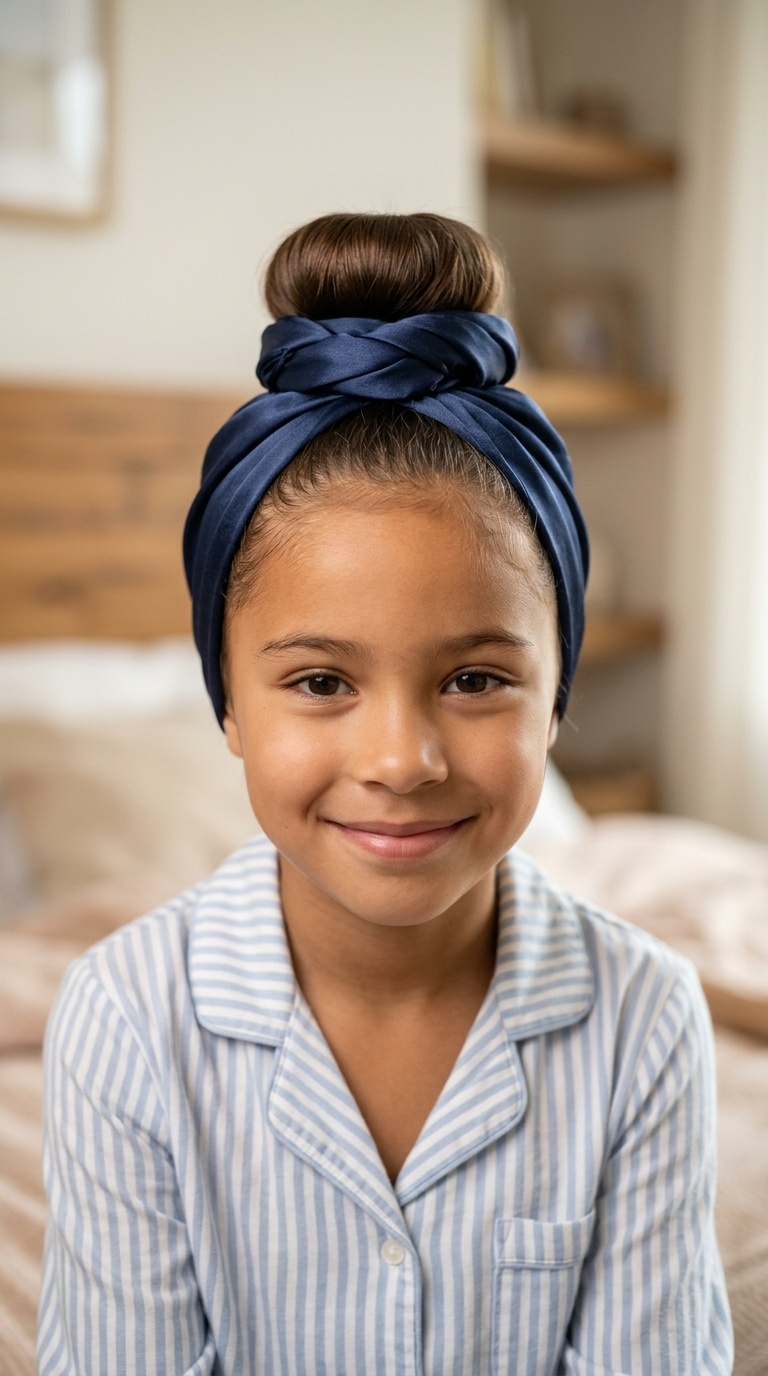
Combining a simple top knot with a satin scarf or wrap provides double protection. The wrap acts as a barrier between the hair and the pillow.
The hair is first gathered into a loose bun to keep it off the neck. The wrap then covers the head to prevent any surface friction.
This is a premium solution for preventing “bedhead” and keeping moisture in the hair. It is especially helpful for kids with dry or brittle hair.
9. Side English Braid
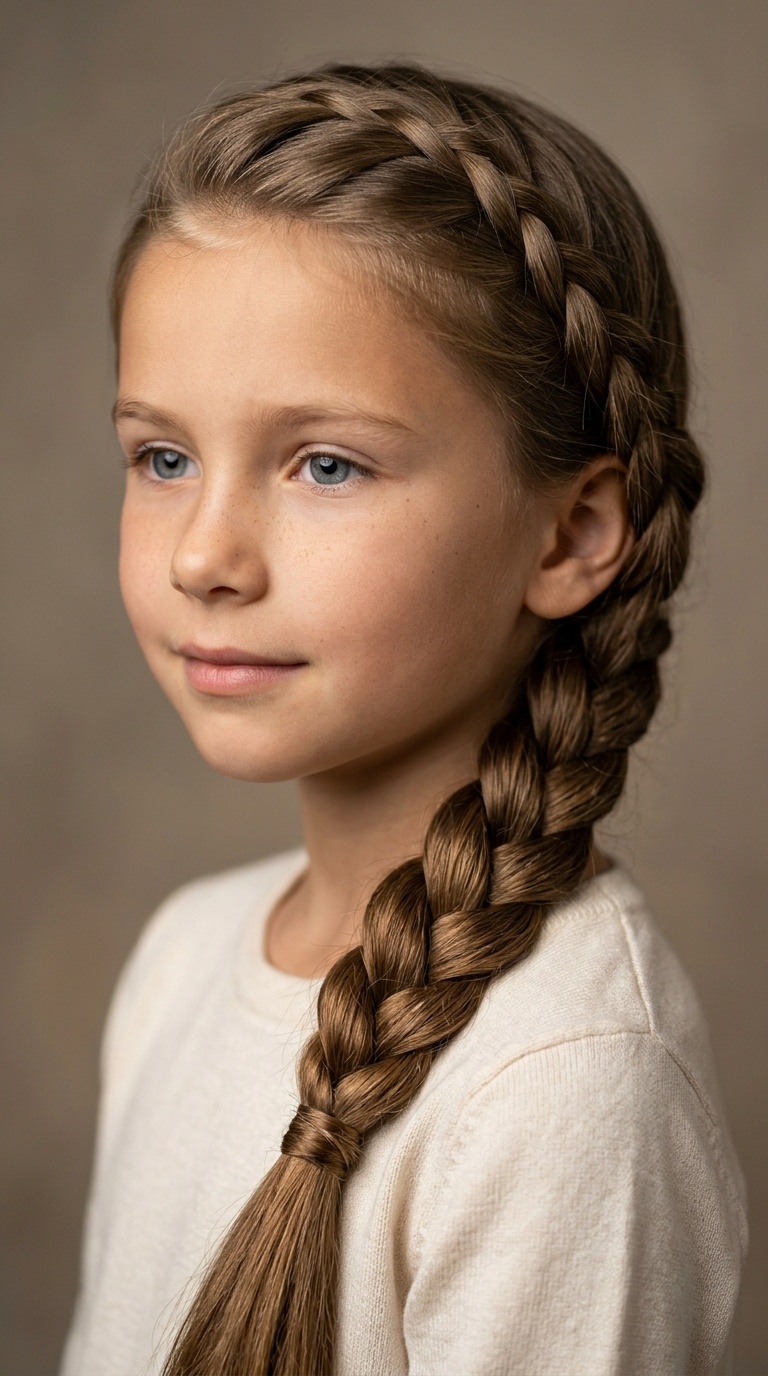
A side English braid is positioned over the shoulder rather than down the back. This is a great comfort-focused option for back-sleepers.
The child can lay their head flat without a lump of hair underneath them. This encourages better sleep while still keeping the hair totally contained.
It is easy to braid while the child is sitting up or lying down. This makes the nightly routine faster and more comfortable for everyone.
10. Rope Twist Braid
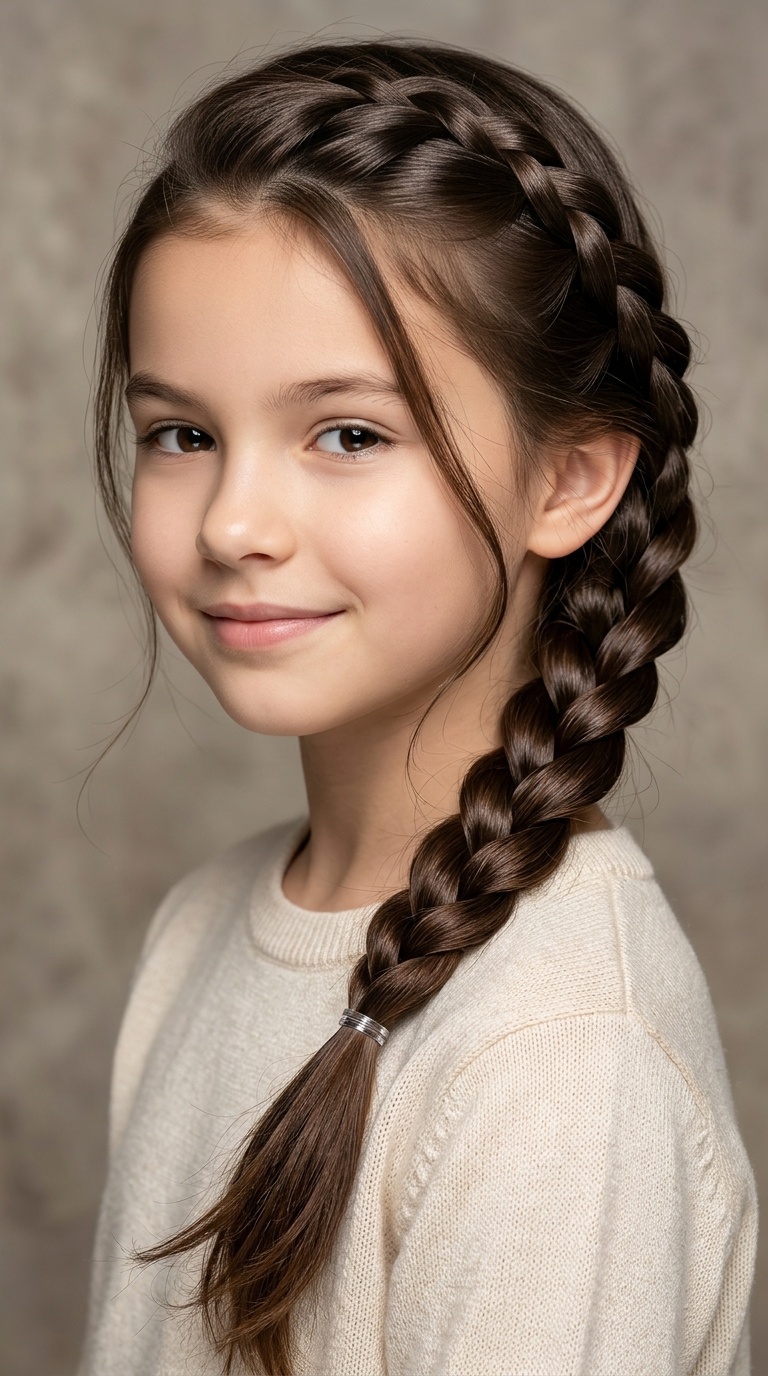
The rope twist involves twisting two sections of hair around each other to form a “rope.” It is a fast technique that holds very well.
Twisting the hair tightly (but not uncomfortably) keeps the cuticles flat. This helps to maintain shine and prevents the strands from snagging on each other.
More Amazing Ideas
 17 Fairy Hairstyles for Long Hair with Cascading Twists — Read more
 18 Mermaid Hairstyles for Kids with Loose Waves and Shells — Read more
 16 Bun Hairstyles for Kids from Space Buns to Ballerina Looks — Read more
 15 Medieval Hairstyles for Short Hair with Crown Braids — Read more
 16 Attachment Hairstyles for Ladies in Long and Short Braids — Read more
Secure the bottom with a soft band to ensure the twist doesn’t unravel. It is a stylish and effective way to fight morning knots.
11. Triple Braided Low Ponytail
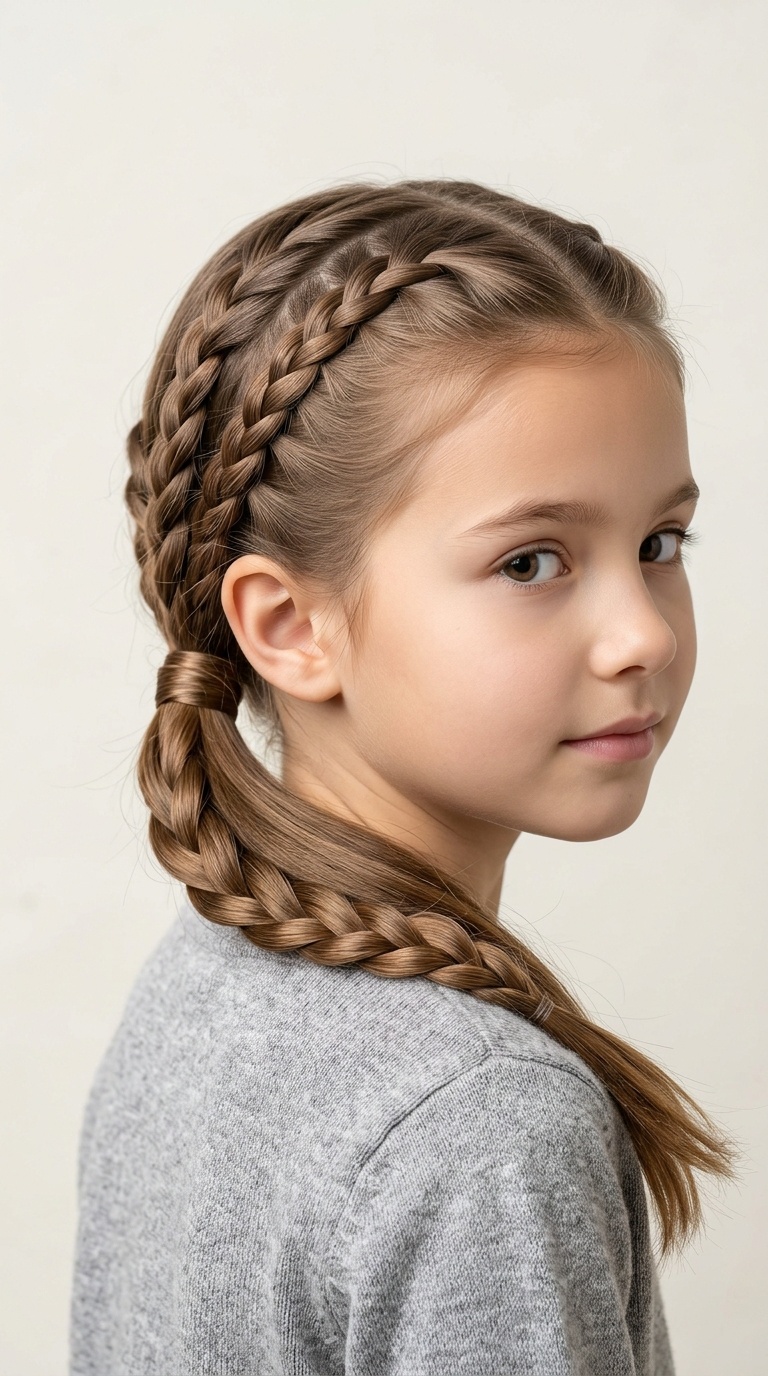
This style involves splitting the hair into three small braids and then joining them into one ponytail. It provides triple the security for long hair.
By compartmentalizing the hair, you ensure that no section can escape and tangle with others. It is highly effective for kids with very long, fine hair.
The result is a sturdy, unified style that resists the effects of movement. It is a powerhouse for preventing the dreaded “matted” look.
12. Loose Milkmaid Braids
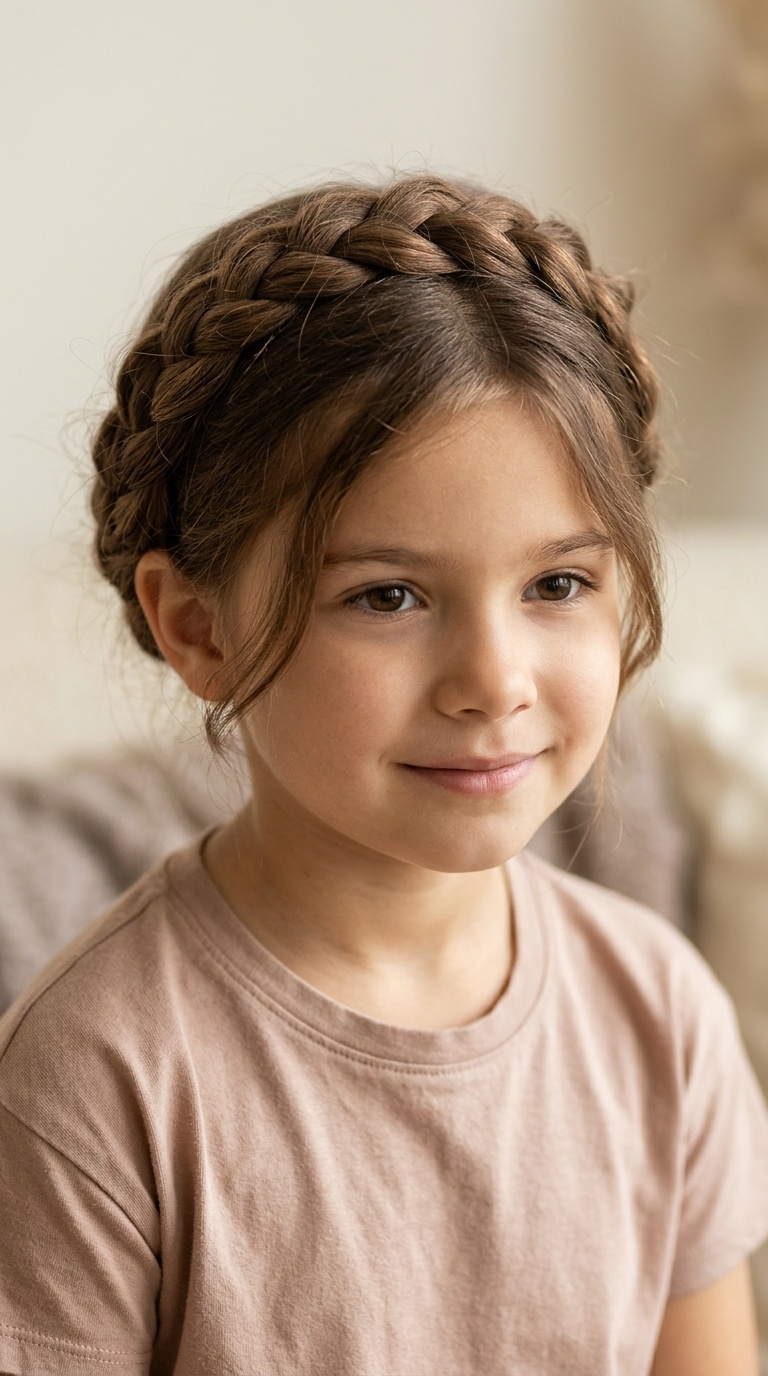
Milkmaid braids involve two braids wrapped over the top of the head. This keeps the hair completely away from the back of the neck and shoulders.
Since the hair is pinned or secured on top, there is zero friction against the pillow. This is the ultimate “zero-tangle” protective style for long hair.
Use soft clips or pins to hold the braids in place for maximum comfort. This style is great for keeping the neck cool during warmer nights.
13. Twisted Chignon
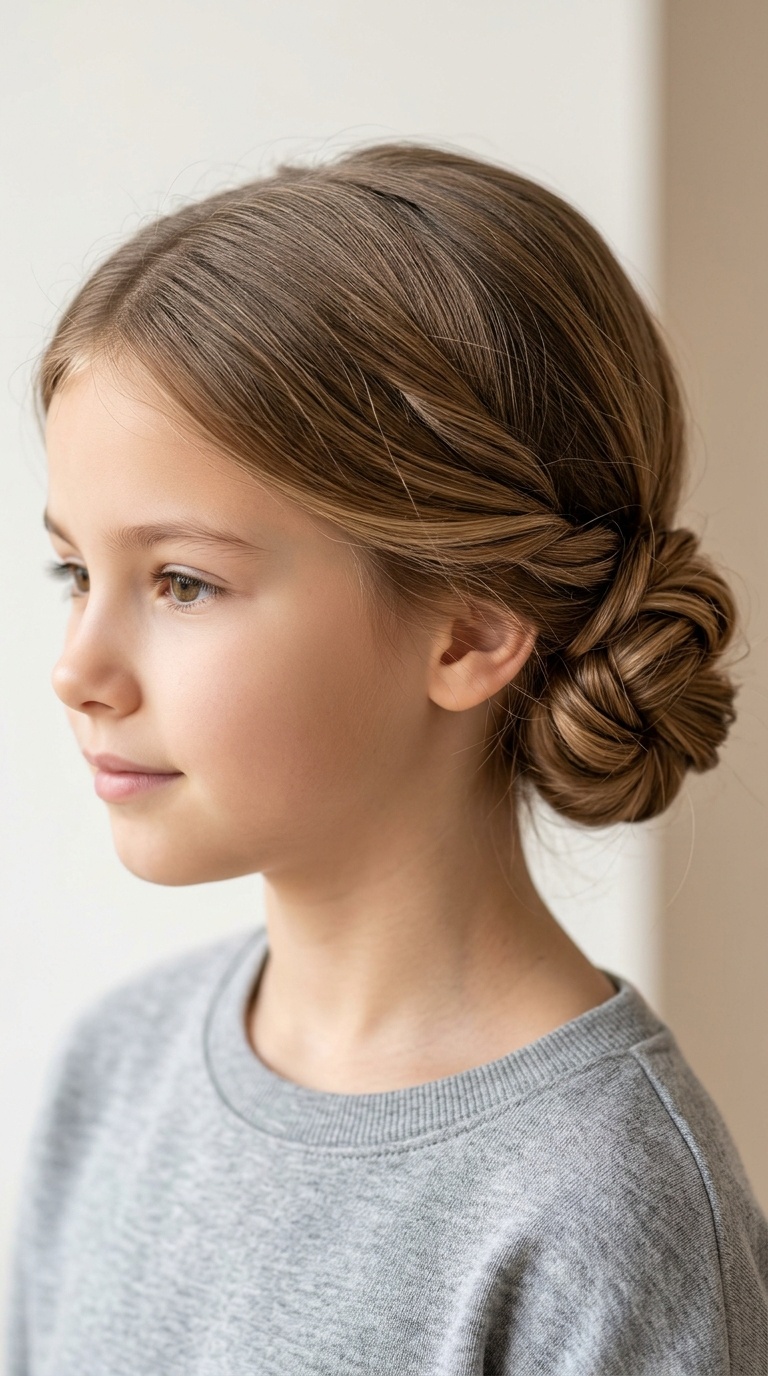
A twisted chignon is a sophisticated but simple way to tuck the ends of the hair away. The ends are often the most prone to tangling.
By rolling and tucking the hair at the nape of the neck, you protect the most vulnerable parts. It creates a smooth surface that glides against the bed.
This style is very comfortable for side sleepers as it stays out of the way. It is a gentle, low-tension option for nightly hair care.
More Amazing Ideas
 19 Hairstyles for Half Saree Function Looks with Long Braids — Read more
 16 Bridal Hairstyles for Short Hair from Classic to Soft — Read more
 17 Hairstyles for Curly Hair Updo Looks with Loose Tendrils — Read more
 15 Bun Hairstyles for Medium Hair from Casual to Formal — Read more
 16 Hairstyles for Natural Hair Braids Without Extensions — Read more
14. The Wrap-Around Halo Braid
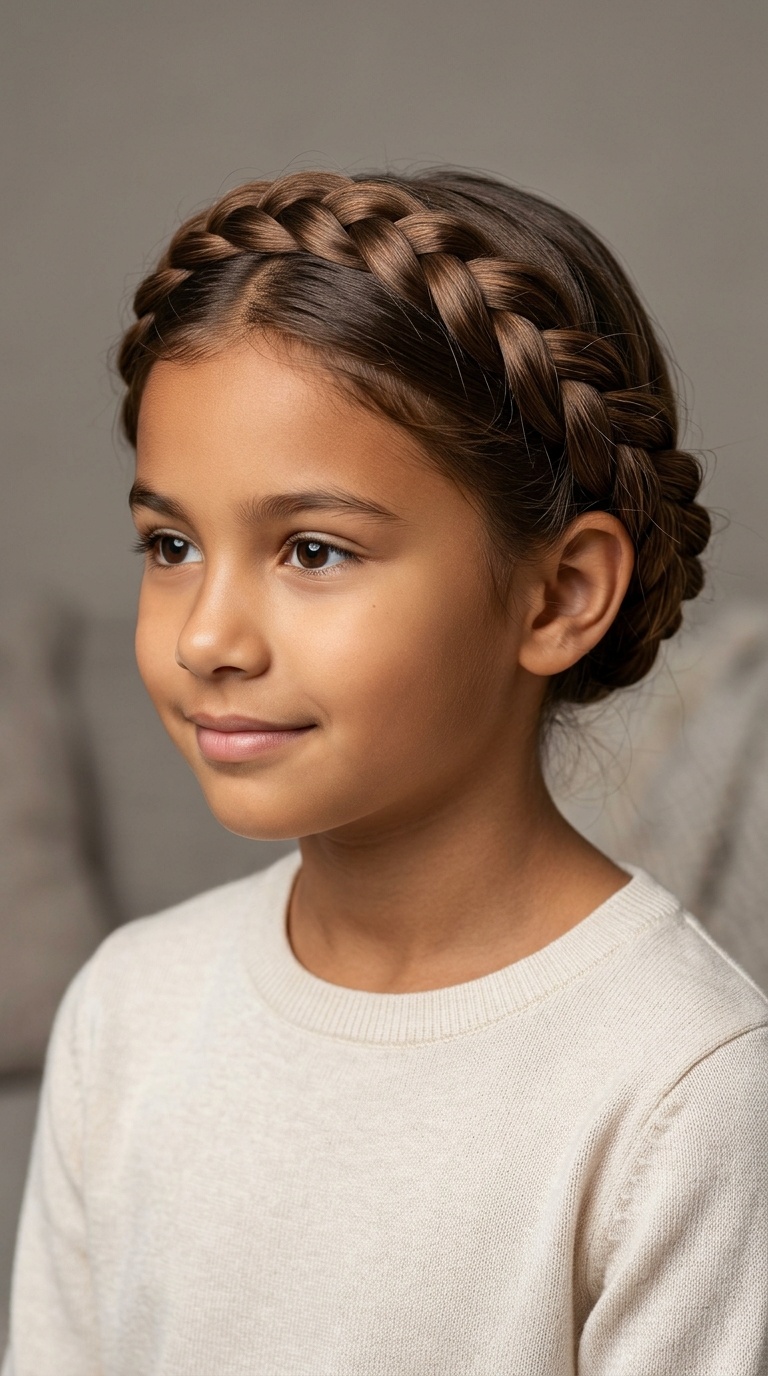
The halo braid circles the head, keeping all the length tucked into a continuous braid. It is one of the most secure styles for long hair.
Because no hair is hanging down, there is no risk of the hair getting caught or pulled. It keeps the child’s face clear and their hair protected.
This style can often last through the next day if done neatly. It is a time-saver for both nighttime and morning routines.
15. Soft Box Braids
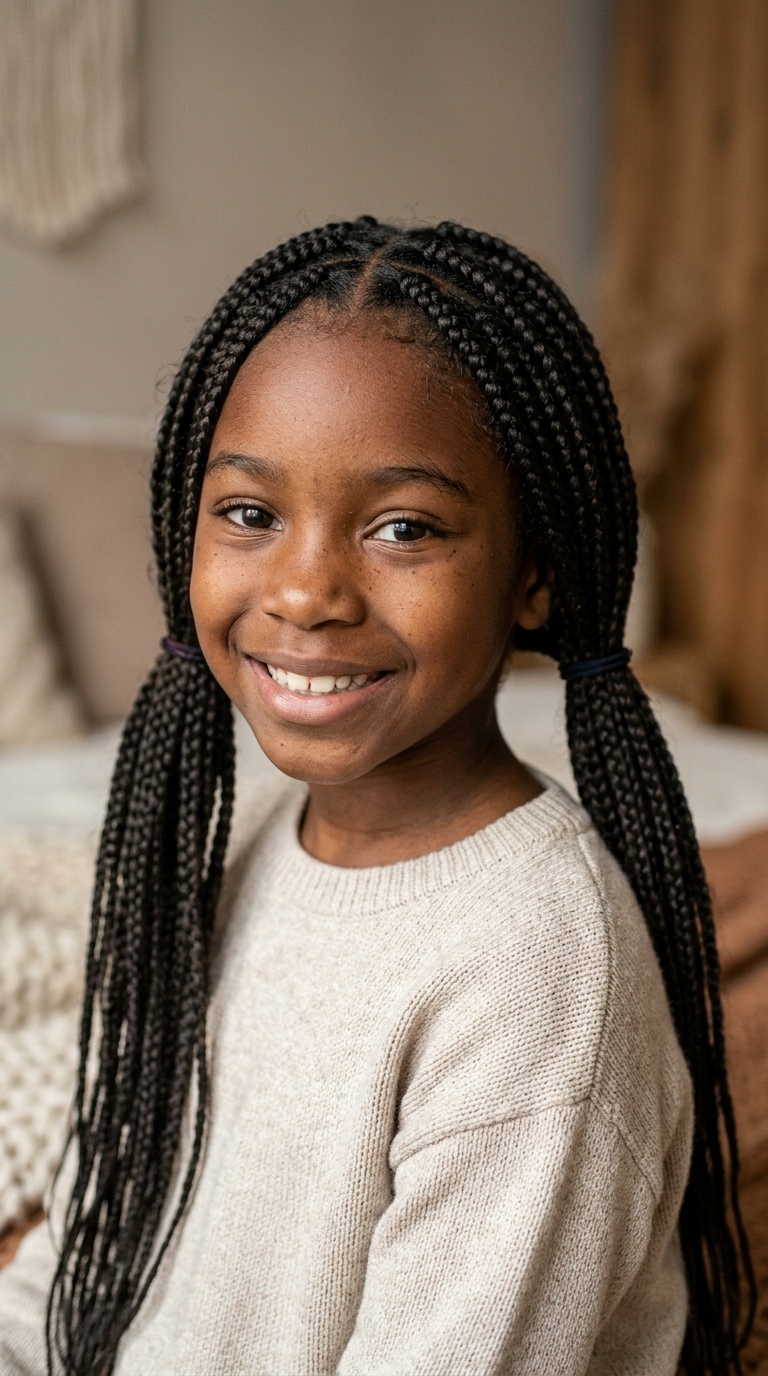
Dividing the hair into several small, soft “box” braids allows for maximum movement without tangling. It distributes the hair’s weight evenly across the scalp.
Each braid is independent, meaning even if one moves, it won’t pull on the others. This reduces tension and prevents the formation of large mats.
This is a great option for kids with high-volume hair that is difficult to manage in one braid. It keeps the hair organized and easy to comb out.
16. Inverted Topsy Tail Braid
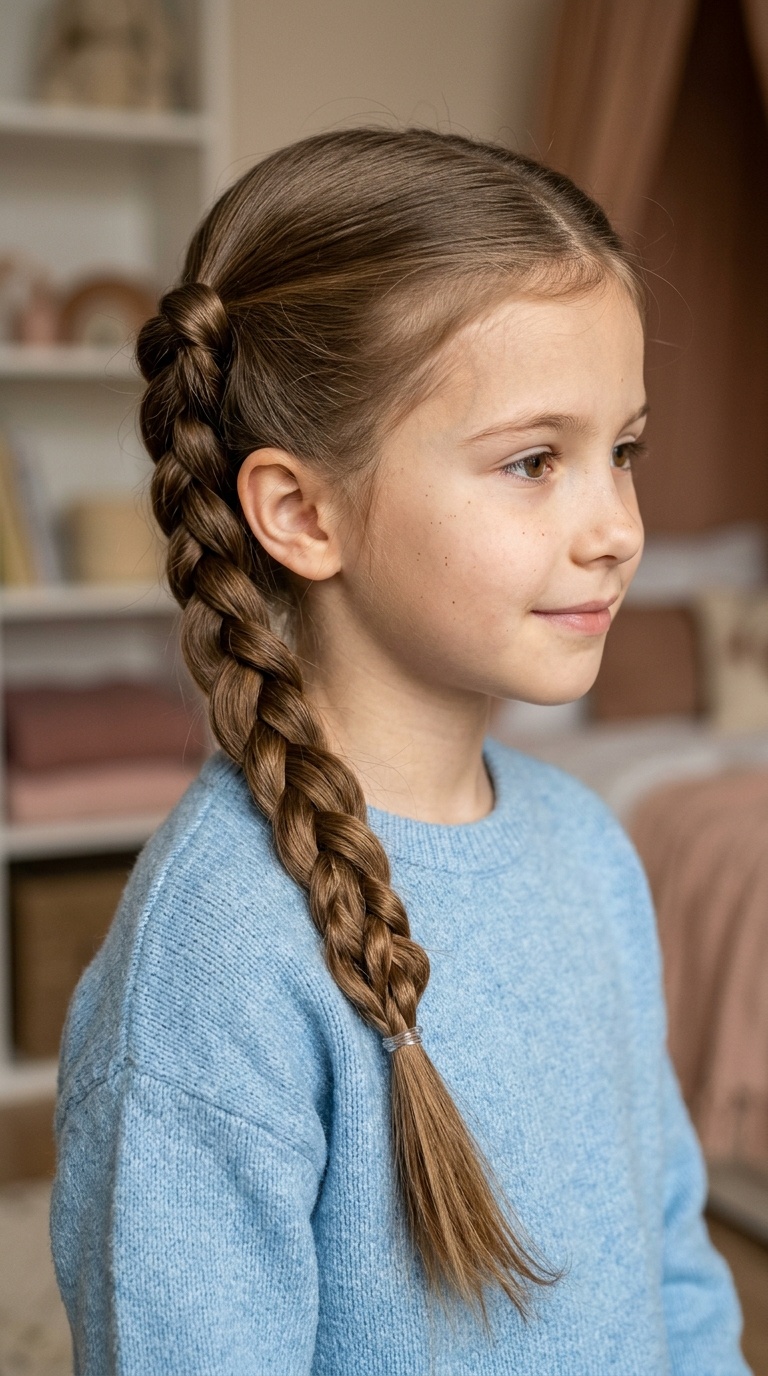
A topsy tail involves looping the hair through itself to create a series of secure twists. It is a great alternative to traditional braiding.
This style creates a “chained” look that keeps the hair very close together. It prevents the mid-lengths and ends from wandering and knotting.
You can create a series of these down the length of the hair for maximum control. It is a durable style that holds up well against restless sleep.
17. Four-Strand Flat Braid
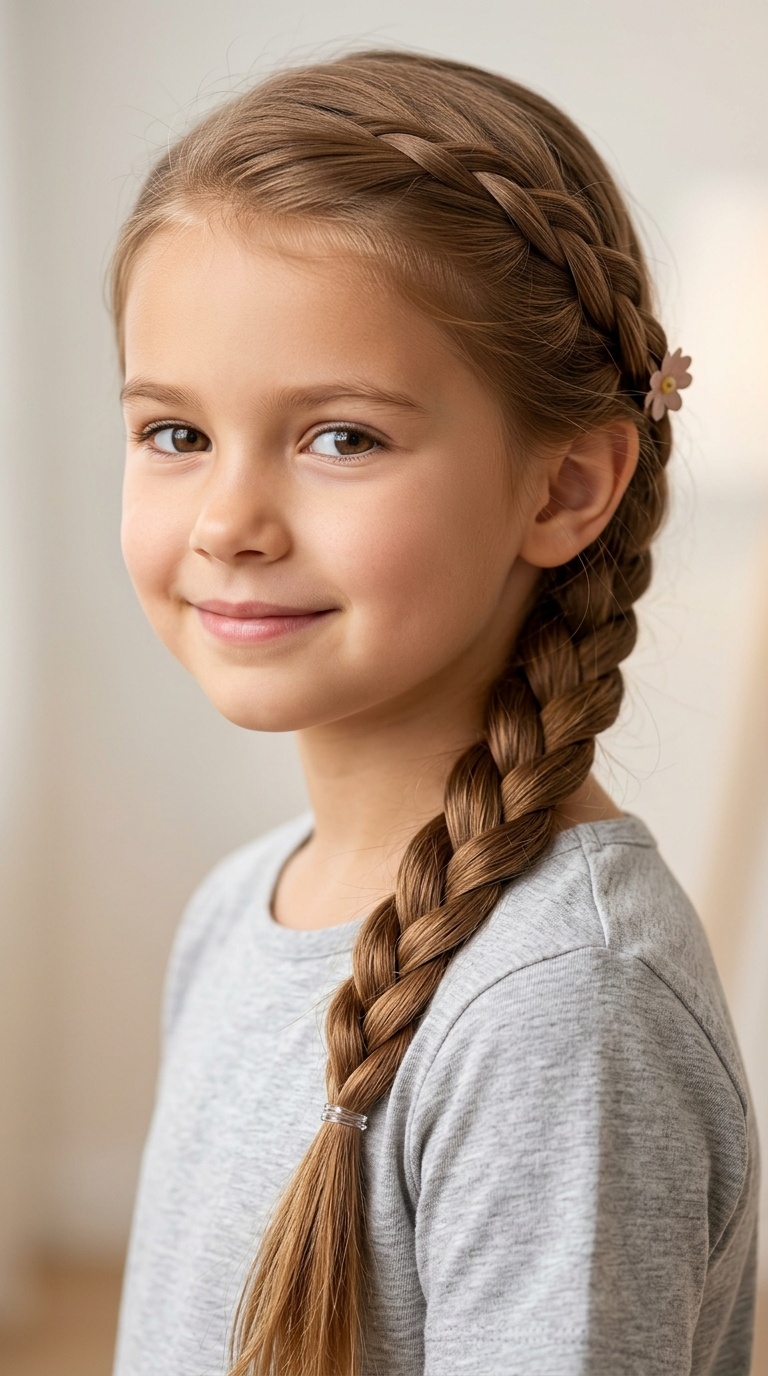
The four-strand braid is wider and flatter than a standard braid. This makes it much more comfortable to lie on during the night.
The flat nature of the braid means there are no “bulbs” of hair that create pressure points. It keeps the hair neatly pressed and tangle-free.
More Amazing Ideas
 18 Easter Hairstyles for Kids with Braids, Curls and Festive Details — Read more
 15 Half Saree Hairstyles for Short Hair with Extensions — Read more
 17 Hairstyles for Really Short Hair with Texture and Shape — Read more
 18 Hairstyles for Afro Hair in Puffs, Twists and Frohawks — Read more
 15 Quick and Easy Hairstyles for School Short Hair Curly — Read more
It is an excellent choice for kids who are sensitive to the feeling of hair under their heads. It combines maximum security with maximum comfort.
18. Segmented Low Bun
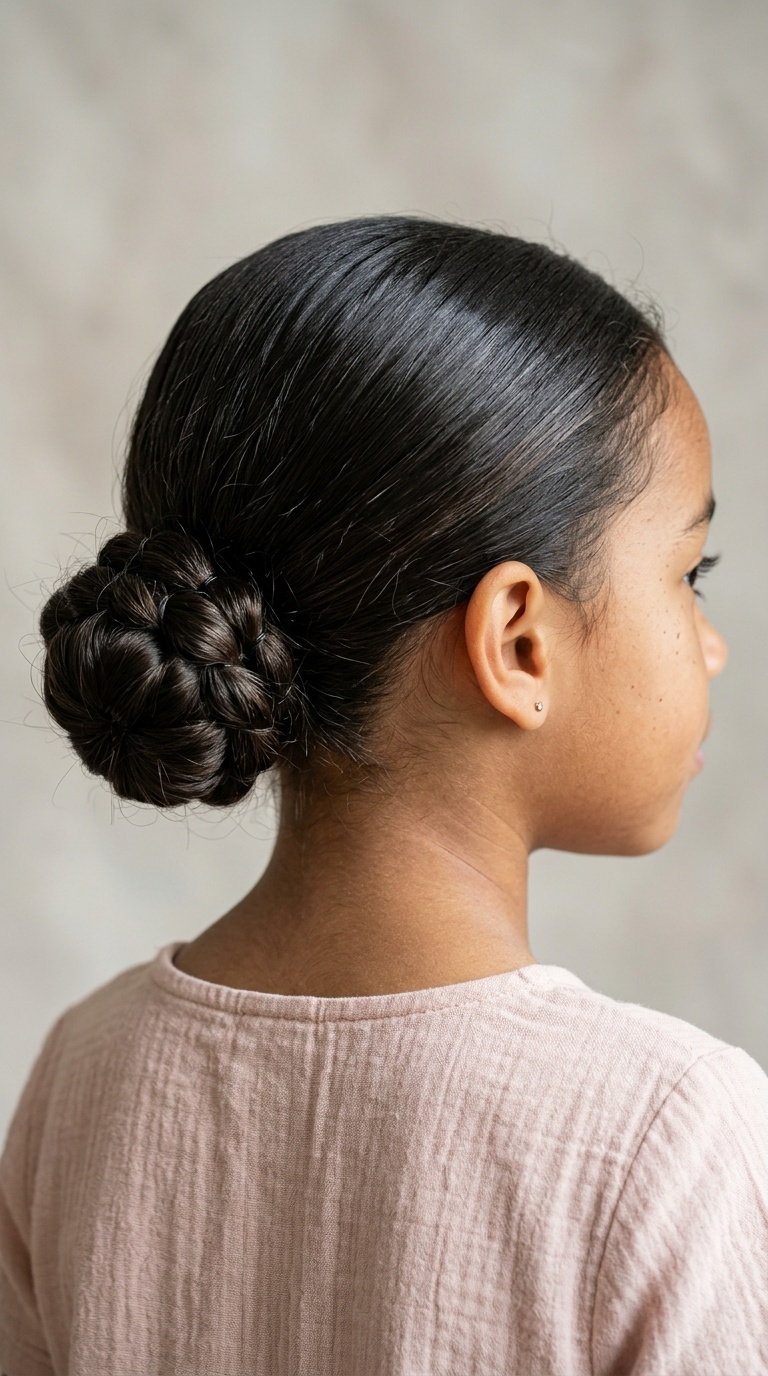
A segmented bun involves making a ponytail and then “segmenting” it with elastics before twisting it into a bun. This adds an extra layer of protection.
Even if the bun comes undone, the elastics keep the hair from tangling. It is a “fail-safe” method for very long or slippery hair.
Use soft, fabric-covered bands to prevent any hair breakage. This style is robust and stays put even through the longest nights.
19. The Classic Sleep Cap Wrap
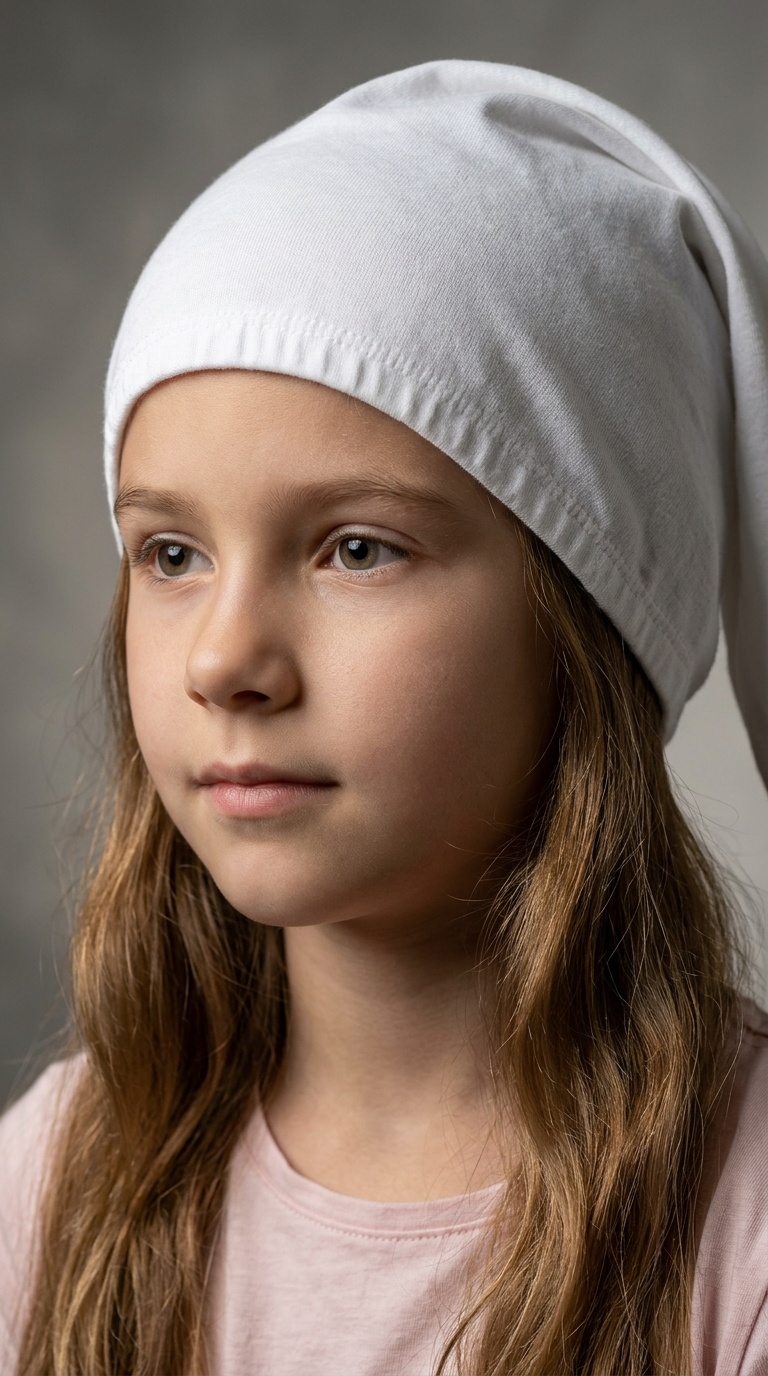
Sometimes the best hairstyle is simply brushing the hair smooth and tucking it into a silk sleep cap. This eliminates the need for elastics or pins.
The cap keeps the hair in a controlled environment, away from the friction of the pillow. It is the most non-invasive way to prevent tangles.
This is perfect for kids who don’t like the feeling of braids or buns. It ensures they wake up with hair that is just as smooth as when they went to bed.
How often should I detangle hair before styling for bed?
It is best to detangle the hair every single night before putting it into a protective style. Removing small knots before sleep prevents them from turning into large mats overnight. Using a wide-tooth comb or a dedicated detangling brush ensures the process is gentle and painless.
More Amazing Ideas
 18 Hairstyles for Pixie Hair Using Pomade, Clips and Bands — Read more
 18 Long Hairstyles for Wedding Ceremonies and Receptions — Read more
 16 Haircut for Long Fine Hair Ideas to Create Movement — Read more
 16 African Hairstyles for Kids with Beads and Cornrows — Read more
 19 Office Hairstyles for Curly Hair That Keep Curls Defined — Read more
Is it better to style hair wet or dry for sleep?
It is generally recommended to style the hair when it is completely dry or only very slightly damp. Sleeping with wet hair can weaken the hair shaft and lead to fungal issues on the scalp. Dry hair is more resilient and holds the protective style better without the risk of breakage or sour smells.
What kind of hair ties are safest for nighttime?
The safest options are silk or satin scrunchies and “ouchless” fabric elastics. Avoid using thin rubber bands or ties with metal connectors, as these can snag and break the hair during movement. Soft materials allow the hair to move slightly without creating tension or painful “hair dents” in the morning.
Can these styles help with hair growth?
While hairstyles don’t technically speed up the biological growth of hair, they do prevent breakage. By stopping tangles and friction, you are preserving the ends of the hair, which helps the hair appear longer and thicker. Protecting the length at night is a key component of maintaining healthy hair over time.
My child moves a lot in their sleep, which style is best?
For very active sleepers, double Dutch braids or a halo braid are the most effective options. These styles are anchored closer to the scalp and are less likely to come undone than a loose bun or a single braid. They keep the hair tightly contained and provide the highest level of security.
Should I use a specific pillowcase along with these styles?
Using a silk or satin pillowcase in addition to these hairstyles provides an extra layer of protection. These materials allow the hair to glide across the surface rather than catching on cotton fibers. This combination is the “gold standard” for keeping long hair smooth and tangle-free throughout the night.