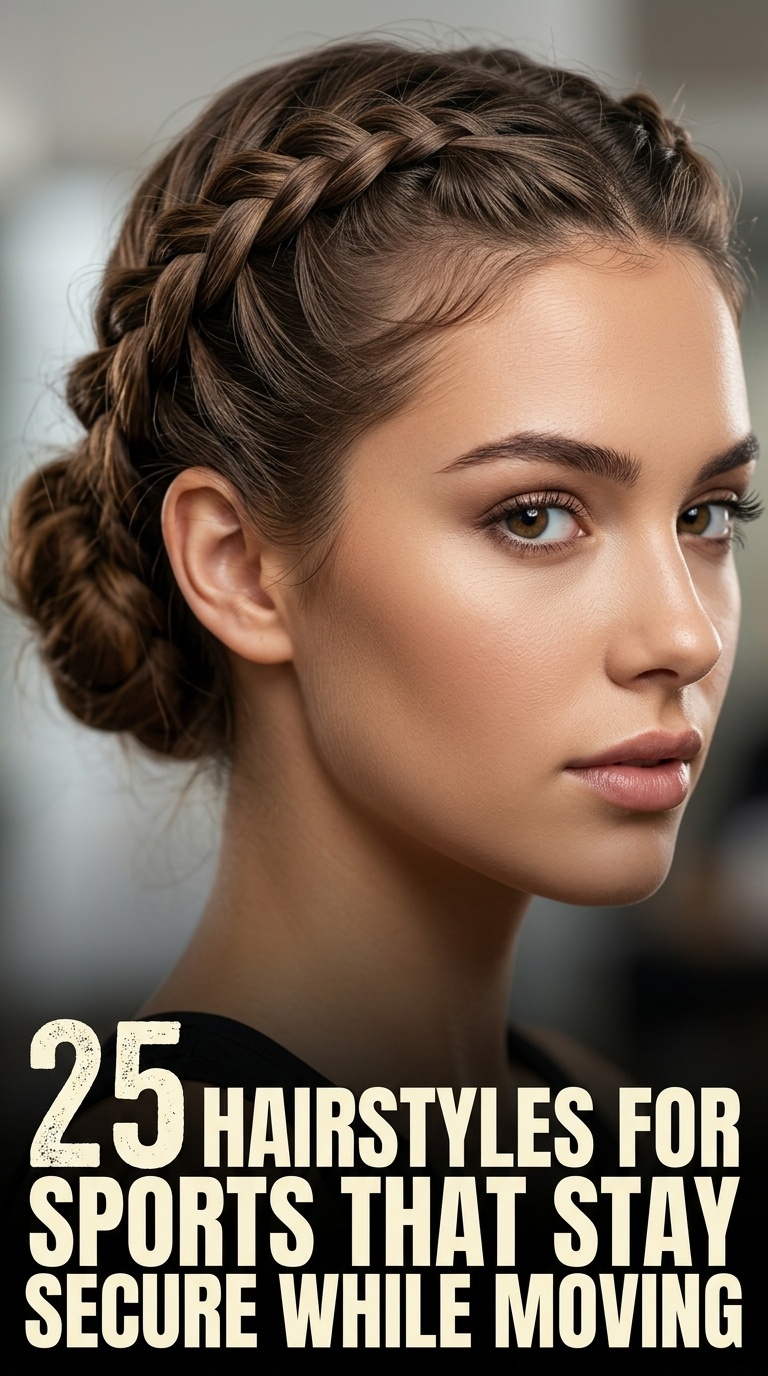
Nothing ruins a workout faster than hair falling in your face. When you are focused on performance, you need a style that stays exactly where you put it.
High-intensity movement requires more than a simple hair tie. You need structural integrity and strategic placement to ensure your hair remains secure from the first mile to the last.
Whether you are hitting the gym, the track, or the court, these options prioritize function without sacrificing style. Here are the best ways to keep your hair locked in place.
1. High Ponytail with Multiple Elastics
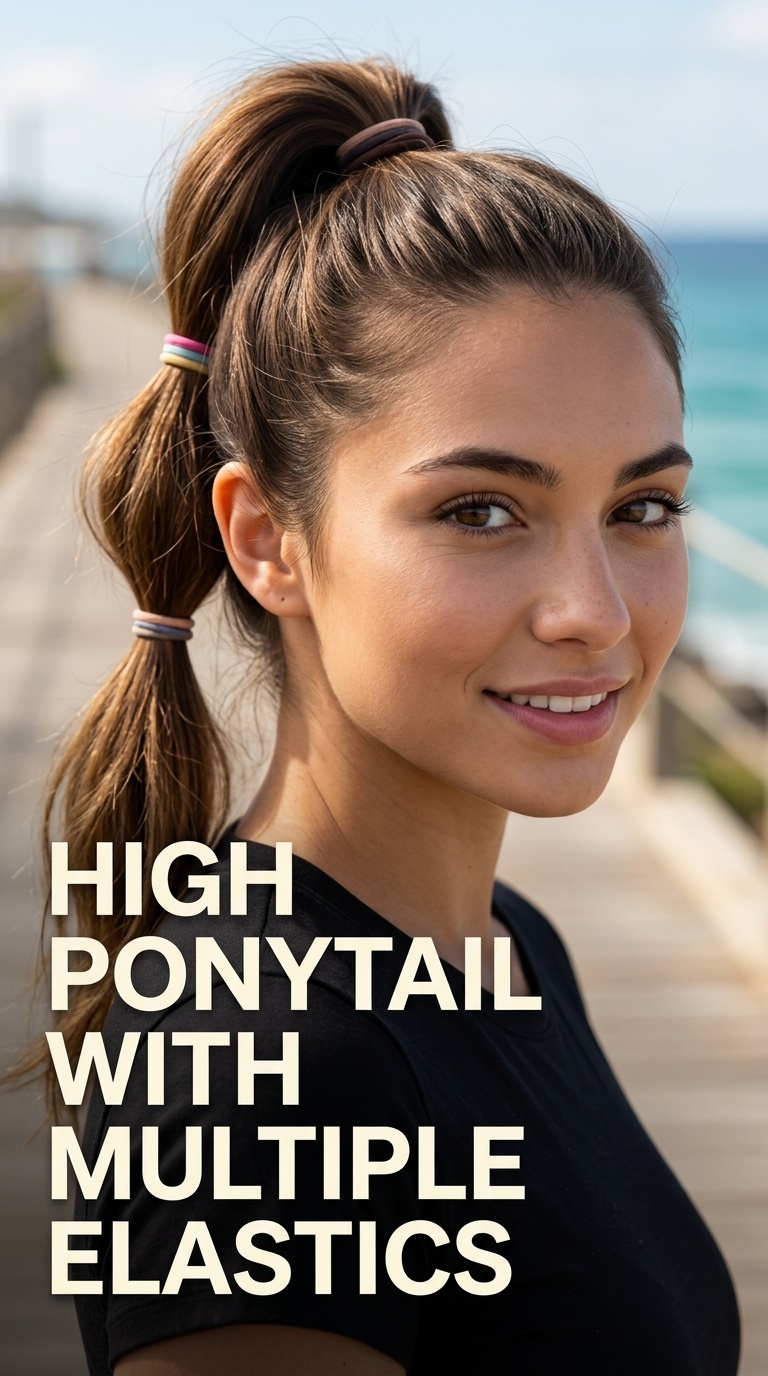
The standard ponytail often sags during high-impact activities like sprinting or jumping. By adding a second or third elastic band directly over the first, you create a much stronger anchor.
This method increases the tension without pulling too harshly on a single section of the scalp. It prevents the weight of the hair from dragging the base downward as you move.
For the best results, use “no-slip” silicone-lined elastics. These provide extra grip against the hair shaft, ensuring the ponytail stays high and tight throughout your entire training session.
2. Double Dutch Braids
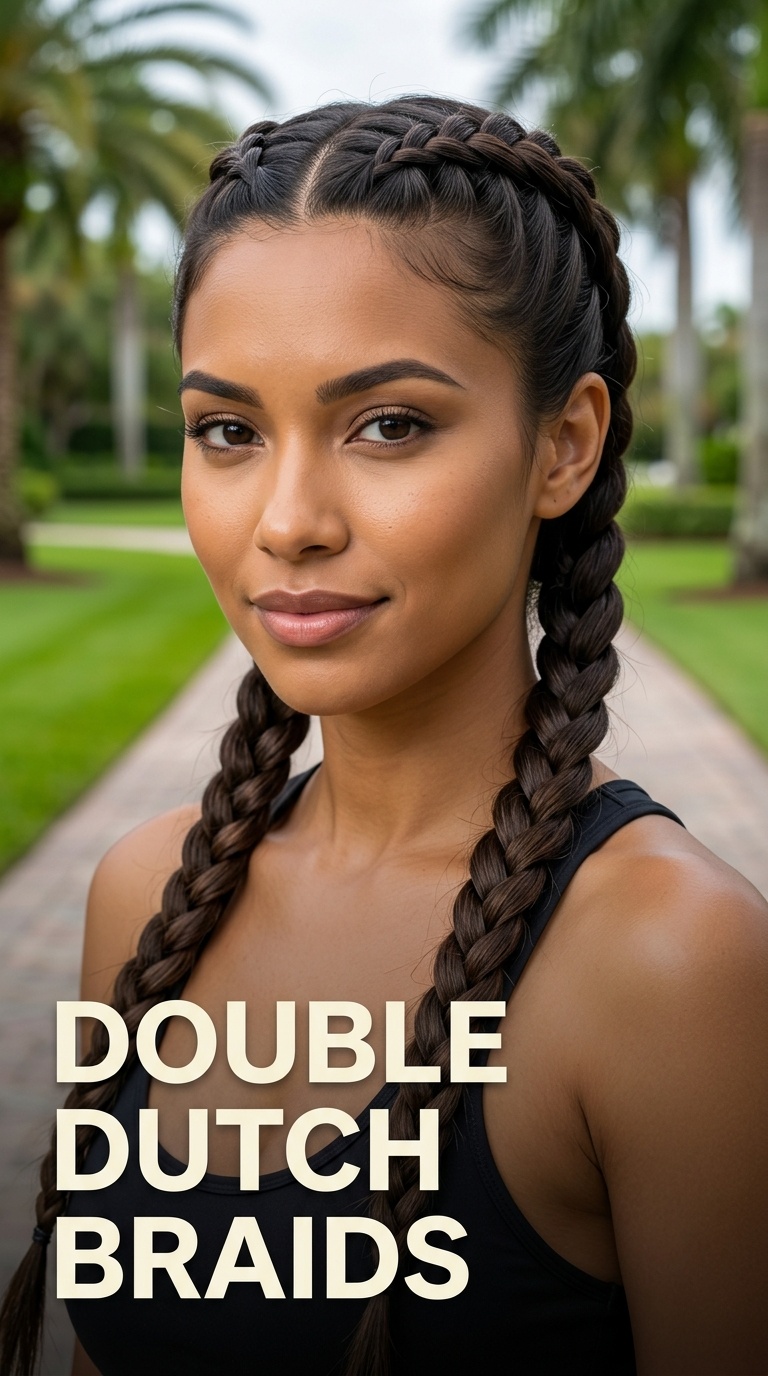
Dutch braids are ideal for sports because they are woven under rather than over. This creates a tight, raised structure that sits close to the scalp and minimizes hair movement.
By splitting the hair into two sections, you distribute the weight more evenly across your head. This prevents the “heavy” feeling that a single braid can sometimes cause during long-distance running.
Because the hair is tucked tightly into the braid from the hairline to the nape, flyaways are kept to a minimum. This is a go-to choice for contact sports or grappling.
3. The Classic French Braid
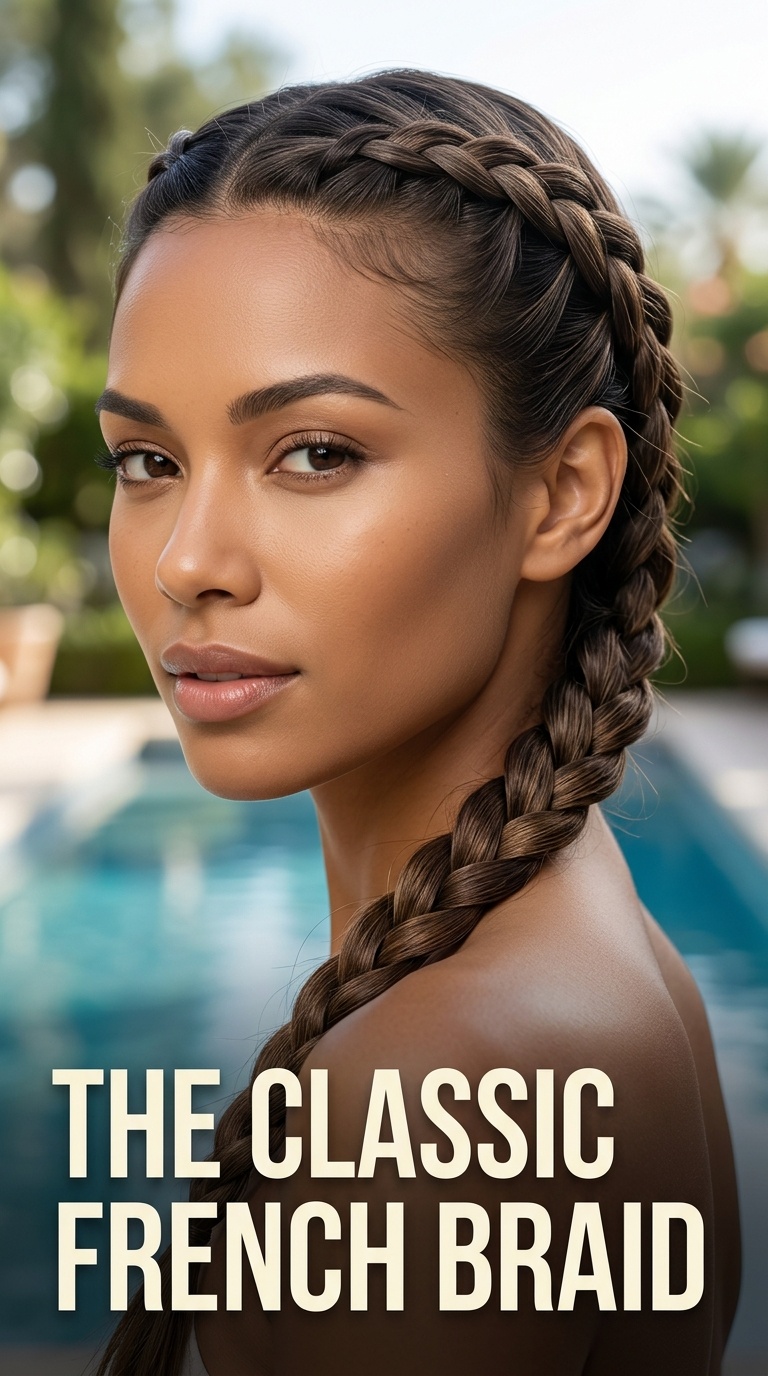
A classic French braid is perfect for those who want a streamlined look that keeps hair out of the eyes. It gathers hair from the crown and sides, locking it into a central column.
This style is particularly effective for cycling or activities involving helmets. Since the braid lies flat against the back of the head, it does not interfere with the fit of protective gear.
To keep this style secure during vigorous movement, start the braid as close to the forehead as possible. Finish with a strong elastic and a light mist of flexible-hold hairspray.
More Amazing Ideas
 18 Hairstyles for Fine Straight Hair That Stay Bouncy — Read more
 18 Claw Clip Hairstyles for Fine Hair with Secure Grip — Read more
 20 Hairstyles for 1st Graders That Stay Put in Class — Read more
 19 High Ponytail Hairstyles for Black Women That Lift Features — Read more
 18 Low Ponytail Hairstyles for Black Women with Deep Parts — Read more
4. High Ballerina Bun
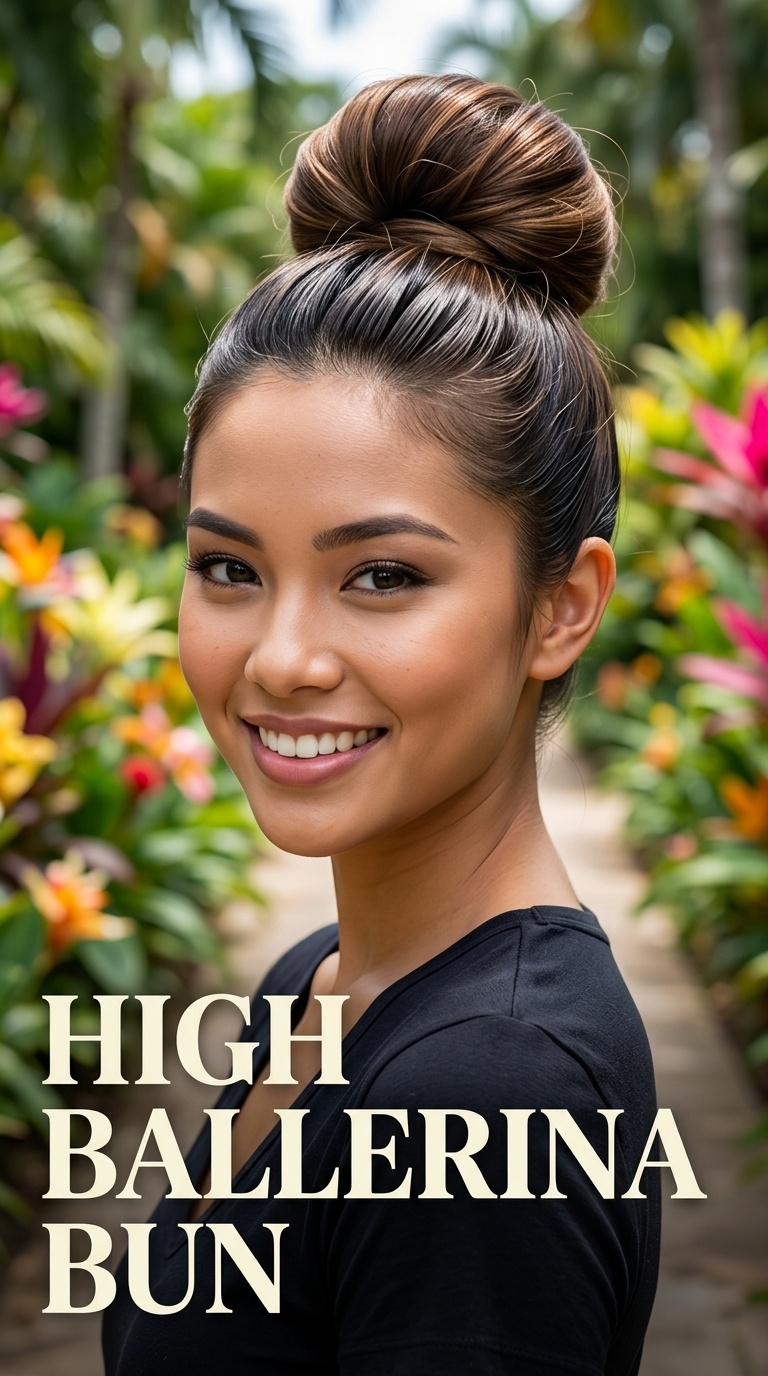
When you need your hair completely off your neck and shoulders, a high ballerina bun is the gold standard. It uses a ponytail base to create a compact, coiled shape at the crown.
The key to making this “sport-proof” is using U-shaped pins or a “hair donut” for extra structure. Once the bun is coiled, securing it with a scrunchie or a second elastic adds an extra layer of defense.
This style is excellent for gymnastics, dance, or weightlifting where you need a full range of motion in your neck. It ensures no loose ends interfere with your focus or equipment.
5. The Bubble Ponytail
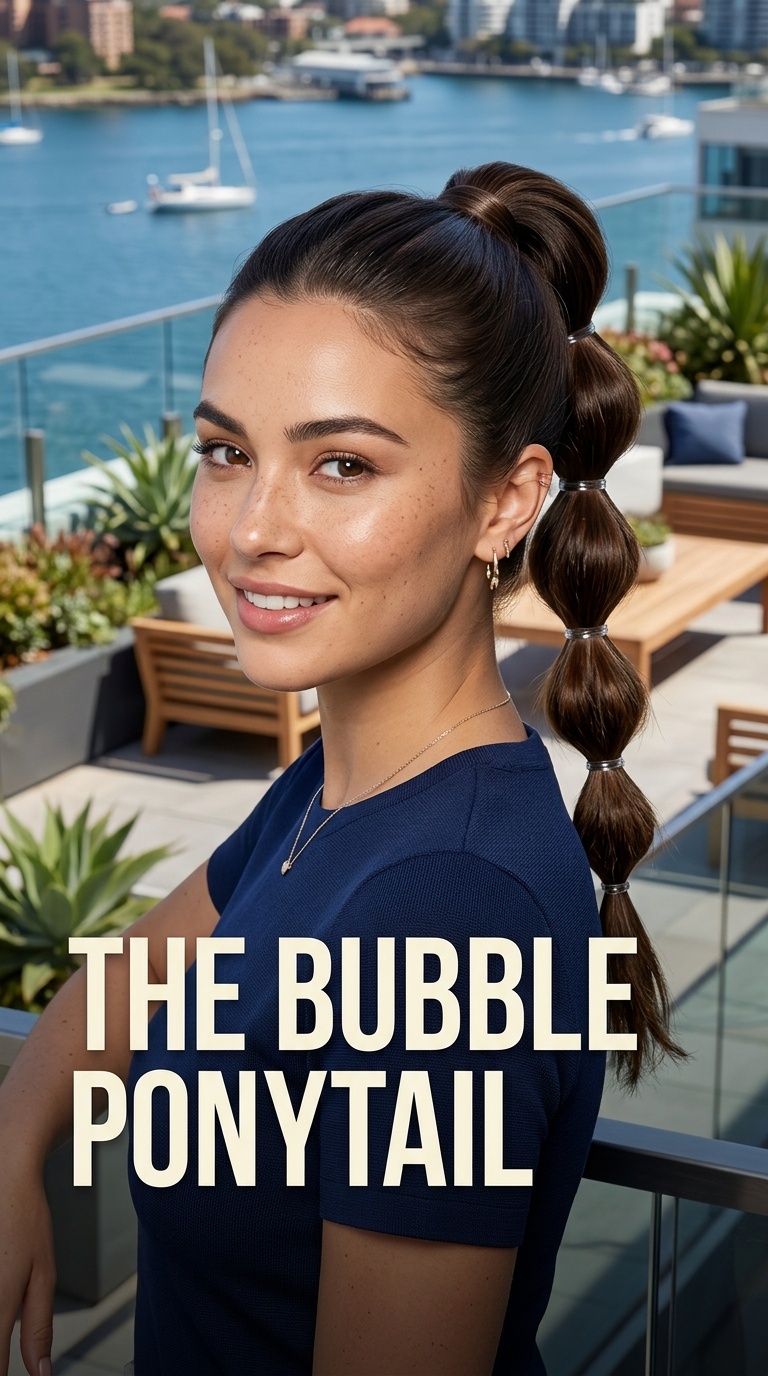
The bubble ponytail is a modern favorite for athletes because it offers the security of a braid with much less effort. It involves placing elastics every few inches down the length of a ponytail.
Each “bubble” prevents the hair from tangling or whipping around during movement. If one section happens to loosen, the other elastics act as backups to keep the overall structure intact.
This is a fantastic option for long hair that tends to get knotted during outdoor sports. It looks intricate but takes only minutes to assemble with a handful of small rubber bands.
6. Fishtail Braid
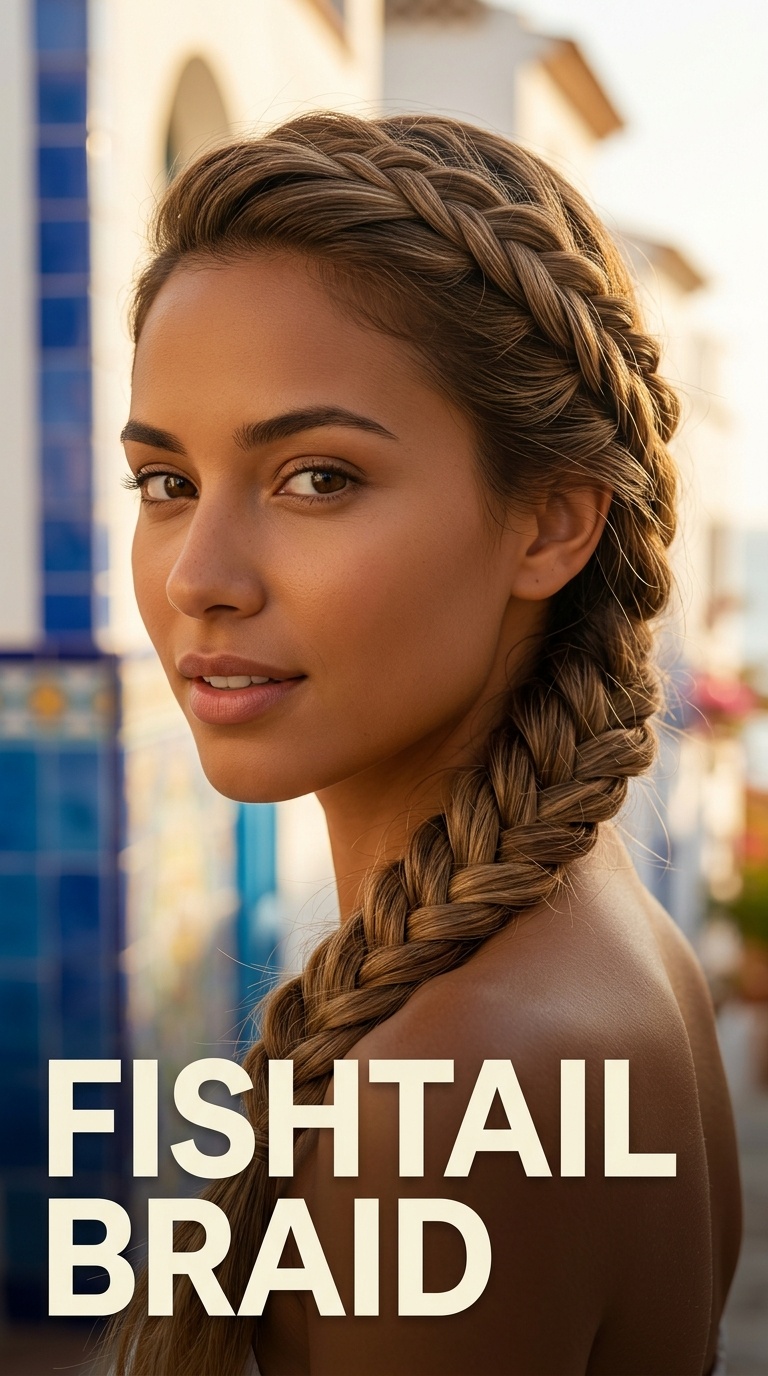
The fishtail braid is deceptively strong due to its tight, two-strand weaving pattern. While it looks delicate, the numerous intersections of hair make it very difficult for the style to unravel.
This braid is particularly useful for athletes with thick hair. The density of the weave compresses the hair, making it feel lighter and more aerodynamic during movement.
Because it is so tight, it actually looks better as it gets a bit “lived-in” during a workout. Even if a few strands shake loose, the overall structure remains highly functional and secure.
7. Low Chignon with Pins
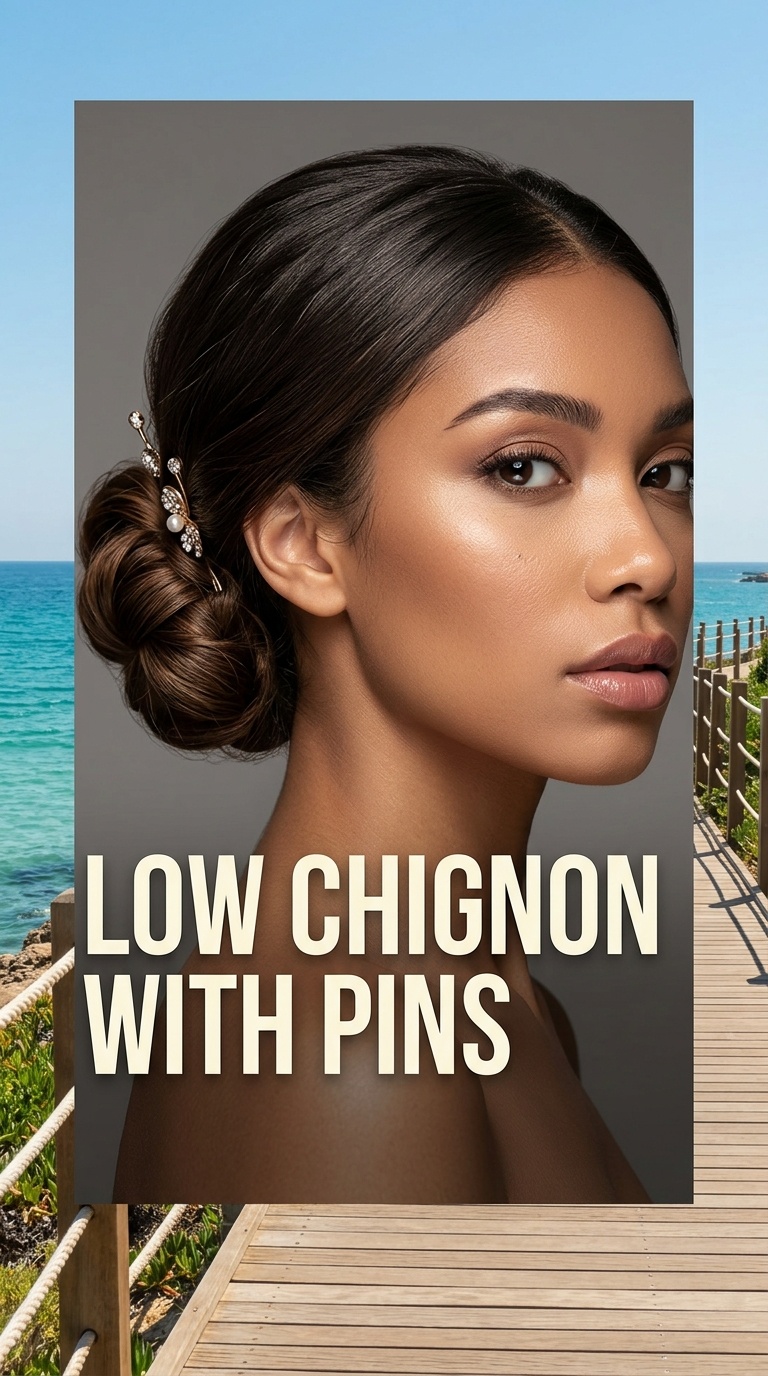
For low-impact sports like yoga or pilates, a low chignon provides a sophisticated and secure solution. It keeps the hair gathered at the nape of the neck, away from the face.
To ensure it stays put during inversions, use a combination of a strong ponytail base and heavy-duty bobby pins. Criss-crossing the pins creates an “X” shape that locks the hair in place.
This style is ideal for those who want to transition from a workout to a professional setting. It is neat, tidy, and holds up well against the friction of a yoga mat.
More Amazing Ideas
 23 Wedding Hairstyles for Thick Hair That Stay Secured All Night — Read more
 17 High Bun Hairstyles for Black Women with Neat Edges — Read more
 19 Low Bun Hairstyles for Black Women That Look Polished — Read more
 16 Hairstyles for Headphones That Stay In Place All Day — Read more
 19 Hairstyles for Boat Neck Dress Neckline with High Buns — Read more
8. Top Knot with Wide Headband
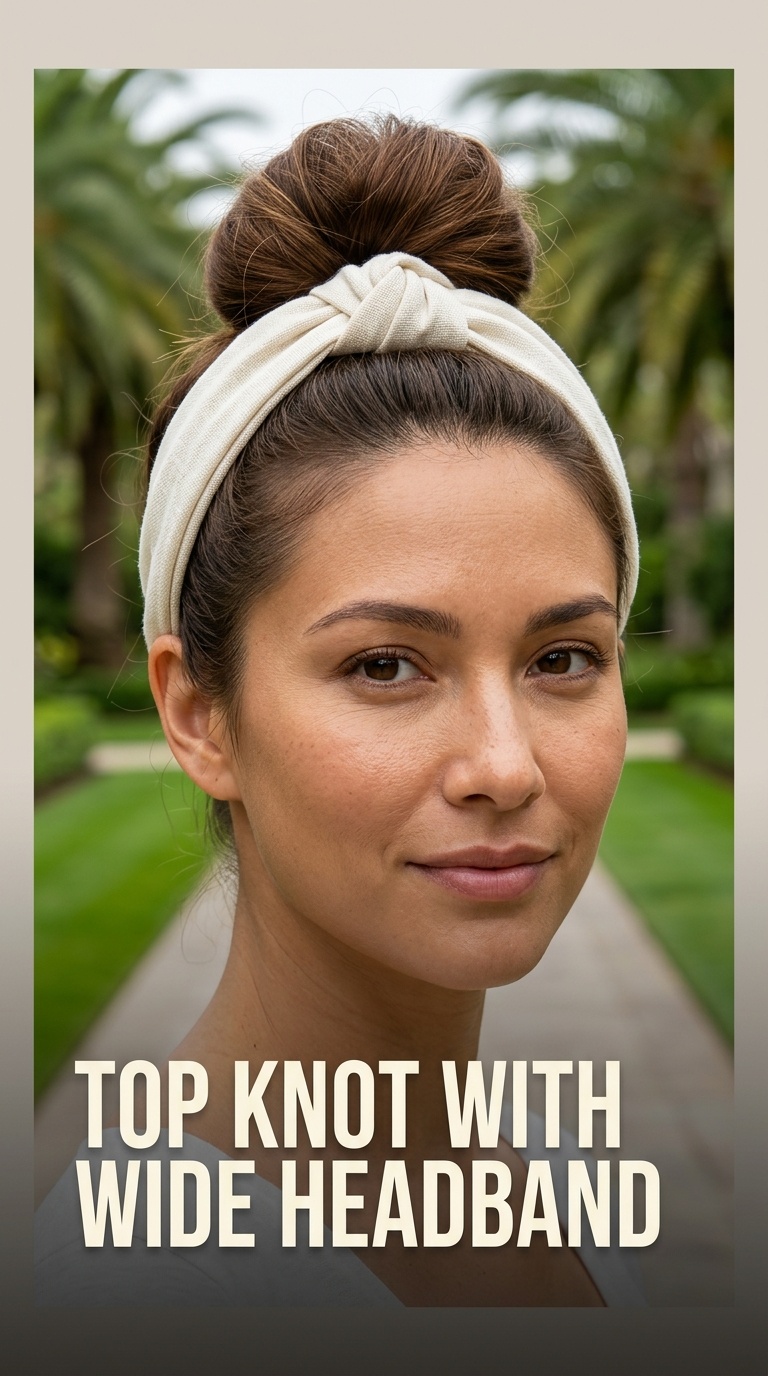
Sometimes the hair itself isn’t the problem, but the short “baby hairs” around the face are. Pairing a secure top knot with a wide, moisture-wicking headband solves both issues.
The top knot keeps the bulk of the hair from swinging, while the headband catches sweat and keeps bangs out of the eyes. This is a favorite for high-intensity interval training.
Look for headbands with silicone “grippers” on the inside. This prevents the band from sliding backward during explosive movements like burpees or box jumps.
9. Side Braid into a Bun
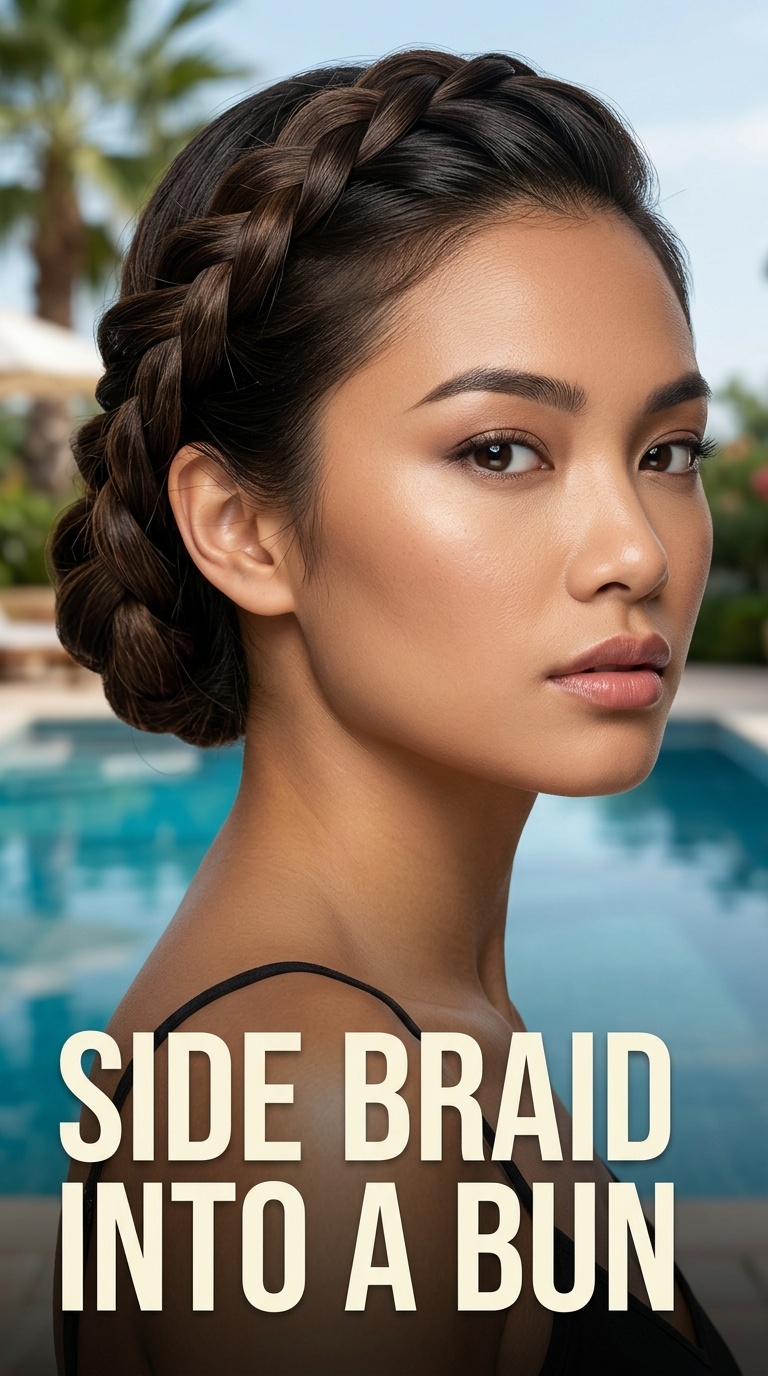
This hybrid style combines the security of a side braid with the stability of a bun. By braiding the hair along the side of the head first, you secure any shorter layers or bangs.
Once the braid reaches the nape or the side, the remaining hair is twisted into a compact bun. This prevents the “swing” effect that can happen with a long, loose braid.
This is an excellent choice for racket sports like tennis or pickleball. It stays secure during lateral movements and keeps the hair completely immobile as you swing.
10. Triple Braided Ponytail
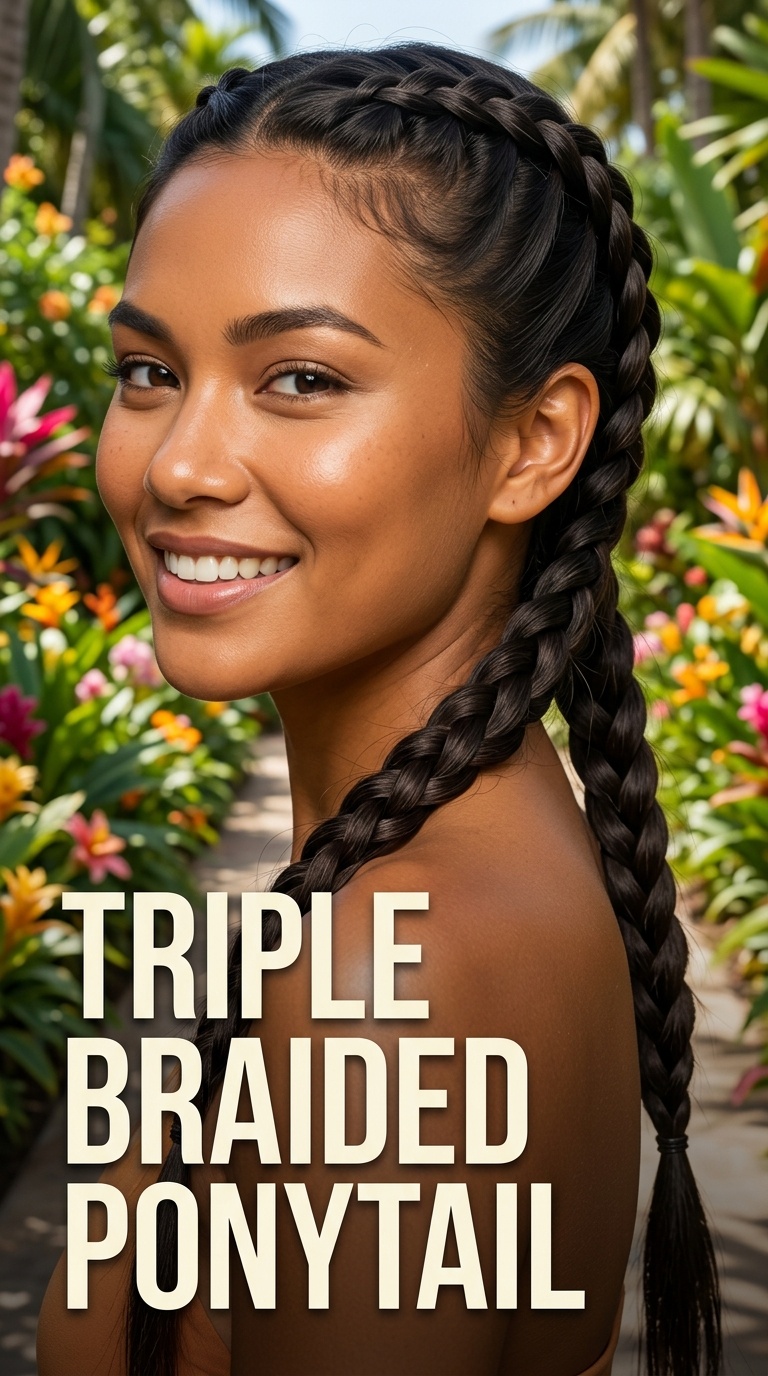
If a single braid feels too loose, the triple braided ponytail is the heavy-duty upgrade. You start by creating three separate small braids at the top of the head.
These three braids are then gathered into a single ponytail or one large braid. This creates multiple anchor points, making it nearly impossible for the hair to slip.
This style is perfect for athletes with very sleek or fine hair that usually slides out of traditional styles. The extra texture from the small braids provides much-needed grip.
11. Space Buns
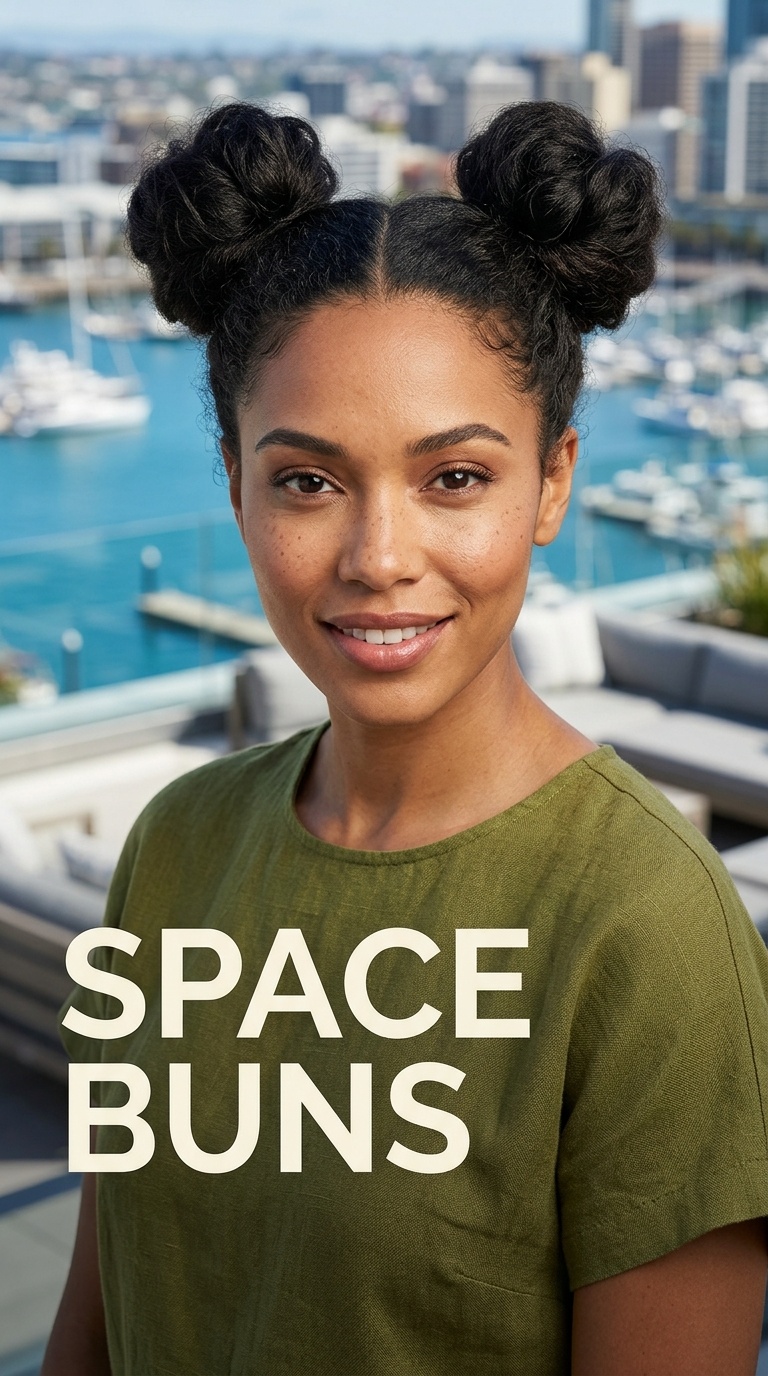
Space buns involve splitting the hair down the middle and creating two high buns on either side of the head. This distributes the weight and keeps the center of the head clear.
By splitting the hair into two smaller buns, you reduce the strain on your scalp. Each bun is lighter and less likely to wobble or fall during high-speed activities.
This style is fun, functional, and very popular for festivals or outdoor sporting events. It provides a balanced feel that is especially helpful during long-distance running.
12. The Pineapple Updo
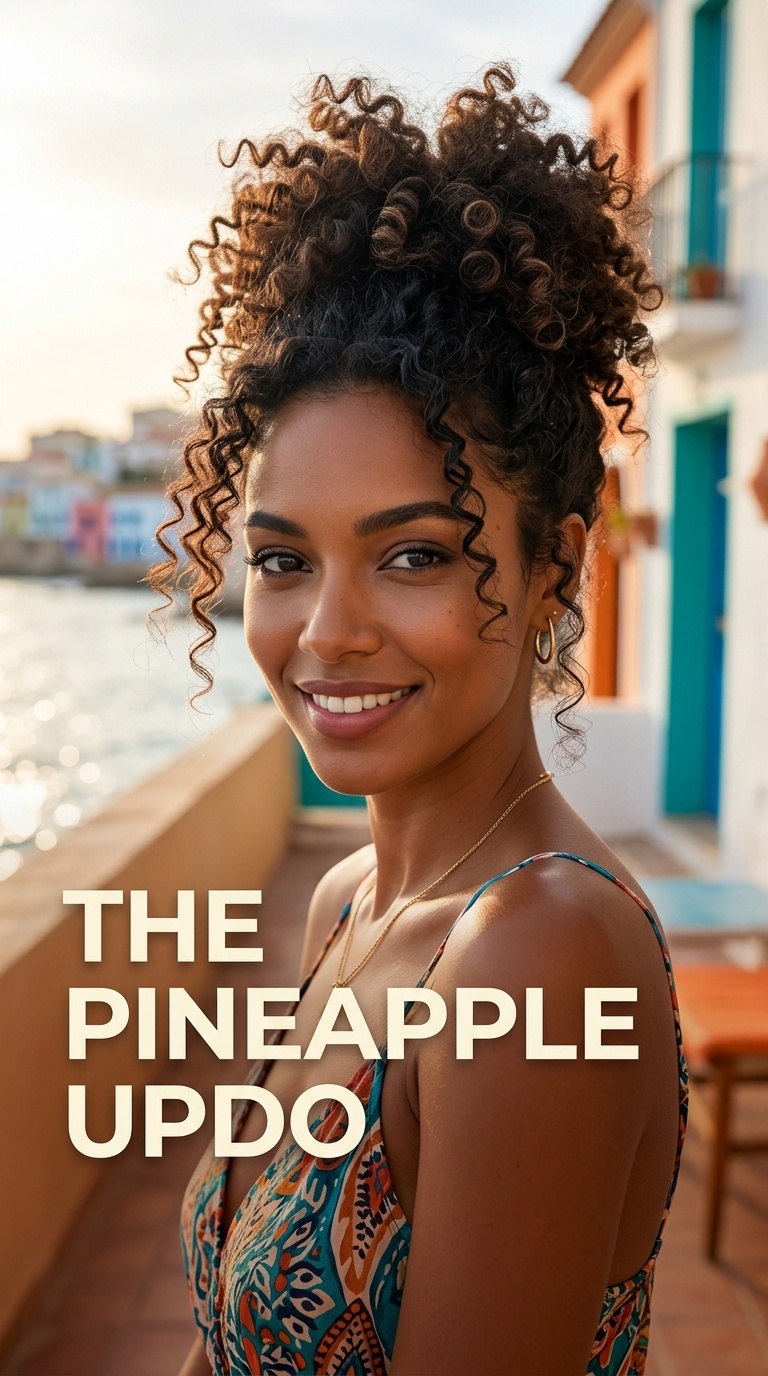
For those with naturally curly or textured hair, the “pineapple” is a classic and effective choice. It involves gathering all the curls at the very front and top of the head.
More Amazing Ideas
 25 Bridesmaid Hairstyles for Long Hair with Romantic Braids — Read more
 23 Hairstyles for Maxi Dresses with Bohemian Braids — Read more
 23 Ponytail Hairstyles for Black Women for Sleek Glamour — Read more
 20 Hairstyles for 8 Year Girl with Easy DIY Braids — Read more
 20 Curly Ponytail Hairstyles for Black Women with Soft Texture — Read more
This protects the curl pattern and prevents friction at the back of the head. Using a soft fabric scrunchie allows the hair to stay secure without causing breakage or “ponytail bumps.”
This style is excellent for gym sessions where you might be lying on a weight bench. Since the hair is at the top of the head, it won’t get squashed or tangled behind you.
13. Slicked-Back Low Pony
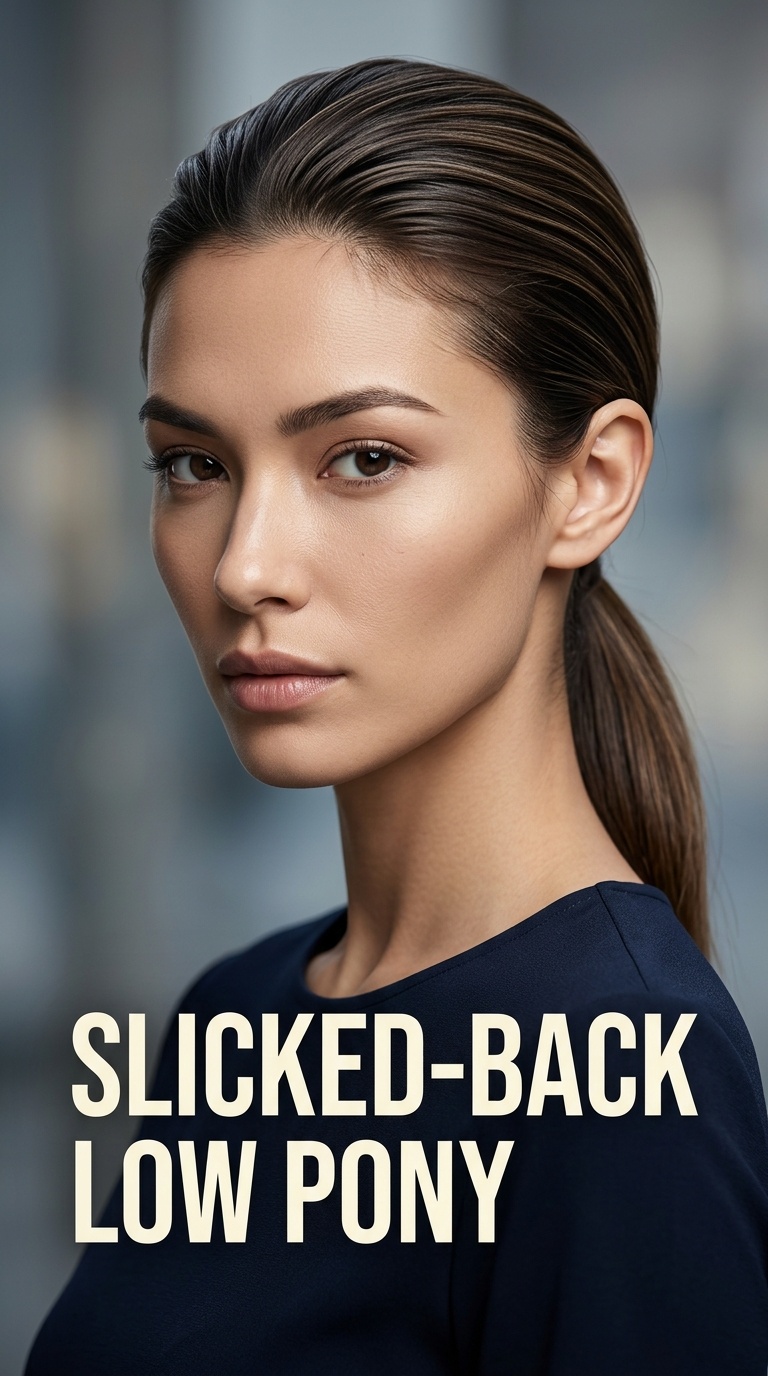
The slicked-back low ponytail is the ultimate “no-nonsense” sports hairstyle. It uses a firm-hold gel or pomade to smooth every strand back toward the nape of the neck.
By positioning the ponytail low, you minimize the “bounce” that occurs with higher styles. This is particularly useful for equestrian sports or any activity requiring a hat.
To keep this style truly secure, use a “bungee” hair tie. These allow you to wrap the elastic around the hair with custom tension, ensuring a perfect, slip-free fit.
14. Infinity Braid
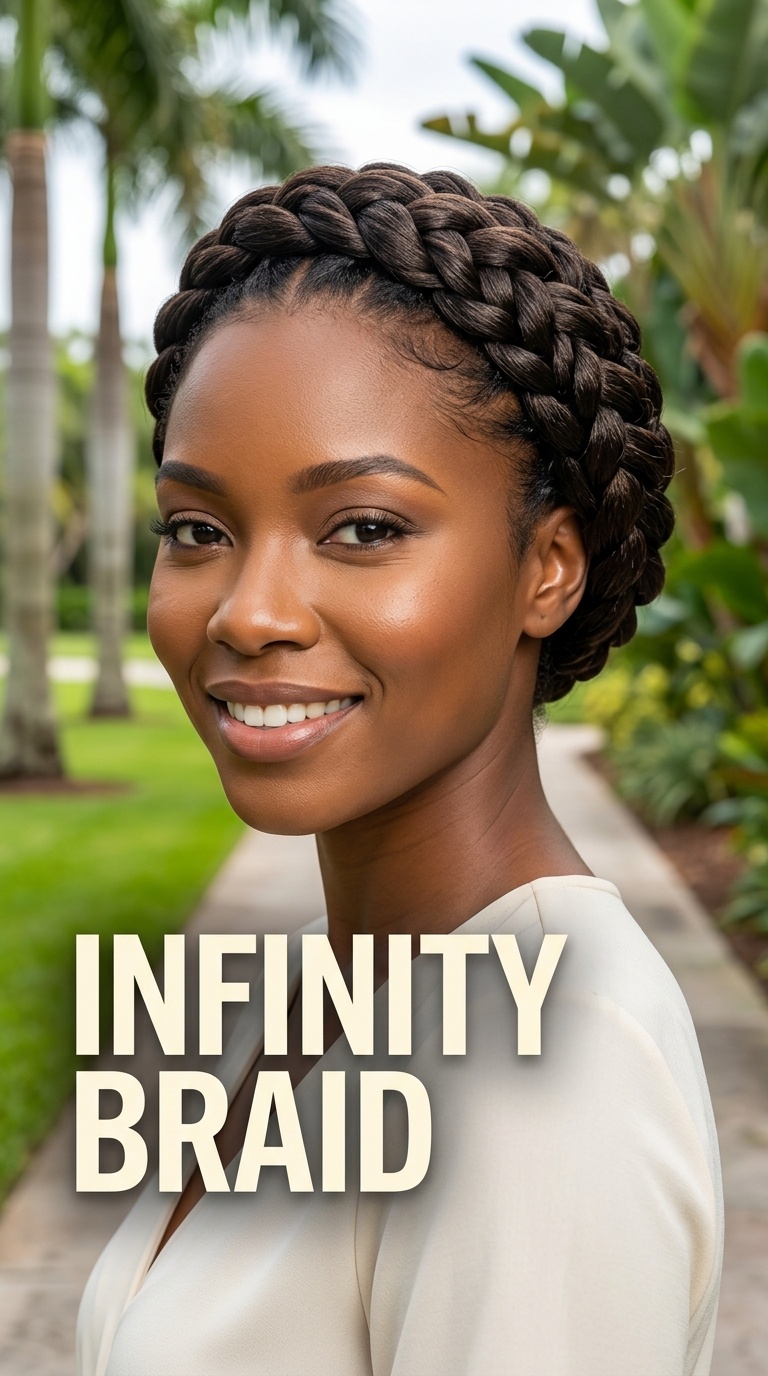
The infinity braid is a technical style that weaves hair in a figure-eight pattern. This complex structure creates a very flat and incredibly tight braid that won’t move.
Because the strands are constantly woven over and under each other, the tension is distributed perfectly. It is one of the most secure braids for long, heavy hair.
While it takes a bit more practice to master, the result is a professional-looking style that survives even the most grueling triathlons or obstacle course races.
15. Braided Pigtails
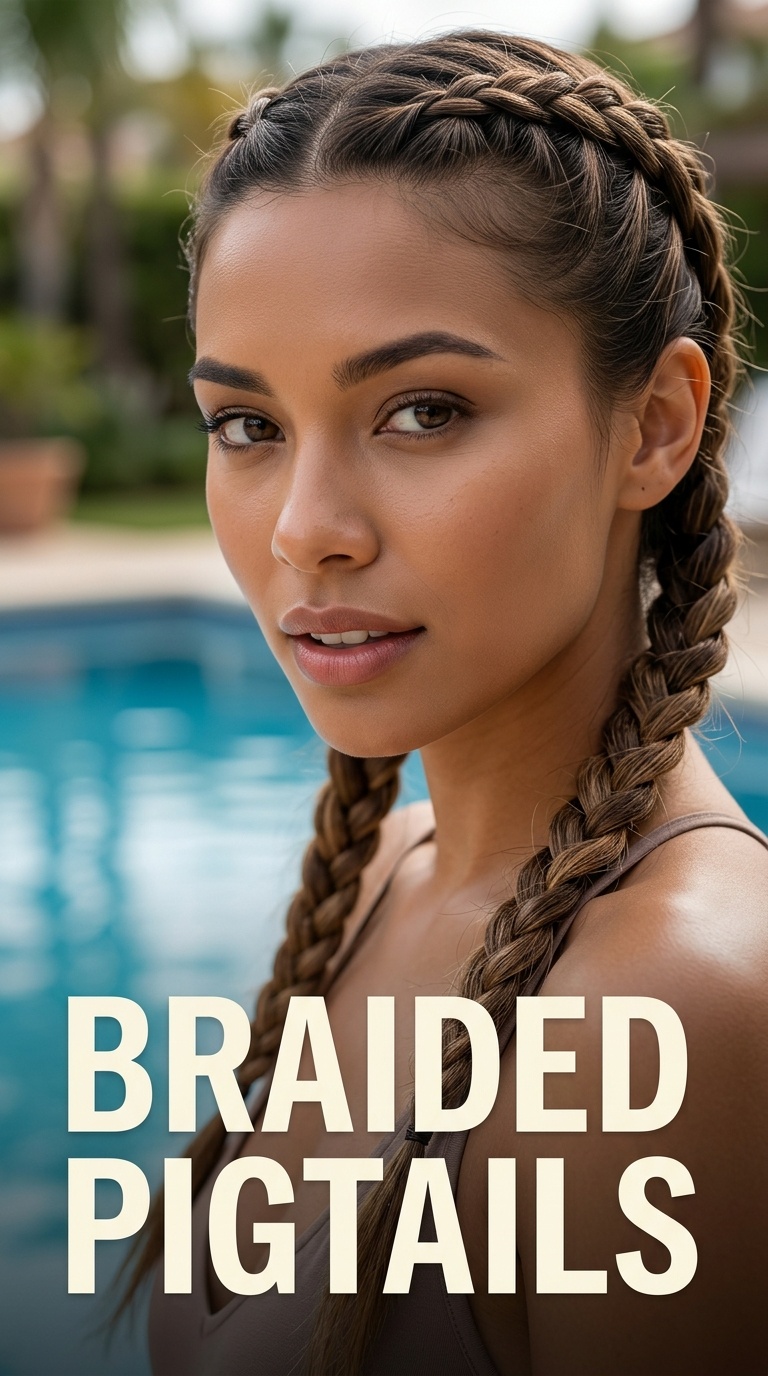
Braided pigtails are a classic for a reason: they are incredibly stable. By dividing the hair, you ensure that no single part of the hairstyle has too much mass to manage.
They are particularly effective for sports where you need to move your head quickly, such as volleyball or soccer. The braids stay close to the shoulders and don’t whip into your face.
For maximum security, start these as Dutch braids at the hairline. This ensures that even the shortest layers around the ears are tucked away and won’t come loose.
16. Segmented Low Bun
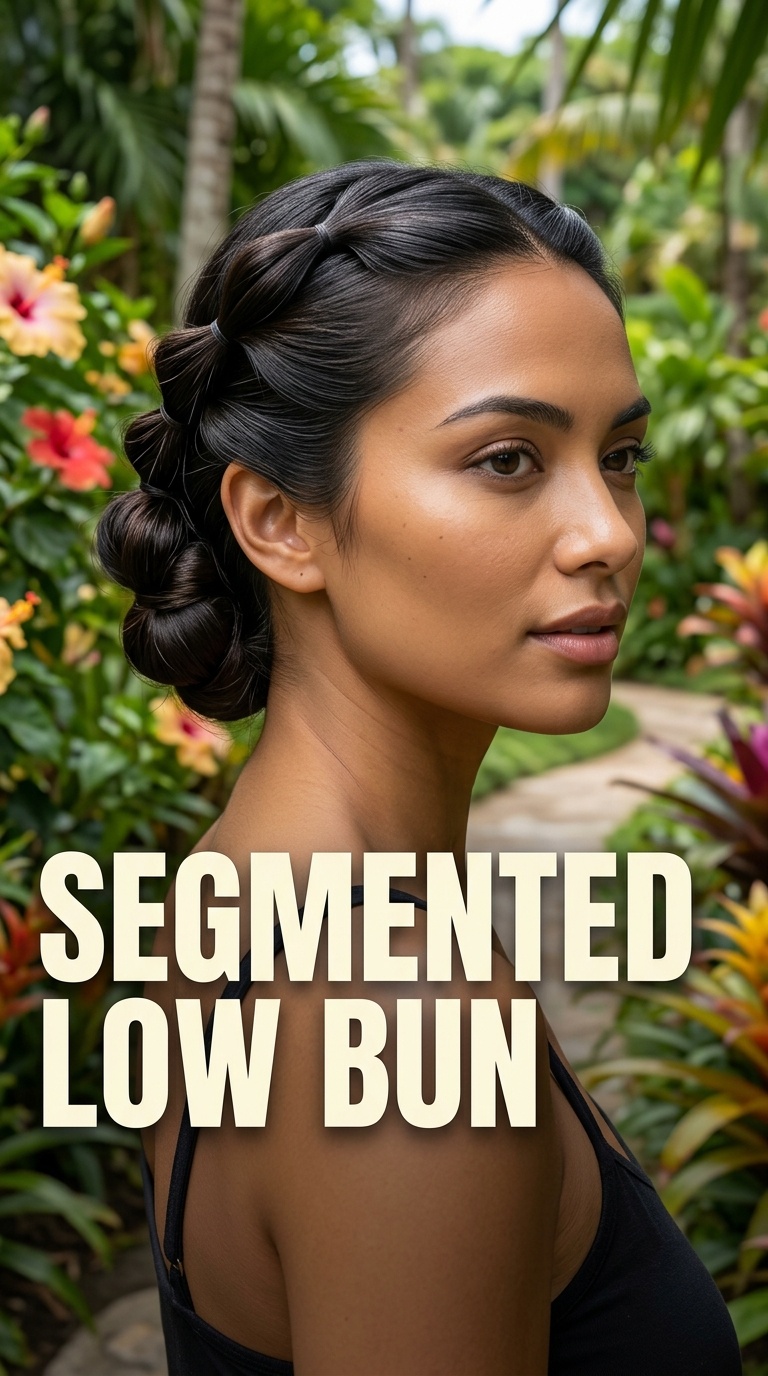
A segmented low bun starts with a series of small ponytails that feed into each other down the back of the head. The final tail is then tucked into a low bun.
This creates a “ladder” of security, where each section holds the next one in place. It is nearly impossible for this style to fall down because it is anchored at multiple points.
More Amazing Ideas
 24 Bun Hairstyles for Black Women for Classy Daily Wear — Read more
 17 Hairstyles for Low Density Hair That Boost Volume — Read more
 22 Saree Hairstyles for Long Hair with Traditional Braids — Read more
 23 60s Hairstyles for Long Hair with High Mod Beehives — Read more
 24 Twist Out Hairstyles for Black Women with High Definition — Read more
This is a great option for people with layered hair. The segments catch the shorter pieces that usually fall out of a standard low bun or ponytail.
17. Crown Braid
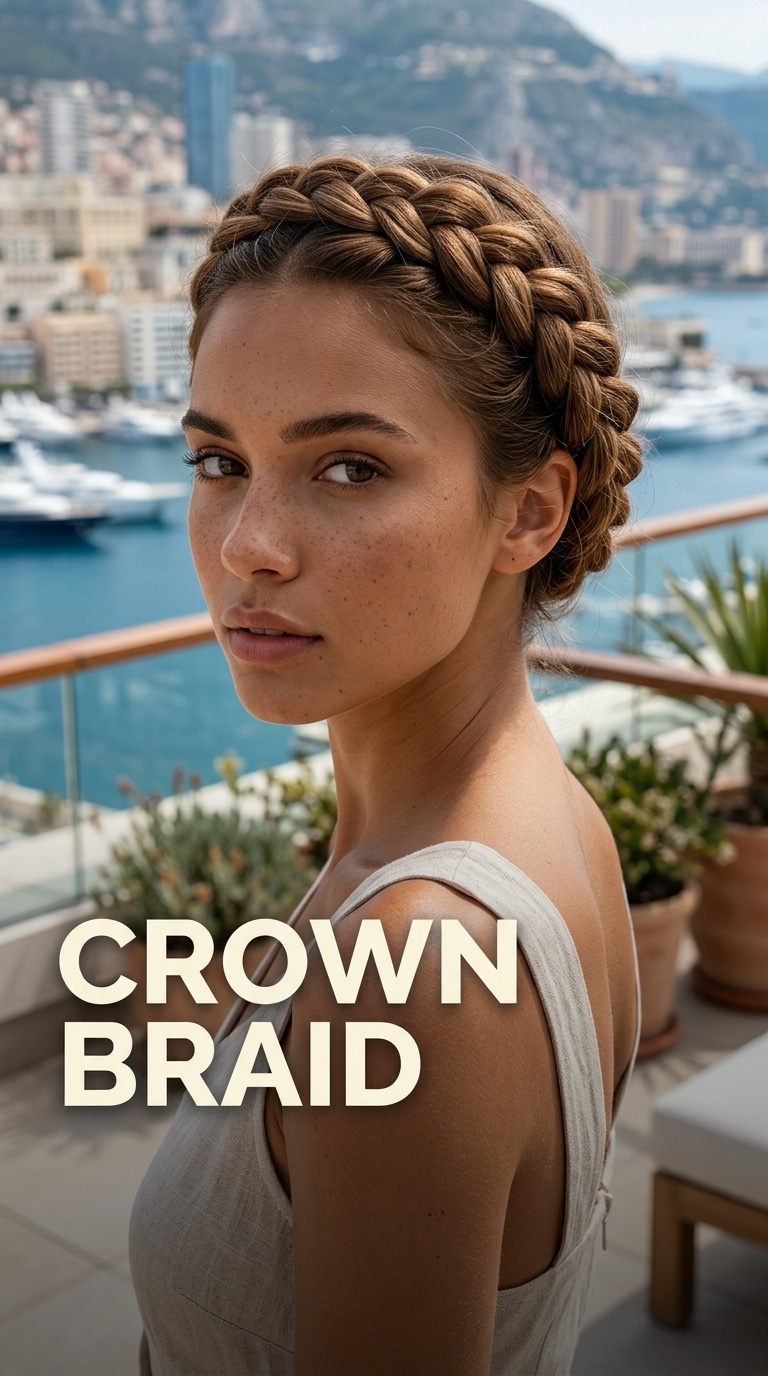
The crown braid involves braiding the hair around the circumference of the head. This keeps the hair entirely off the neck and away from the face in a halo-like structure.
Since the weight is distributed around the entire head, there is no “pulling” in any one spot. It is a very comfortable style for long days of activity or competition.
This style is also very aerodynamic, making it a favorite for competitive swimmers (under a cap) or runners. It stays remarkably neat even after hours of movement.
18. Mohawk Braid into Pony
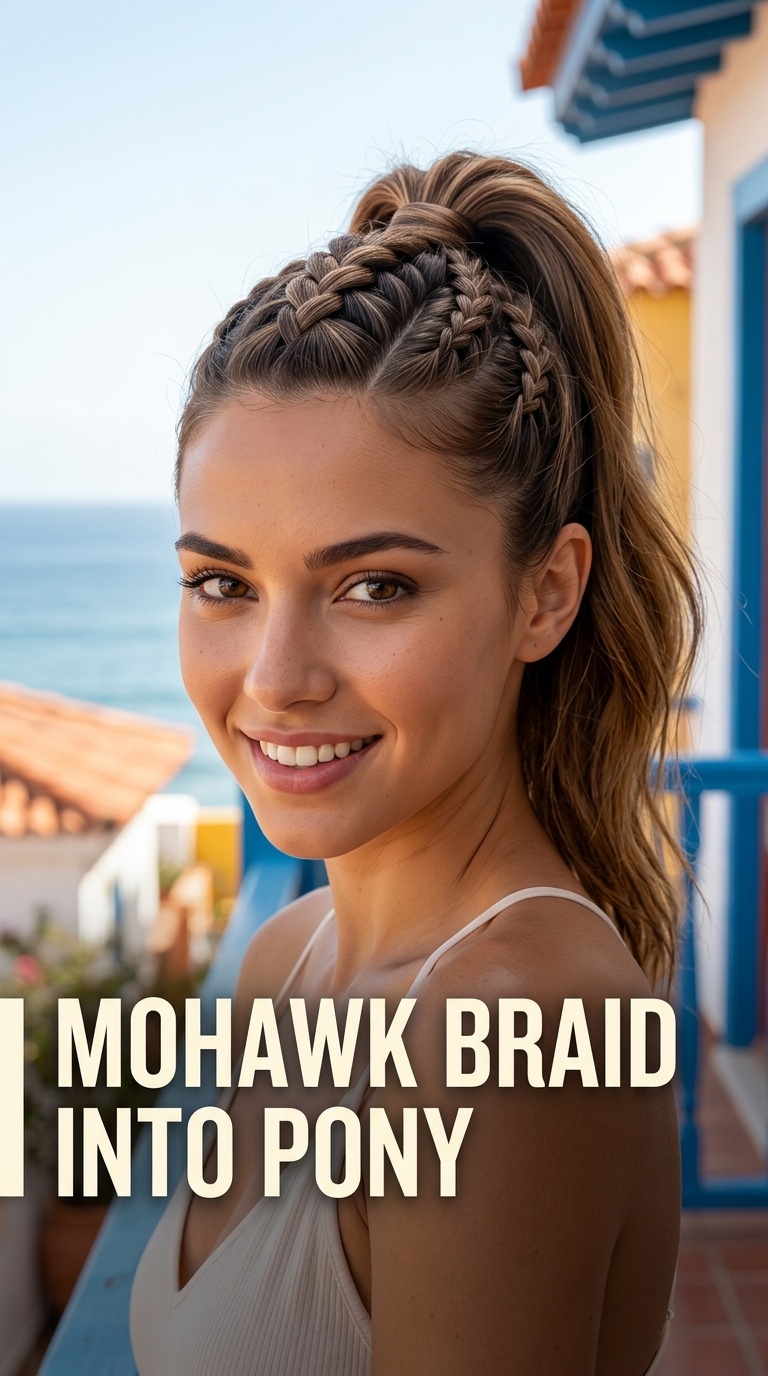
This style features a wide Dutch braid running down the center of the head, with the remaining hair pulled into a ponytail. It provides a cool, edgy look with high functionality.
The central braid acts as a main anchor, keeping the top and front sections of the hair completely immobile. The ponytail then handles the length at the back.
This is particularly good for sports that involve a lot of vertical movement, such as basketball. The braid keeps the top of the hair from bouncing into your line of sight.
19. Twisted Low Ponytail
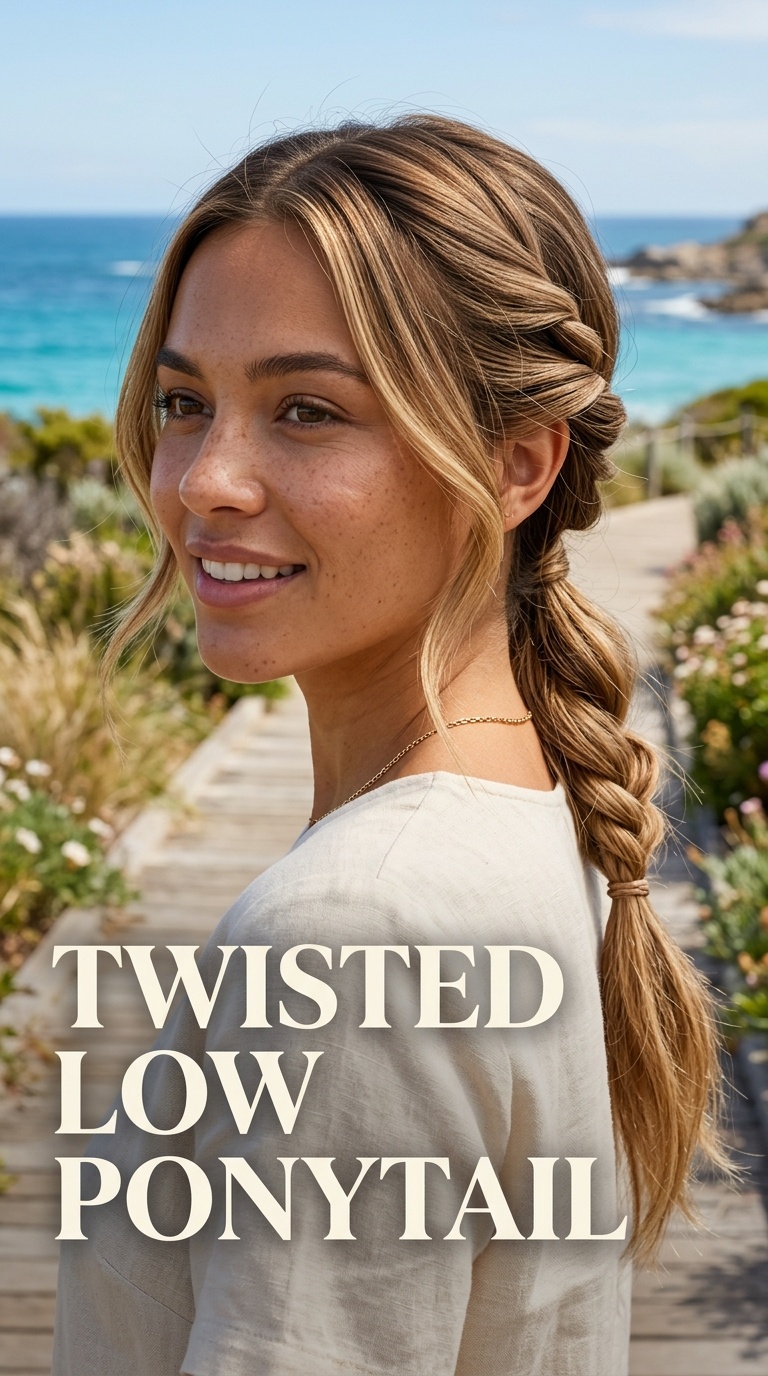
If you aren’t a fan of braiding, the twisted low ponytail is a great alternative. It involves twisting two sections of hair tightly toward each other before securing them.
The tension of the twists creates a rigid structure that mimics the security of a braid. It keeps the hair consolidated and prevents it from expanding or frizzing during a workout.
This style is very quick to do and works well for those with medium-length hair. It provides a sleek, polished look that stays secure during moderate-intensity cardio.
20. Boxer Braids
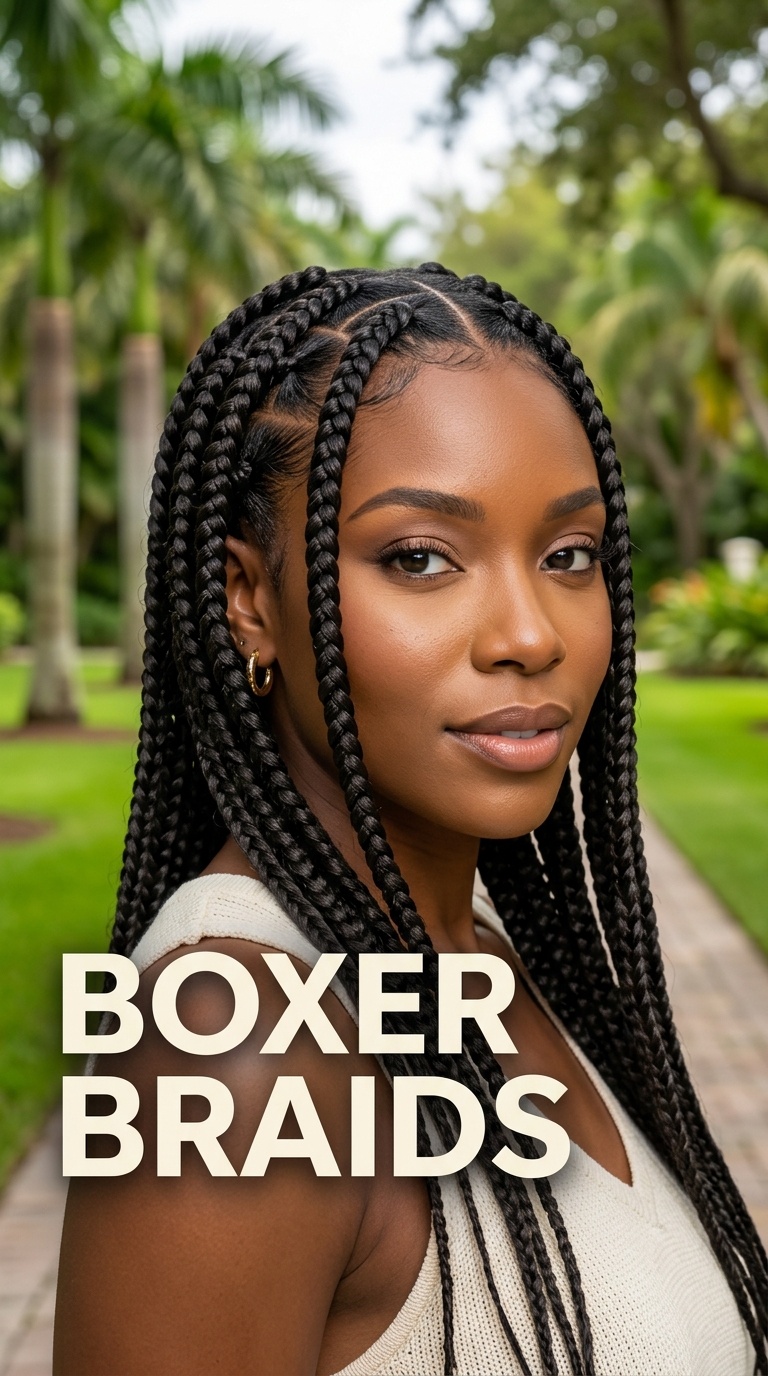
Boxer braids are essentially very tight Dutch braids that follow the curve of the head closely. They are the gold standard for combat sports because they are extremely low-profile.
These braids are designed to stay tight against the scalp regardless of how much you move or sweat. They provide zero interference and keep the athlete’s vision clear.
Many athletes keep these braids in for several days during a multi-day competition. They are durable, easy to maintain, and arguably the most secure option on this list.
More Amazing Ideas
 22 Two Bun Hairstyles for Black Women for Playful Style — Read more
 19 Braid Out Hairstyles for Black Women for Wavy Texture — Read more
 18 Slick Bun Hairstyles for Black Women with Clean Finishes — Read more
 21 Hairstyles for Medium Length Hair That Look Chic — Read more
 21 Hairstyles for Thick Wavy Hair for Controlled Movement — Read more
21. Pull-Through Braid
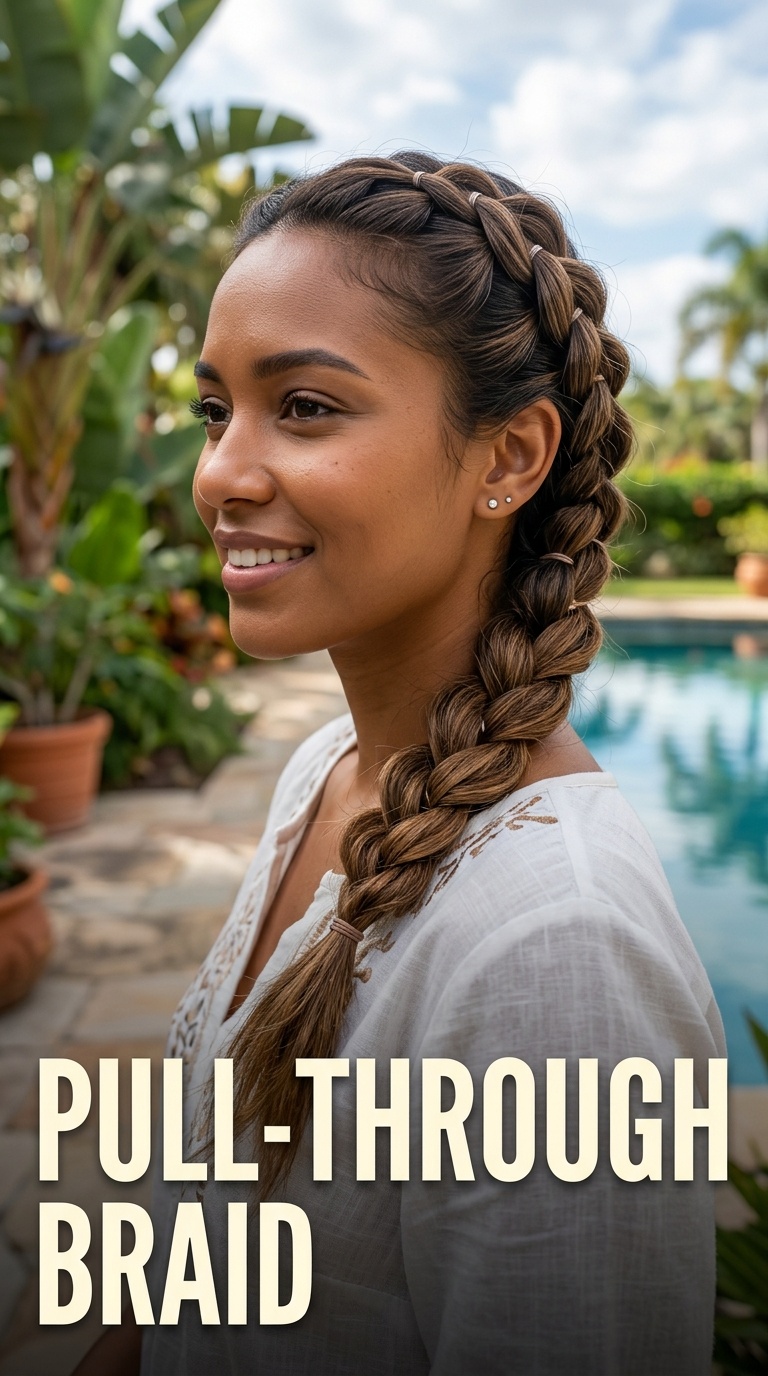
A pull-through braid isn’t actually a braid at all; it’s a series of linked ponytails. This makes it incredibly easy to do for those who struggle with traditional weaving.
Because every single section is secured with its own elastic, it is one of the most secure styles possible. If one elastic breaks, the rest of the style remains perfectly intact.
It creates a voluminous, 3D look that is very popular on social media. More importantly, it provides rock-solid stability for high-impact sports like mountain biking.
22. French Twist with Grip
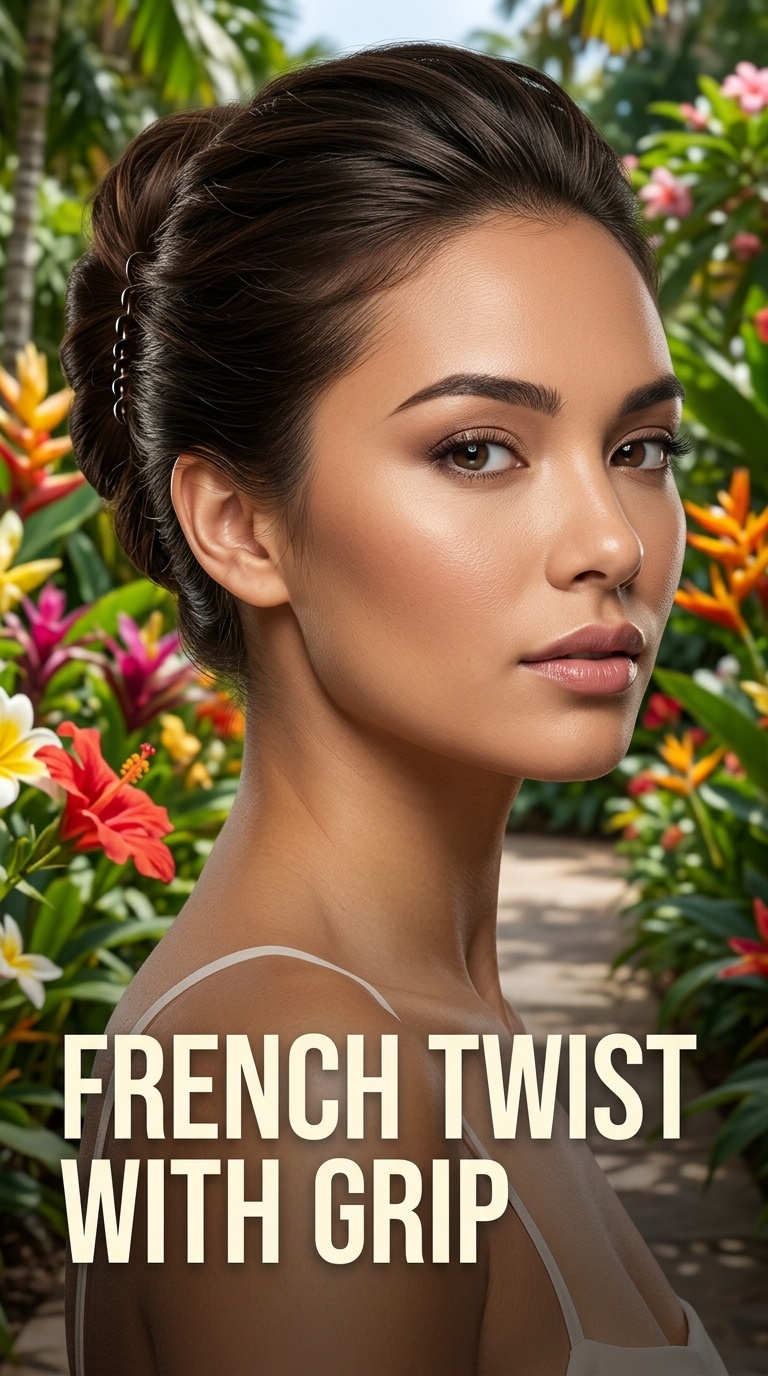
A French twist can be made sport-ready by using a large, high-grip claw clip or a series of interlocking pins. It pulls the hair upward and inward into a vertical roll.
This is a great option for indoor climbing or bouldering. It keeps the hair completely contained so it doesn’t get caught in ropes, carabiners, or chalk bags.
Ensure you use “grip” pins that have a textured surface. These are designed to stay in place even when the hair becomes damp from perspiration.
23. Knotted Ponytail
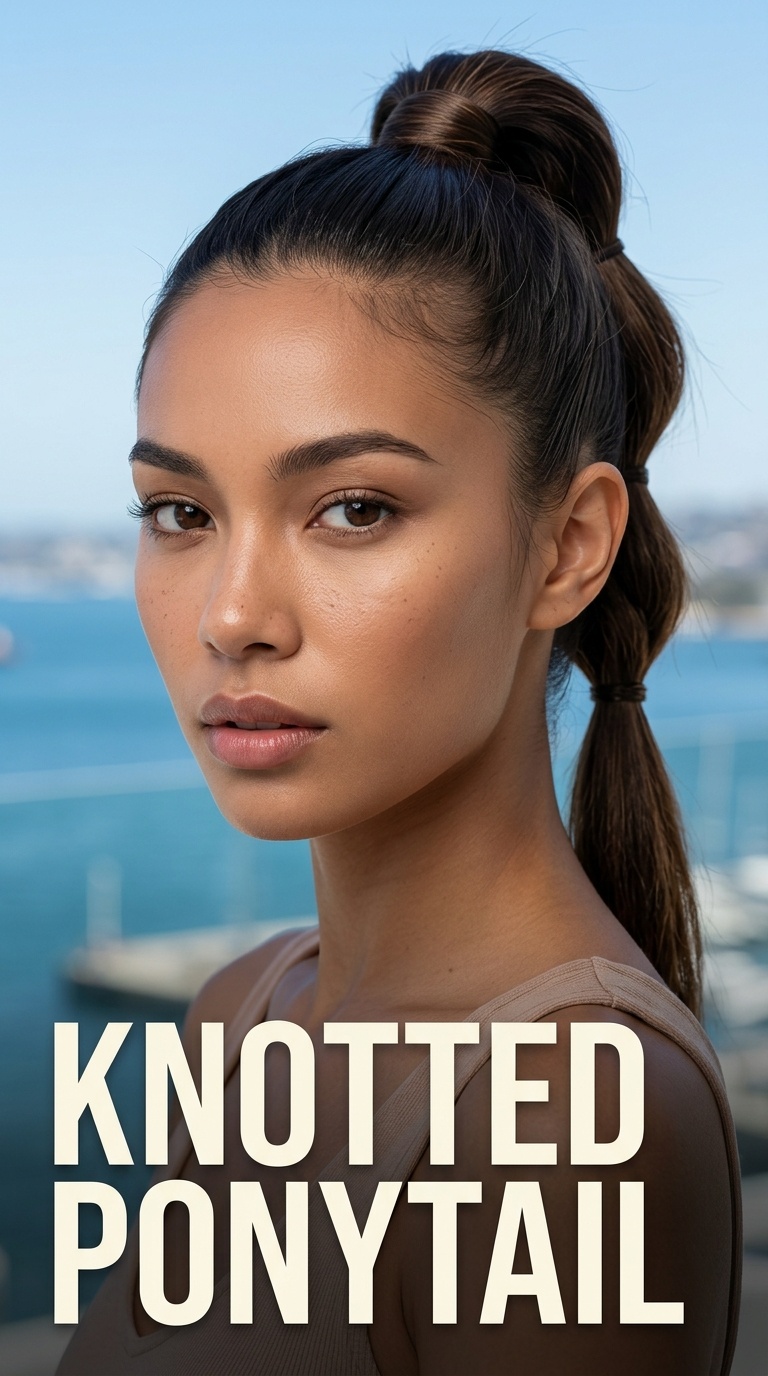
The knotted ponytail involves literally tying sections of your hair into simple knots before securing them with a tie. This creates a high-friction environment that prevents slipping.
By knotting the hair, you create “bulk” that the elastic can grip onto more effectively. This is a great trick for those with very fine or “slippery” hair.
It provides a unique, textured look that stands out in a sea of standard ponytails. It is surprisingly comfortable and holds up well during long hikes or outdoor activities.
24. Half-Up Top Knot (for short hair)
If you have shorter hair or a “bob” cut, you might not be able to get all your hair into a single tie. The half-up top knot secures the most problematic section: the front.
By pulling the top half into a secure knot at the crown, you keep your fringe out of your eyes. The bottom half is left down but is usually too short to cause a distraction.
This is a favorite for soccer players or runners with shorter cuts. It provides just enough control to keep the athlete focused on the game rather than their hair.
25. Cornrows
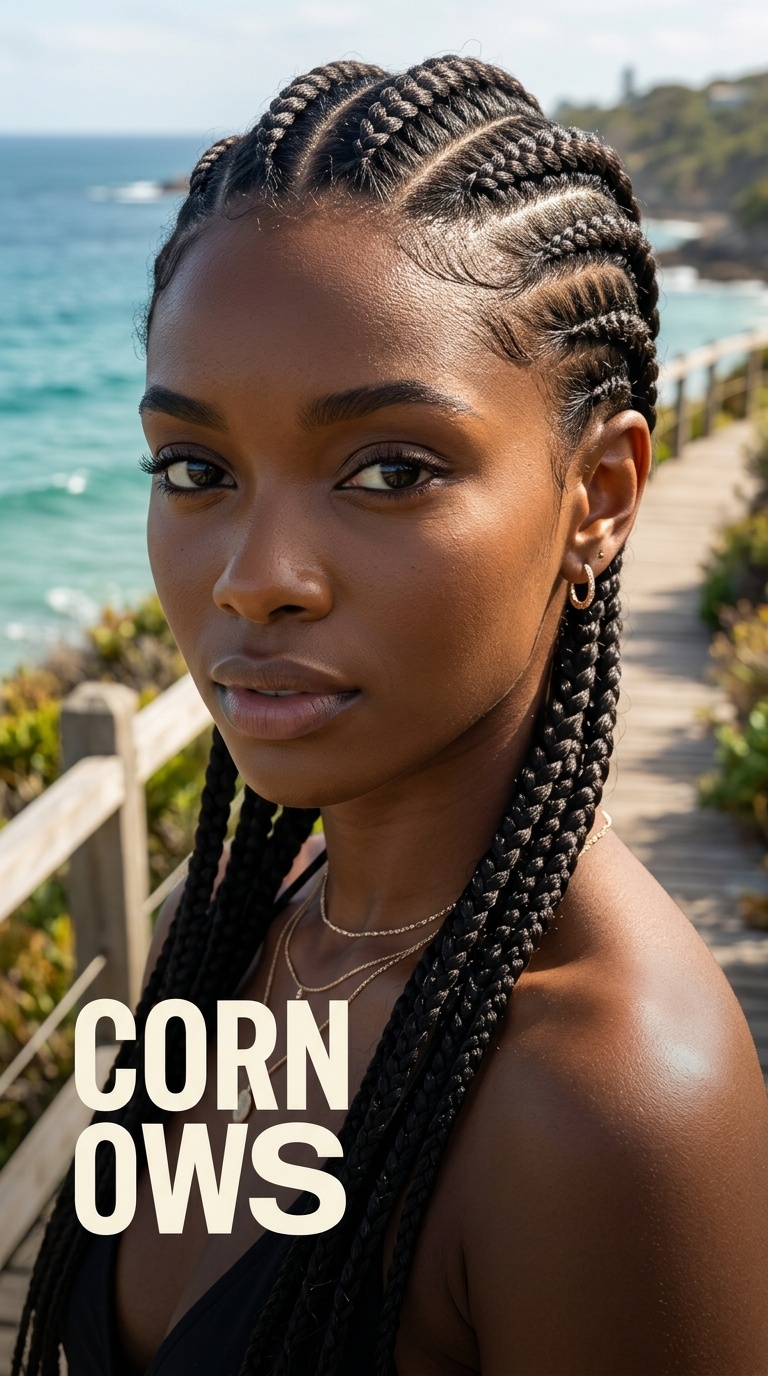
Cornrows are a traditional and highly effective way to secure hair for sports. Hair is braided very flat and tight to the scalp in straight lines or intricate patterns.
More Amazing Ideas
 19 Hairstyles for Long Hair for Easy Styling — Read more
 21 Natural Hairstyles for Black Women Medium Length Looks — Read more
 23 Frontal Wig Hairstyles for Black Women with Melted Lace — Read more
 21 Bridesmaid Hairstyles for Medium Hair for Bridal Party Elegance — Read more
 17 Hairstyles for Windy Days That Won’t Blow in Your Face — Read more
This is a long-term solution that can last for weeks, making it perfect for athletes in the middle of a heavy training season. It offers the maximum level of security and zero maintenance.
This style is incredibly versatile and works for almost any sport imaginable. It keeps the head cool, the vision clear, and the hair completely protected from environmental damage.
How do I stop flyaways during a workout?
The best way to stop flyaways is to use a combination of a light-hold pomade and a wide headband. Apply the product to your hairline before styling to “glue” the shorter hairs down, then use the headband as a secondary barrier to catch any stubborn strands that pop loose during movement.
Are these styles safe for hair health?
Yes, as long as you don’t pull the elastics too tight. Constant high-tension styling can lead to traction alopecia or breakage. To minimize damage, use “ouchless” elastics without metal connectors and try to rotate your hairstyle so the tension isn’t always in the same spot on your scalp.
What products help keep sports hair in place?
Look for products labeled “sweat-resistant” or “strong hold.” A clear brow gel is actually a great secret weapon for taming flyaways at the hairline. For the length of the hair, a texturizing spray can give “slippery” hair more grip, making braids and buns much less likely to slide out.
Can I wear these for swimming?
Many of these styles, especially the tighter braids like Dutch or cornrows, are excellent for wearing under a swim cap. They keep the hair from tangling while you swim and make it much easier to put on and take off your silicone or latex cap without pulling on individual strands.
How tight should the braids be?
Braids should be “snug” but never painful. If you see your skin pulling or feel a headache starting, the style is too tight. A properly secured sport hairstyle should feel like it is “one” with your head, providing a sense of stability without causing any physical discomfort or throbbing.
Do these work for short hair?
While some styles like the fishtail braid require length, many others are perfect for short hair. The half-up top knot, small side braids, and the use of multiple “segmented” elastics are all designed to gather shorter layers that would otherwise fall out of a standard ponytail.









