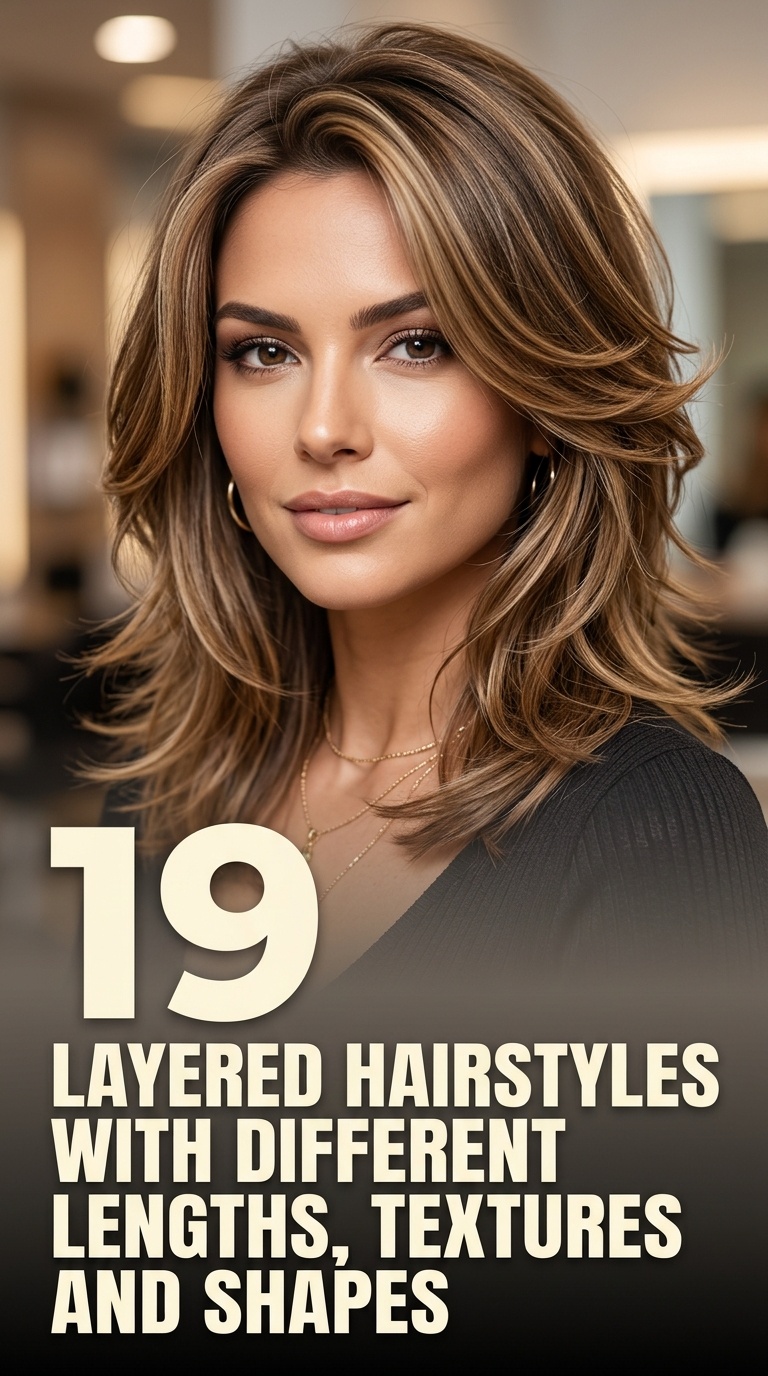
Layers are the ultimate tool for hair transformation. They add movement, depth, and a personalized touch to any look.
Regardless of your natural hair state, layering creates balance. It allows for weight removal or volume addition where needed most.
The right technique can completely redefine a silhouette. It turns a standard cut into a customized masterpiece.
Explore these 19 Layered Hairstyles with Different Lengths, Textures and Shapes to find your next signature look.
1. Long Wispy Layers
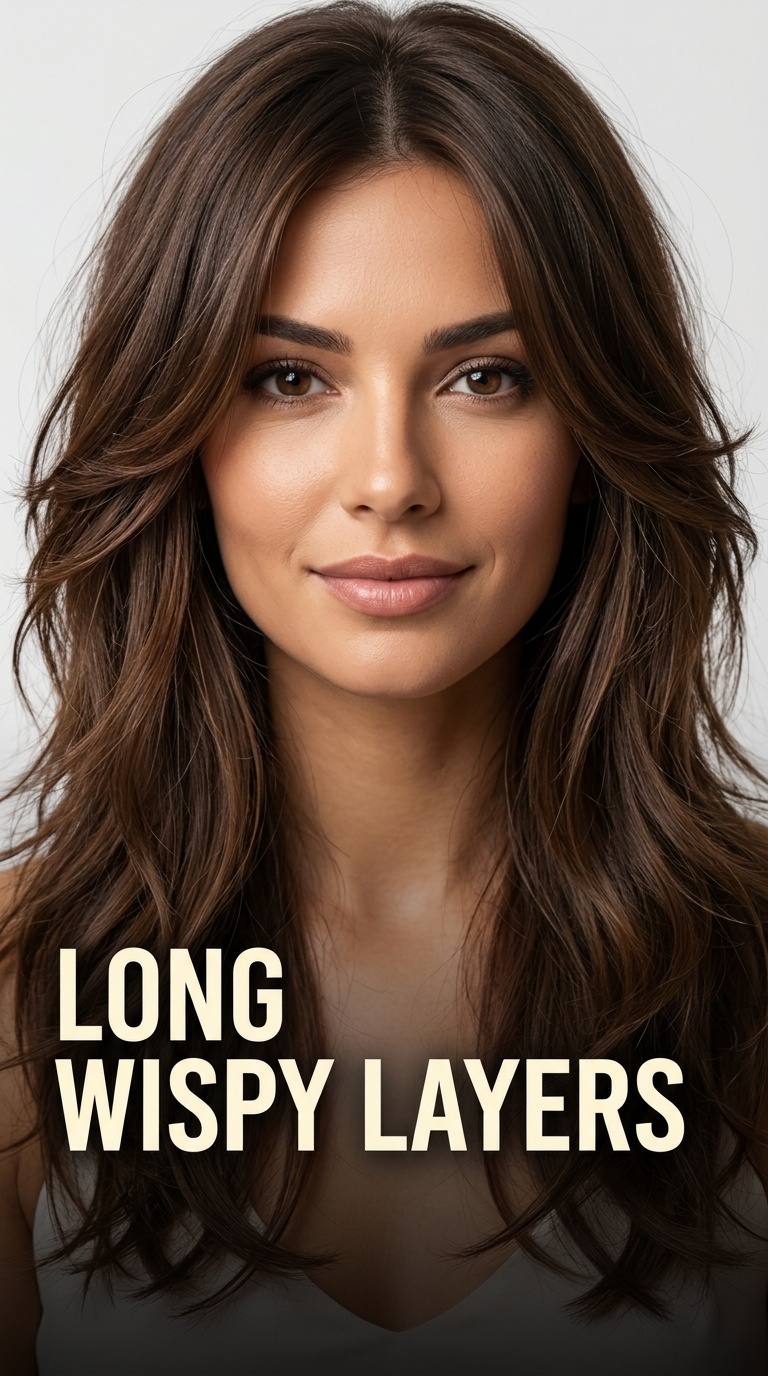
This style focuses on maintaining maximum length while removing weight from the ends. The “wispy” nature of the layers ensures that the hair flows naturally without harsh lines.
It is particularly effective for those with straight or slightly wavy textures. The subtle graduation provides a soft, ethereal appearance that enhances natural movement during motion.
Styling involves minimal effort to maintain the airy feel. A light texturizing spray can help define the delicate ends without weighing down the overall structure.
2. Choppy Shag with Bangs
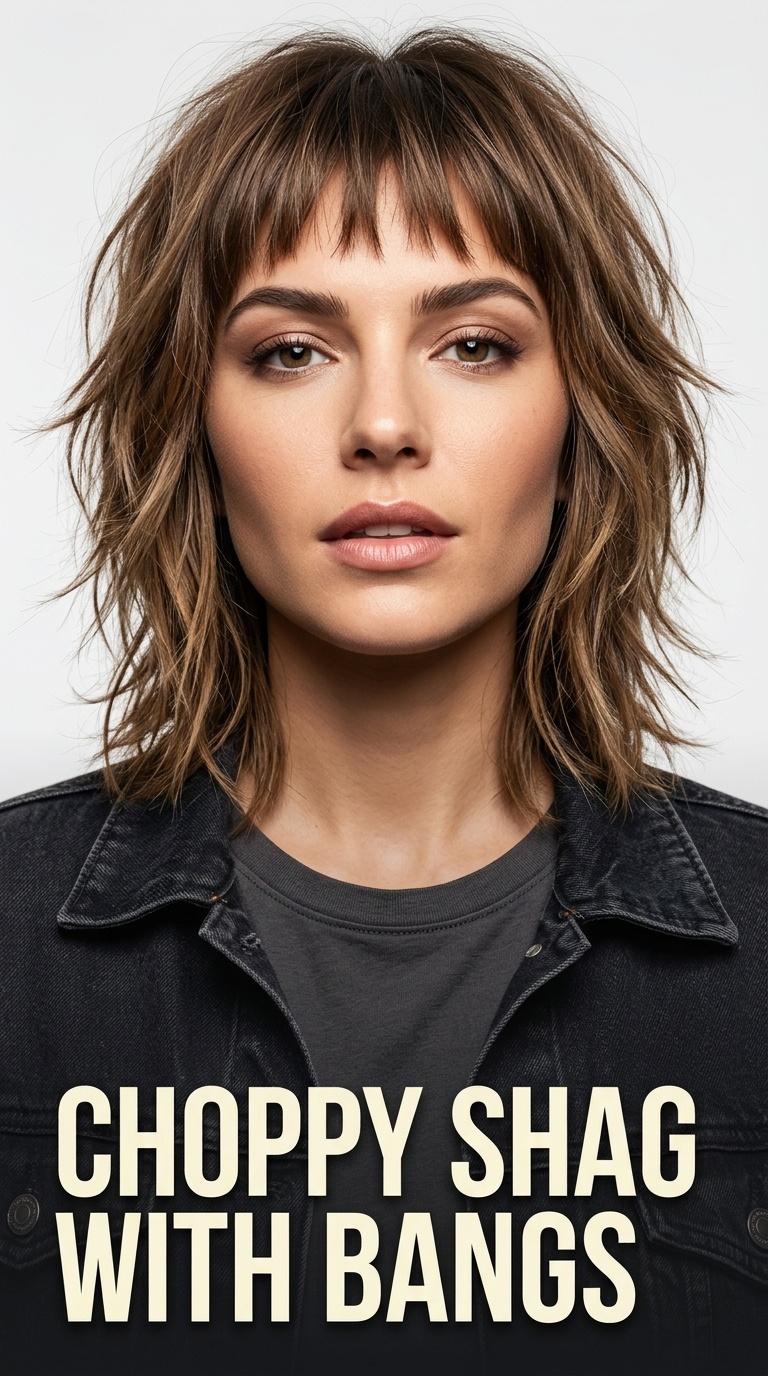
The choppy shag is a high-texture look characterized by heavily disconnected layers. It creates a rebellious, rock-and-roll silhouette that emphasizes volume at the crown and texture throughout.
The addition of bangs helps frame the eyes and forehead. This shape is ideal for adding grit and personality to medium-length hair that otherwise feels flat.
Maintenance involves using sea salt sprays or pomades. These products highlight the “choppy” nature of the cut, ensuring each layer stands out for a lived-in aesthetic.
3. The Classic Butterfly Cut
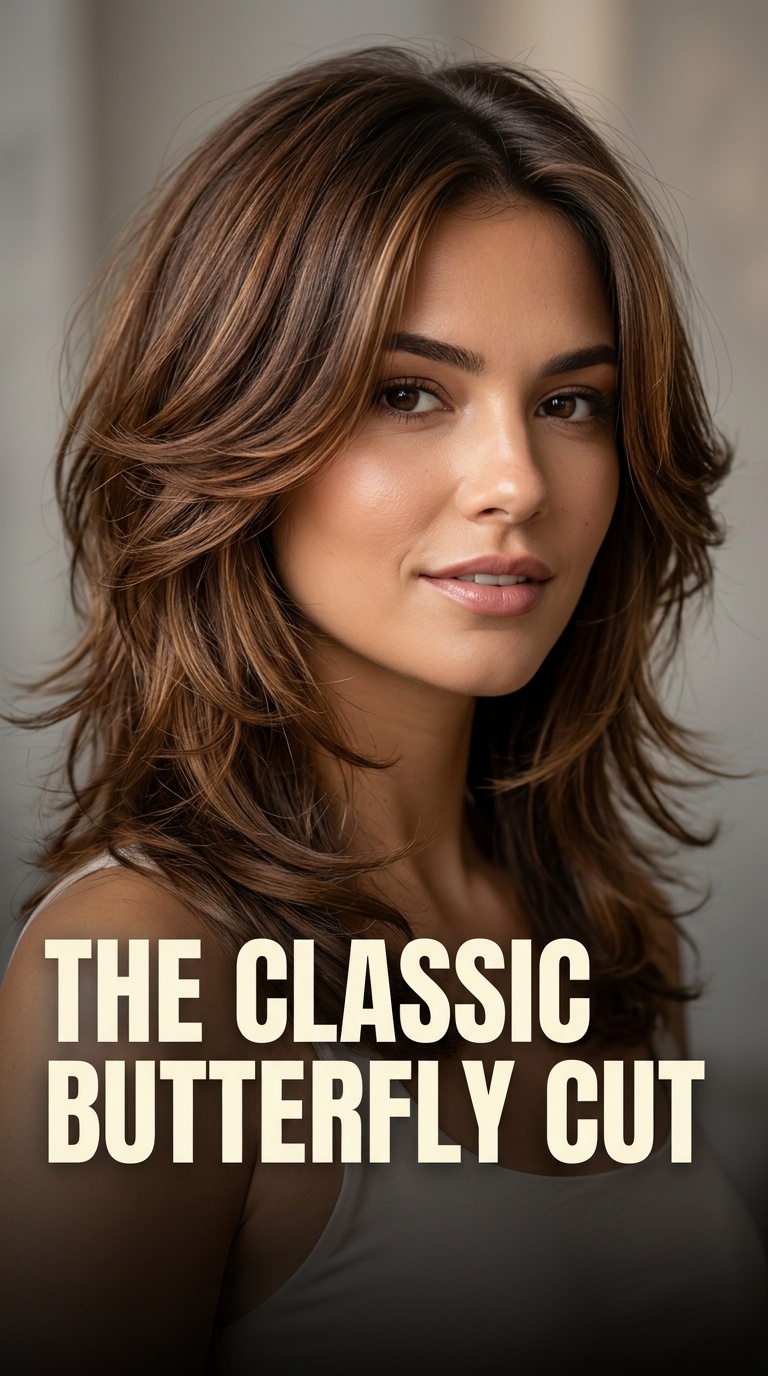
The butterfly cut utilizes short layers around the face paired with longer layers throughout the back. This specific shape creates the illusion of two different lengths in one style.
More Amazing Ideas
 17 Hairstyles for Short Hair with Bangs in Different Shapes and Textures — Read more
 15 Long Hairstyles for Men with Different Textures and Lengths — Read more
 16 Curly Hairstyles for Men with Different Lengths and Shapes — Read more
 16 Hairstyles for Bangs with Layers, Length and Different Textures — Read more
 19 Pixie Hairstyles for Black Women with Different Shapes and Textures — Read more
It provides immense volume and bounce, reminiscent of vintage blowout styles. The shorter top sections can be pinned back or left forward to mimic a shorter bob.
This cut is best suited for those with thick hair who want to reduce bulk. It encourages a feathered finish that looks polished yet incredibly dynamic.
4. Shoulder-Length Face-Framing Layers
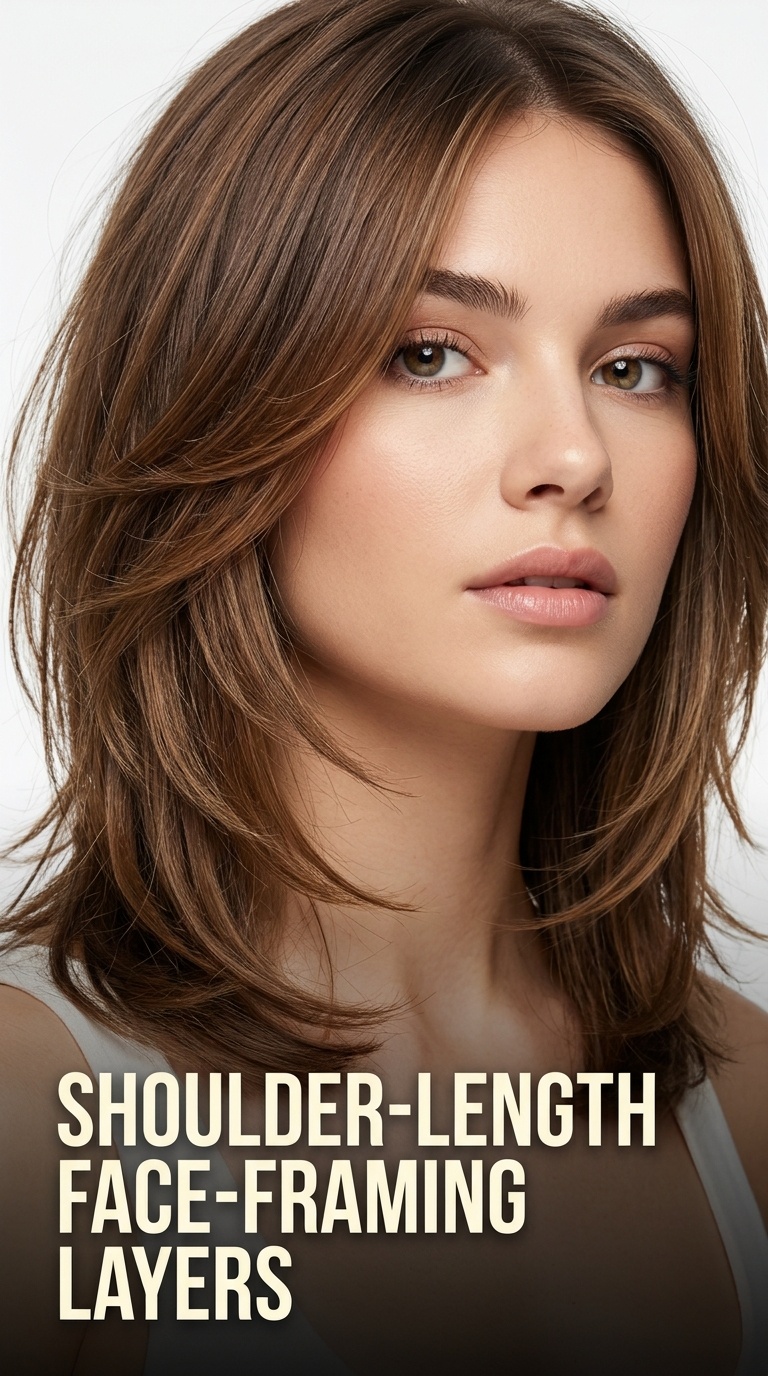
This mid-length style focuses on layers that begin around the chin or cheekbones. By concentrating the detail at the front, it draws immediate attention to facial features.
The shoulder-length base provides a stable foundation for the movement above. It is a versatile choice that works well for professional environments while remaining easy to style.
Rounding the edges of these layers prevents a boxy appearance. It softens the transition between the front and the back for a seamless, cohesive shape.
5. Curly Voluminous Layers
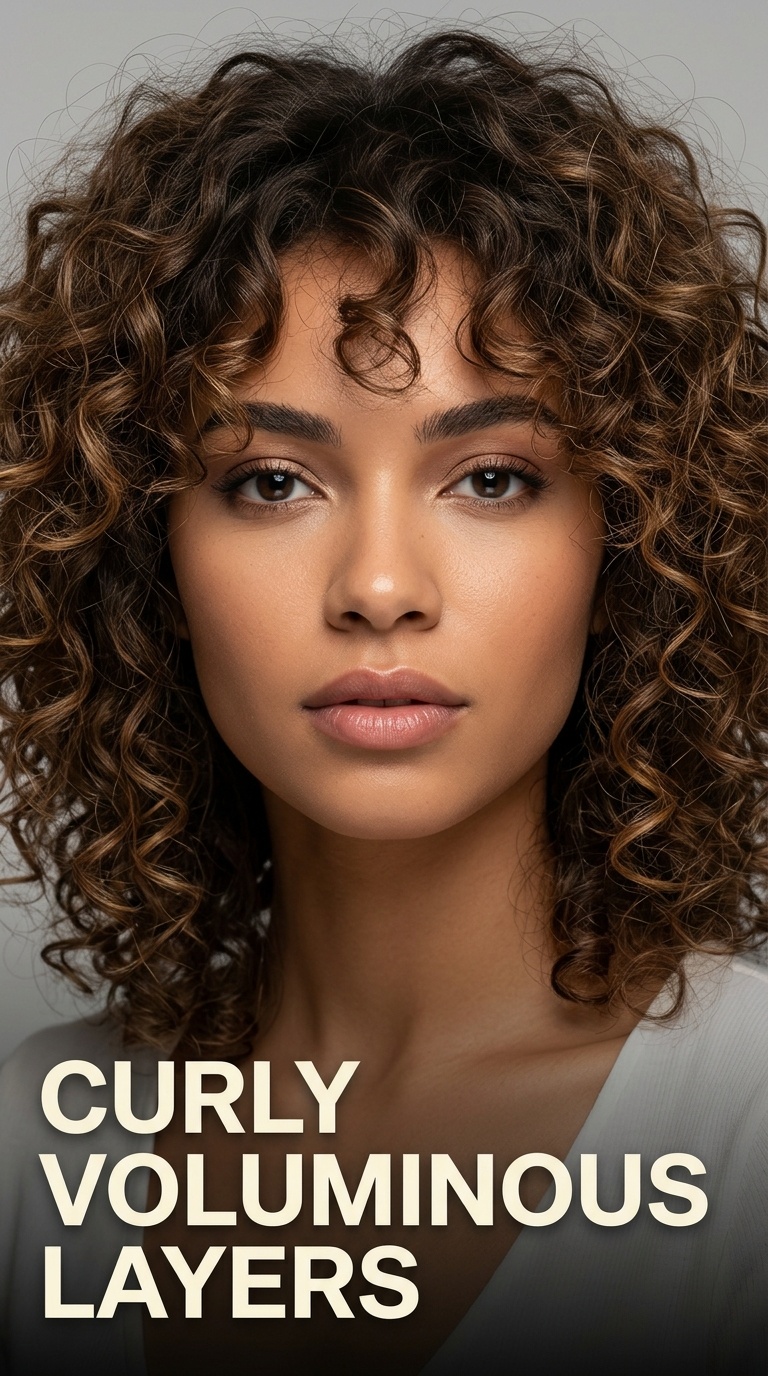
Layering is essential for curly textures to prevent the “triangle” shape. These layers are strategically cut to allow curls to stack and spiral without competing for space.
By removing weight from the interior, the curls gain more spring and definition. This results in a rounded, cloud-like silhouette that celebrates natural volume.
Hydration is key to keeping these layers defined. Using a curl-defining cream ensures that the shape remains crisp and the texture stays frizz-free throughout the day.
6. Sleek V-Shape Cut
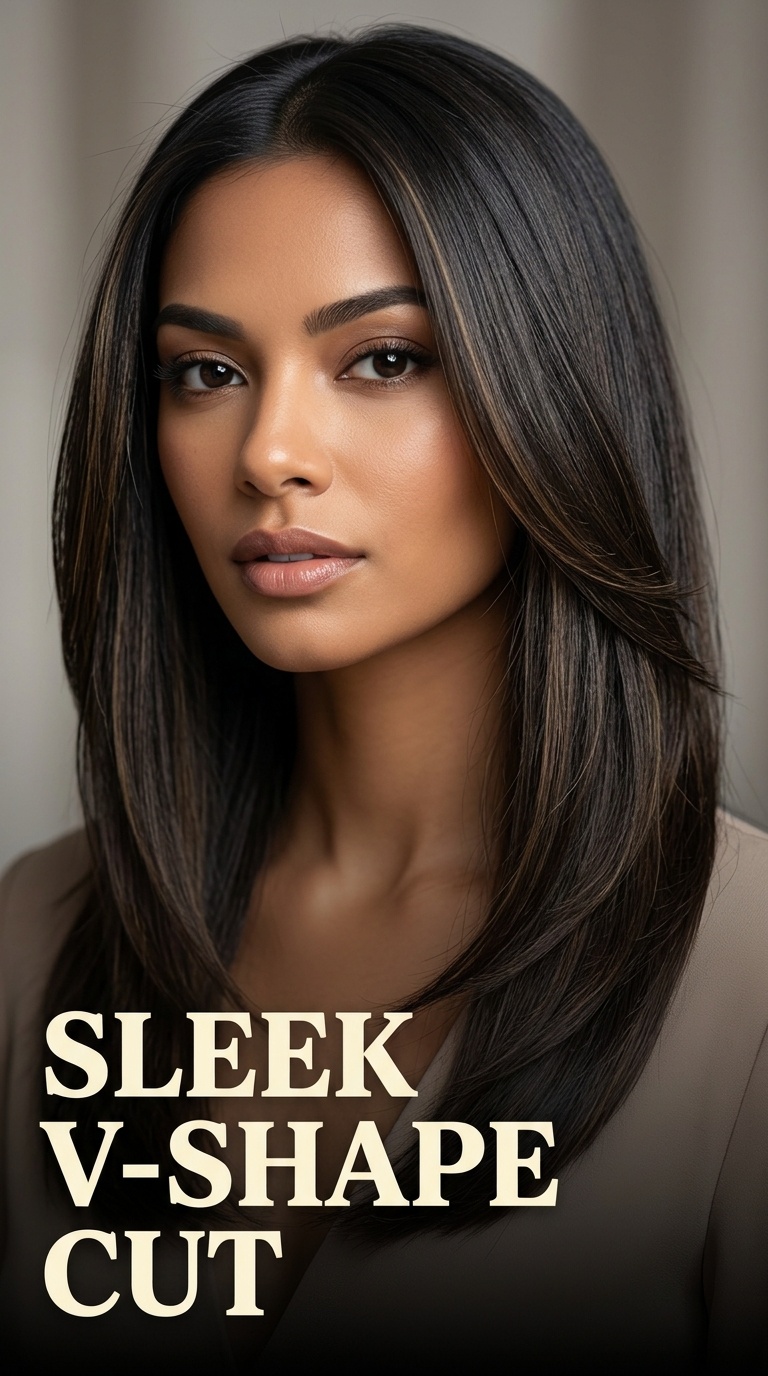
The V-shape cut is defined by layers that angle toward a sharp point at the center of the back. This creates a dramatic silhouette that looks stunning from behind.
When styled sleek and straight, the precision of the layering becomes the focal point. It provides a sense of length while ensuring the ends do not look thin or stringy.
More Amazing Ideas
 18 Low-Cut Hairstyles for Ladies with Different Shapes and Textures — Read more
 17 Girl Hairstyles for School with Different Lengths and Textures — Read more
 19 Hairstyles for Oval Face Shapes with Varied Lengths and Layers — Read more
 17 Hairstyles for Girls with Different Lengths and Textures — Read more
 18 Hairstyles for School with Different Lengths and Textures — Read more
This shape is highly effective for managing very long hair. It provides a structured look that prevents the hair from appearing as a solid, heavy curtain.
7. Short Pixie with Undercut Layers
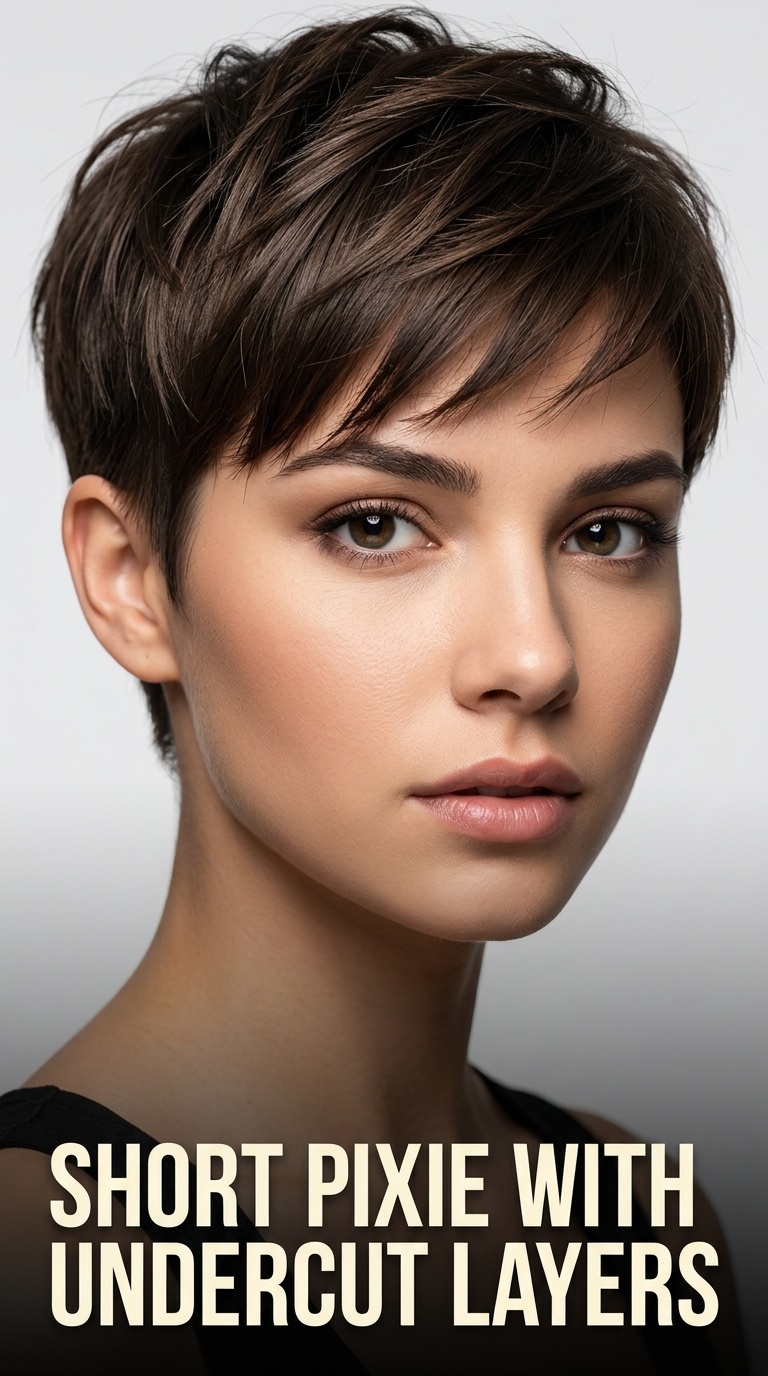
This short hairstyle uses internal layering to create height on top. The undercut sections remove bulk from the sides and nape, emphasizing the texture above.
It is a bold choice that highlights the natural contour of the head. The layers on top can be styled forward, spiked, or slicked back for different effects.
Regular trims are necessary to keep the sharp contrast between the layers and the undercut. It is a low-maintenance daily style that offers high visual impact.
8. The Modern Wolf Cut
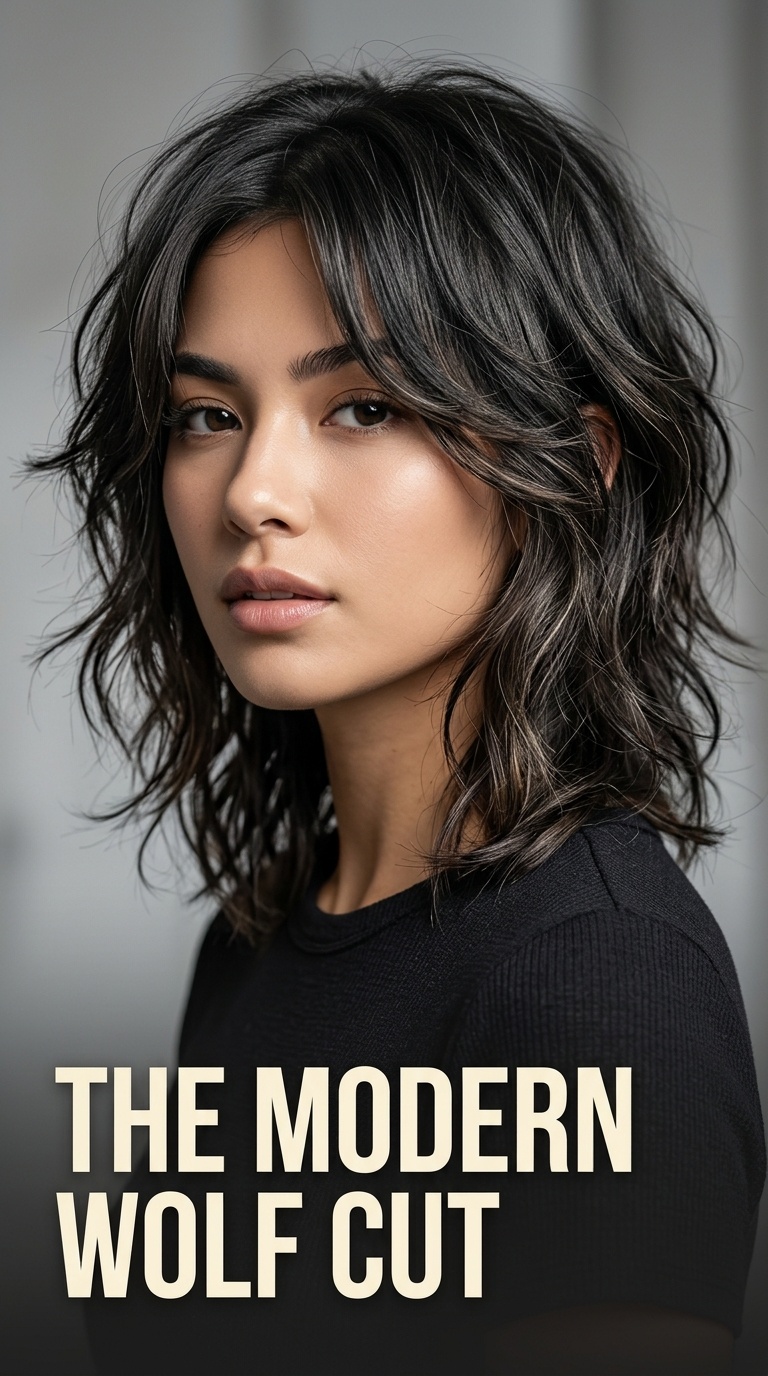
A hybrid of the shag and the mullet, the wolf cut features heavy layering and a tapered finish. It is characterized by extreme volume at the top and thin, wispy ends.
The shape is inherently wild and textured, making it perfect for those who prefer a messy look. It adapts well to various hair densities by adjusting the depth of the layers.
Styling usually requires a diffuser or air-drying with a grip-enhancing cream. This helps the “mane-like” layers hold their shape without falling flat.
9. Textured Lob (Long Bob)
The textured lob is a sophisticated shoulder-grazing style with subtle internal layers. These layers are hidden within the cut to provide movement without sacrificing the blunt perimeter.
It offers a contemporary look that is easy to manage and style. The internal layers prevent the bob from looking too stiff or “helmet-like.”
More Amazing Ideas
 18 Loc Hairstyles for Black Women with Different Lengths and Shapes — Read more
 19 Twist Hairstyles for Black Women with Different Textures and Lengths — Read more
 18 Hairstyles for Locs with Different Lengths, Shapes and Updos — Read more
 19 Hairstyles for Round Face Shapes with Flattering Layers and Bangs — Read more
 18 Hairstyles for School for Different Hair Types and Lengths — Read more
This style is perfect for those transitioning from long to short hair. It provides enough length for updos while maintaining the crispness of a shorter cut.
10. Heavy 90s Blowout Layers
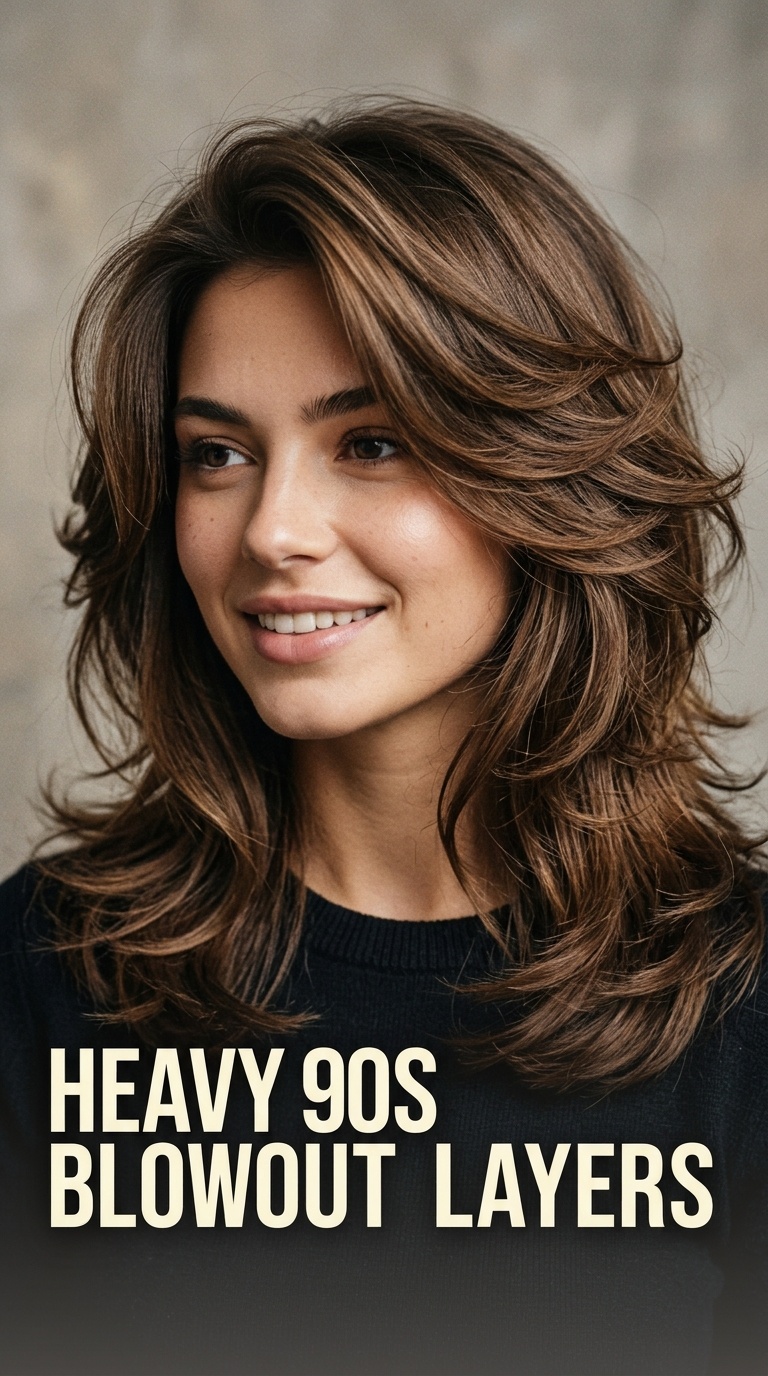
Inspired by supermodel aesthetics, these layers are cut deeply into the hair to support massive volume. The focus is on roundness and bounce at every level.
The hair is typically cut into “tiers” that stack beautifully when blow-dried with a round brush. This creates a luxurious, high-glamour shape that feels full and healthy.
To maintain this look, a volumizing mousse and a large-barrel tool are required. The layers are designed to catch the air, providing constant motion.
11. Tapered Afro Layers
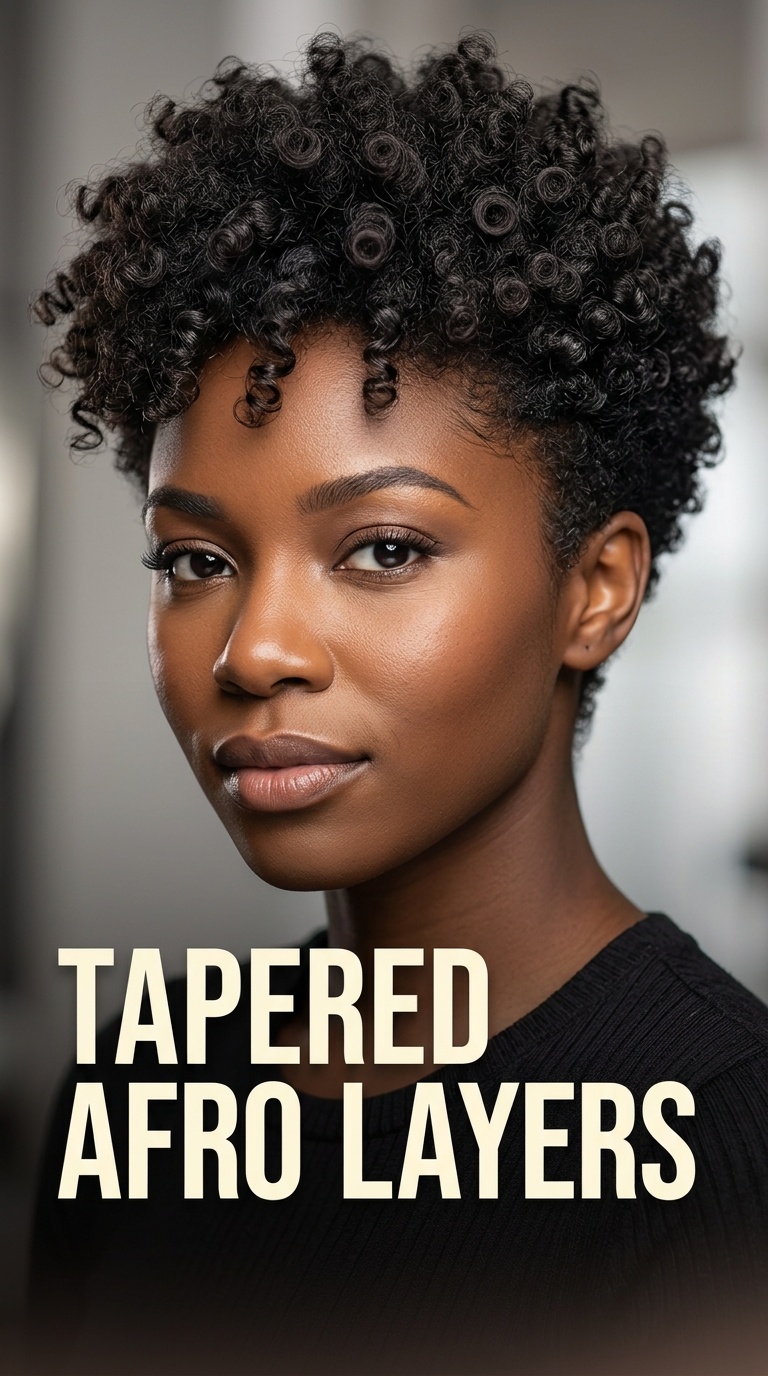
This style uses layering to create a specific architectural shape for tightly coiled hair. The sides and back are often tapered shorter to direct the volume upward.
It creates a regal silhouette that highlights the natural strength of the texture. The layers ensure the hair grows out in a balanced, intentional way.
Moisture retention is the priority for maintaining the integrity of these layers. Regular deep conditioning helps the shape stay defined and prevents the ends from becoming brittle.
12. Blunt Cut with Internal Layering
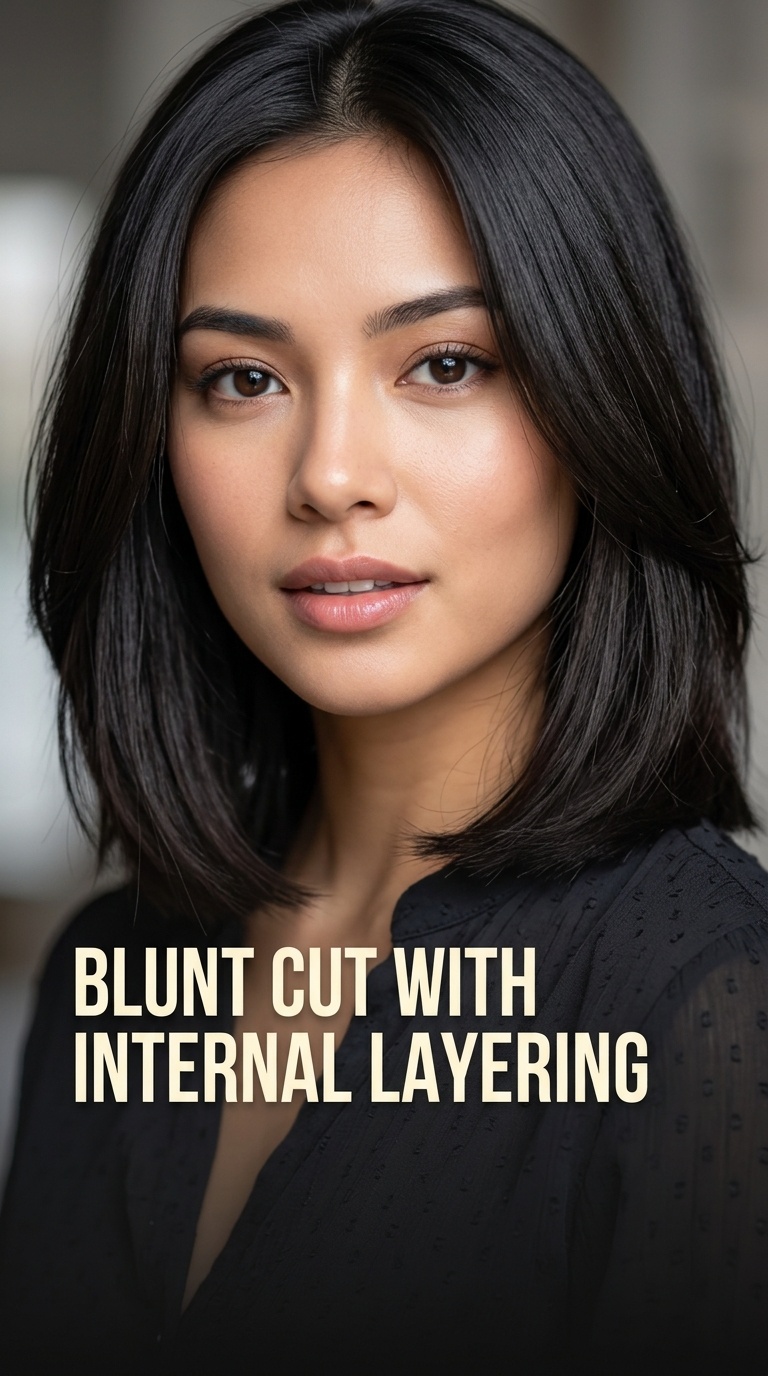
On the surface, this looks like a solid, one-length cut with a thick edge. However, “ghost layers” are cut underneath to remove weight and add hidden flexibility.
This technique is ideal for thick, straight hair that tends to feel heavy. It allows the hair to swing freely without the choppy appearance of traditional layers.
It is a “best of both worlds” approach. You get the visual impact of a blunt, healthy edge with the manageability of a layered style.
More Amazing Ideas
 17 Box Braid Hairstyles for Black Women in Different Lengths — Read more
 15 Cornrow Hairstyles for Men with Different Patterns and Lengths — Read more
 15 Hairstyles for Women Across Lengths, Textures and Styles — Read more
 18 Loc Hairstyles for Women with Different Lengths and Styles — Read more
 15 Hairstyles for Boys with Different Cuts and Hair Textures — Read more
13. Mid-Length Shag with Curtain Bangs
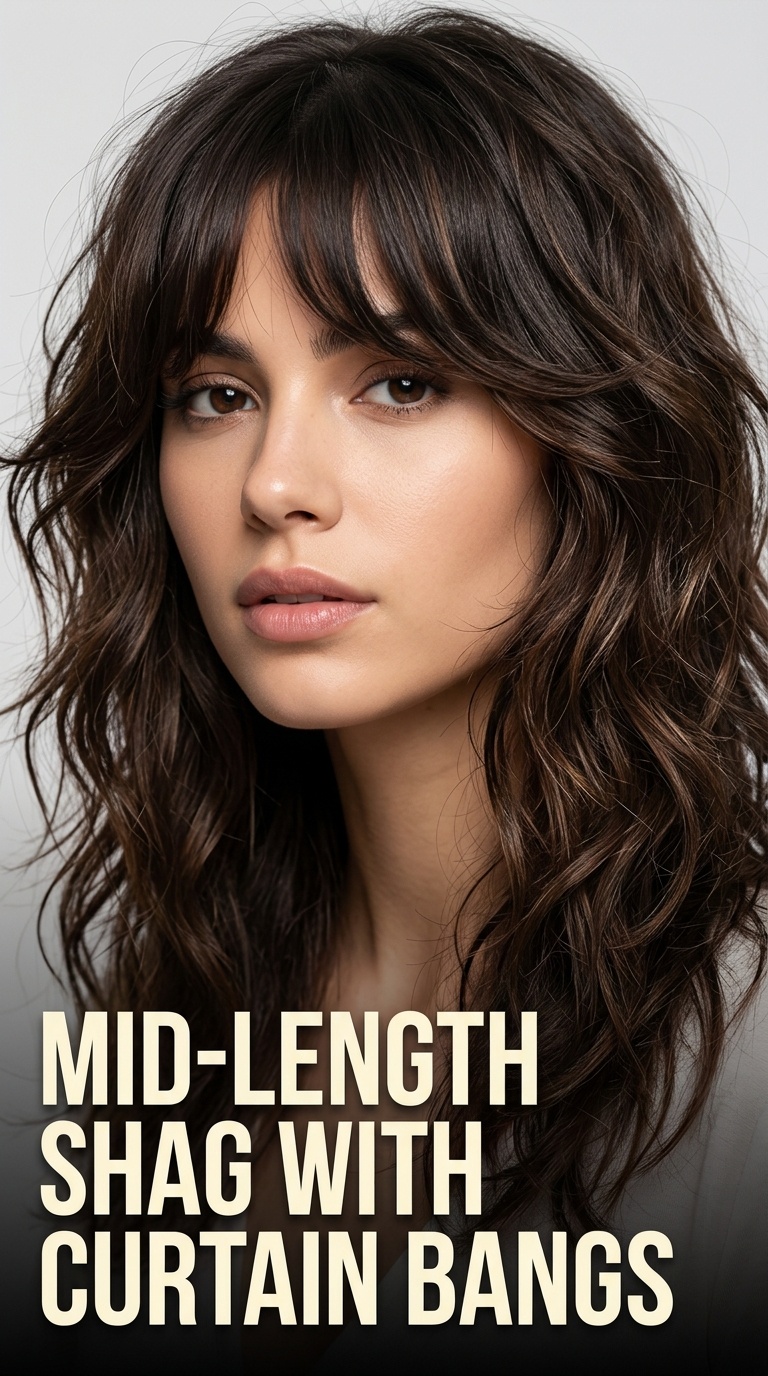
This style combines the messy texture of a shag with the soft framing of curtain bangs. The layers are concentrated in the mid-lengths to create a “bottleneck” effect.
Curtain bangs blend seamlessly into the side layers, creating a continuous flow of movement. This shape is universally flattering and very easy to grow out.
It works exceptionally well for wavy hair, as the layers encourage the natural S-pattern. A simple air-dry with some leave-in conditioner is often all that is needed.
14. Waterfall Layers for Straight Hair
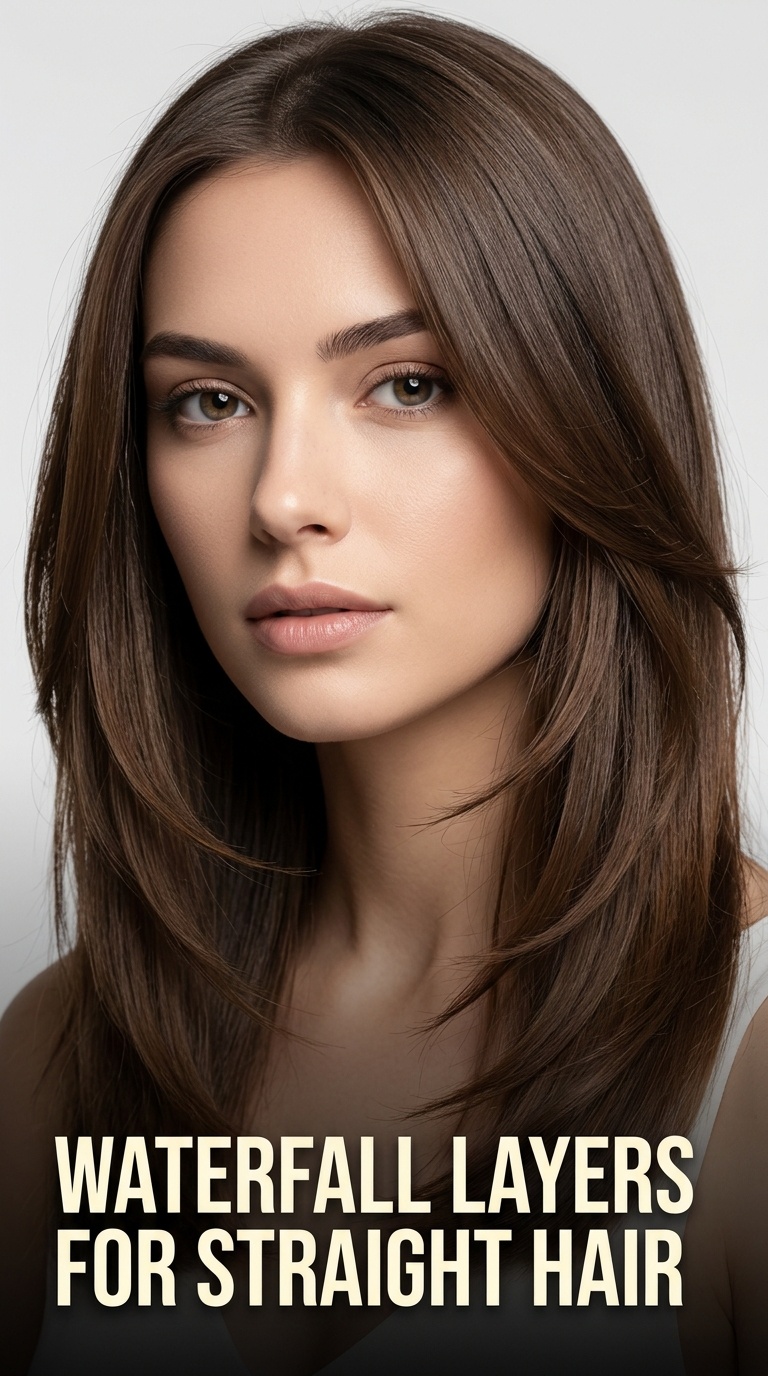
Waterfall layers are cut in a cascading fashion from the top down. Each layer is slightly longer than the one above it, creating a smooth, flowing effect.
For straight hair, this prevents the “shelf” look where layers appear disconnected. The result is a sleek, vertical silhouette that looks polished and professional.
This cut is excellent for adding interest to very long hair. It breaks up the monotony of the length while keeping the hair looking dense and vibrant.
15. Razored Edgy Bob
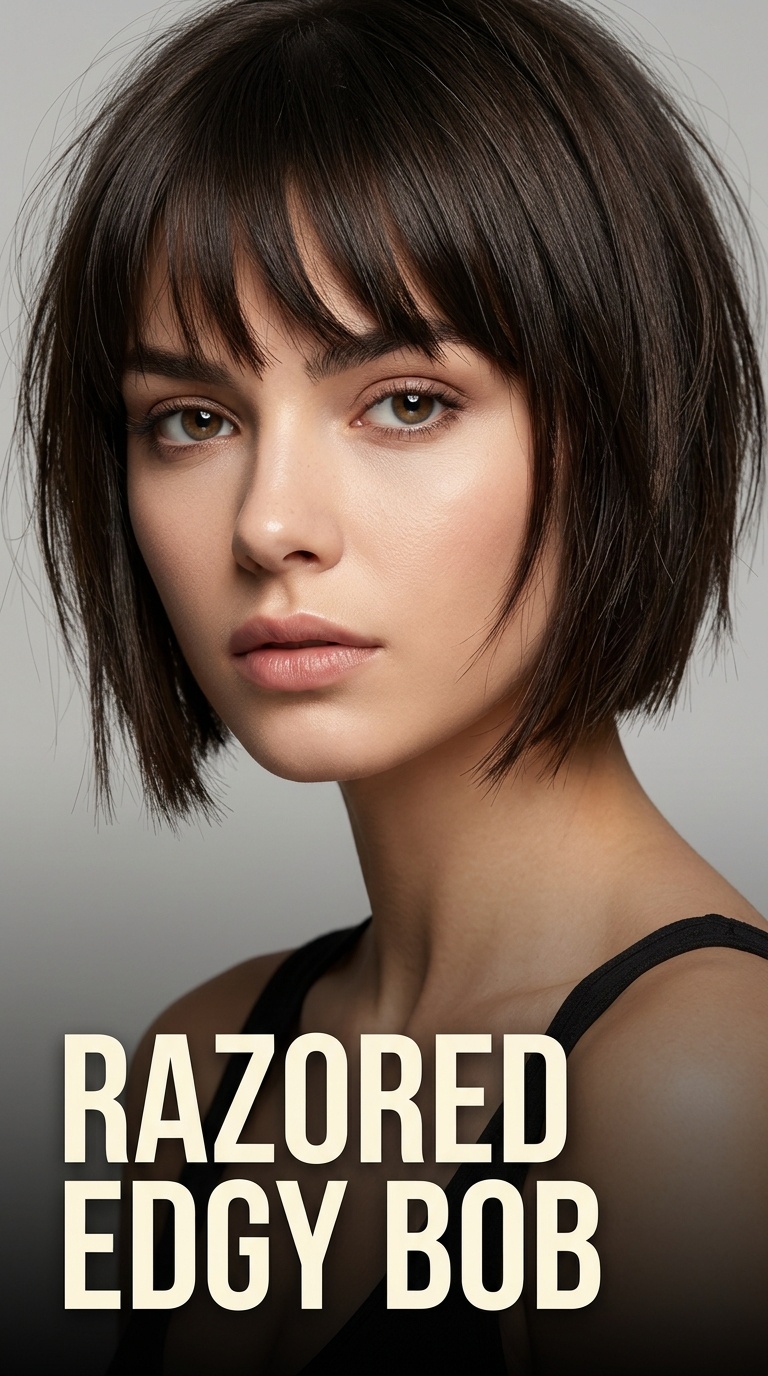
Using a razor instead of shears creates tapered, sharp ends for each layer. This produces an edgy, deconstructed bob that feels light and airy.
The shape is less about precision and more about movement and “lived-in” texture. It is a fantastic option for those with fine hair looking for more grit.
Styling involves using a dry shampoo or texture paste. These products emphasize the separated ends created by the razor technique.
16. Coiled Layers with Tapered Sides
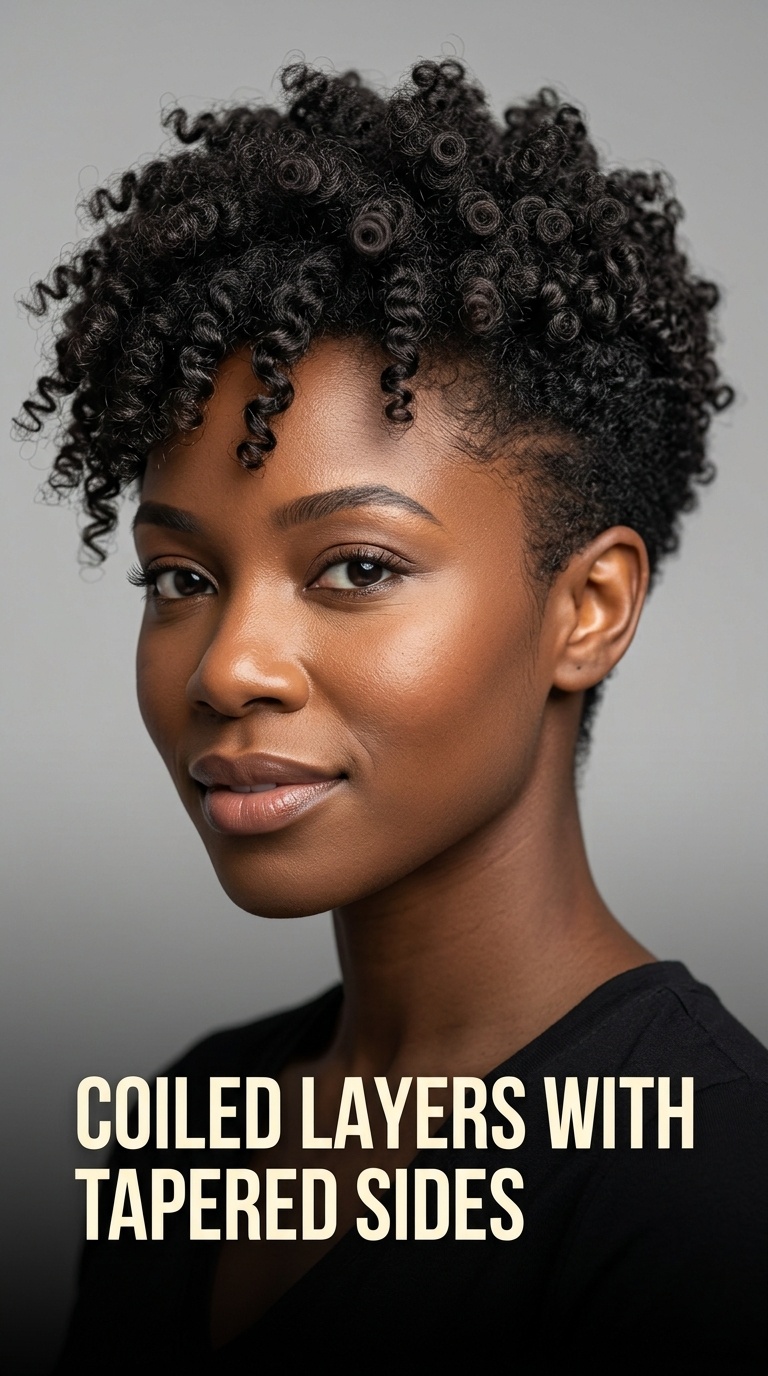
This shape focuses on height and verticality for coiled textures. The layers are cut to different lengths on the crown to prevent the hair from looking flat on top.
More Amazing Ideas
 17 Braid Hairstyles for Men with Different Patterns and Lengths — Read more
 17 Two-Braid Hairstyles for Black Women with Different Parts and Lengths — Read more
 15 Braid Hairstyles for Kids with Different Patterns and Lengths — Read more
 16 Dread Hairstyles for Men with Different Lengths and Patterns — Read more
 18 Summer Hairstyles for Different Hair Types and Lengths — Read more
Tapering the sides provides a clean, structured frame for the voluminous coils. It creates a modern, sharp silhouette that is both stylish and practical.
Regular scalp care and curl definition are essential. The layers work best when each coil is hydrated and able to stand independently.
17. Asymmetrical Layered Bob
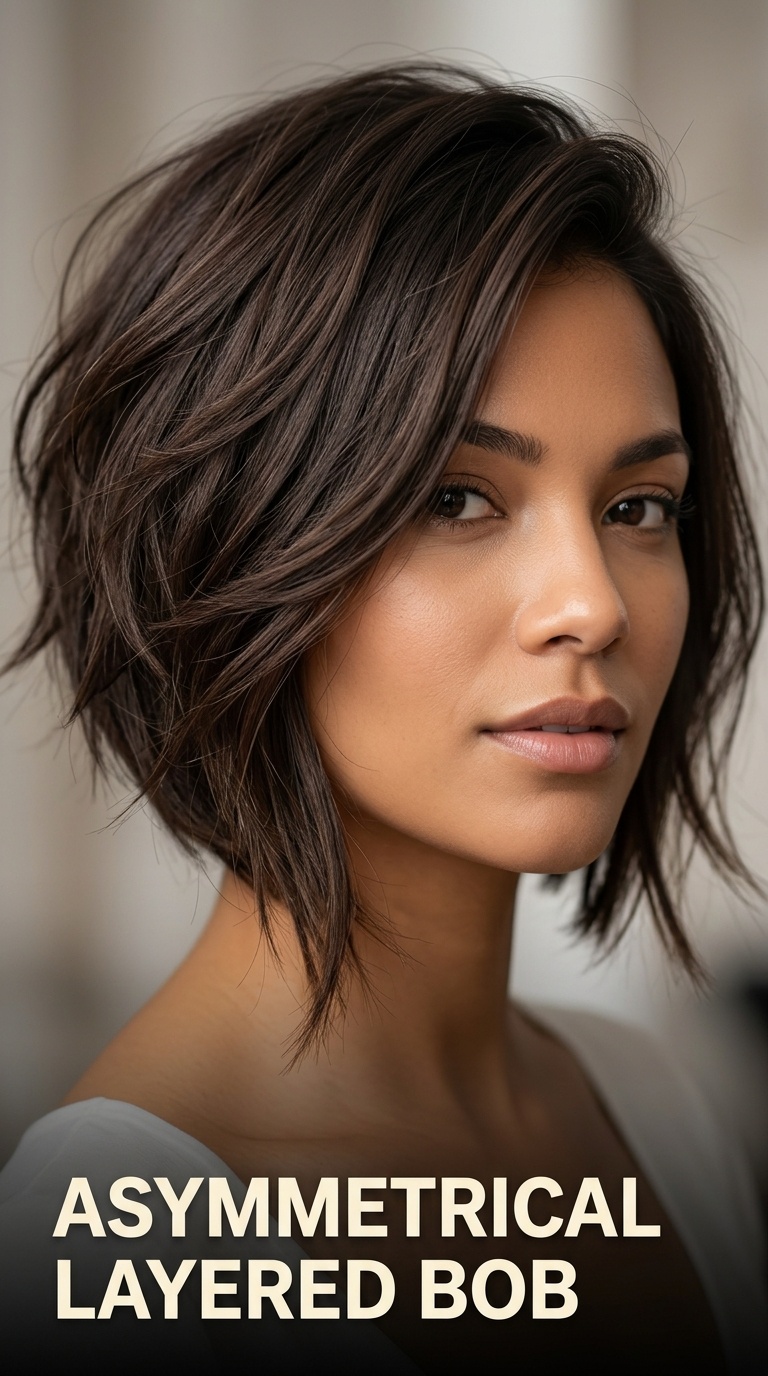
One side of this bob is cut longer than the other, with layers added throughout to balance the weight. The asymmetry creates a striking visual interest.
The layers help the hair sit correctly despite the uneven lengths. This prevents the longer side from looking too heavy and the shorter side from looking too thin.
It is a geometric shape that requires precision cutting. It is perfect for those who want a modern, artistic look that stands out in a crowd.
18. Ghost Layers for Thin Hair
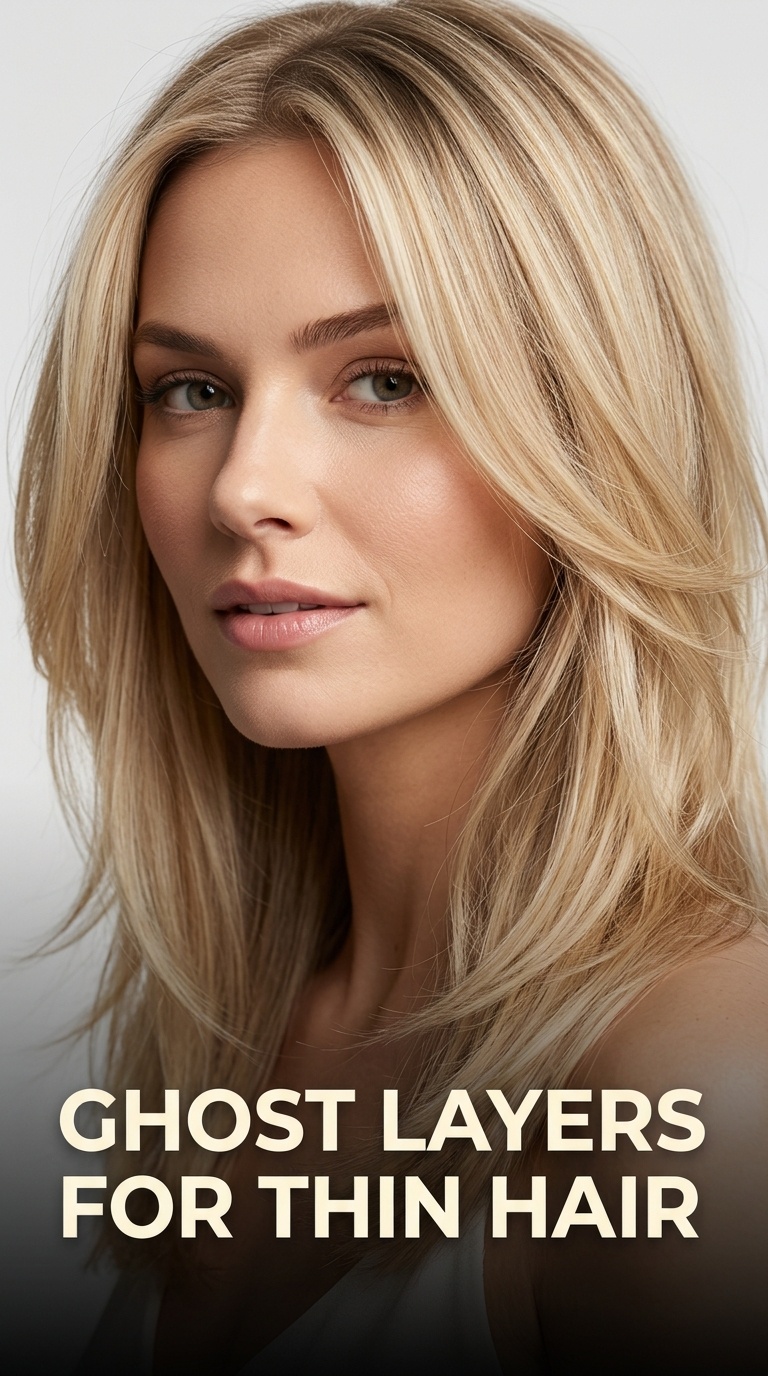
Ghost layers are incredibly subtle and cut at varying lengths beneath the top layer of hair. They are designed to be invisible while providing lift and volume.
This is the perfect solution for thin hair that can look sparse with traditional layering. It adds “air” to the style without thinning out the ends.
Because the layers are hidden, the hair still looks like it has a thick, solid base. It provides a boost of confidence for those struggling with flatness.
19. Bohemian Extra-Long Layers
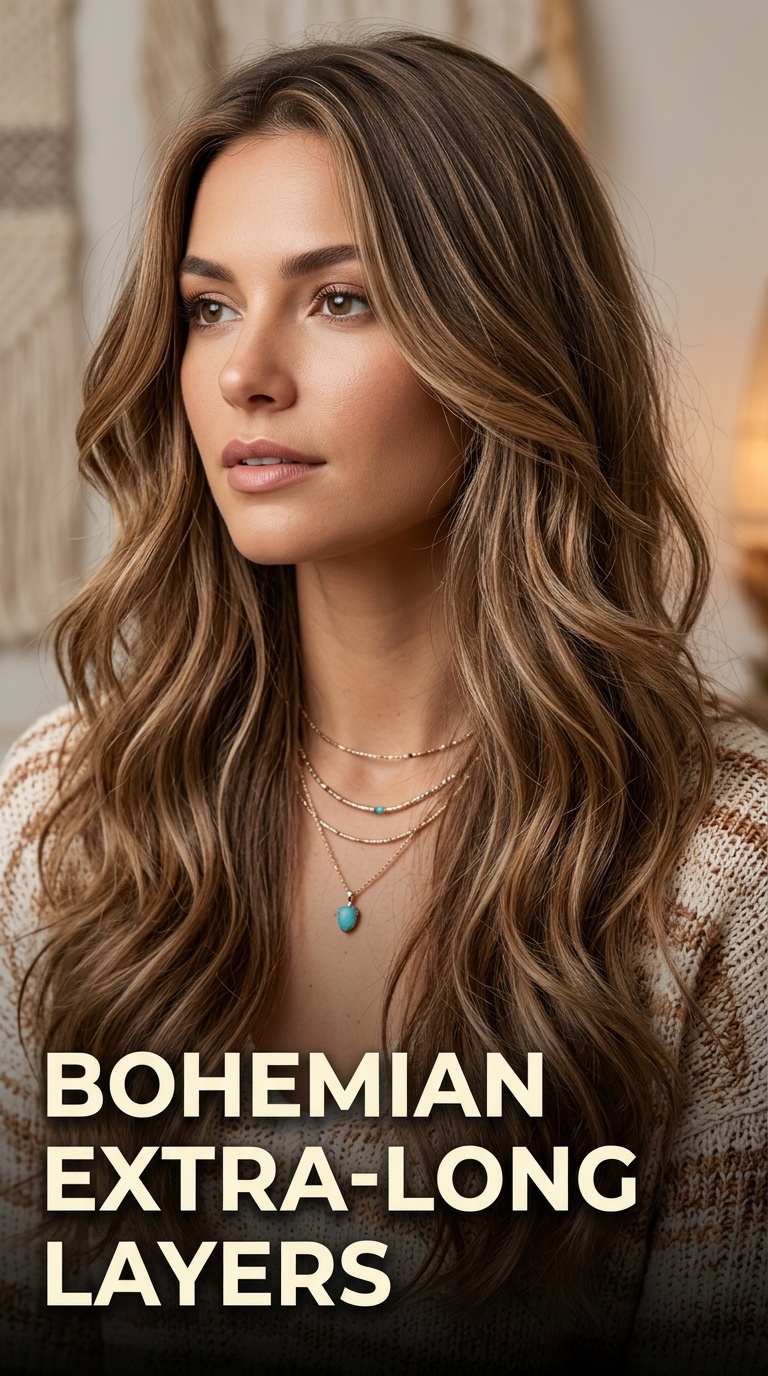
This style embraces extreme length with layers that start below the chest. It creates a relaxed, “boho-chic” vibe that feels effortless and natural.
The layers prevent the ends from becoming dry or tangled by removing old growth while keeping the length. It encourages a soft wave pattern throughout.
More Amazing Ideas
 19 Back-to-School Hairstyles for Different Hair Types and Lengths — Read more
 17 Weaving Hairstyles for Natural Hair with Different Lengths and Looks — Read more
 16 Dance Hairstyles with Secure Styling for Different Hair Lengths — Read more
 19 Flat Iron Hairstyles for Black Women with Sleek Lengths and Shape — Read more18 Hairstyles for Long Faces with Layers, Bangs and Balanced Shape — Read more
Maintenance involves minimal heat and maximum nourishment. Using hair oils on the layered ends keeps the long silhouette looking healthy and shimmering.
How do layers affect hair volume?
Layers can either increase or decrease volume depending on the technique used. Short layers at the crown create lift and height, while internal thinning layers can reduce bulk in very thick hair.
Are layers suitable for all face shapes?
Yes, layering is highly customizable and can be used to balance any face shape. For example, face-framing layers can soften a square jawline, while long layers can help elongate a rounder face.
How often should layers be trimmed?
To keep the shape of a layered cut looking fresh, a trim every 6 to 8 weeks is generally recommended. This prevents the layers from losing their definition as the hair grows out at different rates.
Can I have layers with very curly hair?
Absolutely. In fact, layers are often necessary for curly hair to prevent it from becoming bottom-heavy. Layering allows curls to stack properly and move independently, enhancing their natural shape.
Do layers make hair look thinner or thicker?
Layers can make thin hair look thicker by adding movement and “air” to the style. Conversely, they can make very thick hair appear more manageable and less heavy by removing internal weight.
What tools are best for styling layered hair?
A round brush and a blow dryer are the most common tools for emphasizing layers. For a more textured look, a wide-tooth comb and a diffuser or a high-quality texturizing iron can help define the different lengths.


