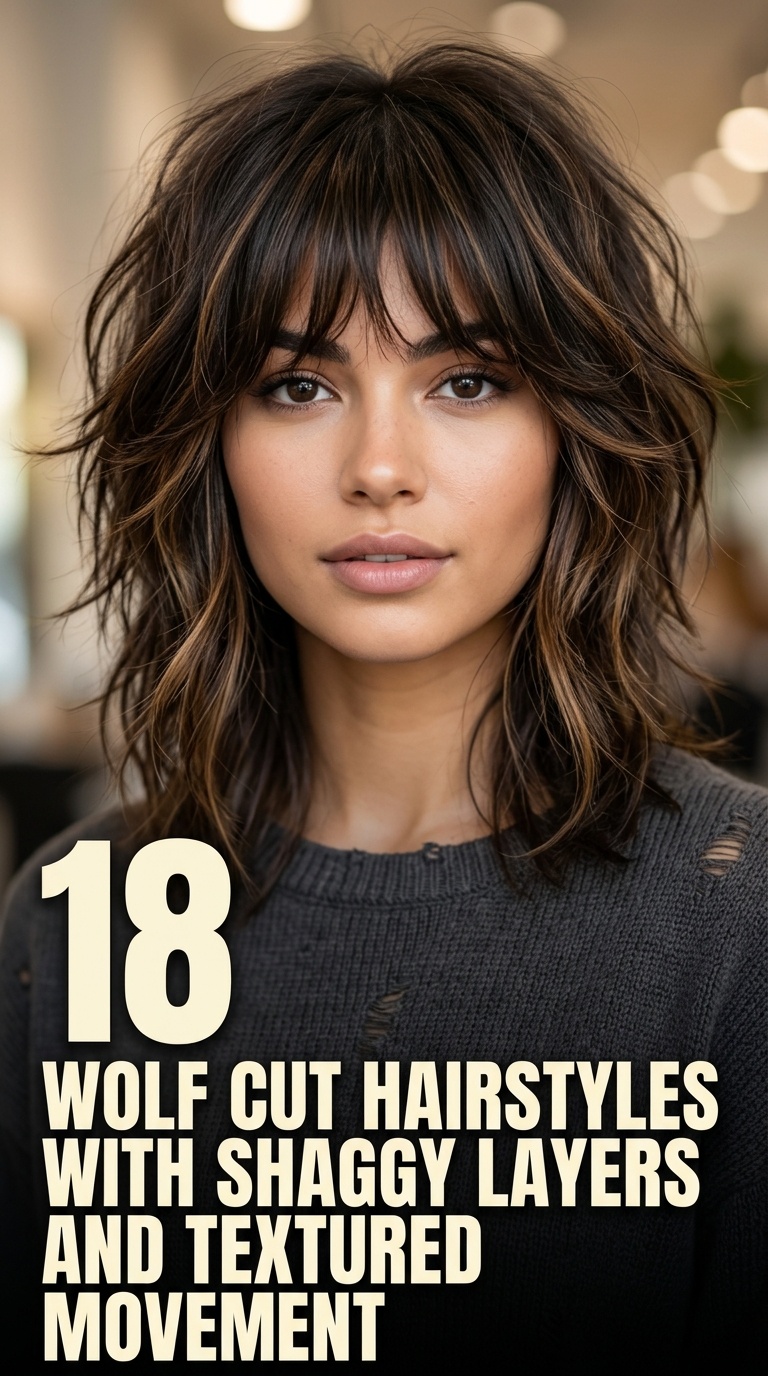
The wolf cut has taken the hair world by storm. It perfectly blends the rebellious edge of a mullet with the soft, wearable layers of a classic shag.
This hybrid style focuses on crown volume and tapered ends. It offers a wild, effortless aesthetic that works beautifully across various hair textures and lengths.
Movement is the defining characteristic of this look. By incorporating shaggy layers and intentional texturizing, your hair achieves a lived-in feel that requires minimal styling effort.
If you are ready for a bold transformation, these variations provide the ultimate inspiration. Here are 18 wolf cut hairstyles with shaggy layers and textured movement.
1. The Classic Razor-Cut Wolf
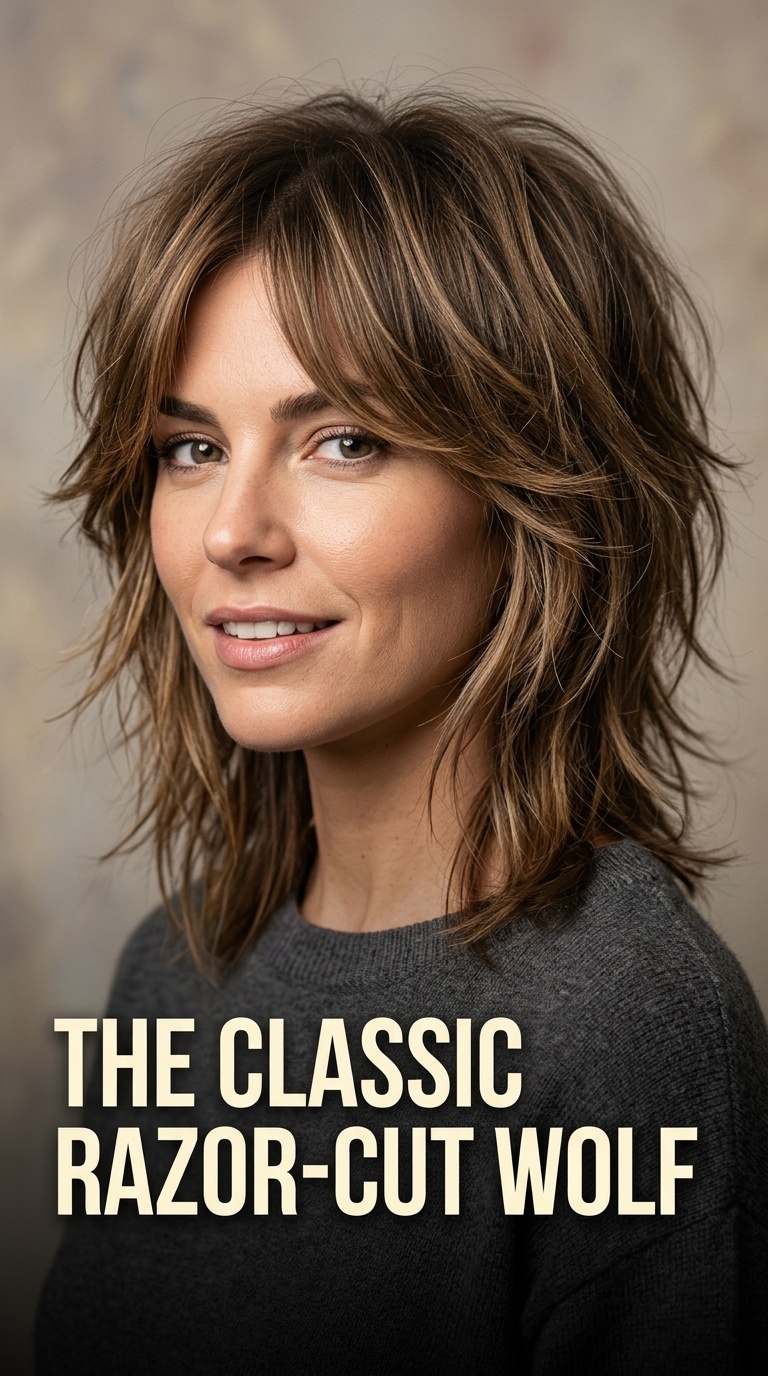
The classic version of this cut relies heavily on a razor technique to create thin, wispy ends. This method removes weight from the mid-lengths while maintaining a full, voluminous crown.
The shaggy layers are strategically placed to enhance the hair’s natural fall. By using a razor, stylists can achieve a seamless transition between the short top layers and the longer lengths.
This look thrives on “messy” movement. A quick blast with a sea salt spray is usually all that is needed to bring out the gritty, textured finish.
2. Curly Wolf with Enhanced Volume
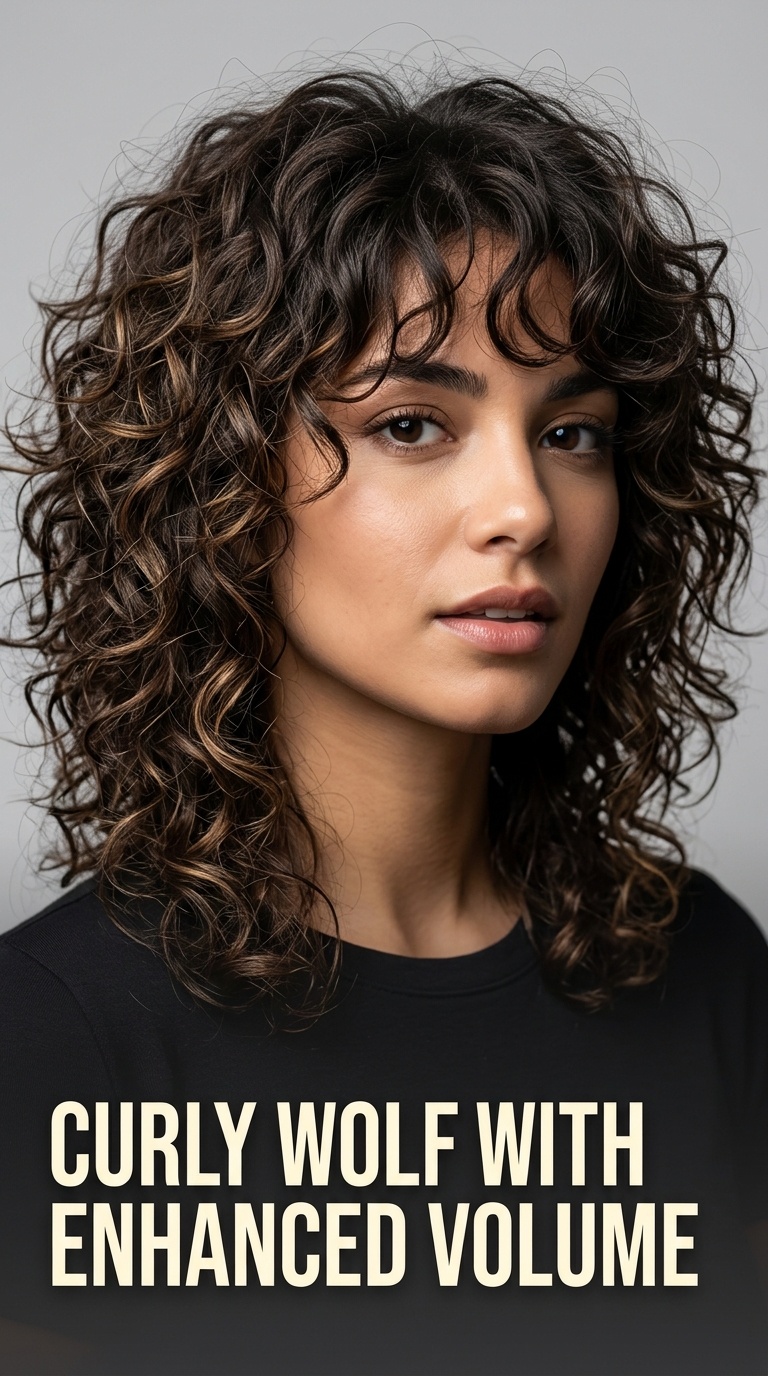
Naturally curly hair is a perfect match for the wolf cut silhouette. The short layers at the top prevent the “triangle” shape that often occurs with one-length curly cuts.
The textured movement comes from the way the curls bounce independently. Shaggy layers are cut to follow the natural curl pattern, ensuring the hair looks organized yet wild.
To maintain this look, use a lightweight curl cream. This helps define the shaggy pieces without weighing down the volume at the roots, keeping the movement airy.
More Amazing Ideas
 18 Hairstyles for Long Straight Hair with Layers and Movement — Read more
 18 Hairstyles for Shoulder Length Hair with Layers and Texture — Read more
 19 Bob Hairstyles for Fine Hair with Layers, Shape and Movement — Read more
 16 Curl Hairstyles for Medium Hair with Layers and Movement — Read more
 19 Hairstyles for Wavy Hair with Layers, Texture and Movement — Read more
3. Wispy Shoulder-Length Shag
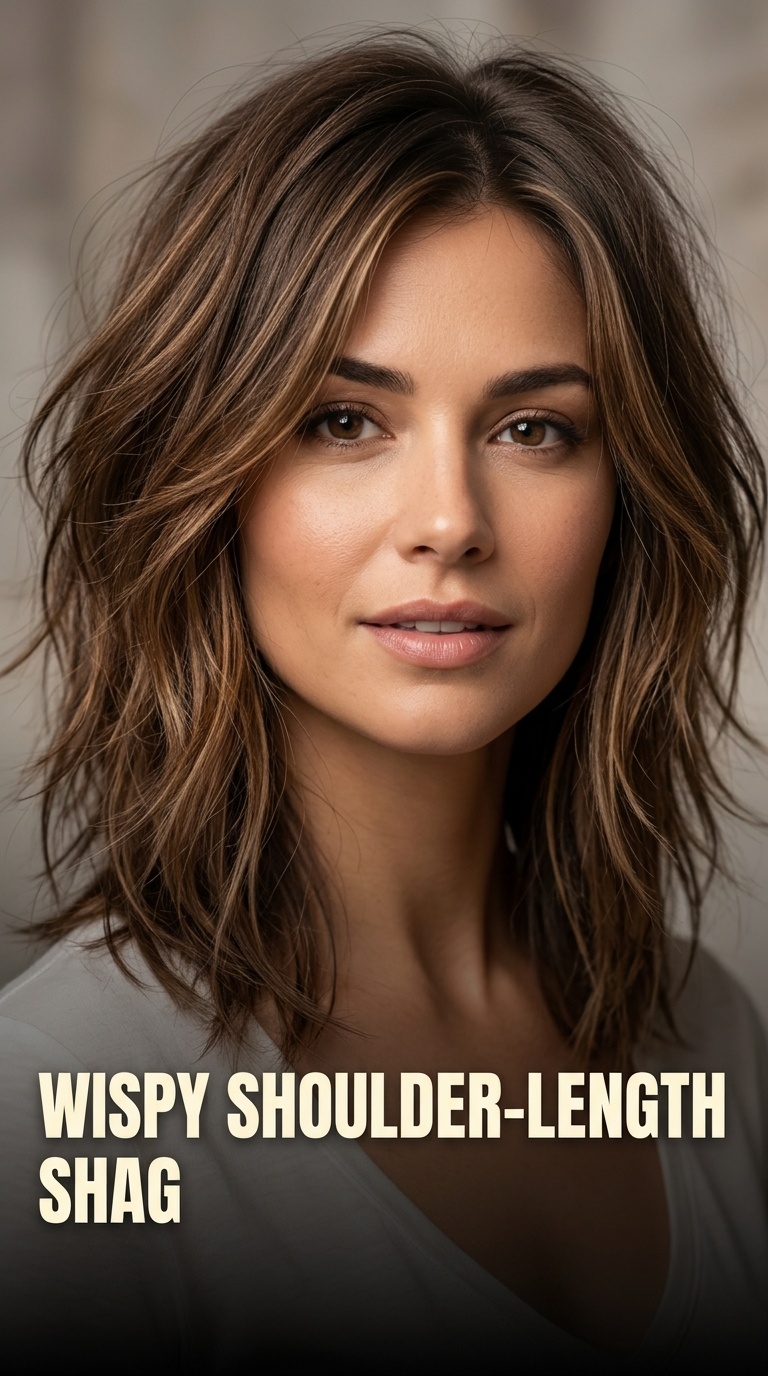
This variation is ideal for those who prefer a medium length. It focuses on face-framing pieces that start at the cheekbones and cascade down to the shoulders.
The movement in this style is subtle but effective. By texturizing the ends, the hair gains a “flippy” quality that adds personality to an otherwise standard lob shape.
Because the layers are so wispy, this cut provides a lot of lift. It is a fantastic option for someone looking to add visual thickness to their overall hair profile.
4. The Micro-Wolf with Choppy Bangs
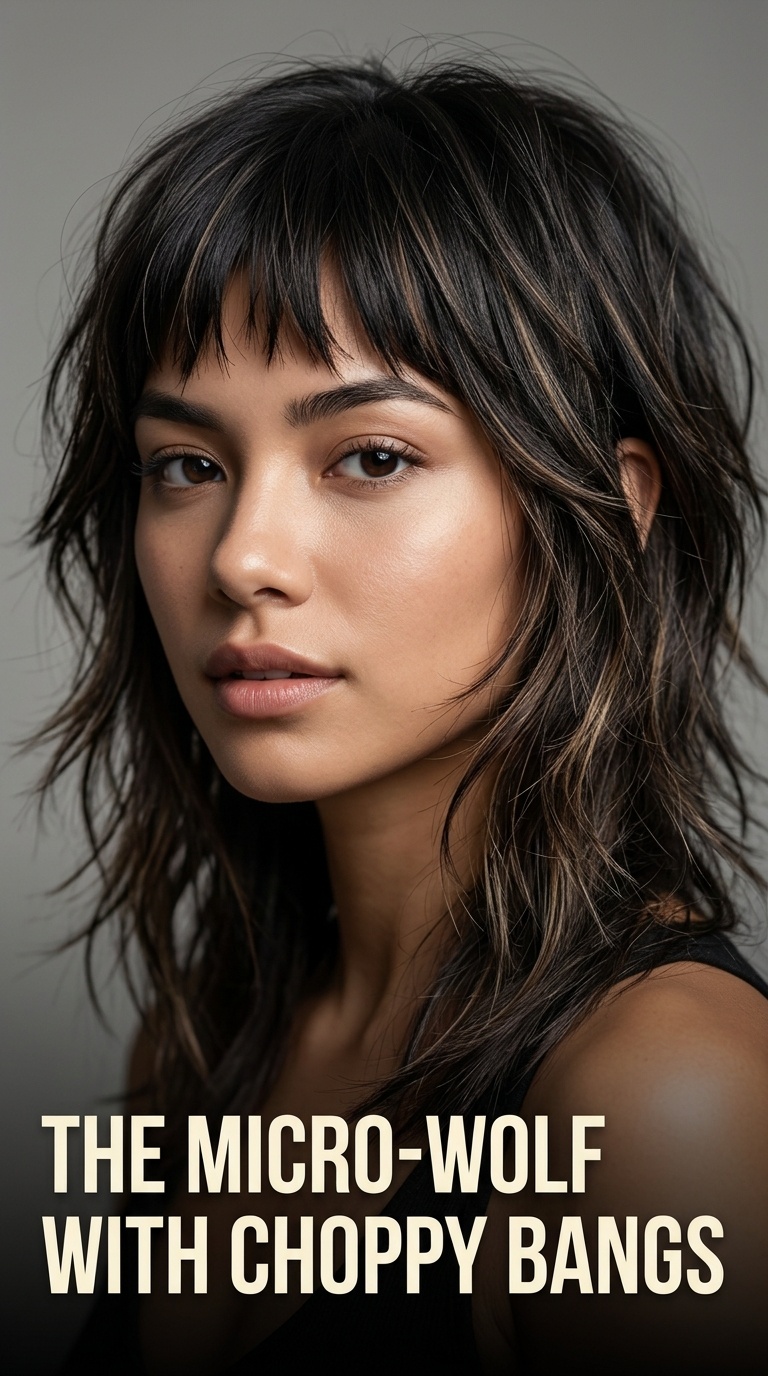
For a high-fashion edge, the micro-wolf features shorter lengths and very aggressive layering. The “shaggy” element is concentrated around the ears and the nape of the neck.
The addition of choppy bangs completes the textured movement. These bangs are usually cut unevenly to match the chaotic energy of the rest of the style.
Styling this version requires a bit of pomade or wax. Distributing a small amount through the ends helps define the individual layers and keeps the texture looking intentional.
5. Long Layered Wolf with Curtain Bangs
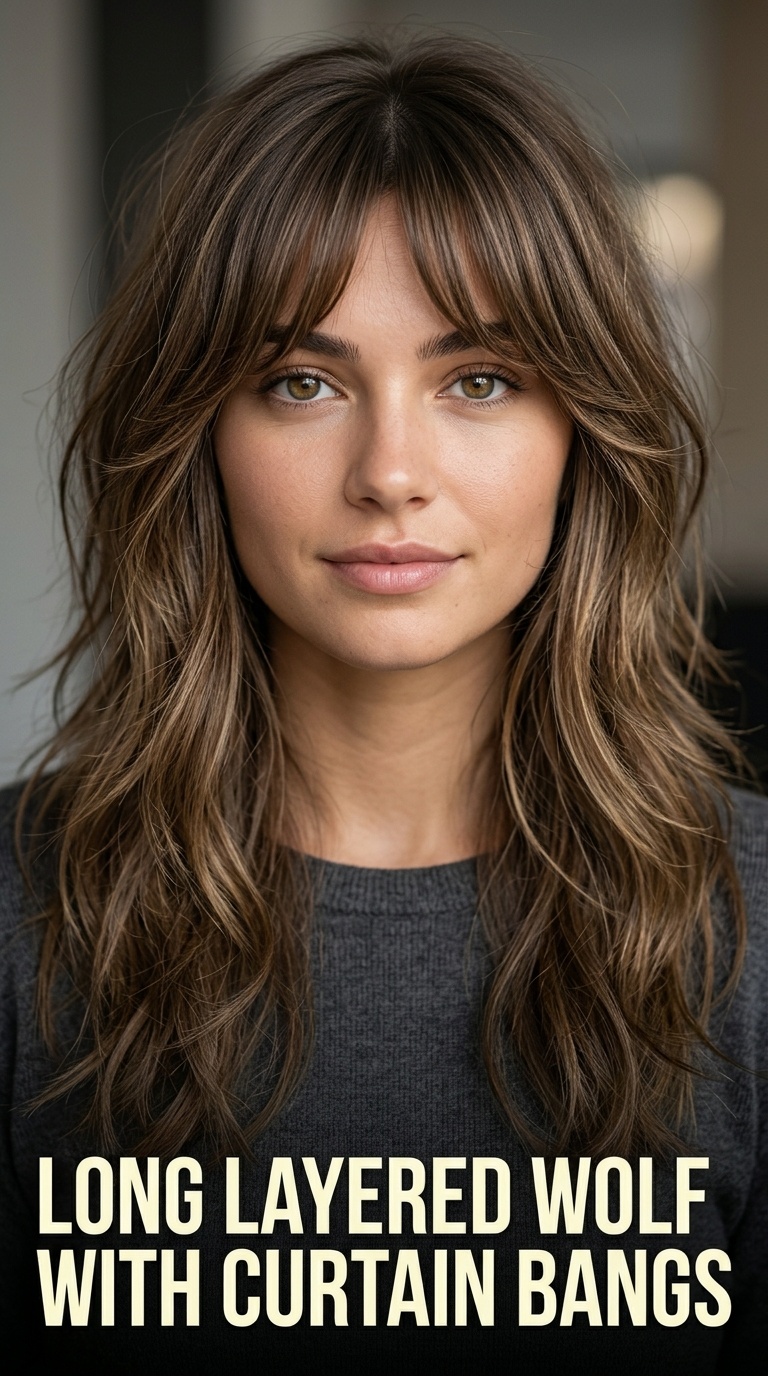
This style maintains significant length while introducing the signature wolf cut texture. It is a great middle ground for those not ready to commit to a short mullet-style.
Curtain bangs blend seamlessly into the shaggy side layers. This creates a frame that highlights the eyes and cheekbones while allowing the rest of the hair to flow freely.
The movement here is soft and romantic. Even with the shaggy layers, the length provides enough weight to keep the style looking sophisticated and fluid.
6. Extreme Tapered Mullet-Wolf
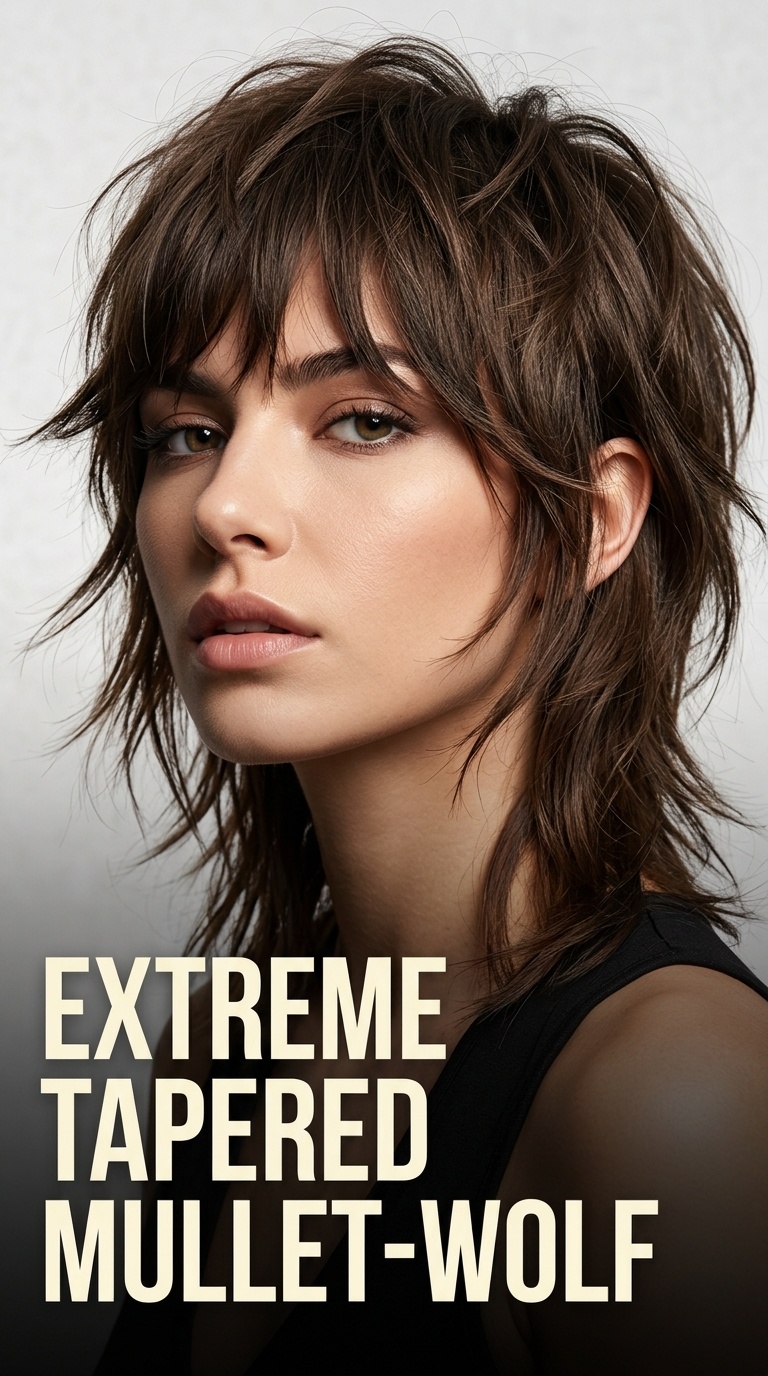
This version leans heavily into the mullet influence. It features a dramatic difference between the very short, voluminous crown and the long, thin pieces at the back.
More Amazing Ideas
 16 Hairstyles for Bangs with Layers, Length and Different Textures — Read more
 18 Bridal Hairstyles from Classic Updos to Soft, Textured Waves — Read more
 16 Messy Hairstyles for Men with Texture, Layers and Natural Movement — Read more18 Hairstyles for Long Faces with Layers, Bangs and Balanced Shape — Read more
 19 Layered Hairstyles for Medium Length Hair with Movement and Shape — Read more
The movement is concentrated at the bottom, where the hair “tails” out. The shaggy layers at the top create a rounded silhouette that contrasts sharply with the tapered length.
This is a high-impact style that celebrates texture. It works best on hair that has a bit of natural wave to emphasize the jagged, shaggy transitions between sections.
7. Soft Blunt-End Wolf Cut
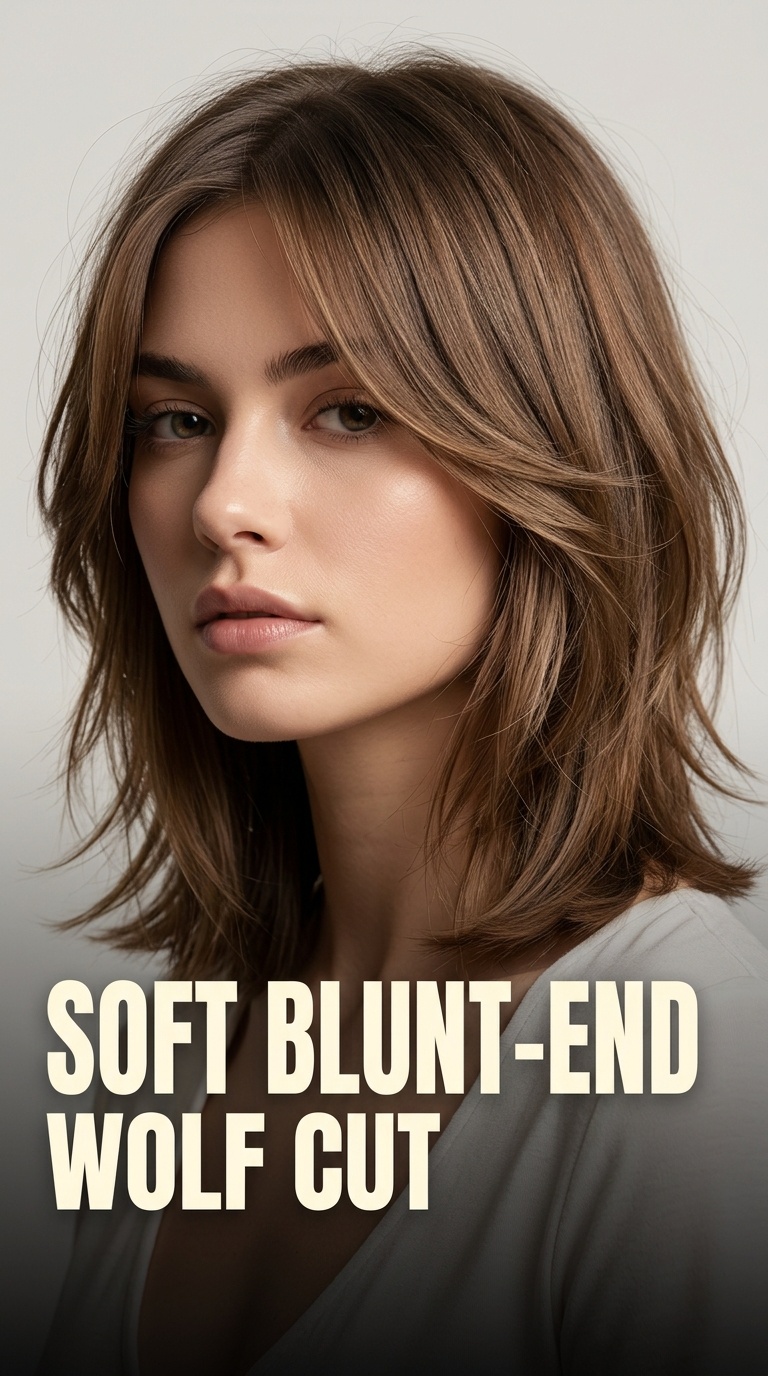
While most wolf cuts feature wispy ends, this version uses blunt-cut layers for a thicker appearance. It provides a more structured take on the shaggy movement trend.
The interior is still heavily layered to provide the “shag” feel, but the perimeter remains solid. This creates a unique weight distribution that feels modern and fresh.
This style is perfect for those who want movement without the “thin” look. The textured movement is achieved through internal thinning rather than external feathering.
8. The “Bottleneck” Wolf Cut
Named after the shape of the bangs, this cut features fringe that is narrow at the top and widens around the eyes. It merges perfectly into the shaggy layers.
The movement is circular, drawing attention inward toward the face. The layers are cut to curve toward the jawline, enhancing the natural movement of the hair.
This is a very flattering option for almost any face shape. The shaggy texture adds a layer of softness that balances out the bold silhouette of the bottleneck fringe.
9. Bleached and Heavily Textured Wolf
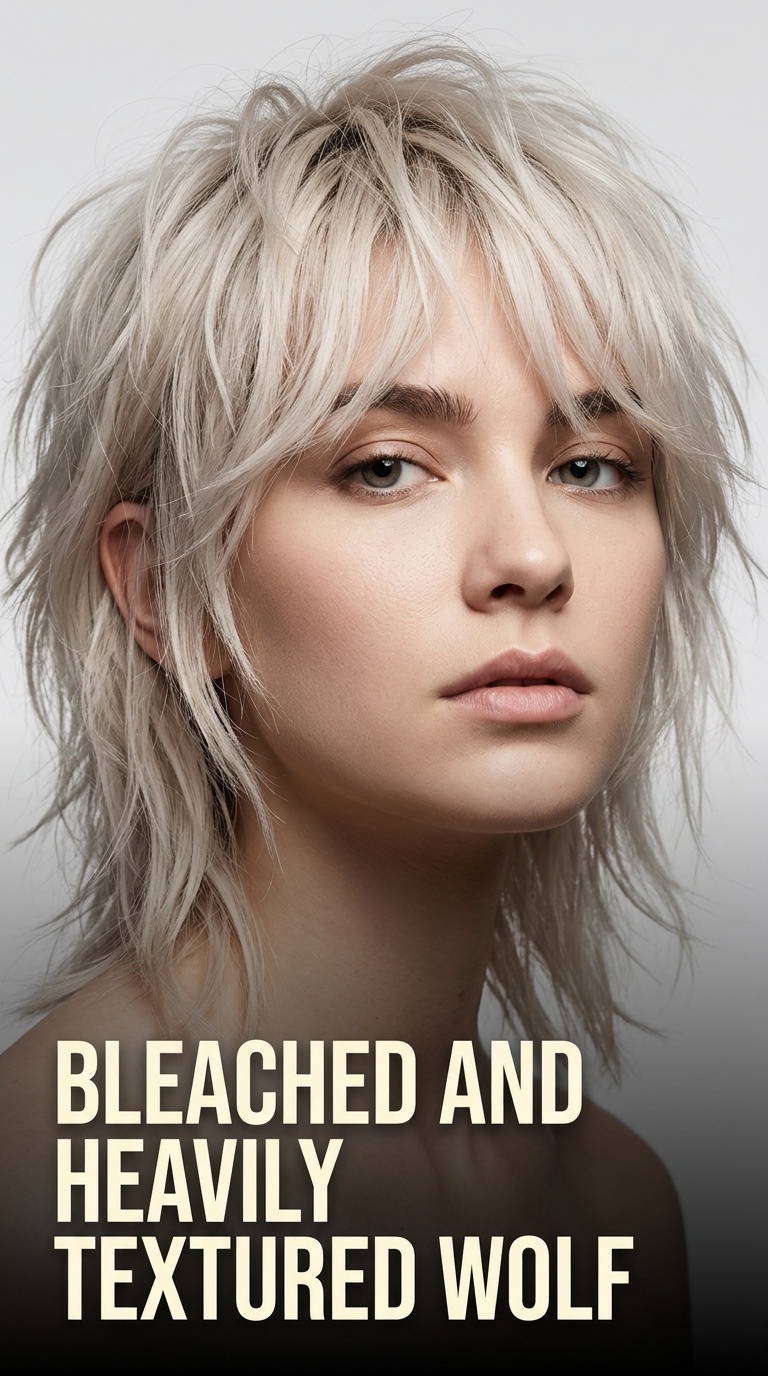
Color can play a huge role in how texture is perceived. Bleached or lightened hair often has a slightly rougher cuticle, which actually helps the shaggy layers stand out.
The textured movement is emphasized by the highlights and lowlights. When the light hits the various layers, the depth of the cut becomes much more apparent.
More Amazing Ideas
 18 Curl Hairstyles for Long Hair with Volume, Definition and Movement — Read more
 19 Hairstyles for Thick Hair with Shape, Volume and Movement — Read more
 17 Choppy Bob Hairstyles for Fine Hair with Texture and Movement — Read more
 18 Hairstyles for Straight Hair with Layers, Length and Texture — Read more
 19 Up Hairstyles for Long Hair from Sleek Buns to Textured Updos — Read more
Using a dry texture spray is essential for this look. It helps the bleached strands “grab” onto each other, creating that iconic messy, shaggy wolf aesthetic.
10. The Airy Fine-Hair Wolf
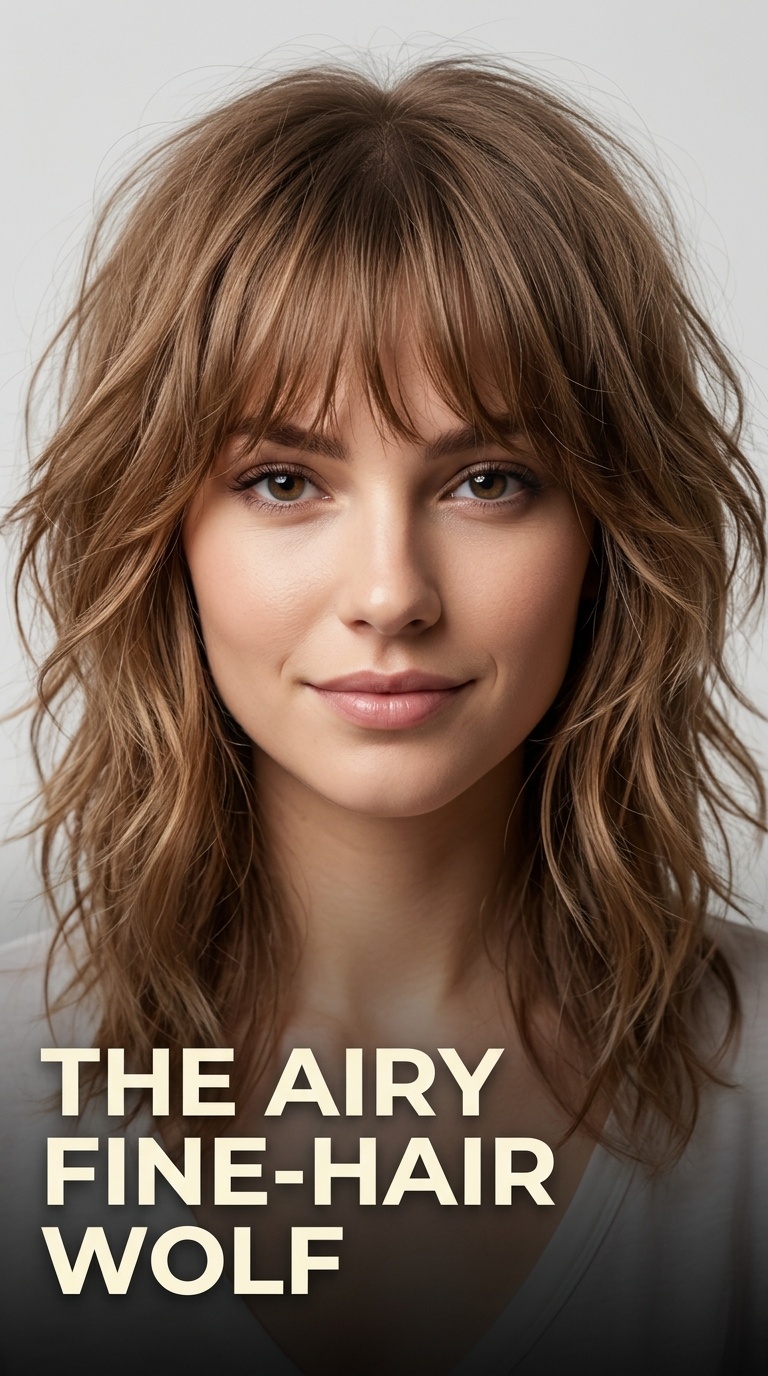
Many people with fine hair fear layers, but the wolf cut can actually provide much-needed body. This version uses light, airy layers to create the illusion of density.
The movement is delicate rather than chunky. By keeping the layers short and frequent, the hair stays lifted off the scalp, preventing it from looking flat or limp.
Avoid heavy oils with this style. Instead, opt for a volumizing mousse to keep the shaggy layers bouncy and the textured movement looking effortless throughout the day.
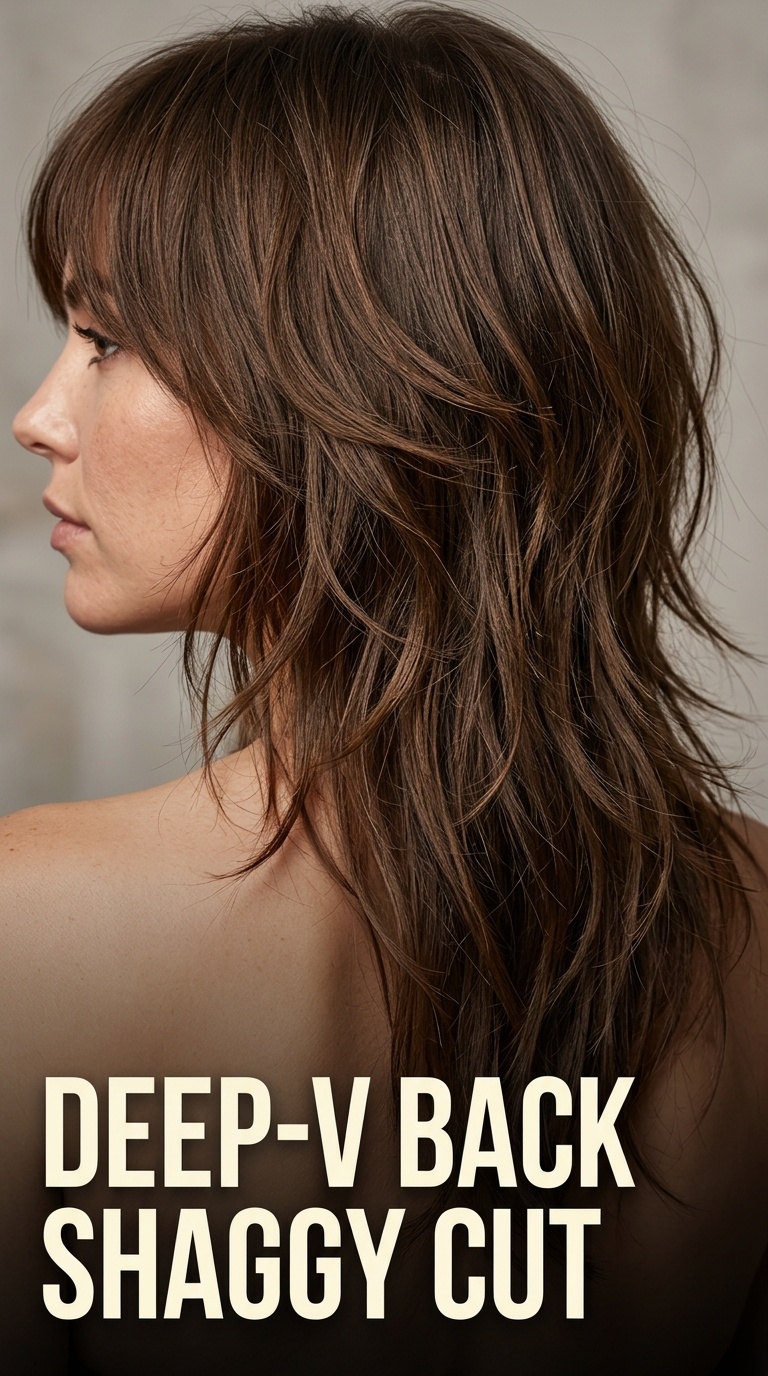
11. Deep-V Back Shaggy Cut
This wolf cut is all about the view from behind. The hair is cut into a sharp V-shape, with layers cascading from the center out toward the shoulders.
The textured movement follows the line of the “V.” This creates a dynamic look as the wearer moves, with the shaggy layers swinging in a synchronized fashion.
It is a great way to manage very thick hair. The V-shape removes bulk from the sides while focusing the shaggy texture at the most impactful points.
12. The “Bedhead” Wolf Cut
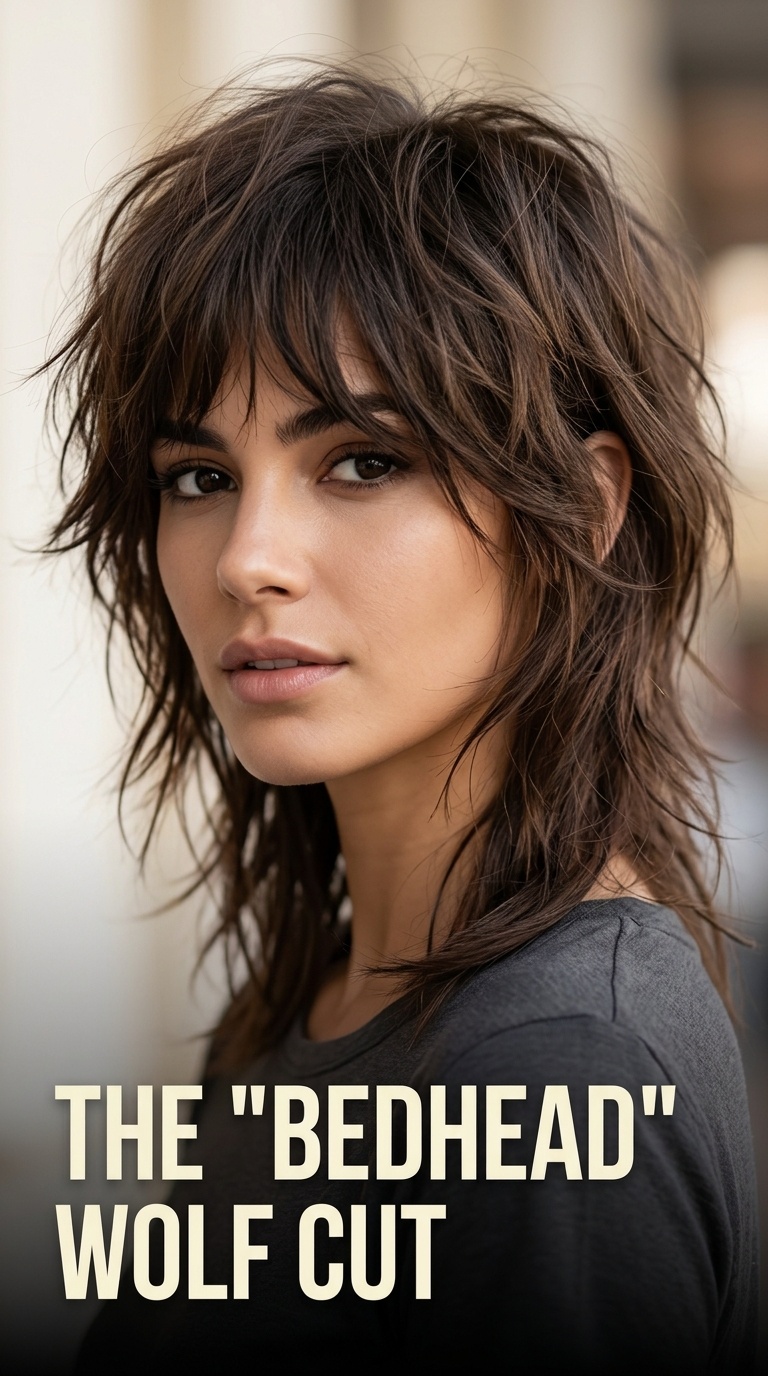
This style is designed to look like you just woke up perfectly. The layers are cut at irregular intervals to prevent any part of the hair from looking too “done.”
The movement is unpredictable and organic. Shaggy pieces are encouraged to flip in different directions, giving the style a raw, unpolished energy that is very trendy.
A light application of styling cream on damp hair is all you need. Let it air dry to allow the natural texture to form its own unique, shaggy pattern.
More Amazing Ideas
 19 Hairstyles for Round Faces with Layers, Bangs and Shape — Read more
 19 Hairstyles for Round Face Shapes with Flattering Layers and Bangs — Read more
 18 Haircuts for Long Thick Hair with Layers, Shape and Movement — Read more
 18 Haircuts for Long Hair with Layers, Shape and Movement — Read more
 19 Layered Bob Hairstyles for Black Women with Shape and Movement — Read more
13. Face-Framing Shaggy “Wings”
This variation focuses on the “wing” effect, where the side layers are styled to flip outward away from the face. It is a nod to 70s hair but with a modern wolf twist.
The movement is outward and upward. This lifts the facial features and adds a playful, energetic vibe to the shaggy layers that sit around the collarbone.
To achieve this, use a round brush on the front sections. By drying them away from the face, you emphasize the textured movement and the wolf cut’s unique shape.
14. The Sleek-Top Textured Wolf
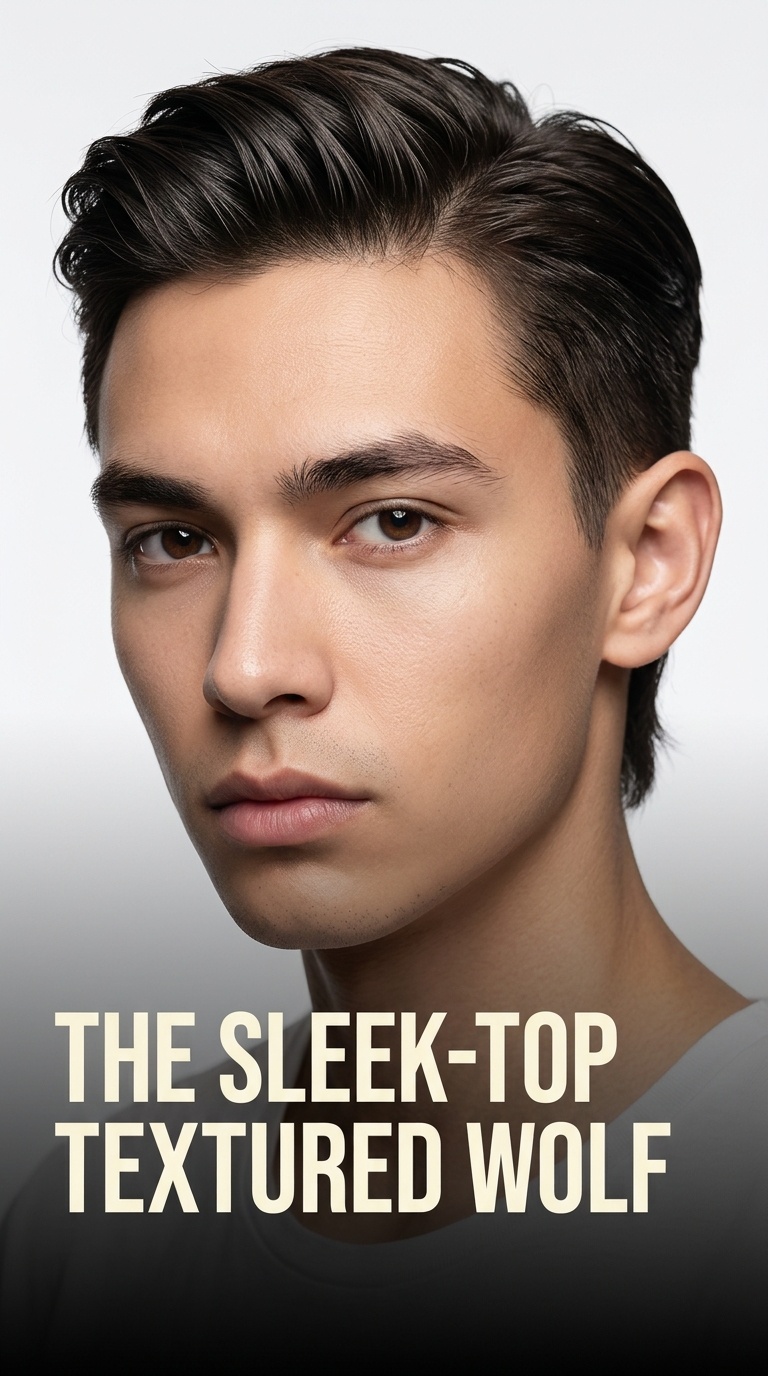
For those who want a bit more control, this version keeps the crown relatively smooth while focusing all the shaggy texture from the ears down.
The movement is concentrated at the ends, creating a “fringe” effect around the shoulders. It is a more polished way to wear the wolf cut for professional environments.
This style benefits from a shine spray. It highlights the contrast between the smooth top and the highly textured, shaggy bottom, making the layers pop.
15. The Choppy Wolf with Pastel Tones
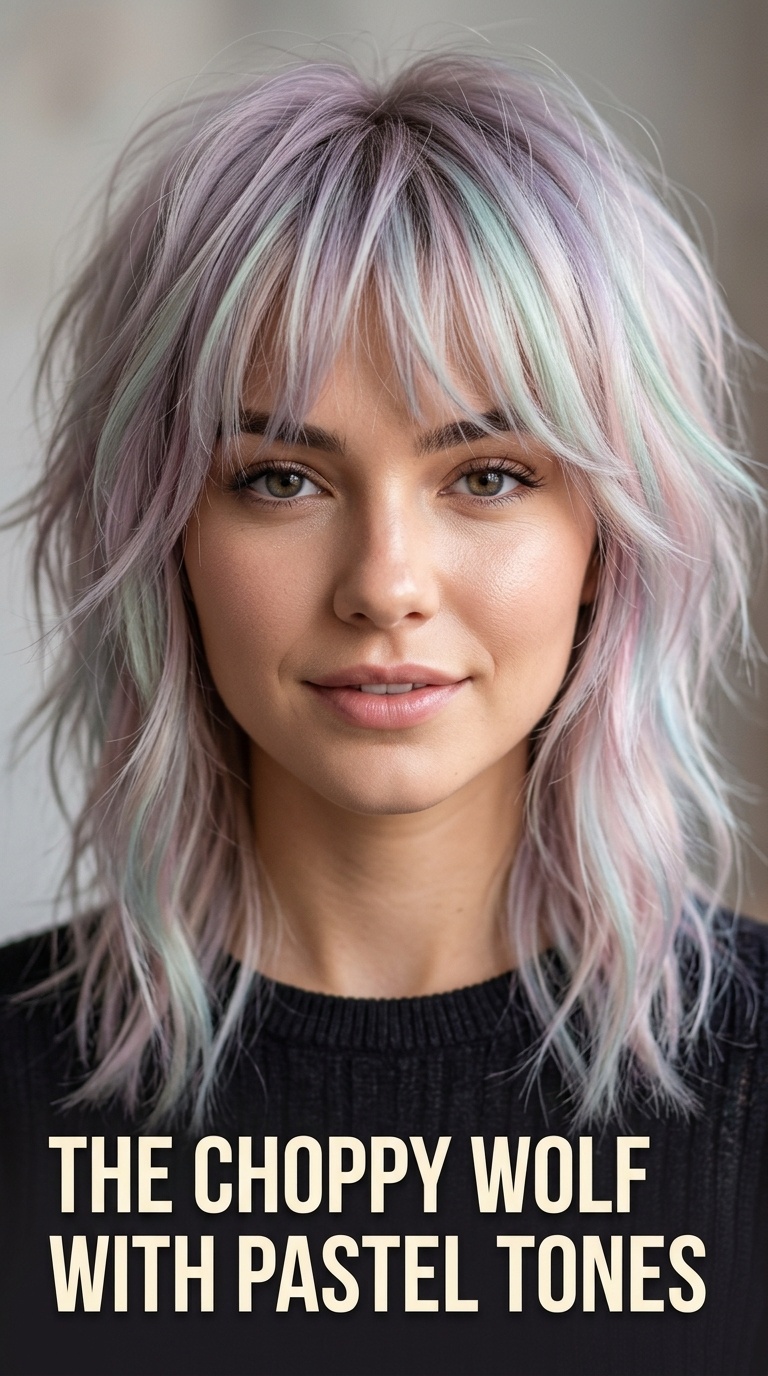
Pastel colors like lavender or mint green can make shaggy layers look ethereal. The light colors reflect off the textured movement, creating a multidimensional effect.
The layers are usually cut quite short to ensure the color has plenty of “edges” to play with. This maximizes the visual impact of both the cut and the color.
Maintain this look with color-safe shampoos. The texture remains the star of the show when the hair is healthy and the shaggy layers are well-defined.
16. Asymmetrical Shaggy Wolf
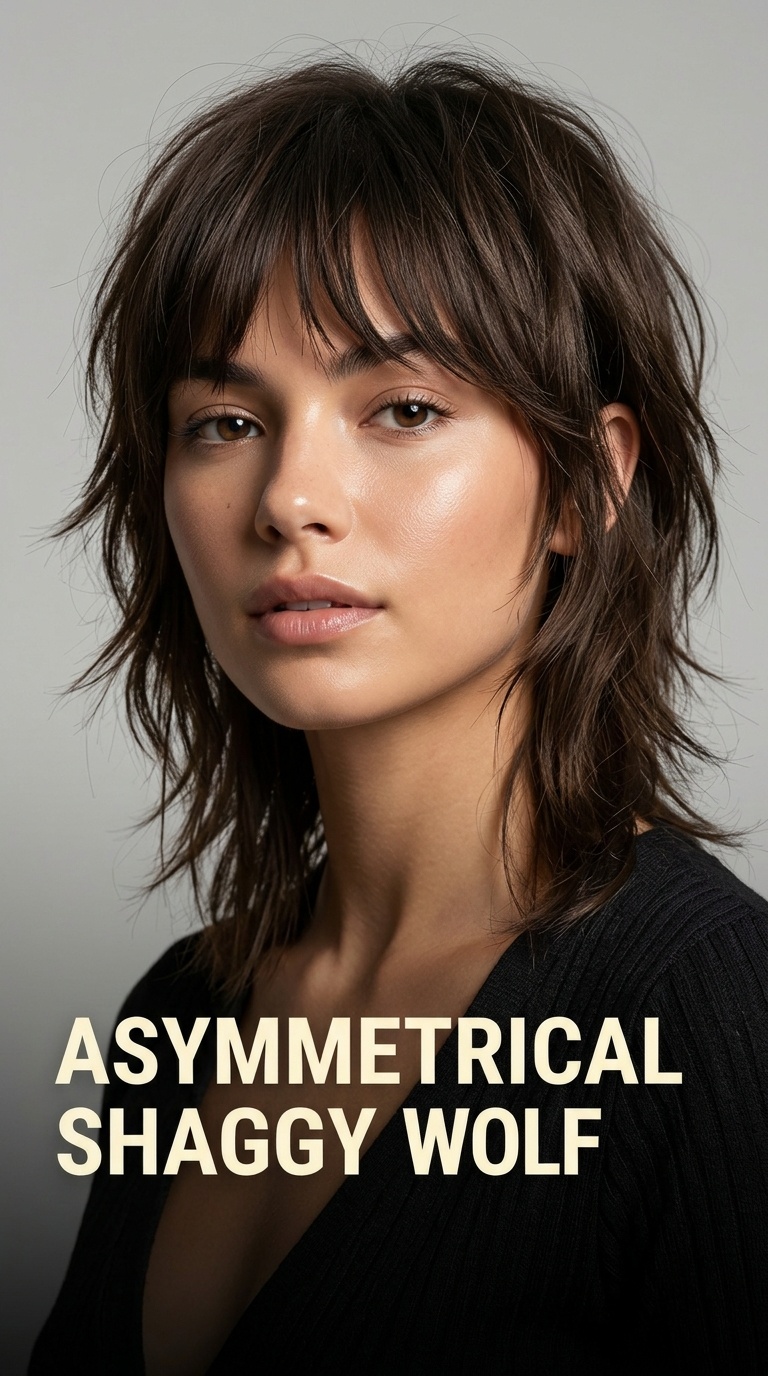
If you want to push the boundaries, an asymmetrical wolf cut offers a unique silhouette. One side is kept slightly longer or more heavily layered than the other.
More Amazing Ideas
 16 Summer Haircuts for Long Hair with Layers and Movement — Read more
 18 Medium-Length Hairstyles for Men with Layers and Texture — Read more
 16 Long and Medium Hairstyles for Men with Texture and Layers — Read more
 19 Hairstyles for Oval Faces with Layers, Bangs and Versatile Lengths — Read more
 17 Wedding Hairstyles for Long Hair from Classic to Romantic — Read more
The movement is off-balance in a stylish way. This draws the eye across the face and emphasizes the jagged, shaggy nature of the textured layers.
This cut is a true statement piece. It works best for those who enjoy experimenting with their look and want a style that stands out in any crowd.
17. The “Ghost Layered” Wolf
Ghost layers are hidden layers that provide movement without looking obviously “shaggy.” This is a stealthy version of the wolf cut for a more understated look.
The movement is internal. While the exterior looks like a soft shag, the hidden layers provide the lift and texture that define the wolf cut’s signature volume.
This is an excellent choice for anyone transitioning from a blunt cut. It introduces the textured movement of a wolf cut without a drastic change in the overall shape.
18. Thick Hair De-Bulked Wolf
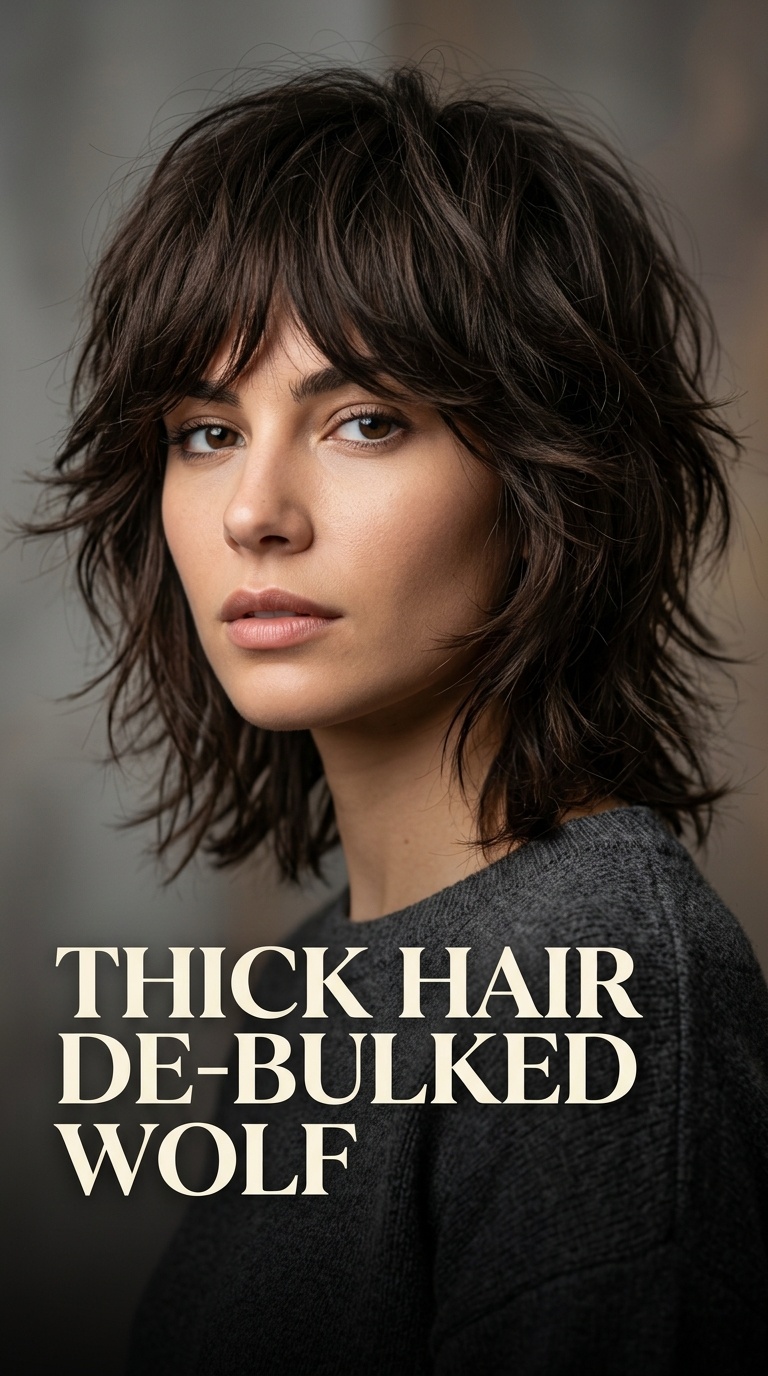
For those with very thick hair, the wolf cut is a functional dream. It uses heavy shaggy layering to remove weight, making the hair much easier to manage.
The textured movement is substantial. Because there is so much hair to work with, the stylist can create many distinct layers that provide a rich, full-bodied look.
Style this with a medium-hold hairspray. This ensures that the heavy layers stay lifted and the shaggy movement doesn’t collapse under the hair’s own weight.
How do I style a wolf cut at home?
Styling usually involves enhancing the natural texture. Apply a sea salt spray or texturizing mousse to damp hair and scrunch it upward while air-drying or using a diffuser. For more definition, use a small amount of hair wax on the ends of the shaggy layers to make them stand out.
More Amazing Ideas
 19 Hairstyles for Oval Face Shapes with Varied Lengths and Layers — Read more
 18 Bun Hairstyles for Black Women from Sleek to Textured — Read more
 16 High Ponytail Hairstyles for Black Women with Sleek and Textured Looks — Read more
 18 Medium Hairstyles for Men with Layers, Texture and Shape — Read more
 16 Hairstyles for Wet Hair with Sleek and Textured Finishes — Read more
Does a wolf cut work on all hair types?
Yes, the wolf cut is extremely versatile. On straight hair, it adds much-needed volume and shape; on wavy or curly hair, it enhances the natural bounce and movement. Your stylist can adjust the number and depth of the shaggy layers to suit your specific hair density and texture.
How often do I need to trim a wolf cut?
To keep the shaggy layers looking sharp and prevent the “mullet” from becoming too long, a trim every 6 to 8 weeks is recommended. This maintains the volume at the crown and ensures the textured movement remains airy rather than weighed down by growth.
Will a wolf cut make my hair look thinner?
While the cut involves significant layering, it is actually designed to create volume. By removing weight from the sides and adding short layers to the crown, the hair often looks fuller and more dynamic. However, if you have very fine hair, your stylist should use “ghost layers” to maintain the perimeter’s thickness.
Can I wear a wolf cut if I have a professional job?
Absolutely. Many variations of the wolf cut are quite soft and subtle. You can opt for longer layers and more controlled styling to make the look more “polished” for the office, while still enjoying the textured movement and shaggy feel during your time off.
What face shape is best for a wolf cut?
The wolf cut is famous for being universally flattering because it is highly customizable. The face-framing shaggy layers can be cut to highlight cheekbones, soften a strong jawline, or add width to a narrow face. Your stylist will tailor the fringe and side layers to complement your specific features.


