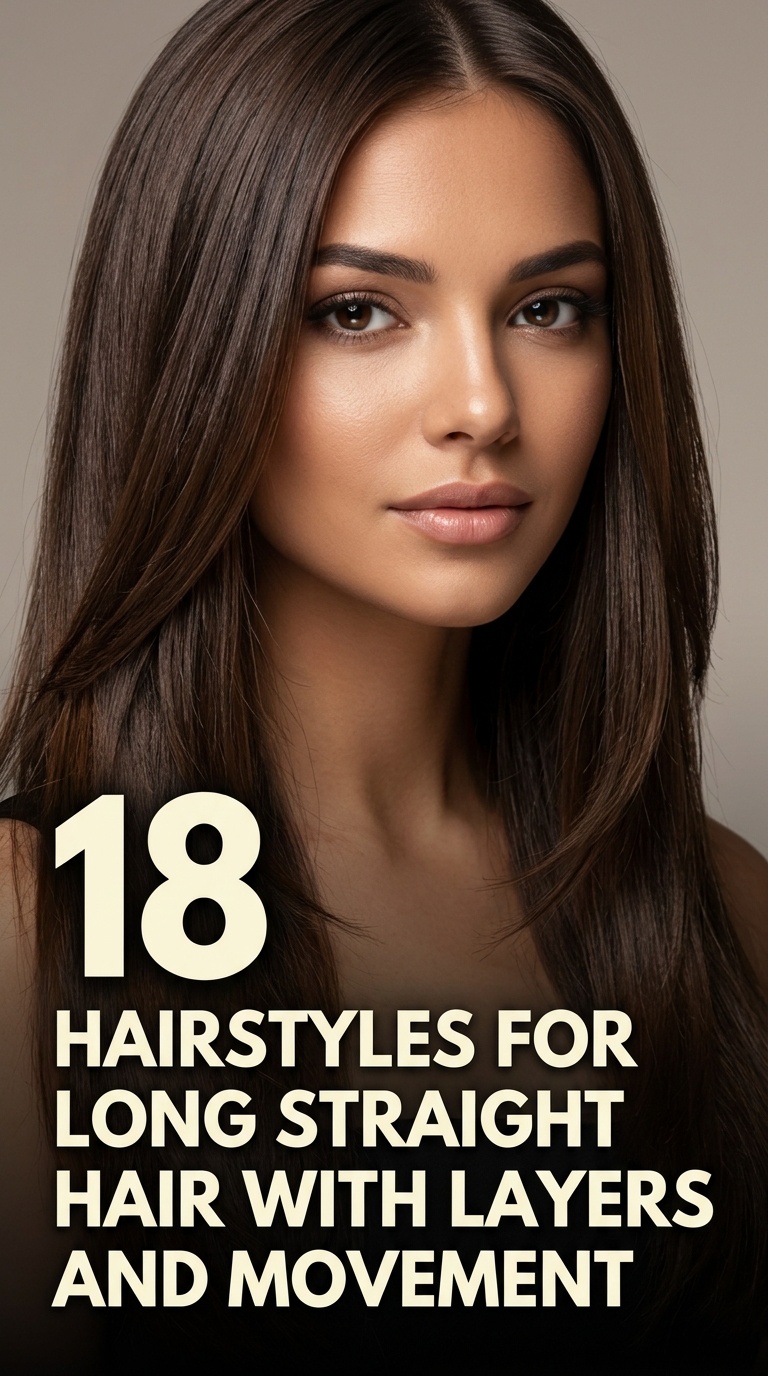
Long straight hair can sometimes feel heavy or one-dimensional. Adding layers is the ultimate way to inject life and bounce.
Layers transform flat strands into a dynamic masterpiece. They create the illusion of thickness and effortless style.
Discover these 18 Hairstyles for Long Straight Hair with Layers and Movement. These looks provide the perfect balance of length and texture.
1. The Classic Butterfly Cut
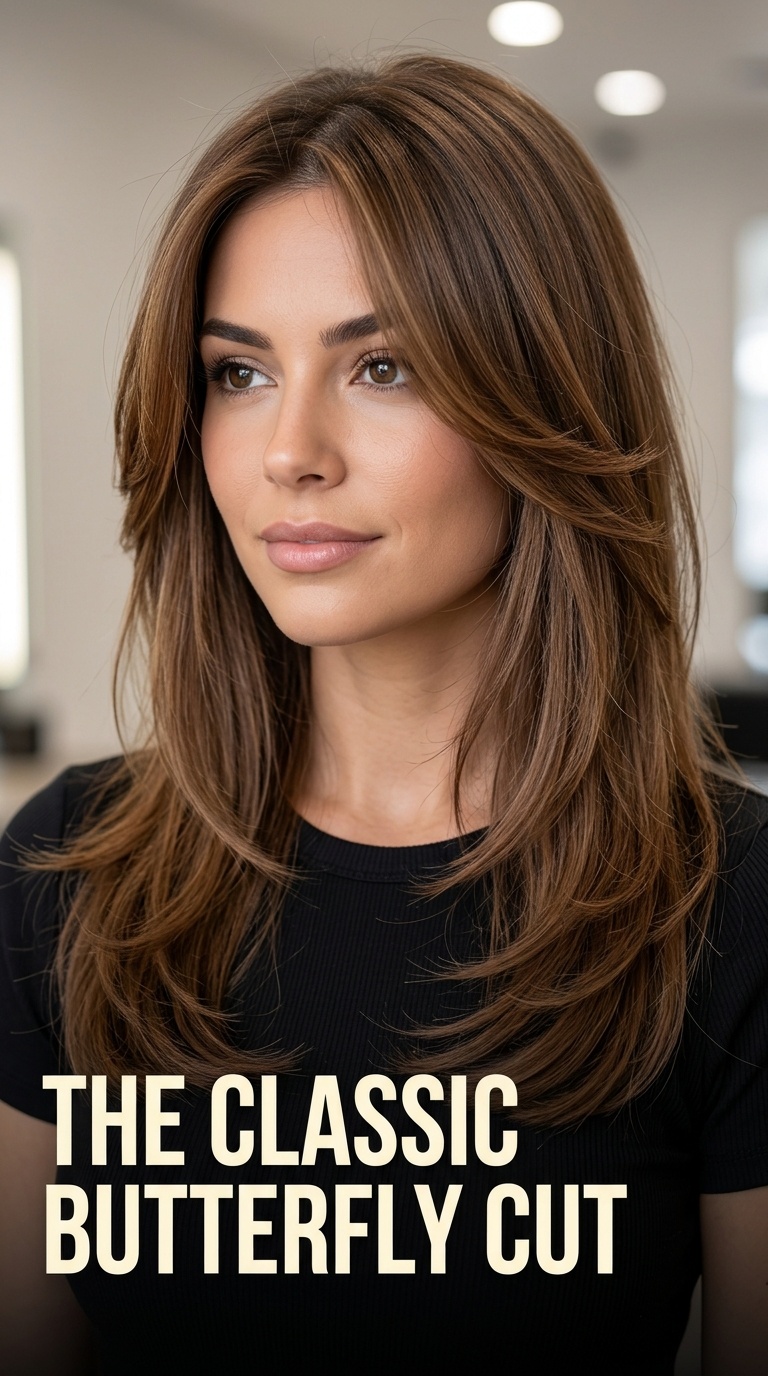
The butterfly cut features a mix of short layers near the crown and longer layers through the ends. This contrast creates a winged effect that mimics a butterfly’s movement.
This style is perfect for those who want the look of a shorter cut without losing their length. It provides incredible volume and a bouncy, airy feel to straight strands.
Maintenance involves a quick blowout to emphasize the feathered tips. It is a versatile choice that adds instant personality to a sleek, straight base.
2. Seamless Internal Layers
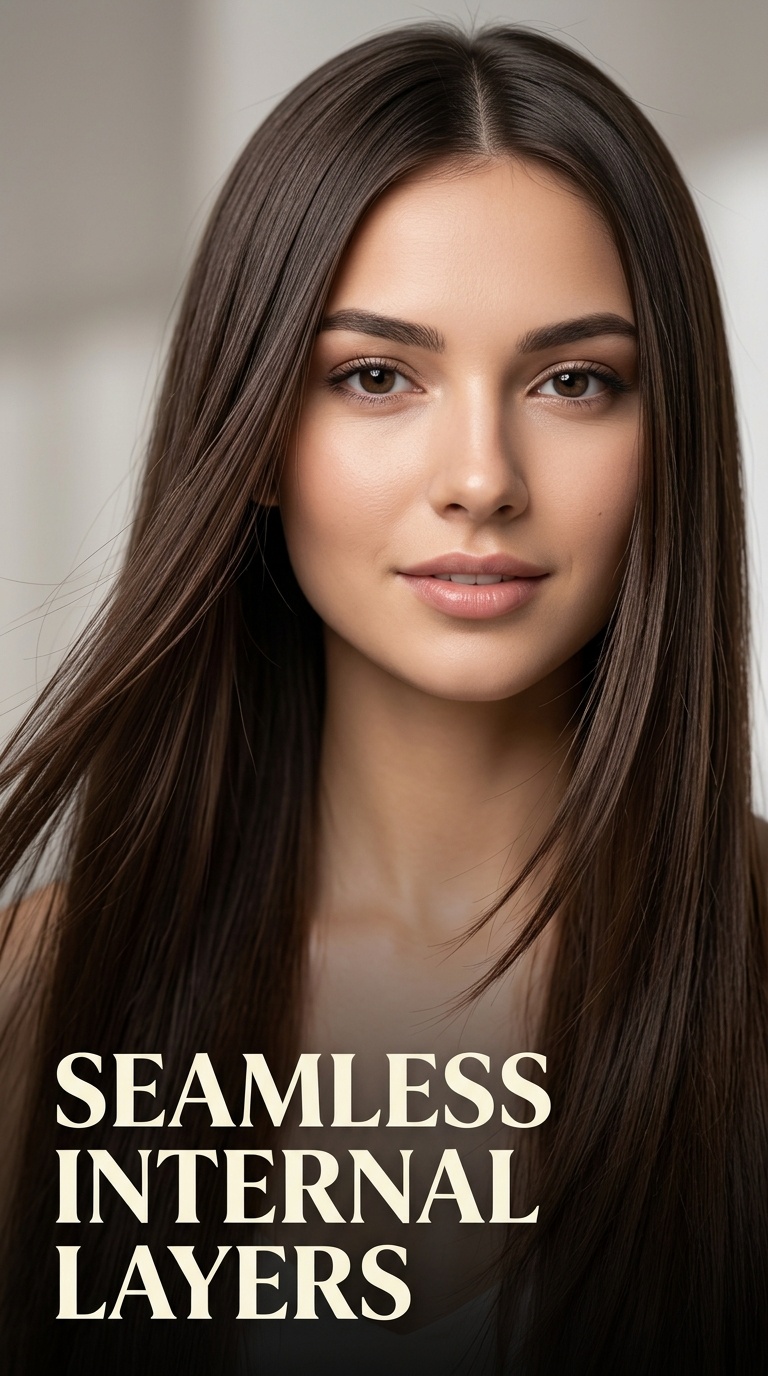
Internal layers are hidden beneath the top section of the hair. They are designed to remove bulk from heavy, thick hair without creating visible “steps” or shelf-like edges.
This technique allows the hair to swing and move naturally as you walk. It creates a lightweight sensation while maintaining a clean, uniform appearance on the surface.
Because the layers are invisible, this is a great option for minimalist enthusiasts. It offers the benefits of a textured cut while keeping a polished, sleek aesthetic.
3. Face-Framing Curtain Layers
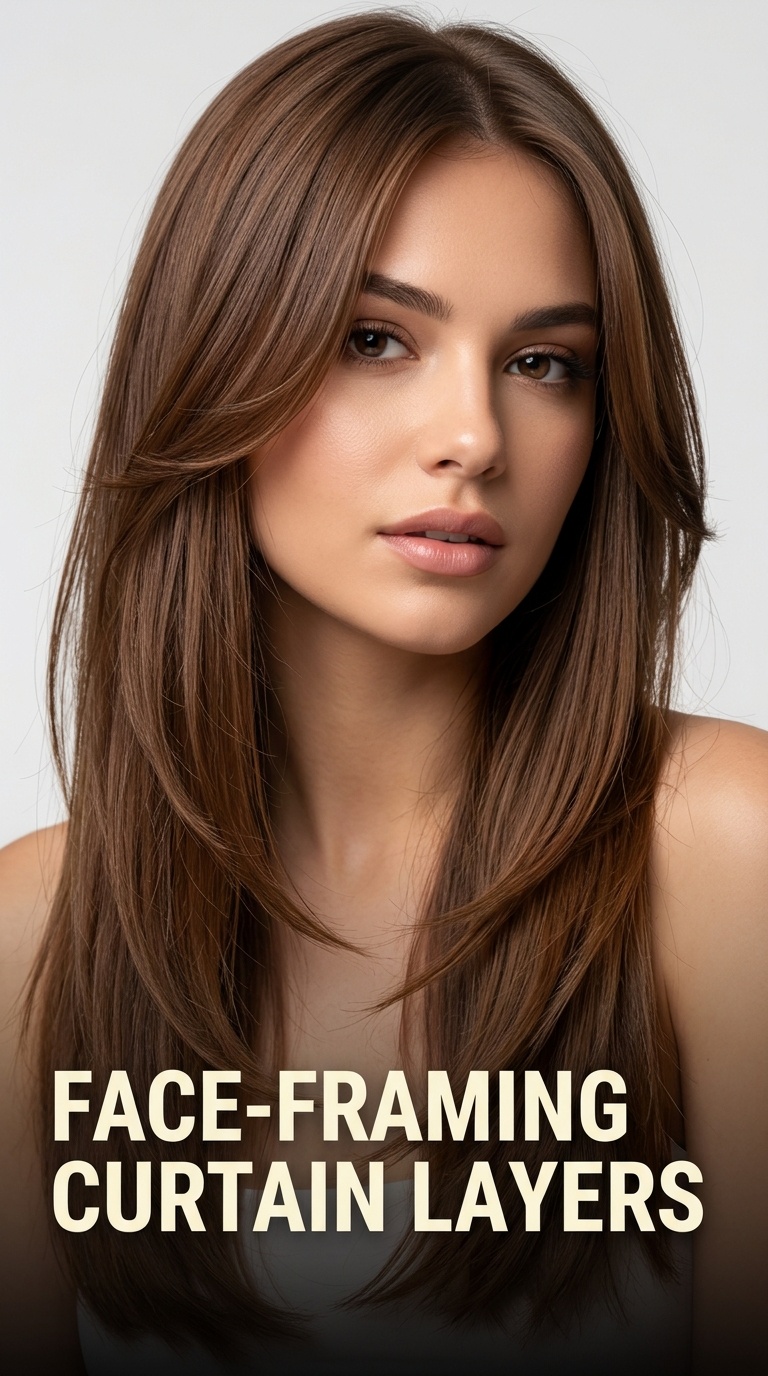
Curtain layers start around the cheekbones or jawline and sweep backward into the rest of the hair. They act as a frame, highlighting facial features and breaking up the vertical line.
More Amazing Ideas
 18 Hairstyles for Straight Hair with Layers, Length and Texture — Read more
 19 Bob Hairstyles for Fine Hair with Layers, Shape and Movement — Read more
 16 Curl Hairstyles for Medium Hair with Layers and Movement — Read more
 19 Hairstyles for Wavy Hair with Layers, Texture and Movement — Read more
 16 Short Hairstyles for Thick Hair with Layers, Shape and Movement — Read more
This style adds a romantic, soft touch to long straight hair. The layers transition smoothly into the longer lengths, ensuring there are no harsh or disconnected lines.
Styling is simple with a round brush to flick the ends away from the face. It creates a timeless silhouette that feels modern and fresh for any occasion.
4. The 90s Bombshell Blowout
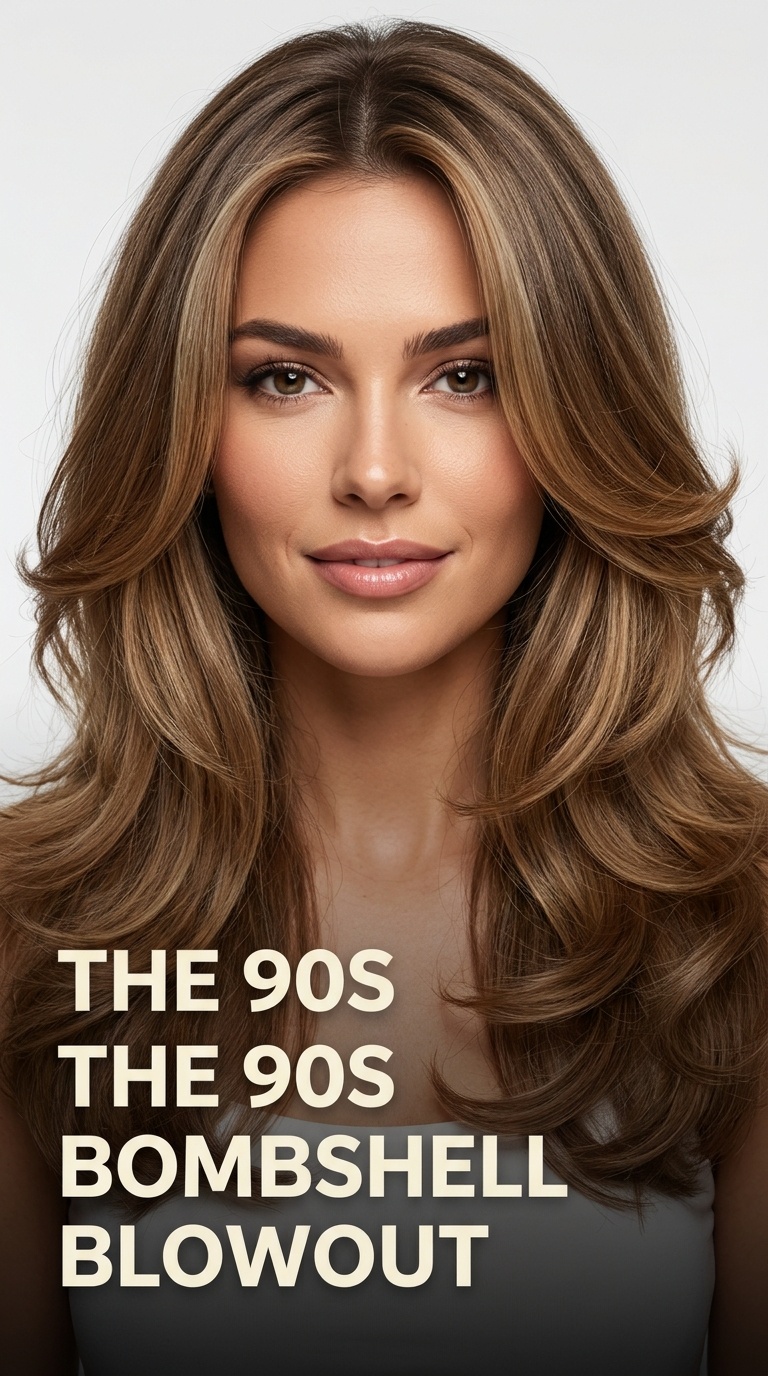
This look relies on heavy, graduated layers throughout the mid-lengths and ends. It is designed to maximize volume and create a dramatic, wind-swept appearance that stays in motion.
Long straight hair benefits from this cut as it prevents the strands from looking flat or limp. The layers provide the structural support needed to hold a voluminous shape.
To achieve the full effect, use a large barrel iron or rollers. The result is a high-glamour look that prioritizes bounce and fluid movement with every step.
5. V-Shaped Tapered Ends
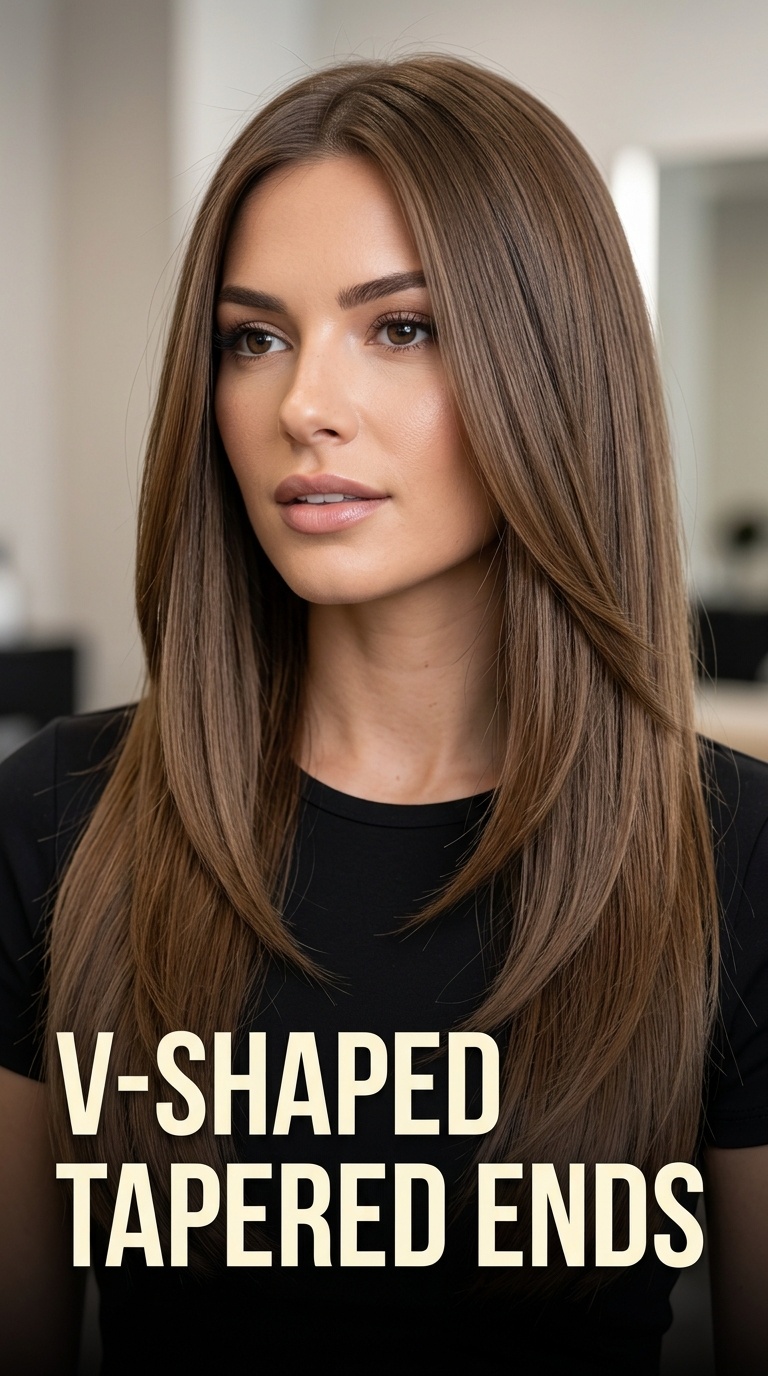
The V-cut is a classic technique where the hair is cut at an angle to form a point in the back. This creates a cascading effect where the sides are shorter than the middle.
This shape naturally encourages the hair to fall toward the center of the back. It adds a sense of direction and purpose to long hair that might otherwise feel uninspired.
When combined with subtle surface layers, the V-shape offers a dramatic profile. It is a striking way to showcase length while ensuring the ends remain light and wispy.
6. Soft U-Shaped Silhouette
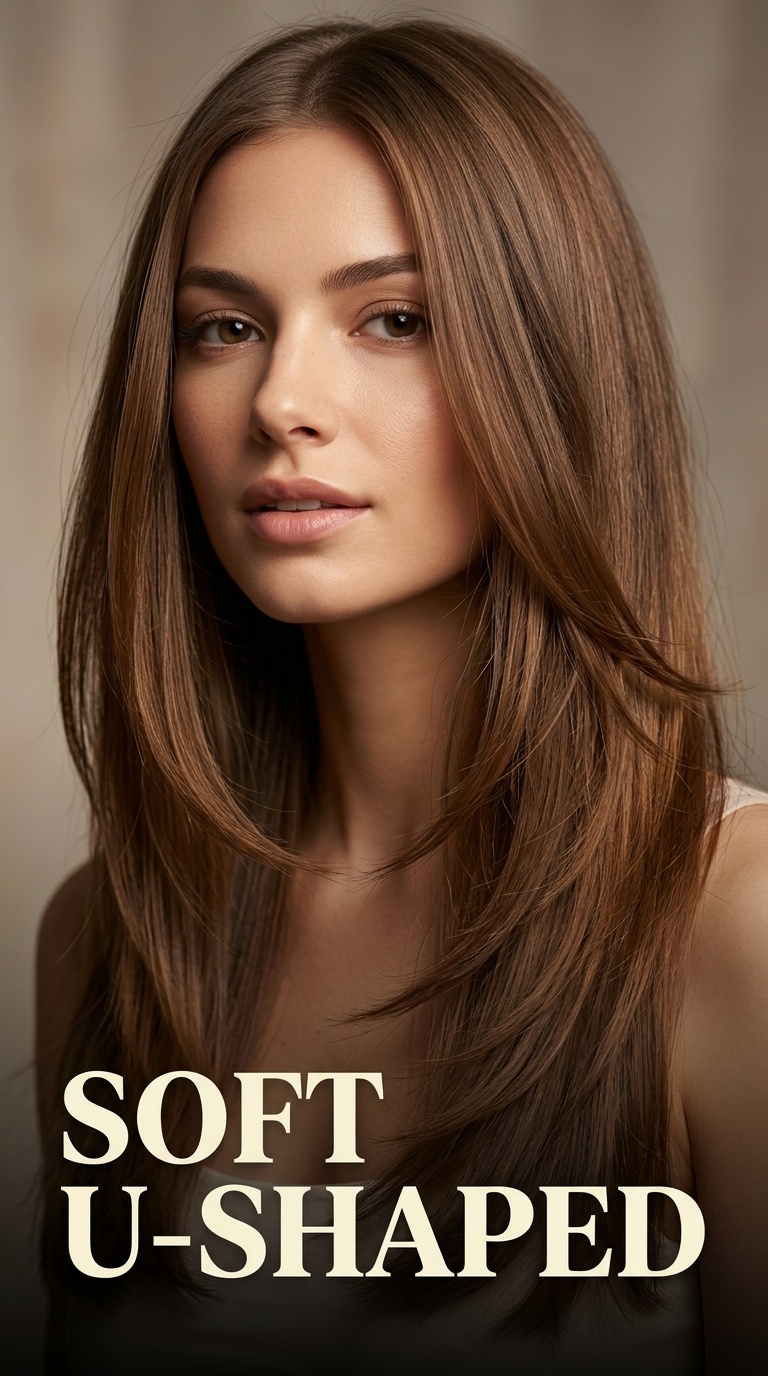
The U-shape cut is a gentler alternative to the V-cut. It features rounded edges that create a soft, curved perimeter that looks incredibly natural and fluid.
This style is excellent for adding a “swing” to straight hair. The curved ends prevent the hair from looking like a single heavy block, allowing for better airflow between strands.
More Amazing Ideas
 18 Haircuts for Long Thick Hair with Layers, Shape and Movement — Read more
 18 Haircuts for Long Hair with Layers, Shape and Movement — Read more
 16 Summer Haircuts for Long Hair with Layers and Movement — Read more
 17 Wedding Hairstyles for Long Hair from Classic to Romantic — Read more
 19 Braid Hairstyles for Long Hair from Classic Plaits to Intricate Looks — Read more
It works beautifully when worn over the shoulders or gathered in a low ponytail. The U-shape ensures that the layers blend harmoniously for a cohesive, understated finish.
7. The Razor-Cut Shag
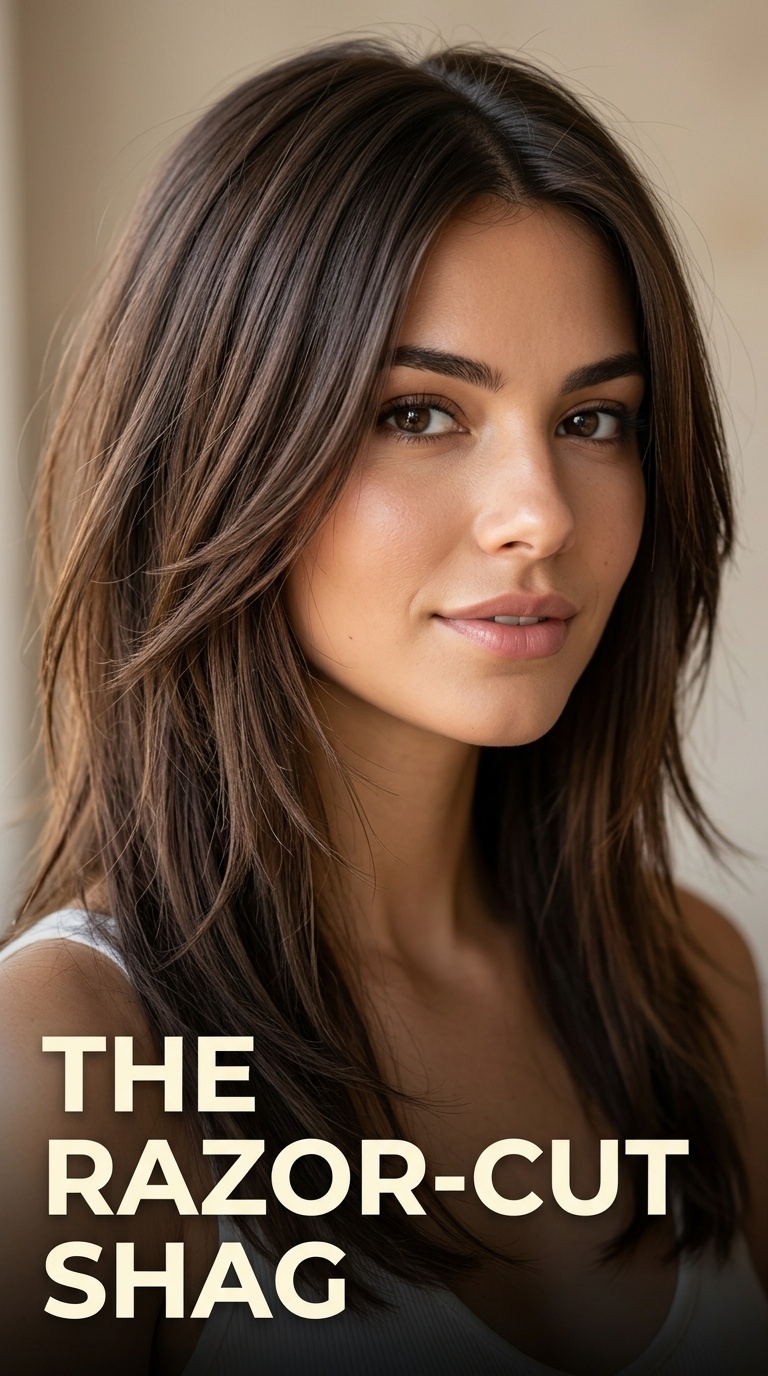
A razor-cut shag uses a straight-edge blade to create thin, tapered ends. This technique results in a “lived-in” texture that feels edgy and effortlessly cool.
For long straight hair, the shag adds much-needed grit and dimension. The varying lengths of the layers prevent the hair from laying flat against the scalp.
This look thrives on a “messy-chic” vibe that requires very little styling. It is the go-to choice for those seeking a rebellious take on traditional long layers.
8. Wispy Ghost Layers
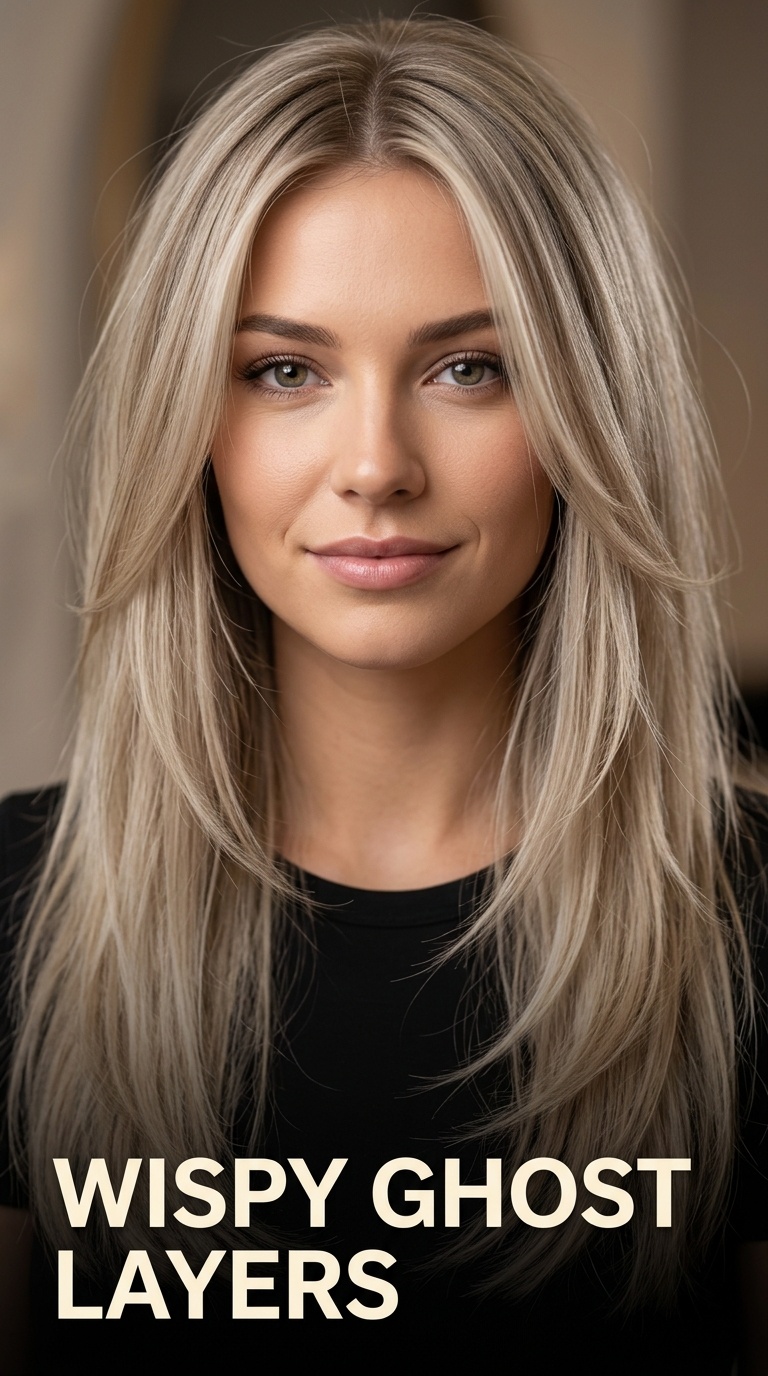
Ghost layers are extremely thin, delicate layers that are scattered throughout the hair. They are called “ghost” layers because they are almost invisible until the hair is in motion.
This technique is ideal for fine hair that needs more body. It adds a hidden architecture that supports the weight of the hair, giving it a subtle lift.
When you turn your head, these layers catch the light and create a shimmering, multidimensional effect. It is a sophisticated way to add texture without a drastic change.
9. Graduated Face-Framing Tiers
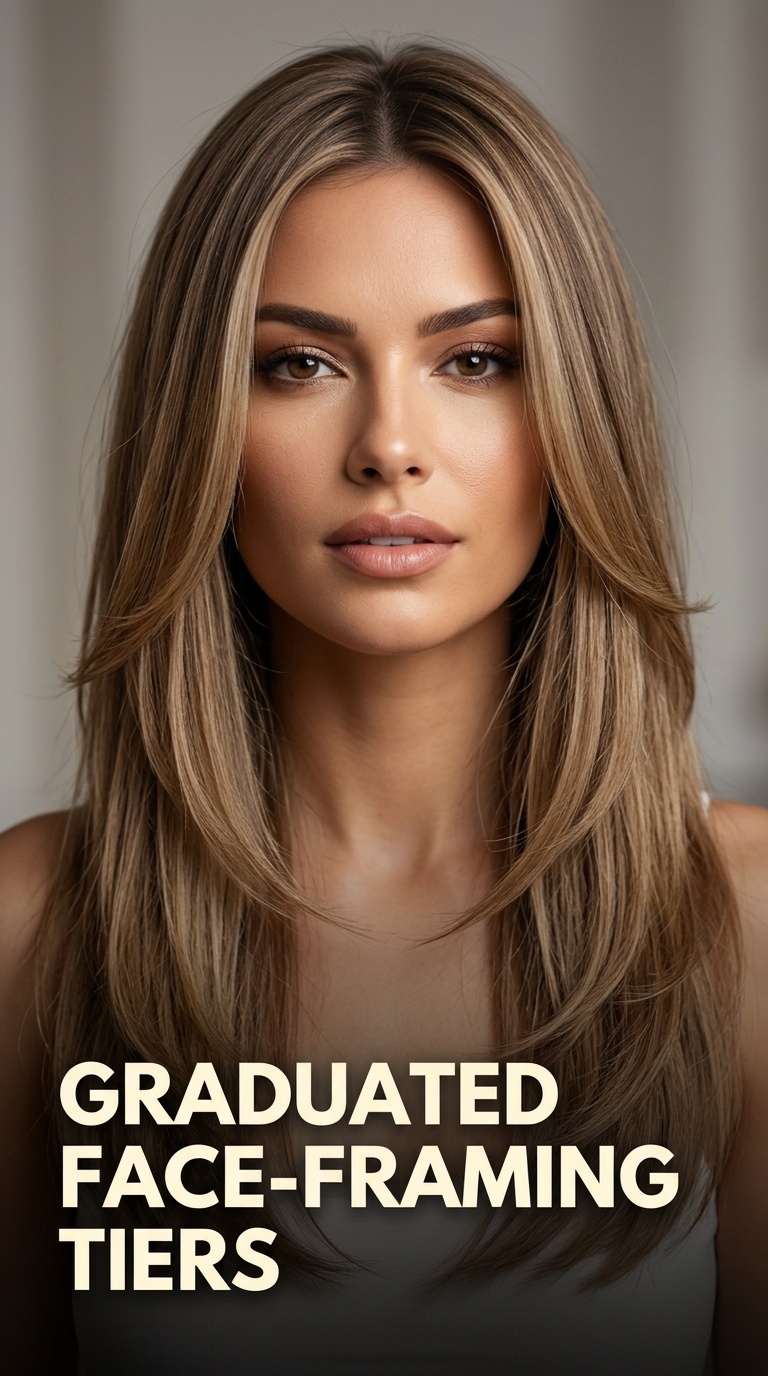
This style features distinct “steps” or tiers of layers that begin at the chin and work their way down. It provides a structured, architectural look to long straight hair.
Each tier adds a new level of movement, preventing the hair from looking stagnant. It is particularly effective for those who like to wear their hair parted down the middle.
More Amazing Ideas
 18 Wolf Cut Hairstyles with Shaggy Layers and Textured Movement — Read more
 19 Updo Hairstyles for Long Hair from Classic Chignons to Braided Looks — Read more
 16 Half-Up Hairstyles for Long Hair from Soft Waves to Braided Looks — Read more
 19 Hairstyles for Thick Hair with Shape, Volume and Movement — Read more
 17 Choppy Bob Hairstyles for Fine Hair with Texture and Movement — Read more
The tiers can be rounded or kept sharp depending on the desired intensity. This cut ensures that the focus remains on the face while the length provides a dramatic backdrop.
10. The Waterfall Layering Technique
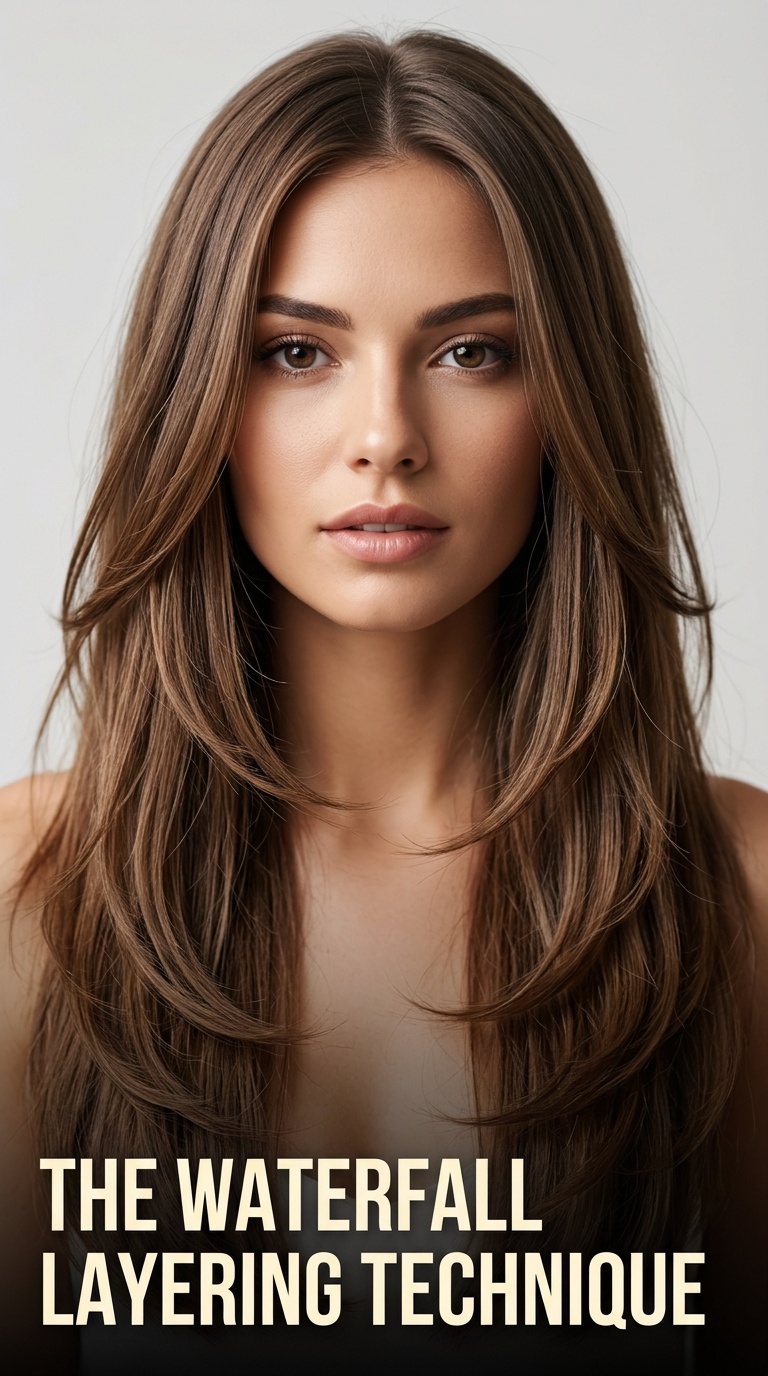
Waterfall layers involve cutting the hair in a way that the layers seem to “pour” over each other. This creates a seamless flow from the top of the head down to the tips.
This style is all about fluidity and grace. It eliminates the bulky weight often associated with long straight hair, making the strands feel airy and responsive to movement.
It is a low-maintenance option that grows out beautifully. The waterfall effect ensures that the hair always looks professionally styled, even with a simple air-dry.
11. Point-Cut Textured Ends
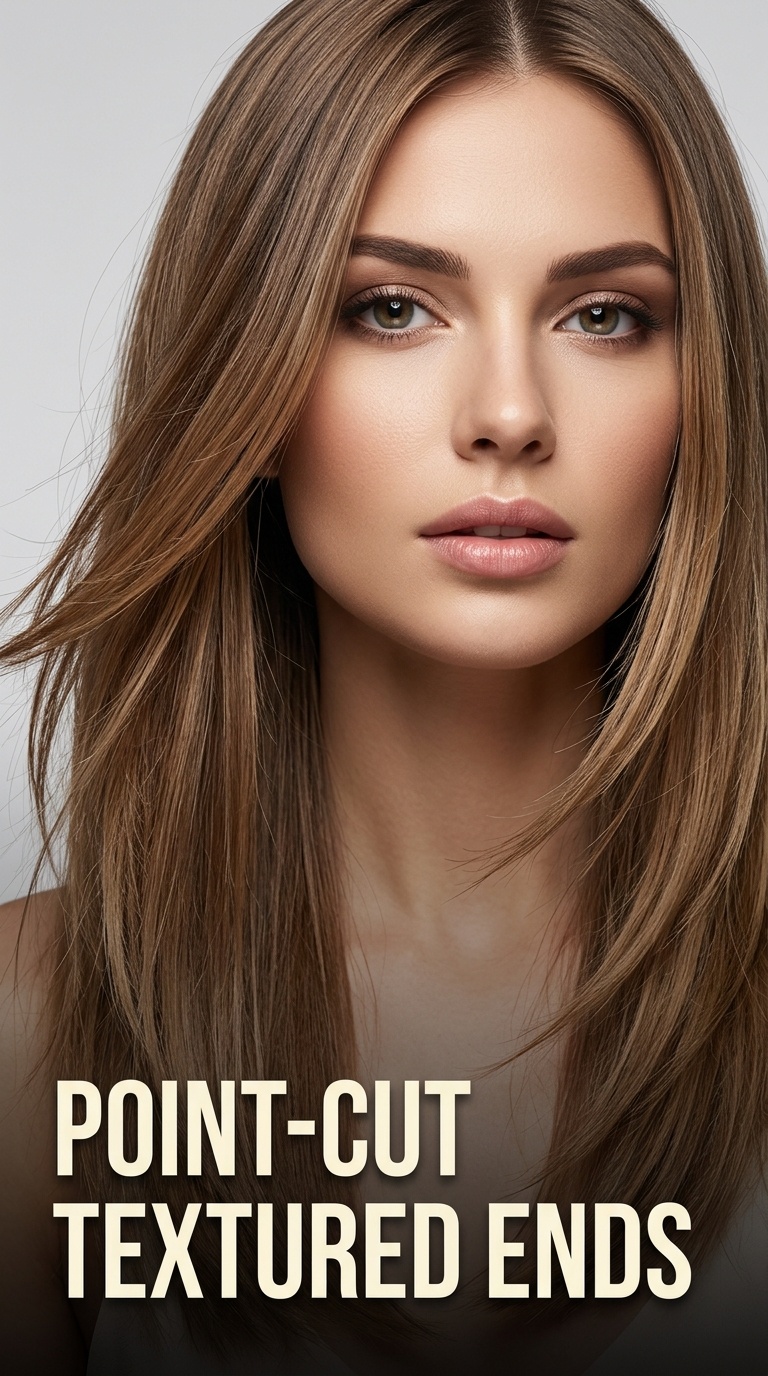
Point-cutting is a method where the stylist cuts into the ends of the hair at an angle. This creates a jagged, textured finish rather than a straight, blunt line.
This technique is essential for adding movement to the very bottom of the hair. It prevents the “triangle” look where hair flares out awkwardly at the ends.
Point-cut ends provide a soft, feathered appearance that looks great on straight hair. It allows the tips to move independently, creating a sense of lightness and playfulness.
12. Heavy Crown Layers
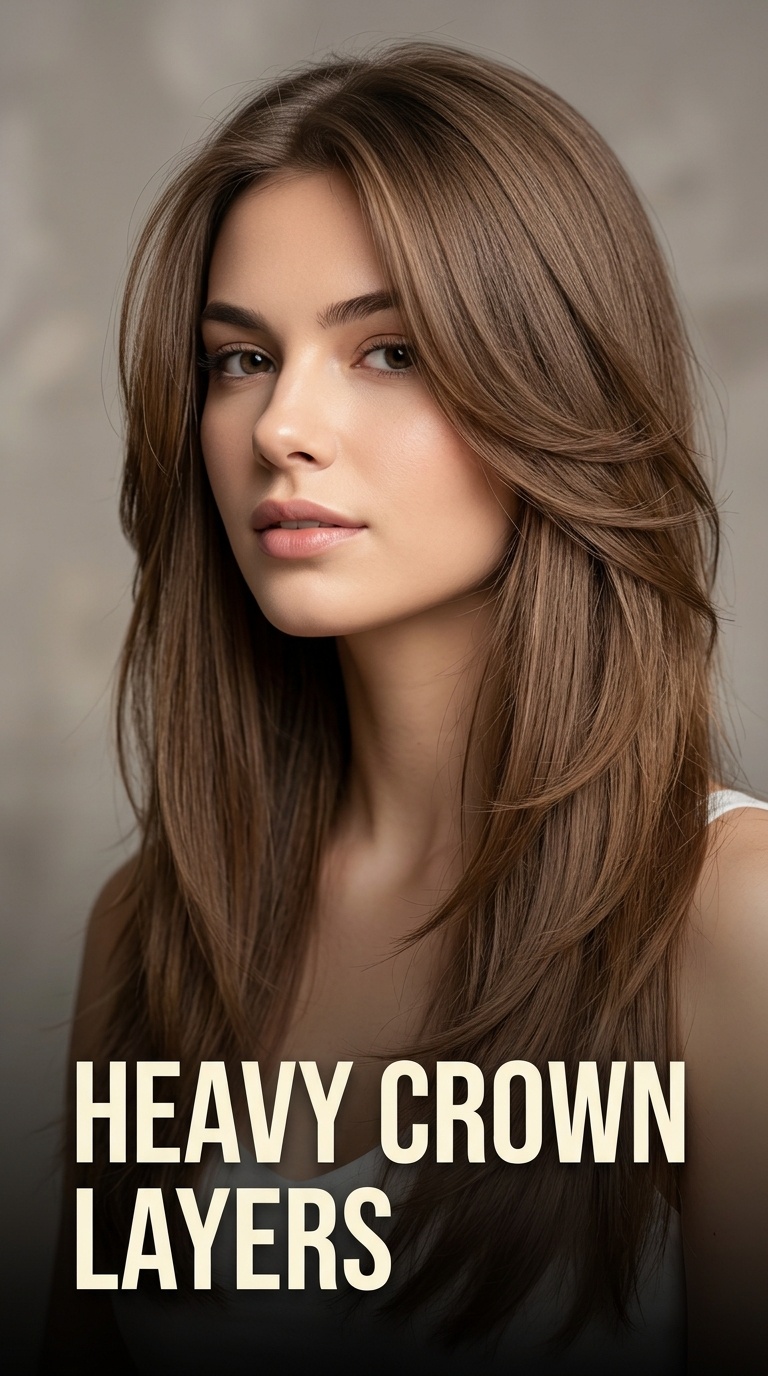
By focusing the layers around the crown of the head, you create instant height and volume. This look is perfect for preventing long hair from looking “weighed down” at the roots.
The shorter layers at the top blend into the longer base, creating a subtle beehive or bouffant effect. This adds a vintage-inspired touch to a modern straight style.
More Amazing Ideas
 19 Prom Hairstyles for Long Hair from Waves to Elegant Updos — Read more
 19 Formal Hairstyles for Long Hair from Sleek to Voluminous — Read more
 18 Hairstyles for Shoulder Length Hair with Layers and Texture — Read more
 19 Work Hairstyles for Long Hair from Sleek Styles to Updos — Read more
 19 Gym Hairstyles for Long Hair with Secure, Practical Styling — Read more
This cut is particularly useful for those with flatter hair types. The crown layers provide the necessary tension to keep the hair looking full and energetic all day long.
13. Blunt Perimeter with Internal Shattering
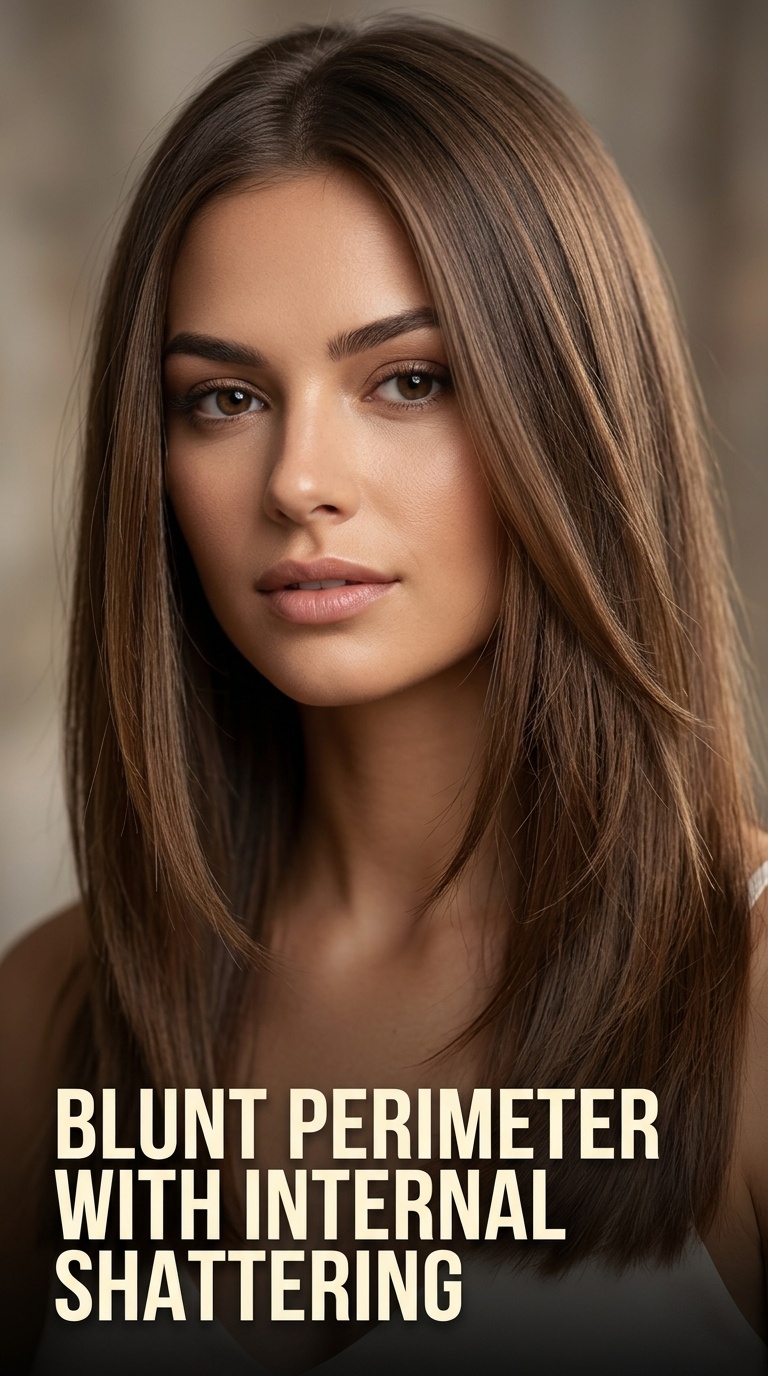
This style maintains a thick, blunt line at the bottom for a sense of health and density. However, the interior is “shattered” with random, choppy layers for movement.
It offers the best of both worlds: the strength of a blunt cut and the flexibility of layers. This prevents the hair from looking too stiff or robotic.
When the hair moves, the internal layers reveal themselves, creating a peek-a-boo effect. It is a modern, high-fashion approach to long straight hair.
14. Cascading Shoulder-Length Layers
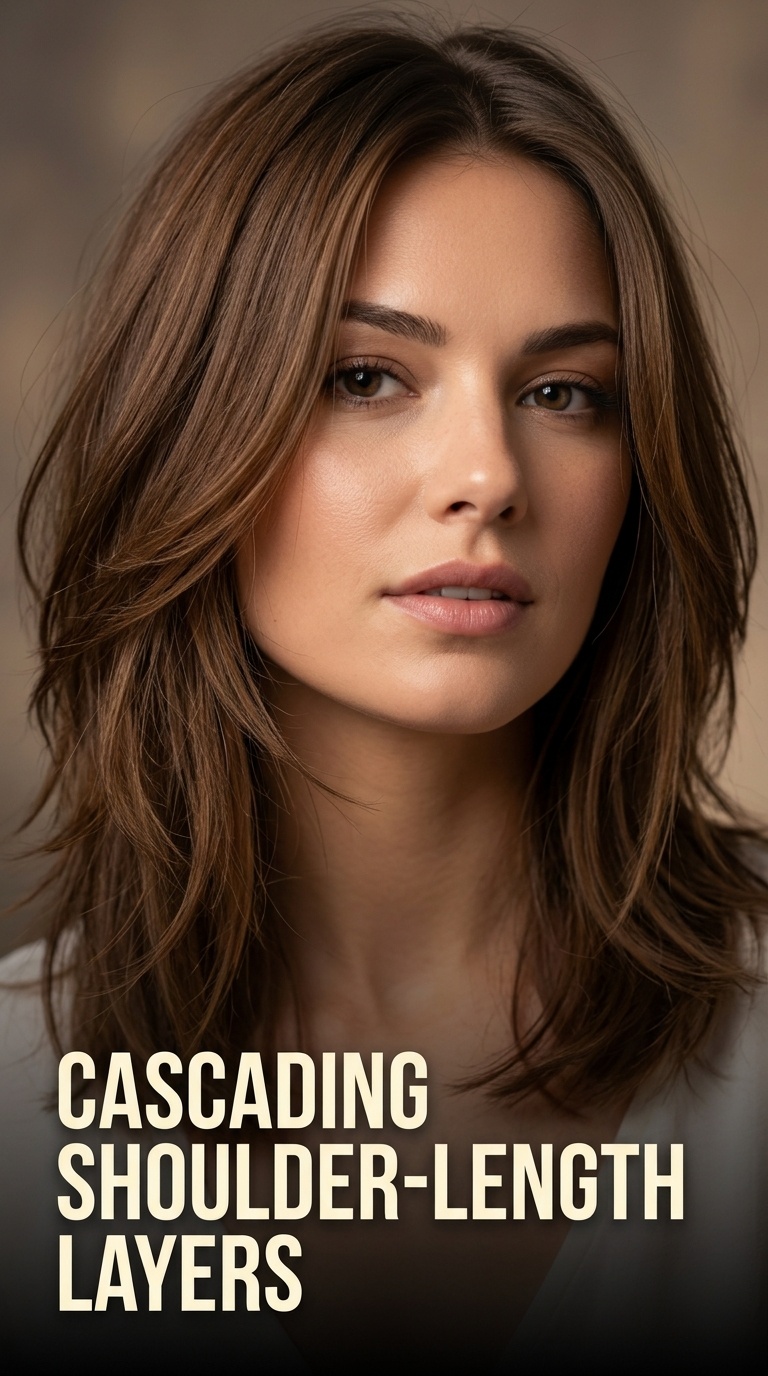
Starting the layers at the shoulder level provides a beautiful transition between the face and the long ends. These layers act as a bridge, creating a sense of continuity.
This style is excellent for emphasizing the length of the hair while adding a soft bounce. The shoulder-length layers catch the wind easily, ensuring the hair never looks static.
It is a versatile look that works well with both casual and formal attire. The cascading effect provides a sense of elegance and refined movement.
15. The Long A-Line Cut
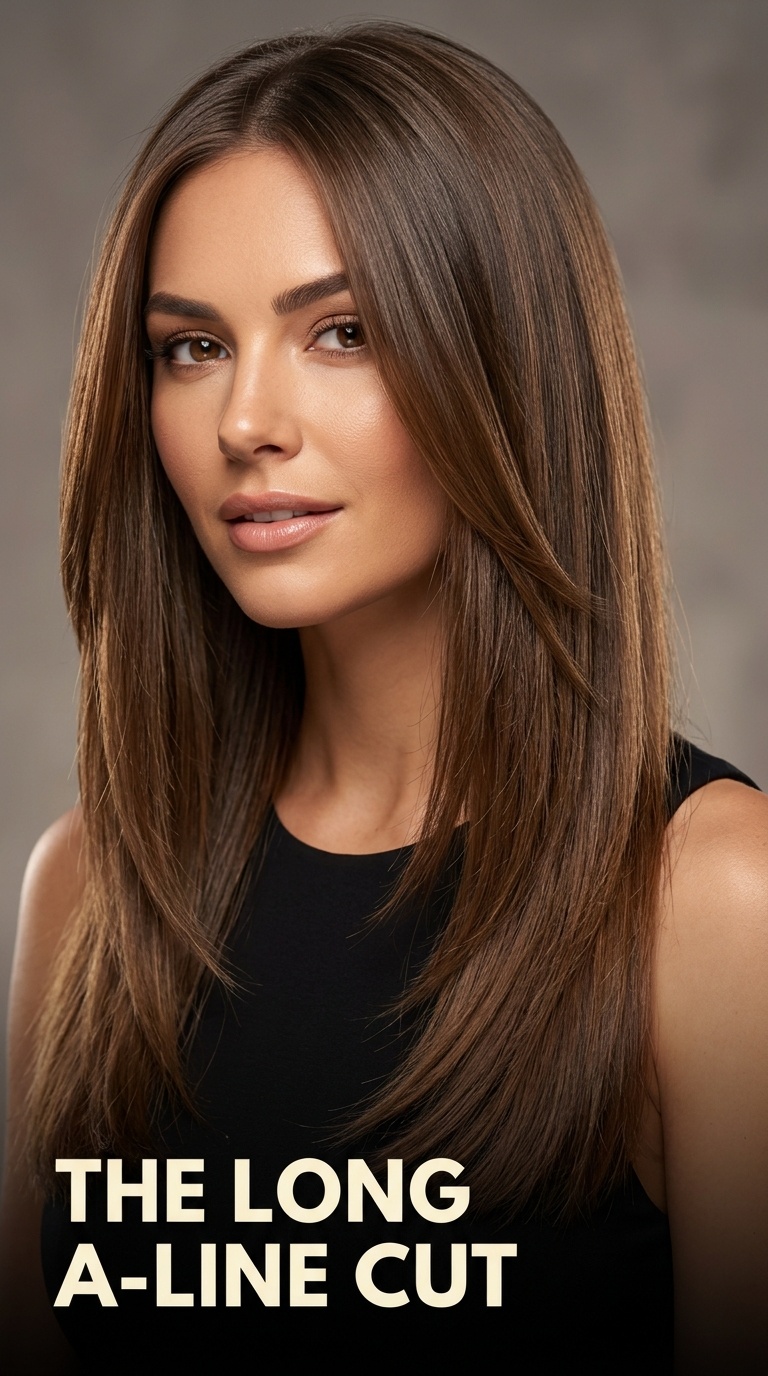
An A-line cut features hair that is slightly shorter in the back and gradually gets longer toward the front. When layered, this creates a forward-moving energy.
This geometry encourages the hair to drape forward over the shoulders. The layers within the A-line shape add texture and prevent the front sections from looking too heavy.
It is a sleek, professional look that provides a sharp profile. The movement is directed toward the face, making it a very engaging and dynamic hairstyle.
More Amazing Ideas
 17 Bun Hairstyles for Long Hair from Sleek to Voluminous Looks — Read more
 19 Up Hairstyles for Long Hair from Sleek Buns to Textured Updos — Read more
 16 Summer Hairstyles for Medium Hair with Layers and Easy Styling — Read more
 17 Hairstyles for Frizzy Hair with Shape, Texture and Movement — Read more
 18 Beach Hairstyles for Long Hair from Braids to Loose Waves — Read more
16. Subtle Surface Dusting
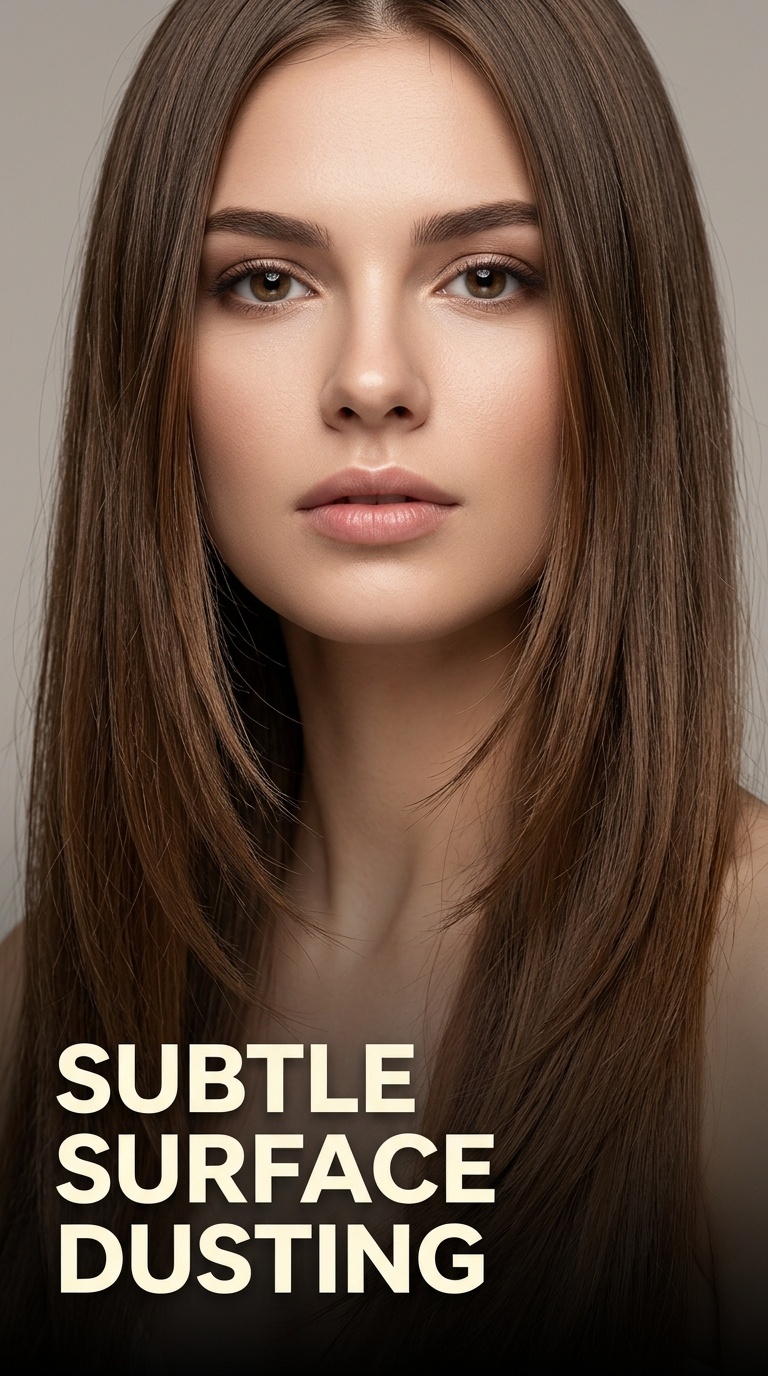
Surface dusting is a technique used to remove split ends and add tiny, microscopic layers to the very top layer of the hair. It focuses on the outer “shell” of the style.
This creates a high-shine finish because the light reflects off the many different levels of hair. It adds a subtle shimmer and a “fluttery” movement to the surface.
It is the perfect choice for those who are protective of their length. You get the benefits of layers—shine, health, and movement—without sacrificing any noticeable inches.
17. Feathered Nineties-Style Layers
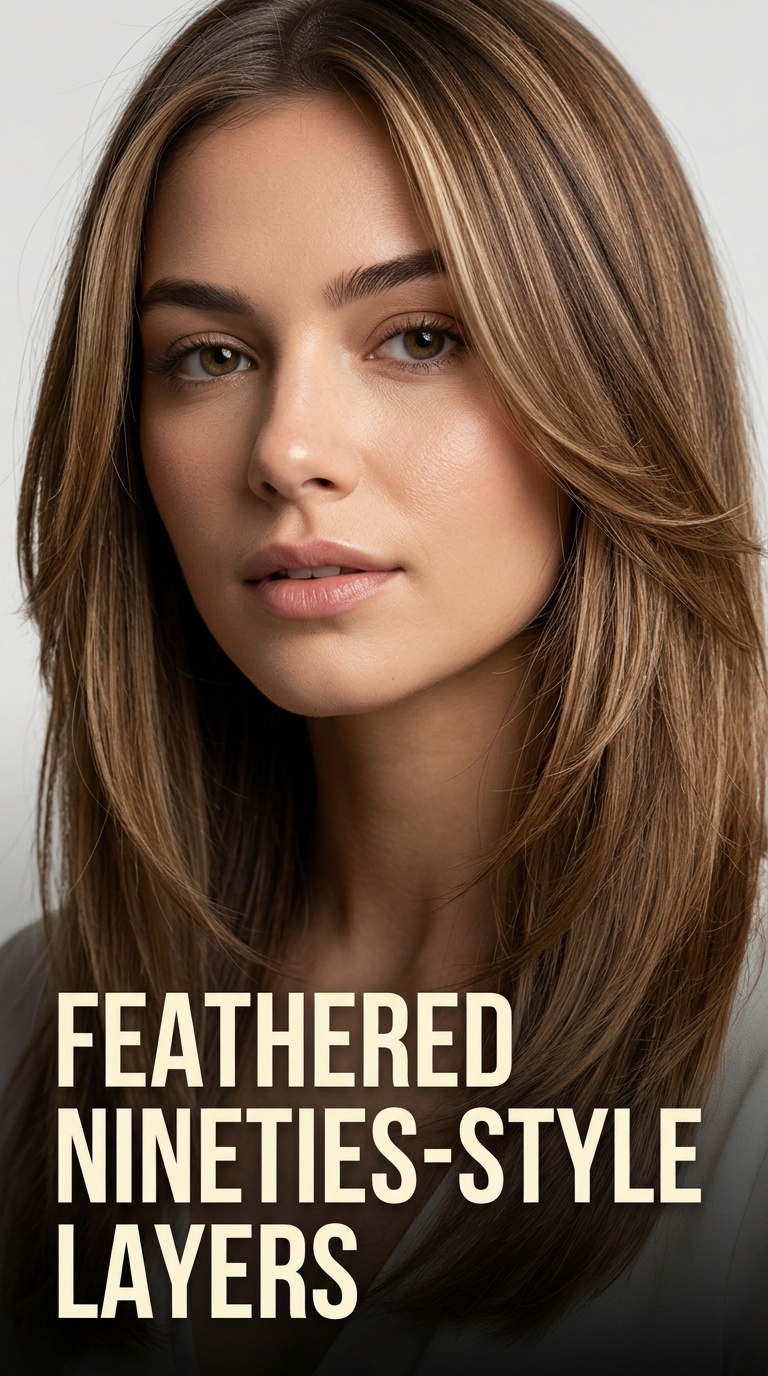
Inspired by the supermodels of the 90s, these layers are heavily feathered toward the back. They create a soft, wing-like texture that feels incredibly glamorous.
Long straight hair is the perfect canvas for this look. The feathering technique removes weight from the front, allowing the hair to be tossed easily from side to side.
This style is all about confidence and effortless motion. It looks best when the hair is healthy and shiny, as the feathered ends catch the light beautifully.
18. Disconnected Long Layers
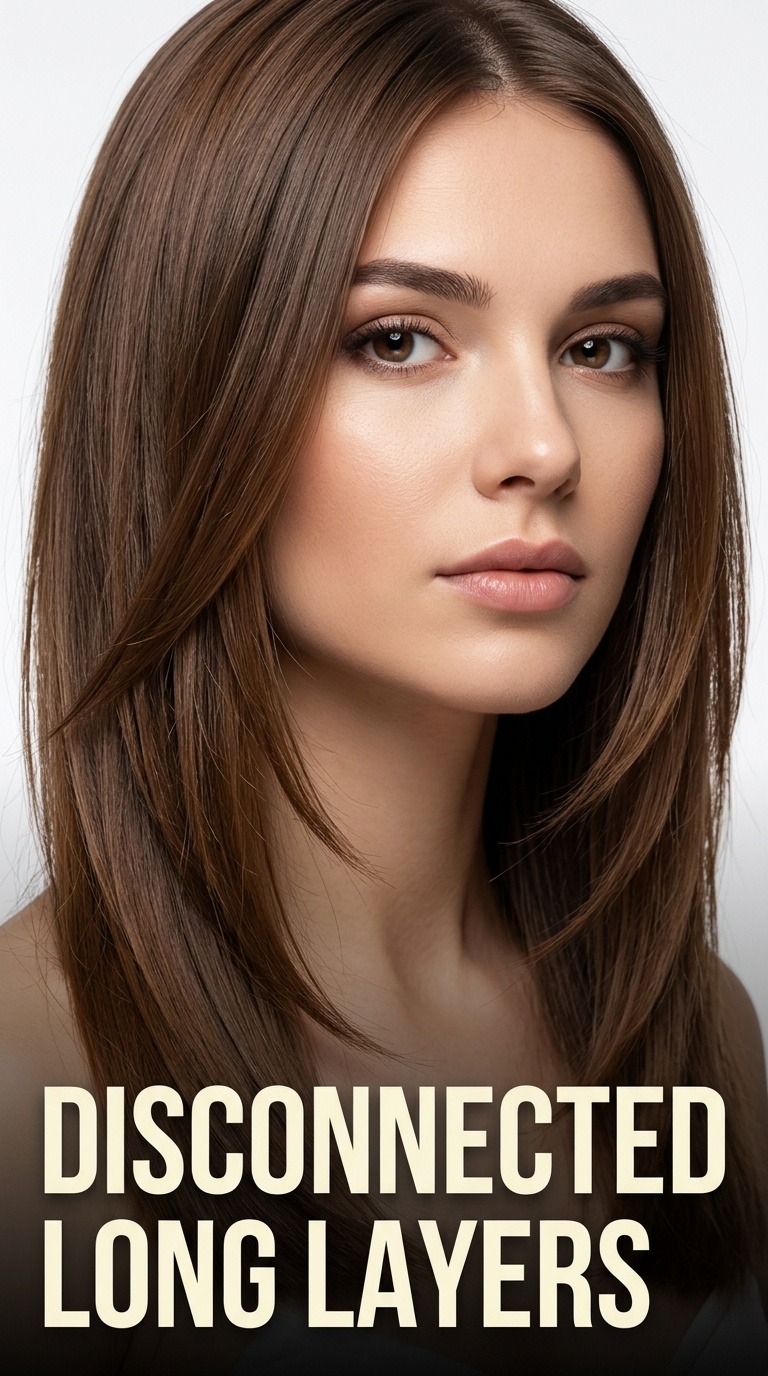
Disconnected layers are not blended together. Instead, there is a clear jump between the shorter top layers and the long bottom section, creating a bold, edgy look.
This style provides extreme movement because the sections move independently of one another. It is a high-contrast look that makes a strong visual statement.
For long straight hair, this adds a level of complexity that is rarely seen. It is a creative way to play with length and volume while maintaining a sleek, straight texture.
More Amazing Ideas
 16 Messy Hairstyles for Men with Texture, Layers and Natural Movement — Read more
 17 Party Hairstyles for Long Hair from Waves to Voluminous Updos — Read more18 Hairstyles for Long Faces with Layers, Bangs and Balanced Shape — Read more
 19 Layered Hairstyles for Medium Length Hair with Movement and Shape — Read more
 19 School Hairstyles for Long Hair with Braids and Ponytails — Read more
How do layers add movement to straight hair?
Layers add movement by removing the uniform weight of the hair. When all hair is the same length, gravity pulls it down into a static block. By creating different lengths, the strands can slide over each other, allowing for bounce and airflow.
Are layers high maintenance for long hair?
Layered hair generally requires more frequent trims to keep the shape defined. However, they can actually make daily styling easier by providing built-in volume. You may spend less time trying to lift your roots if the layers are doing the work for you.
Will layers make my hair look thinner?
If done correctly, layers can actually make hair look thicker by adding volume and texture. However, if layers are too heavy or numerous on very fine hair, they can remove too much bulk. It is important to choose “ghost layers” or “internal layers” for fine hair types.
How often should I trim layered hair?
To maintain the movement and crispness of the layers, a trim every 8 to 12 weeks is recommended. This prevents split ends from traveling up the hair shaft and keeps the tiered sections looking intentional rather than overgrown.
What styling products help layers pop?
Texturizing sprays and lightweight mousses are excellent for emphasizing layers. These products provide “grip,” which allows the different lengths to stand out. Avoid heavy oils or waxes, as these can weigh the layers down and negate the movement.
Can layers help with tangling?
Yes, layers can often reduce tangling in long straight hair. By removing some of the bulk and creating different levels, the hair is less likely to “mat” together into a single heavy unit. The increased airflow between layers helps the strands remain separate and fluid.


