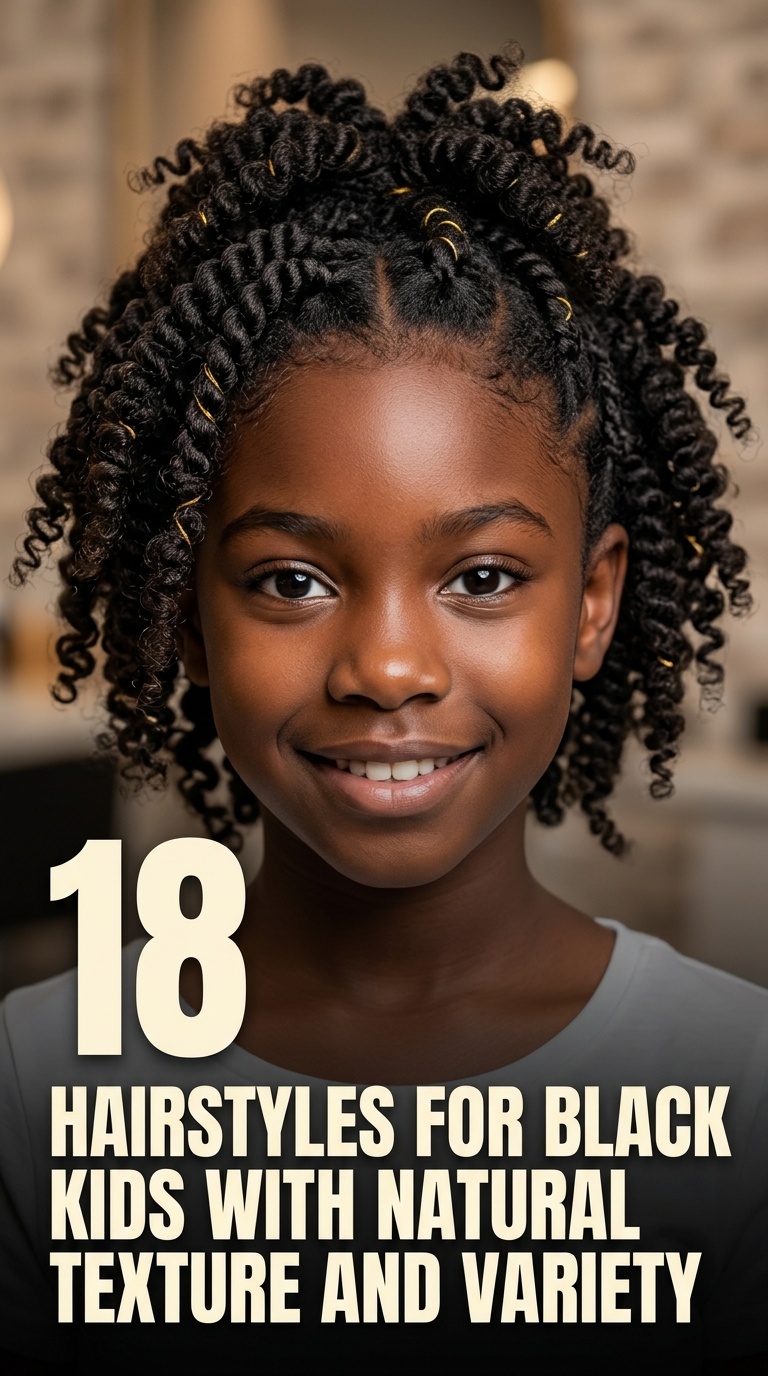
Natural hair is a magnificent canvas for creativity and cultural expression.
For Black children, hair is more than just style; it is a celebration of heritage.
Choosing the right look boosts confidence and keeps delicate strands healthy.
Discover these versatile options designed specifically for beautiful, melanated textures.
1. Classic Afro Puffs
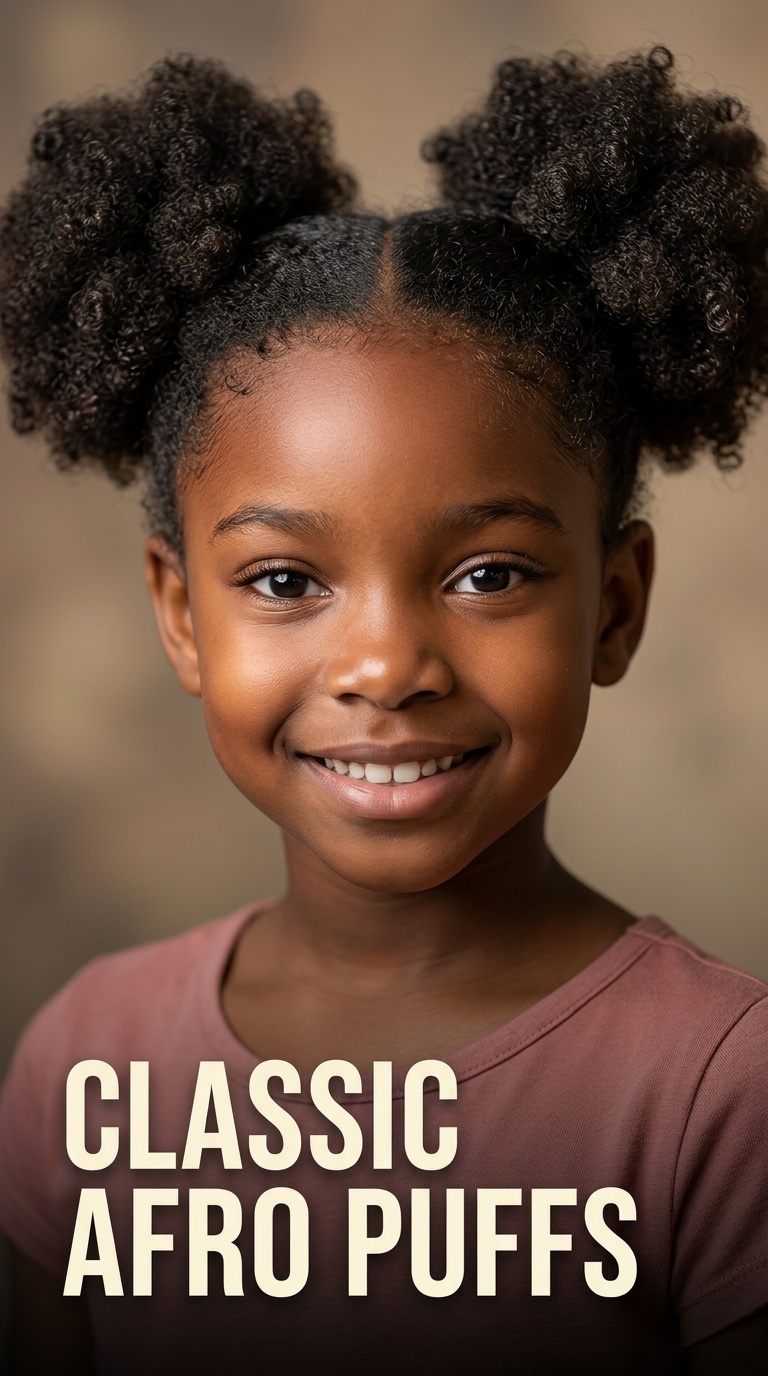
The classic afro puff is a staple for Black children with tight coils and curls. This style gathers the hair into one or two voluminous clouds, showcasing the natural density of type 4 hair. It is a quick, go-to look that works for school, playdates, or formal events.
To achieve a sleek finish, use a soft-bristled brush and a moisturizing edge control that caters to melanated skin and hair. Ensure the hair is thoroughly detangled and hydrated with a liquid-based leave-in conditioner before securing. Use “ouchless” elastic bands to prevent breakage on the delicate hairline.
This style is excellent because it keeps the hair off the neck while allowing the ends to breathe. It highlights the child’s facial features and authentic texture without requiring heat or heavy chemicals. It is the ultimate celebration of natural volume.
2. Box Braids with Colorful Beads
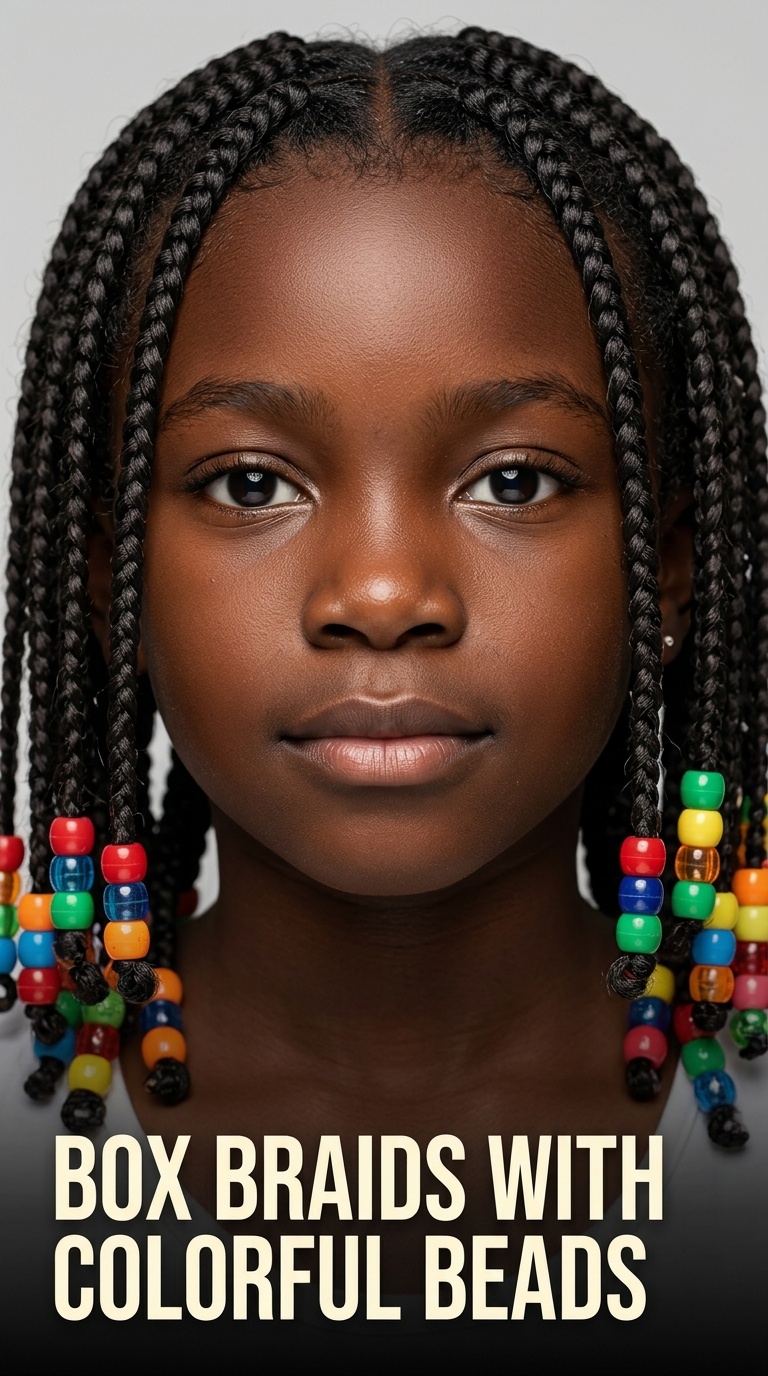
Box braids are a timeless protective style that offers longevity and variety. By sectioning the hair into square shapes, you create a neat foundation that can last for several weeks. Adding beads to the ends provides a rhythmic sound and a vibrant, age-appropriate aesthetic.
When installing these braids, ensure the tension is minimal to protect the young child’s scalp. Use a light oil, such as jojoba or coconut oil, to seal the ends before sliding on the beads. Choose beads that reflect the child’s personality, from clear crystals to bold primary colors.
The weight of the beads can actually help stretch the hair naturally, reducing future tangles. This style significantly cuts down on daily grooming time, making morning routines much smoother for busy parents. It is a perfect blend of tradition and fun.
3. Two-Strand Twists
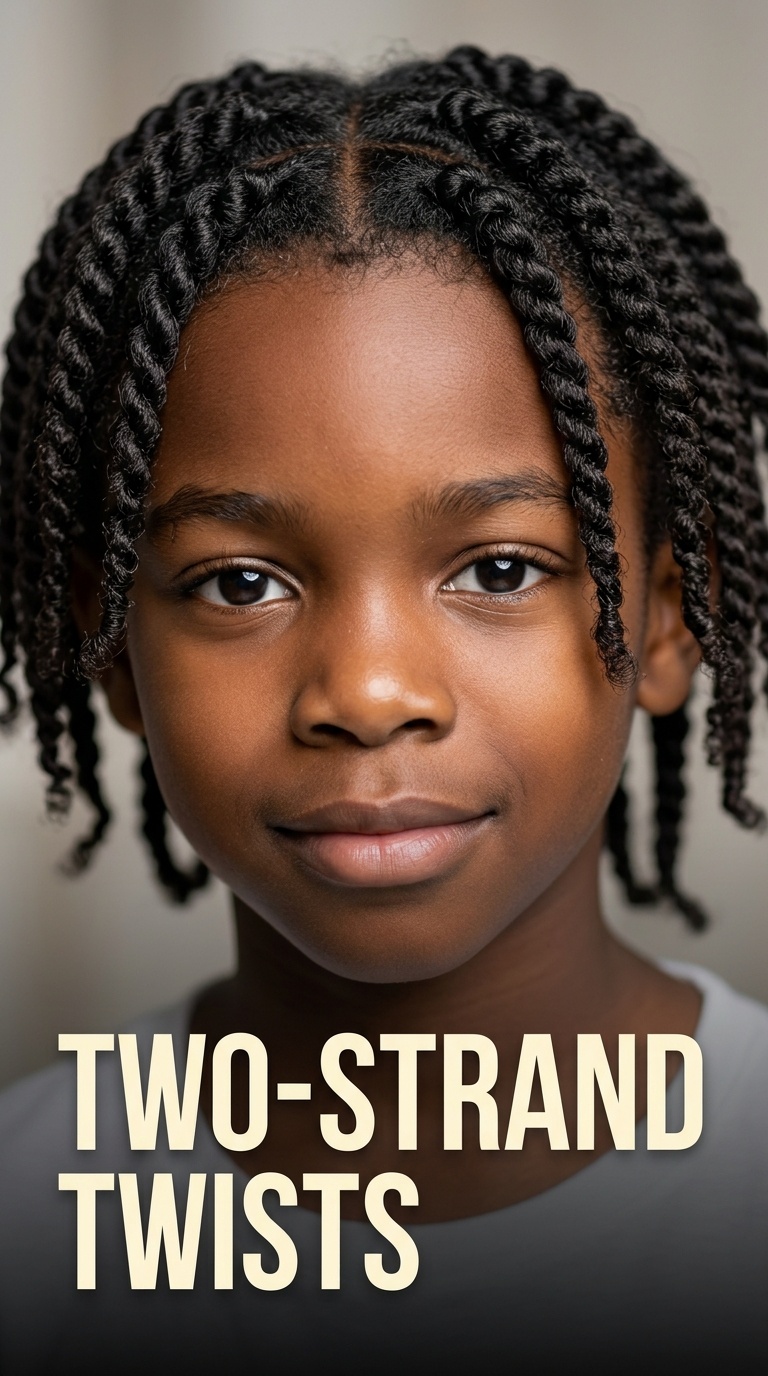
Two-strand twists are one of the most versatile and gentle styles for natural hair textures. This technique involves wrapping two sections of hair around each other from root to tip. It works exceptionally well on all hair lengths and can be worn as-is or unraveled later.
For the best results, apply a thick twisting cream or a flaxseed gel to damp hair to provide hold and shine. This ensures the twists stay defined and do not frizz prematurely. Regularly mist the twists with water and oil to keep the inner strands hydrated.
More Amazing Ideas
 16 Hairstyles for Black Women with Natural Texture and Variety — Read more
 18 Easy Hairstyles for Little Black Girls with Braids and Natural Texture — Read more
 18 Curl Hairstyles for Black Women with Natural Texture and Shape — Read more
 16 Natural Hairstyles for Kids with Texture and Protective Styling — Read more
 18 Hairstyles for Natural Hair with Texture, Shape and Variety — Read more
This style is particularly beneficial for moisture retention, which is vital for the health of Black hair. It minimizes manipulation, which helps in length retention and prevents split ends. It is a soft, approachable look for kids of all ages.
4. Cornrowed Frohawk
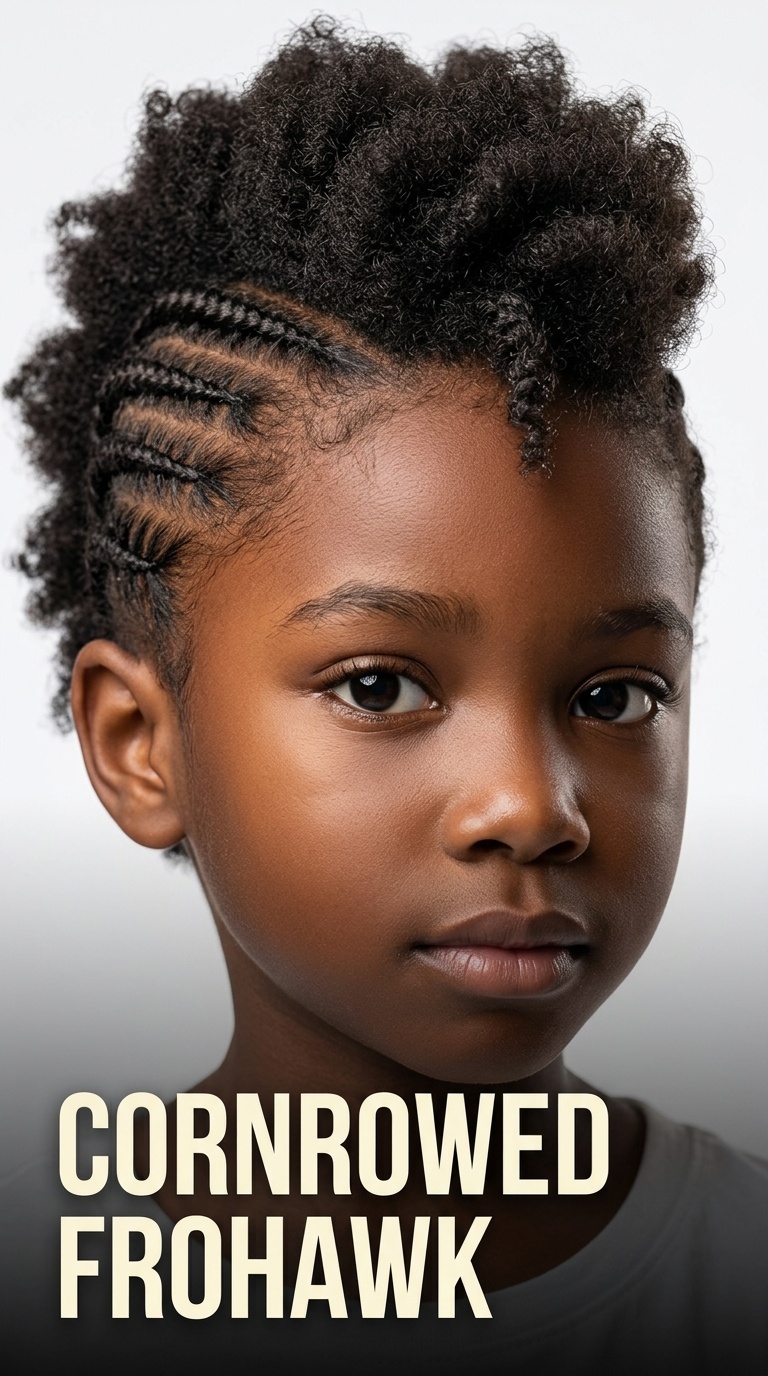
The cornrowed frohawk combines the intricacy of traditional braiding with the bold statement of an afro. The sides are braided upward toward the center of the head, leaving the middle section free. This creates a mohawk silhouette that celebrates natural texture and volume.
Focus on creating clean parts using a rattail comb, being careful not to scratch the sensitive scalp. The center hair can be picked out for a full look or defined with a curl enhancer for a spiraled effect. This style is edgy yet completely appropriate for active Black children.
The frohawk is a great way to keep the hair secure while still showing off the length and coil pattern. It keeps the hair away from the ears and face, making it ideal for sports or summer weather. It is a modern take on a classic silhouette.
5. Bantu Knots
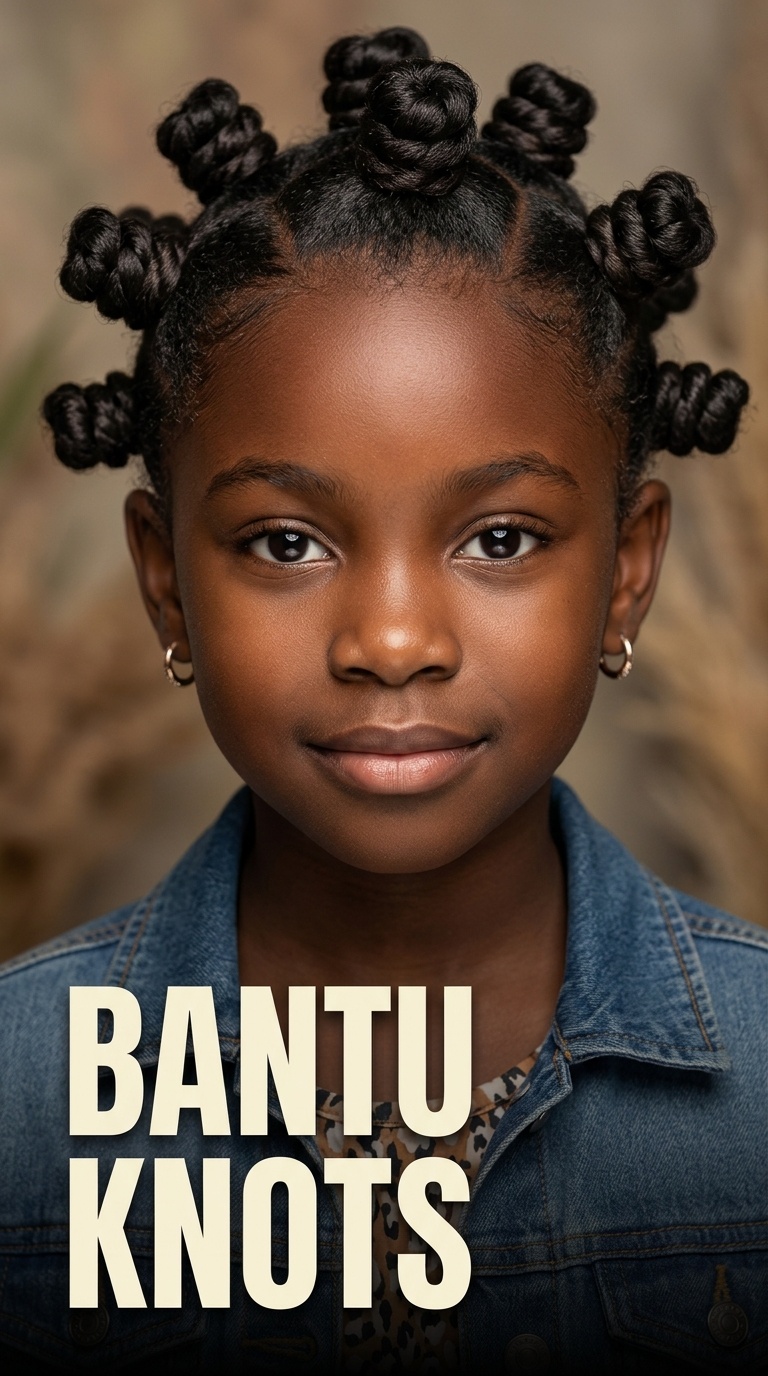
Bantu knots are a beautiful, centuries-old African hairstyle that involves sectioning the hair and wrapping it into small buns. These knots look like little crowns across the head, making them a regal choice for any child. They can be styled on small or large sections depending on the desired look.
To keep the knots secure, ensure the hair is well-moisturized so it remains flexible as you coil it. If the hair is very thick, you may need a small hair tie at the base of each knot for extra stability. Smooth the base of each section with a gentle pomade for a polished appearance.
Bantu knots serve two purposes: they are a stunning standalone style and an excellent way to achieve heatless curls. When unraveled, they reveal tight, bouncy spirals that last for days. This versatility makes them a favorite for parents prioritizing hair health.
6. Flat Twists with a Low Bun
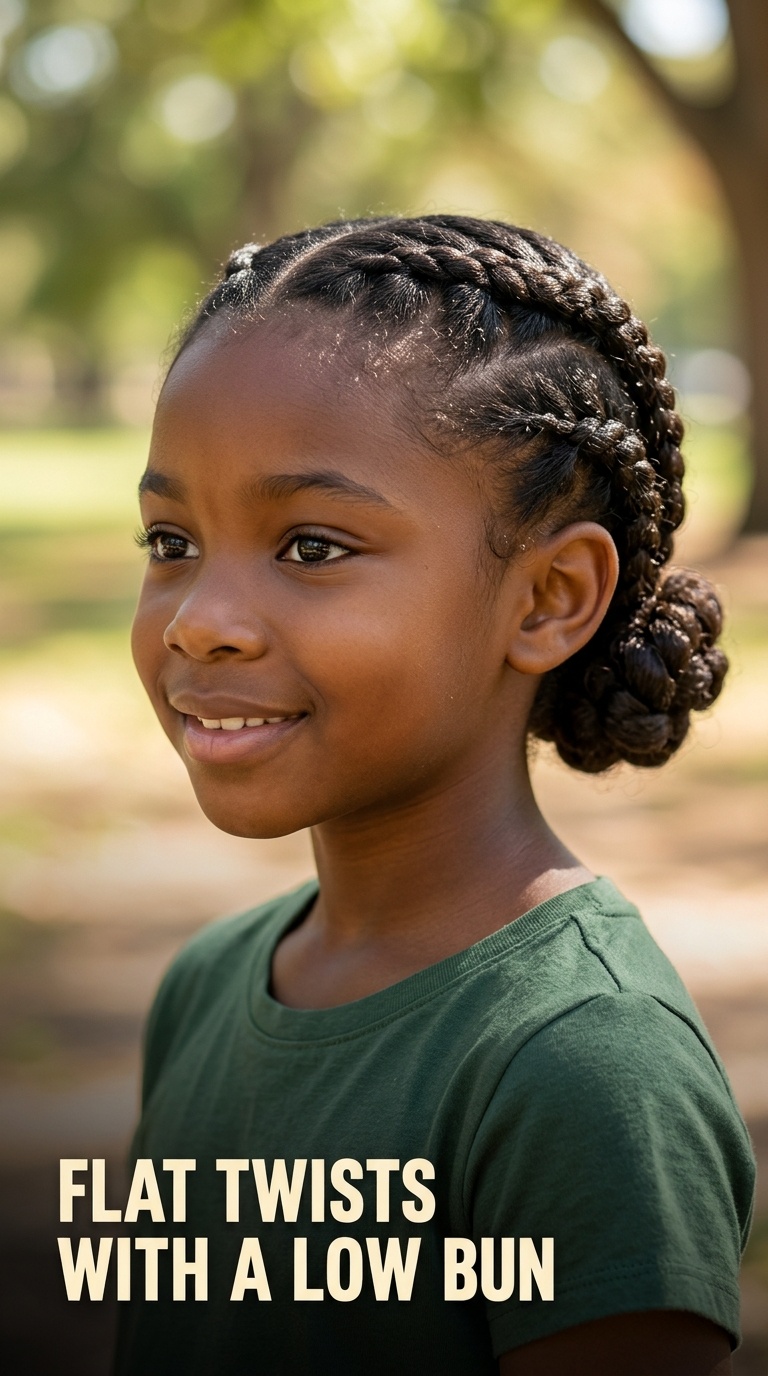
Flat twists offer a look similar to cornrows but are often easier and faster to install. By twisting the hair against the scalp, you create a flat, decorative pattern that leads into a neat bun at the nape. This style is sophisticated and perfect for school photos or family gatherings.
Use a creamy leave-in conditioner to provide the “slip” needed to twist the hair smoothly. This style is very low-tension, making it ideal for children who may have a more sensitive scalp. The low bun at the back can be secured with a silk scrunchie to minimize friction.
More Amazing Ideas
 17 Hairstyles for Black Girls with Natural Texture and Protective Looks — Read more
 17 Natural Hairstyles for Black Women with 4C Hair and Texture — Read more
 19 Updo Hairstyles for Black Women with Natural Texture and Shape — Read more
 18 Natural Hairstyles for Black Women with Texture and Versatile Styling — Read more
 18 Hairstyles for Girls with Braids, Ponytails and Natural Texture — Read more
This hairstyle is highly effective at protecting the ends of the hair, which are the oldest and most fragile parts. By tucking them away in a bun, you prevent snagging on clothing and environmental damage. It is a tidy, elegant solution for daily wear.
7. Feed-In Braids
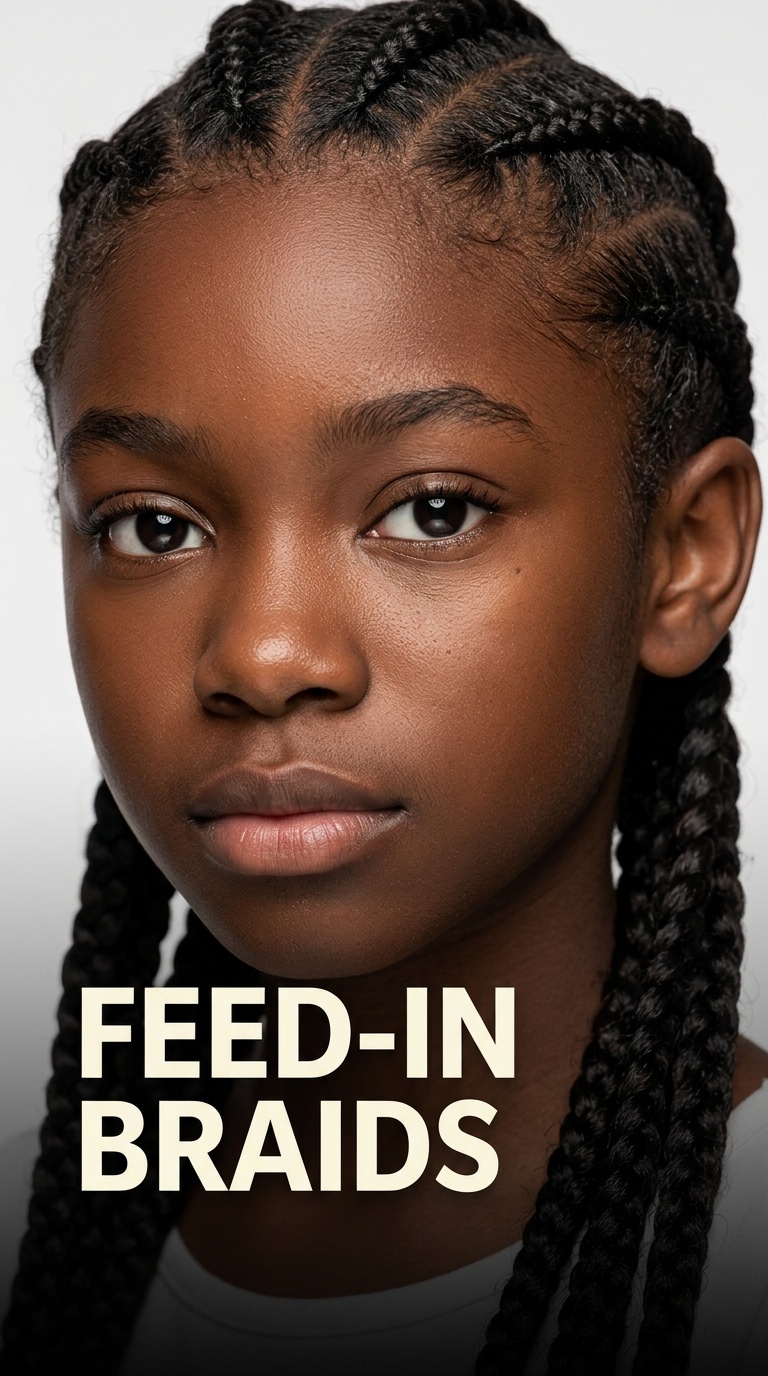
Feed-in braids are a modern braiding technique where small amounts of hair are added gradually to create a natural-looking transition. For children, this method is preferred because it places less weight on the hair follicles than traditional extensions. The result is a seamless, lightweight braid that looks very professional.
It is crucial to use high-quality, pre-stretched hair if you choose to add extensions for length. Ensure the stylist focuses on the health of the “baby hairs” along the forehead by not braiding them too tightly. A light mousse can be applied afterward to lay down any flyaways.
This style provides a “grown-up” feel that many older kids love while remaining safe for their developing hair. It can last for several weeks with proper nighttime care, such as wearing a satin bonnet. It is a durable choice for vacation or busy school months.
8. Wash-and-Go Curls
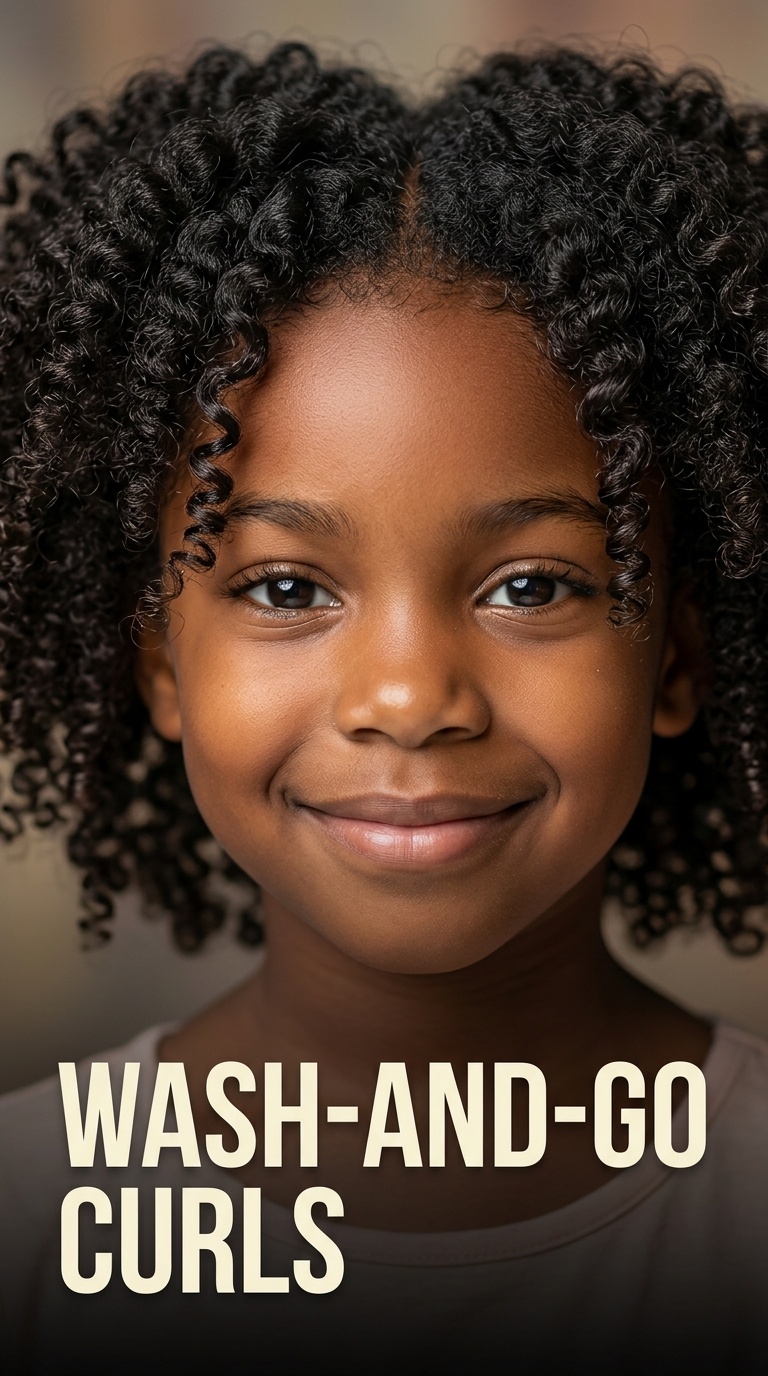
The wash-and-go is the ultimate way to embrace the natural curl pattern of Black hair. This style involves washing, conditioning, and applying styling products to wet hair to define the curls as they air dry. It celebrates the unique “shrinkage” and bounce of healthy natural hair.
To master this look, use a high-quality botanical gel or a curl-defining custard while the hair is soaking wet. Work the product through in small sections using the “shingling” or “praying hands” method. Avoid touching the hair until it is completely dry to prevent frizz.
This style encourages a healthy relationship with one’s natural texture from a young age. It focuses on hydration and curl health rather than hiding the hair’s natural state. It is a vibrant and energetic look that moves with the child.
9. Fulani Braids with Beads
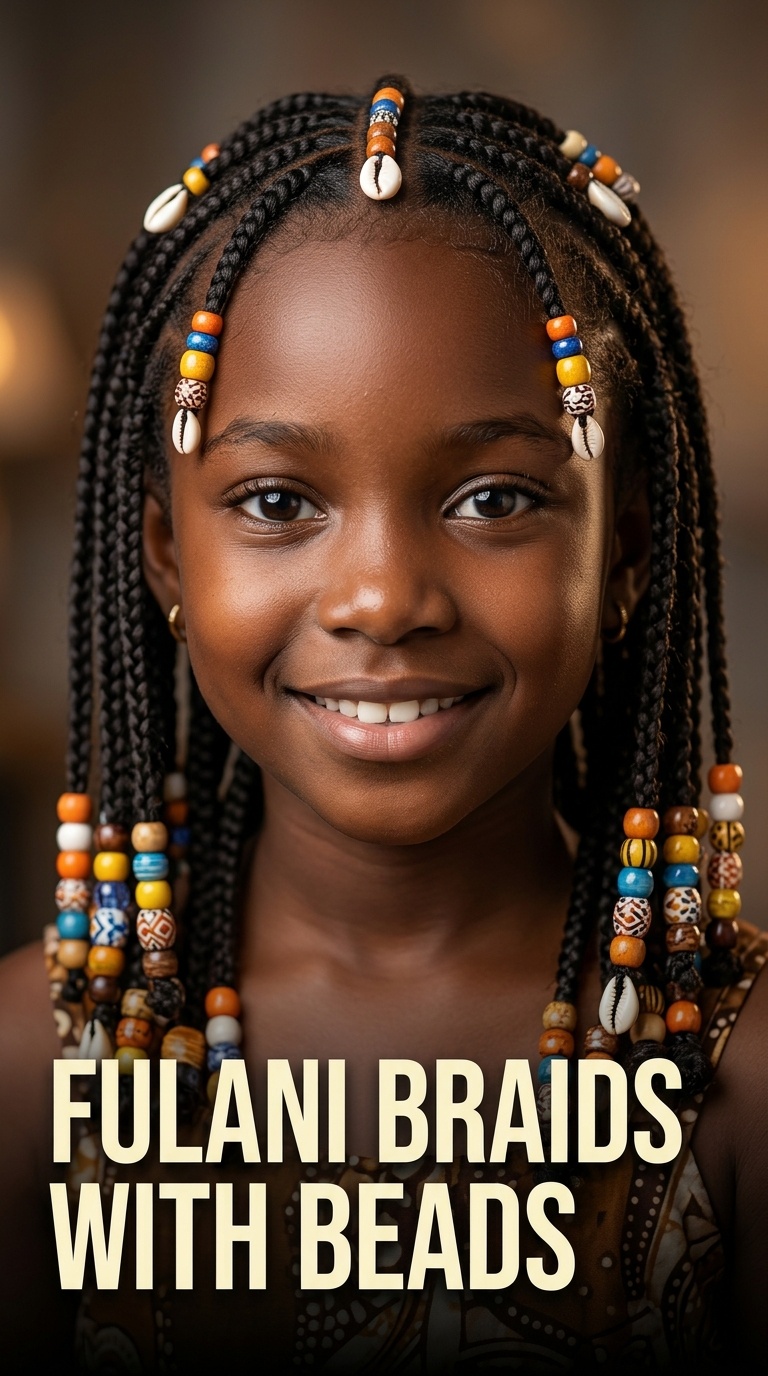
Fulani braids are inspired by the Fula people of West Africa and typically feature a central braid with side braids directed toward the front. This artistic style often incorporates intricate patterns and heavy beadwork at the ends. It is a stunning, culturally rich look that makes a statement.
More Amazing Ideas
 18 Bob Hairstyles for Black Women with Shape and Texture — Read more
 16 Mohawk Hairstyles for Black Women with Bold Shapes and Texture — Read more
 18 90s Hairstyles for Black Women with Retro Shapes and Texture — Read more
 19 Hairstyles for 4C Hair with Natural Texture and Protective Styling — Read more
 16 Christmas Hairstyles for Kids with Festive Braids and Curls — Read more
When styling, you can include gold or silver hair cuffs along the length of the braids for extra flair. The beads at the bottom should be secured firmly but not so tightly that they pull on the hair. Use a scalp oil containing peppermint or tea tree to keep the parts refreshed.
This hairstyle is a wonderful way to connect a child to their African roots through fashion. It is highly durable and keeps the hair protected from daily manipulation. The combination of geometric parts and decorative beads is visually captivating.
10. Crochet Braids
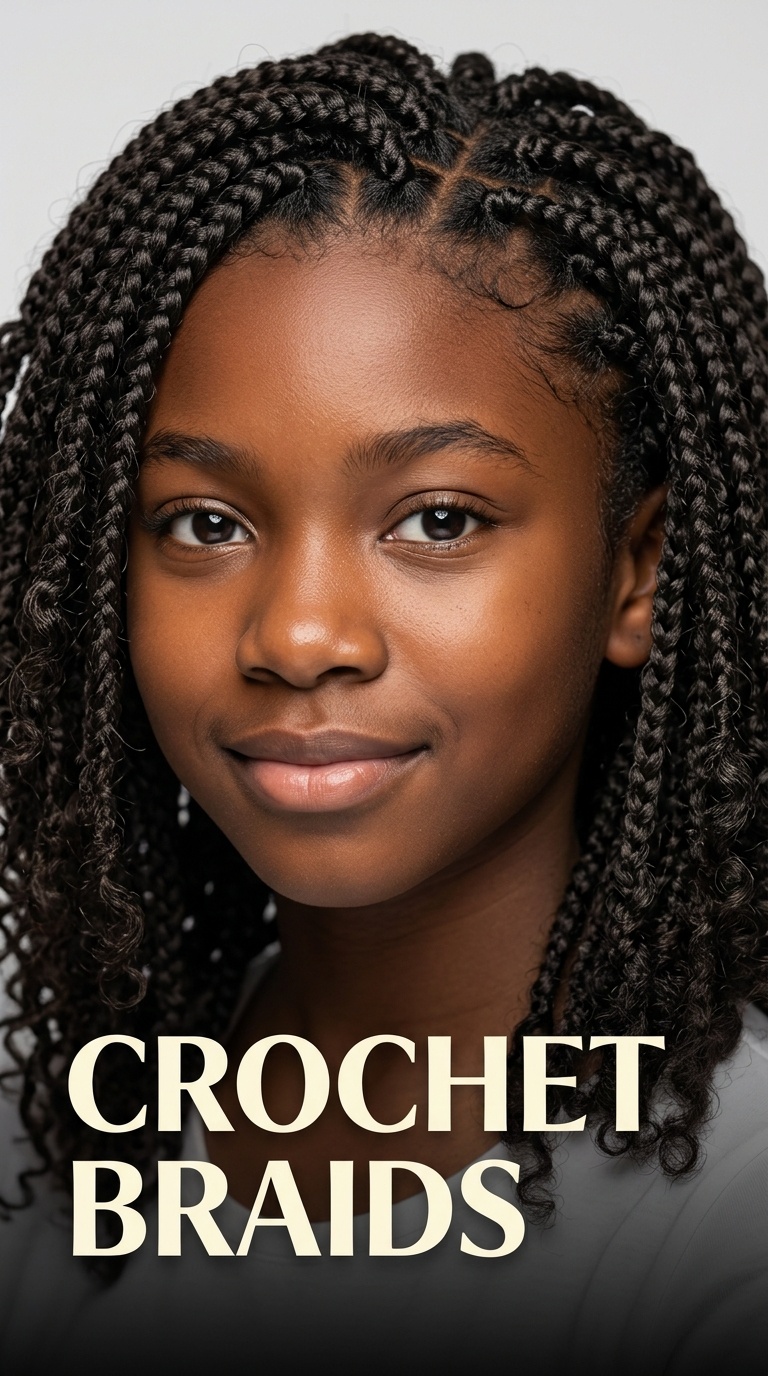
Crochet braids involve braiding the child’s natural hair into cornrows and then “looping” extensions through them using a crochet needle. This allows for a massive variety of textures, from faux locs to voluminous curls, without the long sit-time of individual braids. It is a time-saving miracle for parents.
The tension is concentrated on the cornrows rather than the individual strands, making it a safer option for many. Ensure the cornrow base is not too tight to allow for scalp breathing and easy washing. The extensions can be easily removed without cutting the natural hair.
This style is perfect for kids who want a “big hair” look without the maintenance of a daily afro. It provides a full, lush appearance while the child’s natural hair remains safely tucked away. It is an excellent transitional style for any season.
11. High Pineapple Puff
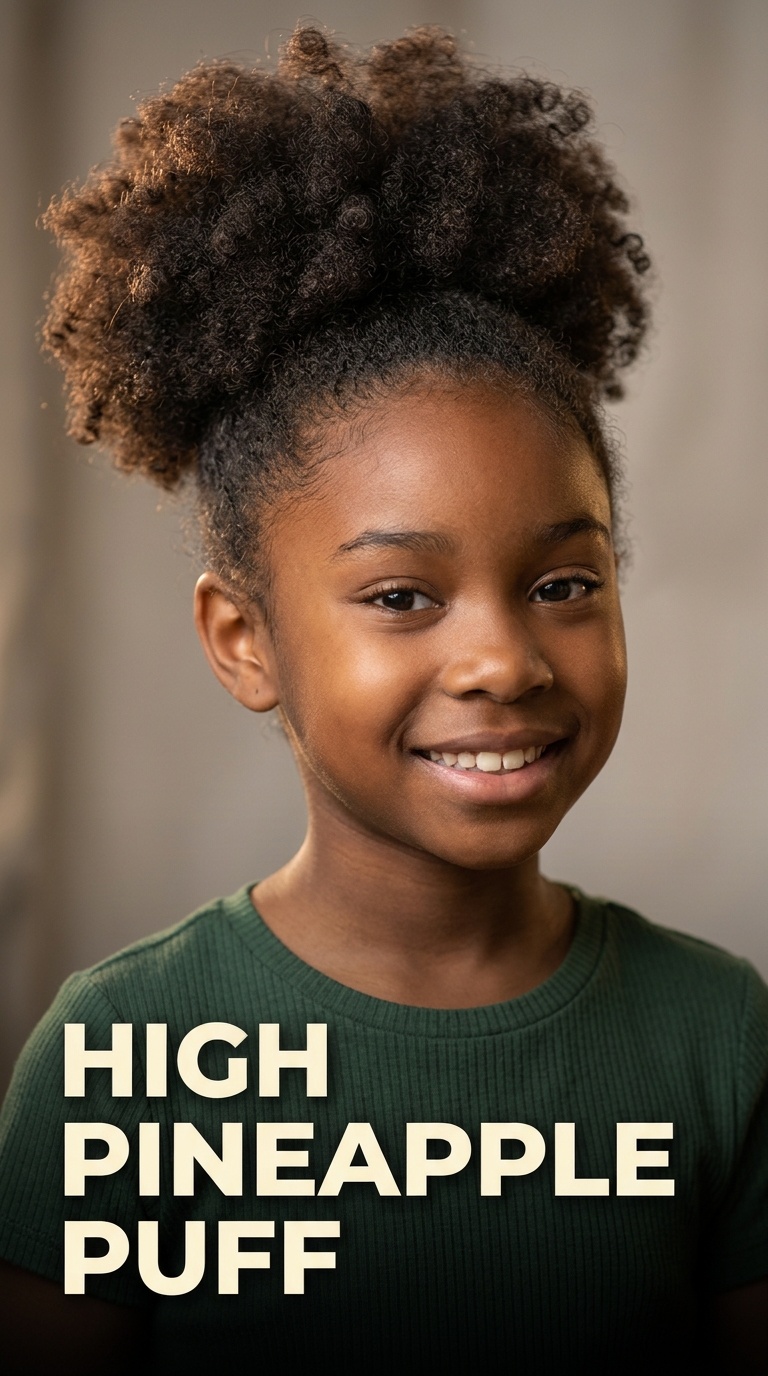
The “pineapple” is a classic technique used to preserve curls, but it also serves as a stylish daytime look. By gathering the hair at the very top and front of the head, the curls cascade forward like the leaves of a pineapple. This protects the back and sides of the hair while showing off length.
Use a large, satin-covered hair band to loosely secure the hair at the crown. This prevents the “dent” that traditional elastics can leave in curly hair. Apply a light shine spray or oil to the ends to give the curls a healthy, vibrant glow.
This style is particularly effective for children with longer natural hair who want to keep it out of their face. It is a playful, high-energy look that works perfectly for school or sports. It is the gold standard for easy, “cool kid” styling.
12. Space Bun Braids
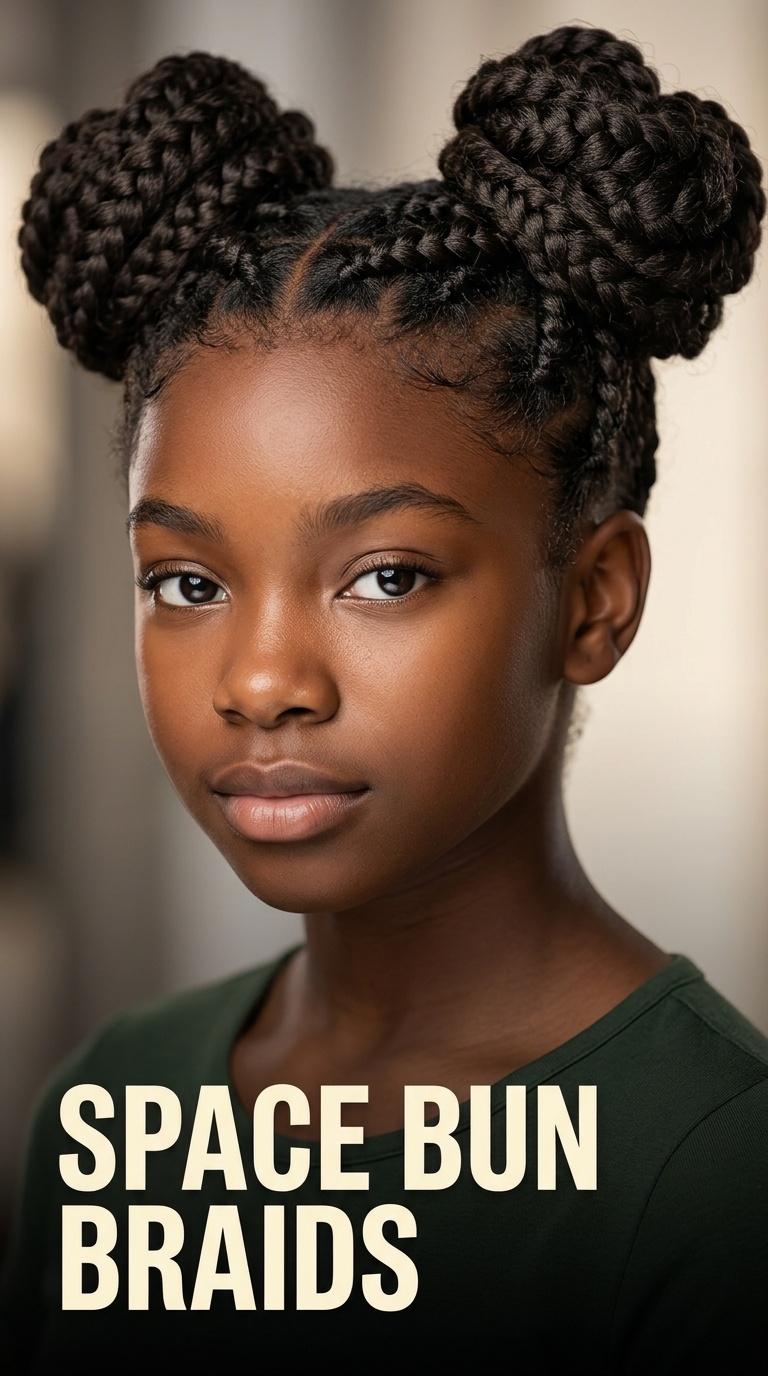
Space buns involve splitting the hair down the middle and creating two high buns on either side of the head. By braiding the hair before forming the buns, you add texture and ensure the style stays neat throughout the day. It is a fun, whimsical look that kids absolutely love.
More Amazing Ideas
 19 Natural Curly Hairstyles for Black Women with Shape and Definition — Read more
 17 Carrot Hairstyles for Black Women with Distinctive Shapes and Texture — Read more
 16 Messy Hairstyles for Men with Texture, Layers and Natural Movement — Read more
 16 Birthday Hairstyles for Kids with Braids, Curls and Playful Details — Read more
 17 Beaded Hairstyles for Kids with Natural Hair and Creative Details — Read more
You can get creative with the parting, using zig-zags or heart-shaped sections. Wrap the braids around themselves at the top and secure with pins or colorful scrunchies. Make sure the buns are symmetrical for a balanced, polished aesthetic.
This style is excellent for keeping hair completely contained, which prevents tangles during active play. It works well on medium to long hair and can be adapted for shorter hair by using “half-up” buns. It is a cheerful style that radiates confidence.
13. Side-Swept Cornrows
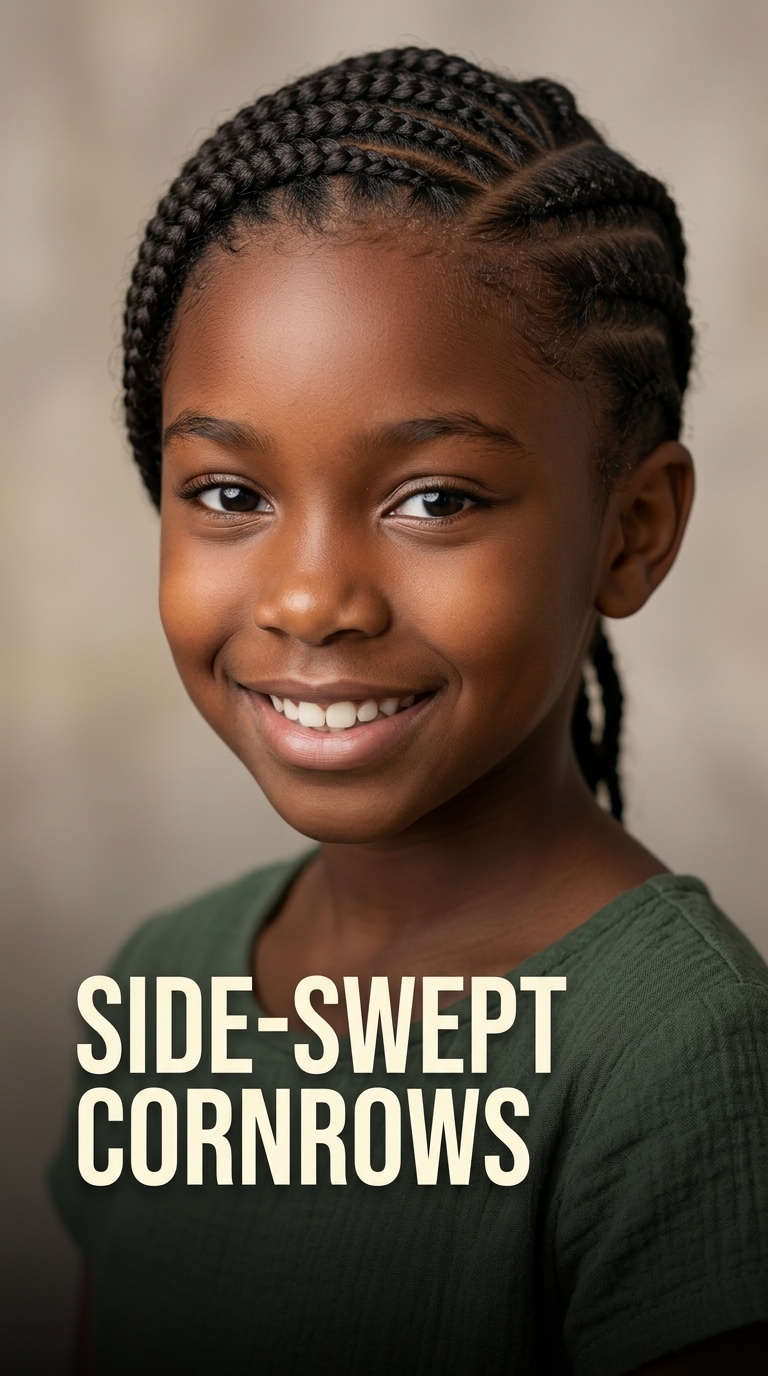
Side-swept cornrows feature braids that start on one side of the head and travel across to the other. This asymmetrical look is modern and sophisticated, offering a break from traditional straight-back styles. The ends can be left as individual braids or gathered into a side ponytail.
Precision is key with this look, so take your time with the parting. Using a small amount of braiding wax can help keep the hair gripped and the lines sharp. This style is particularly flattering for children with round or heart-shaped faces.
This is a fantastic “long-term” style that can last up to two weeks with proper care. It keeps the hair very secure and prevents the child from tugging at their own strands. It is a sleek, fashion-forward choice for any occasion.
14. Mini Twists
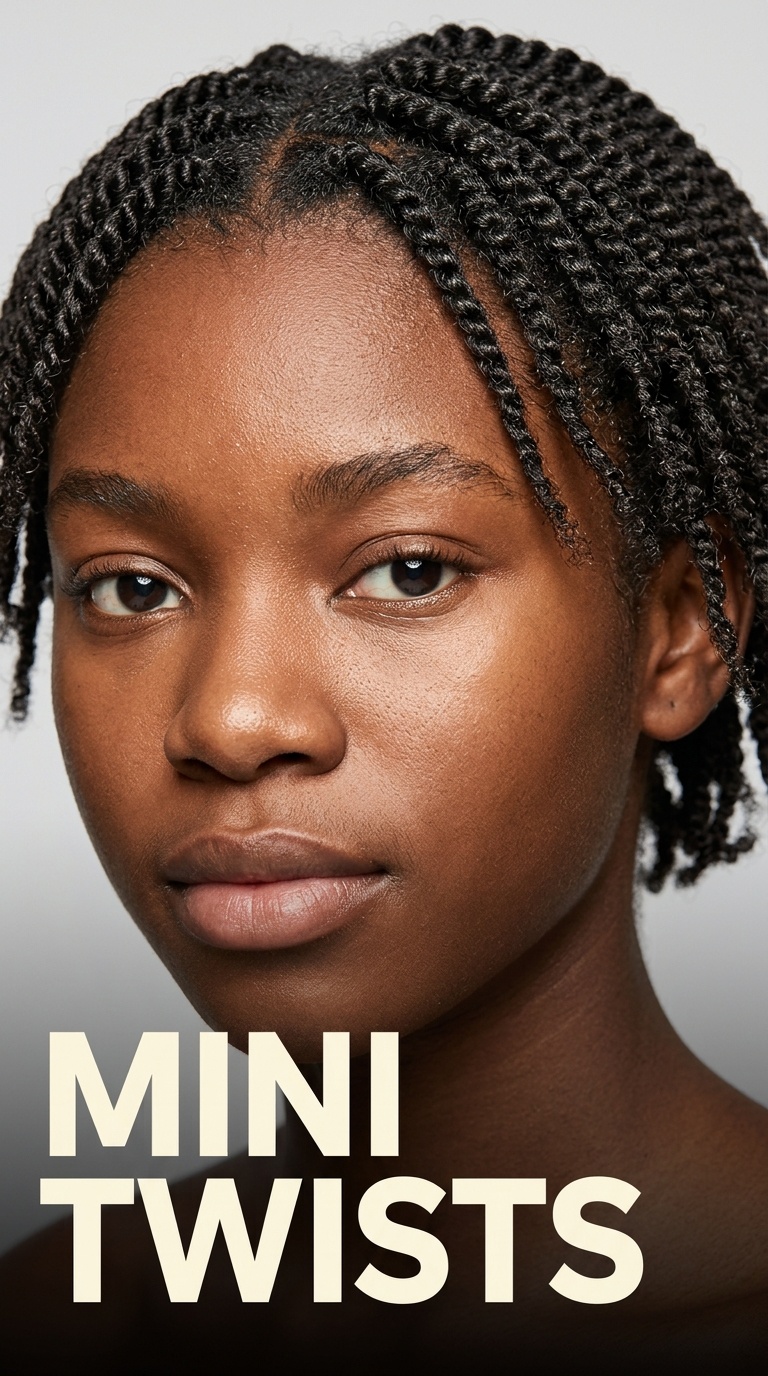
Mini twists are identical to two-strand twists but are done in much smaller, more numerous sections. This allows for much more movement and a look that closely mimics loose hair while still being a protective style. They can be styled in ponytails, buns, or left to hang freely.
Doing mini twists can take several hours, so it is best to do them while the child is watching a movie or relaxed. Use a light, water-based cream to avoid heavy buildup, as these twists will stay in for a while. They offer incredible definition once they are eventually taken down.
Mini twists are perfect for Black children because they allow the scalp to be easily accessed for cleaning and oiling. They are very lightweight and do not pull on the edges. This is one of the best styles for encouraging healthy hair growth.
15. Natural Hair Bows
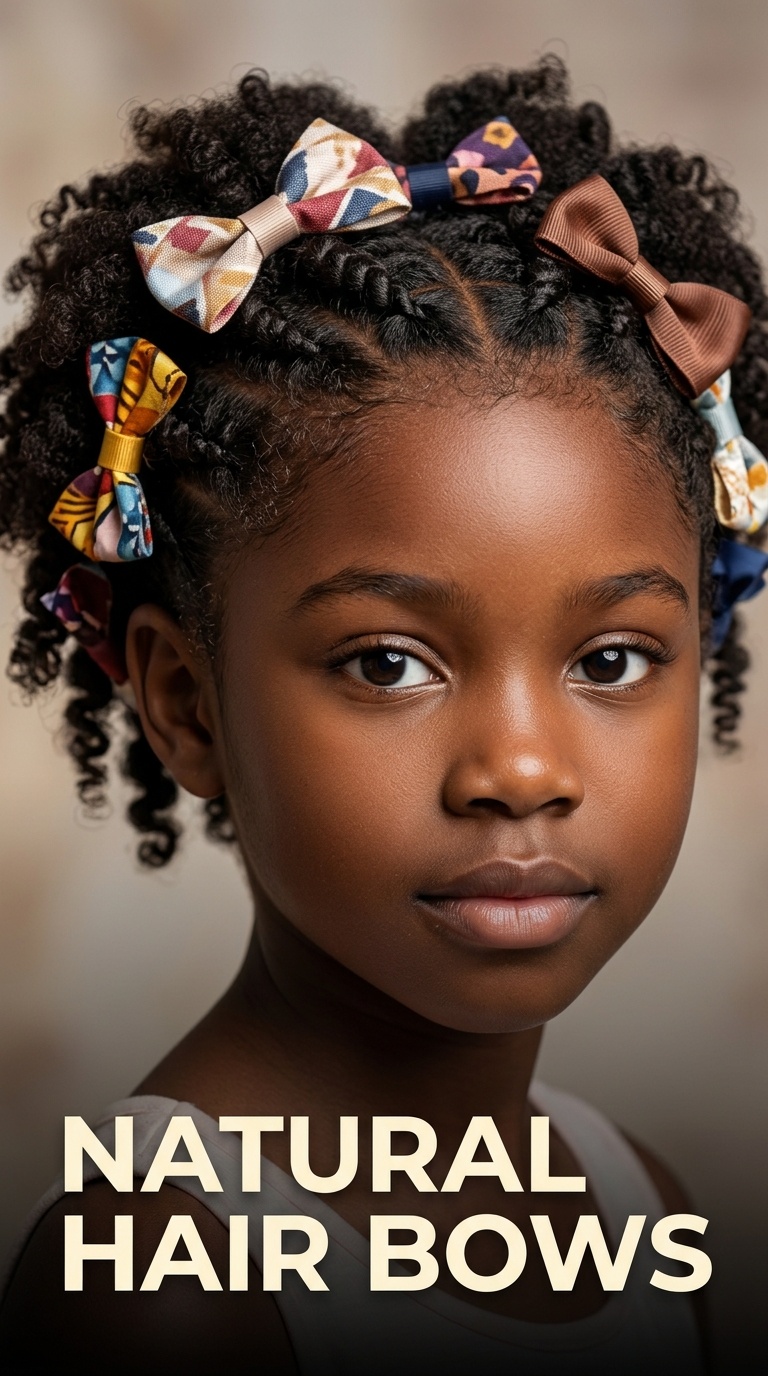
Creating bows out of the child’s own natural hair is a creative and “magical” styling trick. This involves forming a bun and splitting it in two, then wrapping a small section of hair through the middle to create the bow shape. It is a show-stopping look for birthdays or holidays.
More Amazing Ideas
 17 Box Braid Hairstyles for Black Women in Different Lengths — Read more
 19 Birthday Hairstyles for Black Women in Bold and Classic Looks — Read more
 18 Bun Hairstyles for Black Women from Sleek to Textured — Read more
 17 Two-Braid Hairstyles for Black Women with Different Parts and Lengths — Read more
 18 Church Hairstyles from Classic Updos to Polished Natural Looks — Read more
This style works best on hair that has been slightly stretched, either through braids or a light blow-dry. Use hairpins that match the hair color to secure the “loops” of the bow invisibly. A bit of edge control will keep the surrounding hair looking neat and tidy.
This style teaches children that their natural hair is flexible and capable of incredible things. It is a conversation starter that celebrates the sculptural beauty of African-descent hair. It is far more unique than using a plastic or fabric store-bought bow.
16. Starter Locs
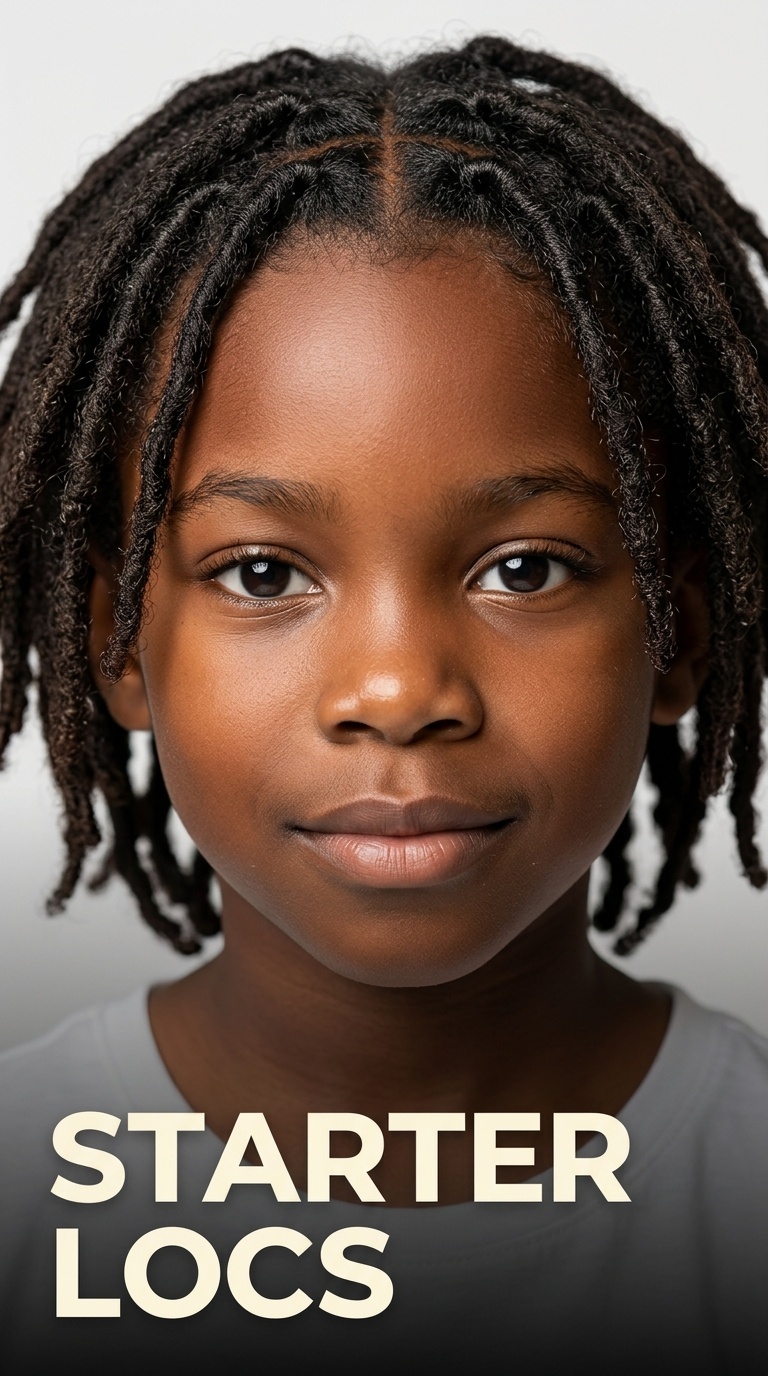
Starter locs are the beginning of a beautiful, long-term hair journey. For many Black families, locing a child’s hair is a significant cultural choice that simplifies grooming while honoring tradition. They can be started with coils, twists, or braids.
Maintenance for starter locs involves regular “retwisting” of the roots as the hair grows. It is essential to use natural products that do not cause buildup, as locs can trap residue easily. Emphasize the importance of wearing a silk scarf at night to keep the locs lint-free.
This style is a commitment to the natural maturation of the hair. It eliminates the need for daily combing and detangling, which many children find painful or tedious. Locs grow to be strong, beautiful symbols of patience and heritage.
17. Dutch Braids on Natural Hair
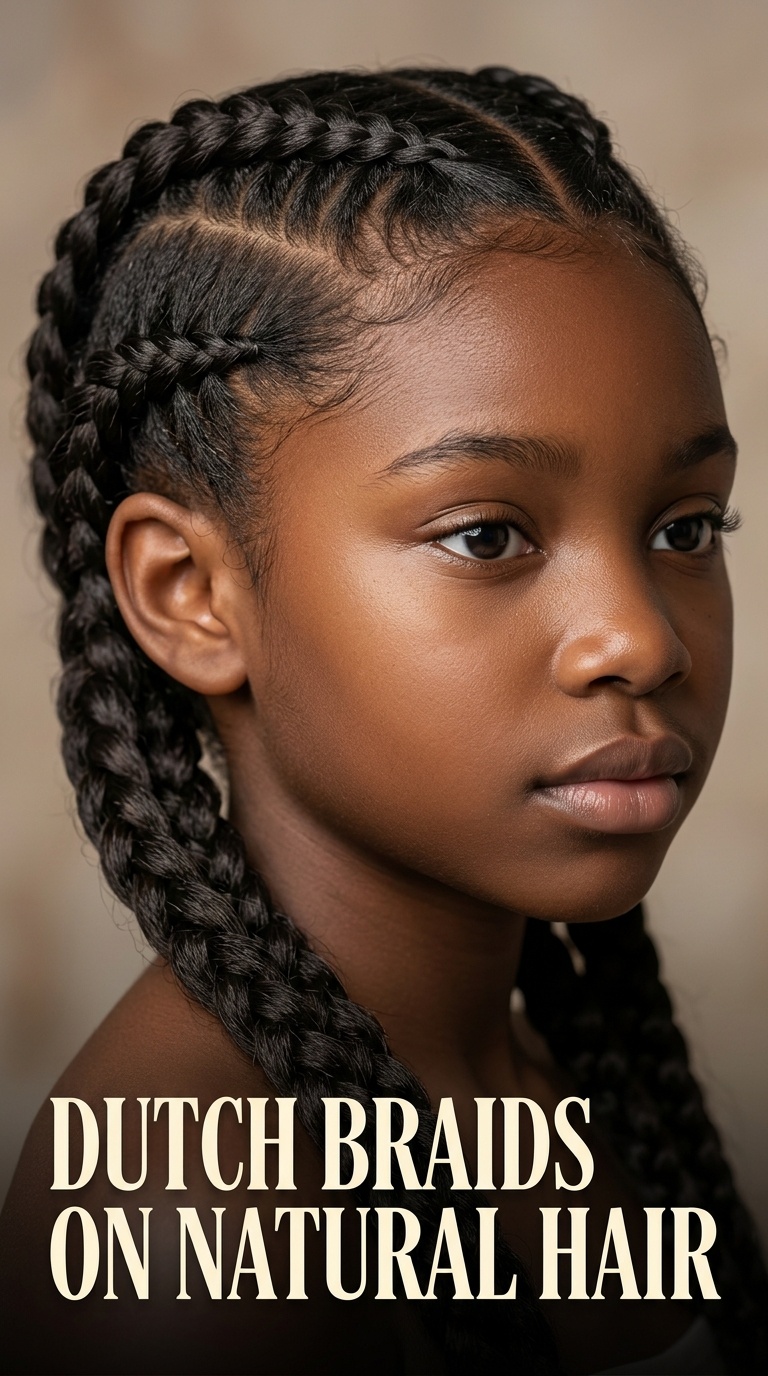
Dutch braids, often called “inside-out” braids, are similar to French braids but the sections are crossed under rather than over. This makes the braid sit on top of the hair, creating a bold, 3D effect. It is a wonderful way to manage thick, high-density hair.
For Black children, two Dutch braids (often called “pigtails”) are a classic school look. Use a moisturizing butter to keep the hair pliable while braiding. This style is excellent for stretching the hair without using any heat.
The Dutch braid is incredibly secure and can withstand a full day of recess and gym class. It provides a clean, organized look that highlights the richness of the hair’s color and texture. It is a timeless style that never goes out of fashion.
18. Bubble Braids
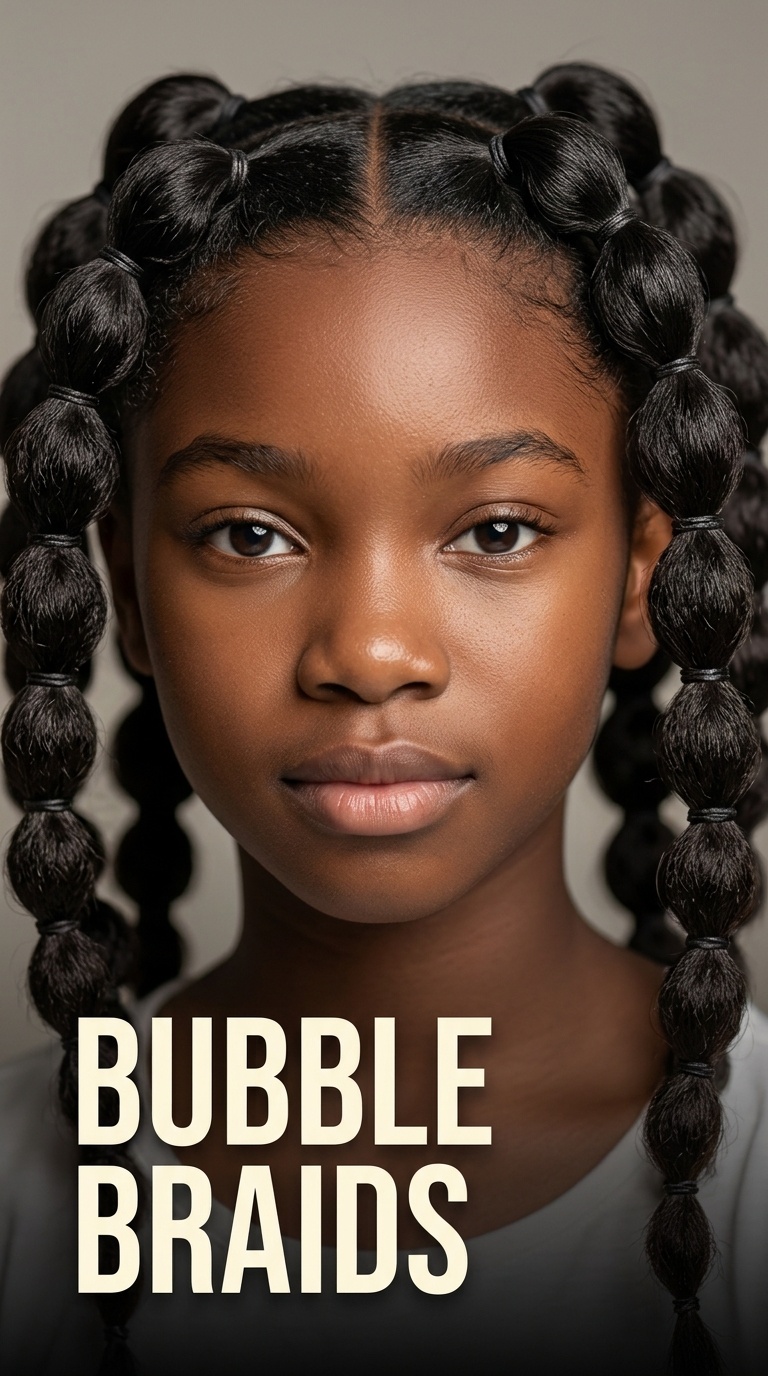
Bubble braids are a trendy and very easy alternative to traditional braiding. The hair is put into a ponytail, and then elastic bands are placed at intervals down the length. The hair between the bands is “puffed out” to create a series of bubbles.
This style is perfect for parents who may not be skilled at cornrowing or intricate twisting. Use colorful elastics to make the “bubbles” pop and look playful. Be sure to use a leave-in conditioner first so the elastics don’t snag or pull on the hair.
More Amazing Ideas
 19 Back-to-School Hairstyles for Kids with Braids and Ponytails — Read more
 17 Ponytail Hairstyles for Kids with Braids, Parts and Playful Details — Read more
 19 Flat Iron Hairstyles for Black Women with Sleek Lengths and Shape — Read more
 16 Low Ponytail Hairstyles for Black Women from Sleek to Textured Looks — Read more
 16 Halloween Hairstyles for Kids with Playful Braids and Creative Looks — Read more
Bubble braids allow for a lot of volume and length to be shown off safely. They are a fun, modern style that looks great in photos and feels very lightweight. It is a quick way to achieve a “styled” look with minimal effort.
How often should I moisturize my child’s natural hair?
Black children’s hair tends to be drier due to the coil pattern preventing scalp oils from traveling down the strand. You should mist the hair with water or a leave-in conditioner every 2 to 3 days. Sealing that moisture with a natural oil or butter helps keep the hair elastic and prevents breakage.
What is the best way to protect hair at night?
Nighttime protection is crucial for maintaining styles and preventing frizz on melanated hair. Use a high-quality satin or silk bonnet or a silk pillowcase to reduce friction. For older children, a silk scarf can also help keep braids or twists lying flat and neat for longer.
How do I detangle my child’s hair without causing pain?
Always detangle natural hair while it is wet and saturated with a slippery conditioner. Use a wide-tooth comb or a dedicated detangling brush, starting from the ends and slowly working your way up to the roots. Never try to comb through dry, type 4 hair, as this leads to unnecessary snapping and discomfort.
Are extensions safe for young children?
Extensions are safe as long as they are not installed too tightly and are not excessively heavy. For children, it is best to use “feed-in” methods or crochet styles to distribute the weight evenly. Always prioritize the health of the hairline and remove extensions if the child complains of scalp soreness or itching.
How long should protective styles be kept in?
While protective styles like box braids or cornrows are convenient, they should not be left in indefinitely. Most styles should be taken down after 2 to 4 weeks to allow for a deep scalp cleaning and a protein treatment. Leaving styles in for too long can lead to matting at the roots and weakened hair strands.
How can I encourage my child to love their natural texture?
Representation and positive language are the most effective tools for building hair confidence. Compliment the strength and versatility of their curls often and choose styles that make them feel like their best selves. Showing them images of successful, confident people with similar hair textures helps them take pride in their unique beauty.


