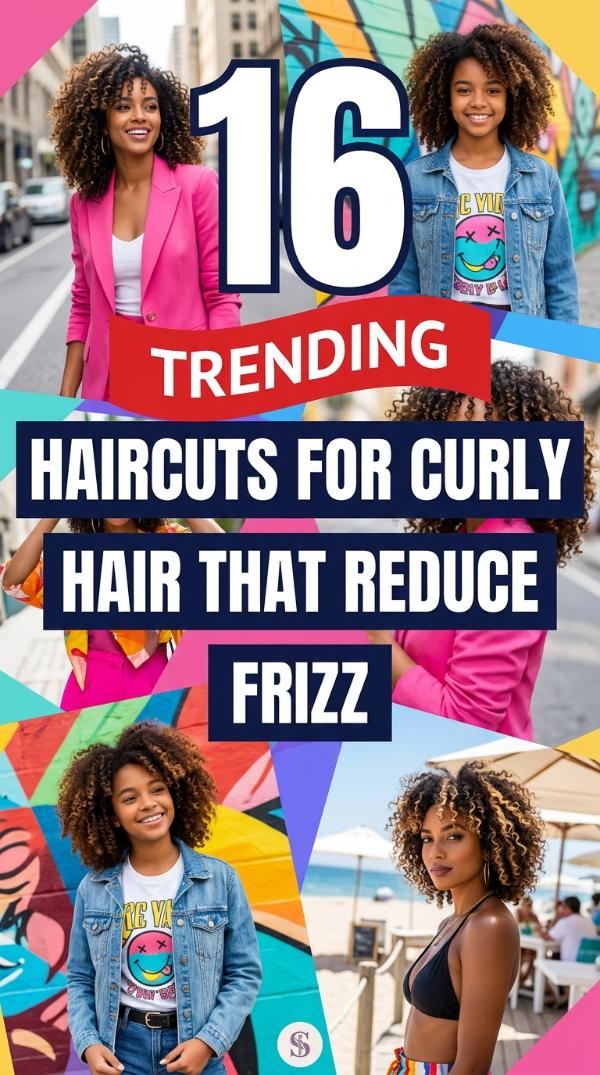
Taming curly hair often feels like a full-time job. Frizz happens when your strands lack moisture or the right structure. A great haircut is your first line of defense.
Choosing the right shape can transform your daily routine. It helps curls clump together and stay smooth. These styles prioritize health and definition for every unique curl type.
Explore these 16 haircuts for curly hair that reduce frizz effectively. Each look offers a unique way to manage texture while staying incredibly stylish and modern for your active lifestyle.
1. The Modern Shag
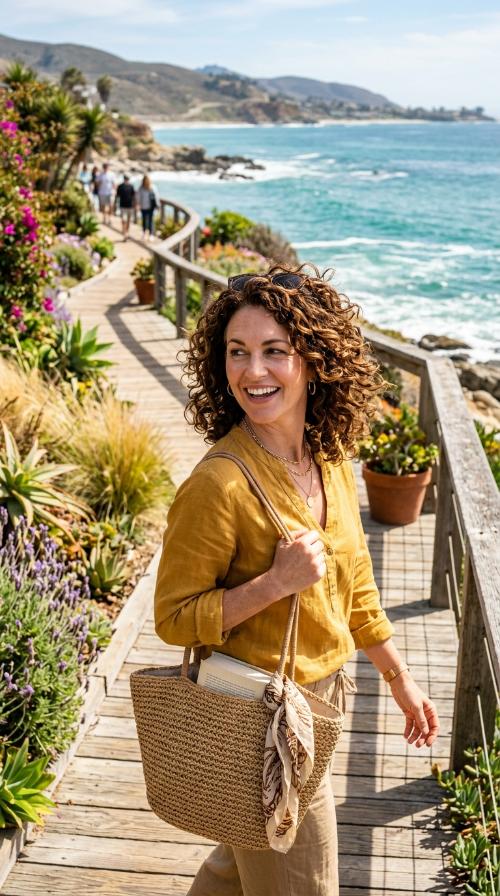
The modern shag uses heavy layers to remove excess bulk. This prevents your hair from expanding into a frizzy cloud. It keeps your natural texture contained and stylishly messy.
By thinning out the mid-lengths, your curls have more room to breathe. This reduces friction between strands. Less friction means significantly less frizz throughout the busy day.
This cut works beautifully for active lifestyles. It requires minimal styling while maintaining a cool, edgy vibe. Your curls will look intentional rather than just unmanaged and wild.
2. Long Layers with Face Framing

Long layers provide the weight necessary to pull curls downward. This gravity helps smooth out the cuticle. It is a classic choice for anyone battling daily humidity and flyaways.
Face-framing pieces add structure around your eyes and cheekbones. This prevents the hair from looking heavy or flat. It directs the focus to your features instead of your frizz.
This style is perfect for those who want to maintain length. The strategic layering ensures that the ends don’t look frayed. It keeps your silhouette sleek and very polished.
3. The Rezo Cut

The Rezo cut is designed specifically to maintain length and volume. It creates a circular shape that allows curls to pop. It avoids the dreaded “pyramid” look common with curls.
By cutting the hair in a way that respects the curl pattern, frizz is minimized. The strands clump together more naturally. This results in a much more defined look.
This technique is a favorite for those with high-density hair. It balances the weight perfectly across your head. You get maximum bounce without the typical frizzy side effects.
4. Tapered Pixie Cut
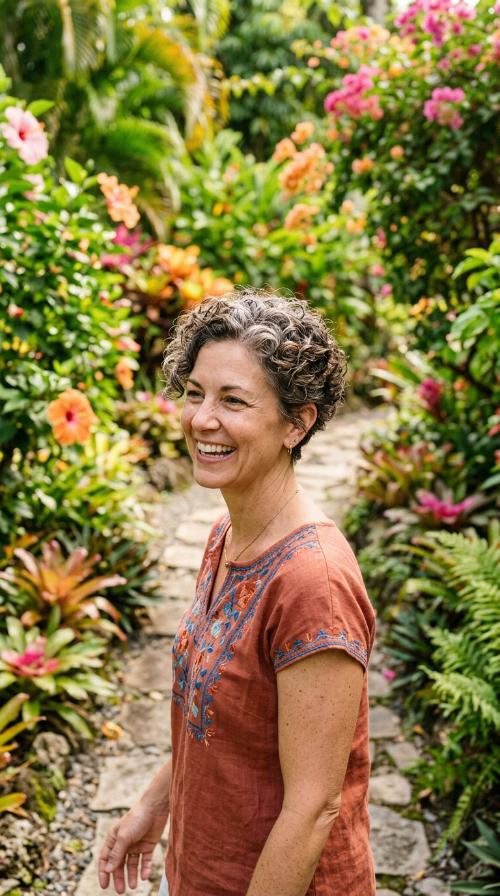
A tapered pixie is ideal for a low-maintenance, active lifestyle. By keeping the sides and back short, you eliminate areas prone to tangles. This significantly reduces overall frizz potential.
The top remains long enough to show off your natural ringlets. This contrast creates a sharp and modern aesthetic. It is a bold choice that highlights your facial structure.
Short hair is much easier to keep hydrated. Because the hair is younger, it is naturally smoother. You will spend much less time fighting with styling products every morning.
5. The Shoulder-Length Lob

The long bob, or lob, offers the perfect middle ground. It is long enough to have weight but short enough to manage. This weight helps keep the curl cuticle flat.
Having the hair hit at the shoulders provides a clean frame. It prevents the ends from rubbing against clothing too much. Reduced friction is a secret weapon against unwanted frizz.
This cut is incredibly versatile for any occasion. It looks great whether you are at the gym or a gala. It remains one of the most popular functional curly styles.
6. Round Layers

Round layers create a soft, feminine silhouette that follows the head’s shape. This distribution of volume prevents any one area from becoming too puffy. It creates a balanced look.
The layers help the curls stack neatly on top of each other. This stacking encourages curl clumping, which is the opposite of frizz. Your hair will look organized and healthy.
This style is excellent for medium-length hair. It provides a lot of movement without sacrificing the integrity of the curls. It feels light, airy, and very modern for today.
7. The Wolf Cut

The wolf cut is a trendy blend of a shag and a mullet. It features many short layers at the crown. These layers provide lift and prevent a flat top.
By concentrating the layers up high, the bottom stays relatively lean. This prevents the “bell shape” that often leads to frizz. It keeps the texture looking intentional and very cool.
This style thrives on a bit of natural messiness. Even if a little frizz occurs, it blends into the textured aesthetic. It is a very forgiving cut for busy people.
8. Asymmetrical Bob

An asymmetrical bob adds an edgy twist to a classic shape. One side is noticeably longer than the other. This draws the eye along a diagonal line, creating interest.
The uneven length helps to break up the curl pattern. This prevents the hair from nesting together and creating a frizzy mass. It keeps each curl looking distinct and sharp.
This cut is perfect for those who want a high-fashion look. It is easy to style with just a bit of gel. It stays sleek even in humid weather conditions.
9. The Butterfly Cut
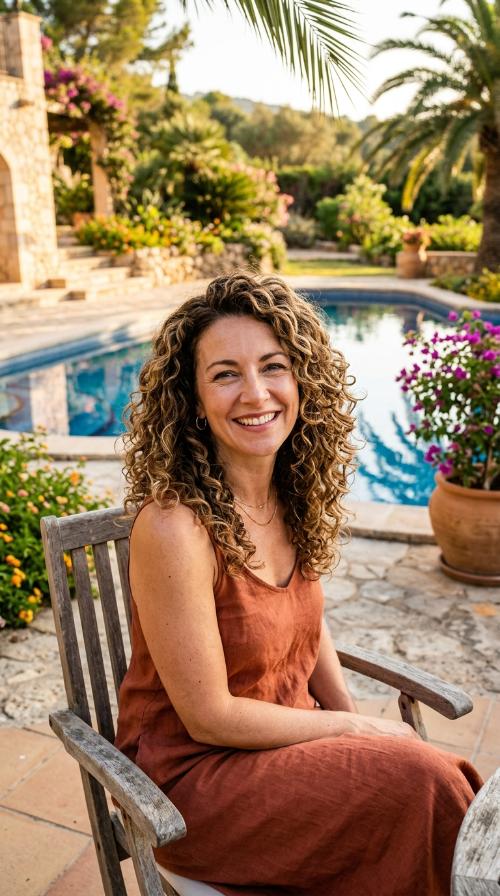
The butterfly cut features short layers on top paired with long layers below. This creates a winged effect that is very flattering. It provides movement and a lightweight feel.
By removing weight from the top, your curls can spring up. This prevents the roots from getting weighed down and frizzy. It maintains a very healthy and bouncy appearance.
This look is perfect for those who love a blowout look. Even when air-dried, the layers guide the curls into place. It is a very glamorous option for curly textures.
10. Blunt Cut with Internal Thinning
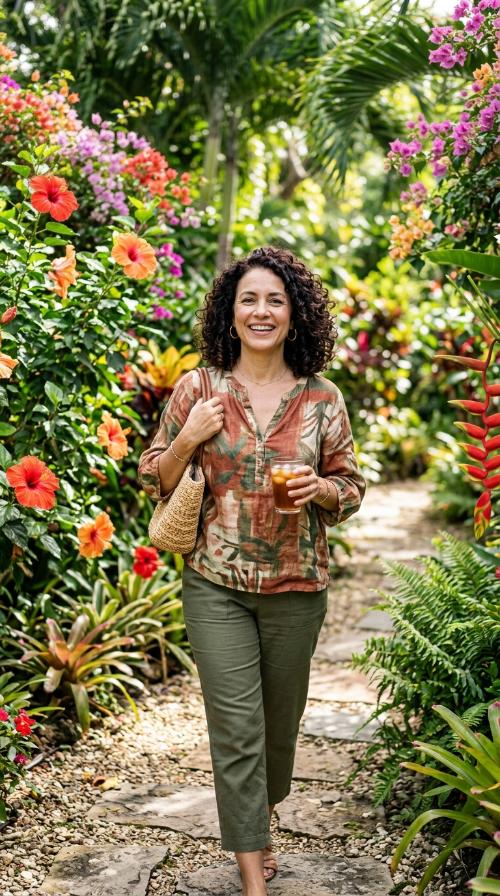
A blunt cut provides a very thick and healthy-looking baseline. To prevent frizz, a stylist will use internal thinning techniques. This removes bulk without ruining the outside line.
This method allows the hair to lay flatter against the head. It reduces the overall volume that can lead to a frizzy appearance. The result is a very chic look.
This is a great choice for fine, curly hair. It gives the illusion of thickness while keeping the texture under control. It is sophisticated and very easy to maintain daily.
11. The V-Shape Cut
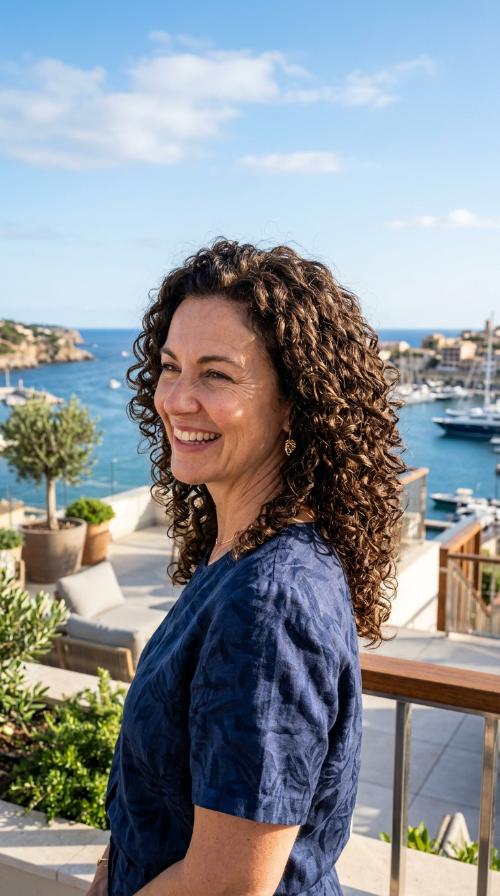
The V-shape cut keeps the hair longest in the center back. The sides are cut shorter to create a “V” silhouette. This removes heavy weight from the front.
By thinning out the sides, you reduce the hair that touches your face. This prevents oils and sweat from causing the hair to frizz. It keeps your vision clear too.
This cut provides a beautiful flow when viewed from behind. It is ideal for very long hair that needs a bit of direction. It looks graceful and very well-kept.
12. Tapered Teeny Weeny Afro (TWA)
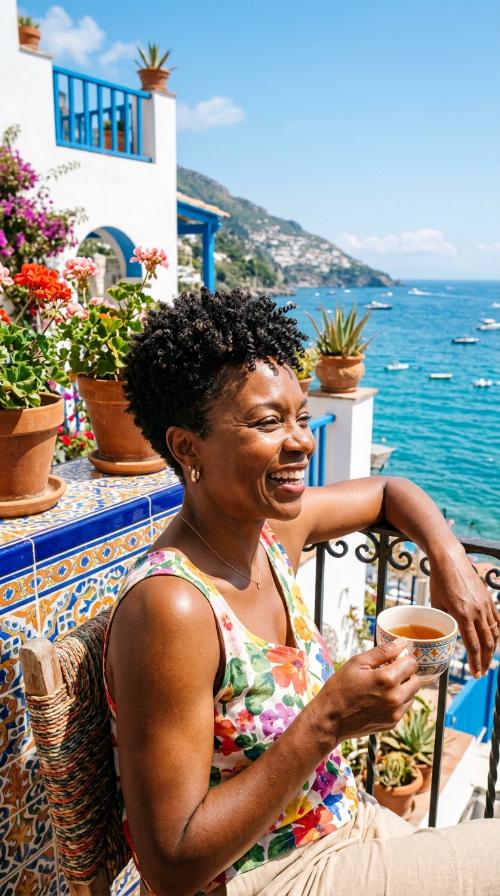
The tapered TWA is a masterpiece of precision and style. It features very short sides that gradually get longer toward the top. It is incredibly clean and sharp.
Because the hair is kept so short, frizz has nowhere to hide. The tight coils stay compact and defined. This is the ultimate low-maintenance look for active individuals.
This style highlights your facial features and bone structure perfectly. It requires almost no daily styling beyond a bit of oil. It is confident, modern, and very powerful.
13. Curly Bangs with Mid-Length Layers

Curly bangs are a fantastic way to update your look. They frame the forehead and add a playful touch. They work best when cut while the hair is dry.
Pairing bangs with mid-length layers creates a cohesive style. The layers help the rest of the hair blend with the fringe. This prevents a disconnected or frizzy appearance.
Bangs actually help manage frizz by giving you a focal point. If the rest of your hair is wild, the bangs look intentional. They add instant style to any outfit.
14. Stacked Curly Bob

A stacked bob is shorter in the back and longer in front. The back is cut with graduated layers to create height. This builds a very beautiful, rounded profile.
The stacking technique helps the curls support each other. This structural support keeps the hair from collapsing and frizzing. It looks very voluminous and healthy from every angle.
This cut is excellent for those with looser curls or waves. It gives the hair a specific direction to follow. It is professional, stylish, and very easy to manage.
15. The U-Cut

The U-cut is similar to the V-cut but with a softer curve. It rounds off the corners of the hair. This prevents the ends from looking thin or wispy.
This shape encourages curls to turn inward rather than outward. Outward curls often lead to more visible frizz and flyaways. It keeps the hair looking dense and lush.
It is a very safe and flattering choice for all curl types. It works well for both casual and formal settings. Your hair will look organized and very soft.
16. Internal Ghost Layers

Ghost layers are hidden layers that you can’t see on the surface. They are cut into the under-sections of the hair. This removes weight without changing the overall length.
By removing this hidden bulk, the hair lays much flatter. This reduces the “poof” factor that usually results in frizz. It is a secret weapon for long-haired girls.
This technique is perfect for those who love a one-length look. You get the benefits of layers without the choppy appearance. It keeps your curls smooth and very manageable.
Which cut is best for high humidity?
A layered cut like the Rezo or Shag works best. It prevents moisture from getting trapped in dense sections, allowing curls to move freely without expanding.
How often should I trim curly hair?
You should get a trim every 8 to 12 weeks. Regular trims remove split ends that travel up the hair shaft and cause significant frizz and tangles.
Should curly hair be cut wet or dry?
Dry cutting is generally better for curly hair. It allows the stylist to see how each individual curl falls and reacts, ensuring a much more predictable, frizz-free result.
Can a short cut help reduce frizz?
Yes, shorter cuts like a tapered pixie reduce frizz. The hair is often healthier near the root, and there is less surface area for environmental moisture to affect.
Does layering always help with curls?
Usually, yes, because layers prevent the “triangle” shape. Strategic layering removes the bottom-heavy weight that can cause the top of the hair to flatten and frizz out.
What is the best way to explain these to a stylist?
Bring photos of the specific look you want. Mention that your primary goal is “bulk reduction” and “clump definition” to help them choose the best layering technique.